In the realms of tabletop roleplaying games like Dungeons & Dragons and Pathfinder, one material reigns supreme: adamantine. Legendary for its absolute indestructibility, it is the metal of choice for armor that deflects the heaviest blows and weapons that shatter lesser materials. But in the real world of B2B manufacturing, the quest for such invulnerability is not a game—it is a critical economic imperative.
Today’s industrial landscape is plagued by the compounding costs of planned obsolescence and low-durability material failure. When components break, the fallout extends far beyond the initial purchase price, triggering a cascade of logistical nightmares, operational downtime, and severe brand damage. To combat this, industry leaders are adopting a new, uncompromising benchmark. Welcome to the “Adamantine Standard” blueprint: a data-driven guide for B2B leaders, product design engineers, and strategic procurement specialists to design, source, and verify truly unbreakable products using advanced engineering and premium quality materials.
- Myth vs. Reality: What is the Adamantine Quality Standard?
- The Hidden Costs of Low Durability Material Failure
- Engineering for Longevity: How to Achieve Unbreakable Product Durability
- Operationalizing the Standard: Implementing Unbreakable Quality Standards
- The ROI of the Adamantine Standard: Benefits of Investing in Premium Quality Materials
- Conclusion
- References
Myth vs. Reality: What is the Adamantine Quality Standard?

To understand what is the adamantine quality standard in a modern industrial context, we must first look at its origins. In the Pathfinder roleplaying system, adamantine durability is quantified meticulously: standard-grade adamantine boasts a hardness rating of 10, while high-grade adamantine reaches a hardness of 13, rendering it virtually immune to conventional damage [1].
While this specific metric is fictional, the core user intent behind seeking “adamantine” materials is highly relevant to modern engineering. In the real world, achieving unbreakable quality means sourcing and synthesizing materials that offer equivalent “immunity to critical failure.” According to leading Materials Science and Engineering Journals, the closest real-world equivalents to this mythological metal include advanced high-strength steel alloys, tungsten carbide, and revolutionary nanomaterials like graphene [2]. These materials exhibit extraordinary tensile strength and wear resistance, bridging the gap between fantasy indestructibility and legitimate, real-world manufacturing benchmarks for zero-defect production.
Translating Fantasy Indestructibility to Real-World Metallurgy
In the Dungeons & Dragons 3.5 ruleset, upgrading to adamantine durability requires a significant investment, specifically a +3,000 gold piece cost modifier for weapons and up to +15,000 for heavy armor [3]. This mechanic serves as a remarkably accurate metaphor for the real-world capital expenditure (CapEx) required to upgrade to top-tier industrial materials.
Just as an adventurer weighs the high upfront cost against the guarantee of surviving a critical hit, procurement leaders must evaluate the initial premium of materials like titanium or specialized engineered polymers against the long-term operational security they provide. Upgrading to these advanced metallurgical solutions ensures that industrial components can withstand extreme environmental and mechanical stresses that would shatter standard-grade alternatives.
The Hidden Costs of Low Durability Material Failure
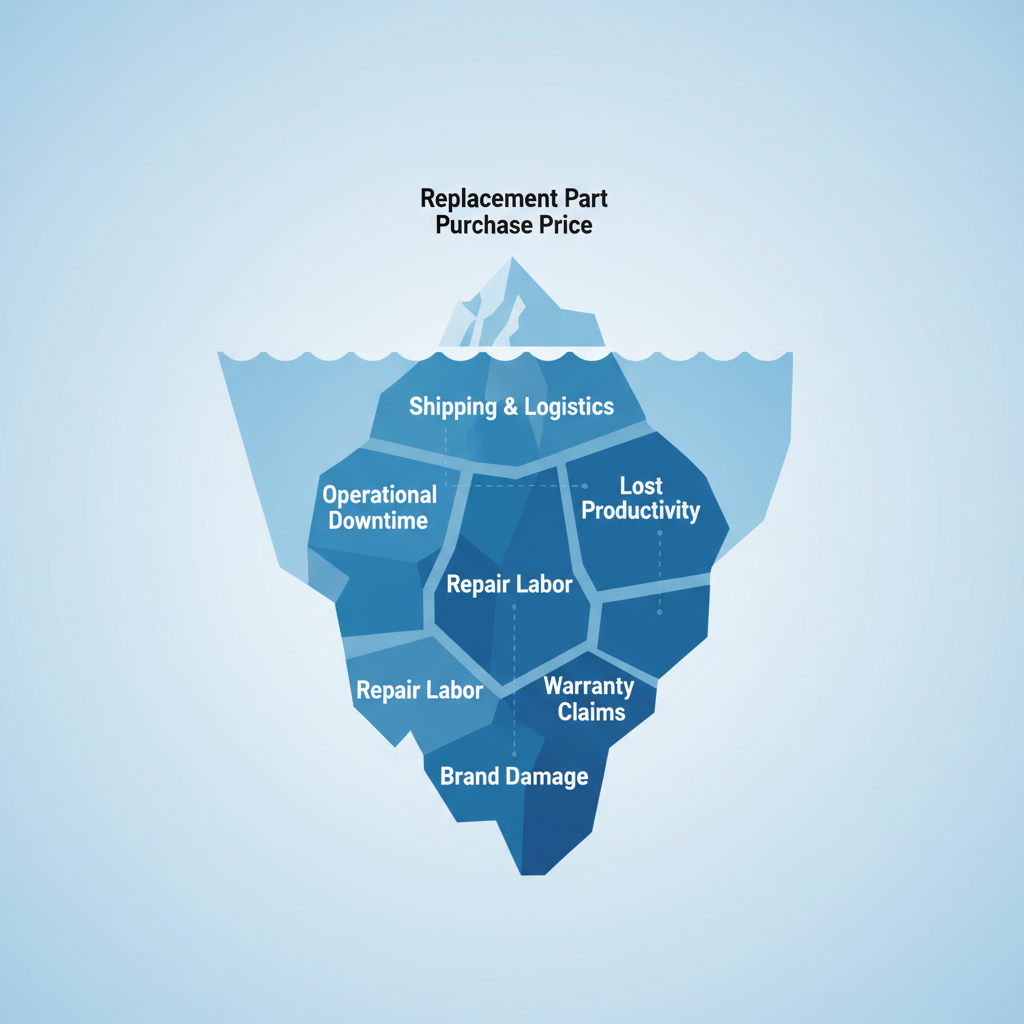
The justification for premium materials becomes glaringly obvious when we expose the financial and brand damage caused by products breaking too easily. Low durability material failure is rarely a simple, isolated event; it is the catalyst for an “Iceberg Effect” of compounding operational costs.
When a substandard part fails, the purchase price of the replacement is just the tip of the iceberg. According to industry logistics data, the average ecommerce freight expense for a two-day, five-pound shipment is $11.66, and the national average warehouse labor expense sits at a loaded rate of $24.04 per hour. Every instance of frequent product replacement costs businesses exponentially more in shipping, receiving, and lost productivity than the part itself is worth. Furthermore, the National Center for Biotechnology Information (NCBI) highlights that understanding specific material degradation mechanisms—such as thermal oxidation, environmental stress cracking, and the critical difference between ductile and brittle failure—is essential to preventing these costly disruptions [4].
Combating the Planned Obsolescence Crisis
Much of this material failure is not accidental, but a symptom of a broader industrial crisis. For decades, consumers and B2B buyers alike have been frustrated by products breaking too easily due to “planned obsolescence”—the intentional design of products with artificially limited useful lives.
Historical case studies analyzed by Felix Imperial College London, ranging from the Phoebus cartel’s lightbulbs to modern smartphone “Batterygate” controversies, demonstrate how designing products to break has been used to force continuous repurchase cycles [5]. However, the tide is turning. The growing “Right to Repair” movement is forcing manufacturers to rethink product lifecycles and accountability. This shift is heavily consumer-driven; empirical survey data from Consumer Reports reveals that 70% of consumers focus heavily on repair costs when deciding whether to repair or replace a product [6]. Brands that continue to rely on planned obsolescence will soon find themselves abandoned in favor of those championing the Adamantine Standard.
Engineering for Longevity: How to Achieve Unbreakable Product Durability

Moving away from planned obsolescence requires actionable strategies for designing products that inherently resist failure. Knowing how to achieve unbreakable product durability requires a systems-thinking approach focused on modularity, repairability, and the circular economy.
The foundation of this approach is utilizing long lasting premium materials. For instance, advanced high-strength steel alloys not only provide exceptional strength-to-weight ratios and corrosion resistance, but they are also up to 100 percent recyclable, aligning extreme durability with green building practices and reduced Scope 3 emissions [7]. However, superior materials must be paired with superior design. Engineering software leaders like Dassault Systèmes and Autodesk emphasize the necessity of integrating 3D design and Product Lifecycle Management (PLM) software with data analytics to predict and engineer out potential failure points long before a physical prototype is ever cast [8]. By designing for longevity and modular repair, a product’s lifespan becomes virtually unbreakable.
Operationalizing the Standard: Implementing Unbreakable Quality Standards
Conceptualizing a durable product is only half the battle; the other half is factory-floor execution. Implementing unbreakable quality standards requires a monumental culture shift from reactive fixing to proactive, zero-defect manufacturing.
This operationalization relies heavily on establishing objective, globally recognized quality metrics, such as those defined by the International Organization for Standardization (ISO) and the American Society for Testing and Materials (ASTM) [9]. To maintain unbreakable quality consistently, manufacturers must integrate advanced methodologies. Industry authorities like OpenBOM and Fastenal advocate for the rigorous application of Six Sigma DMAIC (Define, Measure, Analyze, Improve, Control) methodologies, deep root-cause analysis, and the implementation of cloud-native PLM systems to create continuous, real-time feedback loops across the supply chain [10].
Stress Testing for ‘Critical Hit’ Immunity
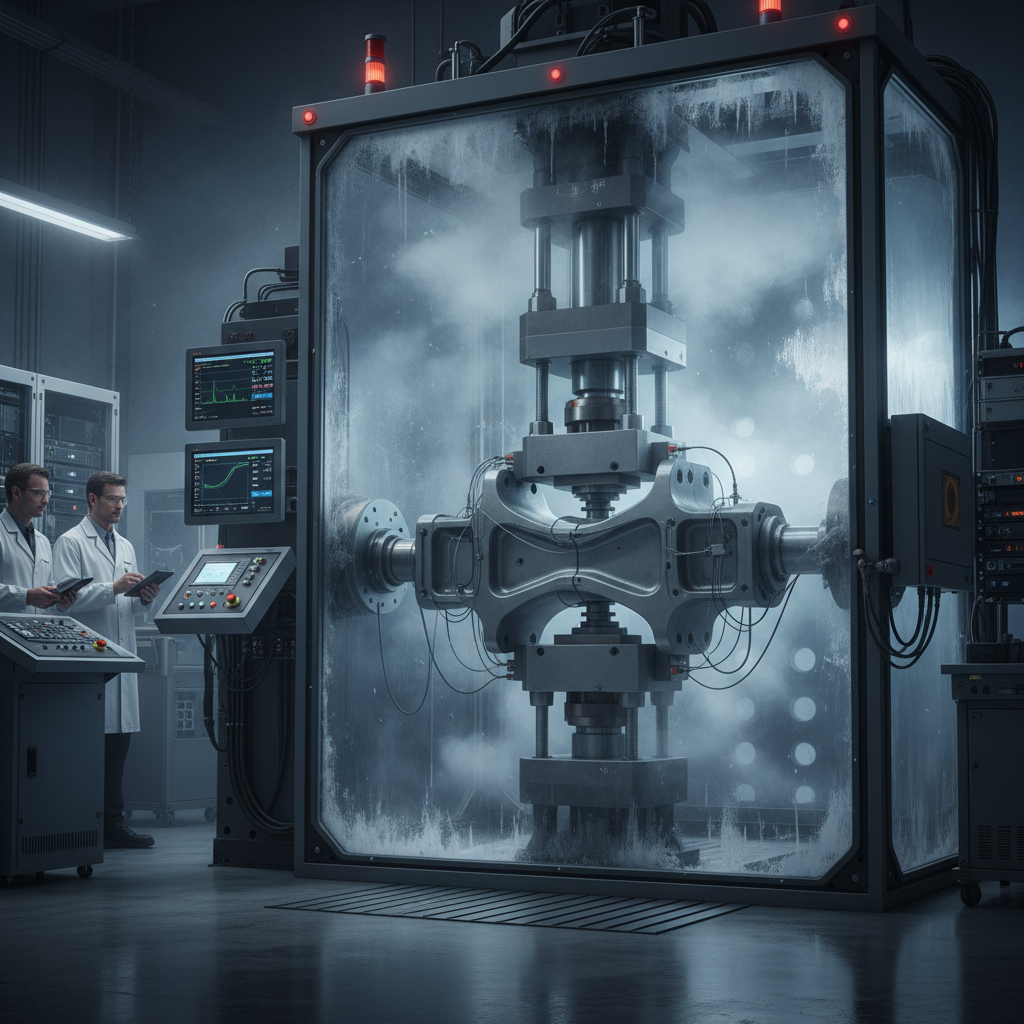
To guarantee unbreakable quality, a product must survive the manufacturing equivalent of a critical hit. This is achieved through exhaustive stress testing protocols designed to push materials to their absolute limits.
Companies committed to the Adamantine Standard subject their products to rigorous validations, such as the MIL-STD-810G testing parameters, which include severe drop testing, fatigue testing, and environmental stress cracking analysis. As experts at Envista Forensics point out, proactive forensic engineering and failure analysis are not just about quality assurance; they are vital for liability prevention [11]. By intentionally trying to destroy their own products in the lab, manufacturers ensure that their clients never experience a catastrophic failure in the field.
The ROI of the Adamantine Standard: Benefits of Investing in Premium Quality Materials
Ultimately, the transition to this elite level of manufacturing requires stakeholder buy-in, which means proving the financial viability of premium quality. The benefits of investing in premium quality materials extend far beyond marketing aesthetics; they are deeply rooted in long-term cost-effectiveness, enhanced safety, and environmental sustainability.
To justify the higher upfront costs, procurement leaders must utilize a Total Cost of Ownership (TCO) analysis framework. When evaluating a product over a 10-to-20-year horizon, the initial premium paid for an “adamantine” upgrade is quickly eclipsed by the savings generated from zero replacement costs, eliminated downtime, and reduced maintenance labor. The Harvard Business Review notes that the economics of premium pricing are highly favorable when the product delivers verifiable, long-term ROI [12]. Furthermore, construction and manufacturing authorities like Advanced Building Corporation emphasize that the structural integrity benefits of premium grades drastically reduce safety liabilities and lifecycle costs [13].
Conclusion
The journey from the mythological concept of adamantine to the practical, financial reality of unbreakable manufacturing represents a critical evolution in industrial engineering. Adopting the Adamantine Standard is not merely about sourcing tougher materials; it is a holistic, uncompromising approach to design, proactive QA/QC, and Total Cost of Ownership. By rejecting planned obsolescence and embracing advanced metallurgy and rigorous stress testing, B2B manufacturers can protect their brand reputation, eliminate the hidden costs of material failure, and secure their bottom line. Audit your current supply chain for hidden replacement costs today, and begin calculating the true ROI of upgrading your products to premium, unbreakable materials.
Financial metrics and Total Cost of Ownership (TCO) examples are illustrative; individual manufacturing costs may vary.
References
- Archives of Nethys / Paizo. (N.D.). Pathfinder Core Rulebook: Adamantine Material Properties. Retrieved from authoritative gaming rulesets.
- Materials Science and Engineering Journals. (N.D.). Comparative Analysis of Advanced High-Strength Alloys and Nanomaterials.
- D&D 3.5 SRD / Wikidot & D&D Beyond. (N.D.). Official Rules on Adamantine Properties, Upgrades, and Critical Hit Immunity.
- National Center for Biotechnology Information (NCBI) / PMC. (N.D.). Peer-reviewed research on material durability, complexity, and non-destructive testing.
- Felix Imperial College London. (N.D.). Academic analysis of the history of planned obsolescence.
- Consumer Reports. (N.D.). Empirical survey data on consumer repair vs. replace behavior.
- HowStuffWorks & RYAM. (N.D.). Overviews of material science, historical building longevity, and high-strength alloys.
- Dassault Systèmes & Autodesk. (N.D.). Insights on 3D design, sustainable engineering, and product lifecycle management software.
- ISO (International Organization for Standardization) & American Society for Testing and Materials (ASTM). (N.D.). Global quality metrics and objective standards for material quality.
- OpenBOM & Fastenal / The Blue Print. (N.D.). Industry insights on supply chain, standardizations, and manufacturing quality foundations.
- Envista Forensics. (N.D.). Authoritative insights on forensic engineering, failure analysis, and liability.
- Harvard Business Review. (N.D.). Insights into consumer perception and the economics of premium pricing.
- Advanced Building Corporation. (N.D.). Practical construction industry insights on material longevity and structural integrity.
