Adamantine—the legendary, unbreakable metal of fantasy lore. For generations, it has existed purely in the realm of imagination. But step out of the myth and into reality, and you face a multi-billion-dollar crisis: fragile consumer goods. Last year alone, 78 million devices were damaged, with 67% involving cracked displays [1]. This staggering statistic highlights a critical, real-world need for ultimate durability. Enter the “Adamantine Standard.” No longer a fantasy, this is now a measurable benchmark in modern materials science, driven by additive manufacturing, diamond-integrated optics, and unbreakable premium composites. This definitive guide explores the economics of fragility, the shift toward next-generation unbreakable quality manufacturing, and the profound return on investment (ROI) of sustainable durability.
- Myth vs. Reality: Defining the Adamantine Standard in the Modern Era
- The Economics of Fragility: Why Modern Products Break Too Easily
- Unbreakable Quality Manufacturing: Forging the Future
- Premium Standards in Consumer Goods: Materials That Last a Lifetime
- The ROI of Sustainable Durability
- Conclusion
- References
Myth vs. Reality: Defining the Adamantine Standard in the Modern Era

For decades, asking “what is the adamantine standard” led straight to tabletop role-playing games. In systems like Pathfinder, standard-grade adamantine boasts a formidable hardness rating of 10 to 28, representing the absolute pinnacle of mythical durability [2]. However, the modern era has co-opted this lore to define real-world engineering limits.
While standard-grade adamantine remains a fictional tier, the real-world “adamantine standard” now represents the zenith of materials science and manufacturing tolerances. Adamantine durability is no longer about magic; it is about molecular engineering. A prime example of this evolution is Diamond Quanta’s debut of “Adamantine Optics” at the CES 2026 Eureka Park, which firmly established the term’s real-world technological relevance [3]. By bridging the gap between pop-culture lore and cutting-edge industrial applications, the adamantine standard has become the ultimate benchmark for modern manufacturing.
The Economics of Fragility: Why Modern Products Break Too Easily
To understand the value of premium durability, we must first investigate why products breaking too easily has become an accepted norm. The root causes often lie in the economics of planned obsolescence and aggressive Bill of Materials (BOM) cost-cutting. Manufacturers frequently opt for fragile low quality materials that are chemically or structurally predisposed to failure.
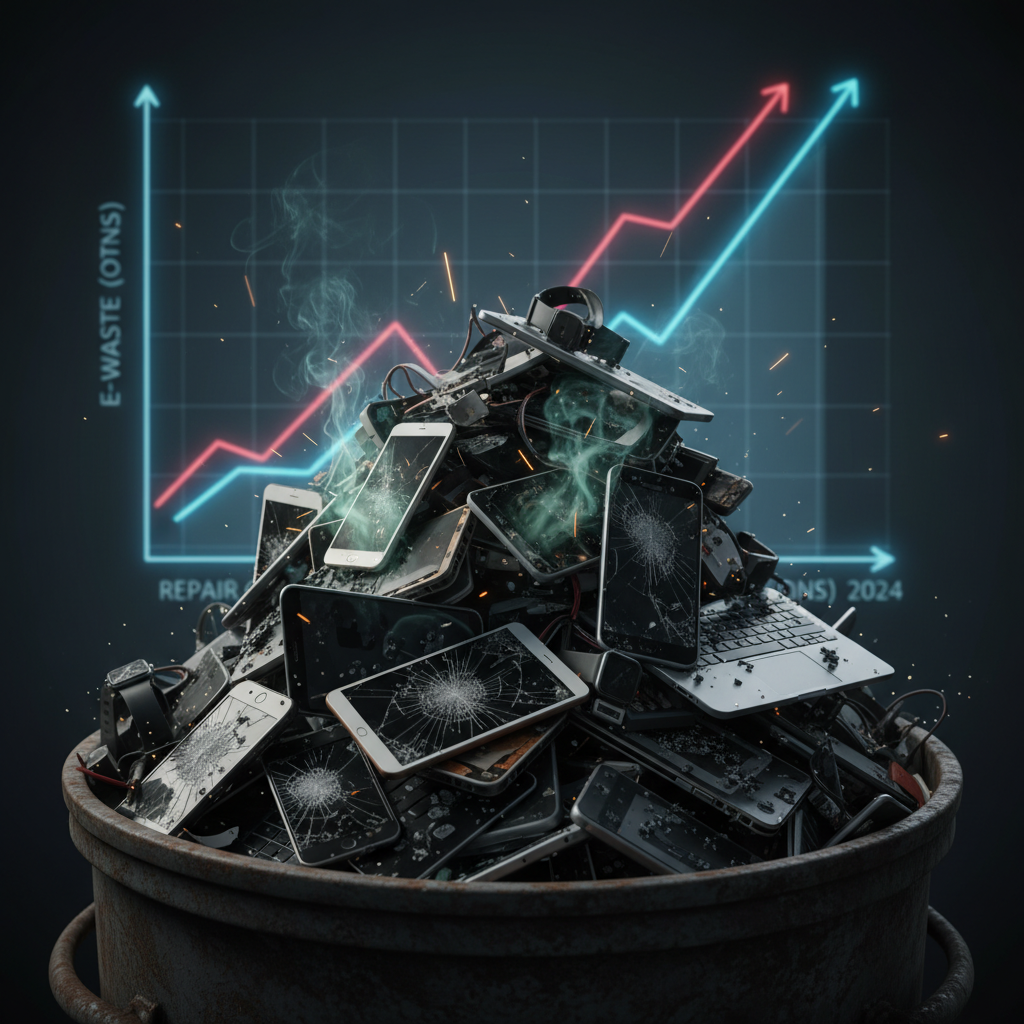
Using scientific terminology to explain material failure reveals exactly why cheap goods don’t last. For instance, untreated natural fibers fail due to their hydrophilic nature; the presence of hydroxyl groups in lignocellulose makes them highly susceptible to moisture damage and rapid degradation [4].
Beyond chemical weaknesses, the macroeconomic costs of frequent product replacements are staggering. Relying on cheap materials leads to safety recalls that devastate brand trust. Economic principles dictate that when consumers face frequent failures, they seek out alternatives based on the concept of “perfect vs. imperfect substitutes” [5]. As noted by risk management experts at Gallagher, mass recalls driven by material or software failures not only incur immediate financial loss but cause long-term, sometimes irreversible, reputational damage to the brand [6].
Unbreakable Quality Manufacturing: Forging the Future
The antidote to planned obsolescence is unbreakable quality manufacturing. This represents a paradigm shift from traditional, flawed molding processes to advanced fabrication techniques where “unbreakable” is a measurable engineering reality. Premium standards are no longer just marketing buzzwords; they are certified through rigorous testing protocols. The International Organization for Standardization (ISO) outlines exacting stress tests, including thermal shock and controlled impact testing, to certify these premium standards [7].
Leading this charge are proprietary additive manufacturing technologies. Innovators like 3DEO utilize Intelligent Layering®, while Sandvik pioneers titanium powder laser fusing [8][9]. These processes eliminate the microscopic structural weaknesses inherent in traditional casting, demonstrating deep industry knowledge and forging components of unprecedented strength.
Adamantine Standard Implementation: The Thermomechanical Simulator

Achieving this level of precision in metal 3D printing requires flawless thermal management. This is where the literal adamantine standard implementation comes into play via the “Adamantine 1.0” software. As detailed in The Journal of Open Source Software (JOSS), Adamantine 1.0 is an advanced thermomechanical simulator that models complex physics essential for additive manufacturing. It calculates latent heat release, mushy zones, volumetric source terms, and elastoplastic simulations [10].
For engineering teams looking to capture this high-value capability, the technical implementation requires specific dependencies, including CMake 3.15+, Boost 1.70.0+, and deal.II 9.5+. It is frequently configured via Docker environments to ensure flawless, repeatable 3D printed metals, proving that the adamantine standard is as much about software precision as it is about physical materials [11].
Premium Standards in Consumer Goods: Materials That Last a Lifetime
The leap from industrial fabrication to everyday life brings products with unbreakable premium quality directly into the hands of consumers and hospitality professionals. The demand for long lasting durable materials has revolutionized sectors previously plagued by shattering glass and brittle plastics. For example, premium unbreakable hospitality glassware can endure up to 10 times more dishwasher cycles than traditional glass, which typically withstands only 600 to 800 cycles before degrading or clouding [12].
Authoritative material brands are leading this consumer revolution. Eastman, the creators of Tritan plastic, and premium manufacturers like Scandinovia have developed BPA-free, sustainable alternatives that not only resist impact but also isolate temperature up to four times better than standard glass [13][14]. These materials prove that consumers do not have to sacrifice aesthetic elegance to achieve industrial-grade durability.
Adamantine Optics: The Diamond-Integrated Revolution

Surface degradation—specifically scratched lenses and cracked screens—remains a primary point of failure for consumer electronics. The benefits of adamantine durability standards are most visible in the realm of surface technologies. Through a highly advanced process known as Hot Filament Chemical Vapor Deposition (HFCVD), engineers can now integrate actual engineered diamond layers onto optical surfaces [15].
As reported by Trendy Gadget and pioneered by Diamond Quanta, these “Adamantine Optics” drastically reduce warranty costs for Original Equipment Manufacturers (OEMs) and offer a definitive, real-world solution to preventing smartphone screen cracks [3][16].
The ROI of Sustainable Durability
Ultimately, the transition to the adamantine standard is an economic and environmental imperative. The long-term return on investment (ROI) of sustainable durability is undeniable. Investing in long lasting durable materials—such as fiber cement, recycled steel, and advanced composites—benefits both the environment and the bottom line.
When comparing the longevity and maintenance of traditional wood to modern alternatives like composite decking or fiber cement (e.g., Hardie Plank), professional contractor insights from Truitt & White confirm that the latter drastically reduces maintenance costs and withstands severe climate extremes [17].
By framing durability as a critical sustainability factor, we recognize that the benefits of adamantine durability standards extend far beyond the individual user. Unbreakable products reduce landfill waste, lower the total cost of ownership over a product’s lifecycle, and definitively break the cycle of disposable consumerism.
Conclusion
The Adamantine Standard has evolved from a mythical concept of impenetrable fantasy armor into a rigorous, real-world manufacturing benchmark. By embracing advanced materials science—from metal 3D printing and Tritan plastics to diamond-integrated optics—industries now have the tools to defeat planned obsolescence once and for all. B2B procurement professionals, industrial designers, and savvy consumers alike must audit their purchasing choices. Demand transparency in materials, reject the false economy of fragile goods, and seek out products certified by rigorous, unbreakable premium standards. The future of manufacturing is not disposable; it is adamantine.
Disclaimer: The information provided in this article regarding industrial manufacturing implementations, materials science, and software configurations is for informational purposes only.
References
- Industry Data / Tech Reporting. (2025). Consumer Electronics Damage Statistics.
- Paizo / Archives of Nethys. (N.D.). Pathfinder Roleplaying Game Core Rulebook: Adamantine Hardness Ratings. Retrieved from Archives of Nethys.
- Diamond Quanta. (2026). Adamantine Optics: Diamond-Integrated Antireflective Coatings. Debuted at CES 2026 Eureka Park.
- ScienceDirect. (N.D.). Hydrophilic Nature of Natural Fibers and Lignocellulose Degradation.
- Corporate Finance Institute (CFI). (N.D.). Substitute Products: Perfect vs. Imperfect Substitutes in Economics.
- Gallagher. (N.D.). Product Recall Trends and Brand Trust Impact.
- International Organization for Standardization (ISO). (N.D.). Manufacturing Standards for Thermal Shock and Controlled Impact Testing.
- 3DEO. (N.D.). Intelligent Layering in Metal Additive Manufacturing.
- Sandvik. (N.D.). Titanium Powder Laser Fusing and Additive Manufacturing.
- The Journal of Open Source Software (JOSS). (N.D.). Adamantine 1.0: A Thermomechanical Simulator for Additive Manufacturing.
- Adamantine GitHub Repository. (N.D.). Adamantine Simulator Documentation and Docker Implementation.
- Neo Cross Continental. (N.D.). Lifecycle Analysis of Premium Unbreakable Hospitality Glassware.
- Eastman. (N.D.). Tritan Plastic: Chemical Safety and Durability Profile.
- Scandinovia. (N.D.). Premium Tritan Glassware Specifications and Temperature Isolation.
- Materials Science Data. (N.D.). Hot Filament Chemical Vapor Deposition (HFCVD) for Engineered Diamond Layers.
- Trendy Gadget. (2026). CES Innovations: How Adamantine Coatings Reduce OEM Warranty Costs.
- Truitt & White. (N.D.). Building Materials, Climate Suitability, and Fiber Cement Longevity.
