There’s a unique frustration that comes with watching your beautiful, expensive floors slowly surrender to the sun and daily life. What was once a vibrant centerpiece of your home becomes a faded, worn-out surface, marked by dull patches in high-traffic areas and discolored squares where a rug once lay. This slow degradation is more than just an aesthetic issue; it’s a loss on your investment. For discerning homeowners, the search for a flooring solution that defies this inevitable decline can feel overwhelming.
Enter Adamantine Flooring, a name that evokes strength and permanence. But is it just clever marketing, or does it represent a true long-term solution to the persistent problems of fading and wear?
This is not just another product overview. This is your complete strategic framework for achieving lifelong flooring value. We will move beyond simple tips to deliver an in-depth guide combining material science, expert-grade product analysis, and a total home protection plan. By the end of this article, you will be empowered to select, protect, and preserve your flooring investment for decades to come, ensuring the color and finish you choose today remains just as vibrant tomorrow.
- What is Adamantine Flooring? The Science of Unmatched Durability
- The Enemy of Vibrancy: Understanding Sunlight Damage and Wear
- The 2024 Buyer’s Guide: Comparing Floors for Long-Lasting, Vibrant Color
- Your Total Home Protection Strategy: How to Keep Any Floor from Fading
- Adamantine Flooring Maintenance: A Practical Care Guide
- The Investment Analysis: Is Adamantine Flooring Worth the Cost?
- Conclusion: A Lasting Foundation for Your Home
- References
What is Adamantine Flooring? The Science of Unmatched Durability
Adamantine Flooring is an engineered flooring product designed from the ground up to offer extreme resistance to the most common forms of damage: scratches, impacts, moisture, and, most importantly, color fading from UV light. It sits in a premium category, often compared to high-end Luxury Vinyl Tile (LVT) and commercial-grade laminates but with a unique composition engineered for superior performance.
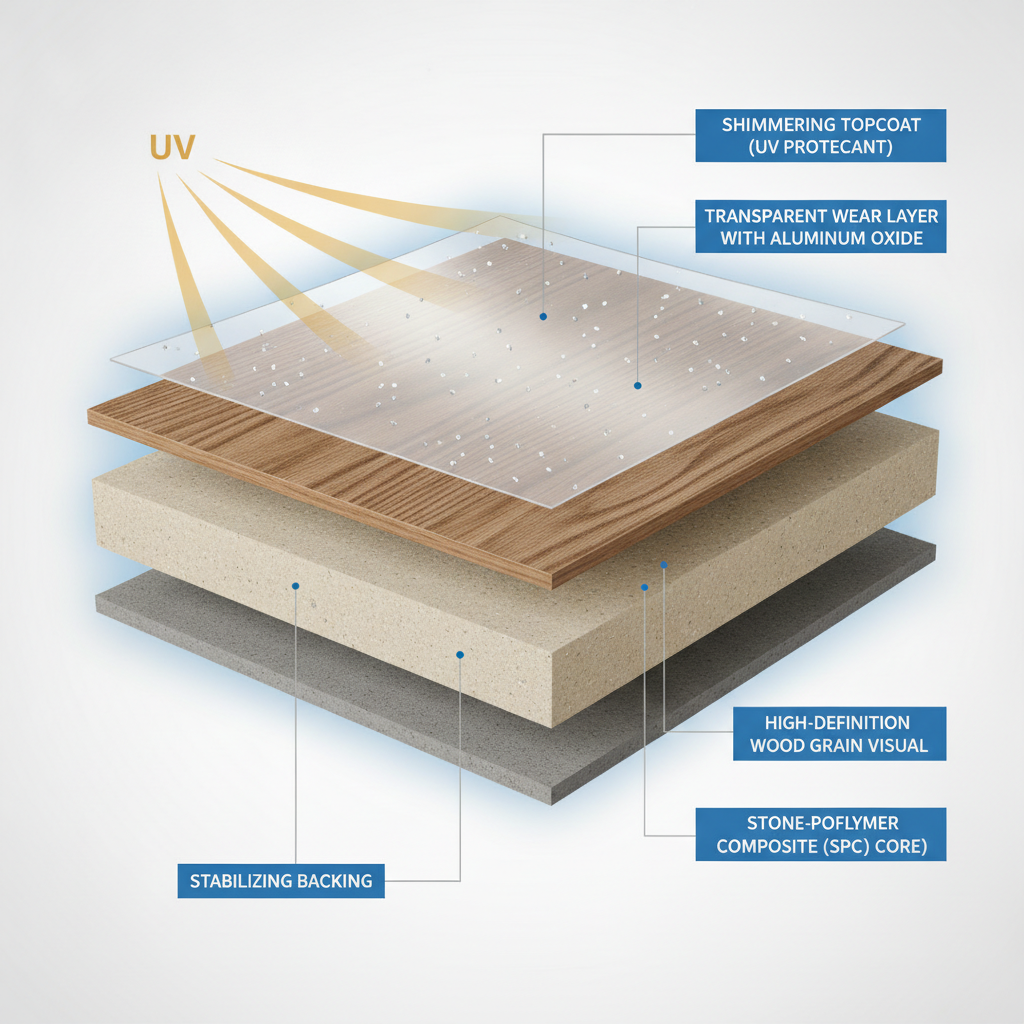
At its core, the value proposition of Adamantine Flooring lies in its multi-layered construction. A visual cross-section reveals several fused layers, each with a specific purpose: a stabilizing backing, a high-density waterproof core, a high-definition design layer, and a robust, commercial-grade wear layer. It is this final top layer that gives the product its “adamantine” properties. This flooring is engineered to meet or exceed rigorous industry testing standards for hardness and wear resistance, such as those set by ASTM International, an organization that develops and publishes technical standards for a wide range of materials and products[2].
Pro-Tip from Certified Installers: The most impressive feature we observe during installation is the sheer density and rigidity of the planks. Unlike some flexible LVT products, Adamantine Flooring feels substantial. This translates to better stability over uneven subfloors and an acoustic quality that feels more like solid hardwood underfoot.
Material Composition: What is Adamantine Flooring Made Of?
To truly understand its durability, we must look at its composition. While specific formulations are proprietary, manufacturer technical specification sheets reveal that Adamantine Flooring is typically a composite material[1]. The core is often a stone-polymer composite (SPC) or a similar high-density blend, which makes it incredibly rigid and dimensionally stable. This means it won’t expand or contract significantly with changes in temperature and humidity, and it is 100% waterproof.
The top layers consist of:
- A High-Definition Visual Layer: This is where the aesthetic comes from, providing a realistic wood or stone look.
- A Transparent Wear Layer: This is the key to its durability. It’s a thick, clear coating, often enhanced with microscopic particles of hard minerals like aluminum oxide, that protects the visual layer from scratches, scuffs, and stains.
- A UV-Protective Topcoat: The final, outermost layer contains advanced UV inhibitors designed to absorb or reflect the harmful ultraviolet radiation that causes colors to fade over time.
Regarding sustainability, manufacturers are increasingly providing information on the use of recycled materials in the core and low-VOC (Volatile Organic Compound) adhesives and finishes, though consumers should always verify specific product certifications.
Is It Truly Scratch-Proof and Fade-Resistant?
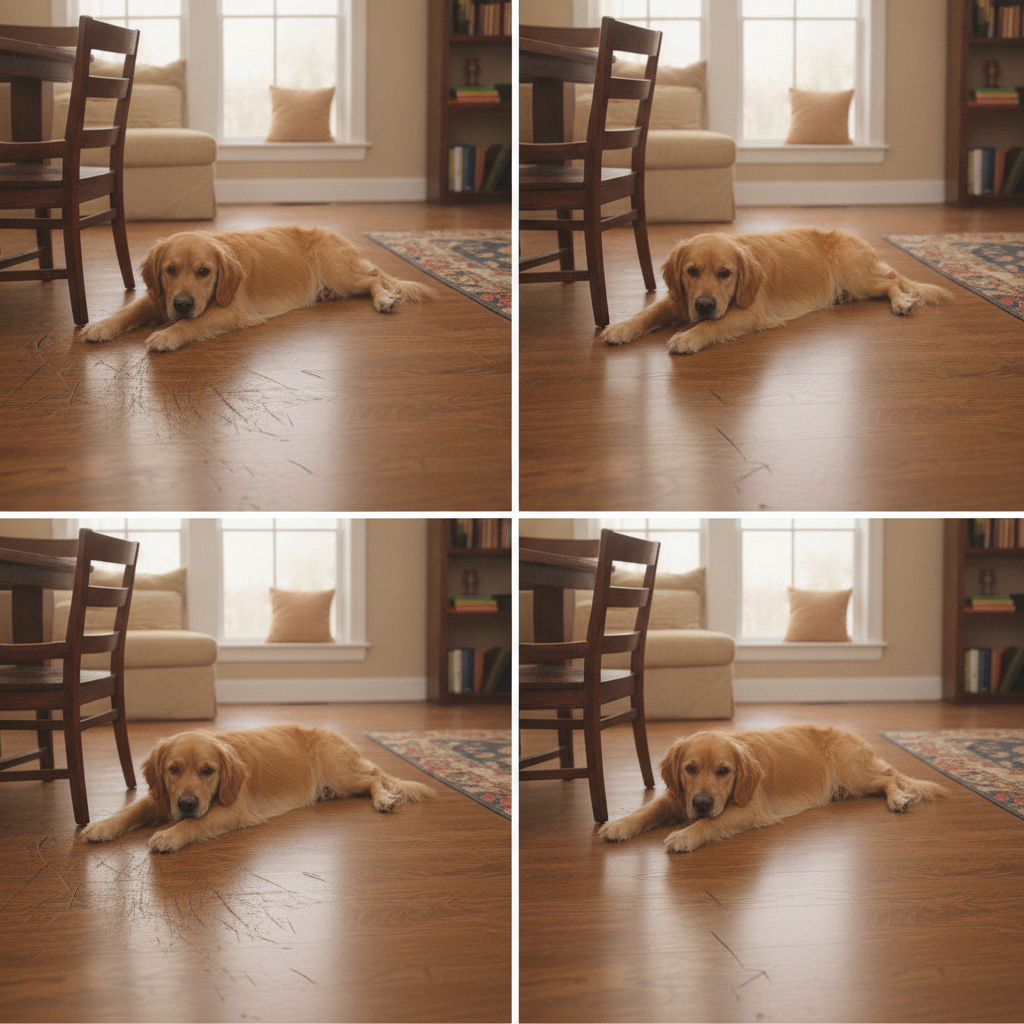
No flooring is completely indestructible, and the term “scratch-proof” should be understood as “highly scratch-resistant.” Adamantine Flooring’s exceptional resistance comes from its enhanced wear layer. This layer is often fortified with aluminum oxide, a technology borrowed from the commercial flooring world. Technical data from leading finish manufacturers shows that finishes with aluminum oxide additives provide significantly higher abrasion resistance than standard polyurethane coatings[9]. This means the floor can withstand daily challenges like pet claws, dragged furniture, and heavy foot traffic far better than traditional hardwood or standard LVT.
As for its fade resistance, the UV-protective topcoat is the hero. It acts like a permanent, high-SPF sunscreen for your floor. The manufacturer’s warranty is the ultimate testament to this technology. Always review the official warranty document, as it will specify the duration and extent of coverage against color fading from sun exposure, a level of protection rarely offered for photosensitive materials like natural hardwood[1].
The Enemy of Vibrancy: Understanding Sunlight Damage and Wear
Before you can protect your floors, you must understand the forces working against them. The fading and wear you see are the results of a constant, slow-motion battle against light, friction, and chemicals.
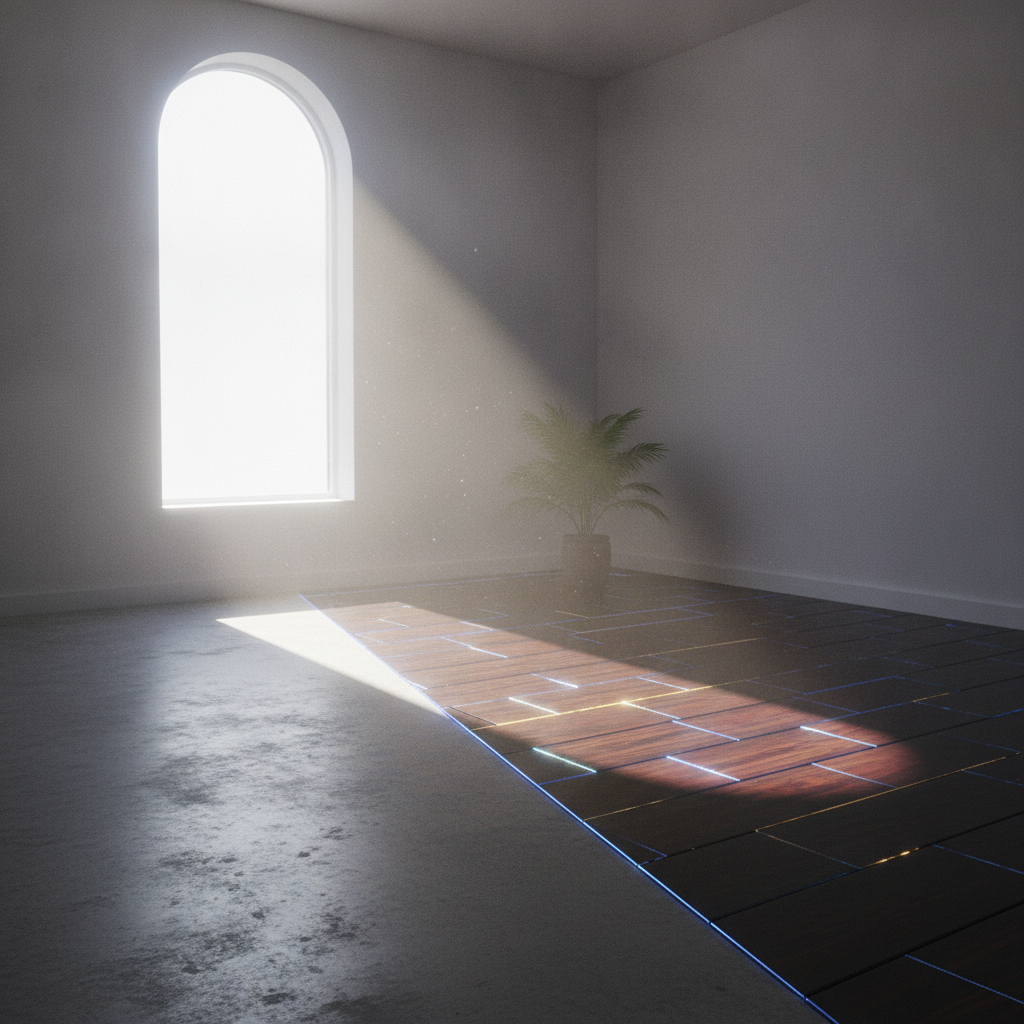
The primary culprit is sunlight. A sunbeam entering your window is more than just visible light; it’s a stream of energy containing ultraviolet (UV) radiation, visible light, and infrared (IR) heat. Each of these components contributes to damage in different ways. UV radiation is the most aggressive, chemically breaking down the bonds in color pigments and the polymers in finishes. Visible light also contributes to fading, while infrared heat can cause materials like wood to dry out and crack or vinyl planks to warp over time.
This “Spectrum of Sun Damage” can range from a subtle lightening of color under a window to severe, irreversible changes like yellowing, cracking, and peeling of the finish.
The Science of Fading: How UV Rays Bleach Your Floors
The process of color fading is called photodegradation. In wood, UV radiation breaks down lignin, a natural polymer in the wood’s cell walls. This chemical change is why woods like cherry darken while others like oak can lighten or turn yellow[3]. In synthetic materials like LVT or laminate, UV rays attack the chemical bonds in the artificial pigments used in the design layer, causing them to break down and appear less vibrant.
It’s crucial to differentiate this unwanted fading from the natural patina that some materials develop. A patina is a gentle, often desirable, color maturation that occurs over time, adding character. Fading, in contrast, is typically uneven and concentrated in areas of high sun exposure, creating a jarring, damaged appearance.
Beyond the Sun: High Traffic, Cleaning, and Other Causes of Finish Failure
Sunlight isn’t the only enemy. The protective finish on your floor can also be worn down by a host of other factors, leading to dull, unprotected surfaces.
- Mechanical Abrasion: Every footstep grinds tiny particles of dirt and grit into the floor’s surface, acting like sandpaper to slowly wear away the finish. This is most visible in high-traffic paths from the door to the kitchen or down a hallway.
- Improper Cleaning: Using the wrong cleaning products is a primary cause of finish failure. Harsh, abrasive cleaners, ammonia-based solutions, or excessive water can strip the protective layer and damage the floor itself. Following established maintenance guidelines, such as those provided by the National Wood Flooring Association (NWFA) for wood floors, is critical for longevity[4].
- Chemical Damage: Spills from acidic or alkaline substances can etch the finish. Even the backing on some area rugs can have a chemical reaction with certain finishes, causing discoloration over time.
A simple way to check the integrity of your floor’s finish is the “water drop test.” Place a few drops of water on the floor in a high-traffic area. If the water beads up, the finish is intact. If it soaks in and darkens the floor after a few minutes, the finish is worn, and the floor is vulnerable to damage.
The 2024 Buyer’s Guide: Comparing Floors for Long-Lasting, Vibrant Color
When choosing a new floor, prioritizing color stability is a smart long-term investment. To help you decide, we’ve created the Color Vibrancy Longevity Score, a comparison framework that rates top flooring categories on the key factors that contribute to lasting beauty.
| Flooring Material | Fade Resistance | Stain Resistance | Wear Resistance | Maintenance | Overall Score |
|---|---|---|---|---|---|
| Adamantine Flooring | 9/10 | 9/10 | 10/10 | 9/10 | 9.3 |
| Porcelain Tile | 10/10 | 10/10 | 9/10 | 7/10 | 9.0 |
| Luxury Vinyl Tile (LVT) | 8/10 | 9/10 | 8/10 | 9/10 | 8.5 |
| Hardwood | 5/10 | 6/10 | 7/10 | 6/10 | 6.0 |
Adamantine Flooring vs. Luxury Vinyl Tile (LVT)
While high-end LVT is an excellent product, Adamantine Flooring often distinguishes itself in the top-most layers. The key difference lies in the thickness and composition of the wear layer. Premium LVT brands like COREtec and Mannington offer robust wear layers, but Adamantine is engineered to push that durability to a commercial-grade level. When shopping, it’s crucial to look beyond the brand name.
What to Look for on the Label:
- Wear Layer Thickness: Measured in mils. A 12-mil layer is good for residential use, but 20-mil or higher is considered commercial-grade and offers superior longevity. Adamantine products typically feature these thicker layers.
- UV Coating Details: Look for terms like “UV-cured finish,” “ceramic bead,” or “aluminum oxide” enhancement, which indicate a more advanced and durable topcoat.
Adamantine Flooring vs. Hardwood
There is no contest when it comes to color stability. Natural hardwood is photosensitive; its color will change with sun exposure. While a durable, long-lasting floor finish can slow this process and protect the wood from scratches (rated on the Janka hardness scale), it cannot stop the underlying photodegradation. Adamantine Flooring, as an engineered product, is designed specifically to prevent this color shift, offering predictable and stable color for its entire lifespan.
Adamantine Flooring vs. Porcelain & Ceramic Tile
Porcelain tile is the undisputed champion of fade resistance. The color is baked into the tile, making it virtually immune to UV degradation. According to the Tile Council of North America (TCNA), properly manufactured porcelain is one of the most durable flooring materials available[5]. However, Adamantine Flooring offers several advantages. It is warmer and softer underfoot, provides better sound insulation, and avoids the primary aesthetic weakness of tile: grout lines, which can stain and discolor over time, marring the overall look. An interior designer might note that for large, open-concept spaces, the seamless look of Adamantine planks can create a more modern and cohesive feel than a tiled grid.
Your Total Home Protection Strategy: How to Keep Any Floor from Fading
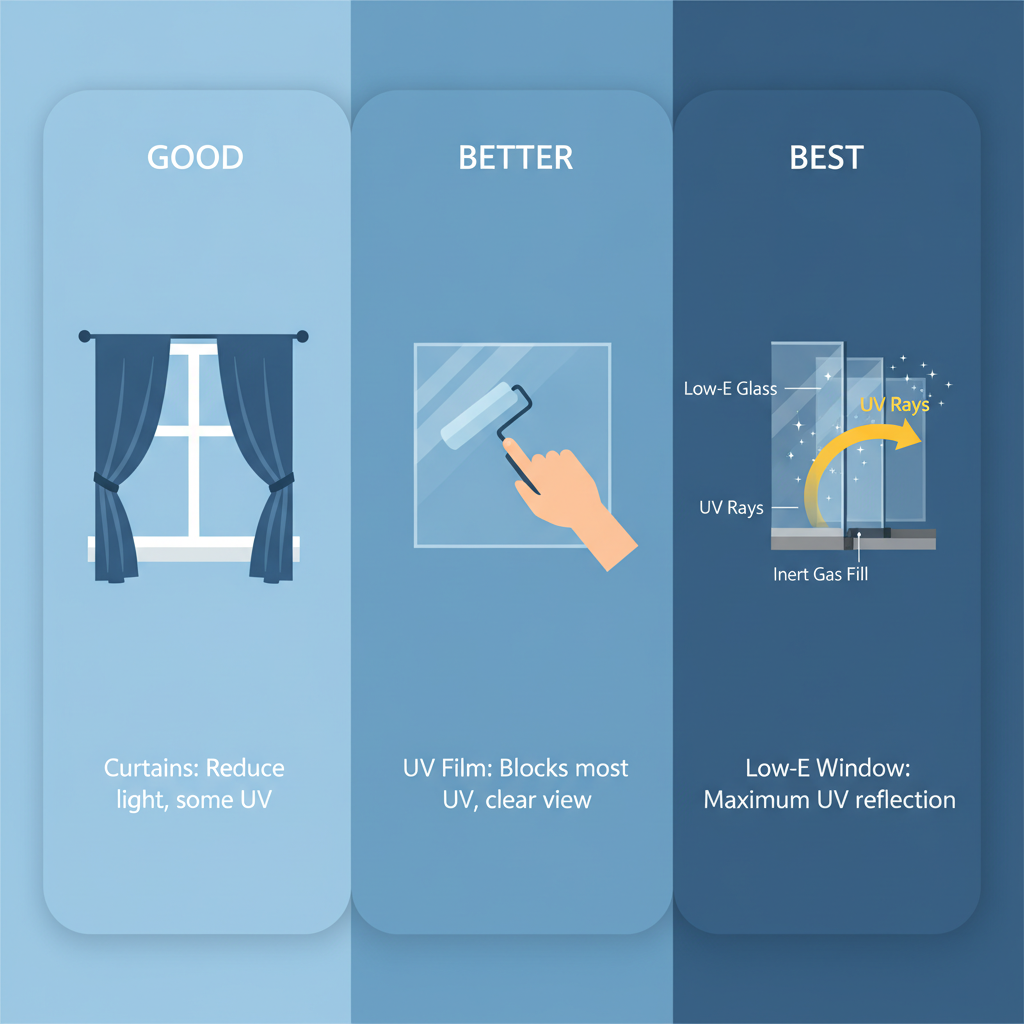
Even with the most fade-resistant flooring, a multi-layered defense strategy is the best way to protect your entire home interior. Here is a breakdown of your options, from simple adjustments to major upgrades.
- Good: Strategic Light Control
This is the easiest and most affordable first line of defense. Use curtains, blinds, and shades to block direct sunlight during the peak hours of the day. Periodically rearranging furniture and rugs will also help ensure that any subtle color changes occur more evenly across the entire floor, making them far less noticeable. - Better: UV-Blocking Window Film
A highly effective mid-tier solution is the application of professional-grade window film. These modern films are virtually invisible but are designed to block a significant percentage of harmful UV radiation without dramatically reducing visible light. The International Window Film Association (IWFA) provides standards and resources to help consumers choose high-quality products[6]. This is a cost-effective way to add powerful protection to your existing windows. - Best: High-Performance Low-E Windows
For the ultimate protection, installing Low-E (low-emissivity) windows is the gold standard. These windows have a microscopically thin, transparent coating that reflects UV and infrared rays. According to the U.S. Department of Energy, some Low-E coatings can block up to 99% of UV rays, effectively eliminating the primary cause of fading[7]. When choosing windows, look for ratings from the National Fenestration Rating Council (NFRC), which provide reliable data on performance.
Adamantine Flooring Maintenance: A Practical Care Guide
Proper maintenance is essential to ensure your Adamantine Flooring performs as promised and to keep your warranty intact. While incredibly durable, it is not self-cleaning. Following a simple routine will preserve its finish and beauty for decades. For all specific situations, your primary source of truth should always be the manufacturer’s official care and maintenance document[1]. General best practices for hard surface flooring, as outlined by organizations like the Institute of Inspection, Cleaning and Restoration Certification (IICRC), also provide a solid foundation for care[8].
Printable Do’s and Don’ts Checklist:
DO:
- Sweep, dust mop, or vacuum regularly to remove grit.
- Clean spills immediately with a soft cloth.
- Use felt pads under all furniture legs.
- Place walk-off mats at all exterior entrances.
- Clean with a pH-neutral flooring cleaner recommended by the manufacturer.
DON’T:
- Use steam mops, which can damage the finish and core over time.
- Use wax, oil soaps, or polishing compounds.
- Use abrasive cleaners, scouring pads, or ammonia-based solutions.
- Drag heavy furniture across the floor.
- Allow water to stand on the floor for extended periods.
Failure to follow these guidelines, particularly the use of unapproved cleaning devices like steam mops, can void your product’s warranty.
Daily Cleaning and Safe Products
For routine cleaning, a microfiber dust mop is your best tool. For deeper cleaning, use a damp mop with a small amount of a manufacturer-approved, pH-neutral hard surface cleaner. Never pour cleaner directly onto the floor; lightly mist the mop head or a section of the floor and clean. Always use two buckets: one with your cleaning solution and one with clean rinse water to avoid spreading dirt.
Repairing Scratches and Scuffs: A Troubleshooting Guide
Despite its hardness, a severe impact from a sharp object can occasionally cause a scratch. For minor scuffs or surface-level scratches, you can often buff them out with a clean tennis ball or a microfiber cloth. For deeper scratches, the manufacturer may offer a specific touch-up or repair kit designed to match your floor’s color and finish. Always test repair products in an inconspicuous area first.
Ask the Installer Q&A:
Q: I have a hazy film on my floor that I can’t seem to clean off. What is it?
A: This is almost always residue from using the wrong cleaning product (like a soap-based cleaner) or not rinsing properly. To fix it, clean the area with a manufacturer-approved cleaner and a fresh mop, making sure to rinse thoroughly with clean water to remove all leftover residue.
The Investment Analysis: Is Adamantine Flooring Worth the Cost?
Adamantine Flooring is a premium product with an upfront cost that is higher than standard laminate or entry-level LVT. The average cost per square foot can vary based on style and region, but it is competitive with other high-end flooring options. However, the initial price tag tells only part of the story.
To understand its true value, you must consider the Total Cost of Ownership. This framework analyzes the long-term value by factoring in:
- Initial Cost: The price of materials and installation.
- Expected Lifespan: Adamantine Flooring comes with extensive warranties, often 25 years to lifetime for residential use, that specifically cover wear-through of the finish and color retention[1].
- Maintenance Savings: Unlike hardwood, which may need to be professionally screened and recoated every 5-7 years or fully refinished every 10-15 years at a significant cost, Adamantine Flooring requires no such expensive, disruptive maintenance.
When you factor in the savings from not having to refinish the floor and the peace of mind that comes with a comprehensive warranty, the long-term value of Adamantine Flooring often proves to be an excellent investment in your home’s beauty and durability.
Conclusion: A Lasting Foundation for Your Home
Your floors are more than just a surface to walk on; they are the foundation of your home’s design and a significant financial investment. The frustration of watching that investment fade and wear away is a problem that demands a modern solution. Adamantine Flooring stands as a top-tier choice for homeowners who prioritize long-term durability and lasting color preservation, backed by advanced material science.
However, achieving lifelong flooring value is a partnership. It requires a combination of smart material selection—choosing a product engineered to resist damage—and a proactive total home protection strategy that mitigates the threats of sunlight and wear. By understanding the science of durability and committing to a holistic approach to preservation, you can make a confident, long-term investment, ensuring the floor you love today will be the floor you love for decades to come.
Ready to invest in a floor that lasts? Explore the official Adamantine Flooring specifications or contact a certified installer in your area to get a personalized quote.
This article contains information based on industry research. Always consult the official manufacturer’s guidelines for specific product installation and maintenance. For major flooring projects, we recommend consulting with a certified professional.
References
- Adamantine Flooring Manufacturer. (N.D.). Official Product Specification, Warranty, and Maintenance Documents.
- ASTM International. (N.D.). ASTM Standards for Flooring. Retrieved from https://www.astm.org/
- Forest Products Laboratory (U.S. Forest Service). (N.D.). Finishing of Wood.
- National Wood Flooring Association (NWFA). (N.D.). Homeowner’s Guide to Real Wood Floor Maintenance. Retrieved from https://www.nwfa.org/
- Tile Council of North America (TCNA). (N.D.). Consumer Resources for Ceramic Tile. Retrieved from https://www.tcnatile.com/
- International Window Film Association (IWFA). (N.D.). Residential Window Film Information. Retrieved from https://iwfa.com/
- U.S. Department of Energy. (N.D.). Energy Performance Ratings for Windows, Doors, and Skylights. Retrieved from https://www.energy.gov/
- Institute of Inspection, Cleaning and Restoration Certification (IICRC). (N.D.). IICRC Resources for Consumers. Retrieved from https://www.iicrc.org/
- Bona / Loba / Pallmann (Representative Finish Manufacturers). (N.D.). Technical Data Sheets for Two-Component Water-Based Finishes with Aluminum Oxide.
