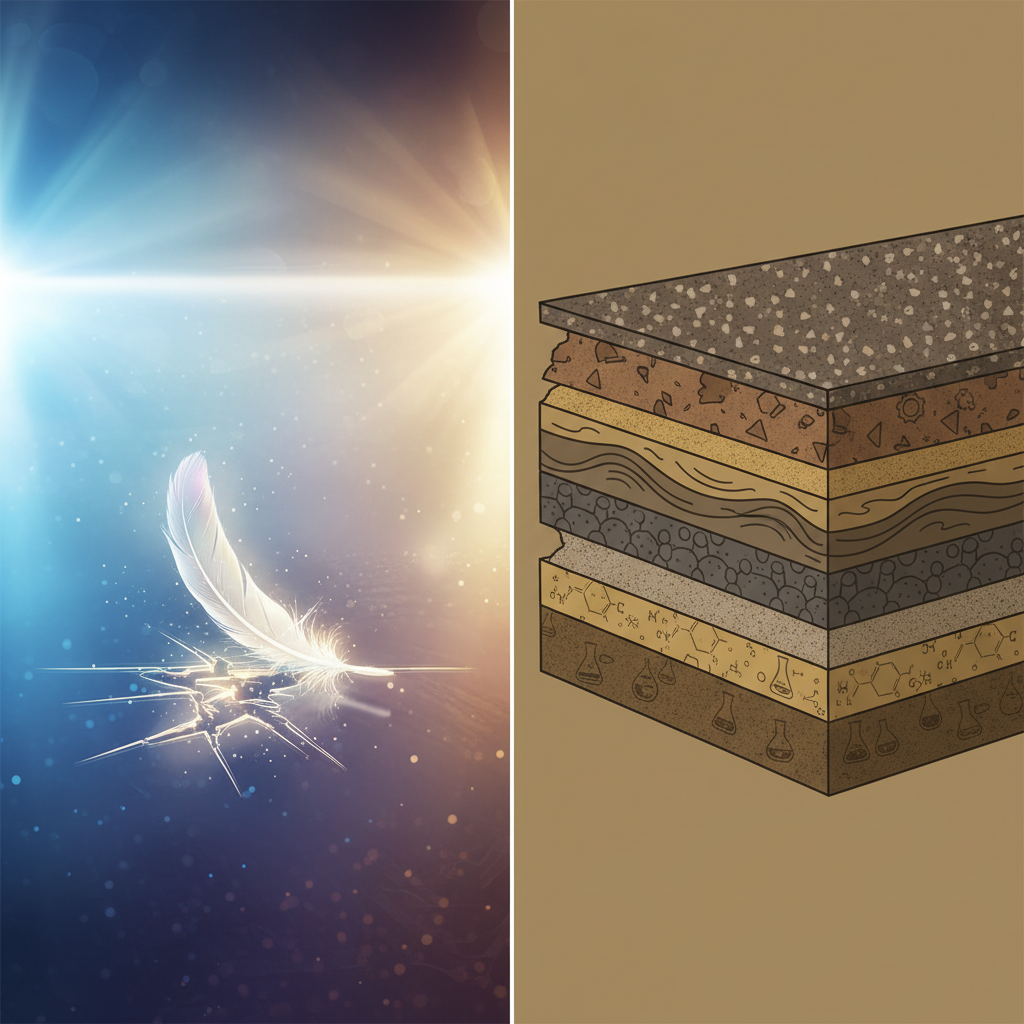
In the realm of architecture and high-end construction, the term “adamantine” is frequently tossed around as a marketing buzzword—a mythological promise of a completely indestructible, scratch-proof surface. Homeowners and facility managers alike are often seduced by these claims, only to be met with the frustrating reality of premature flooring wear, denting, and surface degradation. The truth is that ultimate durability is not found in a magical, scratch-resistant topcoat. True adamantine flooring is a comprehensive, meticulously engineered system. It requires an unyielding foundation of subfloor integrity, the application of rigorous material science, and a proactive environmental defense strategy. This definitive guide strips away the marketing jargon to reveal the actual engineering behind the world’s most resilient surfaces, providing a clear roadmap from structural diagnostics and professional installation to chemical-specific maintenance.
- Demystifying ‘Adamantine’: The Material Science of High Structural Integrity Flooring
- The Foundation of Longevity: Subfloors and Structural Degradation
- The Fragility Warning List: Autopsy of Premature Flooring Wear
- Generational ROI: Ranking the Most Durable Long-Lasting Floors
- The Floor Defense System: Permanent Damage Prevention & Maintenance
- Conclusion
- References
Demystifying ‘Adamantine’: The Material Science of High Structural Integrity Flooring
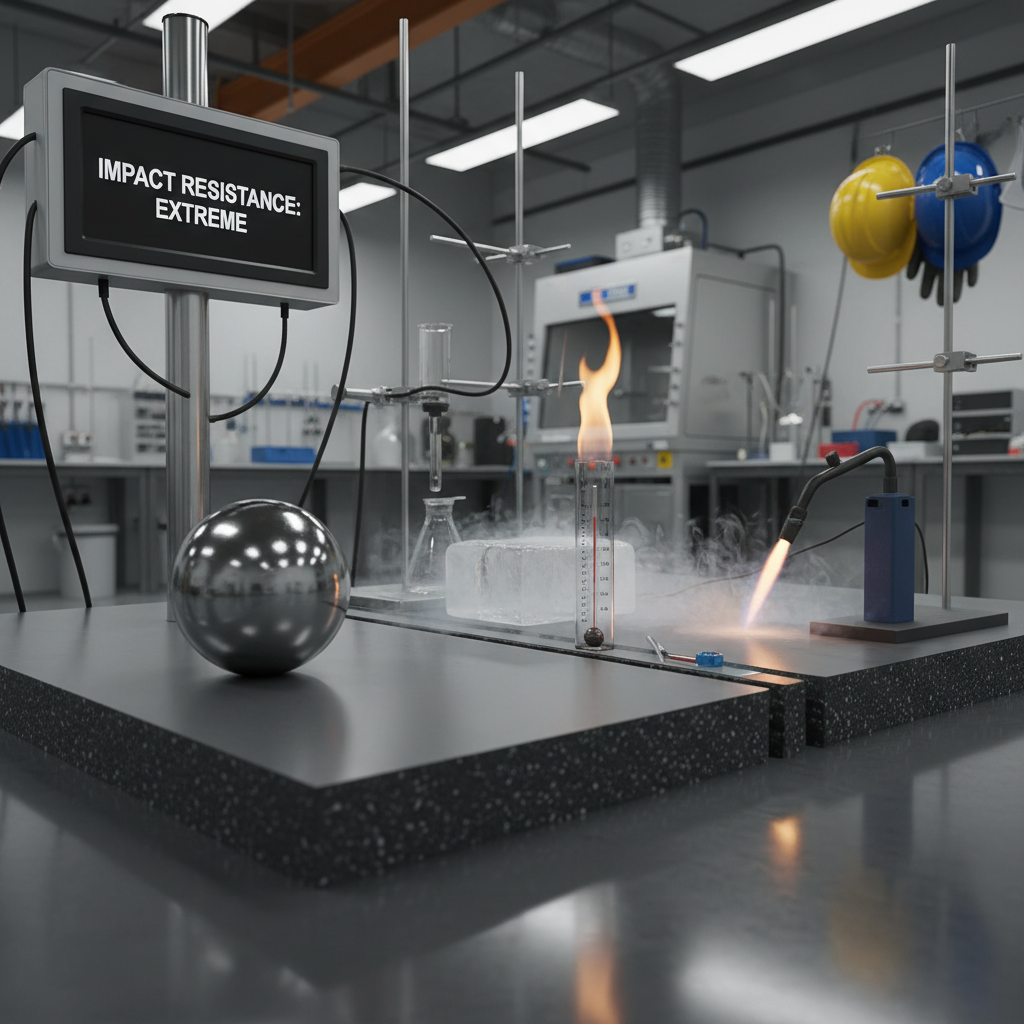
To understand what makes a floor truly indestructible, we must pivot from consumer-level aesthetics to the rigorous principles of B2B and industrial structural engineering. High structural integrity flooring is not merely about resisting a dropped pan or a pet’s claws; it is about load-bearing mastery, tensile strength, and resistance to extreme thermal shock. When we speak of adamantine flooring in a practical sense, we are referring to materials engineered to perform under extreme stress without yielding. According to peer-reviewed data in the Journal of Materials Science, the structural integrity of advanced synthetic resins and composites relies heavily on their molecular cross-linking, which dictates their ability to absorb and distribute kinetic energy [1]. To objectively measure these capabilities, engineers rely on standardized testing protocols established by ASTM International, which evaluate material strength, impact resistance, and structural integrity under simulated decades of abuse [2].
The Durability Index: Measuring Hardness Beyond the Surface
To navigate the crowded flooring market, it is essential to establish a “Durability Index”—a framework that relies on standardized testing methods rather than subjective marketing claims. Floor durability is scientifically quantifiable. For wood products, the National Wood Flooring Association (NWFA) utilizes the Janka hardness scale, which measures the force required to embed a 0.444-inch steel ball halfway into the wood [3]. For ceramics and porcelains, the Tile Council of North America (TCNA) provides stringent durability metrics, noting that true commercial-grade porcelain achieves a water absorption rate of less than 0.5%, making it virtually impervious to moisture degradation [4]. When evaluating industrial-grade ultra-durable floors, the metrics scale up dramatically. High-performance resinous systems can withstand compressive strengths exceeding an astonishing 10,000 PSI, dwarfing the capabilities of standard residential materials.
Engineered for Extremes: Top Materials for Unwavering Integrity
When seeking flooring with unwavering structural integrity, the actual market equivalents to theoretical “adamantine” surfaces are found in industrial applications. These include epoxy-aggregate blends, heavy-duty polyurethane concrete, and commercial-grade porcelain. The Resinous Flooring Association (RFA) sets the standards for high-integrity epoxy, ensuring these materials meet strict chemical and impact resistance benchmarks [5]. The performance data of these engineered systems is remarkable. Heavy-duty polyurethane concrete, for instance, is designed to withstand brutal thermal shocks ranging from -40°F to 250°F without delaminating or cracking. Furthermore, professional-grade epoxy coatings do not just sit on top of a surface; they bond with it, possessing the capability to increase the weight-bearing capacity of a concrete slab by up to 300%.
The Foundation of Longevity: Subfloors and Structural Degradation
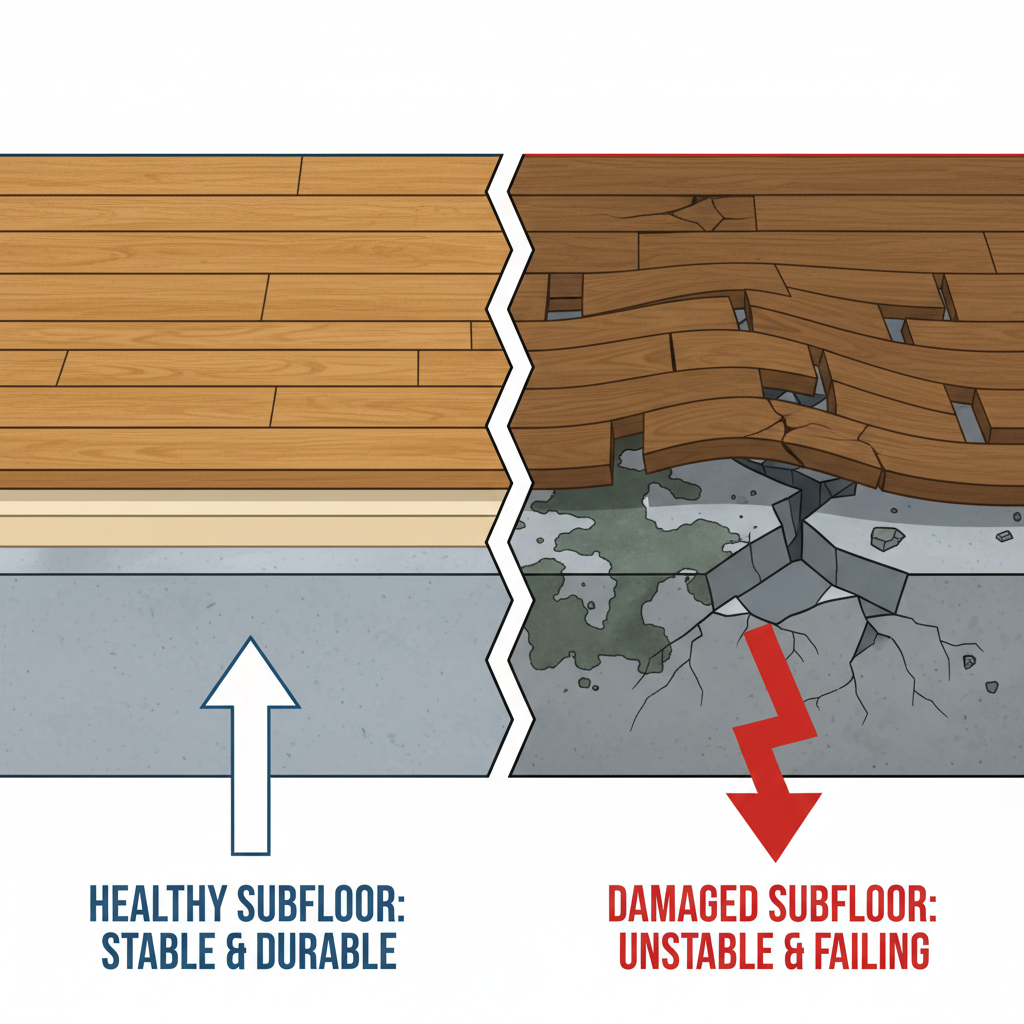
A fundamental rule of structural engineering is that a surface layer is only as strong as the foundation beneath it. Investing in ultra-premium topcoats is futile if the subfloor is compromised. Floor structural degradation is a severe issue that goes far beyond cosmetic scratches, threatening the safety and stability of the entire building. The American Society of Civil Engineers (ASCE) emphasizes that for severe cases of structural floor degradation—such as sagging joists or deep foundation cracks—consulting a licensed structural engineer is a non-negotiable safety requirement [6]. Similarly, the American Concrete Institute (ACI) provides critical guidelines on maintaining concrete subfloor integrity, noting that the substrate must be free of moisture vapor transmission and micro-fractures before any high-performance coating is applied [7].
Diagnosing Root Causes of Structural Floor Failure
Identifying the root causes of floor structural degradation early is a vital triage step to prevent catastrophic failure. Common culprits include dry rot, subterranean termite damage, and foundation settling. The International Association of Certified Home Inspectors (InterNACHI) outlines specific protocols for identifying these structural defects before they compromise the home’s safety [8]. The data surrounding these failures is stark: moisture levels above 20% in wood subfloors create an ideal environment for wood-decay fungi, leading to rapid and irreversible structural degradation. Furthermore, foundation settling accounts for over 50% of all structural floor degradation in homes older than 30 years.
Adamantine Floor Installation: A Masterclass in Preparation
Achieving an indestructible surface requires a flawless adamantine floor installation. This is unequivocally not a DIY project. It demands specialized tools, precise curing times, and rigorous environmental controls. The Floor Covering Installation Contractors Association (FCICA) sets the gold standard for commercial installation, dictating strict protocols for moisture mitigation and vapor barriers [9]. Because high-performance resinous floors involve volatile organic compounds (VOCs) and chemical reactions during the curing process, adherence to Occupational Safety and Health Administration (OSHA) safety protocols—including the use of specialized respirators and chemical-resistant gloves—is mandatory [10]. The secret to success lies in the prep work: proper subfloor preparation, such as diamond grinding or shot blasting, accounts for a staggering 70% of the time in a successful industrial floor installation.
The Fragility Warning List: Autopsy of Premature Flooring Wear
Consumer frustration often peaks when a significant financial investment fails prematurely. Conducting an autopsy on premature flooring wear reveals that the top culprits are rarely manufacturing defects. Instead, the blame usually falls on improper installation, incorrect maintenance, and uncontrolled environmental factors. The World Floor Covering Association (WFCA) provides clear guidelines distinguishing between acceptable wear and tear versus premature failure [11]. Their data reveals a surprising truth: over 70% of premature flooring failures are attributed to improper subfloor preparation or installation errors, not inherent product defects.
Materials Prone to Easy Damage
To avoid buyer’s remorse, consumers must be aware of easily damaged floors that are frequently mis-sold as high-durability options. Consumer Reports regularly identifies poorly performing flooring products through rigorous stress tests, highlighting materials that fail under the demands of a busy household [12]. For example, softwoods like Pine have a Janka hardness rating of around 380 to 420, making them highly susceptible to denting from dropped objects or high heels, especially when compared to Oak’s rating of 1290. Similarly, laminate flooring with an AC1 or AC2 (Abrasion Class) rating is highly prone to damage and premature wear in moderate-to-high traffic areas, despite often being marketed as a durable budget option.
Generational ROI: Ranking the Most Durable Long-Lasting Floors
When evaluating the most durable long-lasting floors, it is helpful to categorize materials into a tier list to understand their Generational Return on Investment (ROI). Framing longevity as both a financial and sustainability benefit aligns with the standards set by the U.S. Green Building Council (USGBC), which advocates for the use of sustainable, long-lasting building materials to reduce landfill waste [13]. The National Association of Home Builders (NAHB) provides comprehensive data on the expected life expectancy of home components, proving that higher upfront costs often yield the best long-term value [14]. At the “Indestructible” tier, natural stone and properly maintained terrazzo floors have a proven lifespan of 100+ years. In the “Highly Durable” tier, solid hardwood floors remain a generational asset; because they can be sanded and refinished 4 to 7 times, their functional lifespan easily extends to 70-100 years.
The Floor Defense System: Permanent Damage Prevention & Maintenance
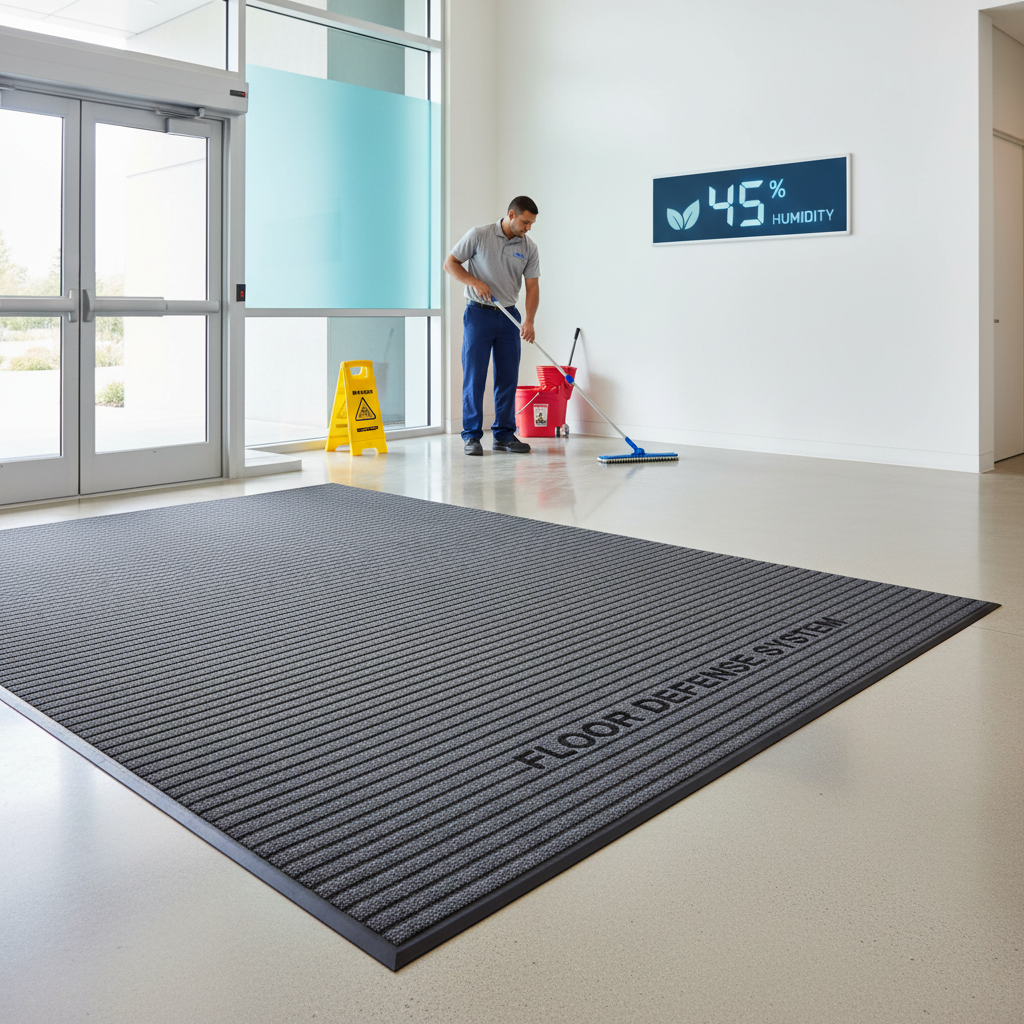
Even the most robust materials require a holistic “Floor Defense System” to maintain their integrity. Permanent floor damage prevention moves beyond simply sticking felt pads under chair legs; it encompasses environmental controls, barrier matting, and strict chemical protocols. The Institute of Inspection, Cleaning and Restoration Certification (IICRC) sets the industry standards for proper cleaning to prevent wear, emphasizing that maintenance is a science [15]. The Carpet and Rug Institute (CRI) highlights the critical role of barrier matting in this defense system [16]. Their studies show that high-quality walk-off mats at entrances can capture up to 80% of dirt and moisture before it reaches the main flooring. This is vital, as micro-grit tracked inside acts like sandpaper, reducing the lifespan of a floor’s finish by up to 30% if not regularly removed.
Chemical-Specific Zero-Damage Maintenance Protocol
Knowing how to maintain adamantine flooring means understanding the chemical interactions between your cleaners and your floor’s sealant. A zero-damage maintenance protocol requires strict adherence to pH-neutral cleaners and the absolute avoidance of abrasive tools. ISSA (The Worldwide Cleaning Industry Association) provides authoritative guidelines on commercial cleaning standards and chemical safety [17]. The data is clear: using improper acidic cleaners can strip protective layers and reduce the lifespan of industrial sealants by up to 40%. Conversely, adopting a routine of micro-fiber dust mopping reduces surface abrasion by 85% over a 5-year period, preserving the structural integrity and aesthetic finish of the floor.
Environmental Controls: UV and Humidity Management
Physical abrasion is not the only threat; environmental factors can cause permanent floor damage prevention to fail. The science of UV degradation shows that prolonged exposure to direct sunlight can permanently fade and weaken flooring finishes. Furthermore, the National Wood Flooring Association (NWFA) stresses the critical importance of HVAC systems in managing indoor climate [3]. Maintaining indoor relative humidity between 30% and 50% is essential; failing to do so is the primary cause of permanent cupping, crowning, and structural warping in solid hardwood floors.
Conclusion
The pursuit of “adamantine” flooring is not a search for a mythical, impenetrable topcoat, but rather a commitment to superior engineering. True durability is a holistic system that begins deep within the subfloor, relies on objective, standardized material science, and is sustained through rigorous environmental defense and chemical-specific maintenance. By prioritizing structural integrity over superficial marketing claims, you can invest in flooring that offers true generational ROI. We strongly encourage readers to consult with a licensed structural engineer to assess their subfloor’s health, or to contact a certified commercial flooring contractor to discuss high-integrity installation options tailored to the specific demands of their space.
Disclaimer: The information provided is for educational purposes. For severe structural floor degradation, always consult a licensed structural engineer. High-performance flooring installation should be performed by certified professionals.
References
- Journal of Materials Science. (N.D.). Data on the structural integrity and compressive strength of synthetic resins and composites.
- ASTM International. (N.D.). Standardized testing protocols for material strength and flooring structural integrity.
- National Wood Flooring Association (NWFA). (N.D.). Janka hardness standards and environmental control guidelines for wood floors.
- Tile Council of North America (TCNA). (N.D.). Ceramic and porcelain durability metrics and water absorption standards.
- Resinous Flooring Association (RFA). (N.D.). Industry standards for high-integrity epoxy and resinous flooring systems.
- American Society of Civil Engineers (ASCE). (N.D.). Guidelines on structural integrity, failure analysis, and engineer consultation.
- American Concrete Institute (ACI). (N.D.). Standards for concrete subfloor integrity and structural enhancements.
- International Association of Certified Home Inspectors (InterNACHI). (N.D.). Protocols for identifying structural defects in residential properties.
- Floor Covering Installation Contractors Association (FCICA). (N.D.). Commercial flooring installation standards and moisture mitigation.
- Occupational Safety and Health Administration (OSHA). (N.D.). Safety protocols and personal protective equipment standards for chemical-based installations.
- World Floor Covering Association (WFCA). (N.D.). Guidelines on acceptable wear and tear versus premature flooring failure.
- Consumer Reports. (N.D.). Independent product testing and durability ratings for residential flooring.
- U.S. Green Building Council (USGBC). (N.D.). Standards for sustainable, long-lasting building materials.
- National Association of Home Builders (NAHB). (N.D.). Study on the expected life expectancy of home components.
- Institute of Inspection, Cleaning and Restoration Certification (IICRC). (N.D.). Standards for proper hard surface cleaning to prevent wear.
- The Carpet and Rug Institute (CRI). (N.D.). Studies on barrier matting and preventative flooring maintenance.
- ISSA (The Worldwide Cleaning Industry Association). (N.D.). Commercial cleaning standards, chemical safety, and pH-neutral guidelines.
