There’s a universal frustration that comes with a new floor that fails to live up to its promise. The first deep scratch from a dragged chair, the dent from a dropped pan, the visible wear pattern that appears in the hallway far too soon—these are the moments that turn a significant investment into a source of regret. What if you could move beyond marketing hype and choose a floor based on proven, scientific durability?
Welcome to the concept of Adamantine Flooring. This isn’t a single brand, but a philosophy—a new standard for selecting engineered resilient flooring based on its measurable resilience, its technical specifications, and its true long-term value. It’s about making your next flooring decision your last.
This definitive guide will provide you with the expert framework to do just that. We will empower you to see past the surface-level aesthetics and understand the science of a floor built to endure. We’ll decode the critical durability metrics that professionals use, compare the top material contenders for the “Adamantine” title, teach you how to calculate the true cost of ownership, and share the secrets to maintaining your floor’s integrity for decades to come.
- What is Adamantine Flooring? The New Standard for Enduring Resilience
- Decoding Durability: The Science Behind a Floor That Lasts
- Material Showdown: Finding Your Ideal Durable Floor Solution
- Commercial-Grade Flooring: When Your Home Needs Extreme Durability
- Beyond the Price Tag: Calculating the True Cost of Your Floor
- Protecting Your Investment: Maintenance and Repair Secrets
- Conclusion
- References & Authoritative Sources
What is Adamantine Flooring? The New Standard for Enduring Resilience
Adamantine Flooring represents a category of top-tier, engineered resilient flooring solutions chosen specifically for maximum longevity and performance. It’s a mindset that prioritizes the structural integrity and technical prowess of a floor over fleeting trends or superficial appeal. The core principle is simple: invest once in a floor that is scientifically engineered to withstand the rigors of real life, whether in a busy family home or a high-traffic commercial space.
This approach shifts the focus from a simple purchase to a long-term investment. By understanding the components that create a truly durable floor, you can evaluate options based on their Total Cost of Ownership—a figure that includes not just the initial price but also maintenance, repairs, and the potential cost of a premature replacement. An Adamantine Floor is a lifetime flooring solution, designed to save you money, time, and frustration over the long run by eliminating the need for frequent replacements.
Decoding Durability: The Science Behind a Floor That Lasts
To choose a floor that truly lasts, you need to think like an engineer. The resilience of modern flooring isn’t magic; it’s the result of specific materials and construction methods. Understanding these key technical metrics is the most important step in moving beyond brand claims and toward objective, data-driven decisions.
Imagine a cross-section of a high-performance floor plank. It’s not a single piece of material but a layered system, with each layer serving a critical function. The top layer provides scratch and stain resistance, the core provides stability and impact resistance, and the backing provides structural integrity. The quality of these components is what separates a floor that lasts five years from one that lasts twenty-five.
The Wear Layer: Your Floor’s First Line of Defense
The single most important factor in the durability of resilient flooring like Luxury Vinyl Tile (LVT) is the wear layer. This is a transparent, protective top coating that shields the printed design layer from scuffs, scratches, and stains. Its thickness is measured in “mils” (one-thousandth of an inch), and more is almost always better.
This transparent shield is what takes the brunt of daily abuse—from pet claws and children’s toys to office chairs and heavy foot traffic. A thin wear layer will erode quickly, exposing the design layer beneath and leading to visible wear patterns. A thick, high-quality wear layer, often enhanced with protective coatings like aluminum oxide-infused urethane, provides a robust barrier that preserves the floor’s appearance for years. Aluminum oxide is one of the hardest engineered compounds available, and its inclusion dramatically increases resistance to abrasion.
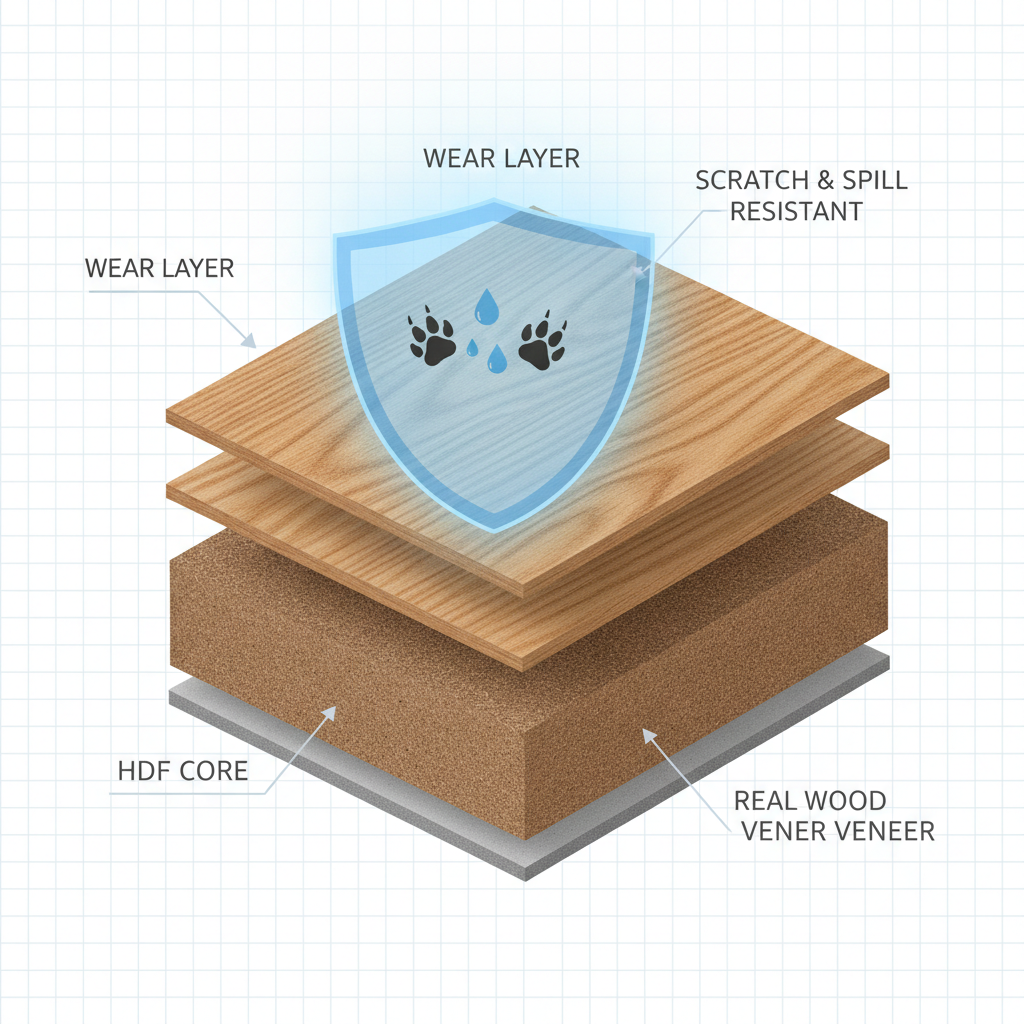
So, what is a good wear layer thickness? The answer depends on the application. For instance, commercial LVT typically has a wear layer of 20 mil or greater, compared to just 6-12 mil for many residential-grade products. For any area with significant traffic, pets, or kids, a 20 mil wear layer should be considered the minimum for an Adamantine-level floor.
Wear Layer Thickness vs. Expected Performance
| Wear Layer Thickness | Typical Application | Expected Performance Level |
|---|---|---|
| 6-12 mil | Light Residential (e.g., bedrooms) | Prone to scratching and wear in active areas. |
| 20 mil | Heavy Residential / Light Commercial | Excellent for busy homes with pets and kids. |
| 28 mil+ | Full Commercial (e.g., retail, hospitality) | Maximum durability for the most demanding environments. |
The Core of the Matter: HDF vs. Plywood in Engineered Flooring
Beneath the visual and wear layers of engineered flooring lies the core, which provides the plank’s structure and stability. The two most common types are a multi-plywood core and a High-Density Fiberboard (HDF) core. The choice between them involves distinct trade-offs.
High-density fiberboard (HDF) cores are often more dimensionally stable and impact-resistant than plywood cores. Created by compressing wood fibers with resin under extreme heat and pressure, HDF is incredibly dense and hard, making it highly resistant to dents from dropped objects. Its uniform structure also means it expands and contracts less with changes in temperature and humidity.
A multi-plywood core, on the other hand, consists of several layers of wood veneer glued together in alternating directions. High-quality plywood offers better moisture resistance than standard HDF, making it a potentially better choice for environments with some humidity concerns, like basements. However, it can be more susceptible to denting than a comparable HDF core. When choosing an engineered floor, you can find this information on the manufacturer’s specification sheet, which is critical for making an informed decision.
Understanding Industry Hardness & Durability Ratings
To standardize the measurement of durability, the flooring industry has developed several rating systems. Understanding these codes is like learning the language of longevity.
- AC Rating (Abrasion Class) for Laminate: This is the industry standard for measuring laminate flooring’s durability against abrasion, impact, stains, and burns. The ratings range from AC1 (light residential use) to AC5 (heavy commercial use). For a truly scratch-resistant and durable laminate floor suitable for active homes or businesses, you should look for a rating of AC4 or AC5.
- PEI Rating (Porcelain Enamel Institute) for Tile: This scale rates the hardness and durability of the glaze on ceramic and porcelain tile. It measures the tile’s ability to resist abrasion and wear from foot traffic. A PEI rating of 4 is suitable for all residential and medium commercial applications, while a PEI 5 rating is for heavy commercial traffic.
- Janka Hardness Scale for Wood: This scientific test measures the force required to embed a 0.444-inch steel ball halfway into a piece of wood. It is the definitive standard for a wood species’ resistance to denting and wear. While it’s most relevant for solid hardwood, it also indicates the dent resistance of the top veneer layer on engineered hardwood. A higher Janka rating means a harder, more dent-resistant wood.
Janka Hardness of Common Wood Species
| Wood Species | Janka Hardness Rating (lbf) |
|---|---|
| Red Oak | 1290 |
| White Oak | 1360 |
| Hickory | 1820 |
| Brazilian Cherry | 2350 |
| Strand-Woven Bamboo | 3000+ |
Material Showdown: Finding Your Ideal Durable Floor Solution
With a solid understanding of durability metrics, you can now compare the top contenders for your home or business. The best choice often comes down to “lifestyle matching”—finding the material whose strengths align perfectly with your specific needs.
Master Comparison of Durable Flooring Materials
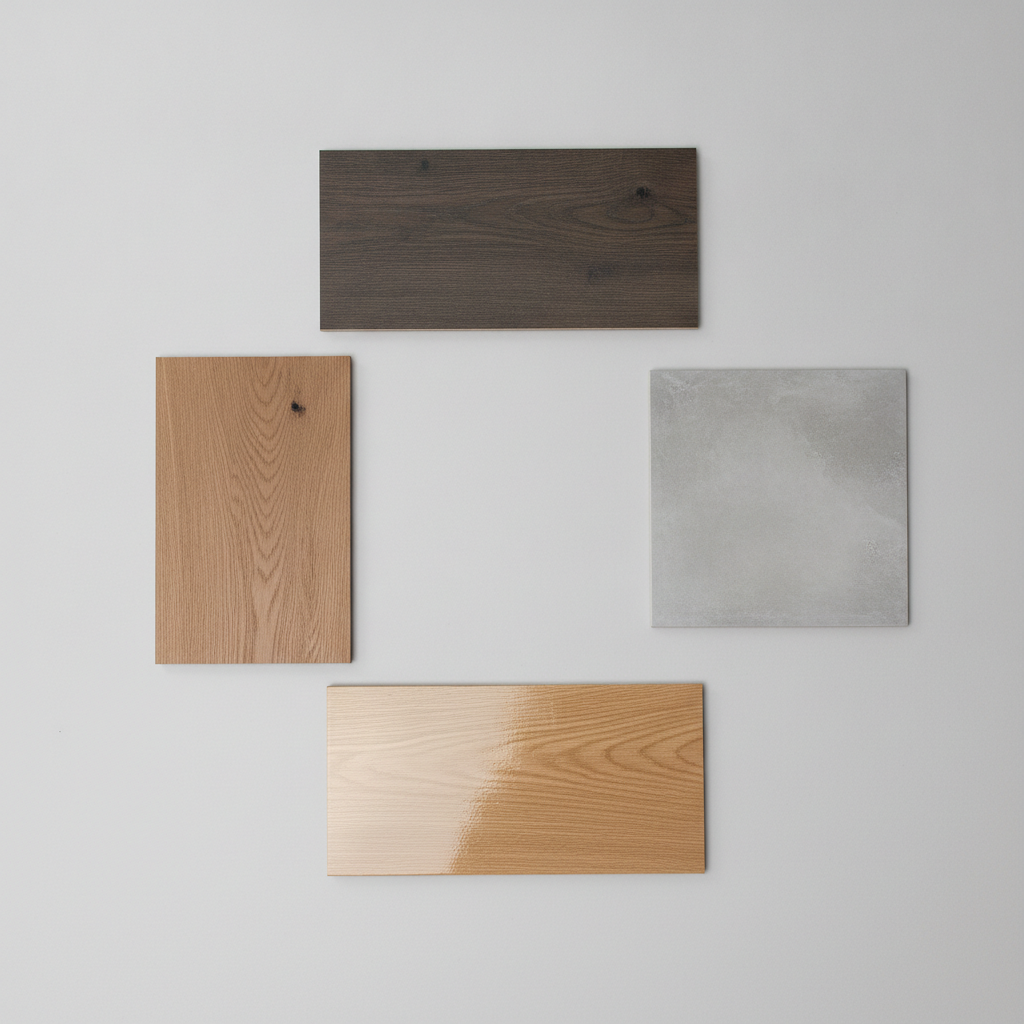
| Flooring Material | Scratch Resistance | Water Resistance | Lifespan | Comfort | Avg. Cost (Material) |
|---|---|---|---|---|---|
| LVT/LVP (20+ mil) | Very High | Excellent (100% Waterproof) | 15-25+ Years | Good | $3 – $7 / sq. ft. |
| Laminate (AC4/AC5) | Excellent | Good (Water-Resistant) | 15-25 Years | Fair | $2 – $5 / sq. ft. |
| Engineered Hardwood | Good to Very Good | Fair | 20-40 Years | Very Good | $5 – $15 / sq. ft. |
| Solid Hardwood | Good to Very Good | Poor | 50-100+ Years | Excellent | $5 – $15 / sq. ft. |
| Porcelain Tile | Excellent | Excellent | 50+ Years | Poor | $2 – $10 / sq. ft. |
| Polished Concrete | Excellent | Excellent | Lifetime of Building | Poor | $3 – $12 / sq. ft. |
Engineered Resilient Flooring (LVT/LVP): The All-Around Champion
Luxury Vinyl Tile (LVT) and Plank (LVP) have surged in popularity for one simple reason: they offer an incredible balance of performance, style, and value. According to the Resilient Floor Covering Institute (RFCI), many resilient floors, particularly LVT and sheet vinyl, are 100% waterproof, making them an ideal choice for kitchens, bathrooms, and basements [2]. When engineered with a thick wear layer of 20 mil or more, LVT is exceptionally resistant to scratches and scuffs, holding its own against pets, kids, and heavy traffic. This combination of being waterproof and highly durable makes it perhaps the most versatile Adamantine flooring solution available today.
Modern Laminate: The King of Scratch Resistance
If your primary concern is scratches, modern laminate flooring is a formidable contender. Thanks to its incredibly tough, factory-applied top coating, laminate with a high AC rating is one of the most scratch-resistant surfaces you can buy. As the authoritative AC Rating System indicates, a product rated AC4 or AC5 is engineered for heavy traffic and offers superior resistance to abrasion [8]. While no floor is truly “scratch-proof,” high-AC laminate comes remarkably close, making it a top choice for owners of large dogs or families with active children.
Engineered & Solid Hardwood: Timeless Beauty with Nuance
The classic appeal of hardwood is undeniable, but its durability is nuanced. The key advantage of solid hardwood is its longevity through refinishing. A standard 3/4-inch thick solid wood floor can typically be sanded and refinished 4 to 6 times over its life [1]. According to the National Wood Flooring Association (NWFA), each refinishing can restore the floor to a like-new appearance, giving the material a potential lifespan of over a century [1]. Engineered hardwood offers greater dimensional stability in humid environments but can typically only be refinished once or twice, if at all, depending on the thickness of its real wood veneer. For both types, scratch resistance is now significantly enhanced by modern factory finishes containing aluminum oxide, which provides a much tougher surface than traditional polyurethane.
The Lifetime Floors: Porcelain Tile & Polished Concrete
For those seeking the ultimate “one-and-done” flooring, porcelain tile and polished concrete are in a class of their own. As the Tile Council of North America (TCNA) standards for installation help ensure, a properly installed tile floor can easily last for 50 years or more [3]. Its surface is impervious to water and highly resistant to scratches and stains. Polished concrete goes a step further; it is a permanent flooring solution that will last the lifetime of the building itself. The main trade-offs for this extreme durability are the hardness underfoot and the higher upfront installation cost, which requires a perfectly prepared subfloor for a true lifetime result.
Commercial-Grade Flooring: When Your Home Needs Extreme Durability
What exactly does “commercial grade” mean, and can you use it in your home? The term refers to flooring built to meet the stringent technical standards required for public and business spaces. This includes enhanced durability, stricter fire safety codes, and specific slip resistance requirements.
Citing guidelines from bodies like ASTM International [4] and the Americans with Disabilities Act (ADA) [5], commercial flooring must pass rigorous tests that residential products often don’t. For a homeowner, choosing a commercial-grade product for a high-traffic area like an entryway, kitchen, or home business means getting a floor that is fundamentally over-engineered for residential life, providing an exceptional level of long-term durability.
Residential vs. Commercial Specs
| Specification | Typical Residential Grade | Typical Commercial Grade |
|---|---|---|
| LVT Wear Layer | 6-12 mil | 20-28+ mil |
| Fire Rating | Varies | Must meet ASTM E648 |
| Slip Resistance | Varies | Must meet ADA standards |
| Warranty | 10-25 Year Residential | 10-20 Year Commercial |
Tailored Solutions for Every Business Type
In a commercial setting, the right flooring is a matter of safety, maintenance, and brand identity.
- Restaurants & Cafes: Require floors with high slip resistance, especially in kitchens, to comply with ADA and OSHA guidelines [5]. They also need to be non-porous and easy to sanitize. Quarry tile and commercial LVT are top choices.
- Offices & Corporate Spaces: Benefit from flooring that minimizes noise and has low VOC (Volatile Organic Compound) emissions for better indoor air quality. Commercial carpet tiles, certified by programs like The Carpet and Rug Institute (CRI) Green Label Plus, are ideal for these environments [6].
- Retail Stores: Need flooring that can withstand immense foot traffic, shopping carts, and frequent cleaning. Polished concrete, epoxy coatings, and LVT with a 28 mil+ wear layer are engineered for this level of abuse.
Beyond the Price Tag: Calculating the True Cost of Your Floor
Financial anxiety is one of the biggest pain points in any renovation project. The sticker price of flooring is only one part of the equation. To make a truly smart investment, you must consider the Total Cost of Ownership over 10-20 years. A cheaper floor that needs replacement in seven years is far more expensive than a durable floor that lasts for twenty.
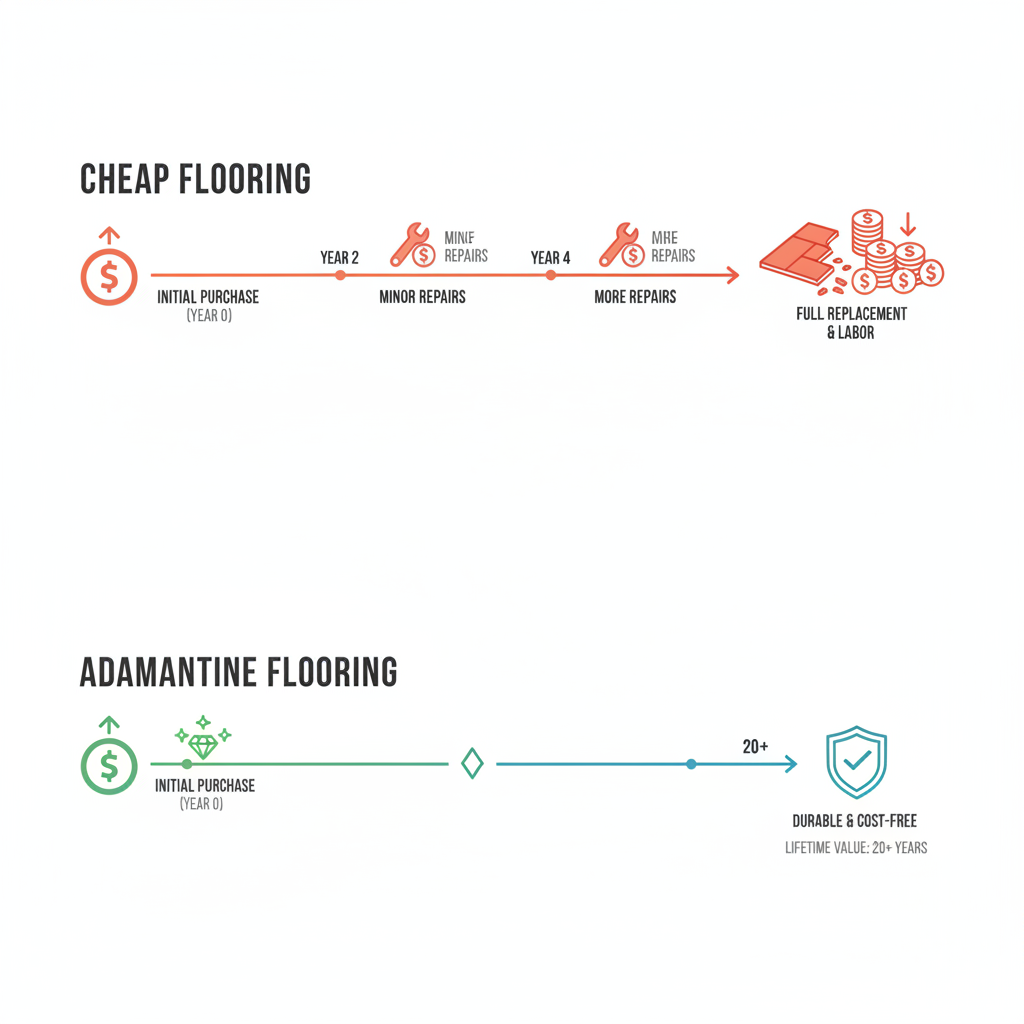
To help you budget, we’ve outlined the key cost components. For a more tailored estimate, you could use an online calculator and input your square footage and material choice to see a projected 10-year cost, but always remember that getting quotes from local professionals is the most accurate method. Data from sources like HomeAdvisor and Angi can provide useful national averages to start with [10].
A professional quote or bid sheet should always break down these costs clearly. Look for line items detailing material costs, labor, disposal fees, and any required subfloor work.
Factoring in All Expenses: Materials, Labor, and Hidden Costs
When budgeting for a new floor, it’s crucial to look beyond the per-square-foot material cost.
- Materials: The price of the flooring itself.
- Labor: Installation costs can sometimes equal or exceed the material cost, depending on the complexity of the job.
- Removal & Disposal: Tearing out and disposing of old flooring is a separate charge. This can add $1-$3 per square foot to the total project cost.
- Subfloor Preparation: This is the most common hidden cost. If your subfloor is uneven or damaged, it will need to be repaired or leveled before the new floor can be installed. This can add significantly to the final bill.
- Baseboards & Trim: Old baseboards may need to be removed and reinstalled or replaced entirely.
Refinish or Replace? A Cost-Benefit Analysis
For homeowners with existing hardwood, deciding whether to refinish or replace is a major financial decision. Refinishing is almost always cheaper than a full replacement. However, you must consider the condition of the floor. If it has deep gouges, pet stains that have soaked into the wood, or has already been sanded down multiple times, replacement may be the only option. The NWFA provides the gold standard for quality sanding and refinishing work, and consulting with a certified professional can help you determine if your floors are a good candidate for restoration [1].
Protecting Your Investment: Maintenance and Repair Secrets
Choosing an Adamantine Floor is the first step. The second is protecting it. Proper maintenance and timely repairs are essential to ensuring your floor lasts a lifetime. Different types of wear, from scuffs to traffic patterns, have different causes and require different solutions.
Preventative Measures for a Lifetime of Beauty
The best way to fix damage is to prevent it from ever happening. These simple, proactive steps can dramatically extend the life of any floor.
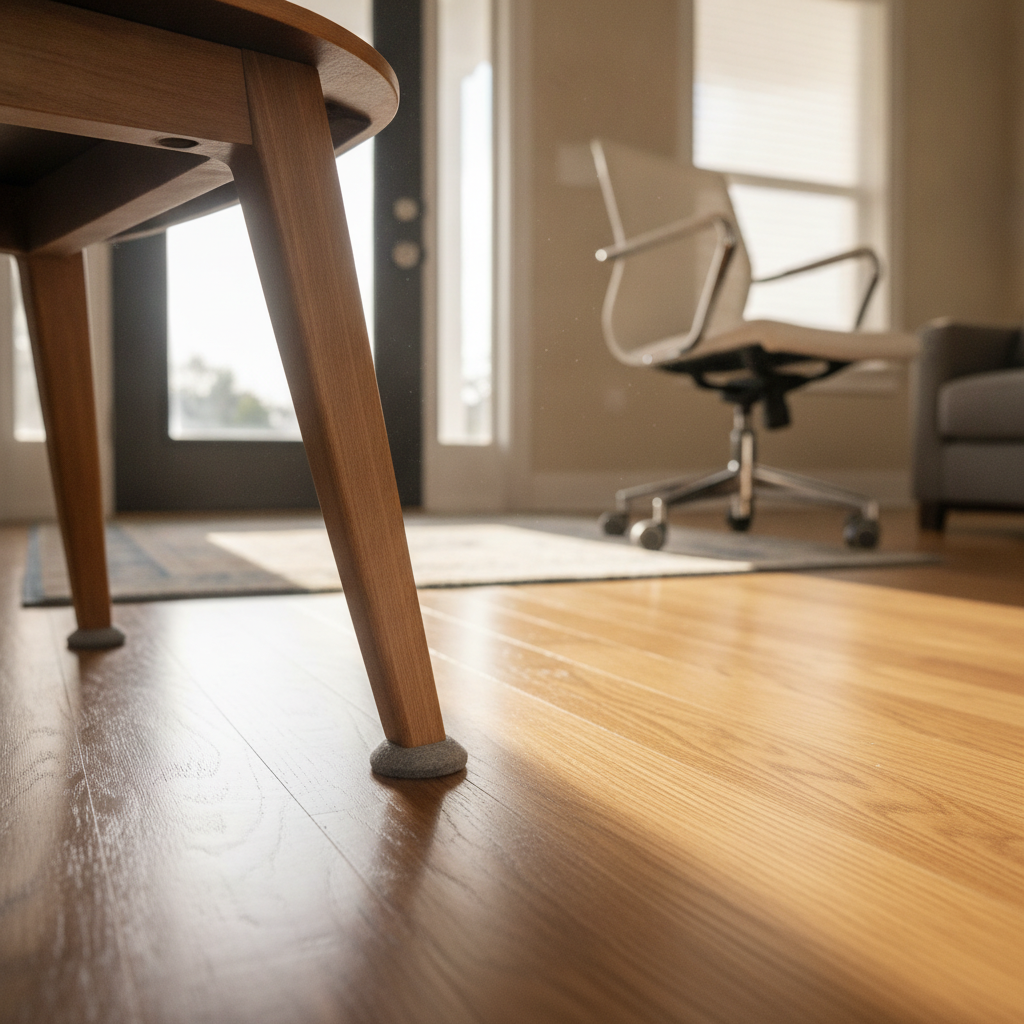
- Entry Mats: Place high-quality mats at all exterior doors to trap dirt, grit, and moisture before they are tracked onto your floor.
- Furniture Pads: Apply felt pads to the bottom of all furniture legs, especially chairs and tables that are moved frequently.
- The Right Wheels: For rolling office chairs, replace the hard plastic casters with soft rubber or urethane wheels designed for hard surface flooring.
- Regular Cleaning: Use a microfiber mop or vacuum (with the beater bar turned off) to remove abrasive grit. Always follow the manufacturer’s official care guide for your specific flooring. For hardwood, experts like Bona provide highly respected professional cleaning guides [11].
A DIY Guide to Fixing Scratches and Dents
Even the toughest floors can sustain damage. Fortunately, many common issues can be fixed with a little know-how.
- Light Scratches (Wood, LVT, Laminate): For minor surface scuffs, often a simple cleaning or a product-specific polish will suffice. For slightly deeper scratches in wood, a stain-filled marker or wax repair kit can make them virtually disappear.
- Deep Scratches or Gouges (LVT/Laminate): The beauty of a floating plank floor is that a single, badly damaged plank can be replaced without disturbing the rest of the floor. This is a moderately difficult DIY task but is well within reach for a handy homeowner.
- Dents (Wood): For small dents in solid wood, the “iron and wet cloth” method can sometimes cause the compressed wood fibers to swell back into place. For larger dents, wood filler is the best option.
For any significant damage, it’s always wise to consult a professional. Knowing the line between a simple DIY fix and a job that requires an expert is key to a successful repair.
Conclusion
Choosing an “Adamantine Floor” is about making a deliberate, informed, and data-driven decision. It’s about shifting your perspective from “what looks good now” to “what will perform for decades.” By understanding the critical durability metrics—the thickness of the wear layer, the composition of the core, and the meaning of industry ratings like AC and Janka—you are no longer reliant on marketing claims. You are equipped with an expert framework to evaluate any flooring material on its true merits.
When you combine this technical knowledge with a clear-eyed view of the Total Cost of Ownership, you can confidently select a floor that represents a sound financial investment, not just a cosmetic upgrade. You are now empowered to choose a durable, resilient, and beautiful floor that will truly last, saving you money, time, and the frustration of a premature replacement.
Ready to find your forever floor? Explore our collection of Adamantine-approved engineered resilient flooring or use our project cost calculator to start budgeting for your investment today.
The cost figures mentioned in this article are estimates and can vary significantly based on location, installer, and specific project details. Always consult with a certified flooring professional for an accurate quote. This article is for informational purposes and does not constitute professional installation advice.
References & Authoritative Sources
- National Wood Flooring Association (NWFA). The primary trade association for the wood flooring industry, providing installation, sanding, and finishing standards.
- Resilient Floor Covering Institute (RFCI). A trade association representing the resilient flooring industry, providing technical information and sustainability standards.
- Tile Council of North America (TCNA). The definitive source for standards and installation methods for ceramic tile and stone.
- ASTM International. A globally recognized standards organization that provides technical standards for flooring materials, including performance, safety, and fire resistance.
- Americans with Disabilities Act (ADA) guidelines. The definitive source for accessibility standards in the United States, including requirements for floor surface slip resistance.
- The Carpet and Rug Institute (CRI). A leading authority on carpet and soft-surface flooring, offering certifications and standards for commercial and residential products, including the Green Label Plus program for low-VOC emissions.
- Janka Hardness Scale. The standardized, scientific measure of a wood species’ resistance to denting and wear.
- AC Rating System for Laminate. The industry standard for measuring the abrasion, impact, and stain resistance of laminate flooring.
- PEI Rating System for Tile. The authoritative standard from the Porcelain Enamel Institute for rating the hardness and durability of tile glaze.
- HomeAdvisor / Angi. Widely recognized consumer resources for home improvement project cost data, based on user-submitted project information.
- Bona. A leading manufacturer and authority on hardwood floor finishes, care, and maintenance products.
