Every time the front door of your vacation rental opens, your property is subjected to a unique, relentless stress test. Heavy rolling luggage grinds across the entryway, unclipped pet claws scramble down the hallway, and the rapid, high-chemical turnover cleans between guests slowly strip away protective finishes. For short-term rental (STR) hosts and property investors, flooring is not merely a design choice—it is a massive financial liability that can quietly drain your Return on Investment (ROI) through constant maintenance, mid-stay repairs, and premature replacement.
To truly maximize your property’s profitability, you must move beyond basic aesthetics. This “Guest-Proof” blueprint utilizes a Total Cost of Ownership (TCO) approach to evaluate flooring solutions. By exploring ultra-durable options like adamantine coatings, high-traffic materials, and rapid-cleaning protocols, this guide will help you bulletproof your property, slash turnover times, and protect your bottom line.
- The Financial Impact: Why Flooring is Your Biggest Vacation Rental Liability (and Asset)
- Demystifying Adamantine Flooring: The Ultimate Industrial Solution for Rentals
- Top Durable Flooring Contenders for High-Traffic Vacation Homes
- The Turnover Advantage: Slashing Cleaning Times Between Guests
- Bulletproofing Your Rental: Preventing Scratches, Scuffs, and High-Traffic Wear
- Vacation Home Floor Damage: Repair, Replace, and Resolution Claims
- Conclusion
- References & Authoritative Sources
The Financial Impact: Why Flooring is Your Biggest Vacation Rental Liability (and Asset)
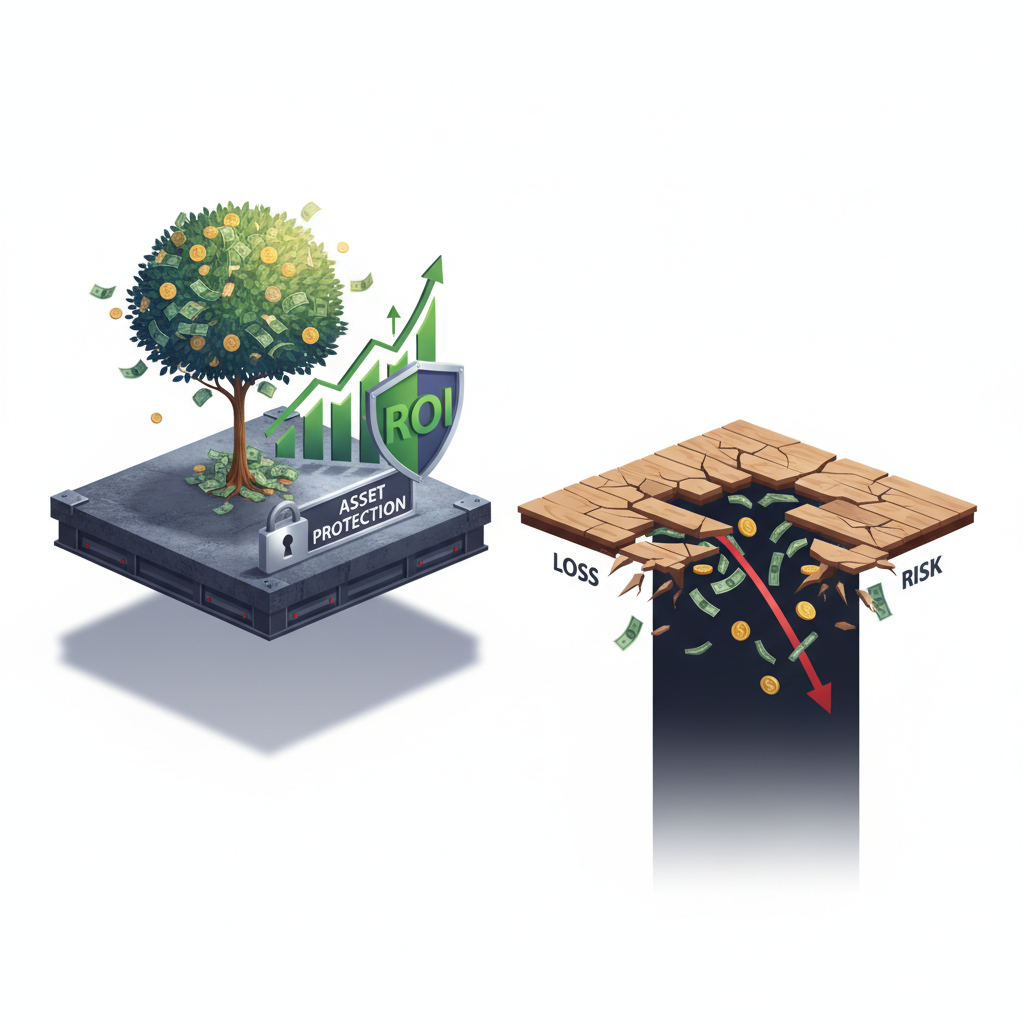
Treating your vacation rental flooring as a disposable commodity is a costly mistake. When evaluating long lasting property flooring, savvy investors look at the floor as a critical business asset. The true cost of a floor isn’t what you pay at the register; it’s the combined expense of the initial installation, the ongoing maintenance, and the inevitable business interruption when it fails.
According to the Appraisal Institute, installing high-quality, durable flooring significantly impacts long-term property valuation, often yielding a higher appraisal value compared to properties with visibly worn or cheap materials [1]. Furthermore, understanding the tax implications is crucial. The Internal Revenue Service (IRS) provides specific depreciation schedules for residential rental property improvements, allowing investors to recover the cost of wear and tear over time [2].
The hidden costs of cheap flooring are often realized too late. As noted by a veteran property manager and contributor to the Institute of Real Estate Management (IREM) who oversees more than 50 units:
“Landlords who buy $1.50/sq ft laminate end up paying for it three times over in a decade. You aren’t just paying for the new planks; you’re paying for the labor to rip the old ones out, the labor to install the new ones, and the lost booking revenue while the property is out of commission” [3].
Calculating the Total Cost of Ownership (TCO) & ROI
To make data-driven decisions regarding durable rental floors, hosts should utilize a “Cost-per-Year-of-Lifespan” calculator. This formula is simple: (Total Material Cost + Total Labor Cost + Estimated 10-Year Maintenance) / Expected Lifespan in Years.
Consider a 20-year TCO projection comparing standard laminate to a high-quality porcelain tile or adamantine epoxy.
- Cheap Laminate: May cost $3,000 to install. In a high-traffic vacation rental, it typically needs replacing every 5 to 7 years. Over 20 years, you will pay for installation three times, totaling $9,000+, not including inflation or lost rental income during renovations.
- Porcelain Tile / Adamantine Epoxy: May cost $7,000 upfront. However, its lifespan easily exceeds 20 years with minimal maintenance.
When you factor in an amortization schedule, the upfront premium of durable flooring drastically reduces your monthly operating costs and protects your ROI over the life of the investment.
Demystifying Adamantine Flooring: The Ultimate Industrial Solution for Rentals
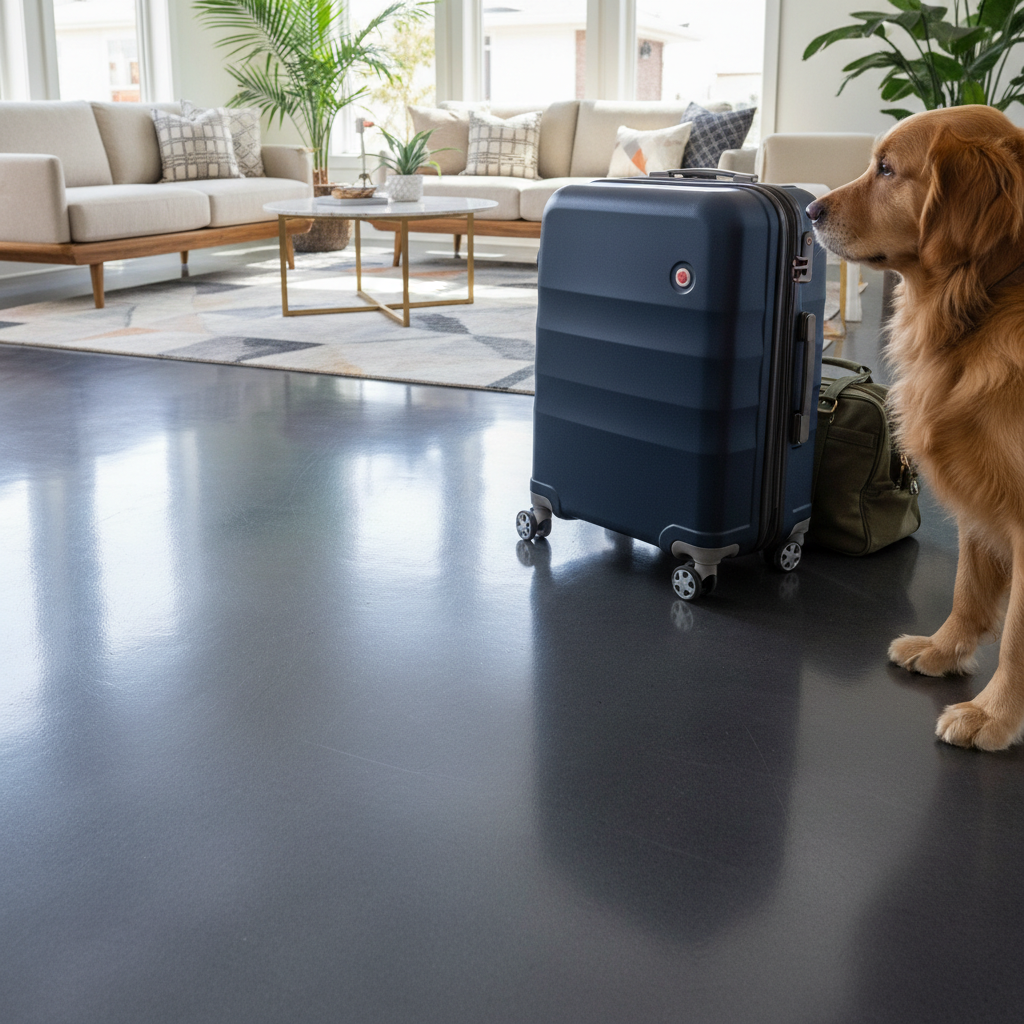
When standard residential options fail, property owners often turn to industrial-grade solutions. “Adamantine flooring” refers to a highly specific, niche category of ultra-durable, diamond-hard epoxy, polyurethane, or polyaspartic finishes. Named after the mythological substance “adamant” (meaning untamable or invincible), these coatings are designed to withstand forklift traffic in warehouses, making them virtually indestructible in a vacation rental setting.
The American Society of Concrete Contractors (ASCC) notes that the success of these industrial coatings relies entirely on rigorous concrete subfloor preparation, typically requiring mechanical profiling like shot blasting or diamond grinding [4]. To understand just how tough adamantine flooring is, we look to the Mohs hardness scale, which measures scratch resistance. While standard hardwood sits low on the scale, adamantine finishes incorporate aggregates like quartz or aluminum oxide, pushing their hardness closer to that of a diamond.
“We are seeing a massive surge in STR investors requesting industrial polyaspartic and adamantine-grade epoxies for high-traffic cabins and beach houses,” explains a certified industrial flooring contractor. “Once it cures, it is a seamless, waterproof armor that completely eliminates the need for grout cleaning or plank replacement” [5].
What is Adamantine Flooring Made Of? (Material Science & Stress Tests)
Adamantine flooring is typically a multi-part resin system. Unlike the thin, water-based epoxies sold in DIY home improvement kits, commercial adamantine coatings are 100% solids. When reviewing the Technical Data Sheets (TDS) and Safety Data Sheets (SDS) for these products, their superiority becomes clear.
Peer-reviewed data from the Journal of Materials Science highlights that advanced epoxy resins exhibit exceptional tensile strength and abrasion resistance due to their dense cross-linking molecular structure [6]. In a conceptual stress-test comparison, a standard polyurethane wood finish will begin to micro-scratch under the repetitive friction of sandy shoes. In contrast, an adamantine finish deflects the abrasive particles, maintaining its structural integrity and sheen even under the localized pressure of heavy luggage wheels.
Residential vs. Commercial Application: Is Adamantine Epoxy Safe?
While adamantine flooring is an industrial powerhouse, is it suitable for a residential Airbnb? The answer is yes, provided it is installed correctly. NACE International, the leading authority on protective coatings, emphasizes that while industrial coatings are highly safe once fully cured, the application process requires strict adherence to safety standards [7].
The primary concern for residential application is Volatile Organic Compounds (VOCs) during the curing process (off-gassing). Modern adamantine coatings have evolved to offer low-VOC options safe for residential environments. Cost-wise, professional installation ranges from $6 to $12 per square foot, depending on the condition of the existing subfloor. Because it requires zero grout and is entirely seamless, it is the ultimate “set-it-and-forget-it” solution for concrete-slab properties.
Top Durable Flooring Contenders for High-Traffic Vacation Homes
If an industrial epoxy doesn’t fit your property’s aesthetic, you need the best flooring for vacation rental properties that balances warmth with extreme resilience. To evaluate high traffic rental property flooring, we use a “Tenant-Proof Rating System” (1-10) based on impact resistance, water resistance, and scratch resistance.
Verified Airbnb Superhosts frequently echo the need for balance.
“I used to have beautiful engineered hardwood in my mountain cabin,” notes one Vrbo Premier Host. “After one ski season of wet boots and dragging gear, it was ruined. Switching to commercial-grade luxury vinyl saved my sanity and my budget” [8].
The World Floor Covering Association (WFCA) reinforces that regardless of the material chosen, professional installation adhering to manufacturer standards is the only way to ensure the floor performs as advertised under heavy use [9].
Luxury Vinyl Plank (LVP/SPC) vs. Laminate: The Wear Layer Debate
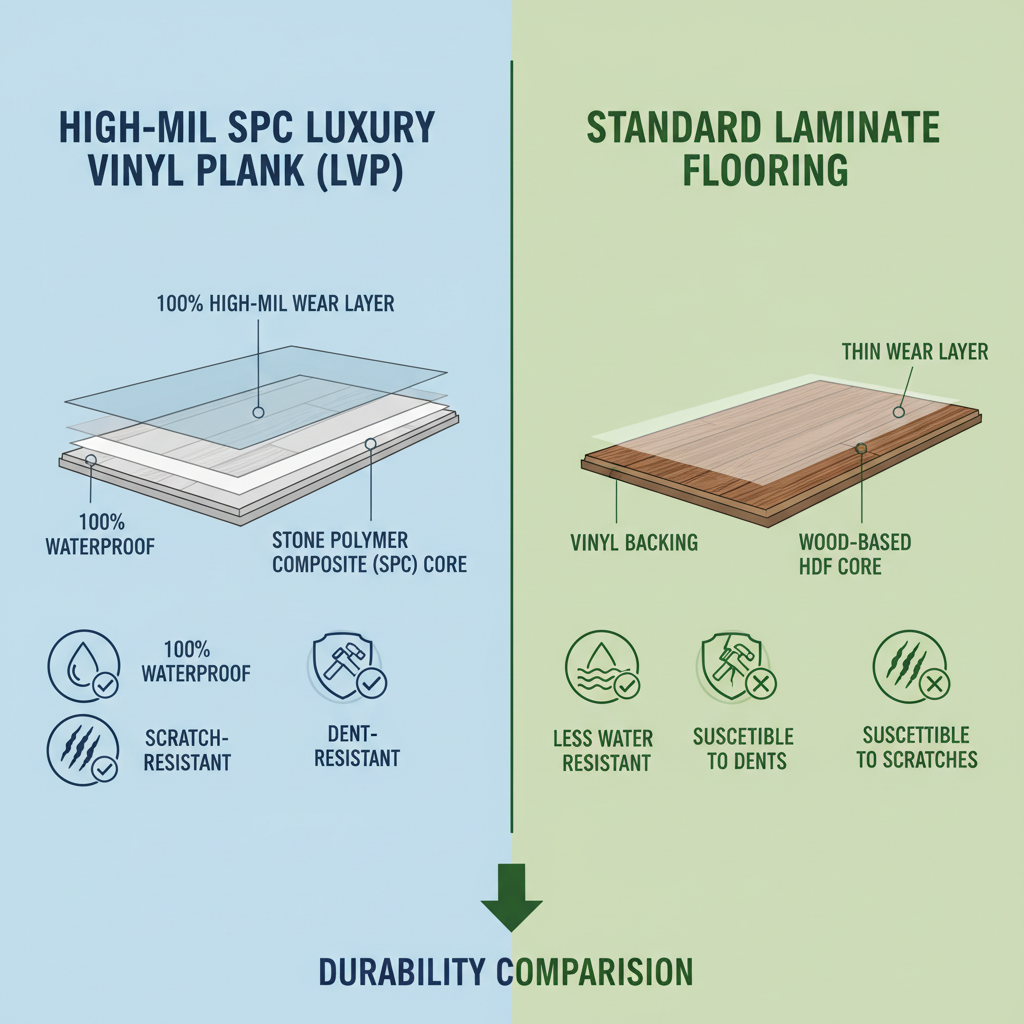
When choosing between LVP and laminate for scratch resistant rental flooring, the terminology can be confusing. For laminate, durability is measured by an AC (Abrasion Class) rating. The North American Laminate Flooring Association (NALFA) recommends an AC4 or AC5 rating for commercial or high-traffic rental use [10].
For Luxury Vinyl Plank, durability is dictated by the “wear layer”—the clear urethane coating on top of the design layer. A 20 mil (thousandths of an inch) wear layer is the gold standard for vacation rentals. However, the core matters just as much.
- WPC (Wood Polymer Core): Softer underfoot, but susceptible to denting under heavy furniture or dropped items.
- SPC (Stone Polymer Core): Extremely dense. It resists denting from heavy rolling luggage and high heels.
Durability is often tested using the Taber Abrasion Test, which measures how many cycles of an abrasive wheel it takes to wear through the finish. High-mil SPC vinyl and AC5 laminates score exceptionally well here, proving their worth in high-turnover environments. It is vital, however, to clarify the difference between scratch resistance (surface wear) and dent resistance (structural compression); SPC offers both.
Climate-Specific Recommendations: Beach Houses to Ski Chalets
A major content gap in flooring advice is ignoring the local climate. The best flooring for a beachfront condo will fail in a snowy mountain retreat.
- Beach Houses: Humidity and tracked-in sand are the enemies. Sand acts like sandpaper on wood finishes. Glazed porcelain tile or SPC vinyl are ideal because they are 100% waterproof and highly scratch-resistant.
- Ski Chalets: Melting snow and heavy boots require waterproof solutions, but tile can be dangerously slippery and cold. Textured SPC vinyl or heated adamantine epoxy are superior choices.
- Multi-Story Condos: Acoustic properties (soundproofing) are critical to avoid noise complaints from downstairs neighbors.
“You have to design for the environment, not just the aesthetic,” advises a licensed general contractor specializing in rental renovations. “In a humid coastal environment, solid hardwood will cup and warp within a year. We exclusively install SPC or porcelain in those zones” [11].
The Turnover Advantage: Slashing Cleaning Times Between Guests
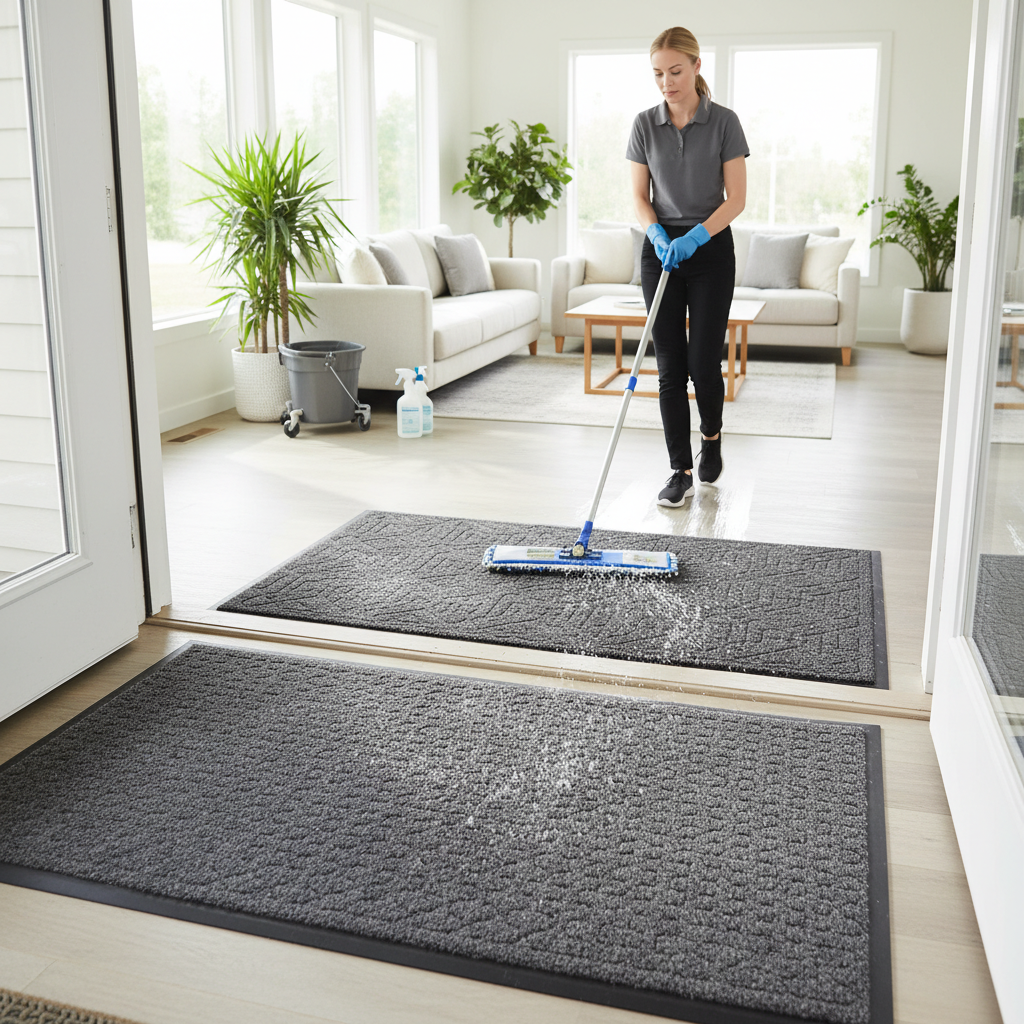
In the vacation rental industry, time is literally money. When evaluating low maintenance vacation home flooring, you must consider the “Turnover Advantage.” Easy to clean vacation floors feature non-porous surfaces, a lack of grout lines, and a matte or satin sheen (high-gloss floors show every speck of dust and water spot).
“Our cleaning crews can mop and sanitize 1,000 square feet of seamless LVP or epoxy in about 15 minutes,” states the owner of a professional hospitality cleaning service affiliated with ISSA (The Worldwide Cleaning Industry Association). “If that same space is textured tile with wide grout lines, it takes 45 minutes and requires specialized scrubbing tools” [12].
This “Turnover Time” metric is crucial when you only have a four-hour window between checkout and check-in.
Hospitality-Grade Sanitization & Chemical Compatibility
Rapid turnover requires hospitality-grade sanitization. The Centers for Disease Control and Prevention (CDC) provides strict guidelines for effective surface sanitation in hospitality settings, requiring specific dwell times for disinfectants [13].
However, applying harsh chemicals to the wrong floor will destroy it. The Cleaning Management Institute (CMI) emphasizes the importance of understanding the pH levels of common cleaners [14]. Highly acidic or highly alkaline cleaners will strip the protective wear layer off LVP and laminate over time. Furthermore, drying time is critical for same-day turnovers. Seamless floors dry rapidly, whereas deep grout lines hold moisture. Finally, hosts must strictly forbid cleaning crews from using “quick-shine” acrylic products; these create a sticky buildup that traps dirt and eventually requires chemical stripping to remove.
Bulletproofing Your Rental: Preventing Scratches, Scuffs, and High-Traffic Wear
Even the most durable floors need proactive protection. High traffic flooring wear is rarely caused by footsteps alone; it is caused by dirt acting as sandpaper between the shoe and the floor. It is also important to distinguish between “scuffing” (where a material, like rubber from a shoe, is transferred onto the floor) and “scratching” (where the floor’s finish is physically removed).
“Ninety percent of premature flooring failures in commercial and rental spaces are due to improper dirt mitigation at the entryways,” notes a certified flooring inspector from the National Institute of Certified Floorcovering Inspectors (NICFI) [15].
Establishing ‘Walk-Off Zones’ and Strategic Matting
The most effective way to prevent high traffic flooring wear is to stop dirt at the door. The Carpet and Rug Institute (CRI) recommends establishing “Walk-Off Zones” [16]. This involves placing a heavy-duty scraper mat outside the door, a water-absorbent mat immediately inside, and a runner rug guiding traffic into the main living space. This strategic matting drastically reduces the abrasive particles that make it onto your primary flooring, mitigating traffic chokepoints.
The Pet-Claw and Luggage-Wheel Defense Strategy
For hosts allowing pets, scratch resistant rental flooring is non-negotiable. If you insist on real wood, consult the Janka hardness scale provided by the National Wood Flooring Association (NWFA) [17]. Pine and standard oak will dent and scratch easily under large dogs; you must opt for ultra-hard species like Brazilian Walnut or Hickory, preferably finished with aluminum oxide.
However, the American Kennel Club (AKC) and veterinary experts recommend avoiding ultra-smooth, glossy floors altogether. Pets slip on these surfaces, causing them to panic and dig their claws in harder, which damages the floor and can injure the animal [18]. Textured SPC vinyl or matte porcelain tile offers the slip-resistance pets need and the luggage-wheel defense hosts require.
Vacation Home Floor Damage: Repair, Replace, and Resolution Claims
Inevitably, vacation home floor damage will occur. When dealing with scratched rental property floors, hosts must understand the legal context of “normal wear and tear” versus “damage.” The National Association of Residential Property Managers (NARPM) defines normal wear and tear as the natural deterioration that occurs from intended use (e.g., slight dulling of the finish in a hallway) [19]. A deep gouge from dragging a refrigerator, however, is damage.
The Repair vs. Replace Diagnostic Flowchart
When damage occurs, hosts need a “Repair vs. Replace” diagnostic approach:
- Surface Scuffs/Micro-Scratches: Do not replace. Use industry-trusted repair kits. For example, Bona offers excellent restorative polishes and markers for hardwood and laminate that blend complex wood grains [20].
- Deep Gouges (Single Plank): If you installed LVP or laminate, keep spare planks in an owner’s closet. A handyman can easily swap a single damaged plank without replacing the whole floor.
- Water Damage / Mid-Stay Emergencies: If a pipe bursts while guests are present, immediate extraction is required. The Institute of Inspection, Cleaning and Restoration Certification (IICRC) standards dictate that while some LVP can be removed, dried, and reinstalled, laminate and engineered wood will swell and must be entirely replaced [21].
How to Document Damage for Airbnb AirCover and Vrbo Claims
Successfully claiming vacation home floor damage through OTA resolution centers requires meticulous documentation.
“You cannot claim damage if you cannot prove the floor was pristine before check-in,” advises a specialist from Proper Insurance, a leading provider of short-term rental policies [22].
Hosts must take time-stamped photos or videos of the floors between every single guest stay. If damage occurs, file a “Damage Incident Report” immediately. According to the terms of service in the Airbnb Help Center, hosts must report the damage and submit a reimbursement request before the next guest checks in [23]. Be sure to include quotes from licensed contractors that factor in not just the material repair, but the loss of rental income (business interruption) caused by the downtime.
Conclusion
Successful vacation rental flooring is a delicate balance of extreme durability, strategic maintenance, and calculated financial planning. Whether you opt for the industrial invincibility of adamantine coatings, the waterproof resilience of high-mil SPC vinyl, or the timeless strength of porcelain tile, your choice dictates your property’s operational efficiency. By implementing a Total Cost of Ownership approach, establishing walk-off zones, and utilizing hospitality-grade cleaning protocols, you can stop treating your floors as a liability and start treating them as a protected asset. Proactive choices today will save you thousands in replacements, repairs, and lost bookings in the long run.
To immediately start protecting your investment, ensure your cleaning staff is utilizing hospitality-grade sanitization protocols and always keep a standardized Damage Incident Report template on hand to swiftly navigate OTA resolution claims.
Disclaimers: Financial/Tax Disclaimer: Information regarding ROI and depreciation is for educational purposes; consult a CPA. Legal/Insurance Disclaimer: OTA claim policies change frequently; verify current terms of service. DIY Disclaimer: Always consult a licensed contractor for flooring installation and structural repairs.
References & Authoritative Sources
- Appraisal Institute. (N.D.). Impact of Durable Flooring on Property Valuation.
- Internal Revenue Service (IRS). (N.D.). Residential Rental Property Depreciation Schedules. IRS.gov.
- Institute of Real Estate Management (IREM). (N.D.). The Hidden Costs of Cheap Flooring in Rentals.
- American Society of Concrete Contractors (ASCC). (N.D.). Standards for Concrete Preparation and Industrial Coatings.
- Certified Industrial Flooring Contractor. (N.D.). Insights on Adamantine and Polyaspartic Applications.
- Journal of Materials Science. (N.D.). Peer-Reviewed Data on Epoxy and Resin Durability and Tensile Strength.
- NACE International. (N.D.). Safety Standards and Protective Coatings in Residential Environments.
- Airbnb Resource Center. (N.D.). Verified Reviews on Flooring Durability in Short-Term Rentals.
- The World Floor Covering Association (WFCA). (N.D.). Flooring Installation and Performance Standards.
- North American Laminate Flooring Association (NALFA). (N.D.). AC Ratings and Laminate Durability Standards.
- Licensed General Contractor. (N.D.). Climate-Specific Flooring Recommendations for Rental Renovations.
- ISSA (The Worldwide Cleaning Industry Association). (N.D.). Turnover Times and Flooring Preferences.
- Centers for Disease Control and Prevention (CDC). (N.D.). Guidelines for Cleaning and Disinfecting Facilities.
- Cleaning Management Institute (CMI). (N.D.). Professional Cleaning Protocols and Chemical pH Compatibility.
- National Institute of Certified Floorcovering Inspectors (NICFI). (N.D.). Diagnosing Premature Flooring Failures and Wear.
- Carpet and Rug Institute (CRI). (N.D.). Matting and Dirt Mitigation Strategies.
- National Wood Flooring Association (NWFA). (N.D.). Janka Hardness Scale and Wood Species Durability.
- American Kennel Club (AKC). (N.D.). Pet-Friendly Home Environments and Slip-Resistant Flooring.
- National Association of Residential Property Managers (NARPM). (N.D.). Landlord-Tenant Damage Disputes: Normal Wear and Tear vs. Damage.
- Bona. (N.D.). Hardwood Floor Care, Restoration, and Repair Kits.
- Institute of Inspection, Cleaning and Restoration Certification (IICRC). (N.D.). Water Damage Restoration Standards for Flooring.
- Proper Insurance. (N.D.). Specialized Short-Term Rental Insurance and Floor Damage Claims.
- Airbnb Help Center. (N.D.). AirCover Resolution Processes and Host Guarantees.
