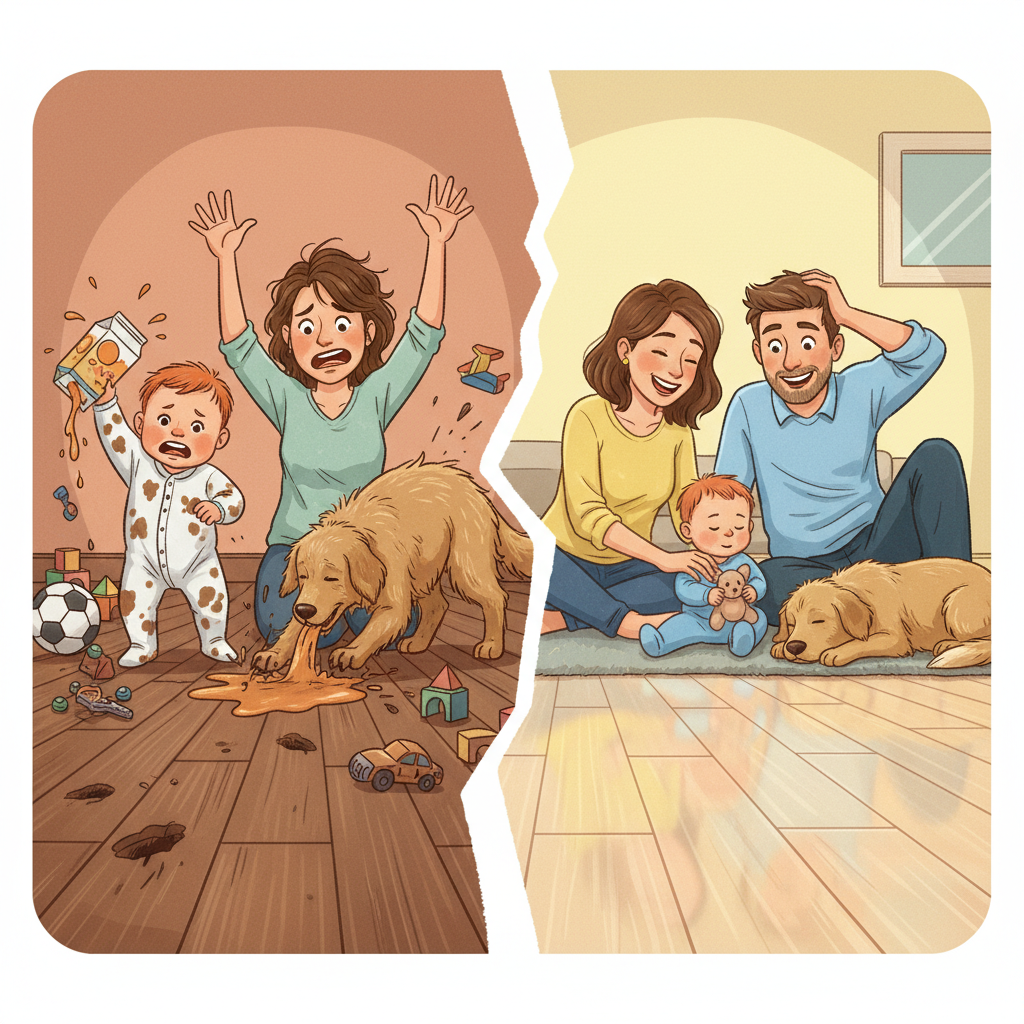
If you are a parent or a pet owner, you know the visceral reality of household chaos. Between muddy paws sprinting down the hallway, toddlers dropping heavy wooden toys, and the inevitable spilled juice boxes, the floors in a family home take an absolute beating. For many homeowners, the frustration of watching a brand-new floor succumb to premature scratching, gouging, and moisture damage is a major pain point.
In the quest for a solution, you have likely been bombarded by confusing marketing buzzwords. Terms like “adamantine,” “indestructible,” and “lifeproof” are plastered across home improvement aisles, making it incredibly difficult to choose the right material. How do you separate the hype from reality?
This comprehensive guide cuts through the marketing noise. By relying on objective material science—such as Mohs hardness scales and AC ratings—and leveraging insights from certified flooring contractors, we will help you choose, install, and maintain flooring based on true lifecycle value. Whether you are navigating the messy toddler years or the high-traffic teenage phase, this is your definitive blueprint for finding floors that actually survive your family.
- Decoding ‘Adamantine Flooring’: Marketing Myth vs. Material Science
- Flooring That Grows With You: Solutions for Every Family Life Stage
- Top Scratch-Resistant & Long-Lasting Flooring Materials
- The Hidden Foundation: Installation Secrets for Indestructible Floors
- Flooring Wear and Tear: Maintenance, Repair, and Replacement
- Conclusion
- References & Authoritative Sources
Decoding ‘Adamantine Flooring’: Marketing Myth vs. Material Science
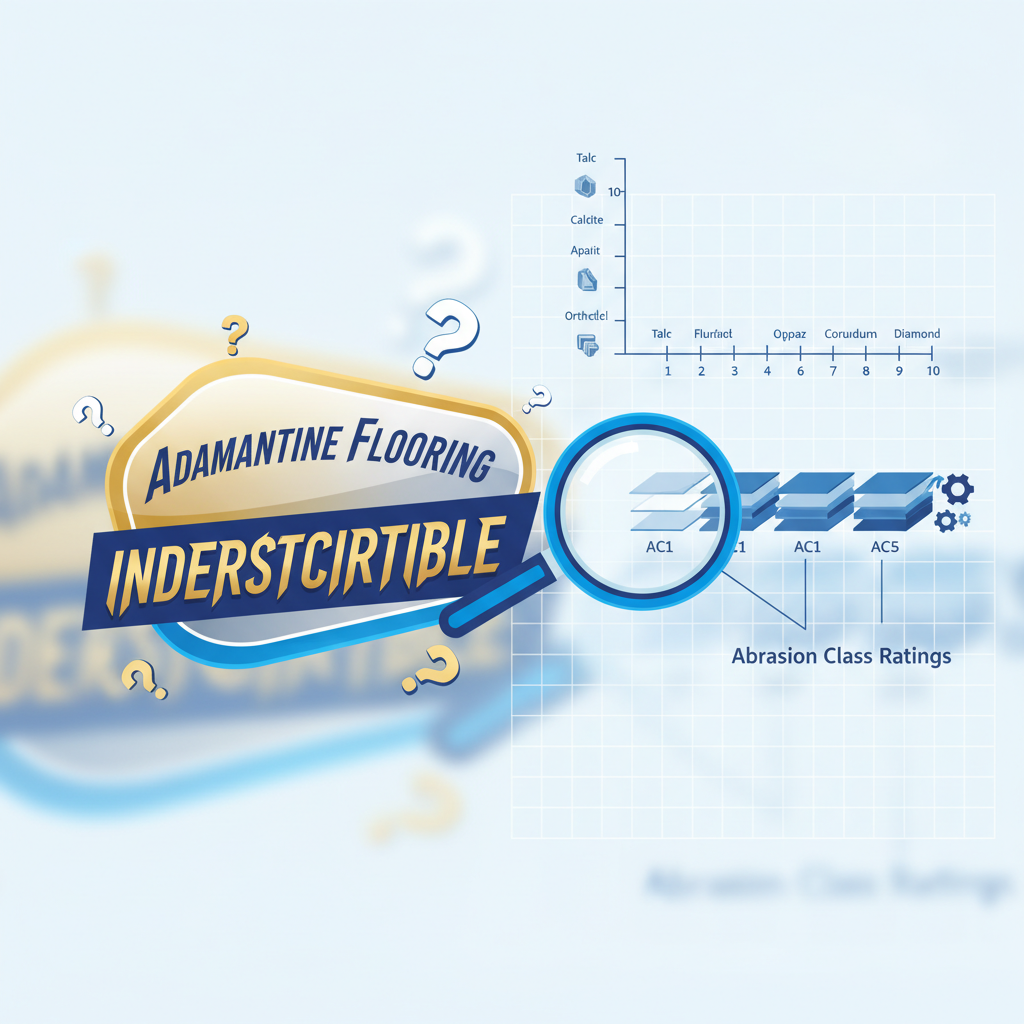
In the world of fantasy and comic books, “adamantine” refers to a mythical, unbreakable substance. In the flooring industry, adamantine flooring is not a specific species of wood or a unique stone; rather, it is a marketing term used to describe ultra-durable, virtually indestructible flooring solutions. These often include industrial-grade epoxies, advanced composites, or high-end Stone Polymer Composite (SPC) rigid core floors.
To find truly durable home flooring, you must look past the buzzwords and examine how durability is scientifically measured. ASTM International provides the gold-standard test methods for evaluating flooring wear, moisture resistance, and impact resistance [1]. Instead of trusting a label, look for quantifiable metrics. For laminate and vinyl, the AC (Abrasion Class) rating system measures resistance to wear, fading, and staining on a scale from AC1 to AC5. For natural stone and tile, the Mohs hardness scale dictates scratch resistance.
As experts in commercial flooring and material science at Spectra Contract Flooring note, the true strength of these “adamantine” options often lies in their chemical makeup, particularly the use of advanced polymer composites and thermosetting resins that bind the materials together under extreme pressure, creating a surface that resists both blunt impact and micro-abrasions [2].
Lifeproof vs. Premium Brands: Separating Hype from Reality
When searching for life proof flooring for family homes, you will inevitably encounter “Lifeproof,” a highly popular brand of rigid-core luxury vinyl plank (LVP). Known for being 100% waterproof and highly DIY-friendly, it commands a massive share of the residential market.
But does it live up to the hype? When comparing Lifeproof to premium LVP brands like COREtec, the distinction comes down to value versus luxury. Lifeproof offers unbeatable upfront value and genuine waterproof performance, making it a stellar choice for chaotic households. Furthermore, it carries FloorScore certification, which verifies low VOC (Volatile Organic Compound) emissions, ensuring safe indoor air quality for your family [3].
However, premium brands often edge out budget-friendly options in acoustic warmth and visual depth. While The Home Depot, the exclusive retailer and manufacturer of the Lifeproof brand, provides robust warranty data backing its scratch resistance [4], families highly sensitive to the “hollow” sound of walking on rigid core floors may prefer premium alternatives with thicker, integrated cork underlayments.
Flooring That Grows With You: Solutions for Every Family Life Stage
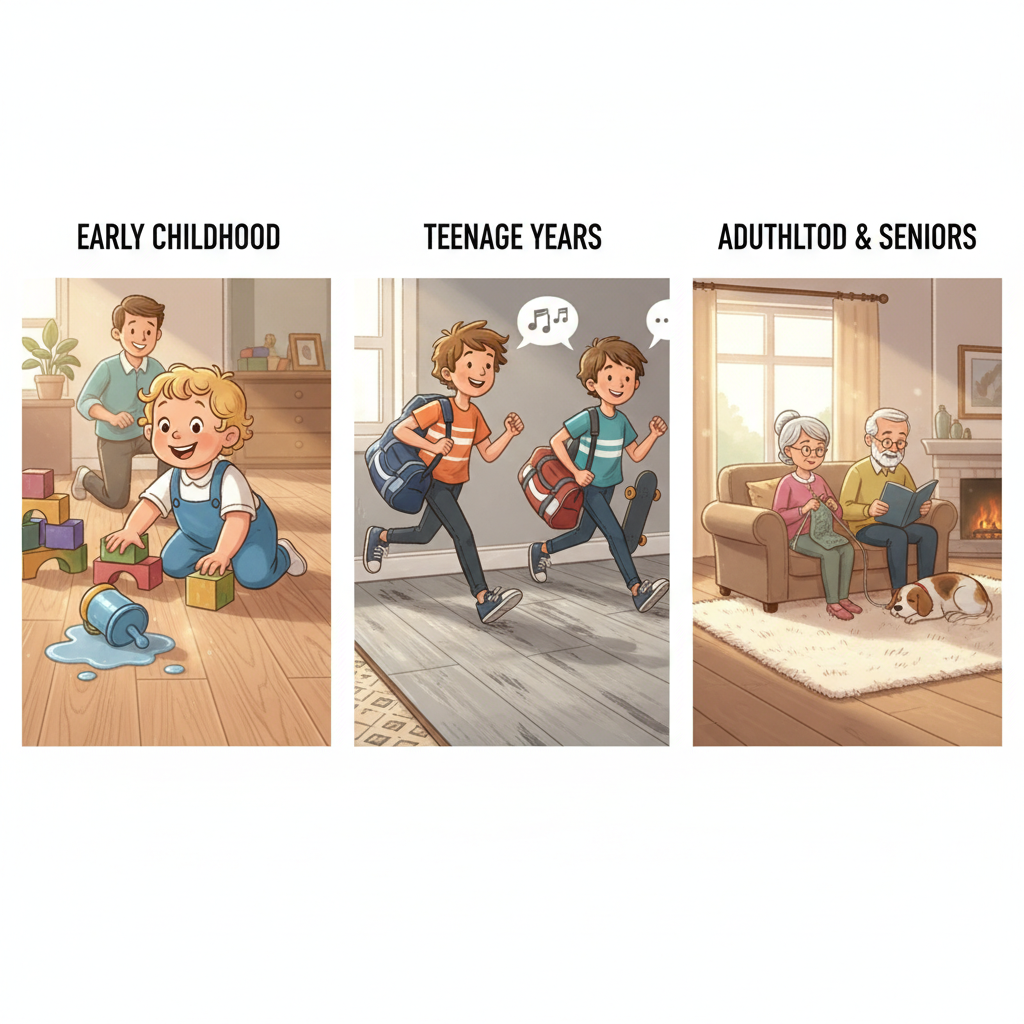
The concept of “broken-plan living” suggests that different areas of your home should serve different functions. Similarly, the best flooring for growing families isn’t always a single material stretched across the entire house. By categorizing flooring choices by your family’s current “chaos level,” you can select durable floors for every life stage that balance safety, acoustics, and maintenance.
When selecting materials, it is crucial to reference the American Academy of Pediatrics (AAP) guidelines, which emphasize the importance of safe, non-toxic home environments for developing immune systems [5]. Additionally, always check the Dynamic Coefficient of Friction (DCOF) rating of a floor, which measures slip resistance to prevent dangerous falls.
The Toddler Years: Prioritizing Waterproofing and Slip Resistance
During the early years of crawling, potty training, and constant spills, family friendly flooring must be soft, warm, and highly waterproof. Luxury Vinyl Plank (LVP) is a dominant choice here, but health-conscious parents should also consider modern Linoleum.
Unlike older vinyl sheets, true linoleum is made from natural materials like linseed oil, pine rosin, and cork dust. It is inherently antimicrobial, highly water-resistant, and boasts ultra-low VOC emissions, making it an incredibly safe and sustainable surface for toddlers who spend most of their time on the floor.
The Teenage Years: Acoustic Comfort and Heavy Traffic
As children grow into teenagers, the primary challenges shift from spilled milk to heavy foot traffic, sports equipment, and noise. The best flooring for growing families in this stage must address acoustic comfort. Hard surfaces can turn a multi-story home into an echo chamber.
To mitigate sound transmission, the integration of an EVA foam underlayment is essential. This dense foam absorbs impact noise (like heavy footsteps) and improves the floor’s overall acoustic rating. For the surface itself, upgrading to a laminate floor with an AC4 or AC5 wear rating ensures the floor can withstand the high-traffic, abrasive environment of a busy teenage zone without showing premature wear.
Top Scratch-Resistant & Long-Lasting Flooring Materials
If your primary goal is finding long lasting flooring solutions that offer the best long-term return on investment (ROI), you must evaluate the lifecycle cost of the material. A floor that is cheap to buy but needs replacing in five years is ultimately more expensive than a premium floor that lasts decades.
“Homeowners often focus solely on the upfront cost per square foot, but true durability is measured over a 20-year maintenance cycle,” notes the professional contractor team at Pro Flooring [6]. “Investing in the right wear layer or a refinishable surface saves thousands in the long run.”
Luxury Vinyl Plank (LVP) & Laminate: The Practical Family Favorites
LVP and Laminate remain the top choices for the best flooring for growing families due to their balance of affordability and resilience. The secret to their durability lies in their multi-layer construction. A high-quality LVP consists of a rigid core for stability, a high-definition printed visual layer, and a clear protective wear layer (measured in mils).
Manufacturer insights from industry leaders like Garrison Collection [7] and TAJ Flooring [8] highlight that modern LVP and resilient sheet flooring often feature advanced UV-cured polyurethane coatings. These specialized topcoats are specifically engineered to be pet-friendly, resisting the micro-scratches caused by dog claws while preventing fading from sunlight.
Engineered & Solid Hardwood: The 100-Year Lifecycle Investment
While hardwood is not the most scratch resistant family flooring available, it is the ultimate “grow with you” investment. Authentic durable home flooring is about longevity, and according to the National Wood Flooring Association (NWFA), which sets strict standards for wood floor durability and installation, a properly maintained hardwood floor has a lifespan of up to 100 years [9].
Because solid and thick-veneer engineered hardwood can be sanded and refinished multiple times, it effectively erases decades of family wear and tear, allowing the floor to evolve stylistically and functionally with your home.
Contrarian Choices: Decorative Concrete and Residential Epoxy
For spaces that demand true adamantine strength—like mudrooms, basements, or modern open-concept living areas—consider adapting commercial solutions for residential use. If you want to install adamantine durable floors, decorative concrete and residential epoxy are unmatched.
Concrete is exceptionally hard, but it is not maintenance-free. Experts at Orange County Decorative Concrete emphasize that residential concrete floors need resealing every 1 to 2 years to maintain their stain and scratch resistance [10]. Epoxy, on the other hand, utilizes a thermosetting resin chemical makeup that cures into a virtually impenetrable plastic-like surface. When installing epoxy, meticulously moisture-treating the concrete slab beforehand is critical to prevent the resin from delaminating under hydrostatic pressure.
The Hidden Foundation: Installation Secrets for Indestructible Floors
You can purchase the most expensive, durable material on the market, but if it is installed poorly, it will fail. The secret to indestructible floors lies entirely beneath the surface. The Tile Council of North America (TCNA) serves as the leading authority on tile durability, and their standards make one thing clear: subfloor preparation is non-negotiable [11].
Why Subfloor Preparation Dictates Floor Longevity
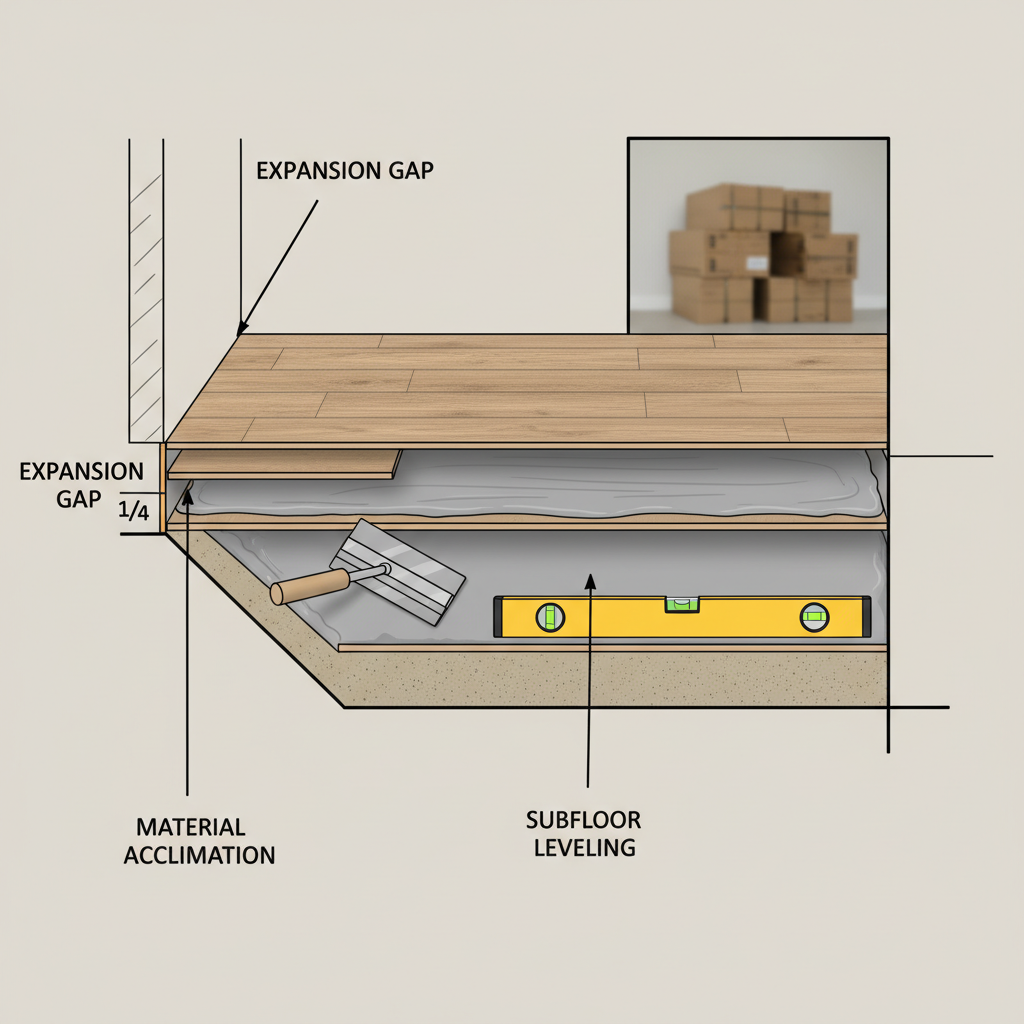
When you install adamantine durable floors, particularly ultra-rigid SPC vinyl, large-format tile, or natural stone, the subfloor must be perfectly flat. Rigid materials have zero flex; if placed over an uneven surface, the locking mechanisms will snap, or the tiles will crack under foot traffic.
Industry standards dictate strict subfloor leveling tolerances, typically requiring the floor to be flat within 3/16 of an inch over a 10-foot span. Furthermore, environmental acclimation is vital for durable home flooring. Wood and laminate planks must acclimate to the room’s temperature and humidity for at least 48 hours before installation, and installers must leave a 1/4-inch expansion gap around the perimeter to allow for natural seasonal swelling.
Cost Breakdown: DIY vs. Professional Installation
Understanding the financial logistics is key to planning your project. When deciding whether to install adamantine durable floors yourself or hire a pro, you must factor in materials, labor, and specialized equipment (like concrete grinders or wet saws).
Based on highly accurate, localized cost estimation data from Homewyse [12] and aggregated contractor pricing from HomeAdvisor [13], homeowners in 2026 can expect the following installed cost ranges:
- Laminate installation: $6.91 to $11.81 per square foot.
- Natural stone flooring: $7 to $27 per square foot.
- Tile installation: $3 to $30 per square foot.
While floating LVP and laminate are highly DIY-friendly, the intense subfloor leveling required for stone, tile, and epoxy makes professional installation highly recommended to protect your investment.
Flooring Wear and Tear: Maintenance, Repair, and Replacement
Every floor has a lifecycle. Knowing how to maintain your floors, when to repair them, and when it is finally time to tear them out will save you immense frustration and money. Professional maintenance protocols, such as those recommended by Sunshine Interior Services, are essential for extending floor life [14].
Normal Wear vs. Property Damage: A Landlord & Tenant Guide
For renters and property investors, distinguishing between flooring wear and tear and actual property damage is a legal and financial necessity. According to property management authorities like Maple Leaf Mgt, “normal wear and tear” includes minor scuffs, slight dulling of the finish, and gentle carpet indentations from furniture [15].
Conversely, deep gouges, pet urine stains, and burn marks constitute chargeable damage. To minimize wear and tear, proactive prevention is key. Utilize specific preventative accessories like felt pads under all heavy furniture and ensure all area rugs have non-rubber backing, as rubber can permanently discolor vinyl and hardwood finishes.
How to Fix Scratched Floors (And What NOT to Do)
When dealing with scratched and damaged floors, the repair method must be strictly categorized by the flooring material to prevent catastrophic user errors.
For minor surface scratches in solid or engineered wood, blending sticks and specialized wood markers are highly effective. However, professional flooring contractors, such as the experts at A&M Carpets and Flooring, issue a critical warning: never use DIY paste wax or acrylic polishes on a hardwood floor if you ever plan to have it professionally refinished [16]. These waxes seep into the wood grain and create severe chemical adhesion issues, causing future coats of professional polyurethane to peel and fail completely.
For luxury vinyl plank, deep gouges cannot be sanded out. The most effective repair is often using a heat gun to carefully remove and replace the single damaged plank.
The Refinish vs. Replace Dilemma
Eventually, every homeowner faces the refinish versus replace dilemma. If your floors are suffering from severe water warping, deep structural cracks, or are simply an outdated material, replacing worn out flooring is the best path forward.
Authoritative data on construction and material lifespans from Block Renovation provides a clear matrix for this decision [17]:
- Carpet lifespan: 5 to 15 years.
- Vinyl (LVT/LVP) lifespan: 10 to 20 years.
- Laminate lifespan: 10 to 25 years.
- Hardwood lifespan: Up to 100 years.
When budgeting for a full replacement, expect costs to range widely from $3 to $22 per square foot, depending heavily on the material chosen and the extent of hidden subfloor repairs required once the old floor is torn out.
Conclusion
True “adamantine” durability is not a magical property you can buy off a shelf; it is the result of matching the right material science to your family’s specific life stage and ensuring flawless subfloor preparation. By looking past the marketing hype and focusing on quantifiable metrics like AC ratings, Mohs hardness, and 20-year lifecycle costs, you can invest in a floor that withstands the chaos of kids and pets.
Take a moment today to assess your current flooring’s wear and tear using the criteria in this guide. If you are ready for an upgrade that will truly grow with your family, reach out to a certified local flooring installer—such as an NWFA professional—for a comprehensive subfloor inspection and a transparent quote.
Disclaimer: Installation costs provided in this article are estimates based on national averages and may vary significantly by region, material availability, and specific site conditions. Always consult with certified professionals for structural subfloor repairs and complex installations.
References & Authoritative Sources
- ASTM International. (N.D.). Standard Test Methods for Flooring Wear and Impact Resistance. Retrieved from ASTM International standards database.
- Spectra Contract Flooring. (N.D.). Commercial Flooring Installation Expertise and Material Science. Retrieved from Spectra Contract Flooring.
- FloorScore. (N.D.). Indoor Air Quality and Low VOC Certification for Hard Surface Flooring. Retrieved from FloorScore.
- The Home Depot. (N.D.). Lifeproof Flooring Brand Warranty and Product Data. Retrieved from The Home Depot.
- American Academy of Pediatrics. (N.D.). Guidelines on Safe Home Environments and Non-Toxic Materials for Children. Retrieved from AAP.
- Pro Flooring. (N.D.). Professional Contractor Insights on Material Longevity and Long-Term Maintenance. Retrieved from Pro Flooring.
- Garrison Collection. (N.D.). Manufacturer Insights on Kid-Proof and Pet-Friendly Flooring Features. Retrieved from Garrison Collection.
- TAJ Flooring. (N.D.). Manufacturer Insights on LVT and Resilient Sheet Flooring Construction. Retrieved from TAJ Flooring.
- National Wood Flooring Association (NWFA). (N.D.). Standards for Wood Floor Durability, Acclimation, and Installation. Retrieved from NWFA.
- Orange County Decorative Concrete. (N.D.). Specialized Knowledge in Residential Concrete Applications and Durability. Retrieved from Orange County Decorative Concrete.
- Tile Council of North America (TCNA). (N.D.). Authority on Tile Durability, Grout Standards, and Installation Methods. Retrieved from TCNA.
- Homewyse. (2026). Localized Cost Estimation Data for Home Improvement Projects. Retrieved from Homewyse.
- HomeAdvisor. (2026). Aggregated Contractor Pricing and Installation Standards. Retrieved from HomeAdvisor.
- Sunshine Interior Services. (N.D.). Professional Maintenance Protocols for Extending Floor Life. Retrieved from Sunshine Interior Services.
- Maple Leaf Mgt. (N.D.). Legal and Practical Standards for Wear and Tear in Property Management. Retrieved from Maple Leaf Mgt.
- A&M Carpets and Flooring. (N.D.). Professional Perspective on DIY Repairs vs. Professional Restoration. Retrieved from A&M Carpets and Flooring.
- Block Renovation. (N.D.). Authoritative Data on Construction, Renovation Costs, and Material Lifespans. Retrieved from Block Renovation.
