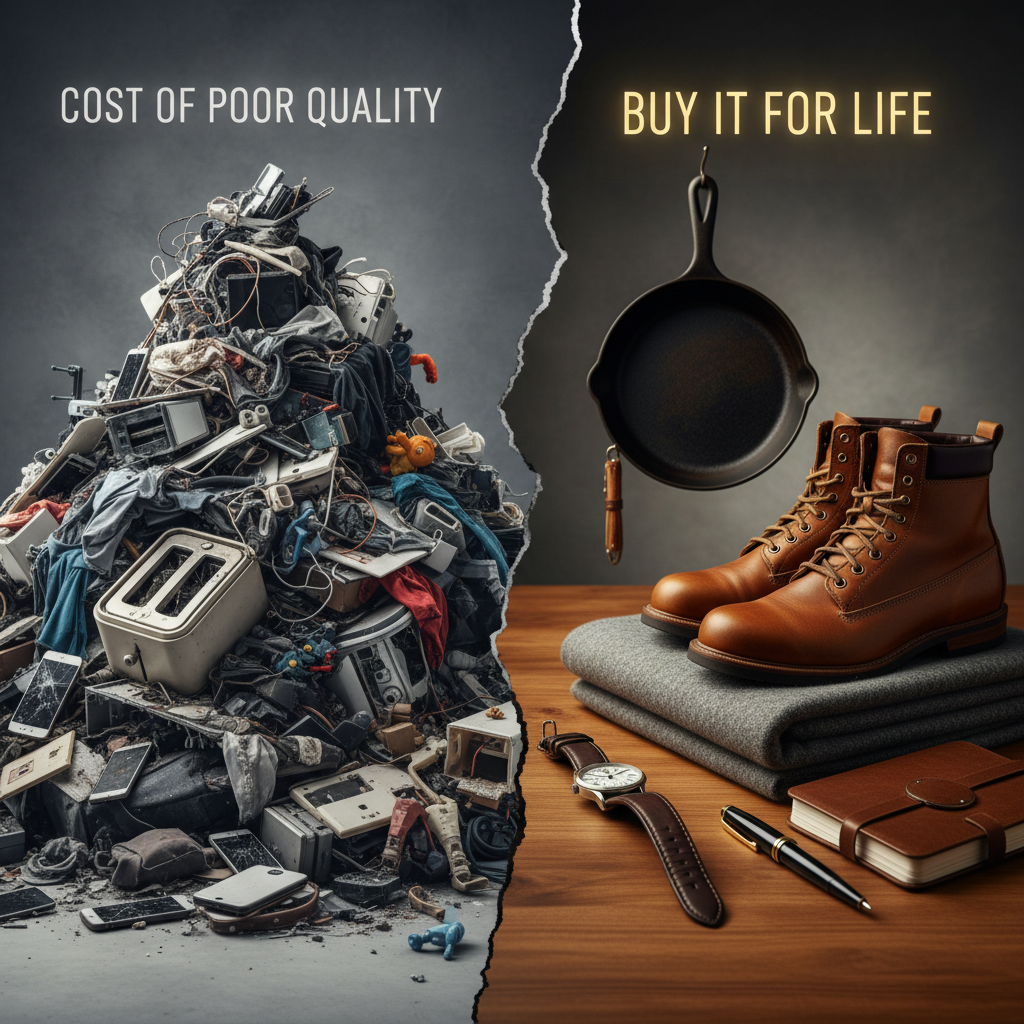
We have all felt the sting of a broken promise disguised as a bargain. You purchase a sleek new appliance or a stylish pair of boots, only to find them falling apart mere months later. This frustration with flimsy product design is more than just a minor inconvenience; it is a relentless financial drain and a hidden tax on your wallet known as the “Cost of Poor Quality.” We are living in an era dominated by planned obsolescence, where goods are intentionally engineered to fail, forcing you back into the checkout line.
But there is a way out. Welcome to the “Buy It For Life” (BIFL) Manifesto. By uniting the cutting-edge science of adamantine materials with the timeless art of heritage craftsmanship, we can escape the costly cycle of disposable consumerism. This guide is your roadmap to identifying, authenticating, and maintaining ultra-durable goods. It is time to stop replacing and start investing in products engineered to last a lifetime.
- The Crisis of Short Lifespan Products: Escaping Planned Obsolescence
- The Science of Extreme Durability: What Are Adamantine Products?
- The Art of Premium Craftsmanship: Inspiring Products That Endure
- How to Invest in Durable Goods: The ‘Buy It For Life’ Methodology
- Conclusion
- References & Authoritative Sources
The Crisis of Short Lifespan Products: Escaping Planned Obsolescence
To understand the value of true durability, we must first examine the modern landscape of disposable goods. Today’s market is flooded with short lifespan products that drain consumer wallets and wreak havoc on the environment. This is not an accident; it is a calculated business model.
The origins of planned obsolescence can be traced back to historical examples like the infamous Phoebus cartel of the 1920s, which colluded to intentionally limit the lifespan of incandescent lightbulbs to a mere 1,000 hours to ensure repeat sales [1]. Fast forward to today, and this philosophy has infected almost every industry. According to data from the Consumer Technology Association (CTA) Product Lifecycle Study, televisions now have an expected lifespan of just 6.5 years (down from nearly 9 years in 2011), while consumers expect their smartphones to last a mere 5 years [2].
This rapid turnover highlights the severe “Cost of Poor Quality” (COPQ). When poor manufacturing quality is the standard, the financial burden is passed directly to the consumer. In the manufacturing world, experts use advanced Product Lifecycle Management (PLM) systems to track defects and manage COPQ [3]. However, as consumers, our best defense against this systemic failure is education and a refusal to settle for less.
Flimsy Product Design and the Cost of Poor Quality (COPQ)
Why do so many modern products fail so spectacularly? The answer often lies in flimsy product design driven by rushed development cycles and scope overreach. When companies prioritize hitting an aggressive quarterly launch date over rigorous engineering, the result is structural weakness and overly complex, fragile interfaces.
Famous examples of bad design—from notoriously fragile smartphone screens to kitchen appliances with easily snapped plastic hinges—illustrate how these strategic missteps destroy user experience. UX/UI experts and industrial design case studies, such as those analyzed by researchers at Toptal and Columbia Business School, point out that when design lacks a foundation in user-centric longevity, it inevitably leads to lost brand equity and immense consumer frustration [4]. Poor manufacturing quality isn’t just a factory error; it is a design choice.
The Science of Extreme Durability: What Are Adamantine Products?

To combat the fragility of modern goods, we must look to the absolute pinnacle of material science. What are Adamantine products? Derived from the ancient Greek word for “unbreakable,” the term “adamantine” refers to diamond-like hardness. According to Materials Science and Engineering Journals, true adamantine materials bridge the gap between theoretical physics and practical consumer applications, distinguishing themselves from mere marketing buzzwords through verifiable, extreme structural integrity [5].
An adamantine built to last design relies on engineering principles that prioritize resilience at a molecular level. For instance, cutting-edge innovations like Adamantine Thermal coatings provide a diamond-integrated thermal conductivity that is five times that of copper, preventing the heat-induced degradation that destroys modern electronics [6]. Architectural and engineering design firms, such as Adamantine Design, specialize in applying these principles of structural longevity to everyday environments [7]. Durable design is not just about looking rugged; it is about the invisible physics that keep a product intact decades after its purchase.
Selecting Long Lasting Quality Materials
The foundation of any durable design lies in the raw elements used to construct it. Selecting long lasting quality materials requires an understanding of lifespan, lifecycle cost, and sustainability.
For structural and foundational goods, the chemical and physical properties of the materials dictate their survival. High-Performance Concrete (HPC), for example, is engineered with a microscopic density that resists environmental weathering far better than standard mixes [8]. In furniture and home goods, the difference between a piece that lasts a year and one that lasts a century often comes down to moisture control, such as the meticulous process of seasoning wood to remove internal moisture before crafting [8]. By prioritizing these superior materials, you are investing in a legacy of resilience.
The Art of Premium Craftsmanship: Inspiring Products That Endure
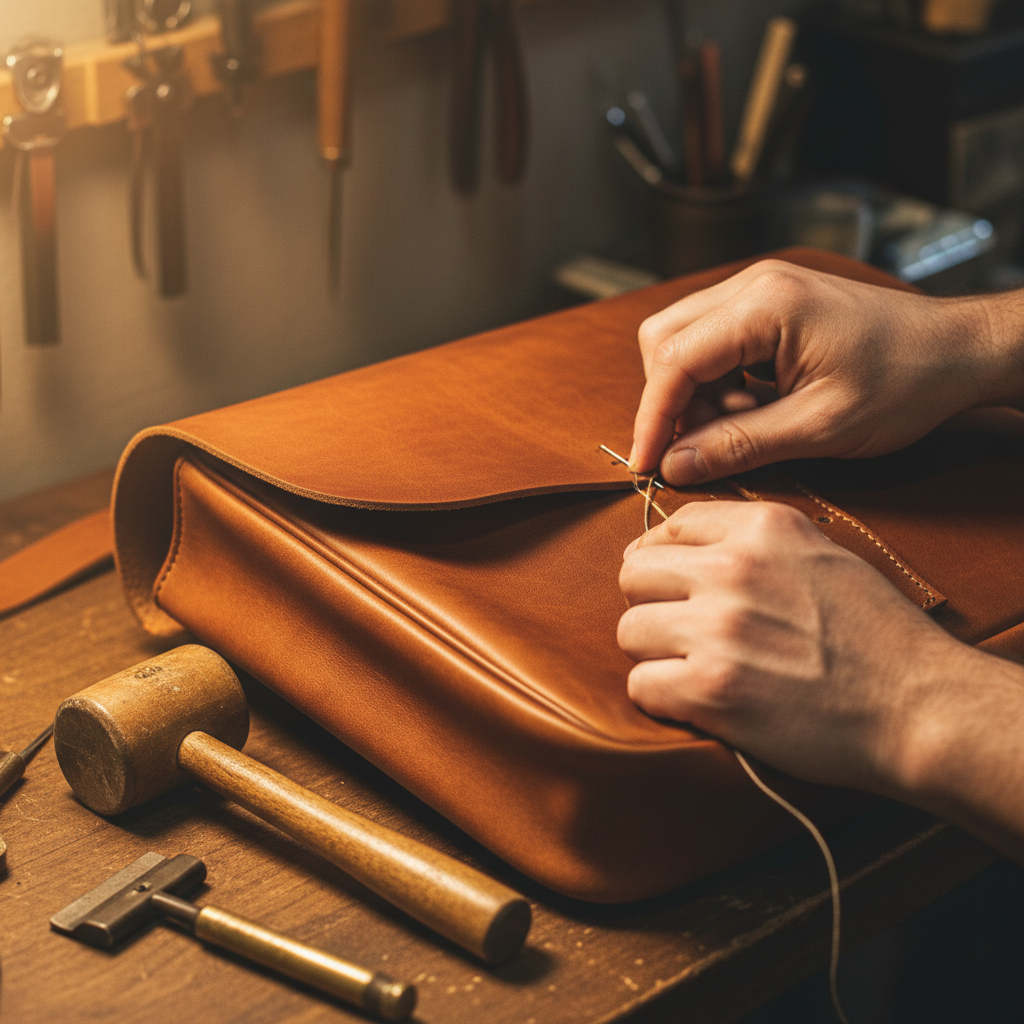
Science provides the materials, but human hands provide the soul. Shifting from industrial engineering to the art of creation, we find that premium craftsmanship is the ultimate expression of value. While mass-produced goods focus on the initial price tag, artisan-made goods focus on “cost-per-wear” and lifetime value.
Inspiring products with premium craftsmanship are born from heritage techniques that elevate an item from a simple commodity to a functional work of art. This level of dedication requires immense human expertise. For example, the legendary luxury house Hermès utilizes a workforce of 7,300 dedicated artisans to meticulously handcraft their leather goods [9]. Techniques such as saddle hand-stitching, precision joint construction, and ethical material sourcing ensure that the product will gracefully age rather than rapidly deteriorate.
Premium Crafted Reliable Products: The Intersection of Quality and Safety
True craftsmanship extends beyond aesthetics; it is fundamentally tied to consumer health and safety. Premium crafted reliable products prioritize non-toxic materials and rigorous testing, ensuring that the items you bring into your home are as safe as they are beautiful.
This intersection of quality and safety is verified through stringent third-party testing. For ceramics and dinnerware, this means utilizing lead-free and cadmium-free glazes. For textiles and home goods, it involves adhering to strict safety standards, such as the California Proposition 65 guidelines, which protect consumers from exposure to harmful chemicals [10]. When a brand invests in this level of transparent, rigorous testing, they are proving that their craftsmanship is authentic down to the microscopic level.
How to Invest in Durable Goods: The ‘Buy It For Life’ Methodology
Understanding the science and art of longevity is only half the battle; the next step is putting your money where your values are. When you decide to invest in durable goods, you are participating in a powerful economic shift. Economically speaking, durable goods are defined as expensive items designed to last three years or more, and capital expenditures in durable goods companies typically range from 4-6% of their revenue [11]. By demanding long lasting premium quality products, consumer purchasing habits directly drive macroeconomic metrics toward sustainability.
To practice the ‘Buy It For Life’ methodology, you must seek out proven brands backed by undeniable longevity data. For example, Miele vacuums are famously engineered and tested to last for up to 25 years of residential use [12]. Finding these brands requires looking past flashy marketing and focusing on comprehensive warranties, real-world stress testing, and long-term ownership reviews.
Inspecting for Quality: A Visual Framework
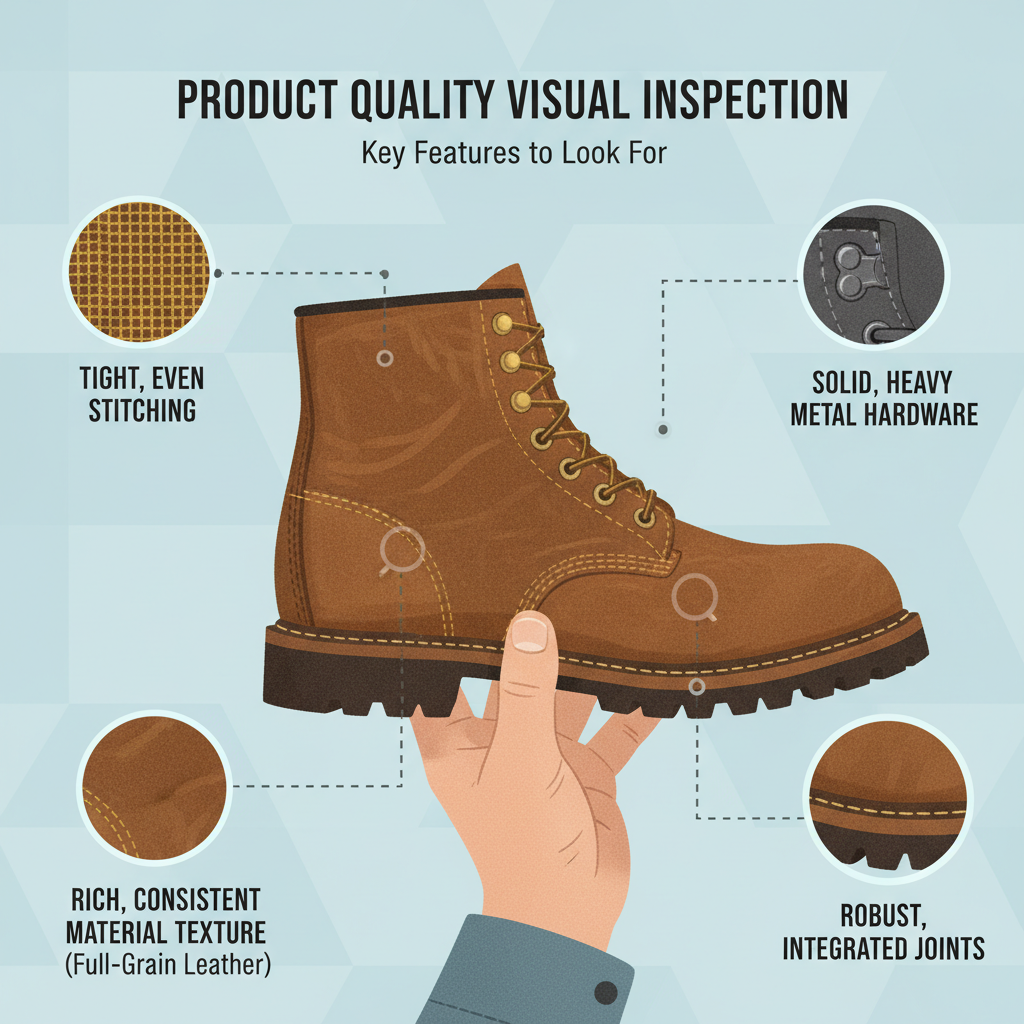
How can you tell if a product will actually survive the test of time? You must learn to authenticate claims of durability through physical inspection. When evaluating a product, look for high-resolution macro details that reveal the truth of its construction.
According to luxury authentication experts at The RealReal, consumers should closely inspect stitching density (tighter, even stitches indicate superior strength), material textures (full-grain leather versus easily peeled bonded leather), the weight and solid casting of metal hardware, and the integrity of joints and seams [13]. A premium craftsmanship piece will hide no flaws in its construction. If the hardware feels hollow or the seams look glued rather than stitched, it is not a durable design.
Maintenance and The Right to Repair
Even the most adamantine products require care. The final pillar of the BIFL methodology is understanding that longevity is a partnership between the maker and the owner. Long lasting premium quality products are designed to be maintained, not discarded.
This philosophy is the beating heart of the Right to Repair movement, which fights against the locked-down ecosystems of short lifespan products. Industrial design experts from academic institutions like the UNSW Built Environment emphasize that repairability and modularity are core, non-negotiable components of truly durable design [14]. By learning basic maintenance philosophies—whether it is oiling a pair of Goodyear-welted boots, descaling a high-end espresso machine, or replacing a modular battery—you ensure that your premium products reach their absolute maximum potential lifespan.
Conclusion
Escaping the relentless, costly cycle of planned obsolescence requires a fundamental shift in how we view our purchases. By investing in the adamantine durability of advanced material science and the heritage artistry of premium craftsmanship, we choose a path of sustainability and profound financial wisdom. The “cost-per-wear” benefits of buying once and buying right far outweigh the false economy of cheap, disposable goods.
We encourage you to audit your next major purchase using the visual inspection framework provided in this guide. Look at the stitching, question the materials, and demand repairability. Join the movement of conscious consumers by sharing your favorite ‘Buy It For Life’ brands in the comments below, and together, let’s build a world designed to inspire and built to last.
Disclaimer: Brand mentions and warranty lifespans (e.g., Miele, G-Shock, Hermès) are based on historical data and research. Always verify current warranty terms and safety certifications directly with the manufacturer before investing.
References & Authoritative Sources
- Historical Records. (N.D.). The Phoebus Cartel and Planned Obsolescence.
- Consumer Technology Association (CTA). (N.D.). Product Lifecycle Study.
- Autodesk Design & Manufacturing. (N.D.). Product Lifecycle Management (PLM) and the Cost of Poor Quality.
- Toptal & Columbia Business School. (N.D.). Digital Literacy for Decision Makers: UX/UI and Strategic Missteps in Design.
- Materials Science and Engineering Journals. (N.D.). Defining Adamantine: Extreme Hardness in Material Science.
- Diamond Quanta. (N.D.). Adamantine Thermal and Optics: Diamond-Integrated Thermal Conductivity.
- Adamantine Design. (N.D.). Architectural and Engineering Design for Structural Longevity.
- HowStuffWorks. (N.D.). Material Properties: High-Performance Concrete and Seasoned Woods.
- Hermès. (N.D.). Artisanal Craftsmanship and Workforce Statistics.
- California Office of Environmental Health Hazard Assessment (OEHHA). (N.D.). Proposition 65 Standards and Consumer Safety.
- Investopedia. (N.D.). Durable Goods Orders and Economic Indicators.
- Miele. (N.D.). Product Longevity and 25-Year Lifespan Data.
- The RealReal. (N.D.). Luxury Goods Authentication and Construction Inspection.
- UNSW Built Environment. (N.D.). Academic Research on Planned Obsolescence, Repairability, and Modularity.
