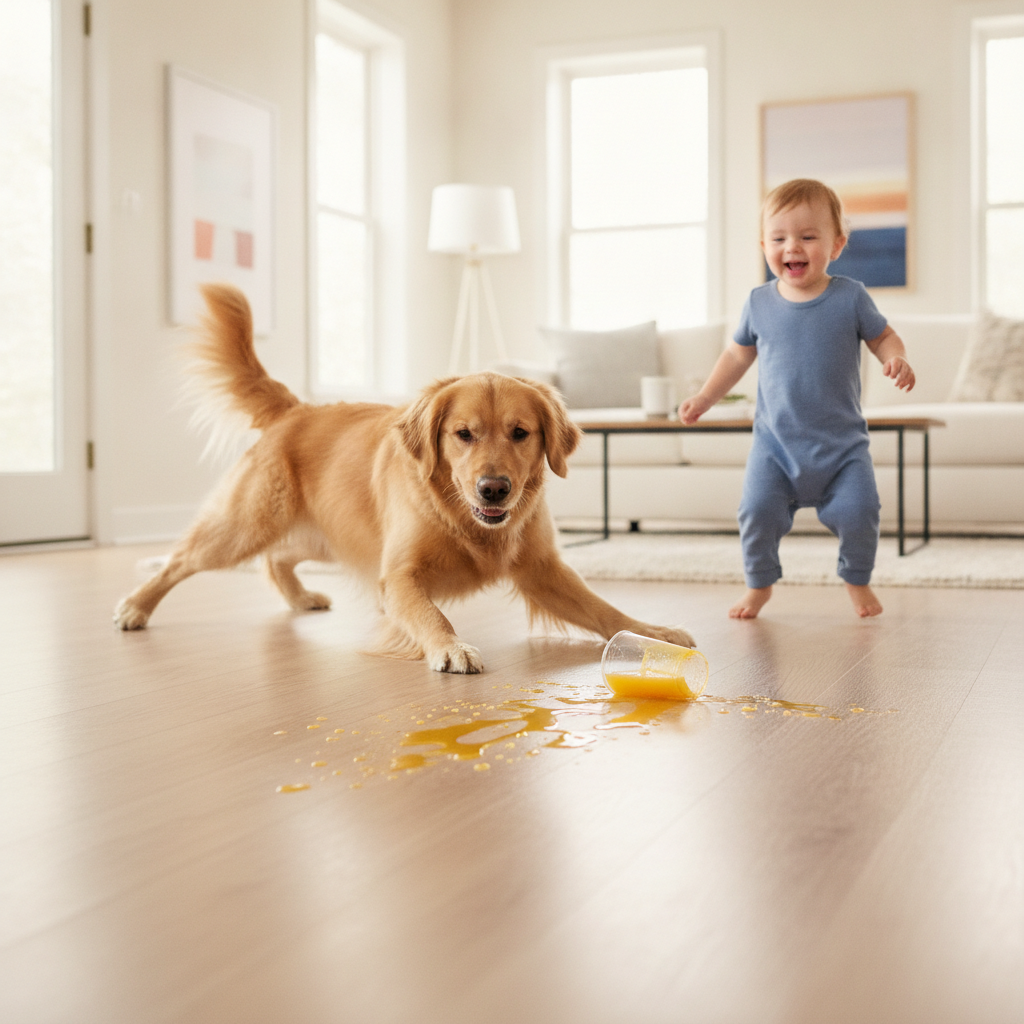
Are you tired of looking at floors that tell a story of every dropped toy, spilled drink, and skittering pet? The constant battle against scratches, the panic over stains, and the endless hours spent cleaning can make you feel like your flooring is working against you. It’s a common frustration for homeowners who invest in a beautiful new floor, only to see it look worn and tired in just a few short years.
This guide is designed to end that cycle. We’re introducing the ‘Forever Floor’ Framework—a practical, no-nonsense system for choosing a floor that stands up to the demands of real life. We’ll cut through the confusing marketing jargon and arm you with the knowledge to select a surface that combines extreme durability with minimal maintenance.
Together, we will define what true durability means by looking at industry-standard ratings, compare the top long-lasting materials head-to-head, and provide targeted solutions for your biggest flooring frustrations. By the end, you’ll be empowered to make a confident, value-based decision and find a floor that you’ll love for decades, not just a few years.
- Beyond the Brochure: Defining True Durability & Low-Maintenance
- The Ultimate Comparison: Top Contenders for the ‘Forever Floor’
- Solving Your Biggest Flooring Frustrations: Room-by-Room Solutions
- A Note on ‘Adamantine Flooring’: Separating Fact from Fiction
- The ‘Forever Floor’ Framework: Making Your Final Decision
- Your Floor, Your Foundation
Beyond the Brochure: Defining True Durability & Low-Maintenance
To find a truly long-lasting floor, you have to look beyond glossy photos and vague claims like “tough” or “resilient.” True performance is measurable. This section will teach you how to read the specifications like a pro, so you can objectively evaluate any flooring material you consider.
How is Flooring Durability Measured? Key Ratings to Know
Professional installers and material experts don’t guess about durability; they use standardized rating systems to predict performance. As a homeowner, knowing these two ratings will give you a massive advantage:
- AC (Abrasion Class) Rating for Laminate: This rating, which ranges from AC1 to AC5, measures how well a laminate floor’s top wear layer resists abrasion, scratches, and scuffs. It is the single most important indicator of a laminate floor’s durability.
- PEI (Porcelain Enamel Institute) Wear Rating for Tile: This scale, from PEI 0 to PEI 5, rates the hardness and durability of the glaze on ceramic and porcelain tiles. It specifically tells you how well a tile will hold up to foot traffic without showing wear.
Understanding these ratings allows you to match the flooring directly to the demands of your space.
| Rating | Level of Traffic | Recommended Usage Examples |
|---|---|---|
| AC1 | Light Residential | Bedrooms, closets |
| AC2 | Moderate Residential | Living rooms, dining rooms |
| AC3 | Heavy Residential / Light Commercial | All residential areas, including hallways and kitchens |
| AC4 | General Commercial | Offices, boutiques, cafes |
| AC5 | Heavy Commercial | Department stores, public buildings |
| PEI 1 | No Foot Traffic | Wall tile only |
| PEI 2 | Light Traffic | Bathroom floors, bedrooms |
| PEI 3 | Light to Moderate Traffic | All residential areas |
| PEI 4 | Moderate to Heavy Traffic | All residential areas, plus light commercial spaces |
| PEI 5 | Heavy to Extra-Heavy Traffic | All residential and heavy commercial use |
For most homes, choosing a laminate with an AC3 rating or a tile with a PEI 3 rating is a solid baseline for durability. For high-traffic areas like entryways, upgrading to AC4 or PEI 4 provides an extra layer of security.
The Anatomy of an Easy-to-Clean Floor
What makes a floor truly low-maintenance? It comes down to a few key physical properties that prevent dirt, grime, and spills from taking hold.
- Porosity: A non-porous surface is the number one feature of an easy-to-clean floor. Materials like porcelain, luxury vinyl, and properly sealed concrete don’t have microscopic holes that can trap dirt and absorb liquids, making cleanup a simple wipe-away affair.
- Surface Texture: While a bit of texture can hide minor dust, deeply embossed or rough surfaces can trap dirt. A smooth, or lightly textured, finish is generally the easiest to keep clean with a simple sweep or mop.
- Seams and Grout Lines: The fewer seams, the better. Wide or porous grout lines are notorious for trapping dirt and staining over time. This is why materials like sheet vinyl, luxury vinyl planks with tight seams, and large-format tiles with minimal, sealed grout lines are often considered the easiest to maintain.
As a professional house cleaner with over a decade of experience, I can tell you that the homes that clean up the fastest are almost always the ones with seamless, non-porous flooring. Time spent scrubbing grout lines or trying to lift stains from porous surfaces is where most of the effort goes. A floor that resists messes at the surface level can cut cleaning time in half.
The Ultimate Comparison: Top Contenders for the ‘Forever Floor’
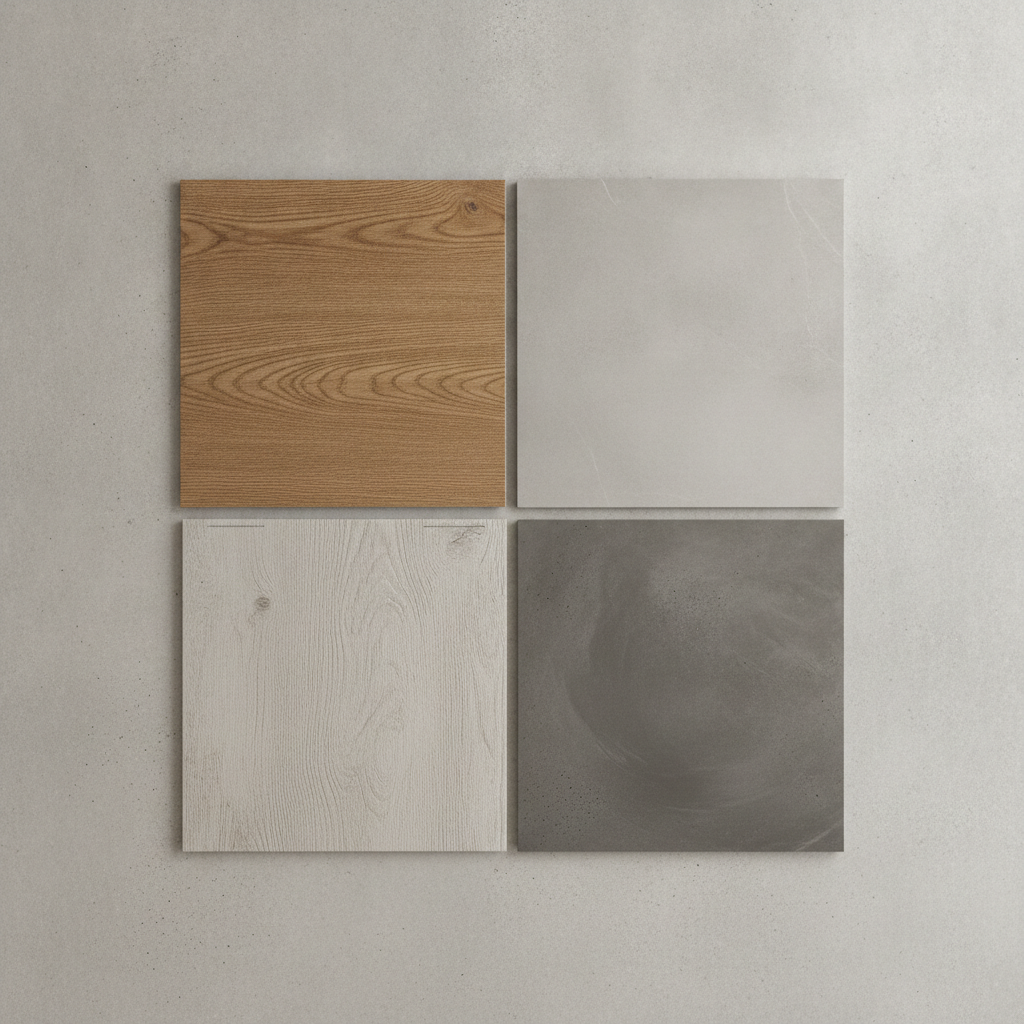
Now that we know how to measure performance, let’s analyze the top materials that consistently rank high in both durability and low-maintenance. We’ll examine their construction, pros, cons, and typical costs to help you find the perfect fit for your home and budget.
Luxury Vinyl Plank/Tile (LVP/LVT): The All-Around Champion?
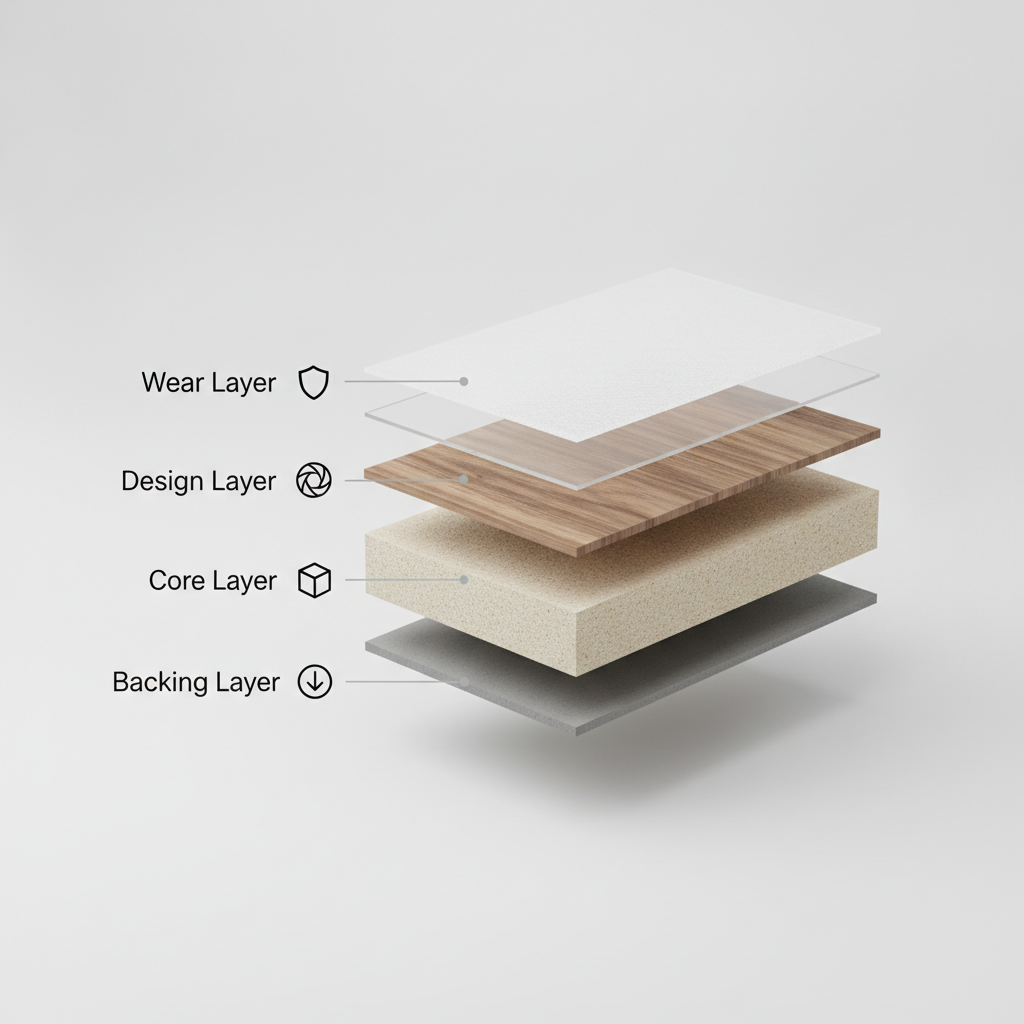
Luxury vinyl is a modern marvel of flooring technology. It’s built in layers, with a rigid core for stability, a high-definition print layer for aesthetics, and a transparent top wear layer that provides all the durability.
- Pros: Completely waterproof, highly scratch and stain-resistant, comfortable and quiet underfoot, and available in incredibly realistic wood and stone looks.
- Cons: Can be dented by extremely heavy furniture, and lower-quality products with thin wear layers can scratch more easily.
- Key Durability Factor: The thickness of the wear layer is everything. This layer is measured in mils (not millimeters). For residential use, look for a minimum of 12 mil. For busy homes with pets and kids, or for high-traffic areas, a 20 mil or thicker wear layer is highly recommended for maximum longevity.
- Estimated Lifespan: 15-25 years
- Average Installed Cost: $$-$$$
Porcelain & Ceramic Tile: The Hardness King
When it comes to sheer hardness and the ability to withstand abuse, nothing beats tile. Made from clay fired at extremely high temperatures, porcelain tile, in particular, is incredibly dense, non-porous, and resistant to almost anything.
- Pros: Unmatched durability against scratches and dents, completely waterproof, fire-resistant, and offers limitless design possibilities.
- Cons: Can be hard and cold underfoot, installation is complex and expensive, and traditional cement grout can be a weak point for staining.
- Key Durability Factor: Always check the PEI rating. A PEI 4 or 5 rating signifies a tile that can handle the heaviest residential traffic without showing wear. To solve the primary maintenance issue, insist on using a high-performance epoxy grout or, at a minimum, sealing traditional grout lines thoroughly to prevent staining.
- Estimated Lifespan: 50+ years
- Average Installed Cost: $$$ – $$$$
Laminate Flooring: The Budget-Friendly Tough Guy
Laminate flooring has come a long way from the cheap-looking products of the past. Modern high-quality laminate features a remarkably tough aluminum oxide top layer, making it one of the most scratch-resistant flooring options available at its price point.
- Pros: Exceptional scratch and impact resistance, very affordable, easy for DIY installation, and available in a wide range of styles.
- Cons: The fiberboard core is susceptible to water damage (it’s not waterproof), and it can sound hollow or loud underfoot without a quality underlayment.
- Key Durability Factor: The AC rating is your guide. An AC3 rating is great for general home use, but for maximum durability in entryways or homes with large pets, choosing an AC4-rated laminate is a wise investment. Be wary of claims of “waterproof” laminate; most are merely “water-resistant” and will not survive standing water like vinyl or tile will.
- Estimated Lifespan: 10-20 years
- Average Installed Cost: $ – $$
Sealed Concrete: The Industrial Powerhouse
Once confined to basements and garages, polished and sealed concrete has become a chic, minimalist flooring choice for modern homes. When properly finished, it offers a unique aesthetic combined with incredible toughness.
- Pros: Extremely durable and hard to damage, incredibly long-lasting, and offers a unique, modern look that can be stained or polished to your preference.
- Cons: Very hard and unforgiving underfoot, can be cold without radiant heating, susceptible to cracking over time, and requires periodic resealing to maintain stain resistance.
- Key Durability Factor: The quality of the sealer is paramount. A concrete flooring specialist will tell you that a high-quality topical sealer, like an epoxy or urethane, provides the best protection against stains and abrasion. This sealer must be maintained and reapplied every few years to keep the floor non-porous and easy to clean.
- Estimated Lifespan: 50+ years (with proper maintenance)
- Average Installed Cost: $$$ – $$$$
Solving Your Biggest Flooring Frustrations: Room-by-Room Solutions
Choosing the right material often means matching its specific strengths to the unique challenges of each room in your house. Here’s how to solve the most common flooring headaches.
The Ultimate Scratch-Resistant Flooring for Homes with Pets & Kids
For households with the constant threat of pet claws, dragged toys, and general chaos, scratch resistance is the top priority.
In this category, high-quality laminate with an AC4 rating often takes the crown. Its incredibly hard aluminum oxide topcoat is specifically designed to resist the kind of sharp, abrasive scratching that claws and toys inflict. A close second is Luxury Vinyl Plank with a thick (20 mil+) commercial-grade wear layer, which offers superior scratch resistance combined with the benefit of being waterproof.
Pro Tip: A veterinarian will always remind you that no floor is completely indestructible. Keeping your pets’ nails properly trimmed is the single best thing you can do to prolong the life and beauty of any floor, reducing the force of impact and minimizing surface scratches.
Best Stain-Proof Flooring for Kitchens and Dining Areas
Kitchens and dining rooms are ground zero for spills—from red wine and coffee to grease and acidic foods. The best flooring for these areas must be non-porous.
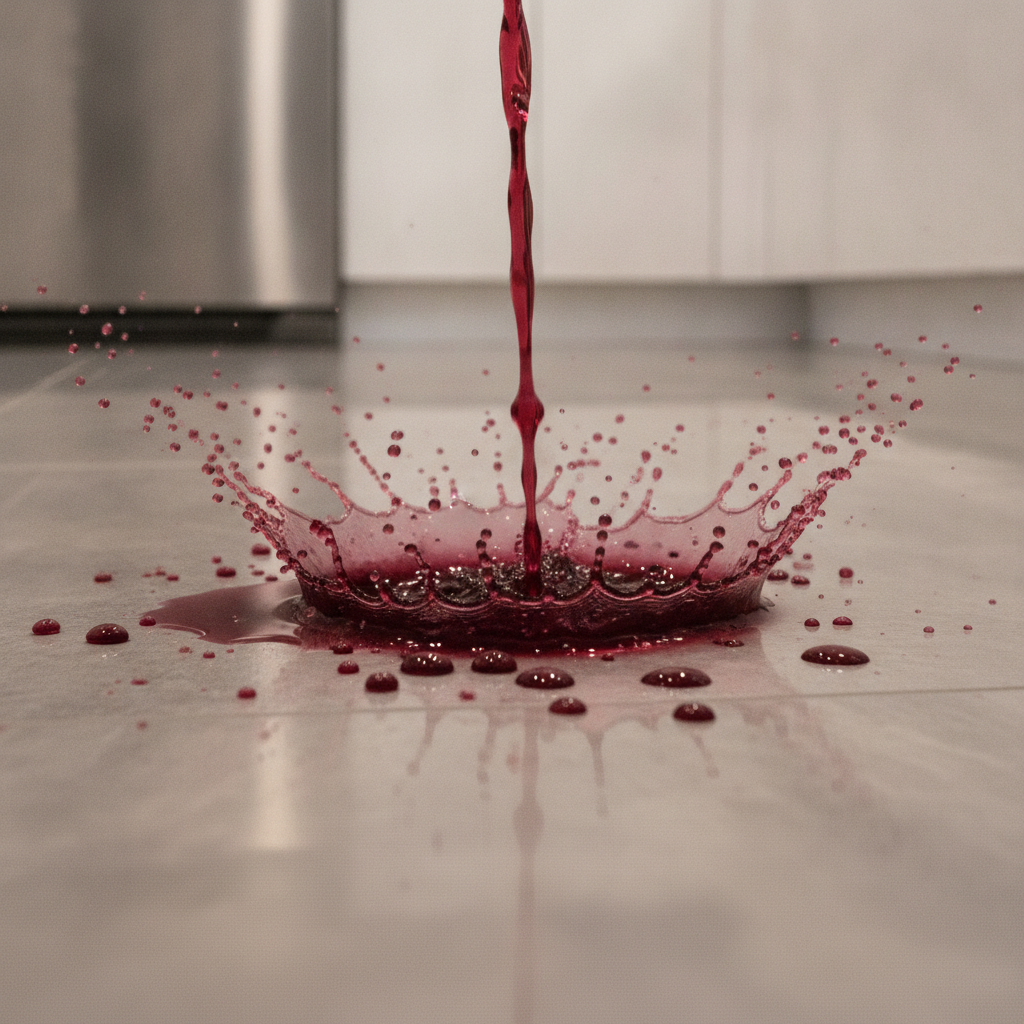
Porcelain tile is the undisputed champion of stain resistance. The tile itself is virtually impervious to any spill. The only potential vulnerability is the grout, which is why using epoxy grout is a game-changer. In a simulated test, a splash of red wine left on unsealed cement grout for an hour left a permanent pink stain, while the same spill wiped cleanly off epoxy grout with zero trace. High-quality LVP is also an excellent choice, as its solid vinyl surface offers no place for spills to soak in.
Top Flooring for High-Traffic Areas: Entryways, Hallways, and Mudrooms
These transitional spaces bear the brunt of foot traffic, bringing in dirt, grit, and moisture from the outside. The flooring here needs to withstand constant abrasion and be easy to clean.
This is where wear ratings are critical. Porcelain tile with a PEI rating of 4 or 5 is a top-tier choice, as it can handle decades of heavy foot traffic without wearing down. For a softer, warmer option, an AC4 or AC5-rated laminate floor is designed for exactly this kind of commercial-level traffic and will resist the grinding effect of dirt and debris.
As a professional home builder, when designing a home for a busy family, I always recommend using either porcelain tile or a high-grade laminate in the entryway and mudroom. These areas take more punishment than any other part of the house, and choosing a floor designed for that abuse prevents it from looking worn out while the rest of the home still looks new.
A Note on ‘Adamantine Flooring’: Separating Fact from Fiction
You may have come across the term “Adamantine Flooring” in your research and wondered what this ultra-durable material is. The truth is, “Adamantine Flooring” is not a standard industry category like vinyl, tile, or laminate.
The word “adamant” means unbreakable, and the term is most likely a brand name or a marketing descriptor used by a specific company to imply that their product is exceptionally hard and durable—like a diamond.
While the name might be unique, the qualities it promises are not. The goal of an “adamantine” floor is to be unscratchable, indestructible, and permanent. You can achieve these exact qualities by choosing a real-world material based on the metrics we’ve discussed. If you want the ultimate hardness and scratch resistance, you’re looking for porcelain tile. If you desire resilience, waterproofing, and scratch resistance, you’re looking for a premium LVP with a thick wear layer. Don’t get caught up in marketing terms; focus on the proven performance ratings to find the “unbreakable” floor you’re searching for.
The ‘Forever Floor’ Framework: Making Your Final Decision
Bringing it all together, the ‘Forever Floor’ Framework is about weighing these key performance metrics against your lifestyle and budget. This chart provides a clear, at-a-glance comparison to help you narrow down your choices.
| Feature | Luxury Vinyl Plank (LVP) | Porcelain Tile | Laminate Flooring | Sealed Concrete |
|---|---|---|---|---|
| Scratch Resistance | Good to Excellent (depends on wear layer) | Excellent | Very Good to Excellent (depends on AC rating) | Good (depends on sealer) |
| Stain Resistance | Excellent | Excellent (grout is the weak point) | Good to Very Good | Good (depends on sealer) |
| Water Resistance | Excellent (Waterproof) | Excellent (Waterproof) | Poor to Good (Water-Resistant at best) | Good (when sealed) |
| Ease of Cleaning | Excellent | Very Good | Very Good | Good |
| Average Lifespan | 15-25 years | 50+ years | 10-20 years | 50+ years |
| Installed Cost | $$ – $$$ | $$$ – $$$$ | $ – $$ | $$$ – $$$$ |
Calculating the True Lifetime Cost of Your Floor
The cheapest floor upfront is rarely the cheapest floor in the long run. To understand the true value of your investment, think in terms of “cost per year.”
Consider this simple calculation: A laminate floor might cost $6 per square foot installed and last 15 years, giving it a cost of $0.40 per square foot, per year. A porcelain tile floor might cost $15 per square foot installed but will easily last 50 years. Its cost per year is only $0.30 per square foot. While the initial investment is higher, the tile delivers better long-term value because you won’t have to pay for removal and replacement in 15 years. Always factor in the expected lifespan to make a smart financial decision.
Your Floor, Your Foundation
Choosing a floor is a long-term investment in your home’s beauty, functionality, and value. By using the ‘Forever Floor’ Framework, you can move past the marketing hype and focus on what truly matters: proven durability and genuine low-maintenance performance. The “best” floor isn’t a single material; it’s the one that perfectly matches your family’s lifestyle, your home’s high-traffic demands, and your budget for the long haul. You now have the tools to identify that perfect floor and make a choice that will reward you with more time enjoying your home and less time working on it.
Ready to find your perfect floor? Use our comparison chart to narrow down your options and talk to a certified flooring professional to get a quote for your top choice.
This article provides general guidance. Flooring performance can vary based on brand, installation quality, and specific household conditions. Always consult with a certified flooring professional for personalized advice and installation.
