That beautiful, flawless floor you invested in now seems to have a network of tiny, frustrating lines that catch the light just right. The once-vibrant finish looks hazy, dull, and tired, despite your best cleaning efforts. You chose a “durable” floor, but it seems to be losing the battle against daily life. This experience is incredibly common, leaving homeowners feeling disappointed and confused.
What if you could move beyond vague marketing claims and choose, protect, and maintain your floors with scientific certainty?
Welcome to the Adamantine Flooring Playbook. We’re not talking about a specific brand, but a standard of ultimate durability and lasting surface clarity. This definitive guide is your new single source of truth. We will empower you with a science-backed Durability Scorecard to rank materials like a pro, a diagnostic tool to solve the mystery of “Why is Your Floor Dull?”, and a customizable Clarity Preservation Plan to keep your investment looking brand new for years to come. It’s time to win the war against wear and tear.
- The Problem Underfoot: Why Even ‘Durable’ Floors Look Dull and Scratched
- The Ultimate Durability Scorecard: Ranking the Most Scratch-Resistant Flooring
- Champion of Durability: Porcelain & Ceramic Tile
- The Modern Contender: Luxury Vinyl Tile (LVT) & Its Wear Layer
- Engineered for Toughness: High-Pressure Laminate & AC Ratings
- Natural Materials: Hardwood, Bamboo, and Their Limitations
- Content Gap Spotlight: The Trade-off Between Durability and Comfort
- The Science of Shine: A Deep Dive into Anti-Scratch Flooring Technology
- Your Proactive Defense: The Floor Clarity Preservation Plan
- FAQ: Your Top Questions on Floor Durability and Maintenance Answered
- The Final Step: From Knowledge to Action
- References
The Problem Underfoot: Why Even ‘Durable’ Floors Look Dull and Scratched
Before we can find the solution, we must become experts in the problem. The gradual decline of a floor’s appearance isn’t due to a single event, but a combination of factors that create a “death by a thousand cuts” scenario for its finish. Understanding these culprits is the first step toward building an effective defense.
What Are Micro-Scratches? The Invisible Enemy of Surface Clarity
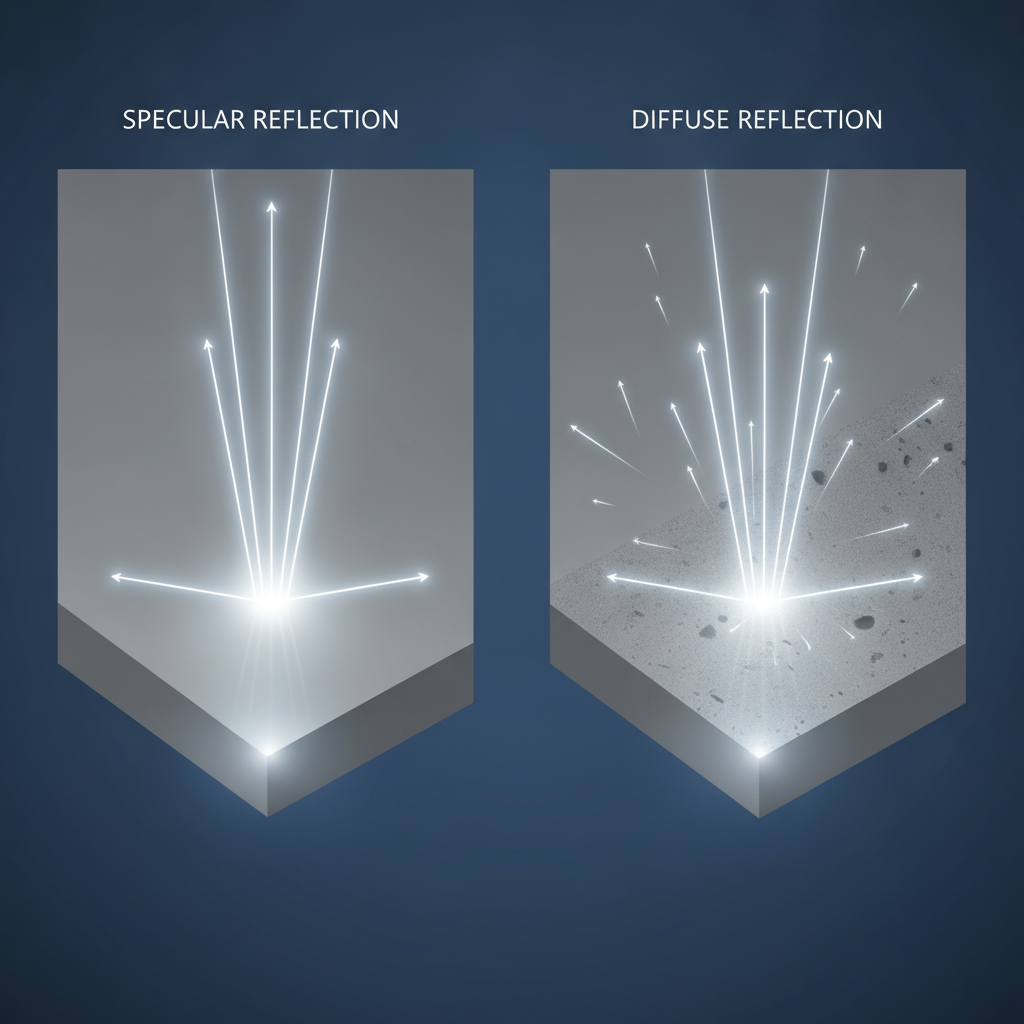
A deep gouge from a dropped tool is obvious. But micro-scratches are the far more insidious enemy of your floor’s shine.
A micro-scratch is a microscopic abrasion on the very top surface or wear layer of your flooring. Individually, they are nearly invisible, but collectively, they form a dense web that diffuses light instead of reflecting it. This diffusion is what your eye perceives as a dull, hazy, or cloudy finish.
These scratches are caused by two primary mechanisms:
- Mechanical Abrasion: This is the most common cause. It happens when tiny, hard particles are ground against the floor’s surface under pressure. The primary culprit is grit—sand, dust, and dirt tracked in on shoes. According to floor care experts at companies like Bona US, this daily grit acts like fine-grit sandpaper, slowly sanding away the clarity of your finish.
- Chemical Etching: Not all micro-damage is a physical scratch. Using harsh, improper cleaning chemicals can cause chemical etching. The Cleaning Industry Research Institute (CIRI) warns that cleaners with the wrong pH level or abrasive additives can chemically react with and degrade the floor’s protective finish, creating a dullness that cannot be simply wiped away. This is damage at a molecular level.
The Dullness Diagnosis: Uncovering the Causes of a Hazy Finish
If your floor looks consistently cloudy even after cleaning, micro-scratches are only one possible cause. Often, the problem is a film or residue masking the true finish. Before taking drastic measures, you need to diagnose the issue. Later in this guide, we’ll provide a full diagnostic plan, but the main culprits are:
- Cleaner Residue: Using too much cleaner or using products with soaps, oils, or “shine enhancers” can leave behind a sticky film that attracts more dirt and dulls the surface.
- Wax Buildup: Applying acrylic waxes or polishes over and over without properly stripping the old layers creates a thick, yellowing, and soft coating that scratches easily and obscures the real floor underneath.
- Hard Water Film: A frequently overlooked issue, especially in certain geographic areas, is the buildup of mineral deposits from cleaning with hard water. As the water evaporates, it can leave a faint, dulling film of calcium and magnesium. The National Center for Healthy Housing (NCHH) advocates for using appropriate cleaning methods to avoid such residues while ensuring a healthy home environment.
To avoid these common pitfalls, always follow the manufacturer’s maintenance guides. A simple “Don’t Do This” list includes: never using a steam mop on laminate or unsealed hardwood, avoiding oil soaps on polyurethane finishes, and never using vinegar on natural stone, as it can etch the surface.
The Ultimate Durability Scorecard: Ranking the Most Scratch-Resistant Flooring
When it comes to choosing a truly durable floor, you need to look past the showroom shine and analyze the data. We’ve created the Ultimate Durability Scorecard to provide an at-a-glance comparison based on standardized, industry-recognized metrics. This is how you separate the marketing hype from true, measurable performance.

| Material | Scratch Resistance (Metric) | Impact Resistance | Water Resistance | Comfort Underfoot | Average Cost |
|---|---|---|---|---|---|
| Porcelain Tile | Excellent (Mohs 7-9) | High | Waterproof | Low | $$ – $$$ |
| LVT | Good to Excellent (20+ mil wear layer) | High | Waterproof | High | $$ – $$$ |
| Laminate | Good to Excellent (AC4-AC5) | Medium | Water-Resistant | Medium | $ – $$ |
| Strand-Woven Bamboo | Good (Janka ~4000) | Medium | Low | Medium | $$ – $$$ |
| Hardwood | Poor to Good (Janka Varies) | Low-Medium | Low | High | $$$ – $$$$ |
Champion of Durability: Porcelain & Ceramic Tile
For sheer surface hardness, nothing beats tile. Its durability is measured using two key scales recognized by the Tile Council of North America (TCNA):
- Mohs Scale of Hardness: This scale, running from 1 (talc) to 10 (diamond), measures a material’s resistance to being scratched. Most porcelain tiles rate between 7 and 9, making them harder than granite and incredibly resistant to abrasion from grit and pet claws.
- PEI Rating: The Porcelain Enamel Institute rating measures the wear resistance of the tile’s glaze. For residential floors, a PEI rating of 3 is suitable, while a rating of 4 or 5 is recommended for high-traffic areas and commercial use.
While the tile itself is exceptionally durable, remember that the grout lines will require regular cleaning and sealing to prevent staining.
The Modern Contender: Luxury Vinyl Tile (LVT) & Its Wear Layer
Luxury Vinyl Tile (LVT) has become a top contender for durable flooring, but its scratch resistance is entirely dependent on one critical component: the wear layer. This is a clear, protective top coating, and its thickness is the most important factor for durability.
The Resilient Floor Covering Institute (RFCI) helps set industry standards for this layer, which is measured in mils (one-thousandth of an inch). For residential use, a 12-mil wear layer is considered good, but for homes with pets, children, or very high traffic, look for 20 mils or more. Many products from manufacturers like Armstrong and Mannington offer these commercial-grade wear layers for home use, providing exceptional resistance to scratches and scuffs.
Engineered for Toughness: High-Pressure Laminate & AC Ratings
Laminate flooring is a multi-layered product engineered specifically for durability. Its scratch resistance is standardized by an Abrasion Class (AC) rating, a system recognized by organizations like the World Floor Covering Association (WFCA). This rating measures how well the floor resists abrasion, impact, stains, and burns.
- AC1: Moderate Residential (e.g., bedrooms)
- AC2: General Residential (e.g., living rooms)
- AC3: Heavy Residential / Moderate Commercial
- AC4: General Commercial (can be used in any home area)
- AC5: Heavy Commercial (the toughest available, ideal for entryways)
For a truly scratch-resistant home floor, an AC4 or AC5 rating is your best choice.
Natural Materials: Hardwood, Bamboo, and Their Limitations
The timeless beauty of hardwood is undeniable, but its resistance to scratches varies greatly. The Janka Hardness Test measures the force required to embed a steel ball into the wood. According to the National Wood Flooring Association (NWFA), harder woods like Brazilian Walnut and Hickory are more resistant to denting than softer woods like Pine or Cherry.
Strand-woven bamboo is an interesting case; it is an engineered product made from compressed bamboo fibers. It often has a Janka rating exceeding 4000, making it significantly harder than most hardwoods. However, it’s crucial to understand that no wood or bamboo product is truly scratch-proof. Their finishes can and will scratch, though a harder wood will better resist deep gouges and dents.
Content Gap Spotlight: The Trade-off Between Durability and Comfort
Here is an expert tip that most guides overlook: the hardest, most scratch-resistant floors are often the least comfortable. Standing on porcelain tile for long periods can be fatiguing on your joints, and these hard surfaces can also be louder, reflecting sound throughout the home. LVT offers a better balance, providing excellent durability with more give underfoot. When making your final decision, consider the entire living experience. You can always mitigate the hardness of tile in key areas—like in front of the kitchen sink—with high-quality area rugs to get the best of both worlds.
The Science of Shine: A Deep Dive into Anti-Scratch Flooring Technology
The exceptional durability of modern flooring isn’t magic; it’s the result of advanced material science. Understanding the technology inside that protective top layer helps you appreciate why certain products outperform others. These coatings create a shield that is often harder than the particles trying to scratch it.
The Industry Standard: Aluminum Oxide Finishes
The unsung hero of the flooring world is aluminum oxide. This is a naturally occurring compound that, in its crystalline form (corundum), is just below diamond on the Mohs hardness scale. During manufacturing, microscopic particles of aluminum oxide are suspended in the liquid urethane finish and applied to the top of laminate, LVT, and engineered hardwood flooring.
As the finish cures, these incredibly hard particles create a protective barrier that deflects and resists abrasion from everyday foot traffic. As noted in technical publications like Paint and Coatings Industry (PCI) Magazine, this technology is what allows a relatively soft material like wood to have a highly scratch-resistant surface. Major brands like Mohawk with its “ArmorMax” and Shaw with its “ScufResist” have built their reputations on proprietary versions of this technology.
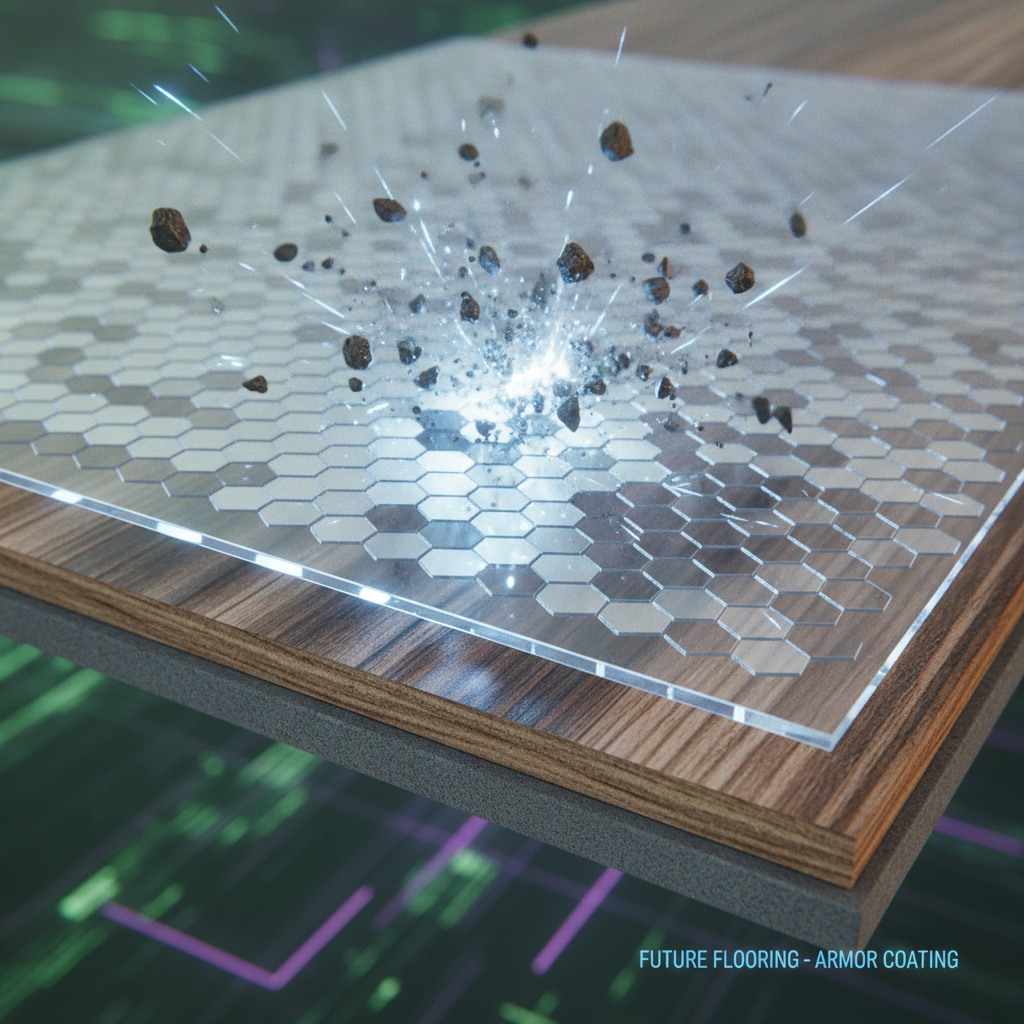
Next-Generation Protection: Diamond-Infused Coatings and Nanotechnology
Pushing the boundaries further, some manufacturers are now incorporating even harder materials. “Diamond-infused” finishes use trace amounts of industrial diamond dust—the hardest known material—to create the ultimate level of scratch resistance.
Simultaneously, research in nanotechnology is leading to new types of floor coatings. As explored in journals like the Journal of Materials Science, these coatings use particles engineered at a molecular level to create a denser, more uniform, and more durable protective layer. The primary trade-off with these cutting-edge technologies is that they can make the floor more difficult, if not impossible, to refinish or repair locally. Once the advanced coating is worn through, the entire plank or tile may need to be replaced.
Your Proactive Defense: The Floor Clarity Preservation Plan
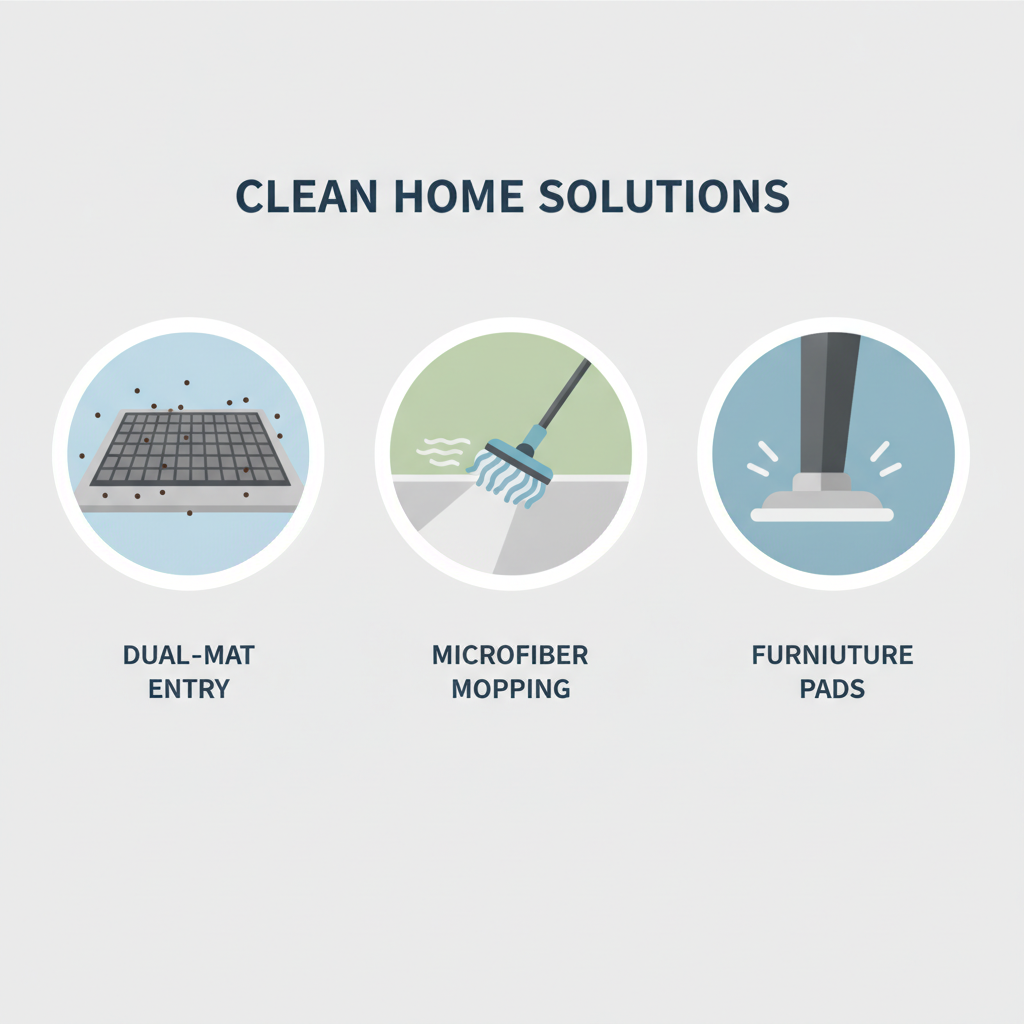
Choosing a durable floor is only half the battle. Preserving its surface clarity requires a proactive, systematic approach to maintenance. This isn’t just about cleaning; it’s about preventing damage before it ever happens. We call this the Floor Clarity Preservation Plan.
Step 1: Fortify Your Entryways (The 80% Rule)
Facility management experts, like those in the International Facility Management Association (IFMA), often cite the “80% Rule,” which states that up to 80% of the dirt and grit that damages an interior floor is tracked in from the outside. Your number one defense, therefore, is at your doorstep.
Implement a dual-mat system:
- Outside: A coarse, scraping mat to remove large debris.
- Inside: A long, absorbent walk-off mat (at least 4-6 feet) to capture fine grit and moisture.
Encouraging a “no-shoes-in-the-house” policy is the ultimate defense.
Step 2: The Right Tools and Products for the Job
Using the wrong cleaner can be more damaging than not cleaning at all. The Institute of Inspection, Cleaning and Restoration Certification (IICRC) emphasizes using the correct tools and methods for each surface type.
- The Right Tool: A high-quality microfiber dust mop is your best friend for daily cleaning. Its electrostatic properties grab dust and grit instead of just pushing it around. For wet cleaning, use a microfiber flat-head mop with a washable pad.
- The Right Product: Always choose a pH-neutral cleaner specifically formulated for your floor type. These cleaners are effective without being harsh, preserving the integrity of the finish over the long term. Resources like the Good Housekeeping Institute often test and recommend effective, gentle floor cleaners. Avoid all-in-one “mop and shine” products, as they are a primary cause of residue buildup.
Step 3: A Routine for Lasting Luster (Daily, Weekly, Monthly)
Consistency is key. A structured routine prevents the buildup of abrasive grit.
- Daily: Dust mop high-traffic areas. This takes only a few minutes but is the single most effective habit for preventing micro-scratches.
- Weekly: Vacuum the entire floor (using a hard floor head or with the beater bar turned off) and then damp-mop with a pH-neutral cleaner. Adjust frequency based on your climate; homes in dusty or sandy areas may need this twice a week.
- Monthly/Quarterly: Inspect the floor for any scuffs or buildup. This is also a good time to check the condition of furniture pads.
Step 4: Advanced Protection – Sealants, Polishes, and Furniture Pads
These final layers of defense protect your floor from the constant movement of life.
- Furniture Pads: This is non-negotiable. All furniture legs must have protective pads.
- Good: Adhesive felt pads (check and replace them regularly as they wear down).
- Better: Tap-in or screw-on felt pads that are more secure.
- Best: Slip-on floor protectors or high-quality, dense felt pads for heavy, frequently moved items like dining chairs.
- Protective Coatings: For surfaces like hardwood, a sacrificial polish or sealant can provide an extra layer of protection. These products are designed to absorb the wear and tear and can be periodically stripped and reapplied, preserving the original factory finish underneath. Always consult your flooring manufacturer’s guidelines before applying any aftermarket coating. Practical advice from resources like home improvement store Pro Desks can be invaluable for proper application techniques.
FAQ: Your Top Questions on Floor Durability and Maintenance Answered
Does the floor finish (matte vs. gloss) affect how visible micro-scratches are?
Yes, absolutely. While the finish doesn’t change the floor’s inherent scratch resistance, it dramatically affects the visibility of imperfections. A high-gloss finish acts like a mirror, reflecting light directly and making every tiny scratch and smudge highly visible. A matte or low-sheen finish diffuses light, which is excellent at camouflaging minor micro-scratches and dust, making it a more practical choice for busy households.
Can micro-scratches be buffed out or repaired?
It depends entirely on the material and the depth of the scratch. On a solid or engineered hardwood floor with a polyurethane finish, very light surface abrasions can sometimes be repaired with a screen and recoat by a professional. However, on the wear layer of laminate or LVT, a scratch is typically permanent. The damage cannot be buffed out without removing the protective layer entirely. For these floors, the best solution is often to use a manufacturer-approved touch-up or repair kit to conceal the scratch or, in severe cases, replace the damaged plank.
Is there any flooring that is truly ‘scratch-proof’?
No. This is a critical distinction. There is no such thing as a “scratch-proof” floor, only “scratch-resistant” flooring. Think of it like water-resistant versus waterproof watches. A highly scratch-resistant floor, like porcelain tile with a Mohs hardness of 8, will resist damage from the vast majority of everyday objects. But even it can be scratched by something harder, like loose silicon carbide grit. The goal is to choose a floor that is resistant enough for your lifestyle and to use proper maintenance to protect that resistance.
The Final Step: From Knowledge to Action
You are now equipped with the knowledge to defeat dull, scratched floors for good. The path to lasting surface clarity is a three-step process: Diagnose the problems causing wear and dullness, Select the right material using the data-driven Durability Scorecard, and Protect your investment with the proactive Clarity Preservation Plan.
By moving beyond marketing slogans and embracing a strategy built on material science and consistent care, you can ensure your floors remain a source of pride and beauty for their entire lifespan. Your next step is to take this knowledge with you. Use the Durability Scorecard as your checklist in the showroom. Implement the Clarity Preservation Plan for the floors you already have. The power to maintain a flawless finish is now in your hands.
References
- Cleaning Industry Research Institute (CIRI). (N.D.). Research and Standards in Cleaning Science.
- National Center for Healthy Housing (NCHH). (N.D.). Creating Safe and Healthy Home Environments.
- Tile Council of North America (TCNA). (N.D.). TCNA Handbook for Ceramic, Glass, and Stone Tile Installation.
- Resilient Floor Covering Institute (RFCI). (N.D.). Technical Resources and Standards for Resilient Flooring.
- World Floor Covering Association (WFCA). (N.D.). Flooring Resources and Industry Standards.
- National Wood Flooring Association (NWFA). (N.D.). Official Wood Flooring Guidelines.
- Paint and Coatings Industry (PCI) Magazine. (N.D.). Technical Articles on Coatings Science.
- Journal of Materials Science. (N.D.). Peer-reviewed research on materials science.
- International Facility Management Association (IFMA). (N.D.). Resources on Facility Maintenance and Management.
- Institute of Inspection, Cleaning and Restoration Certification (IICRC). (N.D.). Standards for the Inspection, Cleaning, and Restoration Industries.
- Good Housekeeping Institute. (N.D.). Product Testing and Reviews.
