Have you ever moved a rug after years in the same spot, only to be met with a shocking, perfectly preserved rectangle of color surrounded by a faded, sun-bleached floor? It’s a moment that reveals a hard truth: your beautiful floors, a major investment in your home, are under constant attack from invisible forces like sunlight, and very visible culprits like spills and foot traffic.
This isn’t just another article with generic cleaning tips. This is your definitive, lifecycle guide to flooring—the only resource you’ll need to empower yourself as a homeowner. We will help you diagnose the true cause of discoloration, implement a proactive protection plan, restore damaged floors to their former glory, and finally, make the smartest choice when it’s time for a new installation. From faded to flawless, consider this your complete strategy for maintaining beautiful, long-lasting floors.
- First, What is ‘Adamantine Flooring’ and Why Does It Matter?
- The Culprits: A Visual Guide to Flooring Discoloration
- Proactive Protection: Your Guide to Preventing Floor Discoloration
- The Restoration Playbook: How to Fix Faded and Stained Floors
- The Smart Buyer’s Guide: Choosing Fade-Proof & Stain-Resistant Flooring
- References
First, What is ‘Adamantine Flooring’ and Why Does It Matter?
If you’ve encountered the term “Adamantine flooring,” you might be picturing an indestructible, mythical material. The term is historical, often used to describe very hard, dense flooring from an earlier era, like a type of dense tile or early vinyl composite. While you won’t find a product explicitly labeled “Adamantine” in showrooms today, its spirit lives on in the high-performance materials that define modern, stain resistant flooring.
When we talk about Adamantine flooring in a contemporary context, we’re referring to its successors: ultra-durable options like Luxury Vinyl Plank (LVP), high-pressure laminate, and glazed porcelain tile. These materials are engineered to be incredibly tough and resistant to the very discoloration and staining issues that plague less robust floors. Understanding this connection is key; the causes of stains on older vinyl floors, for example, are often the same ones that modern LVP is designed to combat[1]. Therefore, protecting your floors, whether they are decades-old or brand new, starts with understanding the enemies they face.
The Culprits: A Visual Guide to Flooring Discoloration
Before you can treat a problem, you must correctly diagnose it. Different types of discoloration have different causes, and using the wrong solution can make things worse. Below is a breakdown of the primary culprits, designed to help you identify what’s really happening to your floors. Think of this as your diagnostic chart for floor damage.
A critical first step, especially with dark or unusual stains near walls or fixtures, is to rule out a larger problem. As experts from home inspection services often advise, a persistent dark stain on hardwood or bubbling on vinyl could be a symptom of a slow leak or underlying moisture issue that requires professional attention, not just a surface cleaning[2].
Cause #1: Sun Damage (Photodegradation)
The warm, natural light that fills a room is also one of your floor’s greatest enemies. This damage, known as photodegradation, is caused by ultraviolet (UV) rays. These rays act like microscopic wrecking balls, breaking down the chemical bonds in your flooring.
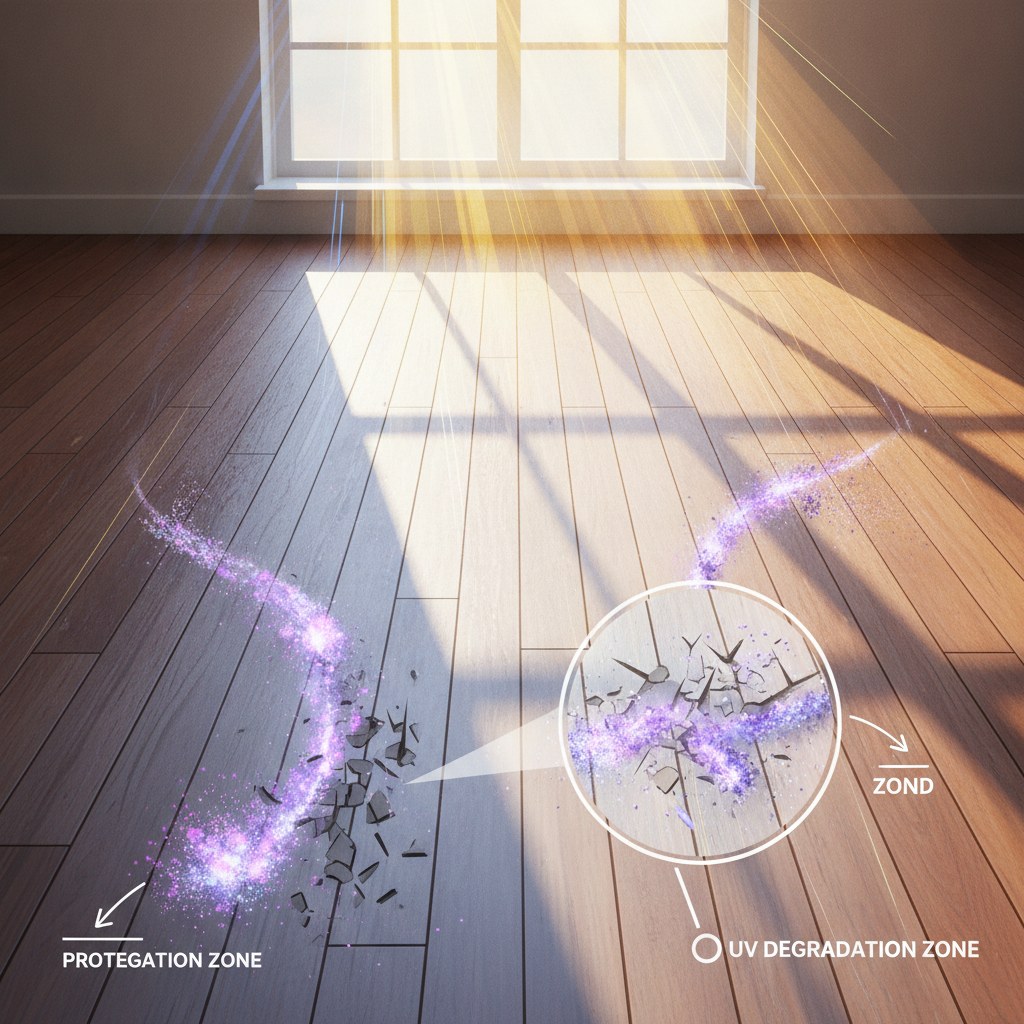
In wood floors, UV radiation degrades lignin, a natural polymer that gives wood its rigidity and color. This process bleaches some woods and darkens others, leading to uneven patches of color. For vinyl and laminate, UV rays can fade the printed image layer and cause the material to become brittle over time. Flooring experts at professional installation companies frequently point to sun exposure as the number one cause of premature floor aging they encounter in homes[3].
Wood Species Photosensitivity (Most to Least Susceptible)
- High Sensitivity (Changes Quickly): American Cherry, Brazilian Cherry (Jatoba), Walnut, Pine
- Moderate Sensitivity: Oak (Red and White), Maple, Hickory
- Low Sensitivity: Exotic woods with high oil content, such as Teak.
Cause #2: Common Household Stains
From a dropped mug of coffee to a pet accident, household stains are an inevitable part of life. How they affect your floor depends on the substance and the porosity of your flooring material. Porous surfaces like unsealed hardwood or natural stone absorb spills quickly, allowing stains to set deep within the material. Non-porous surfaces like glazed porcelain or high-quality LVP offer a much better defense, keeping spills on the surface where they can be wiped away.
According to the American Cleaning Institute, the chemical makeup of a stain determines the best removal method[4]. Acidic spills like wine or tomato sauce can etch surfaces, while oil-based stains can leave a greasy residue that attracts dirt. One often-overlooked source of discoloration on vinyl flooring is a chemical reaction called “plasticizer migration,” caused by the rubber or latex backing on some rugs and mats. This can leave a persistent yellow or brown stain on the vinyl that is nearly impossible to remove.
Cause #3: Moisture, Mildew, and Chemical Reactions
Discoloration isn’t always from something spilled on top; it can come from below. Persistent moisture from a leaky pipe, a cracked foundation, or high humidity can lead to dark, blackish stains on hardwood and cause vinyl or laminate to bubble and warp. These dark stains are often accompanied by mildew or mold growth.
You can perform a simple test for sub-floor moisture by taping a 2’x2′ square of plastic sheeting to a clean section of your floor, sealing all four edges with painter’s tape. After 24-48 hours, if you see condensation on the underside of the plastic, you likely have a moisture issue that needs to be addressed by a professional. A flooring restoration specialist will confirm that surface-level cleaning will not fix these deep-set stains; the underlying moisture problem must be resolved first.
Proactive Protection: Your Guide to Preventing Floor Discoloration
The best way to deal with flooring discoloration is to stop it before it starts. A proactive strategy can save you thousands in restoration or replacement costs down the line. We’ve organized these preventative measures into a “Good, Better, Best” framework to fit any budget and effort level.
A simple cost-benefit analysis makes the case for prevention clear: The cost of professionally installing high-quality UV-filtering film on several large windows might be a few hundred to a thousand dollars. In contrast, the cost to professionally sand and refinish a sun-damaged hardwood floor of the same size can easily be three to five times that amount, making the preventative investment incredibly sound.
Sun Protection Strategy: From Window Treatments to Furniture Placement
Blocking or limiting UV radiation is the single most effective way to prevent faded flooring.

- Good (Low Cost / Easy): Simple lifestyle adjustments can make a big difference. Strategically rearrange furniture and area rugs once or twice a year to ensure floors are exposed to light more evenly. During the brightest parts of the day, simply closing blinds or curtains can offer significant protection.
- Better (Moderate Cost / High Impact): Install high-quality window treatments. Modern blinds, shades, and shutters can be adjusted to redirect sunlight up toward the ceiling instead of directly onto the floor. Curtains with a thermal or blackout lining are also highly effective.
- Best (Higher Cost / Maximum Protection): Invest in technological solutions. Professionally installed UV-filtering window film is a game-changer. It’s virtually invisible and, according to data from leading manufacturers, can block up to 99% of harmful UV rays without significantly darkening your room[5]. The ultimate solution, often implemented during construction or a window replacement, is to install Low-E (low-emissivity) glass, which has a microscopic metallic coating that reflects UV and infrared light. As long-term flooring installers often recommend to clients building a new home, planning for sun protection with the right windows is the most effective strategy of all[6].
Stain Prevention Habits: Mats, Pads, and Cleaning Routines
Daily habits are your second line of defense against household floor stains and chemical damage.
- Use Quality Doormats: Place mats both outside and inside every exterior door to trap dirt, grit, and moisture before they are tracked onto your floors.
- Use Furniture Pads: Apply felt pads to the bottom of all furniture legs to prevent scratches and scuffs.
- Clean Spills Immediately: The longer a spill sits, the higher the chance it will stain. Blot spills with a clean cloth; don’t rub, which can spread the stain.
- Adopt a Safe Cleaning Routine: Use a cleaner recommended for your specific floor type. According to testing by organizations like Consumer Reports, pH-neutral cleaners are generally the safest bet for most surfaces[7].
What Not to Do:
- Hardwood: Never use a steam mop, which forces moisture into the wood. Avoid vinegar, which can dull the finish over time.
- Laminate/LVP: Do not use wax or polishing products. Avoid abrasive cleaners or scouring pads.
- Tile: Avoid oil-based cleaners that can leave a residue and attract dirt, especially on grout lines.
- Vinyl: Never use a rubber- or latex-backed rugs. Opt for rugs made with natural fibers or those explicitly marked as safe for vinyl floors.
The Restoration Playbook: How to Fix Faded and Stained Floors
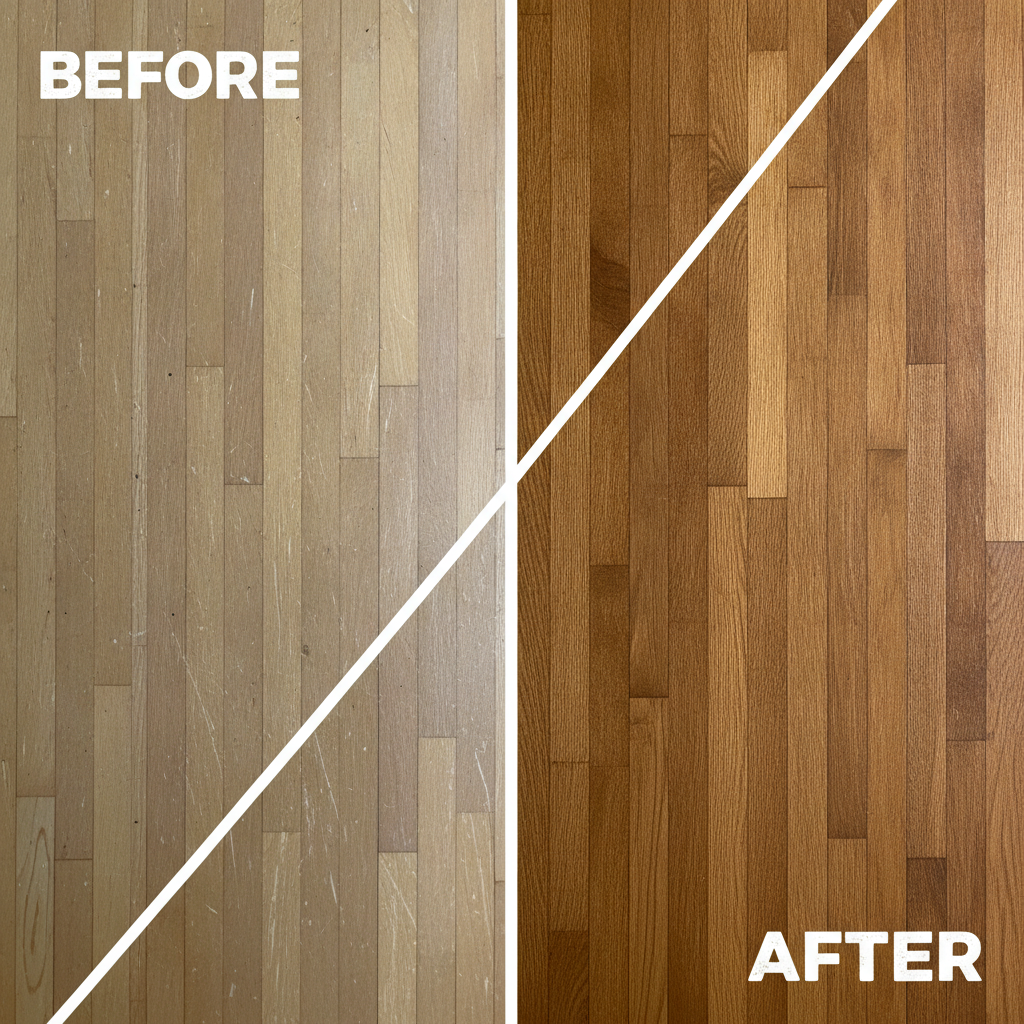
If the damage is already done, don’t despair. Many types of discoloration can be repaired. This section is your floor-by-floor, stain-by-stain troubleshooting guide. However, it’s crucial to know your limits. If a stain is widespread, if the flooring is warped or buckled, or if you suspect deep moisture damage, it’s time to call a certified professional.
Restoring Hardwood Floors
Hardwood offers the most options for restoration, from simple touch-ups to a full refinish.
- For Minor Fading/Scratches: Sometimes, a simple restoration product can revive a dull finish. For deeper scratches or gouges in a stained floor, a wood stain marker can help blend the imperfection.
- For Dark Water Stains: For light to medium stains, you may be able to sand the affected area by hand and apply a new coat of matching stain and polyurethane. For dark, deep-set stains, the wood fibers themselves are damaged, and the plank(s) may need to be professionally replaced.
- For Severe Sun Damage: When fading is widespread and deep, the only solution is a full sand and refinish. Hardwood restoration specialists explain that this process removes the entire top layer of wood and finish, essentially revealing a brand new surface that can be stained and sealed[8]. This is a job best left to professionals with industrial sanding equipment. Using the right finish, like a high-quality water-based polyurethane with UV inhibitors from a reputable manufacturer like Bona, is critical to protecting the newly restored floor[9].
Repairing LVP, Laminate, and Vinyl
Unlike wood, synthetic floors cannot be sanded or refinished. For these materials, restoration almost always means replacement.
- For Stains and Scratches: Most surface-level issues can be cleaned with the manufacturer-recommended cleaner. For deep gouges or stubborn stains (like from a rubber mat), the damaged plank must be replaced.
- Plank Replacement Guide: This is why flooring retailers always advise buying an extra box of planks and storing it flat in a climate-controlled space[10].
- Carefully score the perimeter of the damaged plank with a sharp utility knife.
- Use a drill or multi-tool to cut out the center of the plank, being careful not to damage the surrounding planks.
- Remove the pieces, including the tongue and groove edges.
- Clean the subfloor of any debris.
- On the new replacement plank, carefully trim off the bottom of the groove edge.
- Apply a thin bead of wood glue or seam sealer to the tongue of the existing surrounding planks.
- Insert the tongue side of the new plank into the groove of the existing floor, then press the trimmed edge down into place.
- Wipe away any excess glue immediately and place a heavy, flat object on the plank for 24 hours while it sets.
Deep Cleaning and Re-grouting Tile
Tile surfaces themselves are highly stain-resistant, but the grout lines are porous and can easily become discolored.
- Deep Cleaning Grout: A paste of baking soda and hydrogen peroxide, scrubbed with a stiff brush, can often lift years of grime. For tougher stains, oxygenated bleach cleaners are effective. Avoid chlorine bleach, which can degrade the grout over time.
- Re-grouting and Sealing: If grout is permanently stained or crumbling, it can be removed with a grout saw and replaced. When choosing new grout, consider epoxy grout over traditional cement-based grout. While more expensive and difficult to install, epoxy grout is non-porous and virtually stain-proof, making it an excellent long-term investment for high-traffic or spill-prone areas like kitchens and bathrooms.
The Smart Buyer’s Guide: Choosing Fade-Proof & Stain-Resistant Flooring
When it’s time to invest in new flooring, you have the power to choose a material that will resist discoloration from the start. It’s important to understand the difference between “fade-resistant” and “fade-proof.” No floor is 100% fade-proof if exposed to enough direct sunlight over time. However, modern flooring technology has created products that are exceptionally resistant and will maintain their color for many years, even in sunny rooms.
Flooring Durability Comparison Chart
| Flooring Type | Fade Resistance (1-10) | Stain Resistance (1-10) | Durability (1-10) | Avg. Cost ($/sq. ft.) |
|---|---|---|---|---|
| Luxury Vinyl (LVP/LVT) | 9 | 9 | 8 | $3 – $7 |
| Porcelain Tile | 10 | 10 | 10 | $4 – $15 |
| Laminate | 8 | 8 | 7 | $2 – $6 |
| Solution-Dyed Carpet | 8 | 9 | 7 | $3 – $8 |
| Engineered Hardwood | 6 | 6 | 7 | $5 – $12 |
Top Choice: Luxury Vinyl Plank (LVP) & Tile (LVT)
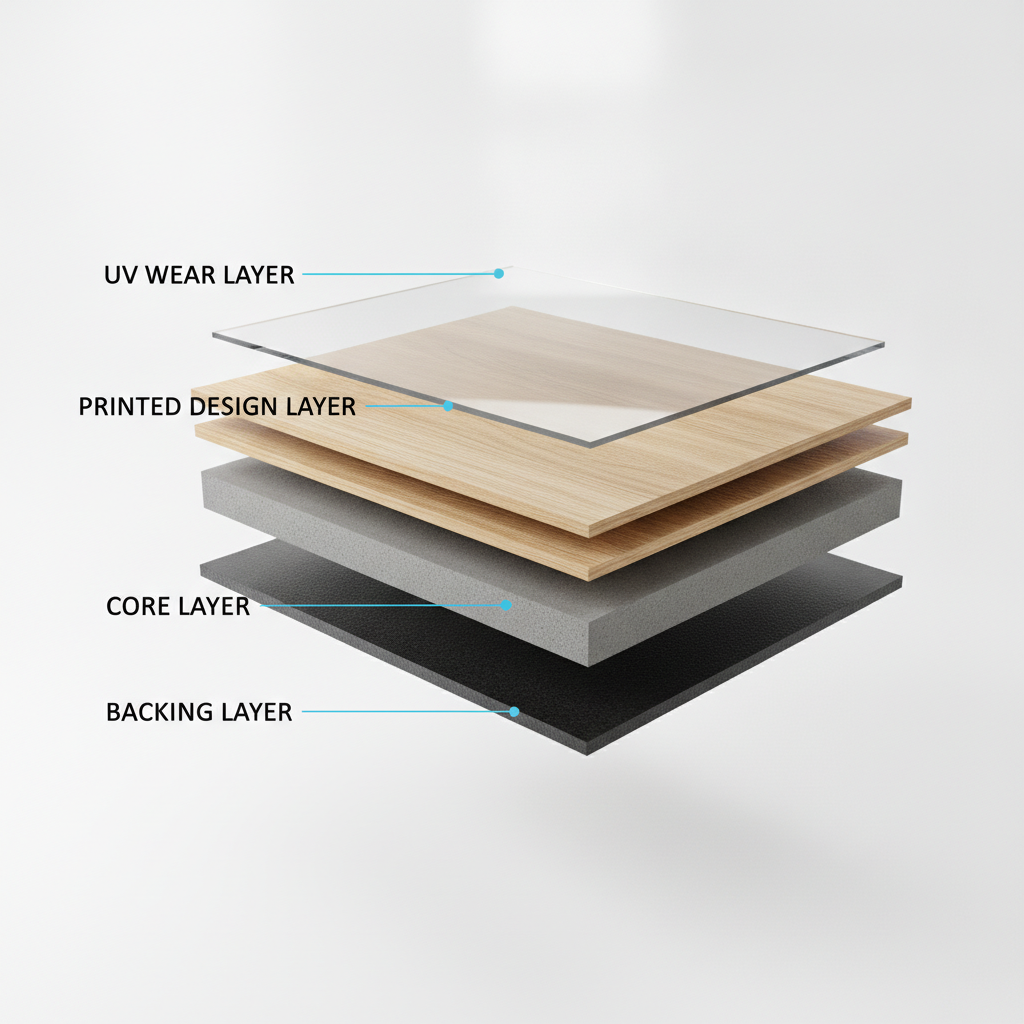
Modern LVP is an engineering marvel and a top choice for discoloration-resistant flooring. Its incredible performance comes from its layered construction, specifically its high-tech wear layer. As product experts from flooring wholesalers explain, this top layer is a clear, UV-cured urethane coating often embedded with ceramic or aluminum oxide particles for extreme scratch resistance[11]. This layer acts as a powerful sunblock and a non-porous shield against spills. When shopping, pay close attention to the wear layer thickness (measured in mils); a 12-20 mil wear layer is excellent for residential use, while commercial applications may require 20 mils or more. Many top-tier brands offer extensive warranties covering fading and staining, giving you peace of mind.
The Durable Classic: Porcelain & Ceramic Tile
For the ultimate in fade- and stain-proof flooring, nothing beats glazed porcelain tile. During manufacturing, the color and pattern are either mixed into the body of the tile (in the case of through-body porcelain) or are applied as a glaze that is fired at extreme temperatures. This process fuses the design to the tile, creating a non-porous, glass-like surface that light and spills simply cannot penetrate. It will not fade in the sun and will not absorb stains. When choosing tile, look for a high PEI (Porcelain Enamel Institute) rating, which indicates its hardness and durability. A PEI rating of 4 or 5 is suitable for any residential or even light commercial high-traffic area.
Other Contenders: High-Quality Laminate & Solution-Dyed Carpet
Two other options offer excellent resistance to discoloration.
- High-Quality Laminate: Modern laminate flooring has come a long way. Top brands now feature advanced UV-protective topcoats and resin-filled wear layers that significantly improve fade and stain resistance compared to older generations of the product.
- Solution-Dyed Carpet: If you prefer a soft surface, look for carpets made with solution-dyed fibers. The science is simple but effective: in traditional dyeing, the fiber is produced first (as a colorless material) and then dipped in dye. In solution-dyeing, the color pigment is mixed into the liquid polymer before the fiber is even created[12]. This means the color is part of the fiber itself, all the way through, making it exceptionally resistant to fading from sunlight and bleaching from harsh cleaning agents.
By understanding the full lifecycle of your floors—from diagnosis and prevention to restoration and smart purchasing—you can protect your investment and ensure your home remains beautiful for years to come.
Feeling more confident about protecting your floors? Share your biggest flooring challenge in the comments below, or browse our selection of high-performance, fade-resistant flooring to start your next project with peace of mind.
This article provides general advice. Always test cleaning solutions and repair methods on a small, inconspicuous area of your flooring first to ensure there are no adverse reactions. Consult a professional for severe damage or complex restoration.
References
- AA Floors & More. (n.d.). Vinyl Flooring Stains. Retrieved from aafloors.ca.
- America’s Choice Inspections. (n.d.). Identifying Water Damage. Retrieved from americaschoiceinspections.com.
- Naperville Hardwood. (n.d.). How Does the Sun Affect Hardwood Floors?. Retrieved from napervillehardwood.com.
- American Cleaning Institute. (n.d.). Stain Removal Guide. Retrieved from cleaninginstitute.org.
- Based on typical performance data provided by manufacturers of UV-filtering window films.
- Dalton Flooring Center. (n.d.). Flooring Protection Tips. Retrieved from daltonflooringcenter.com.
- Consumer Reports. (n.d.). Floor Cleaner Buying Guide. Retrieved from consumerreports.org.
- Renaissance Hardwood Floors. (n.d.). The Refinishing Process. Retrieved from renhardwood.com.
- Bona. (n.d.). Waterborne Finishes. Retrieved from bona.com.
- Flooring America. (n.d.). Why You Should Keep Extra Flooring. Retrieved from flooringamerica.com.
- Wholesale Flooring & Granite. (n.d.). Understanding LVP Wear Layers. Retrieved from wholesaleflooringla.com.
- NW Floor Coverings. (n.d.). What is Solution-Dyed Carpet?. Retrieved from nwfloorcoverings.com.
