Every year, industrial facilities and commercial enterprises bleed millions of dollars in operational downtime, safety liabilities, and premature maintenance due to a single, foundational failure: compromised flooring. When concrete spalls under the weight of a forklift, or when a newly applied epoxy peels away within months, the root cause is rarely just “bad luck.” It is almost always a failure to align material science with environmental stressors.
In the commercial flooring industry, marketing buzzwords often obscure structural realities. Facility managers and architects are frequently sold on “indestructible” coatings without a proper diagnostic assessment of their concrete slab’s moisture vapor transmission (MVT) or load-bearing capacity.
This guide serves as an engineer-level masterclass to cut through the noise. We will demystify advanced technologies like adamantine finishes, provide actionable diagnostic frameworks for concrete failures, and guide you in specifying the precise chemistry—be it Epoxy, Urethane, or MMA—required to conquer your facility’s unique stressors. It is time to stop patching problems and start engineering unyielding floors.
- Demystifying Adamantine Flooring: The Material Science of Extreme Durability
- Diagnosing Floor Failures: Root Causes of Cracks and Rapid Wear
- Specifying High-Performance Floors: Matching Chemistry to Stressors
- Heavy Duty Floor Resurfacing: Rehabilitating Compromised Concrete
- The Masterclass on Durable Floor Coating Installation
- Unyielding Floor Protection Systems for Active Sites
- Conclusion
- References
Demystifying Adamantine Flooring: The Material Science of Extreme Durability
The term “adamantine” is frequently tossed around in industrial marketing to imply extreme toughness, but what exactly is adamantine flooring? Moving past the buzzwords, true adamantine technology represents a highly specific material science application designed to achieve unparalleled scratch and abrasion resistance.
At the core of the best adamantine flooring for industrial use is the integration of aluminum oxide nanoparticles. When engineered into a high-performance finish, these nanoparticles create a protective barrier that fundamentally alters the surface’s wear characteristics. On the Mohs hardness scale—a metric used to measure the scratch resistance of minerals—aluminum oxide ranks at a 9, placing it on par with sapphire and ruby gemstones [1].
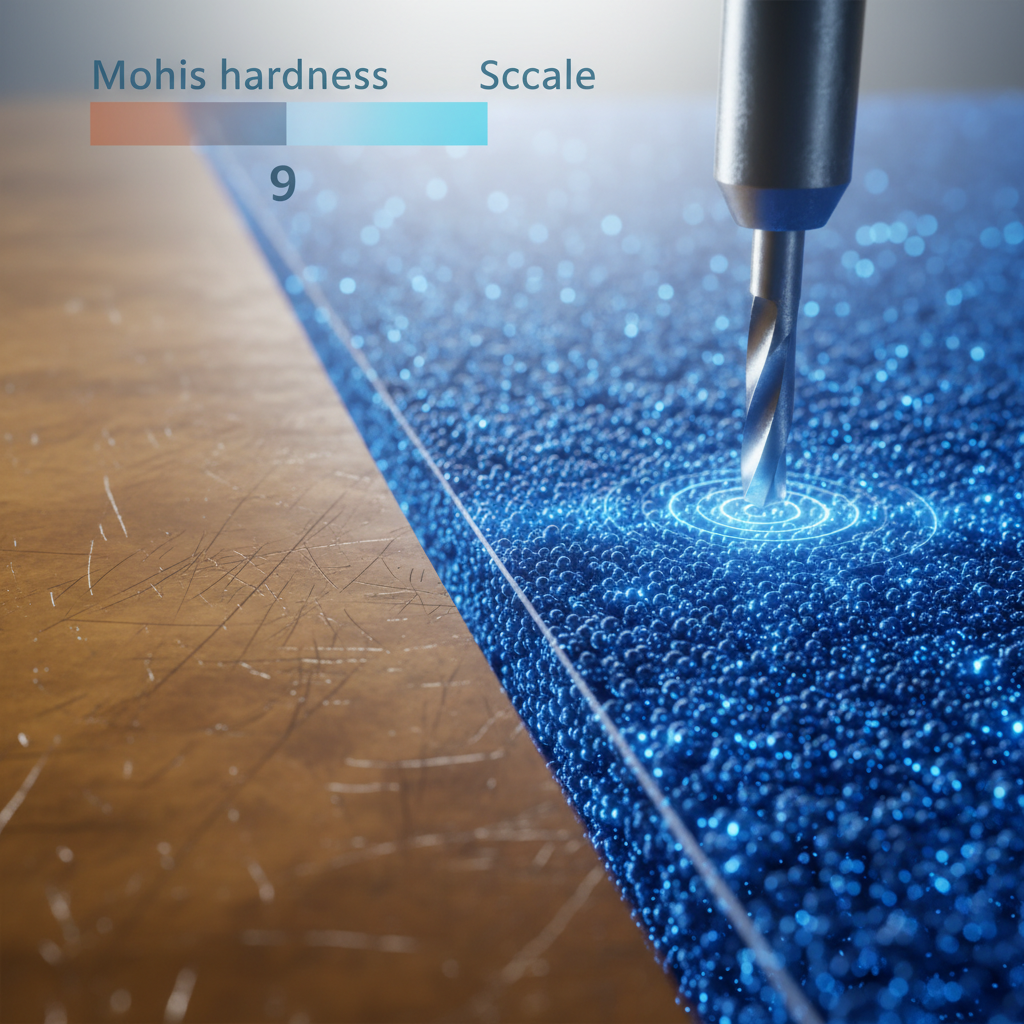
To put this into an industrial perspective, traditional polyurethanes and standard epoxies generally hover around a 3 to 4 on the Mohs scale. By cross-linking aluminum oxide nanoparticles into the resin matrix, an adamantine finish achieves a molecular density that standard coatings simply cannot match. The chemical bonding process of this finish allows the nanoparticles to penetrate the microscopic pores of the substrate, anchoring the topcoat with immense tensile strength and preventing delamination under heavy shear forces.
Furthermore, top-tier manufacturers of adamantine compounds adhere to rigorous environmental and quality assurance standards. When specifying these systems, engineers should look for materials produced in facilities maintaining ISO 9002 (Quality Management) and ISO 14000 (Environmental Management) certifications, ensuring that the extreme durability of the floor does not come at the cost of volatile organic compound (VOC) compliance or manufacturing integrity [2].
Diagnosing Floor Failures: Root Causes of Cracks and Rapid Wear
Before specifying a new coating, facility managers must act as diagnosticians. Applying a high-performance resin over a failing substrate is a catastrophic waste of capital. Understanding the root causes of cracked industrial concrete floors and rapid flooring wear and tear is the first step in the triage process.
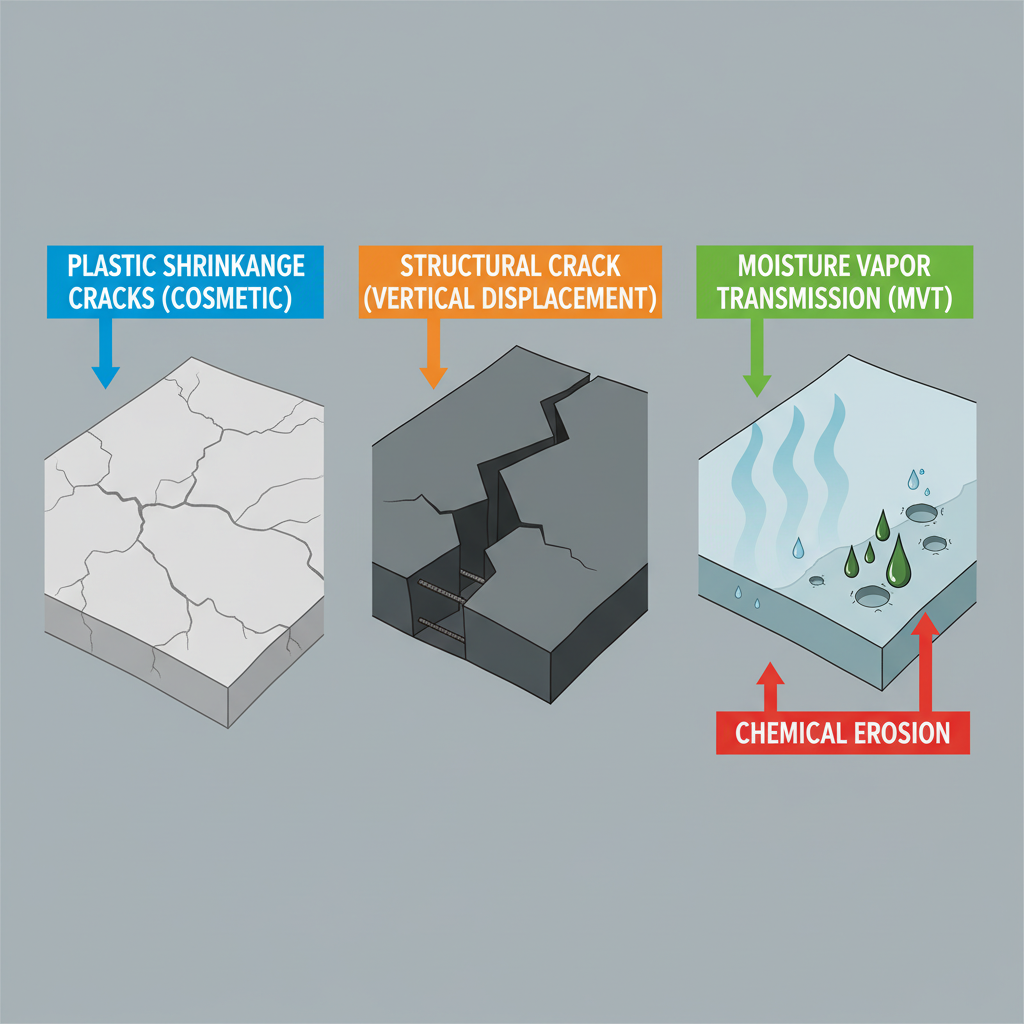
Not all cracks are created equal. The Association of Concrete Industrial Flooring Contractors (ACIFC) Technical Report 22 provides critical distinctions between non-structural cosmetic cracks and dangerous structural failures [3].
- Plastic Shrinkage Cracks: Often appearing as a map-like pattern, these occur during the curing process when the surface of the concrete dries too rapidly. While unsightly, they rarely compromise the slab’s structural integrity.
- Structural Cracks: These are typically wider, run deeply through the slab, and often feature vertical displacement (where one side of the crack is higher than the other). These indicate subgrade settlement or severe overloading and require structural engineering intervention before any coating is applied.
Beyond mechanical stress, invisible environmental factors are primary culprits in high traffic floor damage. Unmitigated Moisture Vapor Transmission (MVT) pushes hydrostatic pressure upward through the concrete slab. In commercial spaces utilizing engineered wood or resilient flooring, the National Wood Flooring Association (NWFA) warns that fluctuating humidity and MVT are the leading causes of cupping, crowning, and ply separation [4].
Furthermore, chemical infiltration—even from seemingly benign sources like harsh cleaning agents or winter road salts—can alter the pH balance of the concrete matrix. Concrete is naturally highly alkaline (pH of 12-13). When acidic chemicals penetrate the surface, they neutralize this alkalinity, breaking down the cement paste that binds the aggregate together. To combat this, certified commercial cleaning experts recommend strict maintenance protocols, emphasizing the use of pH-neutral cleaners and the strategic deployment of walk-off mats to capture abrasive particulate matter before it acts like sandpaper on the floor finish [5].
Specifying High-Performance Floors: Matching Chemistry to Stressors
High-performance floors go far beyond basic durability; they are highly specialized systems engineered to resist specific environmental attacks while maintaining rigorous safety standards. Choosing the right heavy-duty flooring requires matching the resin chemistry to the facility’s operational stressors. When specified correctly, high-performance resinous systems can extend the functional lifespan of a raw concrete slab by up to 300% in harsh environments.
To navigate compliance, these floors must meet strict regulatory standards. The Occupational Safety and Health Administration (OSHA) mandates specific slip resistance requirements, typically measured by the Coefficient of Friction (COF), to prevent workplace accidents [6]. Similarly, in food and beverage processing, the USDA and FDA require seamless, non-porous, and antimicrobial flooring designs that eliminate joints where dangerous pathogens like Listeria can harbor [7].
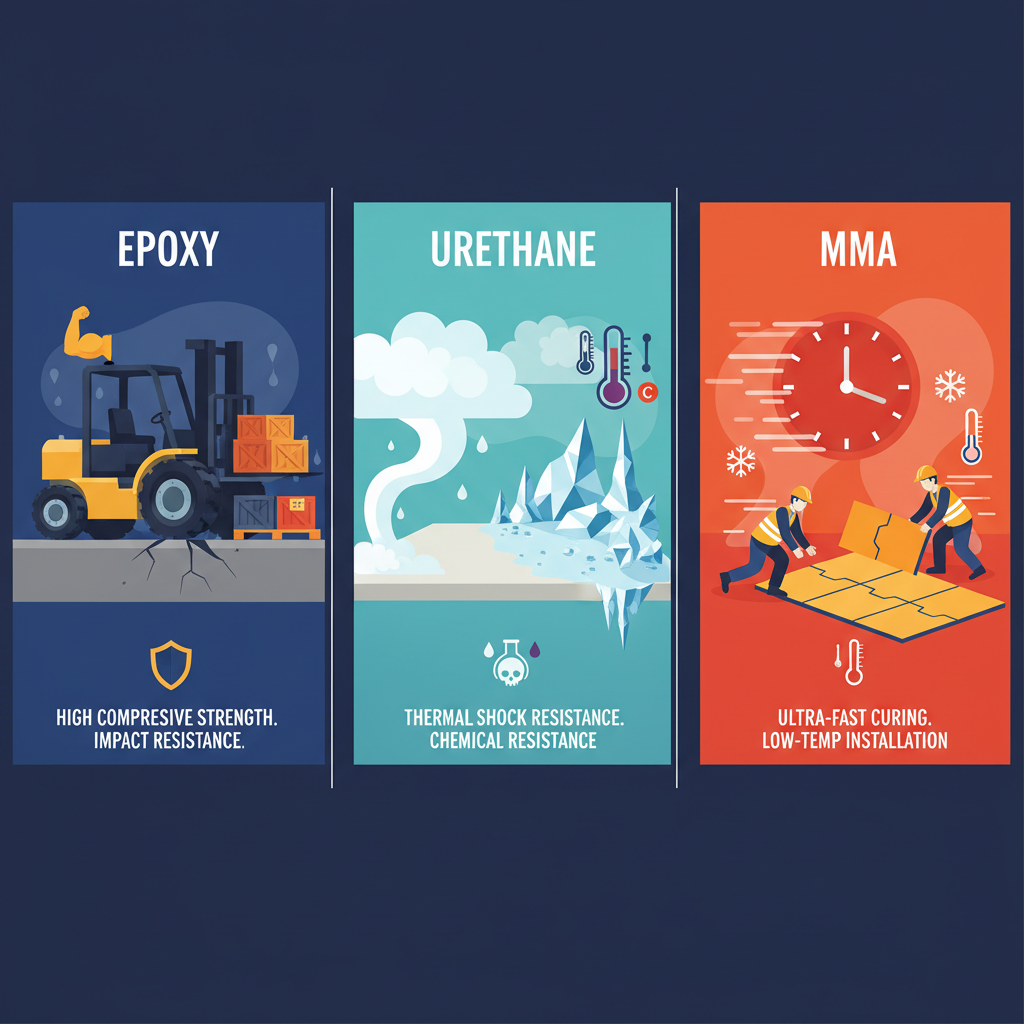
Decision Matrix: Selecting the Right Chemistry
| Chemistry Type | Primary Strength | Ideal Application Environment | Limitations |
|---|---|---|---|
| Epoxy | High compressive strength, excellent impact resistance, strong adhesion. | Warehouses, manufacturing plants, heavy machinery zones. | Poor thermal shock resistance; can yellow under UV exposure. |
| Urethane (Polyurethane) | Extreme thermal shock resistance, excellent chemical resistance, UV stable. | Food/beverage processing, commercial kitchens, outdoor walkways. | Lower impact resistance than epoxy; highly sensitive to moisture during installation. |
| MMA (Methyl Methacrylate) | Ultra-fast curing time (as little as 1-2 hours), installation at sub-zero temperatures. | Cold storage facilities, retail spaces requiring zero operational downtime. | Strong odor during installation; requires highly specialized application techniques. |
Heavy Duty Flooring for Commercial Warehouses
The mechanical stress inflicted on warehouse floors is immense. heavy duty flooring for commercial warehouses must endure the constant, grinding point-loads of heavily laden forklifts and pallet jacks. According to the American Concrete Institute (ACI), heavy-duty industrial applications require a concrete compressive strength rating of at least 4,000 to 10,000 PSI, coupled with appropriate steel rebar or wire mesh reinforcement [8].
Furthermore, the rise of Automated Guided Vehicles (AGVs) in modern logistics has introduced new flooring requirements. AGVs rely on laser precision, meaning the floor must meet incredibly strict tolerances for Floor Flatness (FF) and Floor Levelness (FL). Even minor undulations can cause high-reach forklift masts to sway dangerously or disrupt AGV navigation sensors, making specialized grinding and leveling an absolute necessity [9].
Unyielding Floor Solutions for High Traffic Commercial Zones
Commercial environments—such as airports, hospitals, and high-end retail spaces—demand unyielding floor solutions for high traffic that bridge the gap between industrial durability and commercial aesthetics.
Luxury Vinyl Tile (LVT) and porcelain tile are leading contenders. However, for LVT to survive commercial use, facility managers must specify an appropriate wear layer. Industry standards dictate that commercial-grade LVT should feature a wear layer thickness of at least 20 mils (and up to 28+ mils for extreme traffic) to maintain commercial warranties [10]. Alternatively, porcelain tiles are fired at extreme temperatures (often exceeding 2,200°F), creating an extraordinarily dense, vitrified material capable of withstanding massive pressure without chipping or absorbing moisture [11].
Heavy Duty Floor Resurfacing: Rehabilitating Compromised Concrete
When a concrete slab becomes severely spalled, pitted, or chemically degraded, facility managers often assume a massive, expensive demolition is required. However, heavy duty floor resurfacing is the critical, cost-effective alternative to a full slab tear-out.
Resurfacing utilizes heavy-duty mortars to rebuild the concrete substrate. The two premier options are Urethane Mortar and Epoxy Mortar, and choosing between them requires a comparative technical analysis:
- Urethane Mortar: The undisputed champion for thermal shock resistance. In facilities where floors are subjected to boiling water washdowns followed by freezing temperatures, urethane mortar expands and contracts at a rate nearly identical to the concrete beneath it, preventing delamination [12].
- Epoxy Mortar: Superior for high-impact zones and heavy machinery traffic. It provides unmatched compressive strength to level severely pitted surfaces, decreasing the wear and tear on steel-wheel equipment.
These resurfacers do not merely sit on top of the old slab; they bond with the existing compromised concrete at a molecular level. A quantifiable cost-benefit analysis heavily favors resurfacing. While a full concrete demolition and replacement can halt facility operations for weeks and cost tens of thousands of dollars in labor and disposal fees, a urethane mortar resurfacing project can often be completed over a weekend, saving up to 60% in total project costs while delivering a superior, chemical-resistant surface.
The Masterclass on Durable Floor Coating Installation
The most advanced adamantine finish or urethane mortar will fail spectacularly if the substrate is not prepared correctly. In fact, industry data shows that 90% of coating failures are due to poor preparation. A durable floor coating installation requires rigorous, uncompromising substrate profiling.
Coating adhesion relies on the Concrete Surface Profile (CSP), a standardized measure of the concrete’s surface roughness. Acid etching is no longer sufficient for heavy-duty applications. Installers must use mechanical means—specifically diamond grinding (for CSP 1-3) or shot-blasting (for CSP 3-9)—to remove the weak top layer of concrete (laitance) and open the pores. Industrial coating authorities emphasize that any remaining contaminants, oils, or sealers will chemically block the bonding process, leading to inevitable peeling [13].
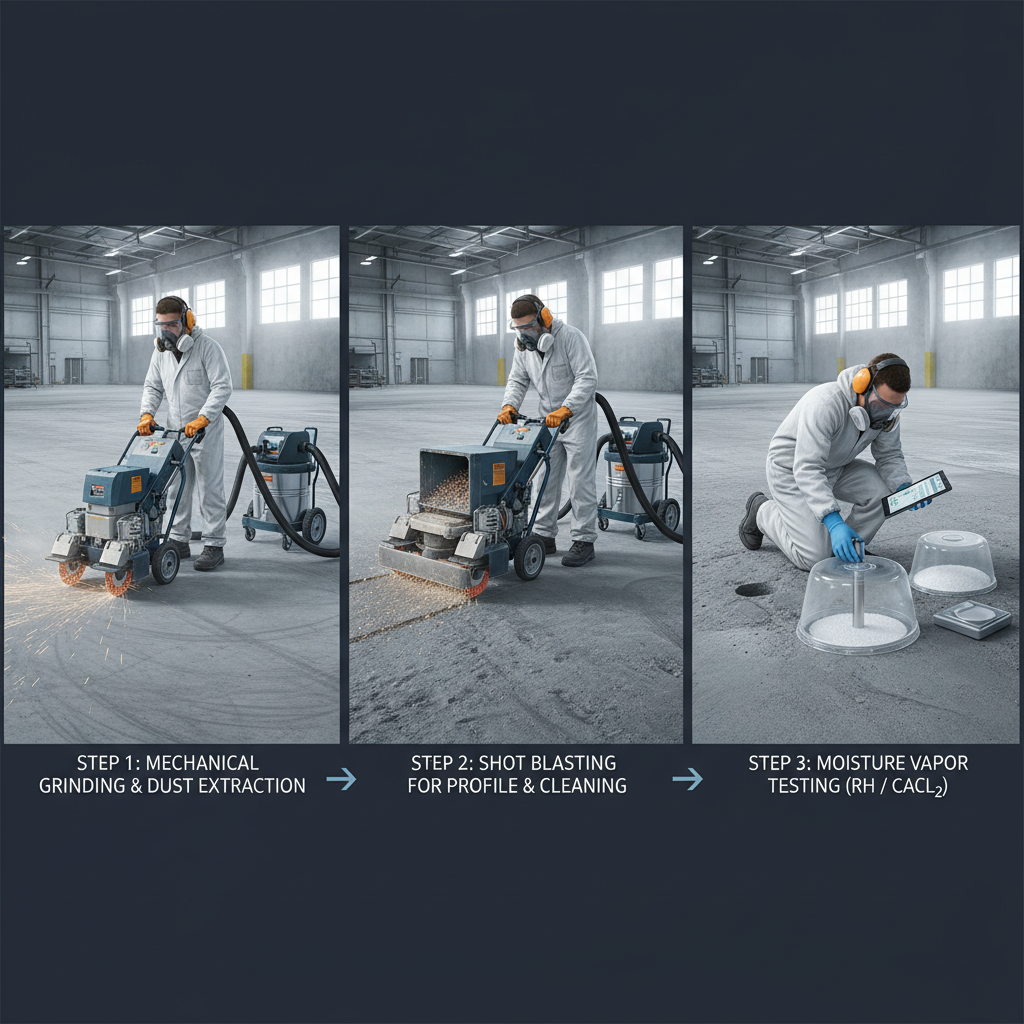
Equally critical is Moisture Vapor Transmission (MVT) testing. Before any resin is poured, installers must conduct Calcium Chloride tests or in-situ relative humidity (RH) probe testing. If MVT levels exceed the coating’s tolerance, a moisture-mitigating epoxy primer must be applied first. Once the substrate is perfectly prepped and moisture-sealed, advanced systems like polyurea can be installed. Polyurea boasts a rapid chemical cure, often returning a floor to full service within 24 hours, drastically minimizing facility downtime.
Unyielding Floor Protection Systems for Active Sites
Protecting an investment during active construction, renovations, or heavy equipment moves is just as vital as the installation itself. Unyielding floor protection systems are temporary, heavy-duty safeguards designed to absorb impact and prevent scratching.
Protection systems must be categorized by project phase and threat level. For instance, protecting a 14-day cured concrete slab from a 10,000 lb boom lift requires entirely different engineering than protecting finished hardwood from foot traffic. Advanced solutions include liquid base coats paired with heavy-duty commercial mats (such as the Skudo system). These systems adhere temporarily to the substrate, preventing dirt and debris from sliding underneath and causing friction scratches [15].
Crucially, when protecting freshly poured concrete, the protection system must be “breathable.” Concrete continues to release moisture as it cures. Non-breathable plastic sheeting will trap this moisture, causing discoloration and compromising the cure strength. Furthermore, OSHA safety standards strictly regulate slip and trip hazards on active sites; utilizing tacky-backed, slip-resistant protectors ensures that the temporary flooring solution does not become a workplace liability [14].
Conclusion
Achieving an unyielding industrial floor requires moving decisively beyond marketing buzzwords. It demands a rigorous, material-science-based approach: diagnosing the root causes of concrete failure, matching the precise resin chemistry to environmental stressors, and executing flawless substrate preparation. By investing in advanced technologies like adamantine finishes and heavy-duty urethane resurfacing, facility managers can eliminate the cycle of repeated, cheap fixes. We encourage architects and plant operators to consult with certified industrial flooring engineers to comprehensively assess their current concrete slab conditions and specify a permanent, high-performance solution.
Disclaimer: This article is for informational purposes and should not replace a formal structural engineering assessment. Always consult with a certified flooring contractor and structural engineer for specific load-bearing and installation requirements.
References
- Material Science and Engineering Journals. (N.D.). Durability and Mohs Hardness Scale Rating of Aluminum Oxide Nanoparticles in Surface Coatings.
- ISO Certification Boards. (N.D.). ISO 9002 and ISO 14000 Standards for Quality and Environmental Management in Manufacturing.
- Association of Concrete Industrial Flooring Contractors (ACIFC). (N.D.). Technical Report 22: Non-Structural Cracks in Concrete Industrial Floors.
- National Wood Flooring Association (NWFA). (N.D.). Guidelines on Moisture, Cupping, and Environmental Controls.
- ServiceMaster Clean. (N.D.). Commercial Cleaning Protocols and Preventative Maintenance for High-Traffic Floors.
- Occupational Safety and Health Administration (OSHA). (N.D.). Regulations for Slip Resistance and Coefficient of Friction (COF) on Walking-Working Surfaces.
- USDA / FDA. (N.D.). Sanitary Design and Seamless Flooring Requirements for Food and Beverage Processing Facilities.
- American Concrete Institute (ACI). (N.D.). Standards for Concrete Slab Compressive Strength and Load-Bearing Capacities.
- East Coast Storage Equipment Co. (N.D.). Warehouse Infrastructure, Heavy Equipment Requirements, and Floor Flatness/Levelness for AGVs.
- TAJ Flooring. (N.D.). Commercial Resilient Flooring Solutions and Maintenance Protocols for Unyielding Surfaces.
- Scharm Floor Covering. (N.D.). Flooring Durability, Porcelain Tile Firing Temperatures, and Commercial Wear-Layer Standards.
- Sherwin-Williams Industrial & Industrial Applications, Inc. (N.D.). Technical Insights on Heavy-Duty Resinous Flooring, Urethane Mortar, and Thermal Shock Resistance.
- CPC Floor Coatings & Rust Bullet. (N.D.). Industrial Floor Coating Best Practices, Concrete Surface Profiles (CSP), and Chemical Bonding Processes.
- Occupational Safety and Health Administration (OSHA). (N.D.). Safety Standards Regarding Slip and Trip Hazards in Construction Environments.
- Skudo USA & Trimaco. (N.D.). Commercial-Grade, Heavy-Traffic Temporary Floor Protection Systems and Breathability Standards.
