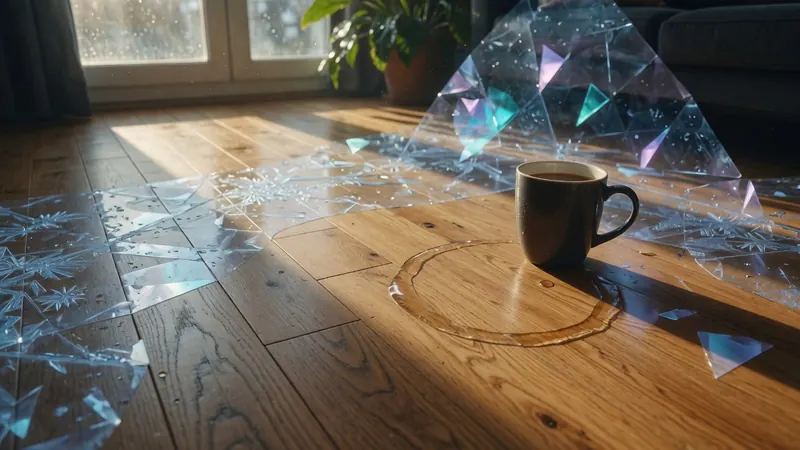
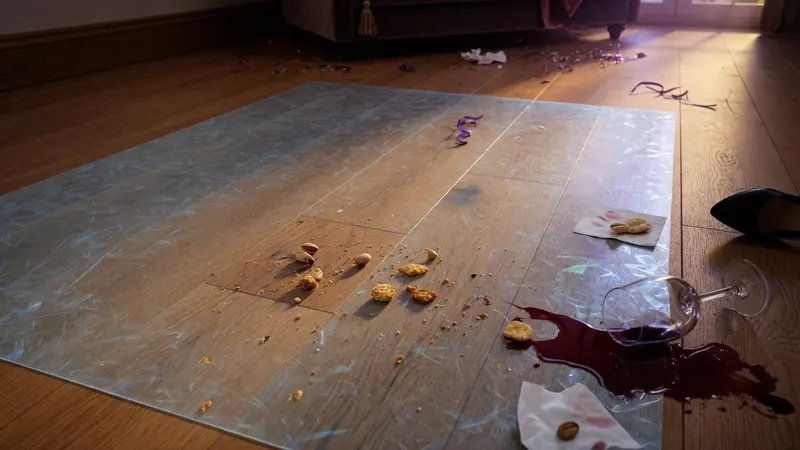
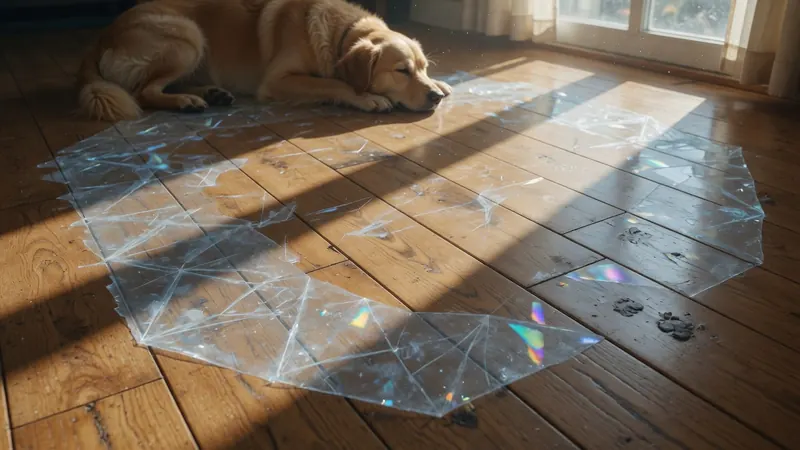
The living room had been the pride of the house for eight years. Large south-facing windows let light pour across the oak planks every afternoon. At first the boards kept their warm honey tone. Then the change started near the glass. One summer the homeowners noticed the color had lifted slightly, turning pale along the edges where the rays landed longest. They had chosen the flooring for its natural look, never thinking the sun would rewrite it so steadily.
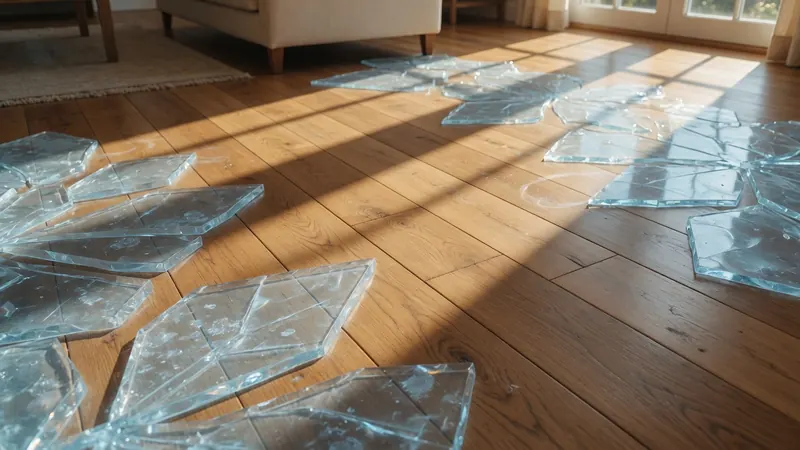
What actually happens in the six months after the movers leave? Light does not arrive as a single dramatic event. It works in small daily doses, breaking down the surface molecules that give wood its color. The boards themselves stay sound, yet the finish above them begins to surrender its original shade. If you have a dog and a toddler under five, here is what really matters.
The Visible Problem Sunlight Creates
Fading rarely announces itself overnight. It creeps in along baseboards first, then spreads inward. In one home I visited last spring the owners had installed new area rugs the previous winter. When the rugs came up the contrast was stark. The protected squares retained their depth while the exposed sections had shifted two or three shades lighter. The difference was not dramatic enough to call a failure, yet it was enough to make the floor feel uneven. On another job the family had rearranged furniture during a weekend project. They moved the sofa to clean behind it and found a rectangle of darker wood that no longer matched the rest of the room. The sun had been doing its work for three years without anyone noticing until the furniture shifted. These small revelations are common when natural light is part of the daily environment.
Many households now keep the lights off during work-from-home hours to enjoy natural brightness. That choice speeds up the very change they later notice in the finish. The trend toward open, light-filled spaces has increased calls about uneven color on previously stable floors.
The Invisible Mechanism That Steps In
That is where the UV-stable topcoat begins its work. The layer sits at the surface and absorbs or reflects the damaging wavelengths before they reach the pigments below. It does not add thickness you can feel underfoot. Instead it forms a quiet barrier that operates every hour the sun is up. Over time the same outermost wear layer plays its part. As foot traffic and cleaning pass across the floor the UV-stable topcoat takes the first hits while still maintaining its ability to filter light. The combination keeps color stable longer than finishes that lack these built-in stabilizers. The protection is not absolute, yet it buys years of consistent appearance under real conditions. That's the UV-stable topcoat doing its job. Quietly.
Guardian's Test: How UV Stabilizers Actually Function
Here is what is happening at the molecular level while you are just living your life. Ultraviolet light carries enough energy to break chemical bonds in the finish and in the wood color itself. UV stabilizers are compounds mixed into the UV-stable topcoat that absorb those high-energy rays and convert them into harmless heat. The process repeats thousands of times across a single sunny day. The stabilizers gradually exhaust, which is why even strong finishes eventually show limits in the brightest rooms. That gradual exhaustion is why the wear layer must be maintained rather than ignored. ASTM D4060 Taber testing measures abrasion from a weighted wheel, not light exposure; real homes add UV and moisture swings that further test the chemistry.
Real-World Stress Tests
The Sunroom That Saw It All
A sunroom addition on a craftsman bungalow had been in constant use for six years. Morning light hit the east wall while afternoon rays crossed the south and west sides. The owners used the space for plants, reading, and their aging golden retriever. After five years the floor showed almost no color shift despite the constant exposure. The previous finish on an older section of the house had faded noticeably in the same timeframe. The difference came down to the presence of a properly formulated UV-stable topcoat that had been applied during the remodel. The dog’s nails and occasional spills had left marks, yet the color remained consistent. That outcome was not luck. It reflected the finish doing its job across thousands of hours of direct light. The homeowners had also rotated a large plant stand every few months so no single patch stayed shaded. When they finally lifted the stand after two years the wood underneath matched the surrounding boards exactly. The wear layer had absorbed the small scratches while the UV chemistry held the tone steady. In humid summer weeks the oak itself softened slightly underfoot, yet the surface color never drifted. The same family later installed the same finish in their hallway and reported the same even appearance after another three years. This pattern repeats in homes where light is constant and traffic is moderate.
Between Tenants in a Rental Property
A two-bedroom rental sat vacant for three weeks between long-term tenants. The new occupants moved in during late summer and immediately complained about uneven color on the living room floor. Inspection showed the previous tenants had kept heavy curtains closed on one side of the room while leaving the other side open. The wear layer had protected the surface from scratches, but the lack of UV resistance in the old finish allowed noticeable fading on the exposed side. The new tenants accepted the explanation once they saw how quickly the difference appeared under daily sunlight. The landlord later chose a finish with stronger UV-stable topcoat chemistry for the next turnover. The change reduced callbacks about appearance. During the turnover I noticed the kitchen threshold had held its color better because a doormat had stayed in place. The contrast made the living-room fade stand out even more. The new finish performed across the full room without that patchwork effect. One tenant mentioned their dog tracked in grit daily, yet the surface showed only light scuffs rather than color loss. The landlord now schedules a quick inspection every eighteen months to catch early dulling before it becomes a complaint.
The Busy Family Kitchen
A south-facing kitchen in a suburban home saw constant activity from two working parents and three children. The floor received direct light most of the day plus frequent spills and chair movement. After four years the surface still held its original tone in the brightest zones. The homeowners credited regular sweeping and the use of felt pads, yet the real factor was the finish’s ability to resist UV breakdown. A small area near the sliding door had been covered by a mat for two years. When the mat was removed the color matched the rest of the floor almost exactly. The UV-stable topcoat had prevented the typical contrast that appears when one section is shielded while another is not. The family also noticed that wooden chairs without pads left faint compression marks during winter when indoor humidity dropped. The wear layer recovered once the pads were added. In the same period a neighboring house with a similar layout but an older finish showed clear yellowing along the south wall. That comparison confirmed the value of choosing UV resistance from the start rather than trying to correct it later.
The Home Office Addition That Stayed Even
A converted spare bedroom turned into a full-time workspace received six hours of direct sun through a new skylight. The owner kept the desk in one corner for two years before shifting it during a renovation. The floor beneath the desk matched the surrounding planks exactly. The UV-stable topcoat had prevented the halo effect that usually appears when furniture blocks light for long periods. Daily rolling of the desk chair had created light scuff paths, yet color remained uniform. The owner added a low-pile rug only after the first winter when static and dry air increased visible dust. That simple habit kept the finish from wearing thin in the traffic lane. The same finish was used on the adjoining hallway, and the transition shows no color jump after three years total. The owner now works at home four days a week and reports the floor still looks fresh without extra curtains or blinds.
What We Learned on the Job
Early in my career I once recommended a thicker build coat thinking more material would solve fading issues in a bright hallway. The floor looked good at year one, but by year four the surface had still lost color in the sunniest stretch. The extra thickness had not addressed the light itself. That experience shifted how I evaluate finishes. Durability now includes UV performance as a primary requirement rather than an afterthought. The lesson applies directly to homes where people work from home and want natural light without sacrificing floor appearance.
- Check the finish label for explicit UV resistance claims rather than relying on general durability ratings.
- Reapply a maintenance coat when the surface begins to show slight dullness in high-light areas.
- Rotate rugs seasonally so no single section receives permanent shade.
- Use window films that reduce UV transmission without darkening the room.
Keeping the Protection Working
Even the best wear layer benefits from simple habits. Sweep or vacuum before grit can act like sandpaper. Place mats at entry points where shoes carry fine particles. Avoid letting standing water sit on any finish, because moisture can cloud the surface even when UV protection remains intact. These steps do not replace the chemistry in the UV-stable topcoat, yet they extend the time before any maintenance is needed. One homeowner asked recently whether a single application would last a decade. The honest answer is that no finish is magic. The UV-stable topcoat will continue working as long as the layer remains intact. When traffic patterns create visible wear paths, a light refresh restores the barrier without requiring a full refinishing project.
Your Floor in Five Years
Picture the same living room five years from now. The windows still let the afternoon light fall across the same planks. The color has stayed consistent because the UV-stable topcoat absorbed the daily exposure without complaint. The dog has aged, the children have grown, and the furniture has been rearranged more than once. None of those changes required hiding the floor behind curtains or rugs. The protection stayed invisible until the day someone commented that the room still looked new. What will your floor look like in another five years if the same light keeps arriving? That outcome is what the hidden guardian delivers. The surface above never has to prove itself because the layer beneath it quietly takes the hits. If your current finish is still doing its job, the floor will tell you through its unchanged appearance. If the color has already begun to shift, the next maintenance cycle is the moment to choose protection that works in the light rather than against it.