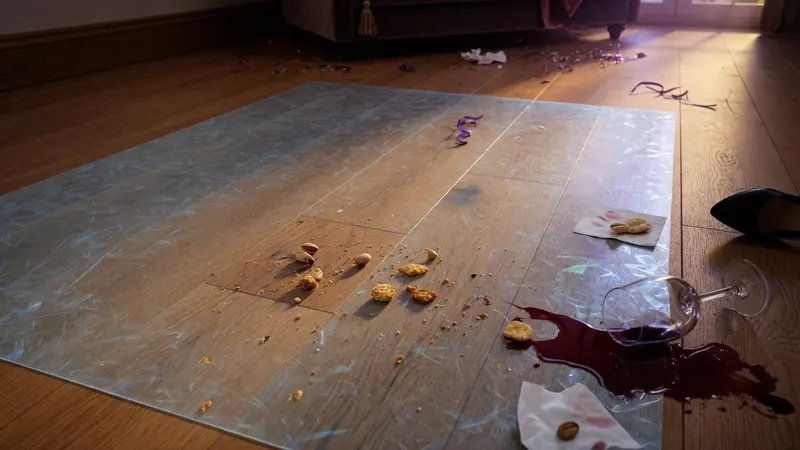
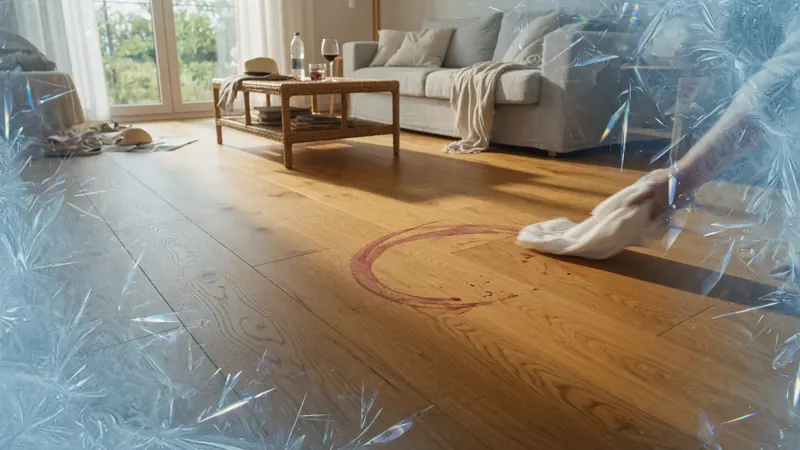
You watch the last box slide across the new prefinished hardwood and hold your breath. A corner catches on a seam, leaving a faint white line that fades after a minute. The family settles in, and within weeks the site-finished oak in the hallway already shows the difference. If you have ever wondered what actually happens in the six months after the movers leave, the answer lies in how each finish was applied and what protects it from there.

Visible Wear That Tells a Deeper Story
Walk through any home where contractors rushed the final coat and you see haze forming near the windows first. Sun-bleaching creeps in because the factory prefinished boards received their UV-cured cross-linked polymer layer under controlled conditions, while the site-finished hallway relied on ambient temperature and humidity the day the finish went down. The difference shows up not as dramatic failure but as a slow loss of clarity that makes the floor look tired long before the wood itself is compromised.
One field observation from a three-year-old townhouse: the prefinished living room still looked crisp after two toddlers and a Labrador, while the site-finished dining area needed a light screen and recoat at year four. The homeowner had assumed both would age the same. They did not, because the wear layer thickness and cure quality differed from the start. Another callback came from a suburban remodel where the installer had worked during a humid stretch; the site-finished section developed a milky cast along the baseboards that no amount of buffing could lift.
During a hot, dry week the wood contracts slightly and the finish must stretch without splitting. In that moment the prefinished boards kept their surface intact while the site-finished ones showed hairline checks that collected dust. What you notice first is the change in how light moves across the boards, not any structural shift. That quiet shift is the first sign the invisible protection is working unevenly. A third observation from a coastal cottage showed prefinished boards resisting salt-air haze for seven years while a site-finished patch installed in winter developed micro-cracks within eighteen months.
Real-World Stress Tests
Busy Kitchen with Daily Foot Traffic
In a home where three adults and two dogs cross the same twenty feet of flooring every morning, the prefinished boards near the sink stayed uniform while the site-finished section developed micro-scratches that caught light at certain angles. The difference came down to how the cross-linked polymer layer resisted abrasion under constant movement. Site-finished applications can vary by installer technique; one thin spot and the surface begins to telegraph every scuff. After eighteen months the prefinished kitchen still looked new enough that guests assumed it had just been installed. The homeowner tracked the wear with dated photos and noticed the site-finished area near the stove began to haze first, right where grease and paw prints overlapped most often. Over time those small marks turned into a map of daily routes that no cleaner could erase completely. The prefinished boards, by contrast, held their original sheen because the factory UV-cured cross-linked polymer layer had been applied at a consistent thickness that distributed the daily load evenly. Field notes from similar kitchens show that when the wear layer starts at a known depth, even heavy traffic leaves the surface looking cared for rather than broken in. One installer recalled a similar kitchen where site-finished boards near the fridge needed touch-up coats twice in five years while the prefinished path never required intervention beyond routine sweeping.
Rental Turnover Between Tenants
A landlord client once called after the third tenant in four years. The prefinished bedrooms required only a thorough cleaning between moves, but the site-finished living room showed chair-leg marks and faint staining from a spilled plant. Because the wear layer had been factory-controlled, it maintained its coefficient of friction and resisted embedding dirt. The site-finished boards, applied during a humid week, never reached the same cross-link density, so everyday cleaning slowly dulled the surface. The landlord now specifies prefinished boards with an added UV-stable topcoat for all new units. Between the second and third tenant the site-finished section needed an extra pass with a screen to restore even reflection, while the prefinished rooms looked untouched beyond normal sweeping. That pattern repeated across three different properties, teaching the owner that consistent factory cure beats variable job-site conditions every time a lease turns over. In one unit the site-finished floor collected pet hair in fine scratches that required professional intervention before the next family arrived.
Sunlit Family Room with Pets
A south-facing room with two cats and a sliding door sees constant UV and claw traffic. The prefinished floor held its color because the factory UV-cured cross-linked polymer layer contained stabilizers that slowed fading. The site-finished border, recoated on site two years later, began to show lighter patches where afternoon sun hit hardest. The owner noticed the contrast most on cloudy days when the difference in sheen became obvious. What actually happens during a hot, dry week is that wood moisture drops and the finish must flex without cracking; the prefinished boards managed that cycle better because their cure was consistent. Over five years the cats' favorite path across the prefinished area stayed smooth while the site-finished edge collected tiny claw impressions that caught dust at sunrise. The owner kept a simple log of cleaning days and realized the prefinished boards needed half the maintenance passes to stay presentable. A follow-up visit two years later confirmed the prefinished surface still reflected light evenly while the site-finished patch had developed a noticeable dull band along the wall.
Contractor Renovation with Heavy Equipment
During a kitchen expansion the crew rolled tool chests and sawhorses across both prefinished and site-finished zones for six weeks. The prefinished hallway emerged with only superficial scuffs that buffed away, while the site-finished dining extension developed deeper grooves where the wear layer had cured thinner near the doorway. The contractor noted that dust from cutting settled into those grooves and became impossible to lift without refinishing. After the job the homeowner walked the rooms in socks and felt the prefinished surface remain smooth underfoot, a small but telling sign the cross-linked polymer layer had absorbed the abuse without letting grit embed. That single project shifted how the contractor now recommends flooring for future remodels. The deeper grooves in the site-finished area later collected food crumbs that proved difficult to remove even with thorough vacuuming.
Home Office with Constant Chair Movement
With more people working from home the rolling office chair has become a daily test. In one converted dining room the prefinished boards under the desk retained their even finish after two years of constant movement while the site-finished section developed a noticeable traffic pattern of fine lines radiating from the chair base. The cross-linked polymer layer on the prefinished boards distributed the repeated point loads without telegraphing wear. Site-finished areas showed variation because the final coat thickness depended on the installer’s last pass with the applicator. The homeowner added a simple area rug after noticing the difference and later reported the prefinished zone still looked uniform while the site-finished patch required a maintenance coat at year three. This scenario highlights how remote-work routines accelerate wear in ways that were less common five years ago.
The Guardian's Test: What Cross-Linking Really Means
Here is what is happening at the molecular level while you are just living your life. When the finish cures, polymer chains link together like a net. A well-cross-linked wear layer creates a tighter mesh that resists penetration from spills or grit. Site-finished jobs sometimes cure unevenly if the room was too cool or the coats were applied too thick. The result is a looser net that lets small abrasions reach deeper. That is the cross-linked polymer layer doing its job. Quietly. In humid months the wood swells and the finish must give without peeling; factory-controlled cross-linking gives the mesh more give while staying intact. ASTM D4060 Taber testing confirms that consistent cross-link density improves abrasion resistance across repeated cycles.
Prefinished Versus Site-Finished Durability Tradeoffs
Prefinished hardwood arrives with a consistent wear layer already cured under ideal factory conditions, often meeting or exceeding ASTM D4060 Taber abrasion standards right out of the box. Site-finished floors can achieve similar performance, yet the outcome depends on installer skill, ambient conditions, and the number of coats applied. One lesson learned after callbacks: even skilled finishers occasionally leave a low spot near a vent where the UV-stable topcoat ends up thinner, and that single area fails first under chair traffic. If you've got a dog and a toddler under five, here is what actually matters: the prefinished route gives you a known thickness of protection from day one. Site-finished offers the chance to tailor the finish system, but it also introduces variables that can shorten the time before the surface needs attention. Neither option is magic. Both benefit from felt pads on furniture and occasional mats at entry points.
Professional humility matters here. Early in my career I assumed site-finished always allowed thicker build coats and therefore better long-term durability. Real jobs showed otherwise. Factory-controlled prefinished boards with a quality wear layer frequently outlasted site-finished floors in high-traffic areas because the cure was never compromised by weather or dust. The same boards that looked identical at installation diverged visibly by year three, proving that the invisible cure conditions matter more than the visible number of coats. Wood hardness decreases as moisture content rises, reminding us that finishes protect only the surface.
Care Habits That Extend the Hidden Protection
- Sweep or vacuum grit daily before it becomes embedded.
- Use pH-neutral cleaners only; harsh chemicals can soften even a strong cross-linked polymer layer.
- Place mats at exterior doors and refresh them when they collect sand.
- Check chair legs every six months for worn pads.
These steps do not replace the finish; they simply keep the wear layer from facing unnecessary stress. In one home the owner added a weekly microfiber pass and the prefinished kitchen still showed no haze at year seven. Another household learned that replacing felt pads quarterly prevented the kind of concentrated wear that appears under dining chairs after repeated moves.
What Your Floor Will Look Like in Five Years
Picture the same living room five years from now. The prefinished boards still reflect light evenly because the UV-cured cross-linked polymer layer slowed both abrasion and color shift. The site-finished hallway may need a maintenance coat, yet the underlying wood remains sound. The peace of mind comes from knowing which surface received consistent factory protection and which one depended on conditions the day the finish went down. That is the hidden guardian at work. The moving-day mark you noticed at the beginning? It buffed out with a light pass because the cross-linked polymer layer had enough depth to absorb the scuff without reaching the stain.
Why the Invisible Layer Matters Most
Wood hardness decreases as moisture content rises, so any finish can only guard the surface, not the structure beneath. The wear layer absorbs the daily hits so the wood itself stays untouched. That distinction keeps expectations realistic and explains why some floors still look fresh at year ten while others do not. The moving-day mark you noticed at the beginning? It buffed out with a light pass because the cross-linked polymer layer had enough depth to absorb the scuff without reaching the stain. The floor kept its quiet appearance, and the family continued living on it without another thought.
What will the same boards look like after another decade of holidays, pets, and everyday life? The prefinished path shows the answer already written in even reflection and easy cleaning. See what is still protecting your own floor today.