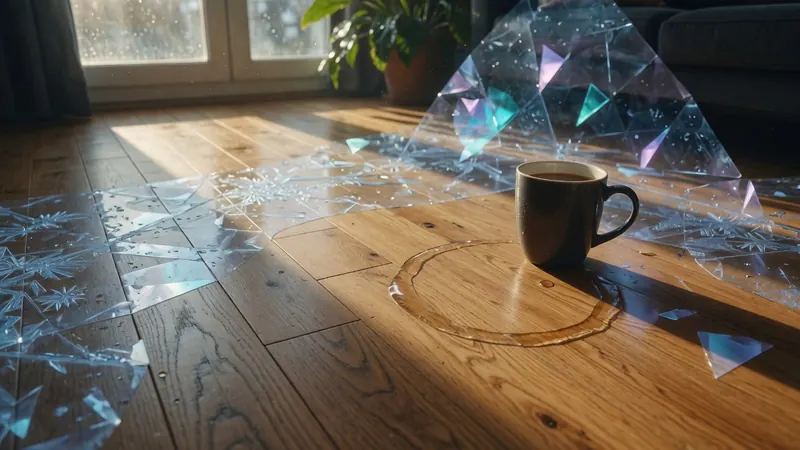
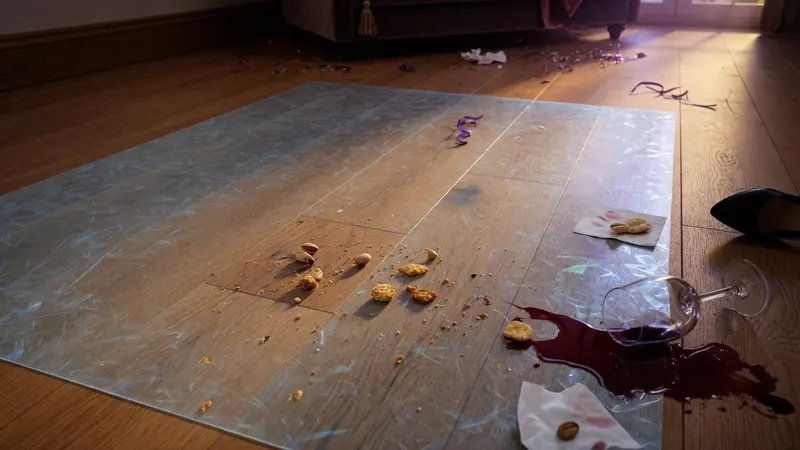
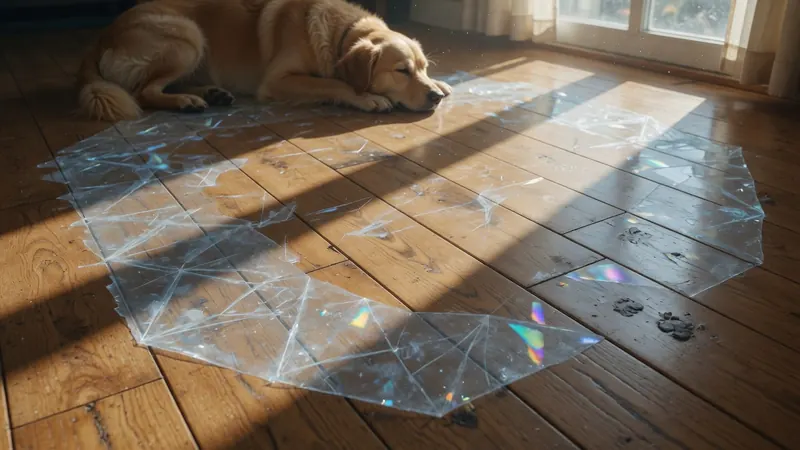
Two years after moving into the house, the homeowners noticed something odd in the living room. The south-facing windows let in strong afternoon sun, and a rectangular section of the oak floor had begun to look lighter than the rest. Not dramatically, just enough that the dining table left a shadow where the wood still held its original tone. They had chosen the flooring for its warm grain and assumed any finish would handle daily life. What they had not considered was how light itself works on wood over time. What actually happens when the sun hits the same boards day after day, season after season?
What Sunlight Does to the Surface
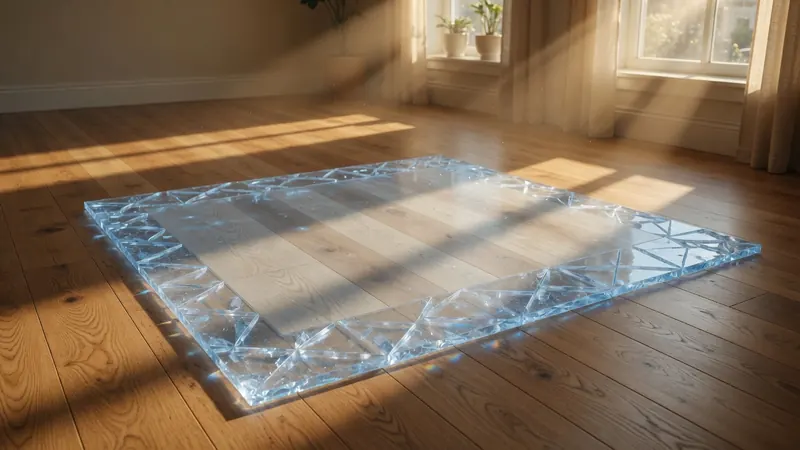
Ultraviolet rays break down lignin, the natural compound that gives wood its color and strength. The result is gradual bleaching that starts at the surface and works inward. You see it first as a hazy tone shift, then as uneven patches where furniture once sat. UV-stable topcoat is the layer designed to interrupt that process before it reaches the wood itself. Without it, even dense species like oak or maple lose their depth within a few seasons of direct exposure. In one callback three years after installation, the boards under a large window showed clear grain-line washout while the area beneath a heavy buffet remained untouched, proving the damage travels only where light reaches.
Moisture content in the boards also plays a role. Wood hardness decreases as moisture rises, and summer humidity combined with intense light accelerates surface wear. The finish cannot stop bulk water from reaching the core of the board, but it can limit the surface-level haze and color loss that make a floor look older than it is. During a hot, dry week the UV-stable topcoat flexes just enough to stay intact while the boards contract slightly beneath it; in a humid month the same layer keeps excess moisture from softening the surface long enough for light to etch deeper marks. That brief window of vulnerability is what the finish guards against every single day. A second observation from the same home showed how the finish held its clarity even after a week of 80-percent humidity followed by blazing sun, because the stabilizers had already converted the high-energy rays into harmless warmth.
Over five years the contrast becomes unmistakable. Boards that began uniform now read as two separate floors depending on the hour. The wear layer, even where the color had faded, stayed sound, yet the visible change forced an earlier maintenance cycle than planned. This is the pattern repeated across dozens of jobs: light does not destroy the board, but it erases the warmth that made the floor feel like home.
Real-World Stress Tests
The Sunroom That Stayed Open All Year
A client in a coastal town installed new white oak in a three-season sunroom five years ago. The space had floor-to-ceiling glass on two sides and no window coverings during the day. After the first winter the finish still looked tight, but by year three the boards nearest the south glass had developed a noticeable washout along the grain lines. The owner added sheer curtains, yet the change was already visible. When we returned to recoat, the wear layer remained intact even where the top surface had faded. The original finish had absorbed the UV hit so the wood itself stayed sound. We applied a fresh UV-stable topcoat and the color evened out without sanding to bare wood. That room now receives quarterly inspections, and the floor has held its tone through two more summers. The couple who owns the home keeps a small notebook by the door listing every maintenance coat date; they say the habit started after seeing how quickly the first fade appeared and how little work the second coat required. Even the dog’s daily path across the brightest corner has left no extra scuffing because the UV-stable topcoat continues to intercept the light load before it reaches the wood cells. What began as a worry about resale value turned into simple relief that the floor still matches the adjoining rooms when guests visit in late afternoon light. The same couple later added a low-pile runner only in the brightest aisle, cutting direct exposure by half without darkening the space.
Between Tenants in a Window-Wall Apartment
A rental property with a full wall of west-facing glass changed hands three times in four years. Each tenant moved in with the usual mix of rugs, plants, and pets. After the second turnover the landlord noticed the floor looked patchy under the afternoon light. The previous finish had been a standard oil-modified urethane without added stabilizers. Light had penetrated enough to create a mottled appearance across the main living area. We recommended switching to a system built around a cross-linked polymer layer with UV absorbers. The new application went on over the existing wear layer after light screening. Two tenant cycles later the floor still reads as consistent even when the sun is low and strong. The landlord now budgets for an annual check rather than full refinishing between leases. One former tenant left behind a heavy desk that sat in the brightest corner for eight months; when it was moved the protected wood underneath matched the surrounding boards almost exactly because the UV-stable topcoat had done its steady work. The new renters received a short note explaining the yearly check-up, and none have reported concerns about color change since. The property manager noted that turnover cleaning costs dropped because the surface no longer required aggressive scrubbing to hide the patchy tone.
The Home Office With Western Exposure
During the rise of remote work, one couple converted a spare bedroom into a shared workspace. The room had a single large window that caught direct sun from mid-afternoon onward. Within eighteen months the desk area showed clear fading where the monitor stand had sat. They had chosen a matte finish for its low sheen, not realizing matte products sometimes carry fewer UV blockers. After seeing the contrast with the protected wood under the desk legs, they asked what could be done without starting over. We applied a maintenance coat formulated with additional stabilizers. The UV-stable topcoat bonded to the existing surface and restored uniformity. Three years later the office floor still matches the rest of the house, and the couple now keeps a simple roller shade half-drawn during peak hours. They also rotate the desk ninety degrees every six months so the legs never rest on the same boards. That small habit, combined with the refreshed wear layer, has kept the entire room looking intentional even after long days of sunlight and constant chair movement. A follow-up visit showed the finish still released light scuffs with a damp cloth because the cross-linking remained flexible.
The South-Facing Kitchen That Hosts Weekly Gatherings
A family with two young children and a large dog turned their south-facing kitchen into the center of weekend life. Morning light poured across the oak planks for hours while breakfasts, homework sessions, and evening meals happened on top of them. Within four years the area in front of the sink had lost depth while the corners under cabinets stayed rich. The original contractor had used a standard satin product chosen mainly for easy cleaning rather than light resistance. We returned after the latest family gathering left visible contrast lines where the table usually stood. A light screening followed by a new UV-stable topcoat brought the surface back into balance. The cross-linked polymer layer now in place has already handled two more summers of direct exposure plus countless spills and paw prints without showing the earlier haze. The parents say the kitchen no longer feels like two different rooms depending on the time of day, and they have started keeping a simple doormat at the back door to cut down on tracked grit that could combine with UV stress. The finish now shows only the normal patina of daily use rather than the sharp line where sunlight once stopped at the table edge.
The Family Room With Skylights in a New Build
A young family moved into a new construction home featuring four large skylights over the main living area. Within two years the oak floor beneath the skylights had developed a noticeably lighter halo compared with the perimeter. The builder had applied a basic water-based finish selected for low VOCs, not for prolonged UV exposure. When we arrived, the wear layer was still fully intact, yet the color shift made the room feel divided. We applied a maintenance coat containing extra UV absorbers directly over the existing surface. Two years later the skylight zones match the rest of the floor, and the parents report that seasonal rug rotation plus the new UV-stable topcoat has eliminated further contrast. The family dog’s favorite sunny patch no longer shows accelerated dulling, because the stabilizers convert the intense overhead light before it reaches the lignin. The homeowners now schedule a quick inspection each spring rather than waiting for visible change.
The Guardian's Test: UV Stabilizers at Work
Here is what actually happens at the molecular level while you are just living your life. UV stabilizers in the finish absorb high-energy light and convert it into harmless heat before it can break the chemical bonds in the wood. The same cross-linked polymer layer holds those stabilizers in place even under foot traffic. That is the wear layer doing its job. Quietly. Field crews notice the difference most clearly on the second or third maintenance coat, when the original surface still releases cleanly instead of requiring aggressive sanding.
Why Some Finishes Hold Up Better
Not every product carries the same level of light protection. ASTM testing for lightfastness shows measurable differences between formulas after accelerated exposure. In field work we have seen that products marketed as “natural look” sometimes trade UV resistance for clarity. One job years ago used a low-VOC finish without extra stabilizers on a sunroom floor; the color shift appeared within two seasons and required earlier recoating than expected. That experience shifted how we evaluate product data sheets. Durability now means both abrasion resistance and the ability to stay stable under light. If you have a dog and a toddler under five, here is what actually matters: the finish must handle claws and spills while also limiting color change in bright rooms. A single product rarely solves every threat, which is why we often pair a robust wear layer with simple habits like seasonal rug rotation.
Practical Steps That Actually Help
- Rotate area rugs every six months so no single section receives constant direct light.
- Use felt pads under furniture legs and check them quarterly; a small abrasion combined with UV exposure speeds up surface dulling.
- Keep interior humidity between 35 and 55 percent to limit the moisture swings that make wood more vulnerable to surface damage.
- Schedule a maintenance coat when the surface begins to show haze rather than waiting for visible wear-through.
These steps do not replace the finish; they reduce the load it carries. One lesson from the field is that floors which still look consistent at year ten share a common trait: the original finish was chosen for its protective chemistry, not just its appearance on day one. Homeowners who treat the UV-stable topcoat as an active system rather than a set-it-and-forget-it layer see the longest intervals between full refinishes.
Field Observations on Sun Exposure
Over twenty years of callbacks, the clearest pattern is that homes with consistent maintenance coats every three to five years rarely need full sanding even in high-sun rooms. The cross-linked polymer layer builds thickness that absorbs minor traffic while the stabilizers do the chemical work. One homeowner who ignored the first haze warning waited until the color difference became dramatic; the recoat then required extra screening to blend the edges. Another client rotated rugs religiously and kept humidity steady; ten years later the floor still looked uniform under the same windows that had bleached a neighbor’s boards in half the time. These observations reinforce that the finish performs best when paired with simple awareness rather than heroic expectations.
Looking Ahead: Your Floor in Five Years
What actually happens in the six months after the movers leave is rarely dramatic. The changes accumulate slowly until one bright afternoon you notice the difference. A finish built around a UV-stable topcoat does not stop every ray, but it slows the visible effects enough that the floor still looks intentional years later. The real product is the peace of mind that comes from knowing the surface is being protected even when you are not thinking about it. Picture your own floor five or ten years from now. The light will still move across it every afternoon. Will the surface still read as one continuous plane or begin to show where the sun has been? See what is protecting your floor today.