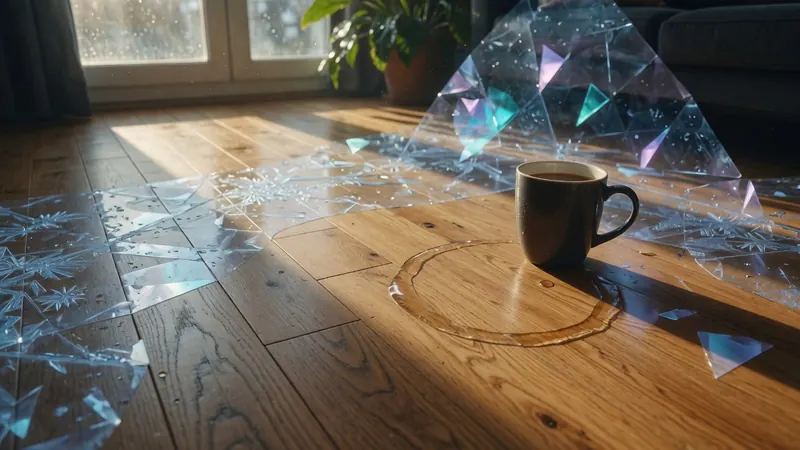
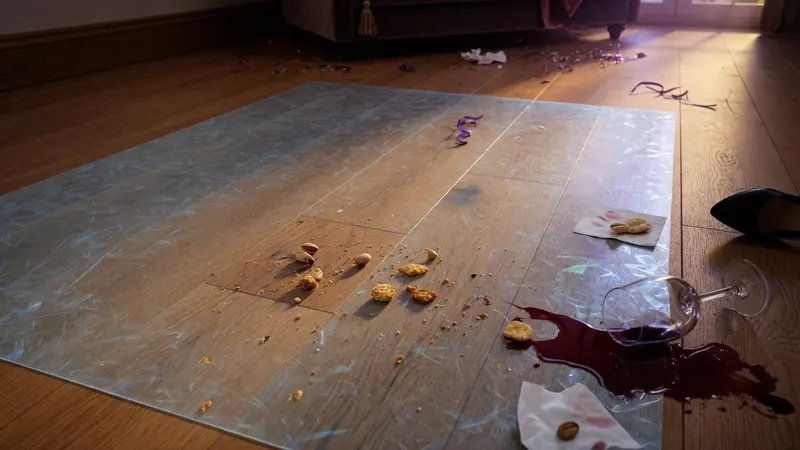
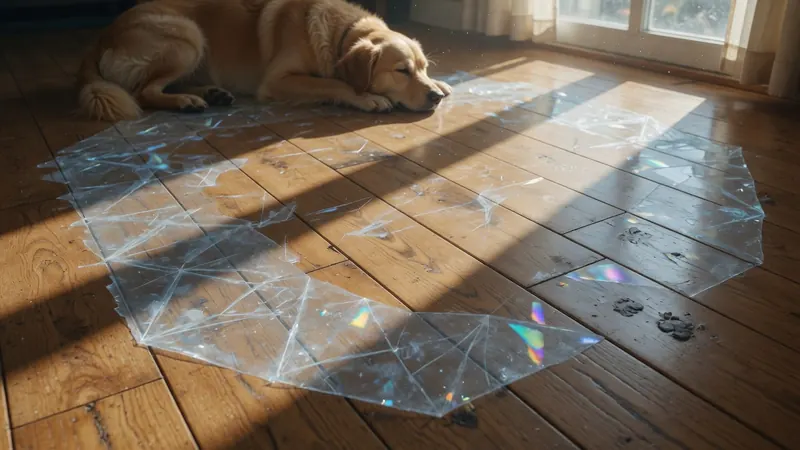
You notice it the morning after the kids and their friends have turned the living room into a makeshift fort. The floor looks mostly fine until the light hits it from the side, and then you see the faint haze where dozens of sock feet and one enthusiastic dog have passed. A few small scuffs near the doorway catch the eye, and one patch by the coffee table shows the start of a dull spot. These are the first signs your floor finish is wearing out, and they arrive long before any real damage reaches the wood itself. Most of them trace back to a handful of everyday floor care habits that quietly ruin finishes years before their time — and almost nobody connects the two until the damage is done.
Reading the Surface Before It Tells the Whole Story
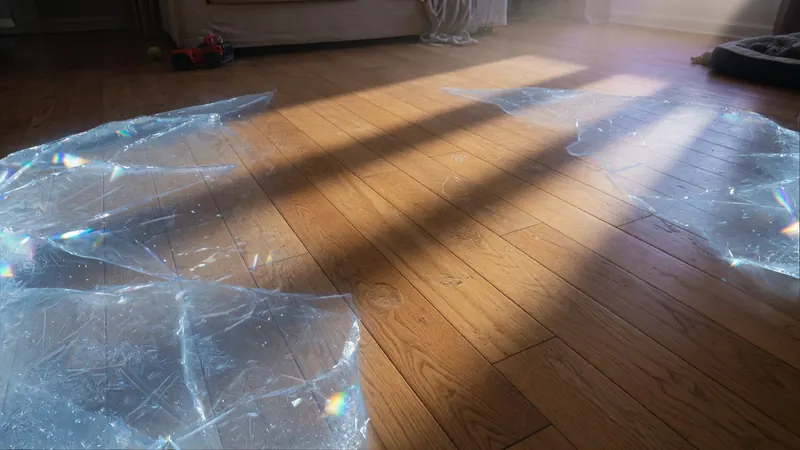
Most homeowners catch these changes only when they slow down. The finish begins to lose its even sheen in high-traffic paths. Light scuffs that once wiped away now leave a ghost trail. Spills that used to bead up start to leave a faint ring if left for more than a few minutes. If you've got a dog and a toddler under five, here's what actually matters: the finish is the only thing standing between daily life and the wood grain.
- Loss of gloss in walkways and play areas
- Scuffs that no longer respond to a damp cloth
- Color that looks slightly uneven under strong daylight
- Edges near baseboards showing extra wear from cleaning tools
What does the next year look like for a floor that never gets a day off? The wear layer takes the first hits from grit tracked inside and the constant pressure of furniture legs. Over time those micro-abrasions add up. A second set of signs appears when the wear layer no longer reflects light evenly across an entire room. You begin to notice that one corner still catches the afternoon sun brightly while the center path looks matte. That difference tells you the wear layer has thinned unevenly rather than failed all at once.
How the Invisible Layer Actually Works
The cross-linked polymer layer sits on top of the wood and bonds tightly during curing. Every footstep, every dropped toy, every paw lands on this layer instead of the surface below. When the wear layer begins to thin, the protection does not vanish overnight. It simply becomes less able to absorb the next round of traffic. That's the wear layer doing its job. Quietly. The cross-linked polymer layer continues to shield the wood even as its own surface grows slightly rougher to the touch.
Consider what happens during a hot, dry week versus a humid month. In dry air the wood contracts slightly and the cross-linked polymer layer must flex without cracking. In humid weeks the wood expands and the same layer stretches. The finish that holds through both extremes is doing far more than looking smooth. Field observations from homes revisited after five years show that finishes without adequate cross-linking begin to develop hairline checks along board edges during those seasonal swings, while properly formulated layers remain continuous.
Real-World Stress Tests
A Rental Property Between Tenants
Between tenants the floor sees the worst kind of traffic: boxes dragged across the surface, furniture shifted in a hurry, and cleaning crews working fast with stiff brooms. In one two-bedroom rental the previous finish had lasted four years under a young couple with no pets. After the next tenant moved out with a large dog, the wear layer showed clear paths from the front door to the kitchen within eighteen months. The wood itself remained sound because the cross-linked polymer layer had taken the abrasion, but the surface now needed attention before new renters arrived. The owner learned that short-term leases accelerate wear faster than full-time families because the floor never gets a break between moves. A follow-up visit revealed that the wear layer had worn through to bare wood in two spots where the dog had repeatedly turned sharply near the sofa. The rest of the floor still held because the cross-linked polymer layer had distributed the remaining stress across a wider area. That distribution is why the owner could refinish only the high-wear zones rather than the entire unit. The lesson stayed with the property manager: when turnover is frequent, choosing a finish with a thicker initial wear layer buys time between costly full restorations.
A Busy Kitchen in a Work-From-Home Household
Since more people began working from home, kitchen floors have become the new hallway. One couple reported that their oak floor looked brand new at year one but started showing traffic patterns by year three. The daily route from the coffee maker to the desk and back created a visible lane. The UV-stable topcoat still prevented fading from the south-facing window, yet the constant foot traffic had begun to polish the wear layer smooth in spots. They added felt pads to every chair and a washable runner by the sink. The floor improved noticeably, but the couple now checks the finish every spring instead of assuming it will last forever. During a recent callback the husband mentioned that their new habit of vacuuming twice weekly had slowed the rate of new scuffs. The cross-linked polymer layer still felt intact underfoot, yet the once-bright sheen had dulled along the main path. This gradual change is typical in households where remote work keeps the same route active all day rather than only during morning and evening peaks. The couple decided to apply a maintenance coat of the same product rather than wait for visible wood exposure. No fanfare. Just a finish quietly holding the lane.
A Sunroom That Faces West
Sunrooms test finishes in a different way. Afternoon light pours across the floor for hours, and temperature swings are extreme. In one case the original finish had been applied without extra UV protection. Within five years the surface developed a hazy film that no cleaning product removed. The wood underneath stayed stable, but the wear layer had lost its clarity. Replacing it with a finish that included stronger UV stabilizers restored the even appearance. The homeowner now keeps the blinds partially closed during peak sun hours, a small habit that extends the life of the new cross-linked polymer layer. A follow-up inspection two years later showed the new UV-stable topcoat had retained its clarity even though the room temperature still climbed above ninety degrees most afternoons. The difference came from the stabilizers that absorbed UV energy before it could break polymer bonds in the wear layer. Without those additives the earlier finish had oxidized into a chalky surface that scattered light instead of reflecting it. The homeowner's simple adjustment of the blinds reduced peak UV exposure enough to keep the new layer performing longer than expected.
A Guardian's Test: What the Taber Abrasion Test Actually Measures
The ASTM D4060 Taber test runs a weighted wheel across a sample finish thousands of times. It does not simulate humidity changes or real spills, yet it gives a consistent number for how much material the wear layer can lose before the wood shows through. Think of it as a standardized way to compare how different formulas stand up to grit under controlled conditions. The test does not predict every home, but it explains why some finishes stay clear for years while others haze quickly under the same family. Manufacturers publish these numbers so contractors can match expected traffic levels to the right product. In practice the numbers help explain callbacks that occur when a lower-rated finish is used in a high-traffic rental versus a single-family home.
The Care Habits That Ruin Finishes — and the Ones That Protect Them
Which brings us to the habits themselves, because most finishes don't fail on their own — they're ruined early by routine. Steam mops that force vapor into seams. Vinegar solutions that slowly haze the sheen. Grit left to grind under daily foot traffic. Furniture dragged “just this once.” Those are the floor care habits that ruin finishes in home after home I visit. The good news is the opposite list is short. No finish replaces good habits. Sweep or vacuum before grit becomes embedded. Place mats at every exterior door. Lift furniture instead of dragging it. These steps do not make the cross-linked polymer layer stronger, but they reduce the number of times it must prove its strength. When choosing a new finish, ask how many wear layers the product builds and whether the topcoat includes UV stabilizers. Those details matter more than marketing claims about hardness. Homeowners who follow these routines often extend the interval between refinishing by two or three years. The wear layer simply has fewer opportunities to thin when daily maintenance removes the abrasive particles before they can embed.
One Lesson From the Field
Early in my career I assumed a thicker coat always meant longer life. After revisiting a job five years later, I saw that the thick finish had cracked in the places where the wood moved most. The thinner, more flexible cross-linked polymer layer on a neighboring floor had stayed intact. What separates a floor that looks fine at year one from one that still looks fine at year ten is often flexibility rather than thickness. The best finishes absorb movement instead of fighting it. That observation changed how I recommend products for homes with radiant heat or wide plank floors that expand and contract more than narrow strips.
Where the Finish Stops and the Wood Begins
Remember that even the strongest wear layer cannot stop moisture from moving through the boards themselves. Cupping or buckling comes from the core construction and the subfloor, not from anything the finish can control. Its job stays on the surface: resisting scratches, scuffs, stains, and gradual loss of clarity. When those surface signs appear, the wood underneath is usually still safe. The cross-linked polymer layer continues to guard against the next spill or paw print while the homeowner decides whether refinishing is needed.
Looking Five Years Ahead
Picture your own floor at the end of the decade. Will the finish still return light evenly across the room, or will certain paths have gone dull? The answer depends less on any single product and more on whether the wear layer was allowed to do its work without constant extra stress. If the signs of wear are already visible, the floor is simply asking for attention before the next round of daily life begins. The living room that hosted the fort will continue to host forts, school projects, and holiday gatherings. The question is whether the cross-linked polymer layer is still thick enough to absorb those moments without letting them reach the wood.
The Real Product Is the Quiet You Stop Noticing
The best protection is the kind you forget is there. When the cross-linked polymer layer is doing its job, you stop thinking about the floor and simply live on it. That is the peace of mind worth protecting. See what's protecting your floor today and decide whether it is still earning its place beneath your feet. The haze that appeared after the fort has not returned because the wear layer continues to take the hits the family no longer notices.