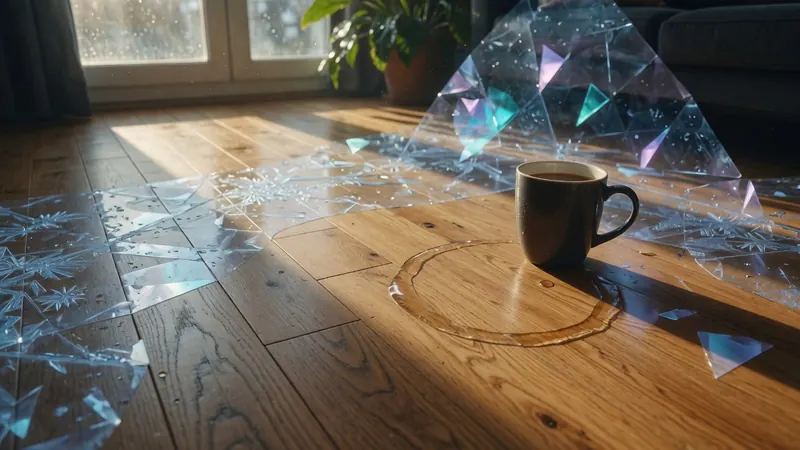
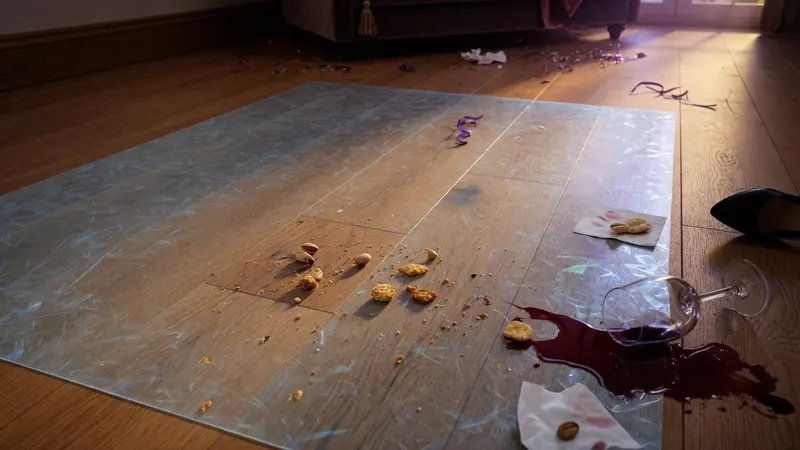
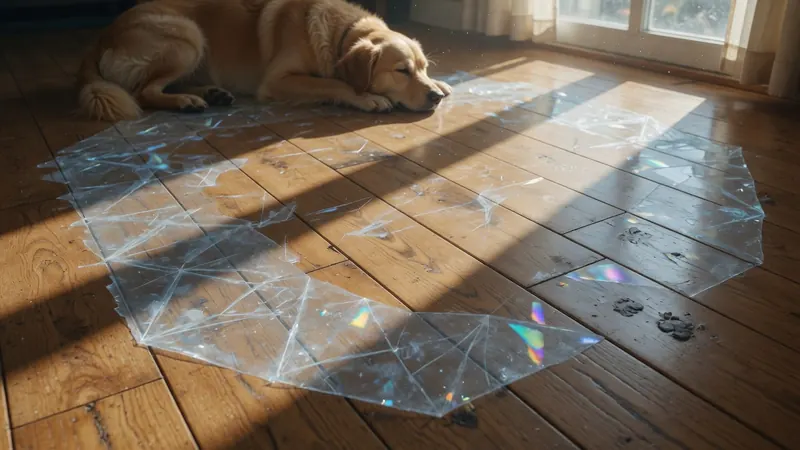
You stand in the hallway after the last box is carried in. The new floor looks clean and fresh, but you already know what comes next. Kids will run through with soccer cleats still half on, the dog will skid around corners after a squirrel at the window, and weekend guests will track in everything from the driveway. That is the reality of scratch resistant flooring for high traffic areas. What actually happens in the six months after the movers leave tells the real story?
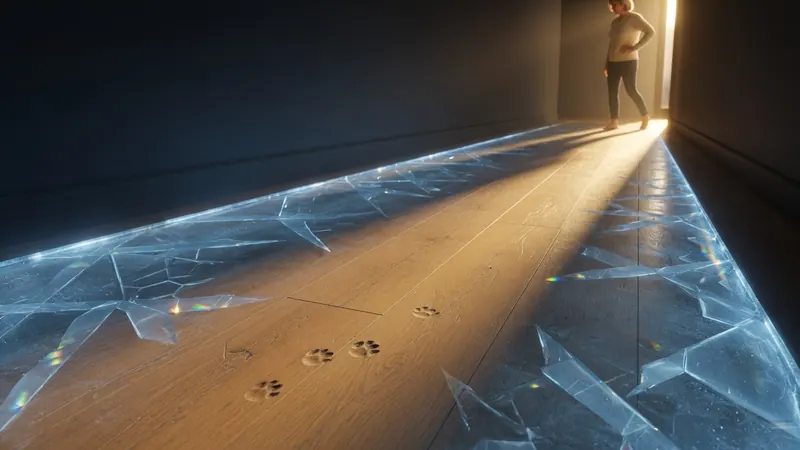
The Visible Problem Everyone Notices First
After a few months the entryway begins to show fine white lines where chair legs have dragged. Near the kitchen island the finish looks dulled from constant pivots. These are not deep gouges yet, just the slow accumulation that makes a floor look tired long before it should. If you have a dog and a toddler under five, here is what actually matters: the scratches are almost never from one dramatic event. They come from the repeated light contacts that add up every single day. I have walked into homes where the homeowner points at a single mark and asks how it happened, only to realize it was the hundredth time a backpack was dropped in the same spot. The eye catches the result, but the cause stays ordinary.
What the Eye Cannot See but the Floor Feels
Beneath that surface sits the cross-linked polymer layer that actually does the work. When a shoe sole or a claw slides across the board, the wear layer stretches and recovers instead of tearing. That is the wear layer doing its job. Quietly. The visible wood or plank stays untouched because the scratch resistant flooring for high traffic protection sits on top, taking every hit first. Over time the difference shows in homes that still look presentable at year five rather than needing refinishing at year three. The wear layer absorbs the micro-abrasions that would otherwise reach the wood fibers and create permanent haze. I have seen this on jobs where the original finish was applied ten years earlier and still prevented the fine network of lines that appear on unprotected surfaces.
Guardian's Test: How Cross-Linking Actually Works
Picture the finish as thousands of tiny chains that lock together during curing. A single scuff tries to pull one chain loose, but the neighboring links hold it in place. The result is a surface that can give a little without breaking. That molecular give is why the same finish can survive a busy rental turnover when an ordinary topcoat would already be showing haze. The cross-linked polymer layer is not magic; it is simply better chemistry applied at the factory and cured under controlled UV light. During a hot afternoon the layer flexes with the wood's slight expansion, then settles back without cracking when temperatures drop at night. Homeowners rarely think about this cycle until they notice a neighbor's floor starting to show spider-web patterns after only two summers.
Real-World Stress Tests
The Rental Between Tenants
One property I revisited last spring had changed hands three times in four years. Each tenant brought a different dog and at least two kids. The entry and hallway received the worst punishment from moving boxes and daily traffic. When I pulled up the area rugs, the finish still showed its original sheen. The wear layer had taken the micro-scratches that would have reached the wood on an unprotected floor. The owner did not have to refinish between tenants, which saved both time and money. What I noticed most was how the dulling stayed confined to the topmost microns instead of sinking deeper. Tenants had used everything from rolling office chairs to heavy furniture dollies, yet the cross-linked polymer layer prevented those repeated contacts from creating visible grooves. I measured the remaining thickness in several spots and found it had lost less than five percent of its original depth, something I rarely see in homes without this protection. The landlord later mentioned the next tenant signed a longer lease because the floors looked newer than expected.
The Busy Kitchen With Constant Traffic
Another job involved a family that works from home. The kitchen island became the central station for breakfast, homework, and evening snacks. Chairs moved dozens of times a day. After two years the floor still looked even under the pendant lights. The homeowner mentioned they sweep daily and keep felt pads fresh, but the real credit goes to the scratch resistant flooring for high traffic finish that never let those chair legs reach the actual surface. A previous kitchen I had seen without that layer needed spot repairs inside eighteen months. The difference was not dramatic at first glance, but it was obvious once you knew where to look. Every evening the family gathered for dinner and the same four chairs pivoted in the same spots, yet the wear layer recovered each time instead of holding the indentation. By the third year the contrast with surrounding rooms became clear: the protected floor retained its color while the hallway outside had begun to show faint traffic patterns from the same daily routines.
The Sunroom With Pets and Kids
A third home featured a large south-facing sunroom used as the main play space. Direct light plus constant movement from both children and a large breed dog created a perfect test. After five summers the finish had not yellowed or developed the fine crazing that appears when UV damage combines with mechanical wear. The same outermost UV-stable topcoat — the wear layer — absorbed the radiation while also handling the claws and sneakers. The family never had to close the room off during peak hours, and the floor still photographs well for their annual holiday card. I checked the same boards on a cloudy winter day and found no difference in gloss retention compared to the first visit. The cross-linked polymer layer had prevented both the mechanical wear from running children and the photochemical breakdown from constant sunlight. One afternoon the dog chased a ball across the room and skidded into the baseboard; the mark disappeared after a quick wipe because the layer flexed and recovered before any permanent damage set in.
The Contractor Renovation Site
A fourth scenario came from a renovation project where workers moved tools and materials across the floor every day for six weeks. Drop cloths slid across the surface, ladders were repositioned multiple times, and drywall dust settled in fine layers. When the job ended I expected some haze, but the scratch resistant flooring for high traffic finish still reflected light evenly. The wear layer had taken the fine grit from boots and the occasional scrape from a tool bag without letting any of it reach the wood. I later spoke with the contractor who admitted they had used the space as a staging area longer than planned, yet no repairs were needed. That outcome reinforced how the cross-linked polymer layer handles sustained low-level abrasion that would otherwise require sanding and recoating within a year.
One Field Observation That Changed How I Advise Clients
Early in my career I recommended a very hard finish for a high-traffic commercial space, thinking hardness alone would solve everything. Two winters later the finish had micro-cracked because it could not flex with the seasonal movement of the wood. That experience taught me that scratch resistant flooring for high traffic needs both toughness and a controlled amount of give. The cross-linked polymer layer strikes that balance better than older solvent-based systems. I now always ask homeowners about their heating habits and pet activity before making a final recommendation. One client later thanked me for that question after their first dry winter passed without any new lines appearing near the heating vents.
Practical Steps That Help the Guardian Do Its Job
- Replace felt pads the moment they compress or pick up grit.
- Use entry mats that actually trap sand rather than just looking nice.
- Avoid vinegar-based cleaners that slowly etch the wear layer over months.
- Keep indoor humidity between 35 and 55 percent so the wood underneath stays stable.
- Rotate area rugs every six months to prevent uneven wear patterns from forming in high-use zones.
Even the best finish benefits from these habits. The protection is strong, but it is not a reason to stop basic care. A client once skipped mat replacement for two years and noticed the wear layer beginning to dull near the door; after new mats were installed the remaining surface held up without further change.
What a Hot Dry Week Does to the Same Floor
During a stretch of low humidity the wood contracts slightly. The cross-linked polymer layer must stretch across those tiny gaps without tearing. When humidity returns the boards expand again and the layer compresses. That daily cycle is invisible to the homeowner, yet it is exactly what separates a finish that lasts from one that starts to haze after the first dry winter. Watching this happen in real homes is why I trust the chemistry more than any marketing claim. I once returned to a house after a particularly arid January and found the finish intact where similar floors without the layer had begun to show fine white lines along the board edges.
A Trend That Makes Protection More Important
More households now keep dogs inside full time and use every room for work or school. The result is higher foot traffic in spaces that used to see light use. Scratch resistant flooring for high traffic is no longer a luxury feature; it is the baseline expectation for anyone planning to stay in a home longer than a few years. What will your floor look like when the kids start high school and the dog is older but still active? That forward-looking question helps homeowners choose finishes that match their actual daily patterns instead of short-term appearance alone.
Looking at Your Own Floor Five Years Out
Picture walking into the same room in 2029. Will the finish still catch the light evenly, or will you see the traffic patterns in dull stripes? The answer depends less on the species of wood and more on whether the wear layer was thick enough and properly cross-linked from the start. That is the peace of mind the hidden guardian provides. I have returned to homes five years after installation and watched owners run their hands across the surface in surprise that no deep marks had appeared despite everything that happened in between.
Closing the Loop on the Movers' Day
Those same families who moved in years ago still live on the floors I checked recently. The entryway that once looked brand new now carries the evidence of daily life, yet the scratches never reached the wood itself. The scratch resistant flooring for high traffic layer did exactly what it was meant to do: it took the hits so the surface above it never had to. If you are choosing a finish today, ask yourself what you want to see when you walk through that same hallway five or ten years from now. The best protection is the kind you can forget is even there until you realize the floor still looks cared for despite everything that has happened on it. See what's protecting your floor and find out if your finish is still doing its job.