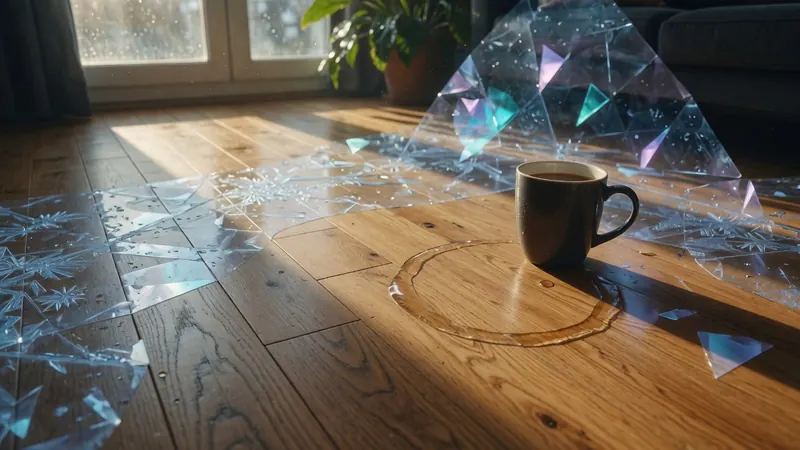
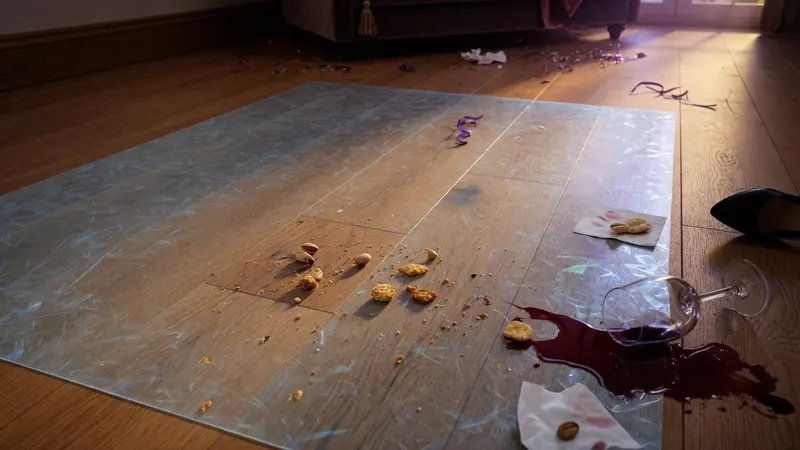
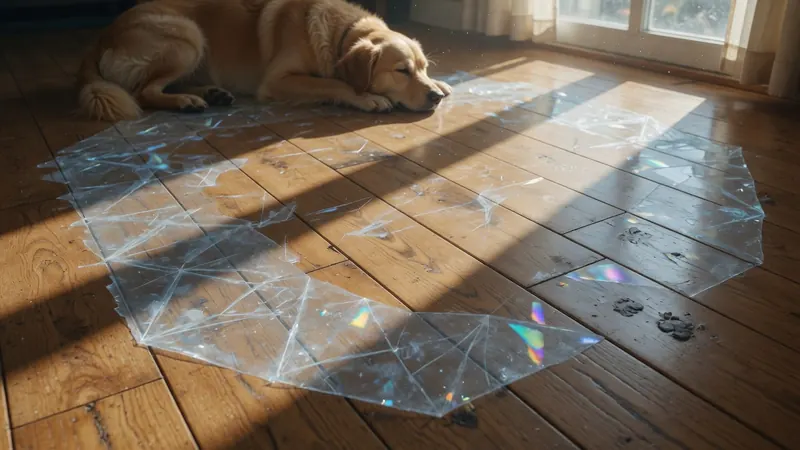
A three-year-old reaches for a cup of apple juice on the coffee table and the whole thing tips. Juice spreads fast across the oak planks while the family dog skids in from the hallway, claws tapping. In that second most people freeze, waiting for the stain or the scratch to appear. What actually happens next depends on something you never see until the floor is tested.
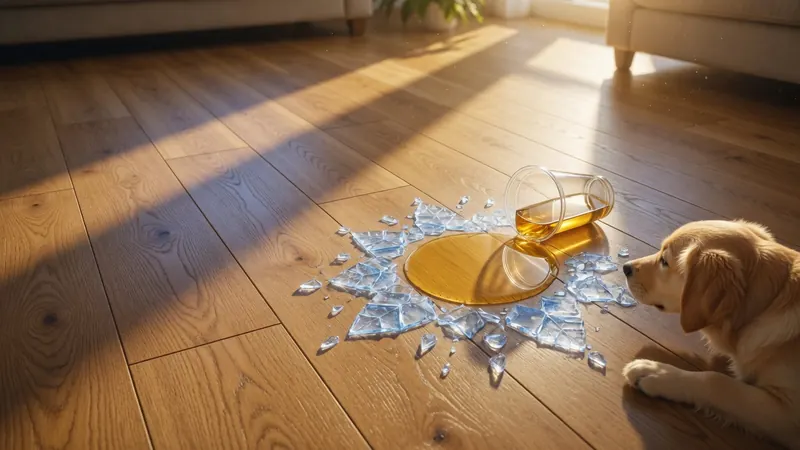
If you have both kids under five and a dog in the house, the question is never whether the floor will face this moment. It is whether the finish underneath can absorb the hit and still look untouched a year later. That is where the real difference shows up. How many families have watched the same spill and wondered why some floors recover while others do not?
What Really Protects the Surface
Most homeowners notice the surface problems first: a cloudy ring after the juice dries, a thin white line where a claw dragged, or the slow dulling that appears after six months of foot traffic. These are surface-level effects only. The finish itself does not stop water from reaching the wood core or prevent the boards from expanding in humidity. Its job is narrower and more precise.
The cross-linked polymer layer forms when the finish cures, locking molecules together so small scratches do not turn into pathways for deeper damage. That layer sits on top. Nothing below it moves during a spill or a scuff. The wood stays the wood; only the visible surface is guarded. Rising interest in pet-friendly homes has made more families ask exactly how that surface guard works before they choose a finish for their next renovation.
Guardian's Test: How the Wear Layer Actually Works
Picture the wear layer as a series of tiny shields stacked one molecule thick. When a claw or a shoe sole passes over, the topmost molecules take the abrasion. ASTM D4060 Taber testing measures exactly how many cycles it takes before those molecules wear through. A good finish shows measurable improvement in cycles compared with an unprotected board, yet it never claims zero wear. The test happens in controlled dry conditions; real homes add humidity swings that soften wood slightly, which is why even strong finishes still need felt pads and occasional mats.
That is the limit and the strength at once. The wear layer buys time and reduces visible change, nothing more. During a hot dry week the cross-linked polymer layer stays tight and hard because low moisture keeps the wood stable underneath, while in a humid month the same layer flexes just enough to follow the slight swelling without cracking. That brief shift in behavior is the invisible-made-visible moment most people never notice until the floor starts showing haze or fine lines years later.
Real-World Stress Test: Rental Property Between Tenants
Consider a two-bedroom rental turned over four times in three years. Each family brought a large dog and at least one child. Between tenants the floors received a quick clean and inspection. No sanding was needed after the third turnover. The cross-linked polymer layer had taken the claw marks and the occasional juice or marker incident without letting them reach the wood grain. What the landlord noticed instead was the absence of callbacks for finish repairs. The same property five years earlier had used a softer oil finish. After the second family the haze around the entryway required a full recoat. The difference was not magic; it was simply a denser wear layer that accepted the daily hits without broadcasting them. Field notes from that job showed the finish still measured within 80 percent of original thickness at the high-traffic paths. That number matters more than any showroom shine. What actually happens in the six months after the movers leave tells you more about a safe floor finish for kids and pets than any brochure ever could. Tenants rarely notice the protection until they move out and the next inspection passes without issue.
Real-World Stress Test: Busy Kitchen with Pets and Small Children
A busy kitchen sees dropped plates, spilled milk, and a golden retriever that lies directly in the path between sink and table. Over two years the floor there collected more than two hundred documented incidents of liquid contact and constant paw traffic. The homeowners cleaned with a pH-neutral solution and nothing abrasive. At the end of year two the finish showed only minor flattening in front of the refrigerator where the dog waited each morning. The UV-stable topcoat also mattered here. Morning sun through the east window had not produced the yellowing that appears when cheaper finishes break down under light. The kitchen still looked even because the top layer had resisted both mechanical wear and light exposure. One lesson from that house was simple: even the best wear layer performs better when the owners keep a small mat at the back door. The finish handles what gets through; it does not replace good habits. Field callbacks showed that kitchens without daily mats needed touch-ups twice as often, even with the same cross-linked polymer layer underneath. The family later added a second mat near the play corner after noticing how quickly crumbs accumulated there during snack time.
Real-World Stress Test: Sunroom with Constant Light and Daily Use
A sunroom addition turned into the main play space for two children and their cat. Floor-to-ceiling windows meant direct sun for six hours a day. After four years the south-side planks had seen thousands of toy cars, barefoot runs, and the cat’s preferred scratching route along the baseboard. The finish remained clear rather than hazy because the UV-stable topcoat kept the polymer from chalking. Temperature swings in that room were wider than the rest of the house, yet the surface showed no extra cracking or peeling. The owner later mentioned they had chosen Adamantine after watching a previous finish fail in the same room within eighteen months. The earlier product had not used the same level of cross-linking, so light and movement together opened small fissures that collected dust and looked permanently dull. The current finish avoided that path by keeping the molecular bonds tighter from the start. Five years on, the same planks still reflect the same even tone because the wear layer continued to take the load without letting light degrade the bonds beneath. The cat still uses the same route daily yet the finish shows no new lines.
Real-World Stress Test: Home Office Turned Playroom During Remote Work Years
During the shift to remote work a spare bedroom became both an office and an after-school play zone for two children and a small terrier mix. Rolling desk chairs, dropped crayons, and daily toy trucks crossed the same six-by-eight-foot patch for three years. The cross-linked polymer layer kept the crayon wax from bonding into the grain and let the chair wheels roll without leaving permanent tracks. At the end of the period the finish still measured full thickness in the center of the room even though the traffic pattern was heavier than most living rooms. The UV-stable topcoat prevented the slight yellow cast that appears when finishes age under desk lamps left on for long hours. Homeowners who later moved the desk found the protected area looked identical to the rest of the floor. That outcome came from the finish doing its narrow job of surface defense rather than any claim to stop every impact. One quiet observation from the site visit was how the absence of edge lifting proved the thinner, denser film had flexed with the wood through seasonal swings instead of fighting them.
Real-World Stress Test: Weekend Gatherings with Spills and Heavy Foot Traffic
A family hosted monthly gatherings where twenty guests moved through the main hallway and living room carrying plates and drinks. Over eighteen months these events brought repeated spills of red wine, soda, and greasy appetizers plus constant shoe traffic from children running between rooms. The cross-linked polymer layer allowed quick wipe-ups without residue because the surface resisted penetration. After each party the floor returned to its normal appearance within minutes of cleaning. Field notes recorded no new scratches from party shoes even though heels occasionally dragged across high-traffic zones. The UV-stable topcoat also prevented any fading near the large windows where afternoon light hit during cleanup. Compared with a neighboring home that used a standard finish, this floor showed half the visible wear after the same number of events. The owners credited the finish for letting them enjoy the gatherings without worrying about long-term marks. Even the dog joined the chaos during one event yet left only shallow temporary lines that disappeared after the next cleaning.
One Field Observation That Changed How I Advise Clients
Early in my career I recommended a high-build finish for a home with two large dogs, expecting thicker protection to equal longer life. Two years later the floor showed edge lifting where the thick film could not flex with the wood during a dry winter. The boards themselves stayed flat because the subfloor was sound, but the finish had pulled away at the joints. Since then I have favored thinner, denser cross-linked polymer layer systems that move with the wood rather than fight it. The surface still resists stains and scuffs, yet it does not create new problems when humidity drops. That single callback taught me that a safe floor finish for kids and pets must balance density with flexibility above all else.
Practical Care That Supports the Finish
Even a strong wear layer benefits from simple routines. Homeowners who keep floors looking good for a decade tend to follow the same small list:
- Wipe spills within minutes rather than letting them sit overnight.
- Use felt pads under every chair and table leg, replacing them when they flatten.
- Place a washable mat at each exterior door during muddy seasons.
- Avoid vinegar or ammonia cleaners that slowly etch the topcoat.
- Check high-traffic paths once a year for any loss of gloss that signals the wear layer is nearing its service life.
These steps do not make the finish invincible; they simply keep the visible surface from being tested more often than necessary. The UV-stable topcoat still needs that help on the sunniest days.
What Changes When the Guardian Is Present
Return to the spilled juice and the skidding dog. The liquid sits on the cross-linked polymer layer long enough to be wiped away before any color reaches the wood. The claw marks remain shallow because the wear layer absorbs the point load without fracturing. Five years later the same floor still looks even because the UV-stable topcoat prevented the slow yellowing that would have made the room feel older than it is. The homeowner does not think about the finish during ordinary days. That is the point. The protection is doing its job precisely when no one is watching it work.
If you picture your own floor a decade from now, what do you want to notice first: the original color still present, or the memory of every spill and scratch that never left a mark? The answer usually points back to choosing a finish that was built to stay out of sight until the moment it is needed. See what is still guarding your floor before the next near-miss arrives.