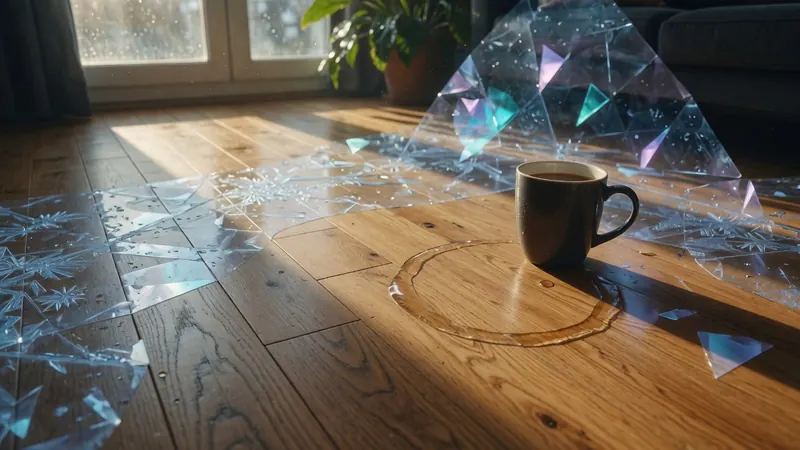
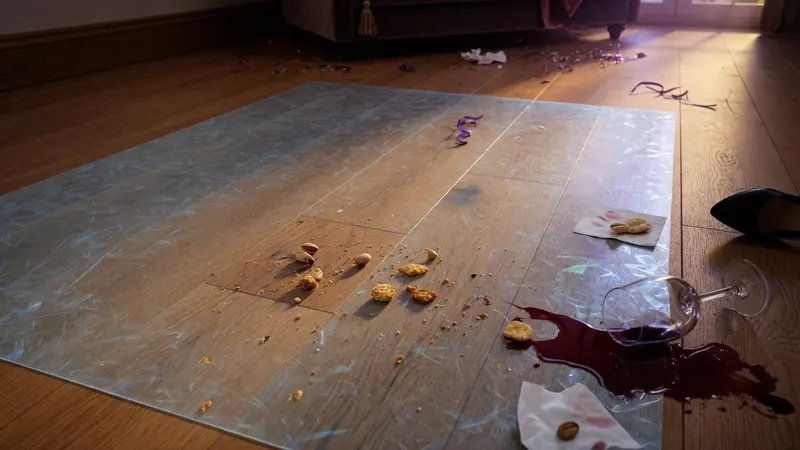
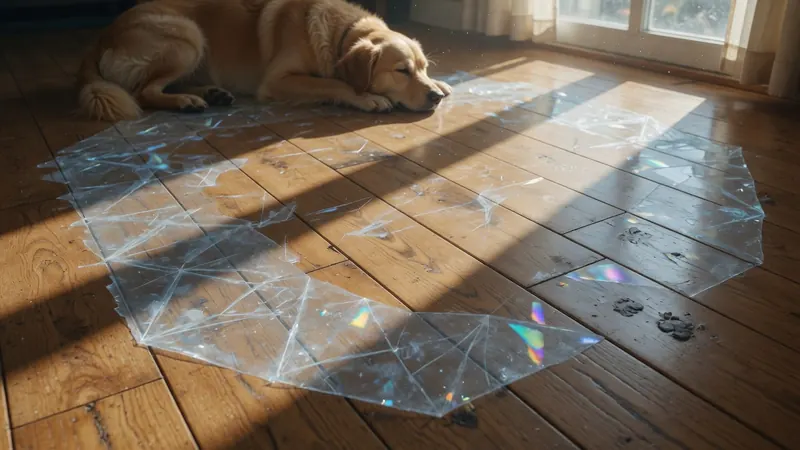
On a quiet Saturday, you decide to rearrange the living room for a new home office setup. The couch shifts across the floor, and as sunlight hits the boards you notice the faint white lines left behind—years of foot traffic, a few chair legs, and one enthusiastic dog now visible all at once. The question forms quickly: do these floors need refinishing, or is replacement the only real fix? That moment of sudden clarity is common in homes where life has simply continued without pause.
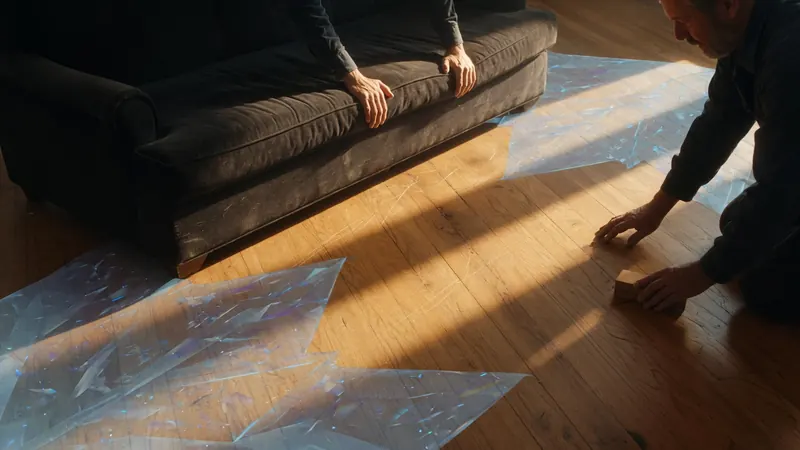
Visible Wear Meets Invisible Protection
What you see on the surface—scuffs, light scratches, and the start of dull patches—is only the outermost record of daily contact. Beneath that record sits the wear layer, the part of any finish that actually absorbs the repeated pressure from shoes, paws, and rolling furniture. When that wear layer remains intact, the wood itself stays untouched. When it thins, the decision between refinishing and replacement becomes real rather than cosmetic.
Refinishing restores a fresh wear layer without disturbing the boards. Replacement removes the boards entirely. The difference matters most in how each option handles the next five or ten years of ordinary use. A well-applied new wear layer can reset the clock on surface damage while the original structure continues to perform. The boards stay put, and the surface regains its ability to take the next round of living without showing every mark immediately.
Real-World Stress Tests
Rental Property Between Tenants
Consider a rental unit turned over every two years. Between one family and the next, the floors show traffic patterns from kids running the same hallway loop and a dog that always cut the corner into the kitchen. The landlord has three weeks to make the space presentable. Refinishing with a durable cross-linked polymer layer restores the surface in days and holds up under the next set of renters because the new wear layer is built to take exactly those repeating routes. Replacement would require weeks of demolition, subfloor work, and new material that still needs its own finish. In this setting the wear layer proves faster and more economical while delivering the same lived-in resilience. On one job the landlord called back after the first new tenants moved out and reported the floors still looked fresh despite two energetic children and a large breed dog. The cross-linked polymer layer had absorbed the claw marks and chair scrapes without letting them reach the wood grain. That call confirmed the choice had saved both time and future callbacks. The finish had taken the hits quietly, leaving the owner to focus on other turnover tasks rather than worrying about floor repairs. Over time this approach builds a reputation for reliable units that rent quickly because the floors look cared for without constant intervention.
Busy Kitchen With Constant Traffic
In a home where the kitchen serves as the main pathway to the backyard, the floor sees spills, dropped utensils, and daily sweeping. After five years the path from stove to door shows haze and shallow scratches. The homeowner wonders whether the boards themselves are ruined. Inspection usually reveals the boards remain sound; only the wear layer has been abraded. A single refinishing pass applies a fresh UV-cured topcoat that resists the next round of spills and foot traffic. Replacement would discard perfectly good oak because the protective surface had simply done its job until it needed renewal. The wear layer makes the difference between a weekend project and a full renovation. During one kitchen inspection the homeowner pointed out a faint ring from a spilled sauce that had sat overnight. The wear layer had prevented the stain from penetrating, and light sanding plus a new coat brought the area back to uniform color without any board replacement. That outcome showed how the finish acts as the first line of defense against everyday kitchen accidents while the underlying wood continues to support the room.
Sunroom With Seasonal Light Exposure
A sunroom floor receives direct light for half the year and cooler, dimmer conditions the other half. Over time one side fades while the other retains color. The boards are stable, yet the finish has lost its UV resistance in the brighter zone. Refinishing allows a new UV-stable topcoat to be applied across the entire surface so the color evens out and future bleaching slows. Replacement would mean new boards that still require the same protective chemistry. The wear layer here acts as both color guard and abrasion shield, extending the life of the original installation without the cost of new material. In one sunroom project the south-facing boards had started to show a chalky haze after four summers. Applying the renewed UV-stable topcoat not only matched the north side but also reduced the coefficient of friction slightly, making the floor feel more secure under bare feet during family gatherings. The homeowner later noted fewer slipped items during morning coffee routines, a small but appreciated side benefit of the refreshed wear layer.
Contractor Worksite After Interior Renovation
After a full bathroom remodel the hallway floor outside the work area picked up boot prints, drywall dust, and occasional tool drops over six weeks. The homeowner expected the worst when the plastic sheeting came up. Instead the scratches stayed shallow because the existing wear layer had deflected most of the impact. A targeted refinishing pass restored the hallway in two days without touching the rest of the house. Replacement would have meant ripping up sound boards simply because construction traffic had overwhelmed an older finish. The cross-linked polymer layer absorbed the temporary abuse and allowed the floor to return to daily use quickly. On that job the contractor noted how the original finish choice had limited callbacks, since the surface damage never reached the wood itself.
Guardian's Test: What Cross-Linking Actually Does
Think about the difference between a single coat of basic varnish and a modern finish that has been cross-linked. In the first case the molecules sit alongside one another; in the second they form chemical bridges that lock the layer into a tighter, more resistant network. During a humid week the wood expands slightly, yet the cross-linked polymer layer flexes without cracking. In a dry spell the wood contracts and the same cross-linked polymer layer stays continuous rather than powdering. That molecular behavior is what lets a refinished floor survive the same conditions that once forced earlier finishes to fail. The wear layer does not stop movement; it simply survives it longer. That's the wear layer doing its job. Quietly.
One Field Observation on Moisture and Hardness
Wood hardness decreases as moisture content rises. On a job site years ago a newly refinished floor in a coastal home looked perfect in winter but developed fine hairline marks the first humid summer. The finish itself had not failed; the wood beneath had become measurably softer under the same wear layer. That lesson shifted how the finish was chosen and how the homeowner was advised to manage humidity. The wear layer still protected the surface, but it could not change the physical properties of the wood itself. Checking a moisture meter became standard practice before any new cross-linked polymer layer went down, preventing the same surprise on later projects.
Signs Your Current Finish Is Failing
- White scuffs that no longer buff out with a dry cloth
- Dull patches that appear in high-traffic lanes even after cleaning
- Color fading unevenly near windows despite consistent care
- Small chips where furniture legs have pressed through the surface
- Sticky spots that return quickly after mopping, signaling the topcoat has worn thin
A Trend That Changes the Equation
Remote work has increased the hours any single room sees daily movement. Desks roll, chairs swivel, and pets track the same routes from morning to evening. The result is accelerated surface wear that was once spread across offices and schools. Refinishing with a robust wear layer now restores years of service without the disruption of replacement, especially when homeowners expect to stay in the house another decade. One recent client mentioned their dining room had become the primary workspace, and the chair tracks had appeared faster than expected. A new UV-cured topcoat addressed the issue before the wood showed through.
A Lesson Learned the Hard Way
Early in one project a faster-drying finish was chosen to meet a tight deadline. It looked excellent at the one-year mark but began showing traffic lines by year three. The lesson was simple: speed of application can trade away long-term density in the wear layer. Since then the recommendation has been to accept the longer cure time for finishes that build a denser cross-linked polymer layer. The floor that looks fine at year one and still looks fine at year ten is almost always the one that received the slower, more thorough build. That experience reinforced the value of patience during application.
Practical Advice Before You Decide
If you have a dog and children under five, test a small hidden area first. Apply a drop of water and a light scratch with a coin. Watch how the existing finish reacts. If the water beads and the scratch stays on the surface rather than biting into wood, refinishing is likely sufficient. If water darkens the grain or the scratch reveals raw wood, replacement may be the better long-term investment. Either way, the goal is to keep the original boards in place whenever the wear layer can still be renewed. Daily habits still matter. Felt pads under furniture, mats at entry points, and prompt cleanup of spills reduce the load any wear layer must carry. Even the best finish performs better when those simple steps are routine.
What the Next Five Years Could Look Like
Picture the same living room five years from now. The couch has moved twice more for different furniture arrangements. The dog is older but still takes the same corner. If a fresh wear layer was applied during the last refinishing, those future marks will remain on the surface where they belong. The boards underneath will continue to support the room without the expense or waste of replacement. That quiet continuity is the outcome most homeowners actually want. What will your floor look like in ten years if the guardian layer is renewed now?
Peace of Mind as the Real Product
The morning the couch moved no longer needs to trigger worry about the entire floor. When the wear layer is restored through refinishing, the surface regains its ability to absorb the next round of ordinary life. Replacement remains an option when the boards themselves are damaged, but in most homes the decision comes down to whether the invisible shield is still doing its job. The best protection is the kind you stop noticing until the day you move the furniture again and realize the floor still looks cared for. See what is still guarding your floor, and decide from there.