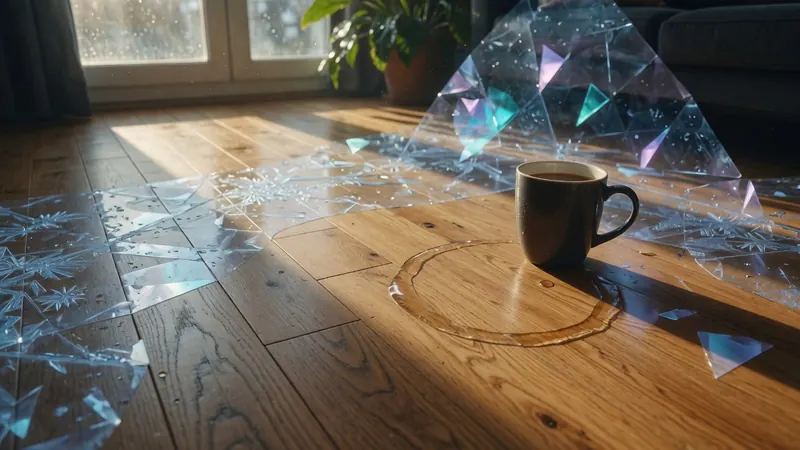
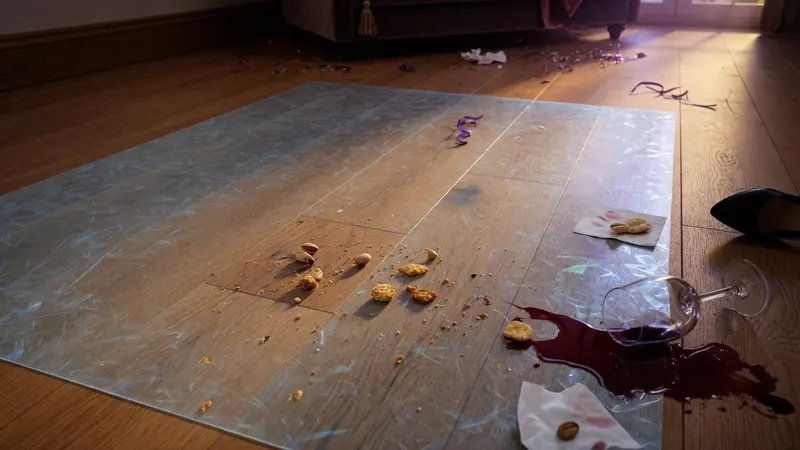
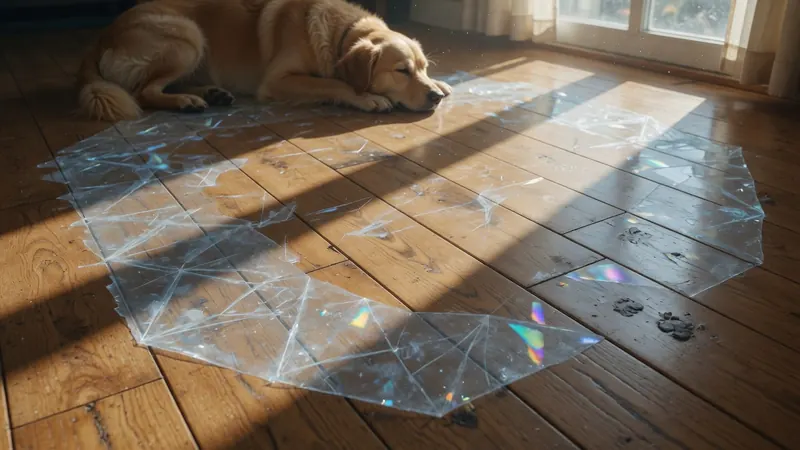
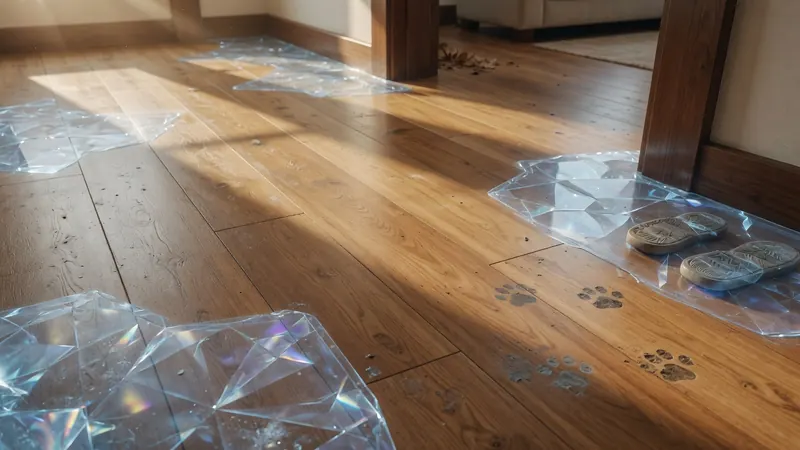
You walk into the living room after a long afternoon of play and notice a few fresh marks near the doorway where paws and sneakers met the surface. Nothing dramatic, just the kind of light scuff that makes you wonder what the next year will bring. That small observation is where most homeowners start thinking about protection, and it is the exact place where the real work begins.
What Scratches Reveal About Daily Life on Wood
Scratches form when grit or claws press against the surface during ordinary movement. A chair leg dragged an inch, a dropped toy, or even dry winter air that lifts fine dust into motion can leave traces. These marks sit on the outermost part of the finish, not deep in the wood itself, which is why early attention to that layer changes the long-term picture. In one home I visited last winter the owners had tracked in road salt from the driveway and the fine crystals had worked their way across the entry. Under a strong lamp the scratches showed up as thin white lines that caught the light at an angle. The wood beneath stayed untouched because the surface film had taken the hit first.
One field observation from a recent callback stands out: a family with two large dogs and three children under seven had floors that still looked even after four years because they had chosen a finish with strong surface resistance. The same layout in a similar home without that attention showed haze and fine lines within eighteen months. The difference was not dramatic at first, but it became clear when the second owner prepared the house for resale. What actually happens in the six months after the movers leave when new routines settle in and the floor meets its real daily load?
The Layer That Absorbs What You Never See
The cross-linked polymer layer sits at the top and flexes just enough to blunt the force of daily contact. When a claw drags across it, the material distributes the pressure instead of letting it cut straight through. That same cross-linked polymer layer also resists the fine abrasion that builds up from tracked sand and micro-grit on busy days. Over time the network of bonds holds the film together even when small particles roll underfoot again and again.
That is the wear layer doing its job. Quietly.
During a hot, dry week the wood expands and contracts slightly while the cross-linked polymer layer stays stable above it. In a humid month the opposite occurs. The finish does not stop the movement below, but it keeps surface damage from accelerating because the chemistry holds its shape while the wood shifts. That single fact explains why some floors age evenly and others do not. The cross-linked polymer layer never claims to freeze the wood in place; it simply keeps the visible surface intact through the cycles.
Real-World Stress Tests
Busy Kitchen with Constant Foot Traffic
A kitchen that serves three meals a day plus snacks sees more than two hundred crossings on an average weekday. Chairs slide, dropped utensils bounce, and small spills happen without anyone stopping to clean them immediately. In one home the owners installed new oak and applied a standard polyurethane. Within fourteen months the traffic lanes near the sink and stove showed a cloudy band where repeated scuffs had worn the surface thin. The cross-linked polymer layer in a higher-grade finish would have slowed that process by keeping the abrasion from reaching the wood color so quickly. The family later added felt pads to every chair and placed a washable runner in the main path. Those simple steps, paired with the stronger surface film, kept the floor looking consistent even after the second year. What stood out on the callback was how little the owners had to think about the floor once the right finish was down; they simply lived there. Another detail emerged during the visit: the dog bowl area had collected tiny grit particles that only became visible when the light hit low in the evening. The cross-linked polymer layer had prevented those particles from etching deeper grooves, something the owners noticed only after comparing photos taken at installation.
Rental Property Between Tenants
Turnovers in rental units create a concentrated test. Movers roll dollies across thresholds, new residents bring unfamiliar furniture, and cleaning crews use whatever products are on the truck. One two-bedroom unit changed hands four times in three years. The oak floors had been finished with a standard product at the start. By the fourth move-in the dining area showed a network of fine lines that no amount of buffing could hide. The next time the unit was prepared, the contractor switched to a finish built around a denser cross-linked polymer layer and added a clear maintenance coat between tenants. After two more cycles the surface still read as even under bright light. The owner noted that the extra step at installation saved more in repair costs than it had added upfront. The lesson was practical: protection that holds through repeated stress reduces callbacks and keeps the unit rentable without visible reminders of past occupants. During one turnover a contractor left a metal tool bag on the floor overnight and the bag had shifted slightly in the night. The cross-linked polymer layer absorbed the small movement without leaving a permanent gouge, a detail the owner pointed out when showing the unit to the next renter.
Sunroom with Pets and Changing Light
A sunroom floor receives both direct UV and the daily traffic of a large dog that likes to stretch out in the warmth. Over five years the south-facing boards in one home developed a slight color shift along the edges where sunlight hit longest, but the actual scratches remained shallow. The finish contained UV stabilizers that slowed fading while the cross-linked polymer layer kept claw marks from deepening. A neighboring sunroom without those stabilizers showed more pronounced color loss in the same period, even though the scratch depth looked similar at first glance. The difference became noticeable only when rugs were moved for cleaning. The owner of the better-performing room mentioned that the floor now feels like background rather than a worry, which is the point when the house is used every day for work and rest. The dog had a habit of turning in circles before settling, and the repeated motion had created a faint circular pattern of light wear. The cross-linked polymer layer kept those circles from becoming actual grooves that would catch dirt later.
Contractor Visits During a Small Renovation
Even a modest kitchen update brings ladders, tool bags, and temporary flooring protection that sometimes fails. One homeowner scheduled cabinet work while keeping the rest of the house open. Plastic sheets slid underfoot and a dropped screw created a small star-shaped mark. The cross-linked polymer layer absorbed the point impact without letting the mark reach the wood tone. After the work ended the owner swept up the plastic and noticed the surrounding floor looked unchanged. In a comparable home finished with a thinner product the same events left visible haze that required a full buff and recoat. The difference showed up most clearly under the afternoon light that comes through the kitchen window. The cross-linked polymer layer had done its job without the homeowner needing to monitor every step the contractors took.
Practical Steps That Support the Finish
If you have a dog and a toddler under five, here is what actually matters most: keep entry mats at every door and change them when they fill with grit. Vacuum or sweep before the dust has time to grind underfoot. These habits do not replace a good finish, but they reduce the number of times the cross-linked polymer layer has to absorb an impact. Felt pads on furniture legs and area rugs in high-use zones give the surface additional breathing room without changing how the room looks. The pads themselves need checking because they wear down faster than most people expect.
- Check chair and table legs every six months for worn pads.
- Use a microfiber mop with a neutral cleaner rather than anything abrasive.
- Place a small mat near pet bowls where spills are most likely.
- Rotate rugs every few months so one area does not receive constant direct traffic.
These steps work together with the cross-linked polymer layer rather than trying to replace it. The finish still carries the main load, but the habits keep the load from becoming extreme.
The Guardian's Test: What Happens at the Molecular Level
Cross-linking is the process that turns individual polymer strands into a connected network. When the finish cures, the strands bond sideways as well as end to end. The result is a film that resists the sideways shear created by a sliding paw or shoe. ASTM D4060 testing measures how many cycles of abrasive wheels the film can endure before a set amount of material is lost. The test does not replicate every home condition, but it gives a consistent way to compare one finish against another. The cross-linked polymer layer in Adamantine products is formulated to score well on that metric while remaining flexible enough for seasonal wood movement. In practice the test shows how the film maintains thickness even after thousands of passes, which translates to fewer visible changes after real years of use.
The protection is already working before you notice the first mark.
One Lesson from the Workshop
Early in my career I recommended a finish that performed well in lab data but had not been tested against the combination of pets and frequent furniture moves common in young families. Two years later the surface showed more fine scratching than expected. The experience shifted how I evaluate products: lab numbers matter, but real homes add variables that only show up after repeated cycles. That is why I now look first at how a finish behaves after the movers leave and the dog settles into its routine. The same principle applies when a family adds a new piece of furniture or changes the layout; the cross-linked polymer layer either handles the new pattern or it does not, and only time reveals the truth.
Where Your Floor Might Be in Five or Ten Years
Picture the same living room five years from now. The rug has been shifted a few times, the dog is older, and the children have grown. The question is whether the surface still reads as calm under afternoon light or whether small marks have accumulated into a visible record of every day. The cross-linked polymer layer is what determines which outcome feels ordinary. When that layer is present and intact, the floor stays part of the background rather than a project that needs attention. One current trend worth noting is the rise in work-from-home routines that keep the same people and pets on the same floors for more hours each week. The added traffic accelerates wear in ways that were less common before. Finishes that were adequate for evening-only use now face a different test, which is why the choice of surface protection has become more noticeable in resale conversations. How will the same floor look once those extra hours of daily movement have passed?
Seeing What Has Been Working All Along
The near-disaster of those first light scratches after the afternoon play never turned into something larger because the cross-linked polymer layer was already in place. The marks stayed on the surface, the wood color remained even, and the room continued to feel like a place to live rather than a surface to maintain. That outcome is the real product: the ability to stop watching the floor and simply use the space. If your finish is still doing its job, the next five or ten years can unfold the same way. The peace of mind comes from knowing the invisible work is already complete.