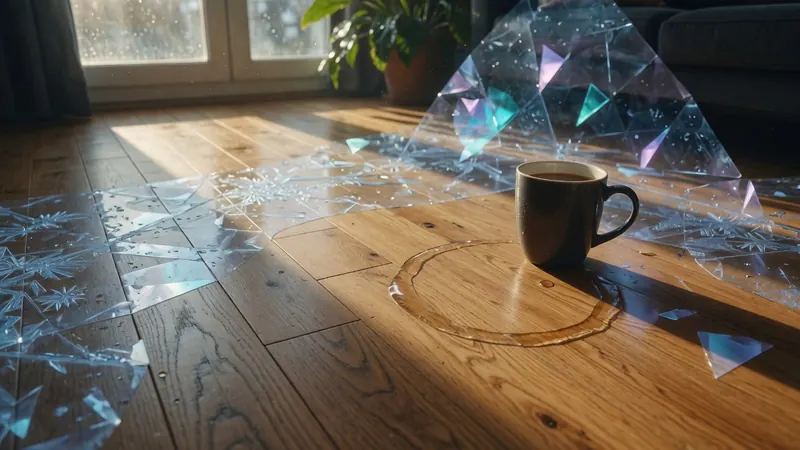
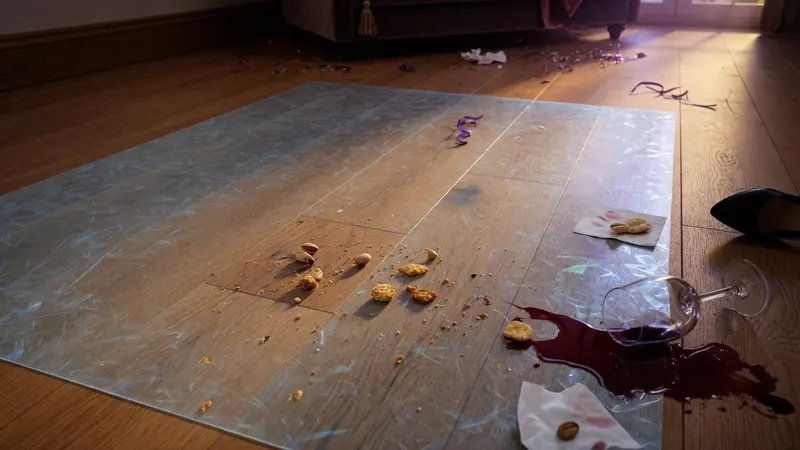
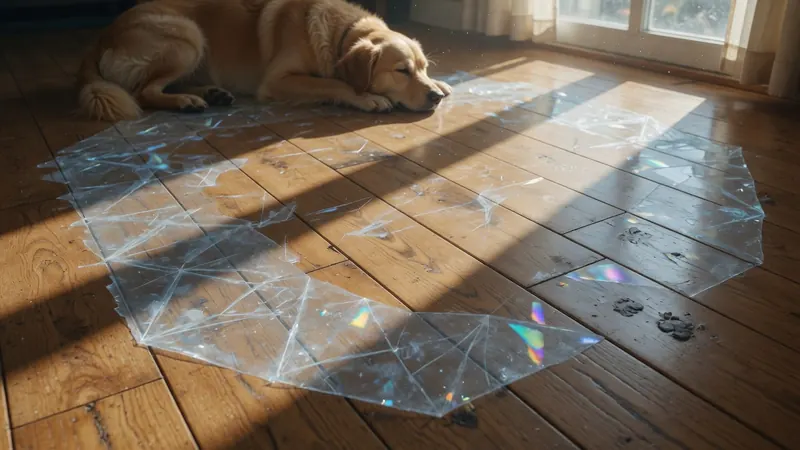
A group of friends checked into the Airbnb on a Friday night. One guest set a full glass of red wine on the living-room floor while reaching for her phone. The glass tipped, and the wine spread fast across the boards. By the time anyone noticed, a dark pool had already formed. Yet when the hosts arrived the next morning to turn the place over, the floor looked untouched. No stain, no dull spot, no raised grain. The liquid had simply sat on top until it was wiped away.
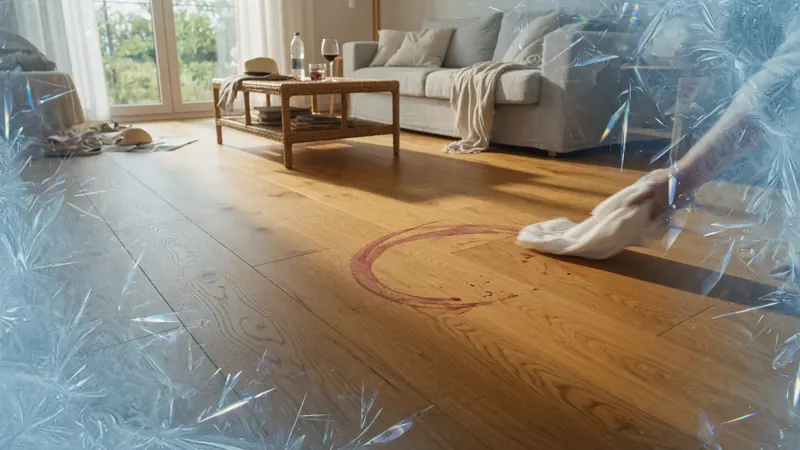
What actually happens in the six months after the movers leave a vacation rental? The floor sees more feet in one weekend than most homes see in a month. If you've got a dog and a toddler under five staying for a week, here's what actually matters: the finish must survive repeated cleanings, tracked-in sand, and the occasional accident without showing wear.
Visible Wear Shows Up Fast in Shared Spaces
Owners notice the first changes around the entryway and kitchen island. Light scuffs turn into hazy trails after a few turnovers. Sunlight through south-facing windows starts to lift the color along the edges of rugs. These are surface-level effects only. The boards themselves stay flat and tight because the finish, not the wood, takes the hits from abrasion and ultraviolet light.
One owner told me he had chosen a standard polyurethane on his first rental. After two summers the traffic paths looked cloudy even after cleaning. He switched the next property to a finish built around a cross-linked polymer layer. Three seasons later the same paths still read as uniform under afternoon light. The difference was not magic; it was chemistry that keeps the surface intact longer under repeated foot traffic.
During a particularly dry stretch last August I watched a rental floor in the high desert expand and contract each afternoon as temperatures swung twenty degrees. The cross-linked polymer layer absorbed those micro-movements without telegraphing cracks to the eye. Homeowners who never see this daily flex still notice the floor looks newer longer. That is the hidden guardian at work.
Another property in the mountains showed early haze near the mudroom after just one winter of ski-boot traffic. The owner had applied extra felt pads to furniture but the real issue was fine grit from outside. A finish with a denser wear layer would have resisted the constant micro-abrasion that eventually dulled the original surface. Field notes from that job showed the haze was limited to the top few microns of film, confirming the protection stayed at the surface where it belongs.
Real-World Stress Tests
Between-Tenants Turnover
Turnover crews move fast. They drag luggage, run vacuums with stiff brushes, and mop with whatever solution is on the shelf. In one coastal property the owner kept records for eighteen months. After switching to a finish with a reinforced wear layer, he recorded zero callbacks for surface repair between guests. The previous finish had required spot sanding twice in the same period. The crews still used the same routines; the surface simply tolerated the extra mechanical action without losing its sheen. I watched one crew push a loaded dolly across the same boards three times in one morning. The wear layer showed only the faintest compression marks that disappeared by evening. Over the next six turnovers the same boards never needed touch-up because the finish film stayed continuous. Owners who track these details find they spend less on emergency repairs and more on upgrades guests actually notice. A second coastal home nearby used the same cross-linked polymer layer and survived a sudden influx of families with beach chairs that left salt trails for weeks. The film resisted the salt crystals that would otherwise etch into softer finishes.
Busy Kitchen During Peak Season
Vacation homes often double as gathering spots. In one lake house the kitchen floor sees dropped utensils, rolling coolers, and frequent spills of coffee and juice. After two years the owner noticed the finish near the sink had begun to haze under the constant moisture and cleaning. She had applied the product herself and remembered the label warning about re-coating intervals. A second coat at the eighteen-month mark restored the clarity without sanding the entire room. The UV-stable topcoat she added at the same time kept the color from shifting even though the windows face west and stay open most days. During one holiday week the same kitchen hosted twelve people cooking three meals a day. By Sunday night the floor had collected three separate spills and countless chair scrapes. Yet the wear layer still reflected morning light evenly. The owner later told me she no longer worries about the floor during peak weeks because the finish handles the visible abuse without complaint. A nearby cabin with the same cross-linked polymer layer handled a week of nightly fish fries where oil splatters landed repeatedly near the stove. The film prevented the oil from bonding into the surface, so a simple degreaser restored the original look each morning.
Sun-Drenched Living Areas
South-facing rooms in vacation homes often double as sunrooms during shoulder seasons. One property in Arizona showed clear fading lines where area rugs had been moved seasonally. The boards under the rugs stayed darker because the finish above them had blocked more ultraviolet light. Where the rugs had not covered the floor, the UV-stable topcoat had slowed the bleaching enough that the color shift remained gradual rather than patchy. The owner could still rent the house without replacing boards; he simply adjusted the rug placement and added a second thin coat on the exposed sections during the off season. A second observation came from a desert rental where afternoon temperatures regularly hit 105. The UV-stable topcoat prevented the surface from chalking even after the room sat empty for three weeks with full sun exposure. Guests who arrived later never commented on the floor because it still looked consistent from wall to wall. In a third sunroom case the cross-linked polymer layer kept the film flexible during extreme daily swings that would have caused micro-checking in less stable products.
Contractor Visits and Renovation Traffic
Many vacation properties schedule light renovations between peak seasons. One mountain cabin underwent new window installation and plumbing work over ten days. Workers tracked drywall dust, stepped on dropped screws, and dragged tool bags across the living area daily. The owner had chosen a finish with a thick wear layer the previous year. After the crew left, only a light sweep and damp mop restored the original appearance. No deep scratches reached the wood because the cross-linked polymer layer absorbed the repeated point loads. The same owner had seen an earlier property suffer permanent marks from a similar job because the finish there lacked that density. The difference showed up most clearly in the hallway where traffic funneled past the work area. After the project the hallway still matched the untouched bedrooms, saving the owner from an unplanned re-coat before the next booking season. The crew had also left metal shavings that would have rusted into a softer film, yet the dense wear layer allowed complete removal with a damp cloth.
Weekend Gatherings and Pet Activity
One lakeside rental hosted a family reunion that included two large dogs and four children under eight. Over three days the floor collected paw prints, spilled juice boxes, and a trail of sandy towels dragged from the dock. The owner had applied a finish with both a cross-linked polymer layer and a UV-stable topcoat two seasons earlier. After the group left, a single pass with a microfiber mop removed every visible mark. The wear layer had resisted the claw scratches that would have dulled a standard coating, and the topcoat kept the afternoon sun from amplifying any faint residue. A follow-up inspection three weeks later showed no edge lifting where the dogs had paced near the door. The same property later survived a winter holiday with ice-melt tracked across the entry. The cross-linked polymer layer prevented the salt from penetrating, so the surface retained its original coefficient of friction even after repeated cleanings. Owners who manage pet-friendly listings note that this level of surface resilience reduces the time between bookings.
Guardian's Test: How Cross-Linking Works While You Are Not Looking
Most people never think about what occurs inside the finish film on a hot afternoon. When the temperature rises and the humidity drops, the wood expands and contracts slightly. A cross-linked polymer layer forms a network of bonds that lets the film stretch and return without cracking. The same network also resists the small cuts from sand grains tracked inside. ASTM D4060 testing measures this resistance by spinning an abrasive wheel across samples; finishes that survive more cycles keep their gloss longer in real homes. That is the wear layer doing its job. Quietly.
Humidity Swings and Seasonal Movement
Vacation homes often sit empty for weeks, then fill with guests who run the heat or air conditioning at full blast. One coastal property I serviced showed visible edge compression in the dining room after a humid summer followed by a dry winter. The cross-linked polymer layer had allowed the finish to move with the boards without forming the hairline checks that later collect dirt. Owners who monitor indoor humidity between 35 and 55 percent give that same layer the best chance to perform. The finish cannot stop bulk moisture from below, yet it keeps surface haze from forming when conditions swing quickly. That distinction matters on every turnover when the next guest arrives to a floor that still looks cared for. In another mountain rental the same cross-linked polymer layer handled a rapid drop from 70 percent humidity to 20 percent over a single weekend without telegraphing any new micro-cracks to the surface.
Selecting and Maintaining the Finish
Owners often ask how to choose among products labeled for high-traffic use. Look first for evidence of cross-linking and UV stabilizers in the technical data. Then consider application conditions: vacation homes may sit empty for weeks, so the finish must cure fully before the first guests arrive. A professional applicator can usually complete the work in a three-day window that includes sanding, coating, and light curing.
- Place mats at every exterior door and change them when they become saturated with sand or salt.
- Wipe spills within minutes rather than letting liquids stand overnight.
- Re-coat high-wear zones before the original film thins enough to expose the wood.
- Keep indoor humidity between 35 and 55 percent to limit seasonal movement that stresses any finish.
These steps do not make the finish invincible. They simply reduce the number of times the wear layer must prove itself in a single season. One additional habit that pays off is rotating area rugs every few months so that any subtle UV exposure stays even across the room.
One Lesson That Changed How I Advise Owners
Early in my work I recommended a fast-cure finish for a new rental because the owner needed the house listed quickly. The product performed well for the first year, but by year three the surface showed more fine scratches than a slower-curing alternative would have allowed. The lesson was simple: cure time and cross-link density matter more than speed when the floor will see strangers every week. I now ask owners how many turnovers they expect before the first re-coat and choose accordingly. That adjustment has meant fewer callbacks on properties that once needed annual touch-ups.
Five Years From Now
Picture the same living-room floor after five rental seasons. The wine spills, the dog claws, the rolling suitcases, and the afternoon sun have all done their work. Because a cross-linked polymer layer and a UV-stable topcoat were present from the start, the boards still accept light the same way they did on the first day guests walked in. How will your own rental floor look after the next five turnovers? The owners do not think about the finish every day. They simply open the door, collect the key, and know the surface will look presentable for the next group without another repair call. That is the real product: the quiet certainty that the floor will handle whatever the calendar brings. If you manage a vacation property, look at the finish that is already there and ask whether it is still doing the job you cannot see. The answer determines whether the next guest leaves the same impression the first one did. See what is protecting your floor before the next booking arrives.