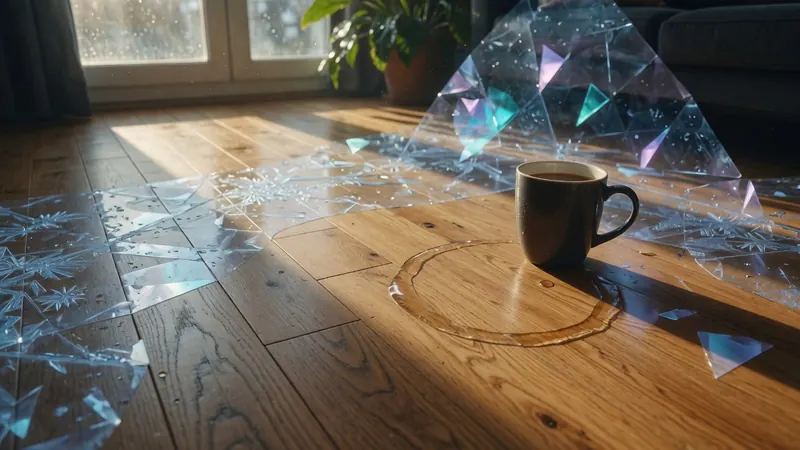
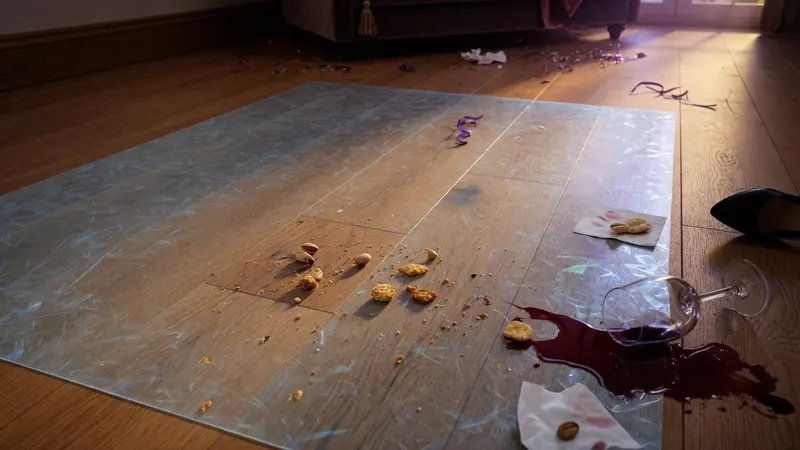
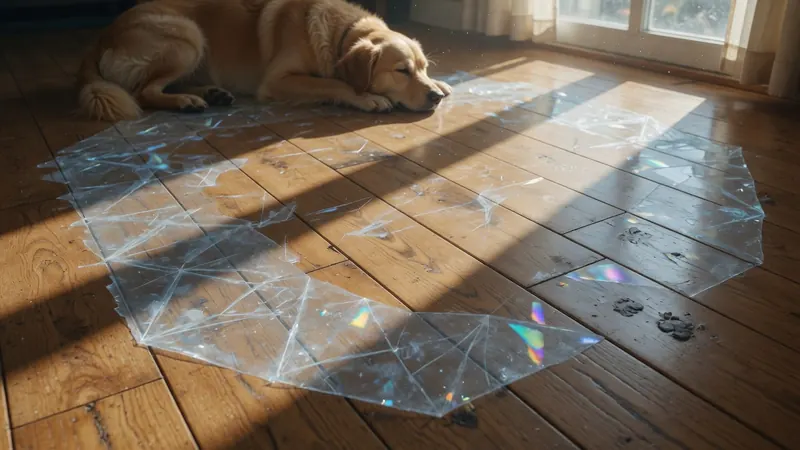
You hear the familiar clatter in the kitchen and already know what happened. The stainless bowl has flipped again, sending a shallow lake across the hardwood while your Labrador watches with mild curiosity. In that moment the question forms: will this be the spill that finally leaves a mark, or will the floor simply shrug it off the way it has for the past three years?
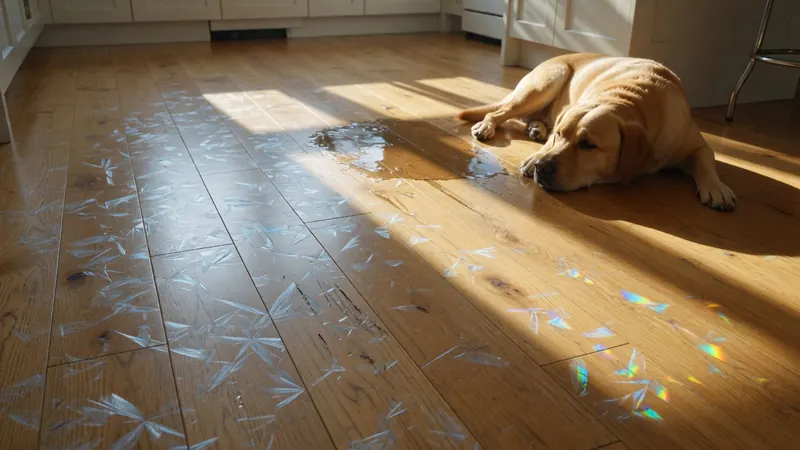
Most homeowners notice only the surface. What they rarely see is the wear layer that sits between the wood and everything the household throws at it. That layer is where the real story of a pet proof hardwood floor finish begins.
The Visible Toll Pets Take on Hardwood
Claws leave fine white lines that catch the light at certain angles. Repeated circles around the dining table create a dull halo where the original sheen has been worn away. Then there are the accidents: tracked-in mud that dries into grit, occasional urine that sits long enough to etch the topcoat, and the constant pressure of bodies that weigh anywhere from ten to eighty pounds landing at odd angles. Over time these small events add up in ways that surprise even experienced owners.
These marks accumulate slowly. After six months the change is barely perceptible. After two years the difference between a protected floor and an unprotected one becomes obvious even to a casual visitor. What actually happens in the six months after the movers leave when a new puppy arrives and the routines shift without warning?
What Actually Protects the Surface
A finish does not strengthen the wood itself. Wood hardness decreases as moisture content rises, and no coating changes that physical fact. Instead the wear layer takes the abrasion, the minor chemical exposure, and the UV that would otherwise reach the wood. When that layer is built from properly cross-linked polymers, it resists the micro-scratches that eventually turn into visible wear.
The UV-stable topcoat does similar quiet work on the sun-exposed side of the house. During a hot dry week the finish expands and contracts with the wood; during a humid month it slows the rate at which moisture reaches the surface fibers. The result is less haze and less color shift over time. That is the wear layer doing its job quietly.
Guardian's Test: How Cross-Linking Works While You Live Your Life
Imagine the polymer chains in a finish as individual strands of cooked spaghetti lying side by side. Without cross-linking they slide past one another when a claw drags across them. When the finish is cured properly, chemical bridges form between those strands, turning the loose pile into something more like a flexible net. That net is what you walk on every day. The tighter the net, the longer the surface stays smooth. In one home the difference showed up only after the owner started vacuuming with a beater bar that had lost its soft brush, creating tiny grooves the wear layer could no longer hide.
Real-World Stress Tests
A Rental Property Between Tenants
A two-bedroom bungalow changed hands three times in four years. Each tenant brought a medium-sized dog and no particular interest in floor care. Between leases the owner refinished only the high-traffic areas rather than the entire floor. The wear layer that remained in the less-used bedrooms still looked uniform with the freshly coated sections. The only visible difference was a faint scuff line where the sofa had been dragged during the last move-out. No cupping or edge lifting occurred because the finish never claimed to seal the edges of the boards; it only protected what sat on top. One tenant left behind a series of small circular marks from a rolling office chair that had lost its pads, yet even those remained superficial because the cross-linked polymer layer absorbed the repeated pressure without cracking through to the stain. The owner noted that the floor passed inspection each time with only minor touch-ups, saving several thousand dollars in full refinishing costs over the period. The pattern repeated with each new lease, and the wear layer continued to absorb the varied paw traffic without revealing the underlying wood grain to sunlight or daily cleaning routines.
A Busy Kitchen with Two Large Dogs
In a family home the kitchen floor sees constant traffic from children, adults, and two Great Danes. Food spills happen weekly. The owners keep felt pads on chair legs and a washable rug near the back door, yet the dogs still track grit from the yard. After five years the finish shows only a slight flattening of sheen in the path between the door and the feeding station. The cross-linked polymer layer has absorbed the abrasion without exposing the stain beneath. The owners note that the floor feels slightly cooler under bare feet in winter than it did the first year, a small sign that the surface is still intact. During one particularly muddy spring the family hosted a contractor who tracked in clay that dried into a fine powder; daily sweeping prevented it from becoming embedded, but the real test came when one of the dogs decided to roll in the residue. The wear layer held, showing only a temporary dull spot that buffed out with a soft cloth and no further intervention. Even after repeated nail drags during feeding time, the surface retained enough flexibility to avoid micro-cracks that would have appeared in less cross-linked systems.
A Sunroom Used as a Dog Hangout
A converted sunroom became the preferred nap spot for an aging border collie. Direct southern light hits the floor for six hours a day. The finish chosen contained additional UV stabilizers. After seven years the color in that room matches the shaded hallway to within a few shades, something the contractor attributes to the UV-stable topcoat rather than any property of the wood itself. The only maintenance has been occasional sweeping and the replacement of a throw rug that finally wore through. The dog developed a habit of stretching and dragging its nails across the same two boards each morning, yet the wear layer showed no breakthrough even after thousands of repetitions. The homeowner later added sheer curtains that reduced direct light by half, but the existing protection had already prevented the fading that neighbors experienced in similar rooms with standard finishes. The cross-linked polymer layer also prevented the slight yellowing that can occur when UV breaks down uncured polymers over extended exposure periods.
A Contractor Visit During a Remodel
During a kitchen update that lasted six weeks, workers in heavy boots crossed the adjacent dining room daily while carrying lumber and tools. The homeowner had covered the floor with cardboard but the material shifted and tore within days. Despite the abuse the wear layer showed only scattered micro-scratches that disappeared after a light maintenance coat applied the following month. The contractor later admitted surprise that no deeper damage appeared, especially after one worker dropped a metal bracket that landed edge-first. The cross-linked polymer layer deflected the impact enough that the mark remained cosmetic rather than structural, allowing the project to finish without an emergency refinishing call. The floor returned to its original appearance once the dust settled, proving the layer's ability to recover from concentrated point loads without permanent deformation.
A Multi-Pet Household with Weekend Gatherings
One suburban home houses three rescue dogs of varying sizes alongside regular weekend visits from family and their pets. The living room floor experiences sudden bursts of activity when everyone arrives, followed by quiet periods where nails click across the same paths. After four years the wear layer shows even wear rather than localized gouges, because the cross-linking distributes pressure across a wider area. Owners noticed that urine accidents from younger dogs left no lasting etch marks when cleaned promptly, thanks to the chemical resistance of the cross-linked polymer layer. During one holiday gathering a dropped serving platter created a brief wet zone, yet the surface returned to its uniform appearance after drying without any haze or clouding. The cross-linked polymer layer absorbed the variable foot traffic and occasional heavy objects without telegraphing the stress to the wood below, keeping the overall appearance consistent even as household routines changed seasonally.
Field Observations and One Lesson Learned
Over the years I have returned to homes where the finish performed exactly as expected and others where it did not. The difference rarely came down to the product label. One job stands out: a new oak floor finished with a premium water-based system that the manufacturer claimed would handle pets without issue. Within eighteen months the surface showed fine crazing where the dogs liked to spin before lying down. The application had been rushed between coats, leaving the wear layer insufficiently cross-linked. That experience changed how I now advise clients. Even a strong finish needs proper cure time and reasonable expectations about what it can and cannot do.
Another observation comes from homes where owners adopted a dog after the floor was already five years old. The new traffic patterns created a visible contrast between the protected areas and the newly stressed zones. The finish did not fail; it simply revealed where protection had never been needed before. One invisible-made-visible moment occurred during a dry winter when a client noticed the floor in the hallway appearing slightly hazier than the living room. The difference traced back to a week of low humidity that allowed the wear layer to contract just enough for light to scatter differently across the surface, a reminder that even stable finishes respond to seasonal changes in subtle ways before returning to normal once moisture levels stabilize.
Practical Steps That Actually Matter
If you have a dog and a toddler under five, here is what matters more than the brand name on the can. Keep nails trimmed on a regular schedule. Place mats at entry points where paws are most likely to carry grit. Wipe spills within minutes rather than waiting for them to dry. These habits reduce the load on the wear layer without requiring heroic effort.
- Sweep or vacuum at least twice a week in pet-heavy rooms.
- Use a damp microfiber mop rather than a string mop that can leave excess water.
- Reapply a maintenance coat every three to five years in the highest-traffic zones before the original wear layer thins noticeably.
- Avoid abrasive pads or harsh cleaners that can micro-etch the surface even if the finish is otherwise sound.
Choosing a Finish with Pets in Mind
When selecting a new system, ask about the number of coats that build the actual wear layer rather than just the total number of coats applied. Request data from ASTM D4060 Taber abrasion testing, but remember the test does not condition for household humidity swings. Look for finishes that list cross-linking chemistry and UV stabilizers on the technical data sheet. Then accept that even the best product will eventually show wear if the household traffic exceeds what the layer was designed to absorb.
What Your Floor Might Look Like in Five Years
Picture the same kitchen five years from now. The dogs are older, their nails a little duller from regular care. The morning light still catches the floor at the same angle. The surface shows a soft, even patina rather than distinct scratch lines because the wear layer continued to do its job quietly through every spill and every playful skid.
That outcome is not guaranteed by any single product. It comes from choosing a finish built for resilience, applying it with care, and then living on the floor without worrying about every small incident. The best protection is the kind you stop noticing after the first month. When the next water bowl tips, the only sound that registers is the clatter itself, followed by the ordinary business of wiping it up and moving on.
If the idea of that kind of quiet reliability appeals to you, it may be time to see what is currently protecting your own floor and whether it is still doing its job five or ten years from now.