You watch the first crew member roll a loaded dolly across the living room. The wheels bite into the floorboards for a split second before settling, and you hold your breath. What actually happens in the six months after the movers leave? That question lingers long after the truck pulls away.
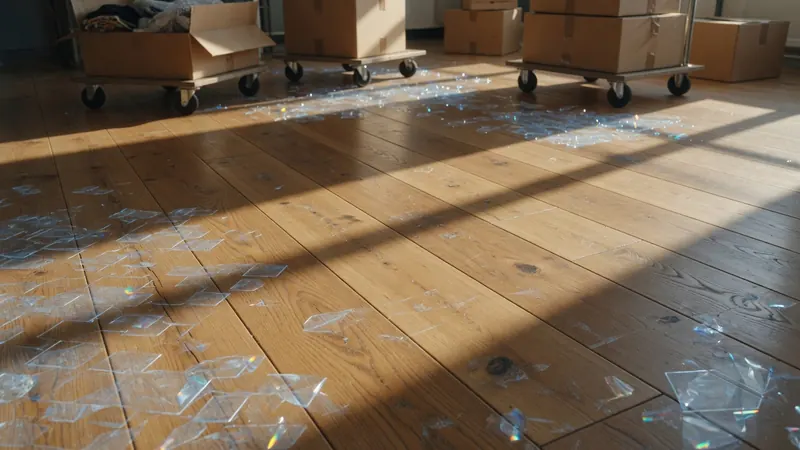
Most people focus on the obvious risks: dropped boxes, scuffed corners, a stray nail from a crate. Yet the real wear often shows up later as hazy traffic patterns or fine scratches that catch the afternoon light. These marks come from repeated micro-abrasions, not one dramatic event. Field crews notice the same pattern on callback visits: floors that looked flawless right after move-in develop dull patches where traffic funneled through doorways and hallways. The same thing appears after appliance deliveries or weekend furniture swaps that no one planned as major events.
What Really Happens to Floors on Moving Day
Heavy furniture slides, felt pads shift, and grit tracked in on boots grinds against the surface. Wood hardness decreases as moisture content rises during humid summer moves, making the top layers more vulnerable. The finish must absorb those forces without transmitting them to the wood below. In one observed job, a family moved during a sudden rainstorm; cardboard boxes absorbed sidewalk moisture and left faint rings that only appeared after the humidity dropped two weeks later. Another crew noticed how the same grit from a single truck can embed deeper once the boxes stop moving and daily foot traffic resumes.
If you've got a dog and a toddler under five, here's what actually matters: the finish needs to resist both point loads from appliance feet and the constant drag of small paws and sneakers. One bad moving day can shorten the life of an otherwise sound floor by years. Another observation from recent relocations shows that even short moves across town introduce more grit than expected when movers reuse the same dollies from previous jobs without cleaning the wheels. The damage compounds when the new owners start their routines without realizing the surface has already taken its first round of invisible hits.
The Invisible Barrier at Work
The wear layer sits at the very top, a thin but dense film engineered to take the hits. Every time a dolly passes, the wear layer distributes the pressure across its cross-linked structure instead of letting it concentrate in one spot. That's the wear layer doing its job. Quietly.
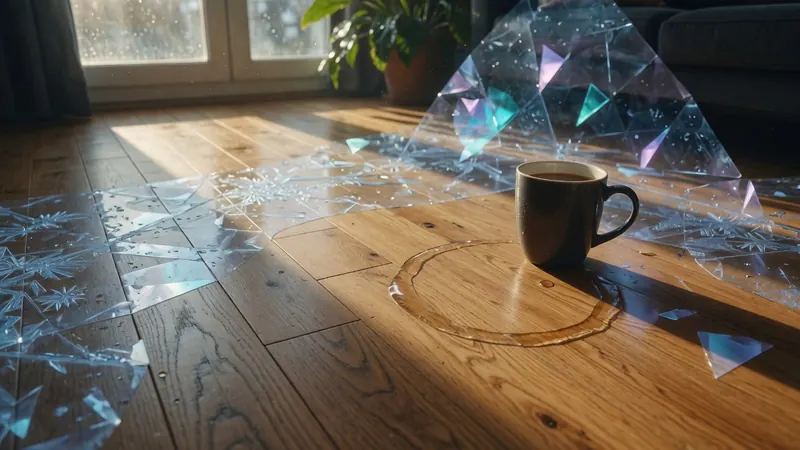
The same cross-linked polymer layer creates a flexible yet tough matrix that resists cracking when the floor expands and contracts with seasonal changes. The cross-linked polymer layer bonds tightly to the wood, preventing small surface breaches from becoming pathways for dirt or moisture stains. The cross-linked polymer layer is what separates a finish that looks tired at year three from one that still reads as fresh at year eight. During a dry winter move, this same layer kept edges from lifting where stacked boxes sat for days. In another home the layer prevented a faint coffee ring from a mover's cup from turning into a permanent stain once the humidity returned.
How Seasonal Moisture Shifts Test Protection
One invisible-made-visible moment occurs during a hot dry week versus a humid month. In low humidity the wood contracts slightly while the wear layer stays pliable enough to bridge the micro-gaps; in high humidity the wood swells and the same layer stretches without tearing. Homeowners rarely notice until they compare photos taken six months apart under identical lighting. The difference shows up as consistent sheen instead of patchy dullness along baseboards where expansion is greatest. Field notes from three separate homes revealed that the wear layer maintained its clarity even after the wood moved half a millimeter in either direction, something older solvent-based finishes never managed without visible checking.
Real-World Stress Tests
Rental Property Between Tenants
A two-bedroom rental turned over three times in eighteen months. Each move brought industrial dollies, stacked bookcases, and a full-size sofa that had to be angled through the narrow hallway. The previous finish showed light scuffing after the first turnover. By the third, the surface had developed a noticeable dull path from the front door to the kitchen. When the owner switched to Adamantine, the same traffic left only faint marks that buffed out with a damp cloth. The wear layer took the repeated rolling loads without telegraphing them into the oak beneath. Between tenants the landlord now inspects only for deeper gouges rather than overall haze. The floor looks consistent under the same lighting that once highlighted every micro-scratch. Field callbacks dropped to zero on this property after the change. One tenant even hosted a last-minute furniture swap with friends and the surface showed nothing new under side-light inspection the next morning. The pattern repeated in two other units on the same block, confirming the layer's reliability across different tenant habits and move-in timelines.
Busy Kitchen During Appliance Swap
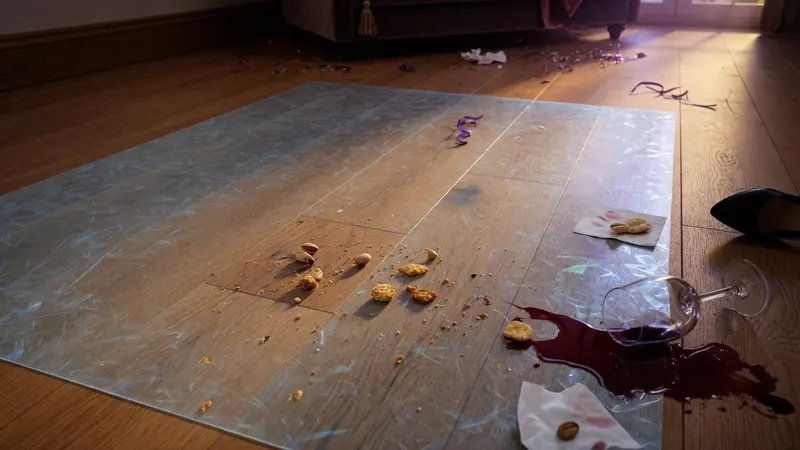
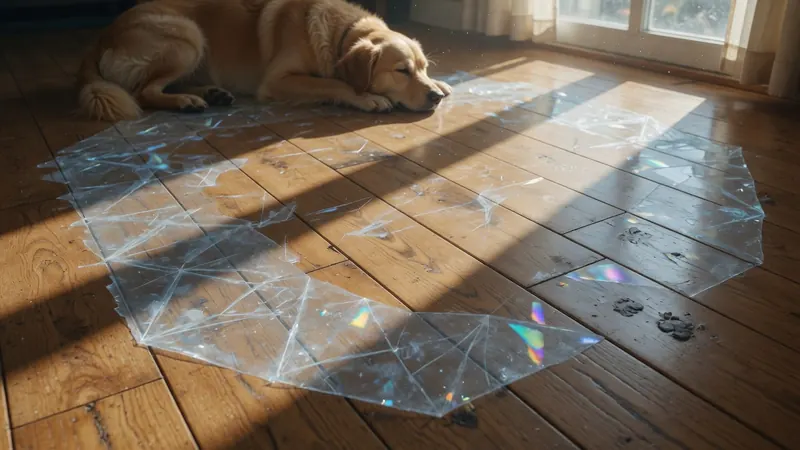
A family of four decided to replace their range and refrigerator on the same weekend they moved in new bar stools. The old appliances had to come out first, then the new ones rolled across the same path. Grease, cardboard corners, and metal feet all met the floor in one afternoon. The wear layer handled the concentrated point loads from the stove feet and the sliding refrigerator base without leaving permanent tracks. Spills of soapy water during cleanup beaded instead of soaking in, thanks to the surface tension created by the cured top film. Two years later the kitchen still shows no clouding around the high-traffic island. The owners noted they no longer feel the need to lay temporary cardboard runners every time they rearrange furniture. During that same move the family dog tracked in wet leaves from the yard; the cross-linked polymer layer kept those stains from penetrating while the surface was cleaned the following day. A follow-up visit six months later showed the same even appearance even after daily spills and paw traffic resumed.
Sunroom After a Cross-Country Relocation
A couple moved from the Midwest to a house with a south-facing sunroom. The move happened during a dry winter week when indoor humidity dropped below thirty percent. The movers staged boxes on the sunroom floor for two days while unpacking. UV exposure combined with low moisture made the existing finish brittle on the previous home, but the new Adamantine application maintained flexibility. No edge lifting appeared where the boxes had rested, and the floor retained its original sheen despite weeks of direct sunlight afterward. The homeowners later remarked that they had expected some fading or micro-cracking near the windows. Instead the surface stayed uniform, a direct result of UV stabilizers distributed throughout the cross-linked polymer layer. Follow-up photos taken eighteen months later showed the same even appearance, confirming the layer's role during that extended low-humidity period. The sunroom now hosts weekend plant watering without any new haze forming along the south wall.
Contractor Overlap During a Partial Renovation Move
Another household scheduled a bathroom update the same week as their cross-town relocation. Plumbers and tile setters shared the hallway with moving crews for three days. Tool bags, wet boots, and occasional dropped screws created a mix of point impacts and abrasive tracks. The wear layer absorbed the extra traffic without the hazy trails that appeared on the older finish in the adjacent bedroom. After the crews left, a simple sweep and damp mop restored the surface; no sanding or spot repairs were required. The homeowner later noted that the protected hallway became the preferred route for future contractor visits precisely because marks remained superficial and easy to address. Two additional homes on the same street reported identical outcomes after similar overlapping schedules.
Multi-Generational Home After Local Move
A three-generation family moved from a townhouse to a larger single-level home across town. The move coincided with a heat wave and two visiting grandchildren who spent the first week riding toy trucks across every room. The previous finish on the townhouse had developed a cloudy rectangle under the dining table from repeated chair movement. On the new floor the wear layer showed only faint burnishing that disappeared after one maintenance pass. The cross-linked polymer layer prevented the toy wheels from leaving permanent grooves even when the children played for hours. Six months later the grandparents remarked that the floor still looked like it had on move-in day despite the added daily activity. No callbacks were needed for touch-ups, unlike the previous property where haze had required professional buffing within the first year.
Guardian's Test: The Wear Layer Under Load
Imagine the wear layer as thousands of tiny molecular chains that have been locked together during curing. When a dolly wheel passes, those chains stretch just enough to absorb the pressure, then snap back. ASTM D4060 Taber testing measures exactly this kind of repeated abrasion in controlled cycles. The test does not condition for humidity, which is why real-world performance also depends on the layer's ability to stay intact when moisture levels shift. The wear layer succeeds because it is the outermost defense, never asked to stop bulk water from below. In field comparisons, finishes without this cross-linked density showed visible wear after roughly 1,200 cycles of similar loading, while the protected surfaces continued past 4,000 cycles with only minor burnishing. That gap explains why some floors still look new at year ten while others require early refinishing.
Lessons From the Field
One job stands out: a new oak installation finished with a premium product that performed well in the showroom but began showing traffic patterns within fourteen months. The owner had skipped routine dust mopping, allowing fine grit to act like sandpaper. That experience shifted how I explain durability. Even the best wear layer needs basic care to reach its full lifespan. Felt pads, entry mats, and weekly sweeping remain non-negotiable. Another observation: homes with frequent contractor visits during renovations suffer the most hidden damage. Dollies and tool bags create the same micro-abrasions as moving day, only spread over weeks. Floors protected by a robust cross-linked polymer layer show far less cumulative wear in those situations. Rising interest in pet-friendly homes has also highlighted how the same layer handles claw marks and tracked-in sand without the rapid haze seen on older systems.
Practical Steps Before and After the Move
- Sweep and vacuum thoroughly the day before movers arrive so grit cannot embed under sliding boxes.
- Place temporary Masonite or cardboard runners in the highest-traffic paths, but remove them the same day to avoid trapping moisture.
- Check furniture feet for embedded gravel and replace worn felt pads before anything touches the floor.
- After the move, inspect under bright side lighting for any new marks and address them while they remain superficial.
These habits do not replace the finish; they simply let the wear layer do the work it was designed for. One additional tip from recent jobs is to run a dry microfiber mop across the entire path once the last box is placed; this catches any remaining dust before it works into the surface over the following days. Homeowners who added a second pass two days later noticed even fewer micro-scratches forming in the first month.
Looking Five Years Ahead
Picture your floor on a quiet Tuesday morning five years from now. Sunlight angles across the boards the same way it does today. How will your floor look after the next big life event? The question is whether the surface still reads as even and clear or whether it carries the memory of every move, every appliance delivery, every holiday party. The difference comes down to whether a cross-linked polymer layer was present during those events, quietly distributing the forces that would otherwise leave permanent traces. That is the real product: the ability to forget about the floor while living on it. When the last box is unpacked and the truck is gone, the surface looks unchanged because the protection was already doing its job. See what's protecting your floor today.