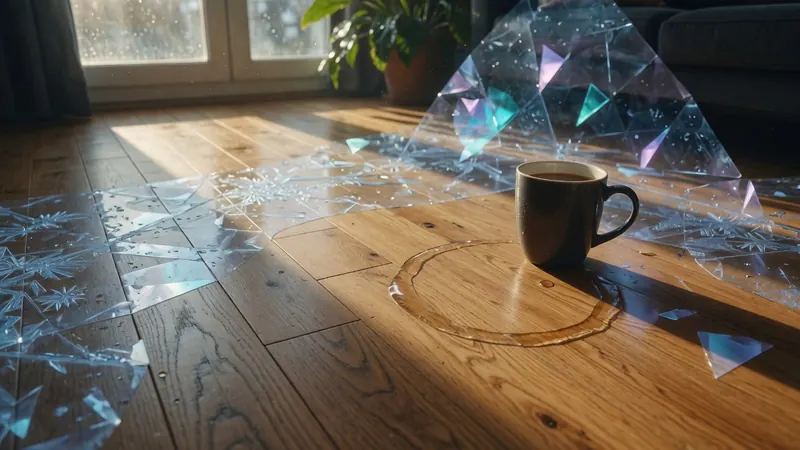
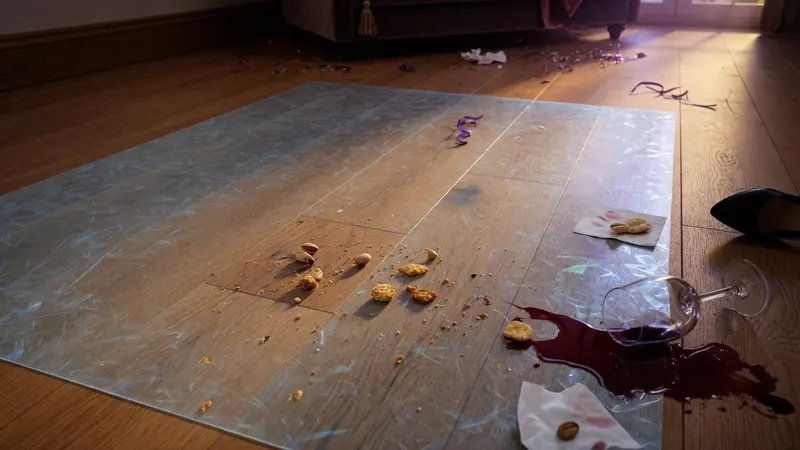
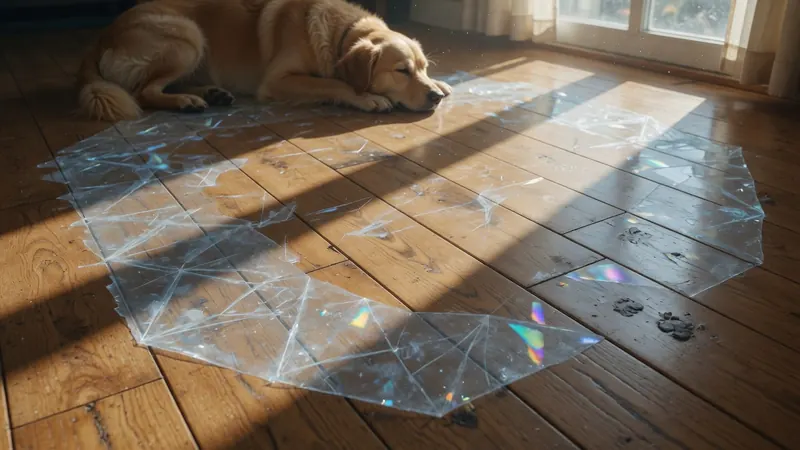
One Tuesday afternoon in a suburban home, a two-year-old tipped a full cup of grape juice across the living room floor. The liquid spread fast across the boards before anyone could grab a towel. What happened next depended entirely on what sat beneath that surface. Five years earlier the homeowners had chosen a low VOC floor finish for families precisely because they wanted something that would not add fumes to a house already filled with children and a large dog.
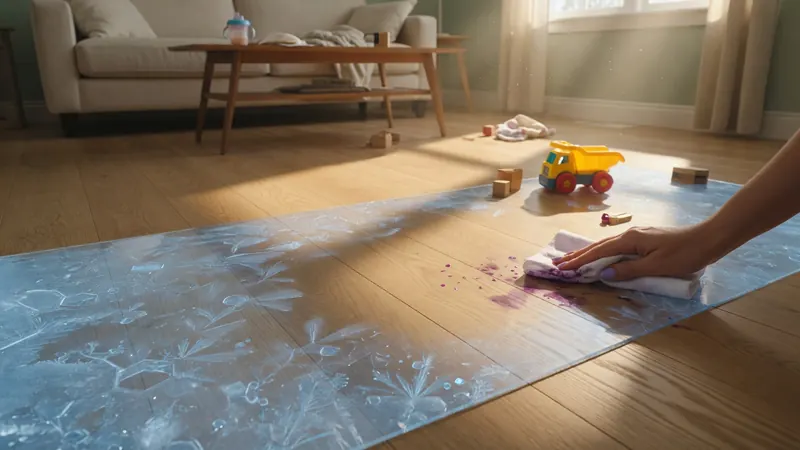
The spill left a sticky purple film, but after a quick wipe the color lifted without staining. The real test came weeks later when the same spot showed no clouding or etching. That outcome was not luck. It came from the low-VOC cross-linked polymer layer that had been applied in thin, even coats and allowed to cure fully. What actually happens in the six months after the movers leave when the household settles into its real rhythms?
Why Families Need Finishes That Stay Out of the Way
Parents today spend more time at home than they did a decade ago. Remote work and after-school routines mean floors see constant foot traffic, dropped toys, and occasional pet accidents. A low VOC floor finish for families matters because it reduces the off-gassing that can irritate small lungs during those first critical weeks after application. Yet safety is only half the story. The finish must also stand up to the physical reality of young households without requiring constant re-coating. Rising interest in pet-friendly homes has pushed more families to ask how a finish can handle claws and accidents while keeping indoor air clean from the start.
Many homeowners assume any water-based product will be soft. Field experience shows otherwise when the chemistry is done right. The low-VOC cross-linked polymer layer forms tighter bonds than older solvent systems, giving it the toughness needed for daily life while keeping volatile compounds low. One callback in particular stayed with the crew: a family who chose a higher-VOC alternative for supposed extra hardness later dealt with fine checking along the edges after a dry winter, teaching us that early toughness can mask long-term brittleness.
Real-World Stress Tests
The Busy Family Kitchen
In one three-year-old kitchen the floor sees four meals a day plus snacks, two dogs tracking in gravel, and a constant stream of small feet in socks and shoes. The homeowners applied two coats of a low VOC floor finish for families over white oak. After eighteen months the surface still showed only light scuffing near the sink where chairs slide back and forth. A neighbor with the same oak but a different finish already had visible wear paths and had scheduled a full sanding. The difference lay in how the low-VOC cross-linked polymer layer resisted abrasion from constant movement. It did not eliminate the need for felt pads under furniture, but it bought years before any maintenance became necessary. During humid summer months the same kitchen floor showed no softening, even when windows stayed closed for air conditioning. The finish simply did its job without announcing itself. On humid days the wood expanded slightly yet the layer stretched without micro-cracks that would later trap dirt.
A Rental Turned Family Home
Another property changed hands twice in four years before a young family bought it. Each previous tenant had used the space differently, leaving behind scuffs, crayon marks, and a faint haze near the sliding door. The new owners stripped the old layers and put down a low VOC floor finish for families. Two years later the same floor hosted birthday parties and a new puppy without any visible damage. Between tenants the landlord noted that the surface cleaned easily with nothing stronger than a damp mop and a mild neutral cleaner. The low-VOC cross-linked polymer layer had absorbed the small daily insults so the wood itself remained untouched. That resilience translated into fewer complaints and faster turnovers when the family eventually moved. The finish did not prevent every mark, yet it kept the floor looking presentable long enough that the next occupant only needed a light refresh rather than a complete redo. Walking the floor at different times of day revealed even color retention where light hit most directly.
The Sun-Drenched Playroom
A south-facing room with large windows receives direct light for six hours each afternoon. The family that uses it keeps toys, books, and an art table on the floor. After three summers the low VOC floor finish for families still showed consistent color with no yellowing or fading along the window wall. A comparable room finished with a standard product began to haze within the same period because ultraviolet light had broken down the surface polymers. The UV-stable topcoat built into the Adamantine system absorbed and dissipated that energy before it could reach the wood. Parents in the house report they no longer worry about rearranging rugs to protect the floor. The finish handles the light exposure while keeping indoor air quality suitable for long play sessions. That combination of durability and low emissions is what lets families actually live in the room instead of tiptoeing around it. ASTM D4060 Taber testing measures abrasion with a weighted wheel; it is not a UV or humidity chamber. Separate UV-stability data is what confirms the topcoat still holds film integrity after sunlight.
The Post-Moving-Day Family Room
When a family of five moved into a new house the weekend brought heavy furniture, boxes, and a piano rolled across the freshly finished floors. The low VOC floor finish for families had cured for thirty days before the truck arrived. Three years later the traffic lanes near the entry still showed only faint compression marks rather than the deep scratches that appeared on a similar floor finished with a non-cross-linked product. The low-VOC cross-linked polymer layer distributed the rolling loads across its network instead of letting point pressure reach the oak. Field crews noticed that homes using this finish between tenants required half the touch-up work compared with older systems. The same room later hosted a holiday gathering where folding chairs scraped back and forth for hours yet the surface recovered without haze or etching. That performance came from the layer's flexibility during seasonal swings, not from any single heroic property.
The Invisible Mechanism at Work
Most people never think about what happens at the molecular level when a finish cures. During the first seventy-two hours after application the polymers in a low VOC floor finish for families begin to link together. This cross-linked polymer layer creates a three-dimensional network that is far harder to penetrate than a simple dried film. The result is a surface that resists both water and mild solvents without trapping odors. When a spill occurs, the liquid beads or spreads across the top rather than soaking in. When a chair leg drags, the force meets the dense network instead of the wood fibers. That is the hidden guardian doing its job quietly. The same layer also limits the movement of plasticizers and other additives that can migrate over time and cause clouding. Families notice the difference years later when the floor still accepts a fresh coat without heavy sanding. Wood hardness decreases as moisture content rises, yet the layer accommodates that movement without failure.
Guardian's Test: How Cross-Linking Holds Up
Imagine the finish as a net rather than a solid sheet. Each strand connects to its neighbors during curing, forming loops that share any stress applied to the surface. A low VOC floor finish for families uses water as the carrier, so fewer solvents remain trapped inside those loops. The result is a tighter mesh that still allows the wood to breathe slightly. When humidity rises, the wood expands; the cross-linked polymer layer stretches with it instead of cracking. When the air dries, the layer contracts without leaving micro-fissures that later collect dirt. This flexibility explains why the same finish performs across seasons in homes that never adjust their thermostats perfectly. The test is not dramatic. It is simply the absence of problems that would otherwise appear after the first winter. During one unusually hot dry spell the crew watched a neighboring floor develop fine haze while the cross-linked surface stayed clear.
Practical Steps That Protect the Protection
Even the best finish benefits from simple habits. Place doormats at every exterior door and wipe them weekly. Use felt pads on every piece of furniture that moves. Vacuum with a soft brush attachment rather than a beater bar. For deeper cleaning choose pH-neutral cleaners labeled safe for the finish type. These steps do not replace the low-VOC cross-linked polymer layer, but they reduce the frequency of touch-ups. One homeowner learned this the hard way after moving heavy bookcases without pads; the resulting scratches required a localized repair rather than a full recoat. The lesson stayed with the crew that performed the work: prevention always costs less than restoration.
- Check furniture pads every six months and replace flattened ones.
- Keep pet nails trimmed to limit surface abrasion.
- Avoid steam mops on any film-forming finish.
- Place area rugs in high-traffic zones only after the finish has cured for thirty days.
What the Field Has Taught Us
One job stands out because the finish choice initially seemed too cautious. A family with three children under six requested the lowest-VOC option available. Two years later the floor showed almost no wear despite daily use. A different home that used a higher-VOC product for supposed extra hardness developed fine checking along the edges after one unusually dry winter. The observation changed how the crew presents options. Durability is not measured at year one. It shows up at year five when the surface still lies flat and accepts maintenance coats without delamination. A low VOC floor finish for families earns its place by delivering that long-term performance while keeping the air safe during application and curing. The same crews now note fewer return visits for haze or edge lifting on these jobs.
Looking Five Years Ahead
Picture the same living room five years from now. The children are older, the dog has slowed down, and the floor still looks presentable under afternoon light. That outcome is possible because the low-VOC cross-linked polymer layer absorbed the small daily impacts without letting them reach the wood. The peace of mind comes from knowing the finish is still there, even on days when no one thinks about it. If your current floor is starting to show its age, take a close look at the traffic patterns and light exposure. The signs are usually visible long before major damage appears. Finding out whether your finish is still doing its job starts with a simple walk across the room at different times of day. Will the floor still greet you with the same quiet evenness a decade from today?
The grape juice spill from the opening story never became a story the family told. The mark lifted, the floor stayed even, and life continued without interruption. That's the wear layer doing its job. Quietly. That is what the hidden guardian provides: protection that lets the household focus on the people living on the floor rather than the floor itself.