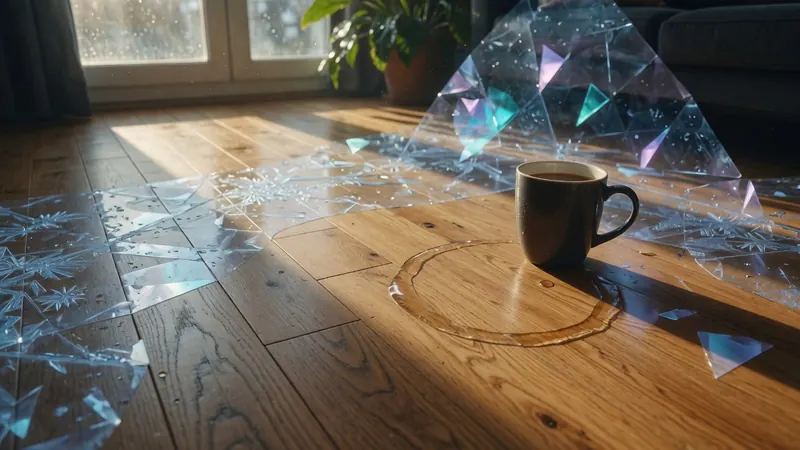
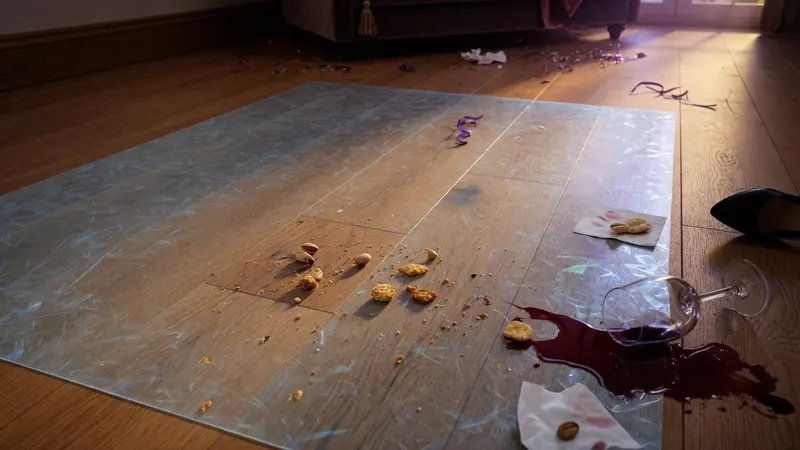
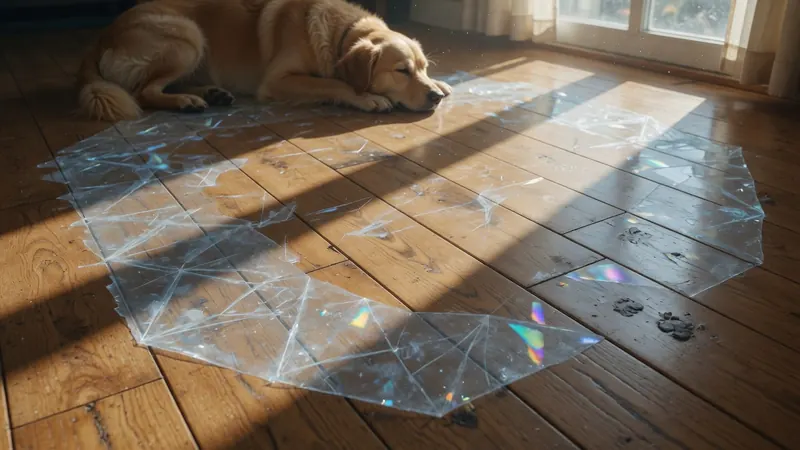
You walk into the living room after a humid stretch of rain and notice the floor no longer reflects the light the way it did last month. A soft, milky film now sits across the boards near the windows. It is not a stain from a spill, yet it dulls every footstep. This is the moment most homeowners first meet a cloudy floor finish, and it rarely arrives with drama. It simply appears after weeks of normal life. What actually happens when the humidity swings wildly for weeks on end, turning clear protection into something that scatters light instead?
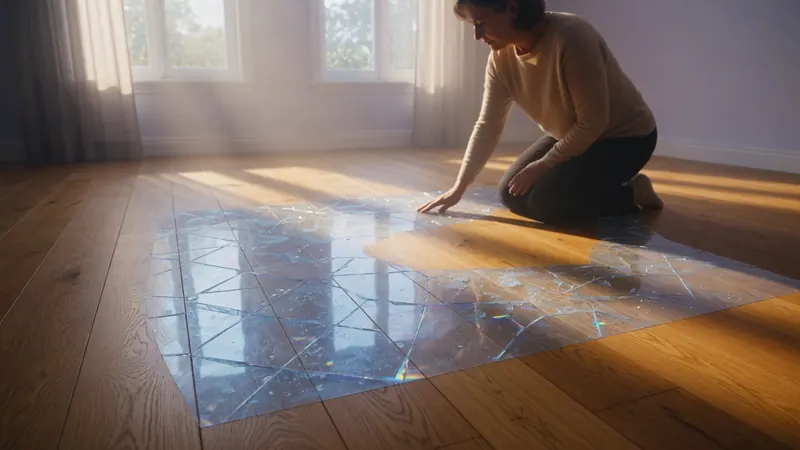
The visible change comes from the outermost layer of protection breaking down under repeated stress. When that layer clouds, light scatters instead of reflecting cleanly. The surface still feels smooth under your hand, but the clarity is gone. Many people reach for a quick polish or cleaner at this stage. Those steps often make the haze worse because they push moisture or residue deeper into the damaged area.
What Cloudy Finish Actually Reveals
Cloudiness starts when the wear layer takes on tiny fractures or absorbs trace moisture. The wear layer is the clear, outermost coat designed to absorb the daily hits so the wood below stays untouched. Over time, foot traffic, pet nails, and changes in room humidity create micro-channels in that layer. Light hits those channels and bounces back unevenly, producing the haze you see. During a long dry spell the wear layer can contract slightly, then swell again when moisture returns, widening those same micro-channels until the milkiness becomes obvious even in low light.
A field observation from a three-year-old suburban home showed the same pattern: the owners ran a busy household with two large dogs and frequent open windows during summer. After the first humid season the floor near the patio door turned cloudy while the rest of the house stayed clear. The difference was simple exposure. The wear layer in that high-traffic zone had absorbed more moisture cycles than the protected center of the room. Another callback two years later revealed that the same zone had stayed clearer once the owners began wiping spills within minutes rather than letting water sit overnight.
Another observation came from a rental property turned over every eighteen months. Between tenants the floors were cleaned aggressively with harsh products. The wear layer began to cloud within two turnovers even though no single spill was dramatic. The cumulative effect of cleaners and foot traffic had opened pathways for haze. In one unit the haze followed the exact path of the vacuum cleaner, showing how even routine maintenance can accelerate wear if the products are too alkaline.
Real-World Stress Tests
The Rental Between Tenants
In a two-bedroom rental the floors saw constant rotation of furniture and cleaning crews. After the third tenant the living room developed a persistent cloud along the main walkway. Inspection showed the wear layer had thinned from repeated abrasion but had not failed completely. The owners chose to clean gently, let the surface dry fully, and apply a compatible maintenance coat rather than strip the entire floor. Two years later the same area remains clearer than the surrounding rooms because the wear layer was renewed before deeper damage set in. The lesson was that early attention to haze prevents the need for full refinishing. Between the fourth and fifth tenants the same owners added entry mats that were washed weekly, cutting the amount of tracked grit that reached the wear layer. The cloud never returned in that walkway, proving that consistent small habits protect the invisible barrier more effectively than occasional deep cleaning.
Busy Family Kitchen
A young family with a toddler and a golden retriever tracked constant activity across their kitchen floor. Within four years the area in front of the sink showed a milky cast that no amount of sweeping removed. The wear layer had been hit by water splashes, dropped utensils, and daily sweeping with a stiff broom. Rather than replace the floor they spot-sanded the affected zone, applied a thin new wear layer, and added felt pads to every chair leg. The cloud disappeared and has not returned despite continued heavy use. The finish did not stop the spills; it simply absorbed them without letting the damage reach the wood. Five years later the kitchen still shows no new haze because the family replaced the felt pads every six months and kept a damp mop ready for immediate wipe-ups after meals.
Sunroom After a Long Summer
A south-facing sunroom floor turned hazy after one particularly hot, dry summer followed by sudden humidity spikes. The boards themselves stayed flat, yet the finish clouded where sunlight had heated the surface repeatedly. The UV-stable topcoat had protected the color of the wood, but the topmost molecules had expanded and contracted enough to scatter light. A light cleaning and a fresh maintenance coat restored clarity. The floor still carries the same finish five years later because the UV-stable topcoat continued to shield the wood even while the surface required periodic renewal. During one especially dry week the homeowner noticed the haze intensify in the afternoon heat, then fade slightly after evening humidity rose, illustrating how the UV-stable topcoat manages thermal movement without letting moisture penetrate deeper.
Remote Work Office with Daily Foot Traffic
A converted dining room turned home office developed cloudiness along the path between desk and doorway after two years of remote work. The homeowner walked the same route dozens of times each day in hard-soled shoes while handling client calls. The wear layer showed fine abrasion lines that scattered light into a uniform haze. Rather than refinish, the owner placed a low-pile runner and began using a microfiber mop with plain water only. After one maintenance coat the path regained its original clarity. Three years later the office floor matches the rest of the house because the wear layer receives protection from both the runner and the reduced direct abrasion. The change also lowered the coefficient of friction slightly, making the surface safer under quick turns during busy workdays.
Guardian's Test: How Cross-Linking Holds the Line
Here is what actually happens at the molecular level while you are just living your life. When a quality finish cures, its polymer chains form tight cross-links that create a tougher network. That network resists the small movements caused by temperature and humidity changes. ASTM D4060 Taber abrasion testing measures how many cycles a finish can endure before visible wear appears. The test does not account for every home variable, yet it shows why some wear layers stay clear longer than others. The more complete the cross-linking, the fewer pathways exist for moisture or fine grit to create haze. During a humid month the cross-linked network absorbs minute amounts of water vapor without swelling enough to break bonds, then releases that moisture when conditions dry. That is the mechanism working quietly beneath your feet.
Practical Steps to Clear the Haze
If you notice early clouding, begin with the gentlest approach. Wipe the area with a damp cloth using only water and a drop of mild dish soap. Dry immediately and completely. Let the floor sit for twenty-four hours. If the haze remains, the wear layer has sustained physical change rather than simple residue. At that point a light buff and a thin maintenance coat of the original finish type often restores clarity without stripping the entire surface. Never use abrasive pads or ammonia-based cleaners; both open more pathways in the wear layer.
- Check felt pads on all furniture legs every six months.
- Place mats at entry points where grit enters most often.
- Avoid steam mops on any film-forming finish.
- Wipe spills within minutes rather than letting them sit.
- Reapply a maintenance coat every two to three years in high-traffic zones before haze develops.
Care Habits That Protect the Invisible Layer
Many homeowners discover too late that aggressive cleaning shortens finish life. A client once switched to a popular “natural” cleaner that left a slight oily film. Within months the floor clouded in the exact pattern of their cleaning strokes. The wear layer had been coated with residue that trapped moisture. Switching back to plain water and immediate drying reversed the cloud within a week. The finish itself was still sound; only the surface needed to be freed of the added layer. Another client noticed that weekly vacuuming with a beater bar created fine scratches that later held moisture and turned hazy; switching to a soft-bristle attachment stopped the progression.
Another lesson from the field: floors that look perfect at year one often diverge sharply by year ten. The difference is almost always consistent, low-impact maintenance rather than any single heroic product. Homeowners who keep entry mats clean and replace them when they become saturated see far less haze in the first five feet of any room. That simple habit reduces the amount of fine grit the wear layer must absorb. In rising pet-friendly homes this matters more than ever, because paws bring in both moisture and microscopic grit that the wear layer must handle daily.
When the Finish Needs More Than Maintenance
Sometimes cloudiness signals that the wear layer has worn through in spots. In those cases spot repair or full recoating becomes necessary. The decision hinges on whether the wood itself shows discoloration or texture change. If the wood remains protected, the wear layer can usually be renewed. If the wood has begun to absorb stains or water, the entire finish system must be addressed. This is where professional humility matters. Early in my career I assumed every cloudy floor needed complete stripping. Experience showed that most haze lives only in the topmost coat, and preserving that coat whenever possible keeps the floor stable and the homeowner’s life uninterrupted.
Looking Five Years Ahead
Picture your floor on an ordinary Tuesday morning five years from now. The light still catches it cleanly. No milky patches appear near the windows after a humid night. The dogs have tracked in sand from the yard, yet a quick sweep and damp mop restore the reflection. That outcome is not guaranteed by any single product, but it becomes far more likely when the wear layer is maintained before damage becomes visible. The best protection is the kind you stop noticing because nothing dramatic ever reaches the surface you actually live on. What will your floor look like after another decade of daily life if the wear layer continues receiving the quiet care it needs today?
If you have noticed the first signs of clouding, now is the time to check whether your current finish is still doing its job. A calm inspection and timely maintenance coat can return the floor to the clarity you expect without turning your home into a job site. The guardian does not need to be seen to be effective; it only needs to remain intact. That is the wear layer doing its job. Quietly.