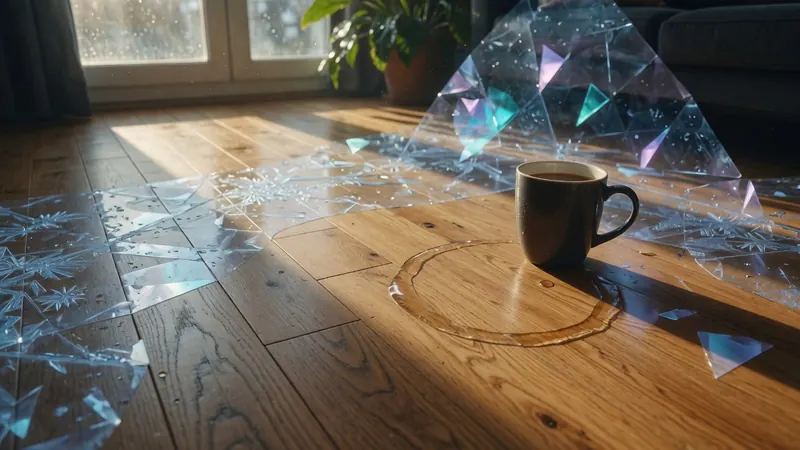
You set down a plate of pancakes on the kitchen table and the syrup slides off the edge, pooling across the floor before you can grab a towel. What actually happens in those first few minutes tells you more about your finish than any spec sheet ever will. The liquid sits there, the edges starting to darken the wood slightly, and you wonder how many more mornings like this the surface can take before it starts to show.
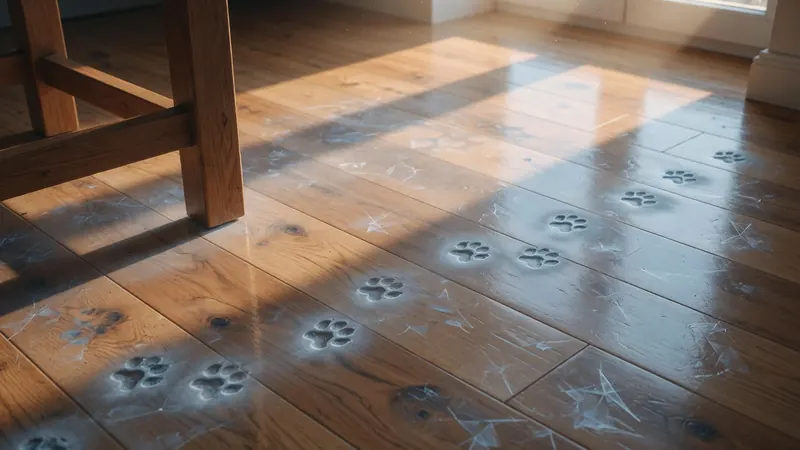
Most homeowners ask how long does polyurethane floor finish last because they have already seen the first dull spots appear. Five years in, the high-traffic path from the back door begins to lose its sheen. The question is not really about a calendar date. It is about what is still standing between your floor and the next spill, the next set of claws, the next chair leg dragged across the room.
What You See Versus What Is Actually Working
Visible wear always starts at the surface. Scuffs from winter boots, light haze from constant chair movement, and the faint outline of a rug that stayed in one place too long all point to the same thing: the outermost layer is taking hits. Yet the same outermost film continues to shield the wood from stains that would otherwise sink in.
The real protection comes from the wear layer that sits directly on the wood. When a polyurethane is applied correctly, multiple coats build a film that hardens through cross-linking. Each new coat bonds to the one below it, creating a single resilient sheet rather than separate skins that can peel apart later.
If you have a dog and a toddler under five, here is what actually matters: the cross-linked polymer layer absorbs the initial abrasion before any damage reaches the wood itself. That is the difference between a floor that needs sanding in year seven and one that still looks even after the kids have learned to walk.
The Mechanism Beneath the Surface
During a hot dry week the wood contracts and the finish must flex without cracking. The cross-linked polymer layer stretches just enough to stay continuous while the visible top remains smooth. In humid months the opposite occurs yet the same network holds stains at bay. What does that syrup actually encounter first when it lands? The outermost molecules that have already formed those bonds.
That flexibility comes from proper curing conditions rather than luck. I once returned to a job six months after application and found the floor still supple even though the homeowner ran a wood stove every evening. The wear layer had done its work without anyone noticing until a dropped glass left only a small mark that buffed out easily.
Real-World Stress Tests
Busy Kitchen After Five Years
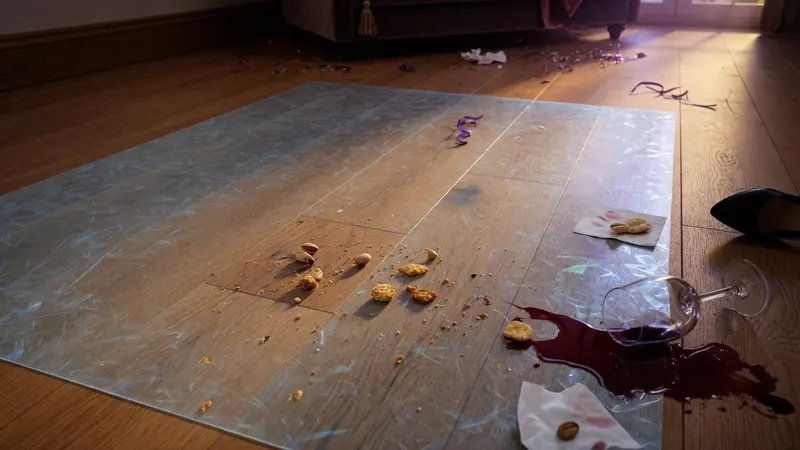
A rental property I visited last spring had seen three different tenants in six years. The kitchen floor carried the marks of spilled wine, dropped silverware, and a constant rotation of rolling office chairs because the back room had become a makeshift workspace during the pandemic. The original water-based polyurethane still showed a consistent sheen except along the main cooking path where the finish had thinned just enough to let light scatter differently. No cupping or warping had occurred because the finish only guards the surface; the subfloor and joists had done their separate job. Between tenants the owner simply cleaned the floor thoroughly, applied a maintenance coat, and the space looked ready again without full refinishing. The lesson was clear: traffic patterns, not the calendar, decide when that extra coat is needed. Another observation from that visit was how the edges near the sink stayed protected longer because the cross-linked polymer layer had resisted surface clouding from dish steam. Tenants had dragged heavy pots across the floor during holidays yet the wear layer showed only light scuffing that disappeared with a gentle polish. That resilience kept the wood color true even after repeated cleanings with mild soap.
High-Traffic Rental Between Tenants
Another property, a three-bedroom townhouse used as a short-term rental, showed different results. The living room floor had hosted everything from moving-day boxes to weekend parties. After four turnovers the finish remained intact on the perimeter but had lost its original depth in the center where suitcases and furniture legs had passed most often. A quick inspection revealed the wear layer was still continuous, just thinner. The owner chose to screen and recoat rather than sand to bare wood, preserving the original color while restoring protection. What surprised me was how little the finish had yellowed despite the south-facing windows; the UV stabilizers had done their quiet work even when the room sat empty for weeks at a time. Field notes from that inspection noted faint heel marks from dress shoes during events yet none penetrated past the top film. The cross-linked polymer layer had absorbed the impacts without allowing discoloration to reach the oak grain below.
Sunroom Floor After Seven Summers
A sunroom addition built seven years ago faced constant direct light and temperature swings. The homeowner had chosen an oil-modified polyurethane because they liked the warmer tone it gave the oak. By year five the floor had begun to show a slight amber shift in the brightest areas, yet the surface remained smooth and free of scratches from patio furniture being moved in and out. The UV-stable topcoat had prevented the deeper fading that would have required staining to correct. During a particularly hot, dry week the wood contracted slightly, but the finish flexed with it rather than cracking because the cross-links had formed a continuous film. That flexibility is easy to overlook until you see a floor that was finished with a brittle product and now carries hairline checks that collect dirt. On one callback the owner mentioned the room doubled as a play space for grandchildren and the wear layer still prevented crayon marks from embedding during summer visits.
Family Room with Kids and Pets After Six Years
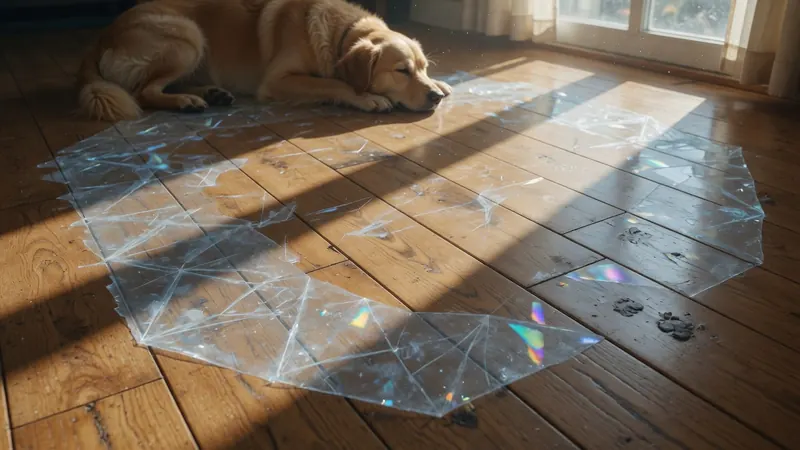
A suburban family room finished six years earlier told its own story. Two young children and a large dog had turned the space into the center of daily life with toy trucks, soccer balls, and frequent water spills from bowls. The original water-based system still held a uniform gloss except where the dog’s favorite path crossed near the couch. Screening revealed the cross-linked polymer layer remained intact beneath a thin surface haze that came from repeated vacuuming without felt pads on the machine wheels. The owner applied a maintenance coat in one afternoon and the floor returned to its original clarity without disturbing the family’s routine. That outcome reinforced how the hidden film absorbs the cumulative effects of play and paws long before any wood is exposed.
Guardian's Test: How Cross-Linking Actually Works
While you are just living your life, the polyurethane molecules are forming new bonds with one another. Cross-linking is the chemical process that turns separate chains into a tougher three-dimensional network. Think of it as the difference between a pile of individual threads and a single piece of woven fabric. The more complete the cross-linking, the harder it becomes for a scratch to cut all the way through to the wood. Humidity and temperature during application affect how fully those bonds form, which is why professionals watch the weather as carefully as the product label. ASTM D4060 Taber testing confirms this network resists abrasion far longer than uncross-linked films under controlled conditions.
Practical Steps That Extend Protection
Even the best finish benefits from simple habits. Keep felt pads under every chair leg and replace them the moment they compress flat. Place a mat at every exterior door so grit does not act like sandpaper. Clean with a damp rather than soaking-wet mop, because standing water can cloud the surface even when the wear layer remains intact. These steps do not make the finish invincible, but they reduce the number of direct impacts the cross-linked polymer layer has to absorb.
- Check high-traffic zones every six months for dull patches that signal thinning.
- Use only cleaners labeled safe for polyurethane; avoid anything with ammonia or solvents that can soften the film.
- Plan a maintenance coat every four to six years in busy households rather than waiting for visible damage.
- Rotate area rugs seasonally to prevent uneven wear patterns from forming.
One Lesson from the Field
Early in my career I assumed an oil-based finish would always outlast a water-based one in rooms with heavy sun. After several callbacks where the oil-modified product had yellowed unevenly while a neighboring water-based floor stayed clearer, I revised that view. Durability depends on matching the product to the specific light and traffic conditions rather than defaulting to the older formula. That shift in understanding has saved more floors from premature refinishing than any single product change. One recent observation came from a WFH household where constant desk chair movement had thinned the finish faster than expected, teaching me to recommend an extra coat in such spaces from the start.
Looking Five or Ten Years Ahead
What actually happens in the six months after the movers leave tells you whether the finish you chose will still be working when the next season of life arrives. Picture your floor on an ordinary Tuesday ten years from now. The same table, the same dog, the same path from the door. How will your floor look a decade from now when the next spill lands or the furniture shifts again? The question is whether the protection you cannot see today will still be there, quietly taking the hits so the wood beneath never has to.
Adamantine builds that protection into every coat so the surface you walk on stays the one you chose. That's the wear layer doing its job. Quietly. The peace of mind comes from knowing the wear layer is still doing its job even when you have stopped thinking about it. If your current finish is starting to show its age, now is the time to see what is still guarding the floor beneath your feet. The syrup that once pooled across the kitchen now beads and wipes away cleanly because the cross-linked polymer layer held through every season since that first morning.