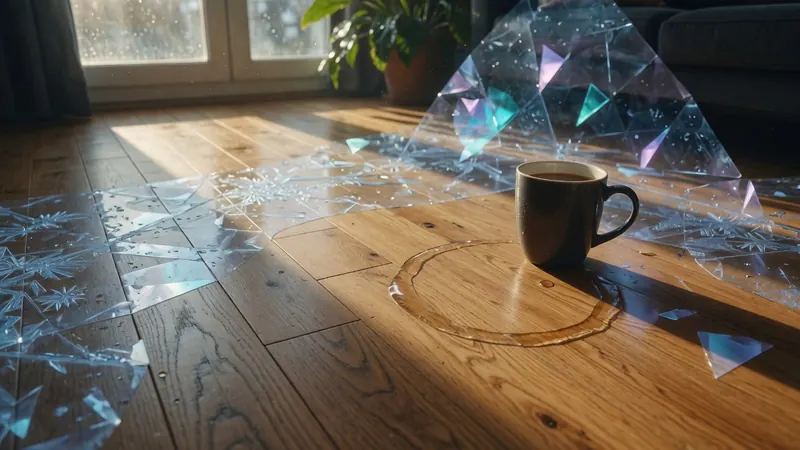
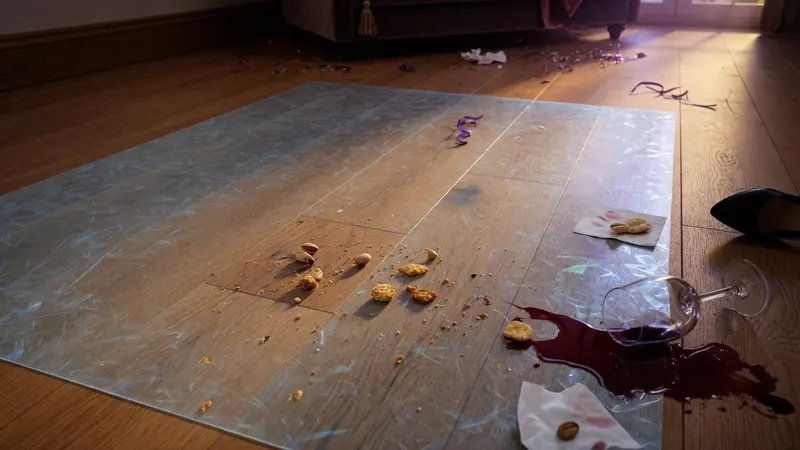
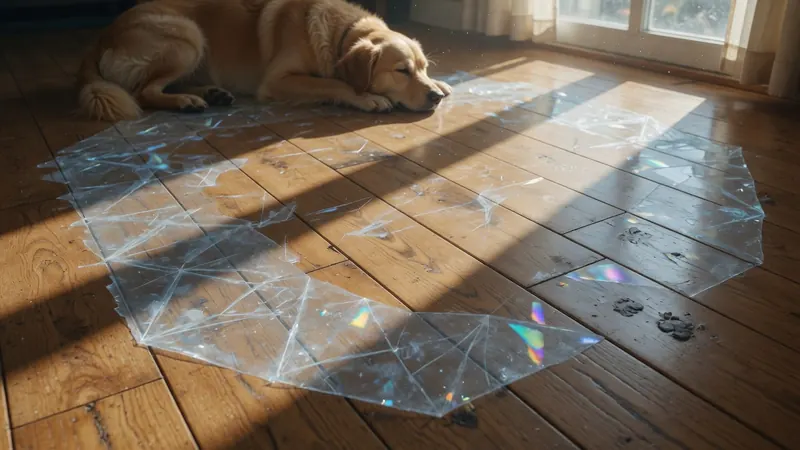
You hear the scramble of claws on hardwood just as your new Labrador bounds after the toddler across the living room. A glass tips, juice spreads, and tiny nails dig in for purchase. In that instant the floor takes the full force of a busy household moment, the kind that happens dozens of times a week once kids and pets share the same space. What actually happens next depends on something most homeowners never think about until damage appears. What really protects the wood when everyday life keeps happening right on top of it?
What Shows Up on the Surface First
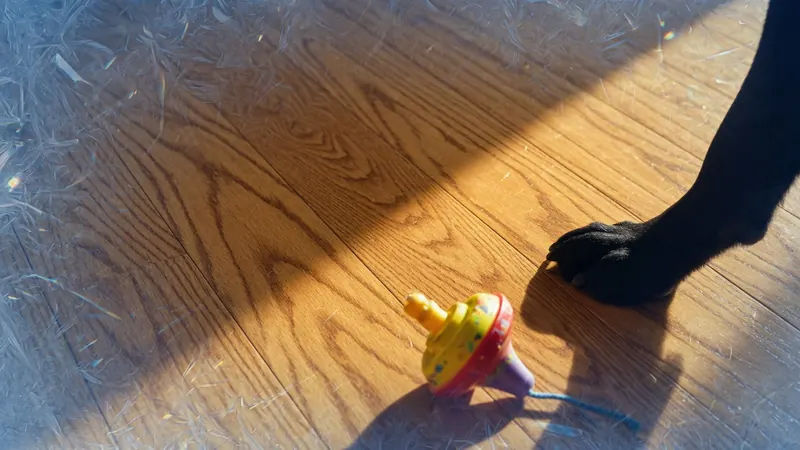
Scuffs from furniture legs, faint haze from repeated foot traffic, and the occasional water ring from a forgotten coaster all land on the outermost surface. These marks arrive because everyday life keeps happening whether you plan for it or not. The visible layer absorbs the initial contact, yet it is not the whole story of why some floors still look presentable years later while others do not. If you have a dog and a toddler under five, here is what actually matters once the excitement settles. The marks feel immediate and personal, like the floor itself is keeping score of every hurried breakfast or late-night cleanup. Over time those surface signs tell you whether the protection below is still holding or starting to thin in predictable spots.
The Mechanism Doing the Quiet Work
Below the surface you walk on sits the wear layer, the specialized topcoat engineered to take the abrasion, impact, and occasional chemical contact that daily routines deliver. This wear layer is formulated with cross-linked polymers that create a tougher network once cured, allowing it to flex slightly under pressure without cracking through to the wood beneath. That is the wear layer doing its job. Quietly. When the puppy skids again the next morning, the same wear layer meets the claws and distributes the force so the wood grain stays untouched. The wear layer also handles the slow grind of chair legs and the sudden splash of a spilled drink, holding the line so nothing reaches the actual boards. Homeowners often ask why one finish lasts while another fails after the same use; the difference almost always traces back to how well that wear layer was built and cured.
Real-World Stress Tests
A Rental Property Between Tenants
Between one family moving out and the next moving in, a rental hardwood floor sees more concentrated wear than most owner-occupied homes experience in a year. Vacuuming happens with stiff brushes, shoes stay on during walkthroughs, and the occasional pet accident goes unnoticed for hours. In one three-bedroom unit the wear layer had already survived two prior turnovers when the property manager called for an inspection. The floor showed only light scuffing near the entry, nothing that required sanding. The difference came down to the original finish having been applied in multiple thin coats with proper curing time between each, building a resilient wear layer that could handle the cycle of temporary residents without revealing the wood. Homeowners prepping their own place for sale can learn from that pattern: consistent, thin applications create more protection than a single heavy coat that may cure unevenly. On another turnover I watched the same floor accept a new set of renters with heavy boots and a large dog crate dragged across it, yet the surface still looked uniform after the move because the wear layer had already proven itself through repeated cycles. The manager noted fewer callbacks for floor repairs compared to other units finished with thinner single-coat systems. Rising interest in pet-friendly rentals has made this kind of performance even more valuable, since tenants now expect floors to survive both families and animals without constant refinishing.
A Busy Kitchen in a Growing Household
Kitchens collect the most varied abuse because spills, dropped utensils, and constant movement converge in one zone. In a home where two parents both work from the kitchen table during the week, the floor sees chair legs scraping back at least twenty times daily plus the occasional rolling cart. After eighteen months the owners noticed the finish still looked uniform under the island yet showed slight dulling right in front of the sink where feet pivot most. The wear layer had thinned there, but only at the surface; no staining reached the wood because the cross-linked structure slowed penetration long enough for cleanup. The lesson arrived when the family added felt pads to every chair and placed a washable runner at the sink. Those simple habits let the remaining wear layer continue protecting the high-traffic strip without needing full refinishing yet. I have seen similar kitchens where the wear layer preserved the boards through three years of daily spills and chair movement, simply because the homeowners wiped within minutes and avoided abrasive pads that would have worn the film faster. One couple even tracked their cleaning routine in a notebook after noticing how quickly the area around the dishwasher stayed clearer than the rest of the room.
A Sun-Drenched Sunroom Five Summers In
Direct sunlight raises floor temperature and lowers wood moisture content, which in turn makes the wood itself slightly harder yet more brittle at the surface. In one sunroom the owners had chosen a UV-cured finish precisely because they wanted the space bright year-round. Five summers later the boards near the glass doors still held their original color while neighboring rooms without the same wear layer formulation showed noticeable fading. The wear layer contained UV stabilizers that absorbed and dissipated the radiation before it could break down the finish polymers or bleach the wood pigments underneath. What looked like an expensive upgrade at installation time proved to be the difference between replacing the entire floor or simply touching up a few high-wear spots. The same room later hosted a small gathering where a glass of red wine tipped during a toast; the wear layer kept the pigment from soaking in until the spill was found and cleaned, leaving only a faint ring that buffed out with maintenance polish. ASTM D4060 Taber abrasion testing measures mechanical wear from a weighted wheel, not UV or humidity cycling; real homes add those variables that lab conditions cannot fully replicate.
A Contractor's Renovation Weekend
Contractors moving ladders and tools across a finished floor create sudden, concentrated stress that most homeowners never anticipate until the work is done. In one recently completed home the wear layer faced an unplanned weekend of drywall sanding and cabinet installation. Dust and metal feet from sawhorses pressed down repeatedly, yet when the plastic sheeting came up the surface showed only minor haze rather than deep scratches into the wood. The wear layer had been applied in four thin coats with full cure times, giving it the toughness to resist the abrasion without letting grit embed or tools mark the boards. That same floor later passed a final walkthrough without any refinishing, saving the owners both time and expense during an already busy move-in period. I once watched a similar job where the crew forgot floor protection for an afternoon and the wear layer still prevented permanent marks because the cross-linked film was thick enough to absorb the grit without reaching the wood.
A Home Office During Years of Remote Work
Remote work has turned many spare rooms into full-time offices where rolling chairs and standing desks create constant pivoting and pressure points. In one converted bedroom the wear layer endured two years of daily chair movement plus the occasional dropped coffee mug before any dulling appeared near the desk legs. The cross-linked structure distributed the repeated micro-abrasions so the wood stayed protected even as the finish slowly burnished in the highest-traffic arc. When the owners finally added a large area rug, the contrast showed how much the wear layer had already preserved the original color and texture. That extra resilience proved useful when the family later converted the room back into a guest space and the floor required only a light buff rather than sanding. Field callbacks for office-to-living conversions have dropped noticeably once builders began specifying multi-coat wear layer systems that tolerate both furniture and foot traffic without visible change.
The Guardian's Test: Cross-Linking Under the Microscope
Think of the wear layer as thousands of tiny chains that, once cured, lock together into a three-dimensional net. Heat and UV light from the curing lamps trigger those links to form, turning a liquid coating into a solid film that resists being scraped away. During a humid week the wood expands slightly and the flexible net stretches with it; during a dry spell the wood contracts and the same net holds its shape without flaking. That molecular give-and-take is what separates a finish that lasts from one that develops fine cracks after the first seasonal swing. The process happens whether you notice the weather changing or not. During one dry winter spell I checked a floor where the wear layer had flexed enough to prevent the micro-cracks that appeared on a neighboring home finished with a less elastic topcoat. Wood hardness decreases as moisture content rises, so the wear layer must accommodate that natural shift without failing at the surface.
How Seasonal Changes Test the Wear Layer Daily
Wood hardness decreases as moisture content rises, so the wear layer must accommodate that natural shift without failing at the surface. In spring when humidity climbs the boards swell and the wear layer stretches to match; in fall when heating systems dry the air the boards shrink and the same layer contracts without flaking or creating gaps where dirt can collect. One home I revisited after a particularly wet summer showed no edge lifting or finish separation because the wear layer had been formulated with enough flexibility to move with the wood rather than fight it. That seasonal resilience keeps the protection invisible through every change of weather. During a hot, dry week the boards pull inward and the wear layer follows without telegraphing stress lines, while a humid month lets the same film expand just enough to stay continuous. The difference is invisible until you compare two otherwise identical floors after several seasons of real use.
Practical Habits That Help the Wear Layer Last
Even the strongest wear layer benefits from a few consistent routines that reduce unnecessary stress. Sweep or vacuum with a soft brush head several times weekly so grit does not act like sandpaper. Place mats at exterior doors and ask contractors to use floor protection during any work. Reapply a maintenance coat of the same finish line every three to five years in high-traffic zones rather than waiting for visible failure. These steps do not replace the wear layer but keep its workload manageable so the protection stays invisible longer.
- Check chair and table legs for felt pads every six months and replace any that have worn flat.
- Wipe spills within minutes; even the best wear layer slows staining rather than stopping it instantly.
- Avoid vinegar-heavy cleaners that can etch certain polymer films over repeated use.
One Field Observation on What Durability Really Means
Early in my career I recommended a high-build finish for a family with three large dogs, expecting the extra thickness to solve everything. Two winters later the floor showed micro-cracking along the grain because the thick film could not move with the wood during low-humidity months. The wood had become more brittle in the drier air, yet the rigid wear layer had no give. Since then the rule has been thinner, properly cured coats that respect seasonal movement. The wear layer still performs its surface role; it simply does so within the limits of real wood behavior rather than fighting against it. That lesson has held through dozens of later jobs where thinner, well-cured layers outlasted the heavy single coats I once favored. The same principle applies when homeowners ask about pet-friendly upgrades: the chemistry matters more than the advertised thickness.
Looking Five Years Ahead
What actually happens in the six months after the movers leave or after the new puppy arrives depends less on dramatic events and more on the steady presence of that wear layer. Picture your own floor in five years: the same boards, the same light from the windows, the same paths the family walks every day. The scuffs will be there, but they will remain on the surface because the wear layer absorbed the real impact. When the Labrador skidded after the toddler and the juice glass tipped, the wear layer kept both the claws and the liquid from reaching the wood, so the boards stayed unmarked and the spill wiped away without a trace. That is the peace of mind worth checking on now. See whether your current finish is still doing its job before the next near-miss arrives. How will your floor look after the next five summers of sun, spills, and paws?