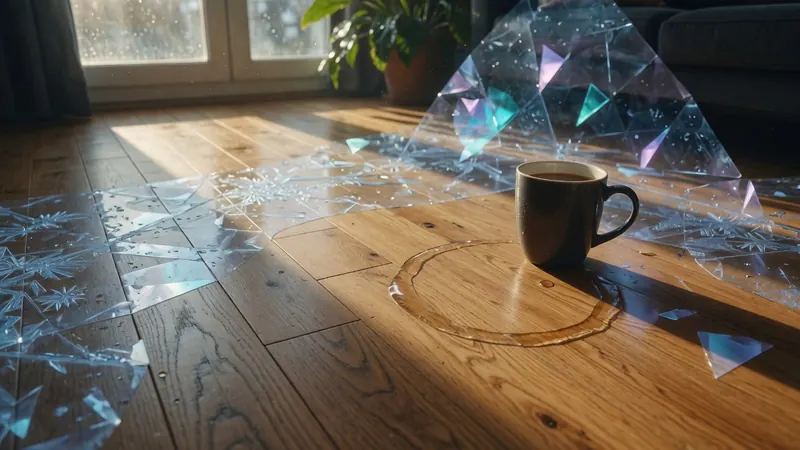
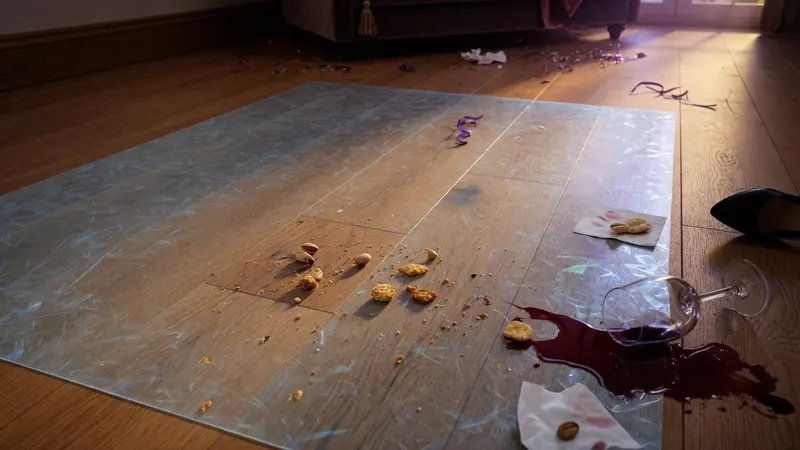
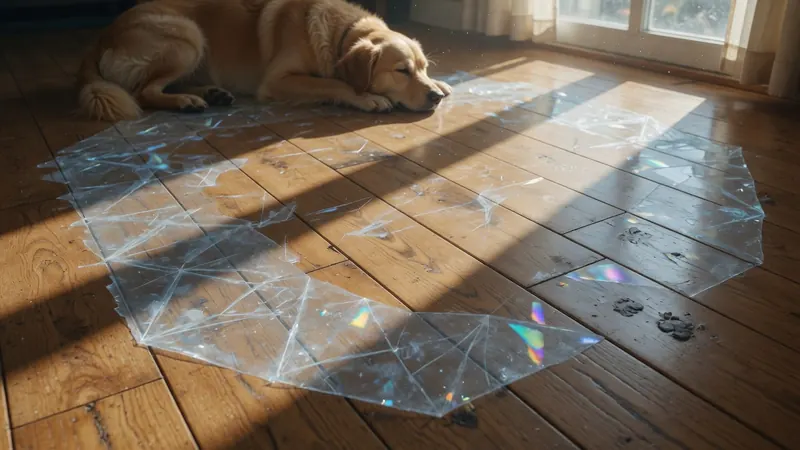
You walk into the unit after the movers have gone. The place is quiet now, but the floors tell the story of the last year. A few scuffs near the kitchen pass-through. A faint ring where someone set down a wet coffee mug too long. The previous renters had a dog, and you can see the path where claws tracked across the living room again and again. What actually happens in the six months after the movers leave? That is the real test for any floor finish for rental properties.
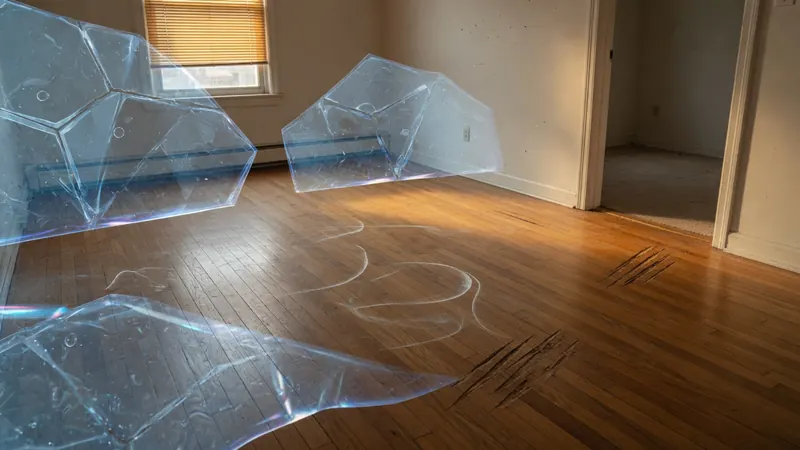
The visible marks are only the surface. Beneath them sits the layer that either absorbed the damage or passed it straight through to the wood. Most landlords discover this the hard way during the first turnover.
The Visible Problem Landlords See First
Every rental unit follows the same pattern. New tenants move in excited. Furniture slides. Shoes come and go. Meals get spilled. Within months the floor starts to show the pattern of daily life. By the time they move out the finish has either protected the wood or begun to fail in small, expensive ways. If you have managed rentals for any length of time, you already know the difference between a floor that still looks presentable and one that needs sanding before the next lease can start.
One field observation keeps coming up on callbacks. Units with heavy pet traffic show the most variation. Some finishes haze along the high-traffic paths while others stay clear. The difference is not luck. It comes down to how the finish responds when moisture and abrasion arrive together. Rising interest in pet-friendly homes means more landlords now ask specifically about finishes that handle both claws and occasional accidents without immediate haze or staining.
Another observation comes from units where tenants worked from home full time. The constant rolling chair traffic created narrow wear paths that only appeared after the lease ended. Floors finished with a standard residential product showed early breakdown along those routes, while those with a tougher build held their clarity longer.
How the Finish Actually Works
The protection is not the wood itself. It is the cross-linked polymer layer that sits on top. During curing the molecules link together into a tougher network. That network resists the small scratches and scuffs that appear every day. That same wear layer is the outermost film, taking the first hits so the wood below stays unmarked longer. When the wear layer is formulated with UV stabilizers it also slows the slow fading that happens in sunlit rooms. The cross-linked polymer layer works even when humidity rises and wood hardness decreases, keeping surface damage from reaching the boards.
That is the cross-linked polymer layer doing its job. Quietly.
Guardian's Test: What Cross-Linking Really Means
Imagine the finish as a net instead of a sheet. Without cross-linking the strands sit side by side and can be pulled apart with enough rubbing. Cross-linking ties those strands together at many points. The result is a surface that recovers from minor impacts instead of showing permanent tracks. This happens at the molecular level while you are simply living in the space. The Taber abrasion test, ASTM D4060, measures exactly this resistance by spinning abrasive wheels against the finish for thousands of cycles. The numbers only matter because they predict what you will see after a year of real foot traffic. One manufacturer data set showed finishes meeting higher abrasion cycles retained clarity twice as long in high-traffic rentals.
Real-World Stress Tests
Turnover Between Tenants
Consider a two-bedroom rental that changes hands every twelve to eighteen months. The last tenants had a large dog and hosted weekly dinners. When they left, the floors showed claw marks along the hallway and a couple of faint water rings near the dining area. The landlord expected to sand the entire unit. Instead the existing finish still protected the wood. Light buffing and a fresh topcoat restored the surface in two days. The wear layer had taken the visible damage while the wood underneath stayed untouched. That outcome is common when the original finish was chosen for rental conditions rather than showroom looks. The cost difference between a quick recoat and a full sand-and-refinish is usually several thousand dollars per unit. Over ten years and multiple turnovers the savings add up quickly.
Another detail appears during these inspections. Tenants rarely notice gradual haze until the unit is empty and the light hits the floor differently. The landlord who checks with a strong flashlight angled low catches the early signs before they become complaints from the next renter. This small habit prevents larger surprises at turnover. In one case a single overlooked haze patch led to a reduced security deposit dispute that could have been avoided with a two-minute angled-light check.
Busy Kitchen in a Family Rental
Now picture a three-bedroom house rented to a family with two school-age children and a toddler. The kitchen sees constant movement from morning until bedtime. Spills happen daily. Chairs get dragged. Someone inevitably drops a plate. After two years the floor still looks acceptable because the finish was built to handle repeated cleaning and impact. The cross-linked polymer layer kept minor scratches from reaching the wood even when a chair leg caught the surface. The landlord had installed felt pads on all furniture at move-in, but even with that precaution the finish carried the load. Without it the wood would have shown dents within the first year. The practical lesson is simple. A good finish buys time, but daily habits like keeping pads in place and wiping spills the same day extend that time further. Tenants who follow those habits rarely realize they are helping the finish do its job.
Field notes from similar properties show that kitchens with vinyl runners in front of the sink and stove stay cleaner longer. The runners catch the worst of the daily wear so the finish underneath ages more evenly. This is not about making the finish invincible. It is about giving it fewer battles to fight. One unit that skipped runners needed a mid-lease touch-up coat after only eighteen months; the adjacent unit with runners went four years before any maintenance.
Sunroom With Constant Light and Traffic
A sunroom attached to a rental unit presents a different challenge. Large windows mean hours of direct sunlight plus foot traffic from people moving between indoor and outdoor spaces. After three years the finish on the south side of the room began to show slight dulling where the sun hits longest. The north side remained clearer. The difference came from UV stabilizers built into the UV-stable topcoat. Without them the finish would have yellowed and lost flexibility faster, leading to cracking along the edges. The wood itself moved with the seasons because of its construction; the finish only limited surface haze and checking as the film aged. One professional humility moment comes from an earlier project where a standard polyurethane was used in a similar sunroom. Within four years the finish had faded enough to require sanding. The lesson was that durability claims must be tested against the actual light conditions of the space, not just foot traffic numbers.
Landlords who manage multiple units now ask about UV performance before choosing any finish. That single question prevents repeat work in the brightest rooms. The UV-stable topcoat also helps during hot dry weeks when wood expands and contracts more, keeping surface checks from forming.
Contractor Work Between Leases
Another common stress test occurs when contractors move in to repaint or repair between tenants. Ladders slide, tool bags drop, and drop cloths get dragged across the floor for days. In one three-unit building the landlord chose a finish with a robust cross-linked polymer layer specifically for this reason. After the painters left, only light scuffs appeared and a quick buff removed them. A neighboring unit finished with a softer product showed deeper gouges that reached the wood and required spot sanding. The wear layer in the first case absorbed the contractor traffic without complaint. That difference meant the first unit was ready for new tenants in forty-eight hours while the second lost a full week of rent. Field callbacks show contractor intervals are the hidden variable many landlords overlook when selecting a floor finish for rental properties.
Practical Advice for Rental Owners
If you manage rental properties, focus on finishes that balance hardness with some flexibility. Too hard and the surface chips under impact. Too soft and it shows traffic patterns quickly. Ask for data from manufacturer testing that follows ASTM D4060 protocols. That gives a baseline before you see how the finish behaves in actual homes. Application matters as much as the product. Thin, even coats cure more uniformly than heavy ones. Rushing the process leads to soft spots that show up later.
- Inspect floors with angled light before every new lease.
- Keep a supply of felt pads and encourage tenants to use them.
- Place mats at entry points and in front of sinks.
- Wipe spills the same day they occur.
- Plan for a light buff and recoat every three to five years depending on traffic.
What Separates Year One From Year Ten
The floor that still looks good after a decade is rarely the one with the thickest initial coat. It is the one that received consistent, modest maintenance. One lesson from the field is that the difference shows up most clearly in the third and fourth years. By then any weaknesses in the finish have become visible. Units that started with a quality cross-linked polymer layer and received one recoat at the right time continue to perform. Units that started with a lighter residential finish often need full refinishing by year seven. The peace of mind comes from knowing the protection is still working even when you are not thinking about it every day.
Looking Ahead at Your Own Floors
Picture the same rental unit five years from now. New tenants will move in. The furniture will shift again. The dog, or the next dog, will cross the rooms. Will the floor still look like a space worth renting or will another sanding project be required? The wear layer as the outermost film determines the answer long before the next lease is signed. When the finish has done its job you rarely notice. That is the point of the hidden guardian. It takes the hits so the wood beneath it never has to show them. If your current finish is still handling the traffic without constant attention, it is probably still doing its job. If small marks are starting to linger, it may be time to check what is actually protecting the wood underneath. See what's protecting your floor before the next turnover arrives.