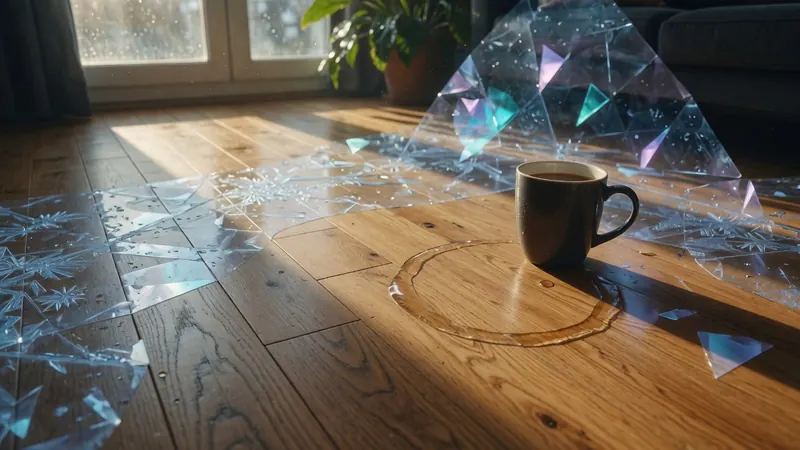
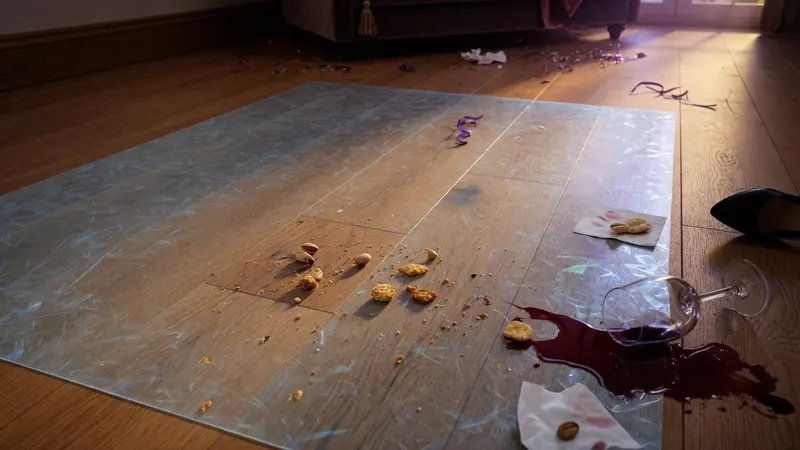
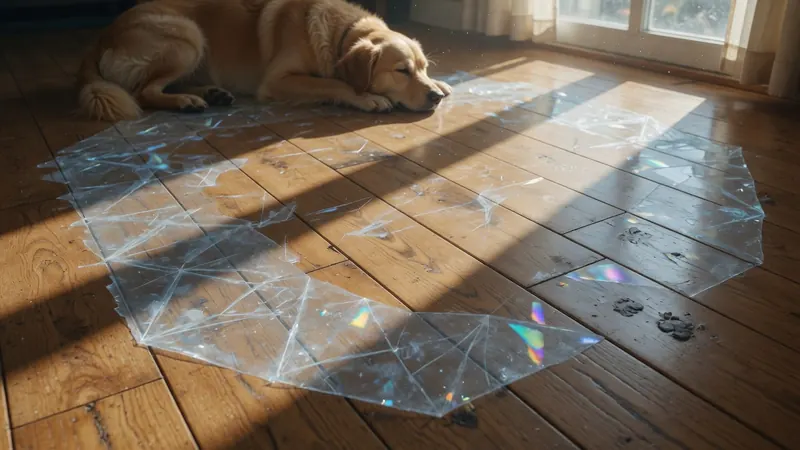
You finish mopping the kitchen after dinner, the way you have every week for years, using the same all-purpose cleaner that leaves a faint shine. Six months later the surface looks slightly hazy under the pendant lights, and you wonder why the finish no longer feels smooth under bare feet. That gradual change rarely comes from one dramatic spill. It builds from repeated contact with the wrong solutions, the absence of felt pads, and the steady press of daily movement.
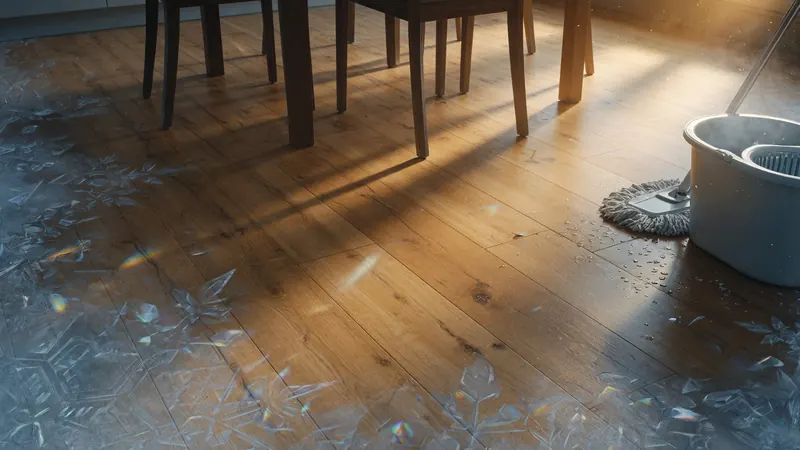
What actually happens in the six months after the movers leave when new habits settle in? The visible haze is only the surface telling you the layer beneath has already absorbed more wear than it should. If you have a dog and a toddler under five, here is what matters most: the small choices made every week determine whether the finish lasts or begins to surrender early.
Visible Problems That Start with Everyday Actions
Most homeowners notice the problem only when light catches the floor at an angle. Scuffs from chair legs appear first, then a dull patch where shoes turn the same corner each morning. These marks sit on top of the finish, yet they signal that the protective layer is thinning in places it was never meant to thin so soon. The floor itself stays sound, but the surface no longer repels the next spill the way it once did. Over time the once-smooth feel gives way to a slight drag under socks, a change that registers only after months of micro-abrasion have already taken their toll.
Another common sight appears in homes with south-facing windows. Sunlight warms the boards during the day, and the finish begins to show fine checking that looks like tiny cracks when you kneel close. The change is slow enough that people adapt to it, until the day they host guests and realize the room no longer looks as crisp as it did when the finish was first applied. What you see on the surface is only the final signal after months of micro-abrasion and cleaner residue have already done their work below the shine.
Real-World Stress Tests
Rental Property Between Tenants
A two-bedroom unit turned over three times in four years. Each new renter brought different cleaning habits, from weekly steam mopping to occasional use of abrasive pads on stuck-on spills. By the fourth turnover the living room finish showed distinct traffic patterns where the finish had worn through to a lighter tone. The oak boards themselves remained flat and stable, yet the surface now required sanding before the next tenant moved in. The owner noted that units with an extra wear layer applied during initial finishing needed only a light screen and recoat rather than full restoration. The difference showed up most clearly in the kitchen where spills happened daily yet the protected floor retained its original color under the same foot traffic. Field notes from the final walkthrough revealed that the extra wear layer had absorbed repeated detergent contact without letting haze reach the color beneath, something the previous standard finish could not manage across multiple turnovers. Tenants rarely noticed the gradual softening until a late-night spill finally highlighted the difference in protection.
Busy Kitchen in a Work-From-Home Household
A family converted their dining area into a permanent workspace, adding rolling chairs and a standing desk that moved several times a day. Within eighteen months the finish near the desk legs had developed a cloudy ring where the wheels pressed and turned. The homeowner had placed a thin mat, but it shifted often and the unprotected zones received constant micro-abrasion. When the finish was examined under raking light, the cross-linked polymer layer had been polished away in narrow tracks. The boards stayed level; only the top surface showed the effect. Replacing the mat with a thicker, non-slip version and adding felt pads to every chair leg stopped the pattern from spreading further. The existing wear layer still protected the rest of the room because the damage had not reached the wood itself. During a later visit the homeowner mentioned that the rolling motion had created heat buildup on dry days, yet the cross-linked polymer layer maintained flexibility without cracking, proving its value in spaces that see constant furniture movement. The family later added a second mat at the desk edge, a small step that kept the remaining protection intact through another full year of remote work.
Sunroom with Daily Pet Traffic
A retired couple added a sunroom for their aging Labrador. The room received full afternoon sun through skylights, and the dog crossed the floor to reach its water bowl at least twenty times a day. After two summers the finish on the brightest side showed a noticeable fade along the grain lines while the shaded side remained deeper in color. The couple had been using a mild soap solution weekly, yet the combination of UV exposure and repeated claw contact had thinned the topcoat. A field visit showed the finish still prevented moisture from the occasional overturned bowl from reaching the wood, but the protective capacity had clearly diminished. The lesson was that even a durable system benefits from periodic checks when sunlight and pet traffic combine. The UV-stable topcoat had slowed color shift on the shaded side, but the brightest zone needed an extra stabilizer pass during the next maintenance coat to restore balance. The dog’s path became a clear map of where protection had been tested most, guiding the decision for added stabilizers on the next coat.
Contractor Worksite During a Kitchen Remodel
During a three-week kitchen remodel, contractors tracked fine drywall dust and occasional boot marks across the adjacent dining room floor each afternoon. The homeowner had covered the area with plastic sheeting, yet dust worked its way underneath and settled into the finish. After the job ended, light sanding revealed shallow scuff lines that a standard cleaner could not lift. The wear layer had taken the abrasion without exposing the color layer beneath, allowing a simple screen and recoat to restore uniformity rather than a full sand. This scenario highlighted how even short-term heavy use leaves cumulative effects that only become visible weeks later under normal light. The homeowner later added a runner during future projects, a small habit that preserved the remaining protection for years afterward. Dust from the remodel had acted like fine sandpaper, yet the wear layer absorbed it without letting the damage reach deeper layers.
Weekend Party with Heavy Foot Traffic and Spills
A family hosted a large graduation party that brought forty guests across the living room and dining areas for an entire evening. Red wine, appetizers, and countless shoes left their mark before cleanup the next morning. The finish showed scattered dull spots where spills had sat briefly and where heels had pivoted on the same square foot repeatedly. Under closer inspection the cross-linked polymer layer had taken the brunt of the acidic residue and micro-scratches, yet the color beneath remained untouched. A quick screen and recoat a month later brought the surface back without sanding to bare wood. The event reminded the homeowner that even one high-traffic night can accelerate wear if the protective film is already thinned by daily habits. The wear layer kept the spills from penetrating, buying time for proper maintenance rather than emergency repair.
Guardian's Test: What the Wear Layer Actually Does
Think of the wear layer as a thin film of cross-linked molecules that sits above the color and the wood. During a hot, dry week the film expands and contracts slightly with temperature swings while still holding its structure. In a humid month the same layer resists swelling that would otherwise allow small openings for dirt to lodge. The film does not stop the floor from moving with the house; it simply keeps the surface intact so that movement does not translate into visible scratches or haze. That is the wear layer doing its job. Quietly.
Habits That Accelerate Finish Failure
One lesson learned after years of callbacks is that the difference between a floor that looks fine at year one and one that still looks fine at year ten often comes down to three repeatable actions. First, never use cleaners that contain wax or oil restorers unless the finish was designed for them; most modern systems reject those additives and the surface clouds instead. Second, keep entry mats both inside and outside every exterior door so that grit is removed before it travels across the main walking paths. Third, replace felt pads the moment they compress flat; a hardened pad turns into a tiny sander with every chair movement.
- Check the coefficient of friction of your cleaner by testing a small hidden area first; if it leaves a slippery film, switch products.
- Rotate area rugs seasonally so that one section does not receive all the UV exposure.
- Schedule a walk-through every six months looking for dull zones before they become obvious haze.
Field Observations and a Cultural Shift
Over the past five years more clients have asked about finishes that tolerate pets without constant worry. The trend tracks with more households working from home, where the same square footage sees heavier daytime use than it did a decade ago. One job stands out: a homeowner chose a standard satin finish believing the lower sheen would hide marks better. After two years the floor looked acceptable from standing height yet revealed fine scratches under angled light. The choice had traded early appearance for faster visible wear. That experience shifted how the shop now discusses gloss levels with clients who have active households.
Another observation comes from a callback that never happened. A sunroom finished with an added UV-stable topcoat showed almost no color shift after four summers despite south-facing glass. The owner had followed the simple advice to keep one set of curtains drawn during peak hours, and the extra stabilizer in the topcoat handled the rest. The floor looked nearly new because the protection had been matched to the actual exposure rather than assumed to be universal.
Selecting Protection That Matches Real Life
When choosing a finish, ask how many wear layers the system carries and whether the topcoat includes UV stabilizers. ASTM D4060 Taber abrasion data gives a baseline for comparison, though real homes add variables like pet nails and rolling furniture that lab tests cannot fully replicate. The goal is not a finish that survives every possible mistake, but one that absorbs the small daily contacts without immediate failure. Adamantine's cross-linked polymer layer is formulated to provide that margin, yet even this protection works best when paired with the simple habits already mentioned. Professional humility comes from jobs where a seemingly robust system still needed an extra wear layer after unexpected contractor traffic; durability always depends on matching the product to the actual conditions rather than assuming lab numbers will cover every variable.
Five or Ten Years From Now
Picture the same kitchen you mop tonight. The pendant lights still hang in the same place, the dog still crosses the same path to its bowl, and the chairs still turn at the desk. How will the choices you make today shape the floor you walk on five years from now? The wear layer cannot change the habits, but it can keep those habits from becoming permanent damage. That is the peace of mind the hidden guardian provides: the surface stays intact because something you rarely think about is taking the hits instead.
The original mop bucket moment returns here. The weekly cleaning continued, yet the floor never developed the hazy patches seen in similar homes. The UV-stable topcoat and extra wear layer absorbed the repeated contact and the occasional splash without letting the damage reach the wood. Five years later the surface still feels consistent underfoot, and the homeowner no longer wonders what is happening beneath the shine. The protection is simply there, doing its work, so the daily life on top of it can continue without worry. The same floor that once threatened to haze now reflects the same pendant light with the same smooth feel it had on the day the finish was first applied.