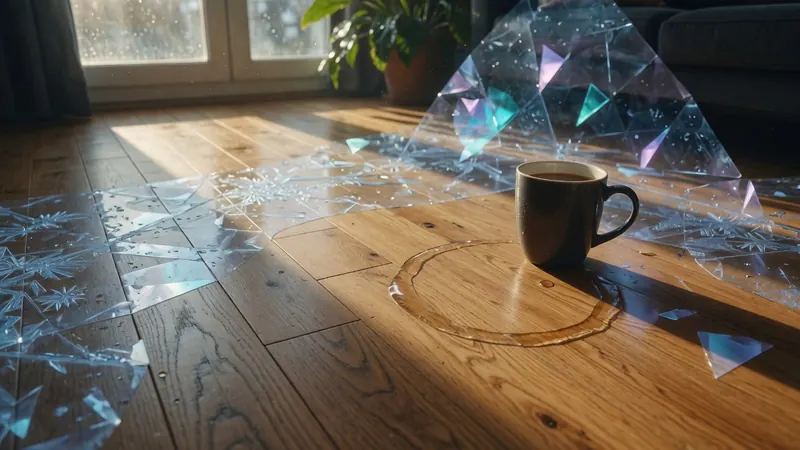
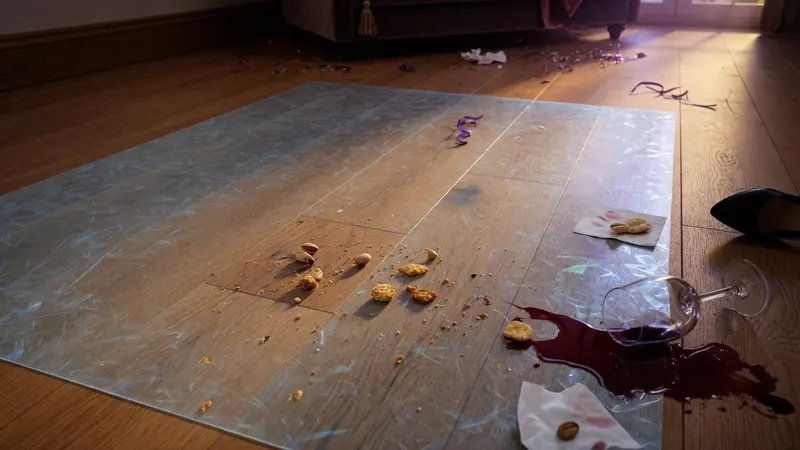
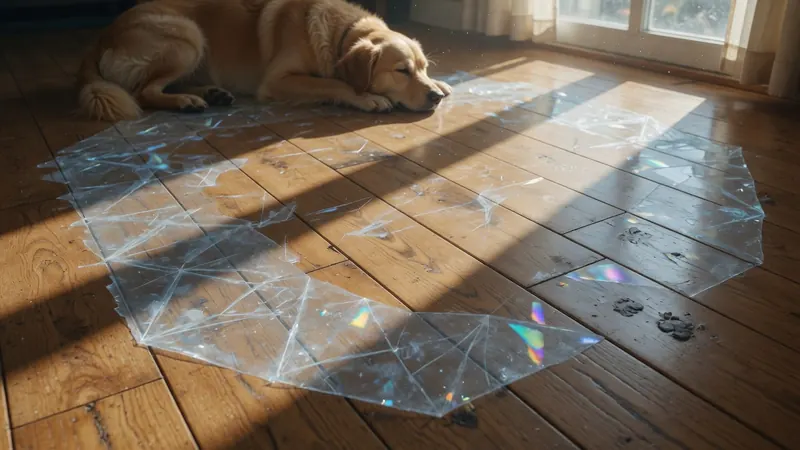
A Saturday morning in an open plan home often starts with the sound of little feet and a tipped juice cup. The liquid spreads fast across the connected kitchen, dining, and living areas because nothing stops its path. What happens next depends on what sits on the wood beneath those boards. The visible stain might lift with a quick wipe, yet the real question is what the finish did in the seconds the liquid sat there.
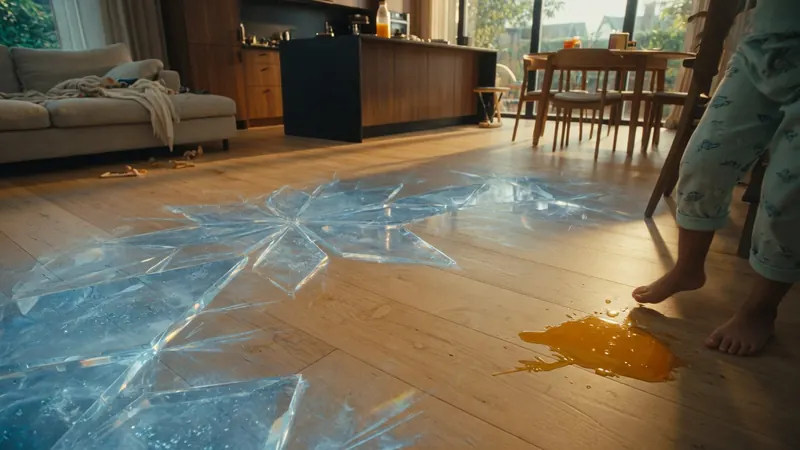
Visible Wear in Large Continuous Spaces
Open plan homes turn every path into a high-traffic route. Furniture gets moved for parties, pets run the full length, and sunlight reaches the same boards for hours each day. After two years the finish near the kitchen island shows fine scratches from chair legs. After five years the area by the sliding door begins to lose its even sheen while the outer edges still look fresh. These differences appear because the surface takes every step and every spill without barriers to contain the damage.
One field observation came from a three-bedroom open layout where the owners hosted weekly playdates. The finish on the main walkway dulled first, not from any single event but from repeated soft-soled shoes and the occasional snack crumb ground in by socks. The homeowners noticed only when guests commented on the change in light reflection. Another observation came from a callback two years later on a different job: the boards under a rolling office chair had developed a faint track, yet the color beneath remained untouched because the protection had absorbed the abrasion without letting it reach the wood.
If you have pets and children sharing one large floor, focus first on how the finish behaves under constant movement rather than its initial appearance. What actually happens when a dog runs from the back door straight through the living area at full speed? The finish either holds or it begins to show the path in real time.
The Mechanism That Works Without Attention
The protection comes from the cross-linked polymer layer that forms once the finish cures. This network of bonds creates a flexible yet tight surface that resists liquid penetration at the top. When a spill lands, the cross-linked polymer layer keeps moisture from reaching the wood pores for the time it takes to clean. The same layer also limits how far a scuff can travel into the finish itself.
Another key part is the UV-stable topcoat. In open plan rooms with large windows this coating slows the breakdown of color and clarity that sunlight causes. Without it the boards in the brightest zone would lighten unevenly, creating a visible map of where the light falls most. The UV-stable topcoat works steadily, day after day, without changing appearance or requiring extra steps from the homeowner. During a hot dry week the wood contracts slightly while the cross-linked polymer layer flexes just enough to stay intact; in a humid month the wood swells and the same layer stretches without cracking. That shift in behavior is the invisible-made-visible moment most people never notice until a finish fails.
Real-World Stress Tests
Rental Property Between Tenants
A two-year lease on an open plan condo ended with the floors still looking presentable. The tenants had a medium-sized dog and worked from the living area most days. Between move-out and the next showing the landlord walked the space and noted only minor scuffs near the desk chair. The wear layer had absorbed those marks without letting them reach the stain beneath. Cleaning with a neutral solution restored the even look, and the unit showed well without any refinishing. The same property had needed a full sand and recoat after the previous tenant because an earlier finish lacked sufficient cross-linking and showed every paw print. Over the full two years the UV-stable topcoat had also kept the south-facing section from fading even though the blinds stayed open most afternoons. The landlord later remarked that the next tenant moved in without any comments about the floor, which is the quiet sign the protection had done its job across changing occupants.
Busy Kitchen Connected to Living Area
In a family home the kitchen island sits at the center of the open plan. Spills from prep work, dropped utensils, and constant foot traffic from multiple people happen in the same square footage. One homeowner described the first six months after new finish application: the surface stayed smooth even after a week of holiday cooking. The cross-linked polymer layer prevented oil from the cutting board and tomato sauce from the stovetop from embedding. Felt pads on the stools and a simple mat at the sink entrance helped, yet the finish itself carried the load when those habits slipped. Five years later the same kitchen floor shows only the expected light wear where the dishwasher door opens and closes, not the haze or clouding that appears when a finish lacks enough abrasion resistance. The wear layer continued to resist the daily grind of dropped silverware and rolling carts because its cross-link density stayed high enough to keep surface damage shallow. That outcome matters when the kitchen flows directly into the dining table where the same boards see both cooking messes and formal meals.
Sunroom Extension of the Main Space
An open plan that flows into a sunroom creates one long surface exposed to changing light and temperature. Boards nearest the glass receive direct rays for most of the afternoon. Over four years the finish in that zone stayed clear while the color of the wood remained consistent with the shaded sections. The UV-stable topcoat absorbed the daily radiation without yellowing or cracking. During one unusually hot dry week the wood contracted slightly, yet no finish separation occurred because the layer flexed with the movement. The homeowner later added sheer curtains, but the finish had already proven it could handle the original exposure. A second field note from that same home showed that the cross-linked polymer layer also kept paw prints from a visiting dog from dulling the high-traffic line between the sofa and the sliding door.
Contractor Renovation Period in an Open Layout
During a three-week kitchen renovation in an open plan home the floors stayed covered only part of the time. Workers tracked dust, dropped tools, and rolled equipment across the boards daily. When the tarps came off the wear layer showed only light surface marks that buffed out with a neutral pad. The cross-linked polymer layer had prevented the fine grit from embedding because its cured density kept particles from scratching through to the color. The homeowner had worried about the constant foot traffic from multiple trades, yet the finish returned to its original even look after a simple cleaning pass. This scenario repeats often in open homes where one area is updated while the rest stays in use, and the finish either absorbs the extra stress or requires an unplanned repair.
Guardian's Test: How the Wear Layer Actually Performs
People rarely think about what happens inside the finish when a chair slides or a toy drops. The wear layer sits as the outermost film, built from resins that cure into a hard yet slightly yielding film. During an ASTM D4060 Taber abrasion test, rotating wheels press against the surface for thousands of cycles. Finishes with higher cross-link density lose fewer microns of thickness. In real homes this translates to slower dulling along walking paths. The test does not include humidity swings, yet the same chemistry that resists abrasion also limits how much moisture the layer allows through before it is wiped away. That is the wear layer doing its job quietly. The protection stays invisible until the day a spill or a scuff tests it, and then the difference becomes clear without any extra effort from the homeowner.
Practical Steps When Choosing a Finish
If you have pets and children sharing one large floor, focus first on the number of wear layers the manufacturer applies and the cure method. UV-cured finishes reach full hardness faster and tend to form tighter cross-links. Water-borne formulas with added ceramic particles can improve scuff resistance without changing the look. Always ask how the product behaves after two years of typical household traffic rather than only at installation. One lesson from the workshop is that a finish chosen mainly for its initial gloss often shows earlier wear in open spaces because the top film was not formulated for sustained abrasion.
- Place felt pads on every piece of furniture that moves regularly.
- Use entrance mats where shoes enter the main area.
- Wipe spills within minutes rather than letting them sit through a meal.
- Check the finish surface every six months for early dull spots near high-use zones.
- Reapply a maintenance coat only when the wear layer begins to show thinning, not on a fixed calendar.
One Choice That Did Not Perform as Expected
Early in my work I recommended a high-build oil-modified finish for a large open plan because it looked rich at application. Within three years the sun-exposed section began to show micro-checking along the board edges. The finish had protected against spills well enough, yet it could not accommodate the daily expansion and contraction in a room with no interior walls to moderate temperature. Since then the preference has shifted toward finishes with documented flexibility data and multiple thin cross-linked polymer layer applications rather than one thick coat. Wood hardness decreases as moisture content rises, so the finish must move with the boards instead of fighting them.
Looking Five Years Ahead
Picture the same open plan floor on an ordinary weekday morning ten years from now. The light still falls across the boards the same way. The path from the door to the kitchen shows only the soft patina that comes from regular use, not damage that requires repair. That outcome is possible when the UV-stable topcoat and the wear layer have done their work without ever becoming the center of attention. The homeowner simply walks across the space, sets down a coffee, and continues the day without wondering whether the floor will survive the next spill or the next move of furniture. The best protection is the kind you forget is there until a moment like the juice cup tests it, and the surface stays unmarked because the guardian underneath held steady.
What actually happens in the six months after the movers leave tells the real story. The finish either holds the surface steady or it does not. Choosing a floor finish for open plan homes comes down to selecting the chemistry that keeps everyday life from leaving permanent marks. How will your floor look after the next five years of real use, with the same traffic and the same sunlight? The best result is a floor the family forgets to worry about because the protection underneath continues without reminder. The juice that spread that Saturday morning lifted cleanly because the cross-linked polymer layer had kept it from sinking in, leaving the boards ready for the next ordinary day.