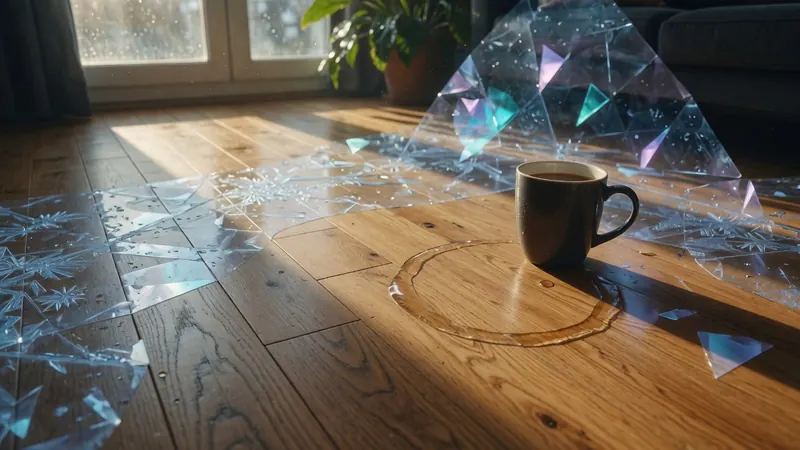
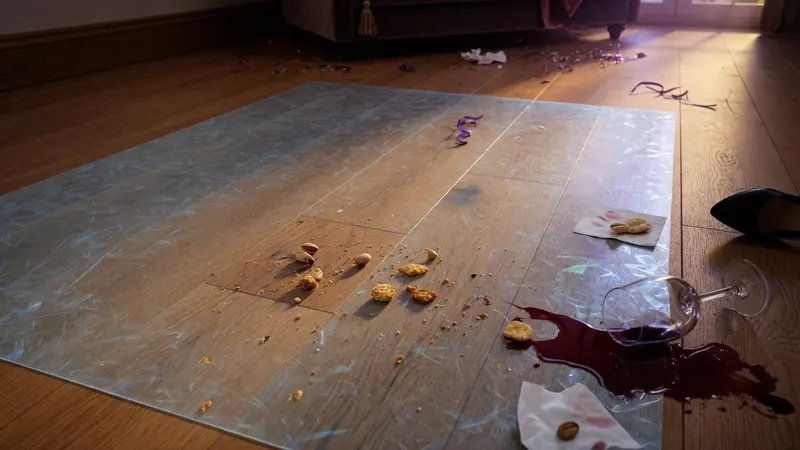
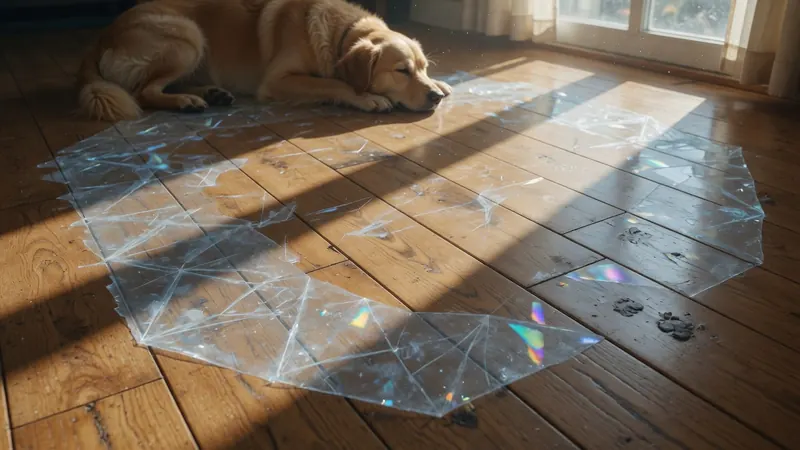
Your dog bounds in from the backyard after a rain, leaving a trail of prints that dry into faint scratches by afternoon. You notice the marks near the door but wonder what actually happens beneath them over the next few months. That quiet question leads straight to the real issue with pet traffic. What actually happens in the six months after the newest puppy arrives and starts racing through the house every evening?
The Visible Problem Dogs Create on Floors
Claws drag across the surface during zoomies and doorway waits. Paws carry grit that acts like fine sandpaper with every step. Over time these actions dull the sheen and etch tiny grooves that collect dirt. If you have a dog and a toddler under five, here's what actually matters: the surface layer takes the first and most frequent abuse. Field notes from a craftsman show that homes with large breeds often develop cloudy patches exactly where the dog turns to watch the kitchen, long before the rest of the room shows any change.
One field observation came from a suburban home with two active retrievers. The owners had installed a new oak floor three years earlier. By year two the entry hall showed a cloudy haze where the dogs turned most often, yet the rest of the room still looked fresh. The difference traced back to how the finish responded to repeated abrasion in that single high-traffic zone. Another call came from a couple who adopted a rescue shepherd; within eight months the hallway looked ten years older because the previous finish had no real resistance to the constant shearing force of nails on wood.
What Actually Happens When Claws Meet the Surface
The visible wear is only the start. Moisture from wet paws seeps into micro-scratches and raises the wood's moisture content, which decreases hardness and makes further marks easier. Sunlight through windows adds another variable, softening some finishes while others hold their structure. That's the wear layer doing its job. Quietly. Real jobs reveal that finishes without strong cross-linking begin to haze first in the exact spots where dogs lie down after coming inside on humid days.
Another observation came during a callback on a rental property. Between tenants the landlord noticed the kitchen floor had lost its slip resistance in the path from the dog door to the water bowl. The coefficient of friction had dropped because the topmost material had thinned, yet the boards themselves showed no cupping or warping. Surface effects stayed at the surface. In one case a family reported that their old finish collected dirt so deeply in the scratches that even professional cleaning could not restore the original color without sanding.
How Moisture Cycles Affect Finish Performance
Wood hardness decreases as moisture content rises, so every wet paw print creates a brief window when the floor is more vulnerable. A finish that stays flexible during these swings prevents the micro-cracks that later collect dirt. During dry winter weeks the same layer must not become brittle or it will fracture under the next claw swipe. Field experience shows that homes in climates with big humidity swings need this balance more than any lab test can predict.
One homeowner in a coastal area noticed that the finish on her family room floor remained smooth through two rainy seasons while a neighbor's identical floor developed fine checking along the baseboards. The difference came down to how each coating handled repeated expansion and contraction. That single observation changed how many local contractors now choose protection for pet households.
The Invisible Mechanism That Absorbs the Damage
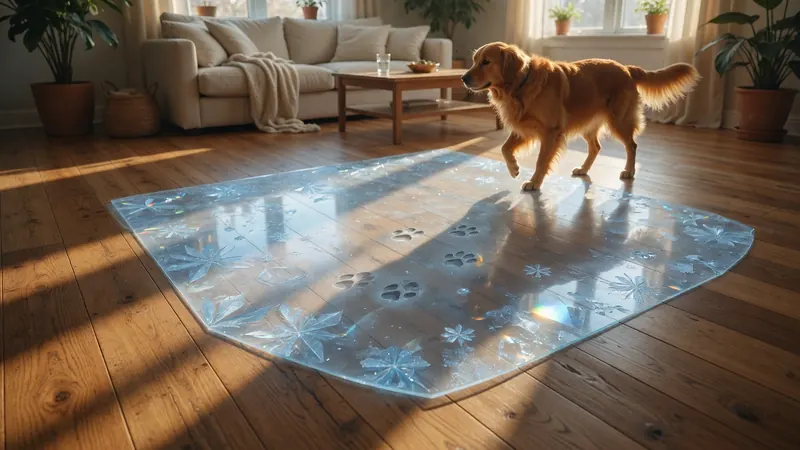
Adamantine builds its protection through a cross-linked polymer layer that forms after application. This cross-linked polymer layer creates a tighter molecular network that resists the shearing action of claws better than standard urethanes. The same cross-linked polymer layer also limits how deeply grit can embed during dry months when static raises fine particles. During a humid stretch the cross-linked polymer layer keeps surface moisture from penetrating as quickly. In a dry week it maintains flexibility so small expansions in the wood do not crack the film. The cross-linked polymer layer is the part you never see until the day a spill sits overnight or a moving box slides across the room.
Another way the cross-linked polymer layer proves itself shows up when families move furniture after five years. The areas that once held heavy dog beds still match the open floor because the layer never allowed the wood to become permanently etched. That consistency is what turns a good floor into one that still feels new long after the dogs have grown old.
Guardian's Test: How Cross-Linking Works at the Molecular Level
Picture the finish as thousands of long chains that normally slide past one another under pressure. Cross-linking adds chemical bridges between those chains so they lock together. When a claw drags across, the force spreads across many linked points instead of tearing one path. The result is a finish that deforms less and recovers more. That's the wear layer doing its job. Quietly. The same bridges also keep UV energy from breaking bonds that would otherwise turn a clear film cloudy over time.
Real-World Stress Tests
A Rental Between Tenants with Two Large Dogs
The property manager called after the second set of renters moved out. Both households had included dogs over sixty pounds that used the same hallway daily. The previous finish had been a standard water-based urethane applied in three coats. At the six-month mark the hallway showed visible scuff lines and a slight color shift where sunlight hit most directly. We stripped and applied Adamantine in its place. Eighteen months later the same hallway still measured within the original gloss range on a meter, and the only visible change was a faint patina near the exterior door. The cross-linked polymer layer had taken the repeated turns and the occasional wet paw without allowing the scratches to reach the wood. The landlord noted fewer callbacks about floor condition, which translated to faster turnovers and less touch-up work between leases. Even the baseboards stayed cleaner because the surface no longer held onto tracked soil the way the old coating had.
A Busy Kitchen with Three Active Dogs
In a family home the kitchen floor sees the most traffic because the dogs follow the cook and wait near the back door. Spills happen daily, from dropped kibble to tracked water. The owners chose Adamantine after seeing how an earlier oil-modified finish had darkened unevenly around the sink. Two years in, the surface still wiped clean with a damp cloth and showed no haze buildup. The cross-linked polymer layer resisted the constant micro-abrasion from dry food crumbs and the occasional sliding water bowl. One practical note: felt pads on chair legs and a mat at the door extended the finish life even further, though the cross-linked polymer layer itself carried the load when those habits slipped. The family later added a fourth dog and the same surface continued to perform without any extra coats or special cleaners.
A Sunroom Floor Shared with a Senior Dog
Direct southern light and a dog that spends afternoons on the floor created a different test. UV exposure can embrittle some finishes over time, leading to fine cracking that collects dust. The previous coating had begun to haze after four years. After refinishing with Adamantine the same room showed stable appearance at year seven. The UV-stable topcoat within the system slowed the breakdown that sunlight usually causes. The owner mentioned the floor felt warmer underfoot in winter because the finish reflected less heat than the old layer had, yet the real benefit was simply that the surface remained easy to clean without special products. The senior dog could lie in the sun for hours without leaving permanent marks where its nails rested against the wood.
A Home Office Floor with Remote Work and Two Medium Dogs
During the shift to more time spent at home, one client turned a spare bedroom into an office while keeping two border collies inside during the workday. The dogs paced between the desk and the window, creating a narrow path of constant traffic. After three years the original finish showed thin lines exactly where the dogs turned. Refinishing with Adamantine produced a surface that still looked uniform at year five even though the dogs continued the same routine. The cross-linked polymer layer absorbed the daily loop without the haze that had appeared so quickly on the earlier coating. The owner reported that vacuuming once a week was now enough to keep the floor looking fresh, a change that saved time during busy work weeks.
Practical Steps That Support Any Finish
Even the strongest cross-linked polymer layer benefits from simple habits. Keep nails trimmed on a regular schedule. Place absorbent mats at every exterior door. Vacuum with a soft brush attachment rather than a beater bar. These steps do not replace the finish; they reduce how often the cross-linked polymer layer must perform at its limit. Homeowners who add a quick monthly inspection of high-traffic zones catch early dulling before it becomes permanent.
- Check gloss level in high-traffic zones every six months with a quick visual comparison to a protected corner.
- Use pH-neutral cleaners only; avoid anything labeled for heavy degreasing.
- Reapply a maintenance coat when the surface begins to feel rough rather than waiting for visible scratches.
One Lesson from the Field
Early in my career I recommended a popular two-component finish for a home with three dogs because lab data showed high Taber abrasion numbers under ASTM D4060. Two years later the entry looked worse than expected. The test conditions had not included the repeated moisture cycles that happen when dogs come in from snow or rain. That experience shifted how I evaluate finishes: real homes add variables the lab does not replicate. Adamantine's cross-linked polymer layer accounts for those cycles better because it maintains flexibility without sacrificing hardness. The lesson still guides every recommendation for households with active pets.
Looking Ahead at Your Own Floor
What actually happens in the six months after the movers leave, or after the newest puppy arrives? The answer sits in the layers you cannot see until something goes wrong. Picture your floor ten years from now: still even in color, still smooth under bare feet, with only the normal softening that comes from living rather than from damage. That picture is possible when the cross-linked polymer layer has been doing its work the entire time. If the current finish shows early signs of wear, now is the moment to decide whether the next layer will be the one that finally stays out of sight while it protects what you walk on every day.
The Quiet Result of Choosing Protection
The muddy prints from that first morning eventually dried and were wiped away. Because the cross-linked polymer layer was present, the scratches never deepened into the wood and the surface retained its original feel. The dog continued to use the same doorway without anyone thinking about the floor each time. Peace of mind is simply the absence of worry when life keeps happening on the surface above. See what's protecting your floor.