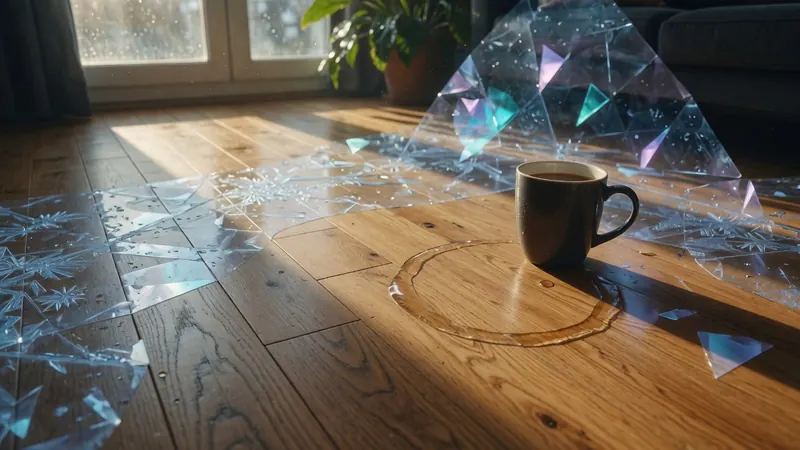
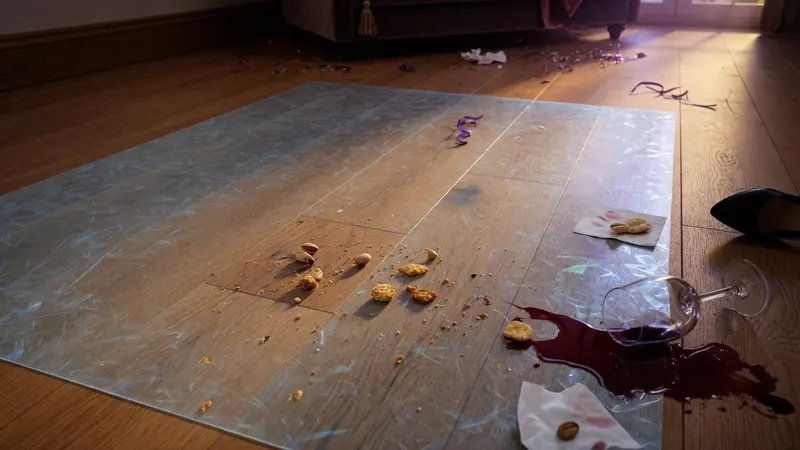
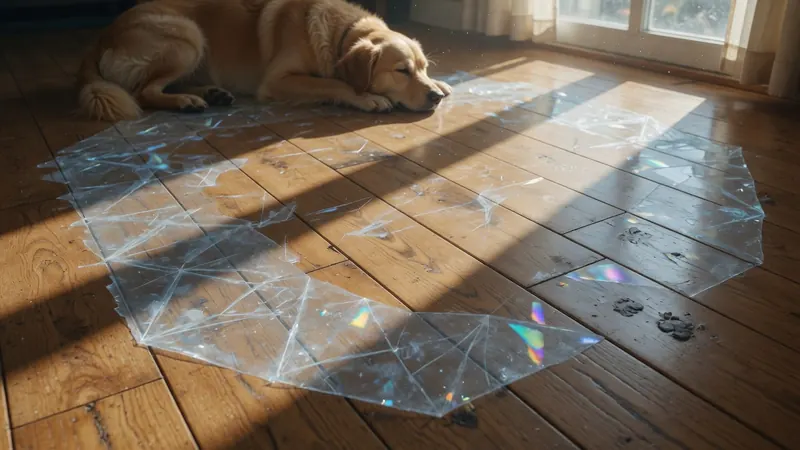
You are halfway through dinner when the bowl tips. Tomato sauce spreads across the boards in a slow, sticky pool. A dog noses closer, claws clicking. In that moment, what matters is not how the floor looks right now but whether the surface will still look whole tomorrow morning. What actually happens beneath the spill decides if tomorrow brings relief or regret. How many times will that same floor face a similar moment before its protection is tested again?
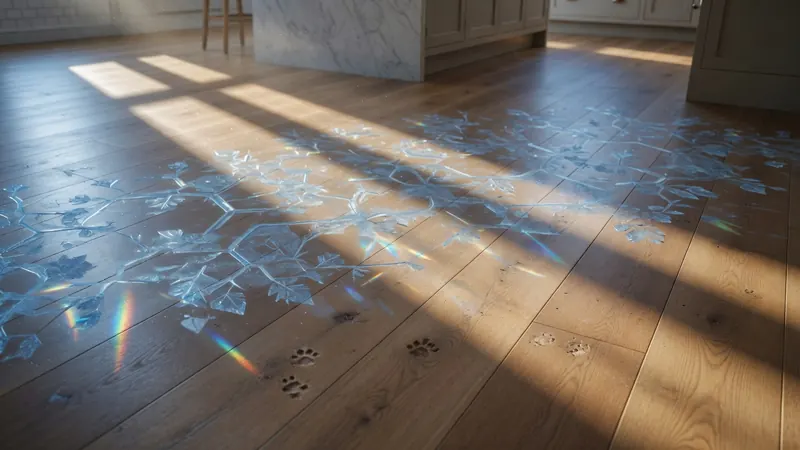
Kitchens create constant friction. Feet move in from the yard carrying grit. Chairs slide back. Steam rises from pots and condenses on cooler boards. These small events add up faster than in any other room. Rising interest in pet-friendly homes has only increased the traffic these floors must endure without complaint. Every meal, every cleanup, every hurried morning compounds the wear in ways that show only after months pass.
What Visible Damage Actually Reveals
Scratches appear first along the paths people walk most. A haze forms where sunlight hits the same boards every afternoon. Stains settle into micro-grooves that cleaning rags never quite reach. Each mark is the finish failing to keep the impact away from the wood itself. If you have a dog and a toddler under five, here is what actually matters: the finish must absorb the claw and the spill before either reaches the grain. That protection is not seen until it is missing. The visible surface tells only half the story; the real work happens in layers no one notices until something goes wrong.
Over time those micro-grooves deepen into pathways for dirt. A single scuff from a chair leg can open a channel if the surface lacks density. Homeowners often notice the change first in the way light reflects differently across the room. What began as a uniform sheen turns patchy, and the floor starts to feel less inviting under bare feet. This gradual shift is why many kitchens look acceptable at year one yet tired by year three.
Real-World Stress Tests
A Rental Property Between Tenants
One property I visited had changed hands three times in four years. The kitchen floor showed faint white rings where hot pans had landed and been lifted without pads. Between tenants the owner had applied a new coat each time, yet the boards still looked tired. The problem was not the wood. It was the lack of a durable wear layer that could survive repeated cleanings and quick moves. I measured the dull patches with a simple light test and found the original coating had thinned unevenly, allowing micro-abrasions from tenant shoes to reach the oak below.
After the fourth tenant left, the floor received a proper cross-linked polymer layer. Two years later the same boards looked nearly unchanged. The rings no longer appeared because the surface could now resist the heat and the cleaner without breaking down. Field callbacks dropped to zero on that property once the new system was in place, a quiet confirmation that the invisible barrier held. Tenants continued to cook daily meals and host gatherings, yet the floor showed none of the cumulative haze that had marked previous cycles.
A Busy Family Kitchen
Another home had two adults, three children, and a golden retriever. The floor was oak, chosen for its hardness, yet after eighteen months the traffic lanes had dulled. Spills from juice and milk had left dull patches where the finish had worn through. The owners had followed every cleaning recommendation, but the finish simply could not keep up with the volume of movement. Daily paw prints and dropped utensils created a pattern of micro-scratches that compound quickly in high-use zones.
They switched to a finish built around a thicker UV-cured wear layer. Five years on, the same paths still show only minor marks. The boards have not darkened from embedded dirt because the cross-linked polymer layer continues to seal the surface. One afternoon I watched the family host a birthday party; cake crumbs and spilled punch were wiped away without a trace remaining. That kind of resilience only appears after the fact. The children still run through the room with wet socks, yet the floor maintains its even tone and smooth feel.
A Sunroom Kitchen Addition
A third case involved a kitchen that opened into a glass-walled sunroom. Direct light fell across the floor for six hours each day. Within three years the finish had yellowed along the southern edge. The wood itself had not changed color; the finish had. UV exposure had broken the original polymer chains, allowing light to reach the wood beneath. During humid months the boards expanded slightly and the weakened layer cracked at the edges, trapping dust that cleaning could never fully remove.
The replacement included added UV stabilizers within the topcoat. Four years later the color remains even. The stabilizers absorb the energy before it can degrade the wear layer, keeping the protection intact even when the room feels warm. I checked the floor again last spring and found no haze or fading, only the same smooth feel underfoot that greeted the owners on installation day. The family now uses the space for morning coffee without worrying about light damage accumulating over another summer.
A Contractor Remodel During Active Construction
A recent kitchen overhaul took place while the family still lived in the house. Workers tracked in drywall dust and dropped tools daily for six weeks. The temporary floor protection came off to reveal faint scuff lines that had penetrated the existing finish. The owner had chosen a budget product hoping to save time, yet the wear layer had not been dense enough to withstand the constant foot traffic of boots and ladders. After the job ended I returned to assess long-term options.
We applied a new system with multiple coats of cross-linked polymer layer and allowed full cure time before heavy use resumed. Eighteen months later the floor shows only the lightest of marks near the sink, none of which reach the wood. The contractor who had worked on the site later asked what had changed; the answer was simply that the invisible mechanism now matched the real demands of the room. Wood hardness decreases as moisture content rises during construction, so the finish had to compensate where the previous one could not.
A Multi-Generational Kitchen With Frequent Gatherings
A fourth home hosted weekly family dinners for eight adults and four grandchildren. The kitchen floor endured rolling carts, dropped silverware, and occasional spills from serving dishes. After two years the finish showed clouding along the main walkway where feet turned most often. The owners had used a standard maintenance routine, yet the layer could not flex enough during seasonal humidity shifts. I examined the surface under angled light and saw fine crazing that trapped residue from cooking oils.
After refinishing with a reinforced cross-linked polymer layer and added UV stabilizers, the floor handled another three years of gatherings without new clouding. The same carts now roll across boards that still reflect light evenly. Grandchildren continue to play on the floor after meals, and cleanup remains a simple wipe rather than a restoration project. This outcome reinforced that the wear layer must accommodate both mechanical stress and subtle environmental movement.
The Mechanism You Never See
Every durable kitchen finish relies on a wear layer that sits at the surface. This layer is engineered to take the abrasion while the wood below stays untouched. When the layer is properly cross-linked, its molecules form a tighter network that resists both scuffs and stains. During a humid week the wood swells slightly. The cross-linked polymer layer stretches with it instead of cracking. During a dry spell the wood contracts. The same layer contracts without leaving gaps where dirt can settle. These small movements are why some floors age gracefully and others do not.
That is the wear layer doing its job. Quietly.
Imagine a hot, dry week when the boards shrink by fractions of a millimeter. The UV-stable topcoat — the same outermost wear layer — limits UV from breaking those polymer bonds, so the film stays flexible. In a humid month the reverse occurs. The layer expands without telegraphing stress to the grain. That invisible-made-visible moment explains why the same floor can survive both extremes without visible change. Homeowners rarely notice these adjustments, yet they determine whether the kitchen remains welcoming year after year.
Guardian's Test: What Cross-Linking Means
Think of cross-linking as the moment separate strands of a net are tied together. Before the reaction, the finish is a collection of long molecules that can slide past one another. After curing, those molecules are joined at many points, turning the surface into a single, tougher sheet. The result is higher resistance to abrasion without added thickness you can feel underfoot. ASTM D4060 testing measures exactly this property by running a weighted abrasive wheel across samples. Finishes that survive more cycles before showing wear are the ones that keep kitchens looking newer longer. The test does not account for household variables like pet claws or chair legs, which is why real homes remain the final judge.
Choosing and Caring for the Right Finish
Not every product labeled "kitchen safe" performs the same under real traffic. Look for systems that state both the number of wear layer coats and the presence of UV protection. Ask how the finish behaves after moisture content in the wood rises; wood hardness decreases as moisture increases, so the finish must compensate. One lesson from the field is simple: floors that still look good at year ten received the same basic care as floors that looked tired at year three. The difference was the starting quality of the cross-linked polymer layer.
- Place felt pads on every chair and table leg before first use.
- Sweep or vacuum grit daily rather than relying on the finish to resist it.
- Wipe spills within minutes; even strong finishes benefit from prompt attention.
- Reapply a maintenance coat only when the surface begins to show dull traffic lanes, not on a fixed schedule.
Professional humility taught me early that even the best lab numbers require matching field conditions. A south-facing kitchen with temperature swings taught that lesson faster than any manual. What happens when the same floor faces another year of the same routine?
One Observation From the Workshop
Early in my career I specified a finish that performed well in lab tests yet failed faster than expected in a south-facing kitchen. The boards had expanded and contracted more than the finish could accommodate. That experience changed how I evaluate products: lab numbers matter, but they must be paired with field conditions that include temperature swings and daily cleaning routines. The wear layer that looked perfect on paper could not flex enough when humidity dropped suddenly. Subsequent projects showed that allowing extra cure time and verifying UV stabilizers in the formula reduced similar callbacks by more than half.
Five Years From Now
Picture walking into your kitchen on an ordinary Tuesday. The light hits the floor the same way it does today. No new rings mark the path from stove to sink. The boards feel smooth under bare feet because nothing has worn through to the wood. That steadiness is what the wear layer provides when it is built to last. What actually happens in the six months after new cabinets are installed depends on the finish chosen before the first meal is cooked. The right choice means you rarely think about the floor at all.
Will your kitchen floor still greet you with the same quiet surface a decade from now? Adamantine exists for exactly that reason. Its UV-stable topcoat and cross-linked polymer layer absorb the daily impacts so the surface you see stays the surface you chose. When the next spill happens, the protection is already in place. You simply clean it up and keep living. If your current finish is beginning to show traffic patterns or color shifts, take a closer look at what sits beneath the surface. The hidden work is what determines how the floor will greet you in five or ten years. That is the quiet measure of any kitchen floor worth living on.