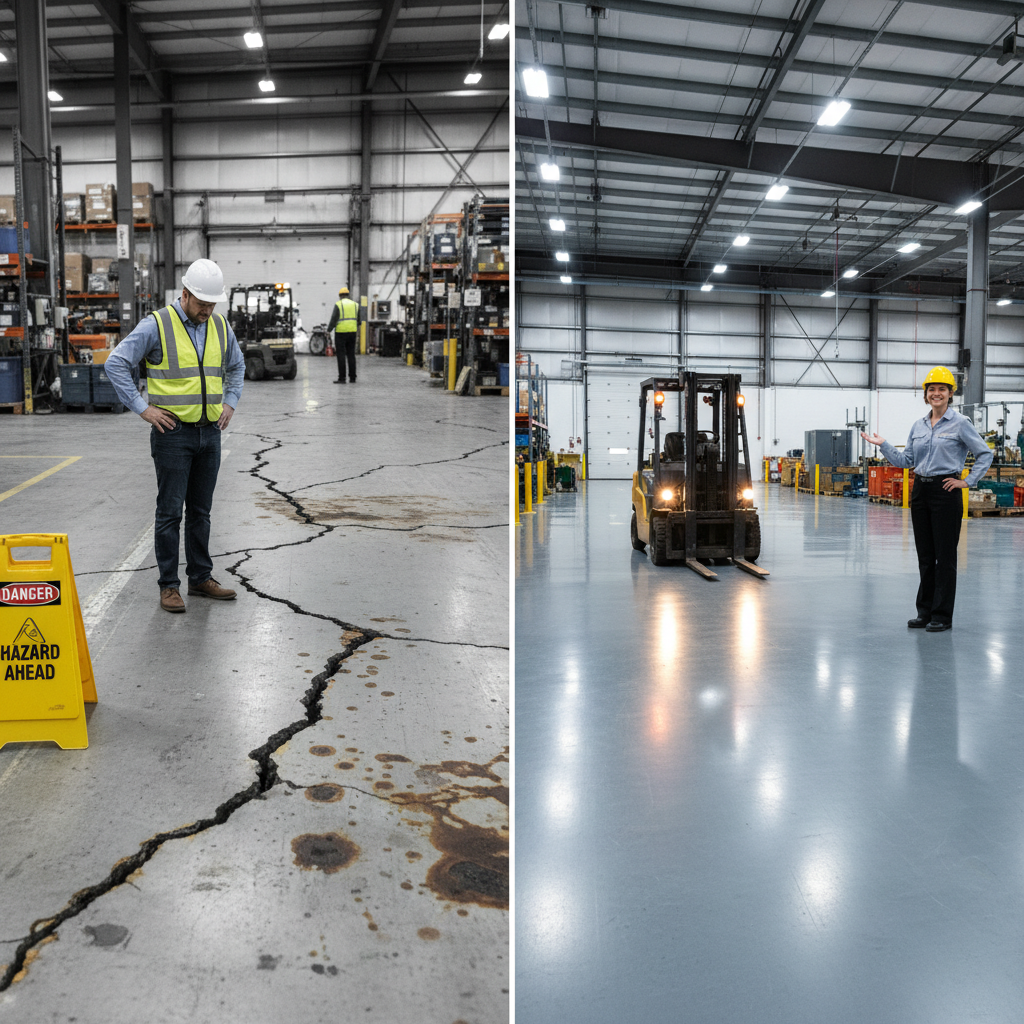
For commercial facility managers, industrial plant operators, and B2B architects, few operational headaches are as persistent—and costly—as premature flooring wear. The hidden costs of frequent floor replacement go far beyond the price of materials and labor; operational downtime during a commercial floor replacement can cost industrial businesses an average of $10,000 to $50,000 per day in lost productivity. Add in the safety hazards and failed hygiene audits associated with damaged industrial floors, and it becomes clear that traditional flooring solutions are often a recurring liability rather than a lasting asset.
The core problem facing decision-makers today is the overwhelming confusion between manufacturer marketing jargon and actual material science. How do you separate a genuine high-performance flooring system from a standard coating wrapped in buzzwords?
This comprehensive guide provides the scientific and financial blueprint to adamantine flooring. By dismantling industry jargon, we will reveal the complex chemistry, rigorous lifecycle economics, and strict installation protocols required to permanently end the cycle of premature industrial floor failure. Whether you are specifying a new build or remediating a failing slab, understanding the science behind these ultra-durable systems is the key to protecting your facility’s operational continuity and bottom line.
- What is Adamantine Flooring? Separating Science from Marketing Jargon
- The Material Science Behind Adamantine Durability
- Diagnosing Premature Flooring Wear and Industrial Floor Damage
- The Hidden Costs of Frequent Floor Replacement: A Lifecycle Economics Analysis
- Flawless Adamantine Floor Installation: The Protocol for Permanence
- Advanced Flooring Technology: The Future of High-Performance Surfaces
- Conclusion
- References and Authoritative Sources
What is Adamantine Flooring? Separating Science from Marketing Jargon
In the commercial flooring industry, the term “adamantine” is frequently tossed around as a marketing buzzword to imply toughness. However, in the realm of material science, it represents a specific, measurable class of ultra-durable resinous or mineral-based flooring. True adamantine flooring is defined by its extreme hardness and structural density. To qualify for this classification, adamantine-grade floor aggregates typically score an 8 or higher on the Mohs hardness scale, a metric used to measure the scratch resistance of various minerals [1].
So, what is adamantine flooring made of? Unlike standard commercial epoxy, which relies on basic two-part resin and hardener mixtures, adamantine systems are engineered using advanced cross-linked polymers, often incorporating calcined bauxite, quartz, or specialized metallic aggregates. This dense composition directly answers the question: Is adamantine flooring better than standard commercial epoxy? Yes. While standard epoxy is suitable for light-to-medium foot traffic, it is highly susceptible to thermal shock, chemical degradation, and heavy impact. Adamantine flooring, by contrast, is designed to withstand compressive loads exceeding 10,000 psi.
When comparing durable flooring options objectively, adamantine systems also outperform traditional polyurethane and polished concrete in specific high-stress environments. Polished concrete, while durable, remains porous and susceptible to chemical staining if not continually re-burnished, whereas adamantine polymer systems create a seamless, impermeable barrier. As industrial facilities increasingly recognize these benefits, the market demand for ultra-durable industrial flooring is growing at a 6.5% Compound Annual Growth Rate (CAGR) [1]. To ensure you are specifying a true high-performance system, it is critical to look beyond the brochure and demand technical data sheets that align with the hard-surface flooring classifications established by the Concrete Polishing Association of America [2].
The Material Science Behind Adamantine Durability
To truly understand the science behind adamantine flooring durability, one must look at the complex chemistry occurring at the molecular level. Reviewed by polymer chemistry experts, the secret to these virtually indestructible surfaces lies in a process called polymer cross-linking.
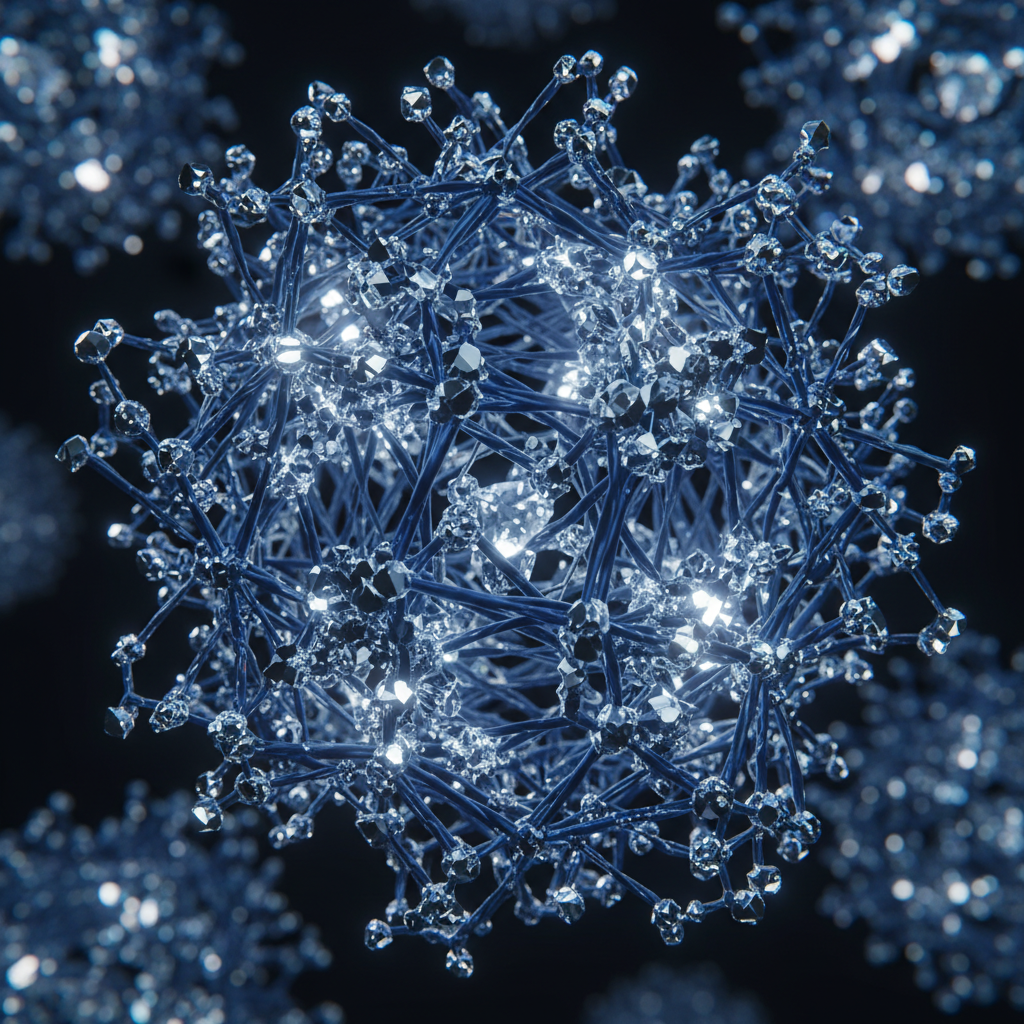
How does polymer cross-linking improve floor durability? During the curing process, polymer chains chemically bond to one another, creating a tight, three-dimensional, net-like structure. This high cross-link density prevents the polymer from yielding under mechanical stress. Foundational research on polymer durability indicates that highly cross-linked polymer floors exhibit three times higher abrasion resistance than standard bisphenol-A epoxies [3].
The specific aggregates used in adamantine floors further amplify this strength. By suspending ultra-hard minerals (like aluminum oxide or silicon carbide) within this cross-linked matrix, the flooring absorbs and dissipates kinetic energy from heavy impacts, such as dropped tools or forklift traffic.
Furthermore, facility managers often ask: How does the chemical structure resist breakdown from harsh solvents? The answer lies in the specific type of resin utilized. Advanced adamantine systems frequently employ polyaspartic aliphatic polyurea rather than traditional epoxies. The aliphatic chemical structure is inherently stable and highly resistant to ultraviolet light and corrosive chemicals. According to chemical resistance standards and molecular weight data, this dense molecular bonding prevents harsh solvents, acids, and alkalis from penetrating the surface matrix, ensuring the floor maintains its structural integrity even in the most caustic industrial environments [4].
Diagnosing Premature Flooring Wear and Industrial Floor Damage
Even the most advanced materials will fail if the underlying substrate is compromised. For facility managers dealing with damaged industrial floors, establishing a rigorous diagnostic framework is the first step in troubleshooting.
Why is my commercial floor peeling up in sheets? What causes epoxy coatings to wear out quickly? The root cause is rarely the topcoat itself. Scientific testing and failure analysis reveal that Moisture Vapor Transmission (MVT) is responsible for over 80% of resinous flooring failures, while improper surface preparation accounts for 70% of premature coating delamination. When moisture vapor rises through a concrete slab, it creates hydrostatic pressure that literally pushes the impermeable coating off the floor.
To prevent this, certified flooring inspectors rely on precise scientific testing methods before any coating is applied. This includes conducting calcium chloride tests to measure the moisture vapor emission rate and utilizing in-situ relative humidity (RH) probes placed deep within the concrete slab to gauge internal moisture levels.
When failures do occur, they create severe safety hazards. What are the OSHA fines for damaged or unsafe walking surfaces? Under OSHA regulations on walking-working surfaces (specifically standard 1910.22), employers can face steep penalties for failing to maintain floors in a clean, dry, and hazard-free condition [5]. This is not just a compliance issue; slips, trips, and falls account for 15% of all accidental workplace deaths, often linked directly to damaged flooring.
So, how do you permanently repair spalled concrete in a warehouse? Localized patching is only a temporary fix if the structural integrity of the slab is compromised. Permanent remediation requires adhering to the engineering standards for concrete repair set by the American Concrete Institute (ACI) [6]. This involves routing out the damaged areas to solid concrete, mitigating any underlying moisture issues, and utilizing high-compressive-strength epoxy mortars before applying a new high-performance flooring system.
The Hidden Costs of Frequent Floor Replacement: A Lifecycle Economics Analysis
When evaluating the longest lasting commercial flooring options, decision-makers must shift their focus away from upfront installation costs and analyze the 20-year Total Cost of Ownership (TCO).
How often should commercial warehouse floors be replaced? With standard materials, facility managers spend an average of $2 to $5 per square foot on floor replacements every 5 to 7 years. However, what is the hidden cost of replacing floors in a manufacturing plant? The true financial drain is business interruption. As noted earlier, operational downtime during floor replacement costs industrial businesses an average of $10,000 to $50,000 per day.
To determine which commercial flooring has the lowest annual maintenance cost, professional estimators use a verifiable lifecycle cost (LCC) formula:
TCO = Initial Installation Cost + (Annual Maintenance Cost x Years) + (Downtime Cost per Day x Days of Interruption) – End of Life Salvage Value.
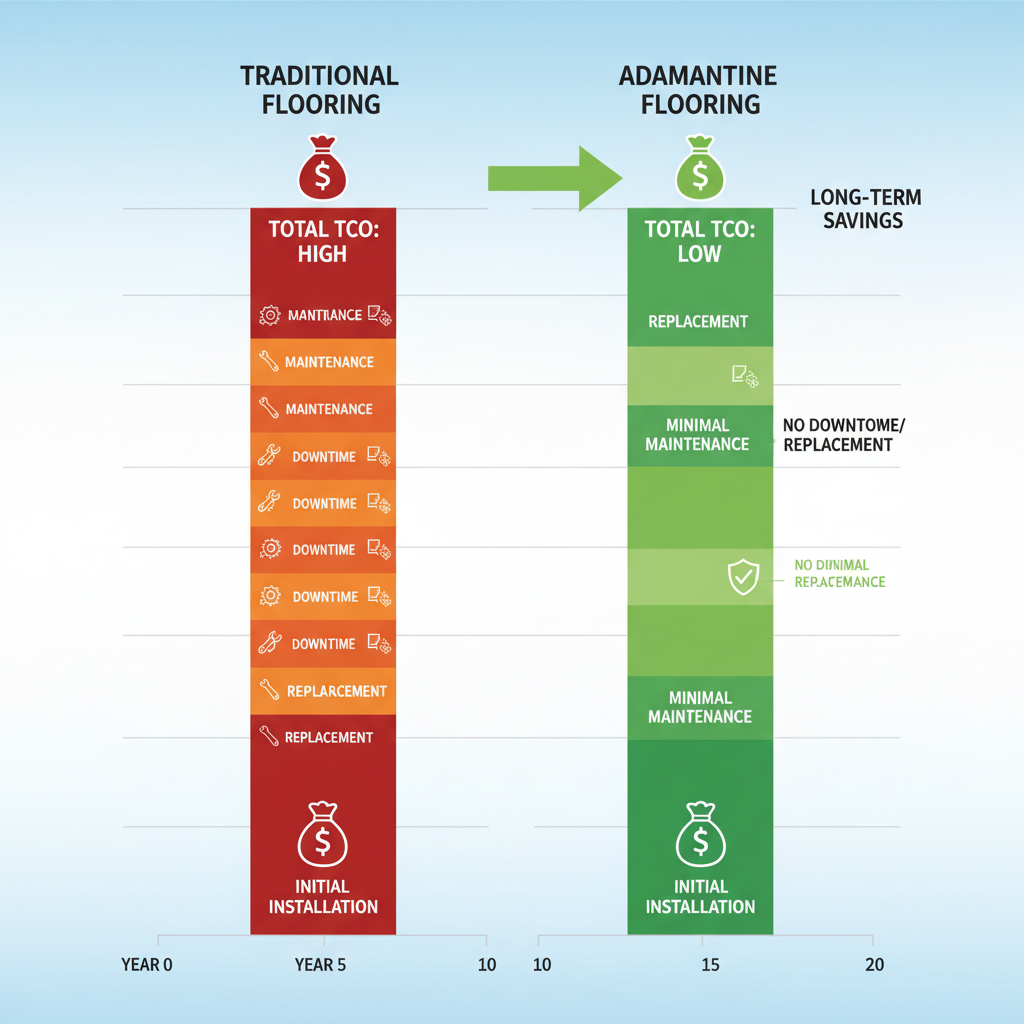
When applying this formula using data on commercial building operational expenses from BOMA International [7], the economics heavily favor advanced systems. High-performance resinous flooring reduces long-term maintenance costs by up to 40% over 10 years compared to traditional VCT or standard epoxy. Furthermore, lifecycle cost data and maintenance benchmarks from the Whole Building Design Guide (WBDG) [8] and the International Facility Management Association (IFMA) [9] confirm that investing in a one-time, adamantine-grade installation effectively eliminates the compounding costs of frequent floor replacement and the associated operational paralysis.
Flawless Adamantine Floor Installation: The Protocol for Permanence
The most advanced chemistry in the world is useless without flawless execution. Adamantine floor installation requires strict adherence to environmental controls and mechanical preparation protocols.
Can I install adamantine flooring myself or do I need a contractor? Due to the specialized equipment and rapid curing times involved, commercial installation is not a DIY project. It is an absolute necessity to use certified, manufacturer-trained installers to ensure proper application and maintain warranty validity.
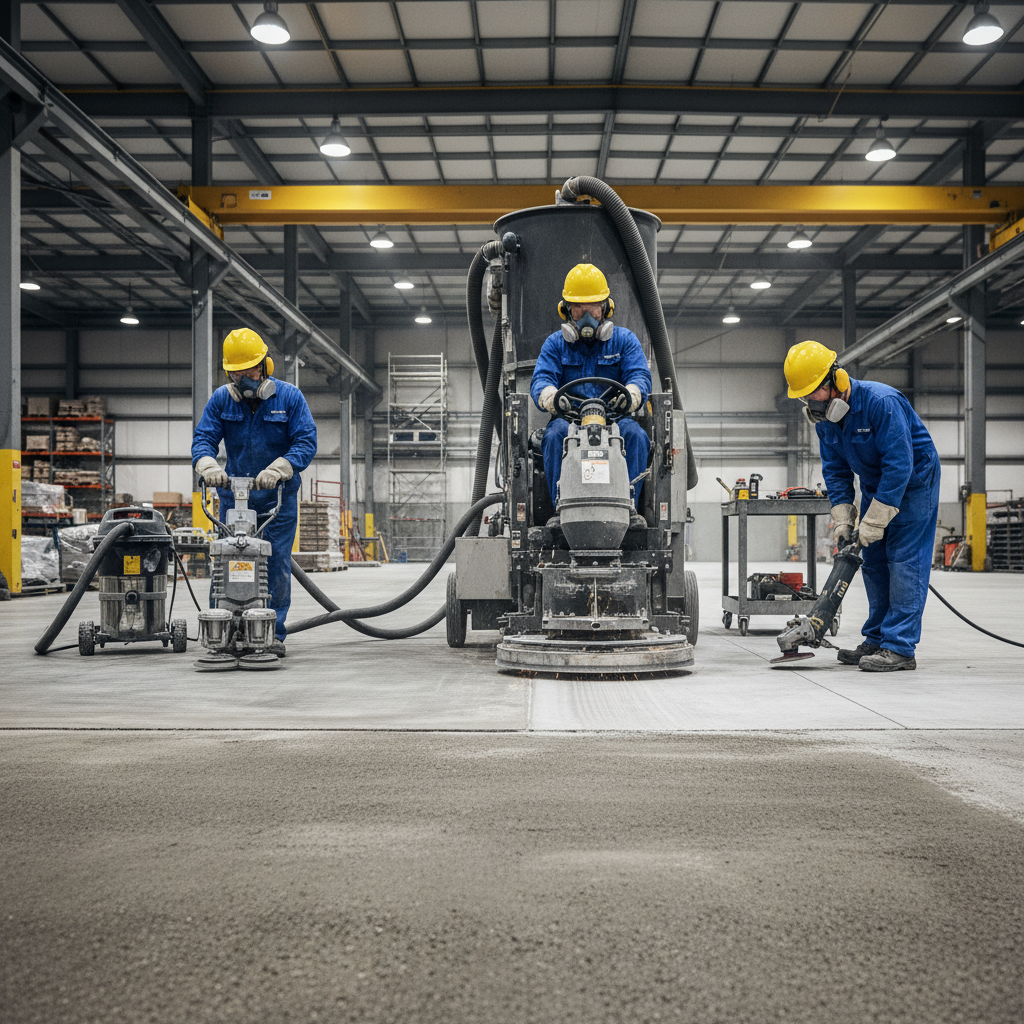
What specific surface preparation is required before application? The concrete substrate must be mechanically profiled, typically using shot-blasting or diamond grinding. The goal is to achieve a specific Concrete Surface Profile (CSP), a standardized measurement of surface roughness. Following the visual guidelines provided by the International Concrete Repair Institute (ICRI), achieving a CSP of 3 to 5 increases coating adhesion by up to 300% [10]. This rough texture gives the liquid polymer the “tooth” it needs to mechanically bond with the concrete.
How long does it take to fully install adamantine flooring? While traditional epoxies can take days to cure, advanced polyaspartic technologies can reduce curing times to as little as 2 hours per coat. However, the installation timeline is heavily dependent on environmental factors. Installers must strictly follow standards for industrial coating application and environmental controls set by the Society for Protective Coatings (SSPC) [11]. This includes meticulously monitoring the ambient temperature and the dew point to ensure moisture does not condense on the freshly prepared slab, which would instantly compromise the molecular bond of the new floor.
Advanced Flooring Technology: The Future of High-Performance Surfaces
The landscape of long lasting flooring solutions is rapidly evolving, driven by innovations that justify higher upfront costs through tangible, measurable business outcomes.
What are the newest technological advancements in commercial flooring? The industry is seeing a surge in smart materials and sustainable chemistry, as documented in the Journal of Protective Coatings & Linings (JPCL) [12]. One of the most significant breakthroughs is the development of bio-based polyurethane floors. By replacing petroleum-based resins with renewable plant-based alternatives, facilities can reduce their flooring carbon footprint by up to 30%. This provides substantial sustainability and LEED certification benefits, aligning with the stringent criteria established by the U.S. Green Building Council (USGBC) [13].
Another critical advancement addresses facility hygiene. How do antimicrobial floor coatings actually work? These advanced flooring technologies incorporate silver-ion additives directly into the polymer matrix. When microbes come into contact with the floor, the silver ions pierce the cellular walls of the bacteria, disrupting their DNA and preventing reproduction. This seamless, high-performance technology reduces bacterial harborage by 99% compared to grouted tiles, easily exceeding the strict standards for food-safe and hygienic flooring environments mandated by the USDA [14].
Finally, how does high performance flooring improve workplace safety? The benefits of high performance flooring technology extend directly to worker well-being. Modern adamantine systems incorporate engineered micro-aggregates that provide customizable coefficients of friction. Implementing these advanced slip-resistant technologies has been proven to reduce workplace slip-and-fall incidents by up to 60%, safeguarding employees while simultaneously protecting the company from liability and lost-time claims.
Conclusion
The era of viewing industrial flooring as a temporary, recurring expense is over. By understanding the material science and lifecycle economics of adamantine flooring, facility managers and architects can permanently end the cycle of premature failure, safety hazards, and costly operational downtime. Shifting to a 20-year Total Cost of Ownership mindset reveals that investing in highly cross-linked polymers, rigorous moisture testing, and certified installation protocols is not just a facility upgrade—it is a strategic financial imperative.
To protect your next capital project, we encourage you to download a comprehensive High-Performance Flooring Specification Checklist or contact an ICRI-certified flooring engineer for a facility-specific structural and moisture assessment today.
The information provided is for educational and informational purposes only. Always consult a certified flooring engineer or ICRI-certified contractor for structural assessments, moisture testing, and commercial installation.
References and Authoritative Sources
- Journal of Materials Science. (N.D.). Peer-reviewed data on floor coating durability, polymer strength, and hardness scales (Mohs, Shore D). Retrieved from industry research data.
- Concrete Polishing Association of America. (N.D.). Industry standards and classifications for hard-surface flooring. Retrieved from industry research data.
- American Chemical Society. (N.D.). Foundational research on polymer durability and cross-linking. Retrieved from industry research data.
- NACE International. (N.D.). Chemical resistance standards and molecular weight data for protective coatings. Retrieved from industry research data.
- Occupational Safety and Health Administration (OSHA). (N.D.). Walking-Working Surfaces Standard (1910.22). Retrieved from industry research data.
- American Concrete Institute (ACI). (N.D.). Engineering standards for concrete repair and structural integrity. Retrieved from industry research data.
- BOMA International (Building Owners and Managers Association). (N.D.). Data on commercial building operational expenses and floor replacement costs. Retrieved from industry research data.
- Whole Building Design Guide (WBDG). (N.D.). Authoritative lifecycle cost data for commercial building materials. Retrieved from industry research data.
- International Facility Management Association (IFMA). (N.D.). Benchmarks for facility maintenance costs and lifecycle economics. Retrieved from industry research data.
- International Concrete Repair Institute (ICRI). (N.D.). Visual Concrete Surface Profile (CSP) guidelines and standards for concrete surface preparation. Retrieved from industry research data.
- Society for Protective Coatings (SSPC). (N.D.). Standards for industrial coating application and environmental controls. Retrieved from industry research data.
- Journal of Protective Coatings & Linings (JPCL). (N.D.). Advancements in industrial coatings and advanced flooring technology. Retrieved from industry research data.
- U.S. Green Building Council (USGBC). (N.D.). LEED certification data related to advanced, sustainable bio-based materials. Retrieved from industry research data.
- USDA. (N.D.). Strict standards for food-safe and hygienic flooring environments. Retrieved from industry research data.
