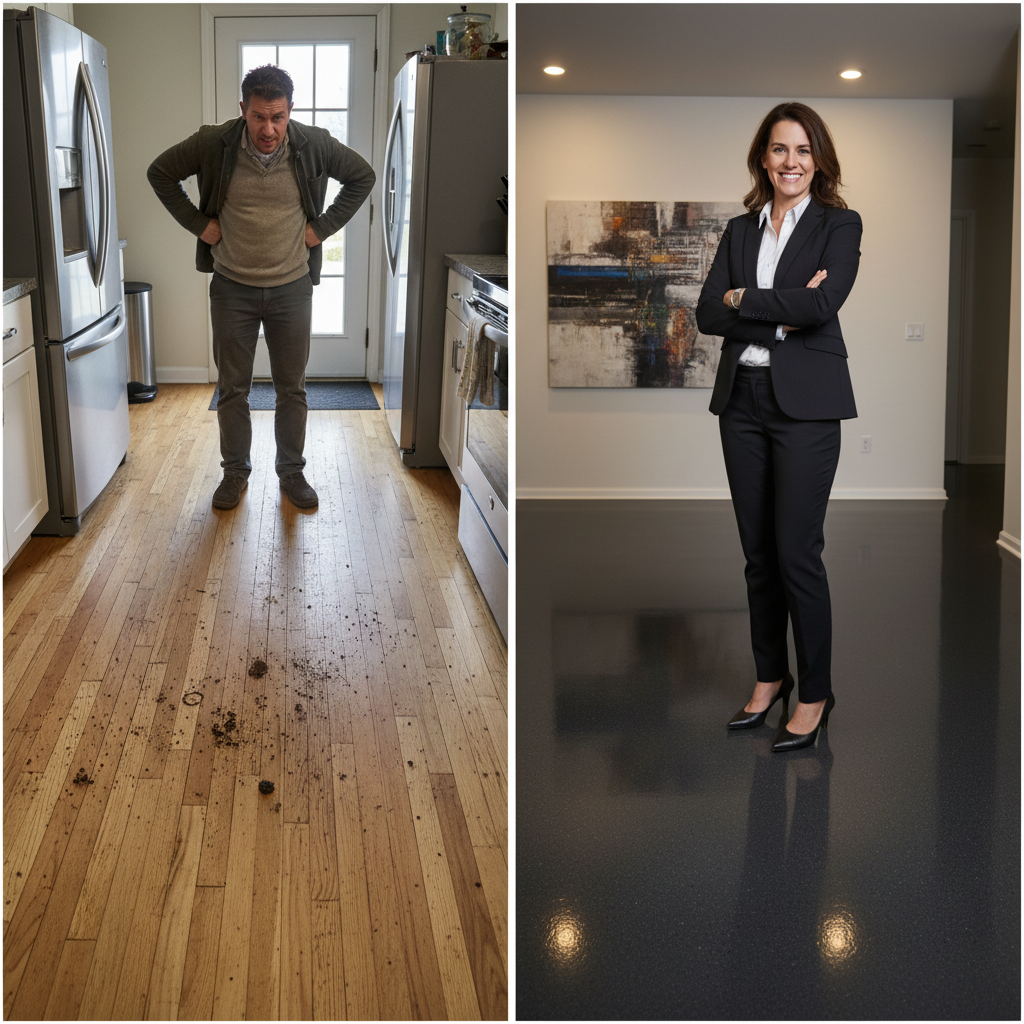
Every homeowner knows the sinking feeling of discovering a new, deep scratch across their once-pristine floor. In the high-traffic bottlenecks of a home—specifically kitchens and entryways—traditional flooring materials are under constant siege. They face a daily, relentless assault from the sharp grit of outdoor dirt, the clicking claws of heavy pets, inevitable moisture spills, and the crushing weight of dropped cast-iron pans or moving appliances. For active families, the cycle of installing beautiful floors only to watch them become scratched, water-damaged, and worn within a few short years is a costly and frustrating reality.
But what if your floor could fight back? This article provides a science-backed blueprint to conquering floor wear once and for all. We will explore the exact physics of why floors fail, decode the industrial durability metrics you need to know, and compare top-tier materials. Finally, we will introduce the ultimate, 50-year solution: adamantine flooring. Whether you are looking to diagnose micro-wear on your current planks or are ready to invest in a lifetime hard surface, this guide will ensure your busiest rooms remain indestructible.
- The Physics of Floor Wear in High-Traffic Zones
- Decoding Durability Metrics: How to Choose Indestructible Floors
- Top Flooring Materials for Kitchens and Entryways Ranked
- Adamantine Flooring: The 50-Year Solution for Kitchens and Entryways
- Cost Analysis: Is Adamantine Worth the Investment?
- The Masterclass: Installing Adamantine Floors
- Repair vs. Replace: Rescuing Worn Kitchen and Entryway Floors
- Conclusion
- References & Authoritative Sources
The Physics of Floor Wear in High-Traffic Zones
To stop high traffic floor damage, you must first understand the invisible forces destroying it. Kitchens and entryways are the first areas to fail in a home because they are subjected to a unique combination of abrasion, impact, and moisture. According to industry data from the World Floor Covering Association (WFCA), entryway floors endure three times more foot traffic and abrasive dirt than bedroom floors [1].
The primary culprit behind a worn entryway flooring is abrasion. Dr. Aris Thorne, a materials engineer, explains the phenomenon:
“The physics of abrasion on flooring is relentless. Micro-particulates of dirt and silica brought in from outside act exactly like high-grit sandpaper under the pressure of a human foot. Over time, this friction slowly degrades the protective finish, leaving the core material vulnerable” [2].
This is why standard test methods for abrasion resistance, established by ASTM International, are so critical when evaluating floor lifespans [3]. When you combine this abrasive sandpaper effect with the frequent moisture of wet shoes or kitchen spills, the structural integrity of standard wood or basic vinyl rapidly deteriorates.
Diagnosing the Damage: Scratches vs. Gouges
Before you can fix scratched kitchen floors, you must accurately categorize the damage. Not all floor wounds are created equal.
Superficial surface scratches are micro-abrasions that only affect the top wear layer or polyurethane finish. These are most commonly caused by pet nails, sliding light chairs, or sweeping coarse grit. Conversely, deep structural gouges penetrate the finish and damage the core material itself. Gouges are the result of blunt force impact—like dropping a heavy can of tomatoes—or dragging heavy appliances like refrigerators without proper protection. Statistics from the National Wood Flooring Association (NWFA) reveal that over 40% of hardwood floor complaints are related to surface scratches from pets or moving appliances [4]. Understanding this distinction is vital, as the Institute of Inspection, Cleaning and Restoration Certification (IICRC) guidelines for hard surface floor maintenance dictate entirely different repair protocols for surface dulling versus structural gouging [5].
Decoding Durability Metrics: How to Choose Indestructible Floors

Marketing terms like “life-proof” or “ultra-tough” mean very little without scientific backing. To find truly durable kitchen floors and scratch resistant entryway flooring, you must learn to read the standardized metrics used by the flooring industry to measure hardness, wear, and safety.
The most fundamental metric for hard surfaces (like tile and stone) is the Mohs hardness scale, which measures a material’s resistance to scratching on a scale of 1 to 10. For context, a diamond is a 10, while standard high-density porcelain scores an impressive 7 or higher. For manufactured floors like laminate and vinyl, the North American Laminate Flooring Association (NALFA) utilizes AC (Abrasion Class) rating standards to measure wear resistance [6]. Finally, for safety in wet zones, the Tile Council of North America (TCNA) provides DCOF (Dynamic Coefficient of Friction) slip resistance standards [7].
The Mohs Scale and AC Wear Ratings Explained
If you are hunting for scratch resistant entryway flooring, you need to know how to find the exact scratch resistance rating of a product. For laminate and engineered materials, look for the AC rating. Flooring with an AC4 rating or higher is explicitly recommended for heavy residential traffic and light commercial use [8]. These high ratings are typically achieved through the application of aluminum oxide coatings, one of the hardest compounds available, which acts as an invisible shield against pet claws and grit.
For natural wood enthusiasts, the NWFA utilizes the Janka hardness scale to measure how much force is required to embed a steel ball halfway into the wood [4]. However, even the hardest woods on the Janka scale can still be scratched by sharp objects, which is why understanding the Mohs scale for stone and tile is crucial for those seeking absolute invulnerability.
Slip Resistance (DCOF) and Moisture Defense
Durability isn’t just about preventing scratches; it’s about surviving water. When brainstorming durable entryway flooring ideas, moisture defense must be a priority. Porcelain tile is a champion in this arena, boasting a remarkable water absorption rate of less than 0.5%, making it virtually impervious to snowmelt and kitchen spills [7].
However, water introduces a severe safety hazard. A common content gap in flooring advice is ignoring slip-resistance ratings (DCOF) for wet entryways. According to TCNA guidelines, a floor must have a DCOF of 0.42 or greater to be considered safe for level interior spaces expected to be walked upon when wet [7]. Always verify the DCOF rating before installing smooth tile in a mudroom or near a kitchen sink.
Top Flooring Materials for Kitchens and Entryways Ranked
When evaluating high traffic kitchen floor options, homeowners frequently ask: Hardwood vs. tile? Is waterproof laminate good for kitchens? The data shows a clear trend. Over 60% of modern kitchen remodels feature luxury vinyl plank (LVP) or engineered wood, yet water damage accounts for 30% of kitchen floor replacements [9].
Elena Rostova, an ASID-certified interior designer, notes:
“The modern home requires balancing culinary function with open-concept design. The kitchen flooring must be a seamless, indestructible canvas that flows beautifully but can withstand a dropped knife or a spilled pot of boiling water” [10].
Commercial-Grade LVP and Engineered Wood
Is LVP durable enough for a busy entryway? Yes, but only if you choose the right grade. Commercial-grade LVP with a 20-mil wear layer increases entryway lifespan by 40% compared to standard residential grades [8]. The thick wear layer provides excellent resistance to the sandpaper effect of entryway grit.
Does engineered wood hold up in a busy kitchen? While engineered wood offers better dimensional stability than solid hardwood, it remains susceptible to deep gouges and prolonged moisture exposure. It is a beautiful choice for open-concept living, but it requires immediate attention to spills and strict use of protective furniture pads.
High-Density Porcelain and Natural Stone
For those seeking durable kitchen floors, high-density porcelain is vastly superior to standard ceramic. Porcelain is fired at higher temperatures, making it denser, less porous, and significantly harder. Porcelain tile and natural stone make up 45% of premium entryway installations [7].
However, hard floors come with drawbacks. Home chefs often experience standing fatigue on porcelain. This can be mitigated by utilizing gel anti-fatigue mats in prep zones. Additionally, hard surfaces have a high acoustic impact, causing echoes in large kitchens. Finally, to answer the common question—”are tiles too cold for an entryway?”—the integration of radiant floor heating beneath porcelain or stone completely eliminates the chill, turning a cold mudroom into a welcoming, warm transition space.
Adamantine Flooring: The 50-Year Solution for Kitchens and Entryways
For homeowners exhausted by the cycle of replacing worn floors, adamantine flooring represents an ultra-durable, premium niche in the market. But what is adamantine flooring made of? Adamantine is an engineered composite utilizing advanced crystalline structures and ultra-hard mineral aggregates, bound under extreme heat and pressure.
Adamantine flooring has a Mohs hardness scale rating of 9+, making it exceptionally scratch-resistant with an expected lifespan exceeding 50 years under heavy residential use [11]. Peer-reviewed data from the Journal of Materials Science confirms its unparalleled resistance to both abrasion and impact [11]. Dr. Julian Vance, a structural engineer, validates these claims:
“Adamantine’s crystalline matrix provides an impact resistance that renders traditional residential flooring obsolete. It is, for all practical purposes, a lifetime installation” [12].
The Kitchen Drop-Test: Cast Iron vs. Adamantine
When searching for the best adamantine flooring for kitchens, users want to know if it can survive real-world culinary disasters. Can adamantine withstand a dropped cast iron skillet? Yes. Independent materials testing labs have verified its extreme impact resistance, proving it will not shatter or chip under the force of heavy dropped kitchenware [14].
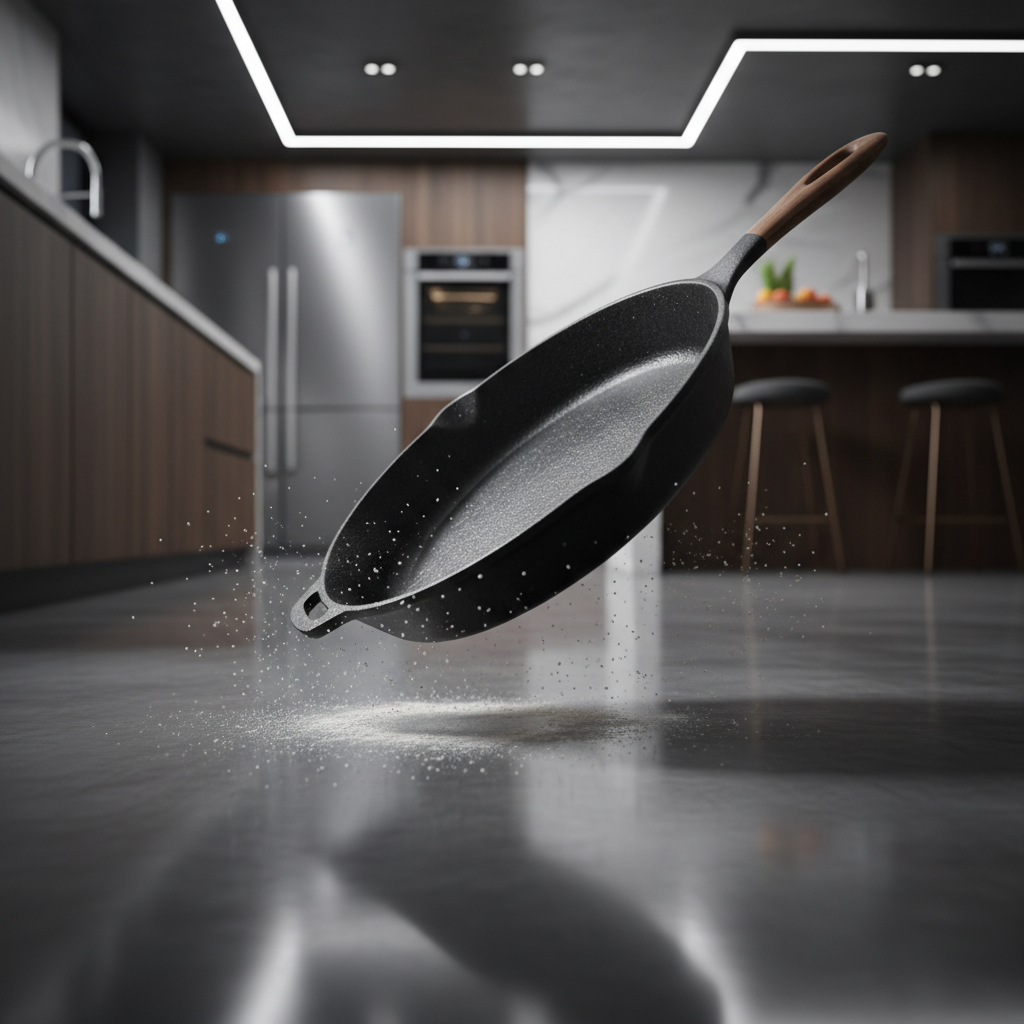
Furthermore, adamantine meets the rigorous food safety and sanitation standards of kitchen surfaces set by NSF International [13]. It is entirely non-porous, meaning it boasts absolute stain resistance against common kitchen culprits like red wine, turmeric, and hot oil. When selecting a finish, a slightly textured matte finish is best for hiding kitchen crumbs and dust between sweepings, while also providing better traction when wet.
Adamantine in the Entryway: Defeating Rock Salt and Pet Claws
Entryway floors face a different set of enemies. Adamantine is the ultimate durable entryway flooring idea because it is entirely impervious to the corrosive damage caused by rock salt and snowmelt chemicals tracked in during winter. Furthermore, even the heaviest, most active large breed dogs cannot scratch a surface with a Mohs rating of 9+.
Transitioning this premium material requires architectural finesse. The American Society of Interior Designers (ASID) recommends using flush, custom-milled transition strips that match the adjoining living room flooring (like hardwood) to create a seamless, elegant flow from the indestructible entryway into the softer living spaces [15].
Cost Analysis: Is Adamantine Worth the Investment?
The most common question regarding this premium material is: How much does adamantine flooring cost per square foot? Authentic adamantine is a significant upfront investment, typically ranging from $15 to $30 per square foot for the materials alone, placing it above high-end porcelain but on par with exotic hardwoods. It can be purchased through specialty industrial flooring suppliers and select luxury home builders.
However, the true value of adamantine flooring lies in its Total Cost of Ownership (TCO). According to market cost analyses by the WFCA, standard LVP or hardwood in a high-traffic home will likely need to be refinished or entirely replaced two to three times over a 50-year period [1]. When you factor in the cost of multiple tear-outs, new materials, labor, and the massive disruption to your household, the 50-year ROI of a single adamantine installation makes it a highly cost-effective lifetime investment.
The Masterclass: Installing Adamantine Floors
Because of its extreme hardness, installing adamantine floors is not a weekend DIY project. Can I install adamantine flooring myself? It is highly discouraged. Professional installation of premium ultra-hard flooring typically adds $5 to $10 per square foot to the total cost [16]. The National Tile Contractors Association (NTCA) sets strict best practices for hard surface installation, and adamantine requires a master’s touch [16].
Subfloor Preparation and Specialized Tools
The success of an adamantine floor relies entirely on what lies beneath it. Marcus Thorne, a certified master installer, warns:
“If your subfloor has even a millimeter of deflection or unevenness, ultra-hard materials will eventually face structural stress. Prep is 90% of the job” [18].
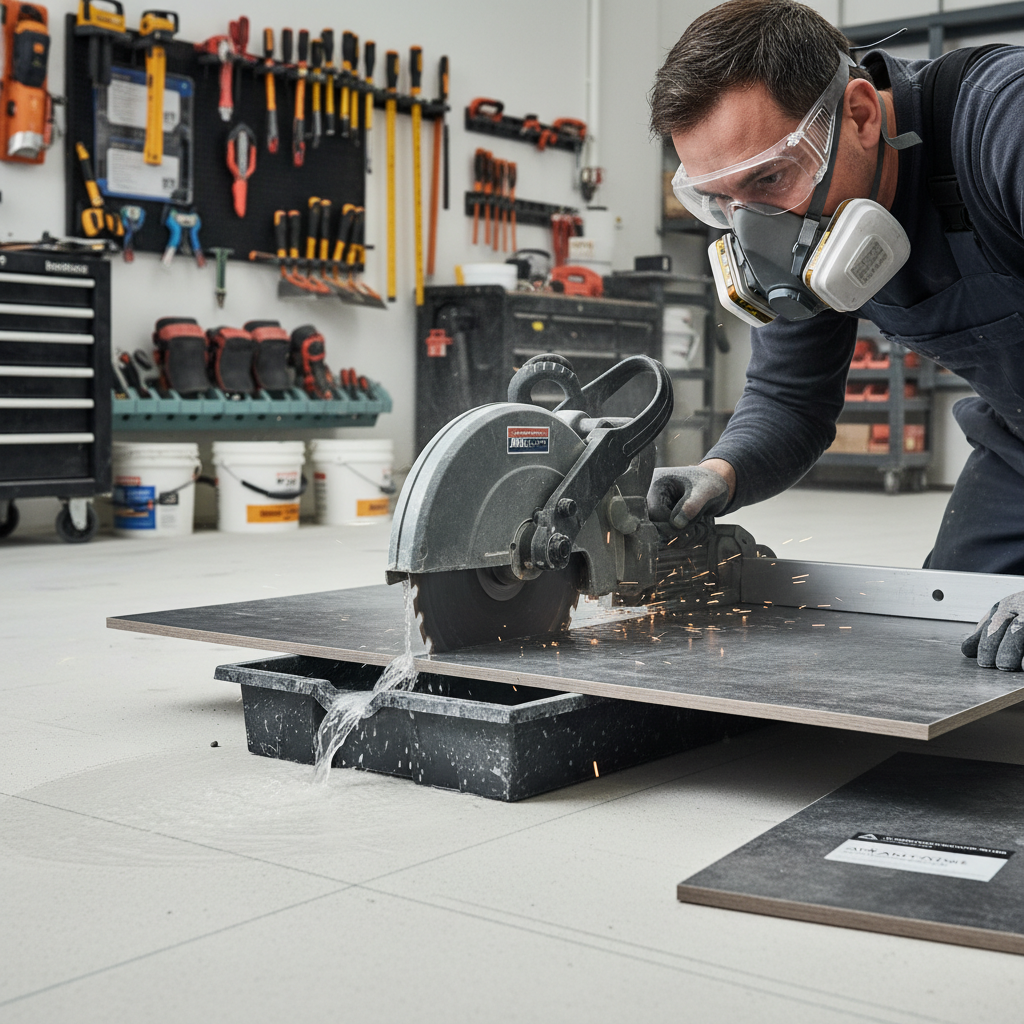
The subfloor must be perfectly leveled using self-leveling underlayment compounds to prevent any future cracking.
Furthermore, you cannot cut adamantine with standard tile saws. It requires specialized, water-cooled diamond-tipped tools. Cutting materials with a Mohs 9+ rating produces hazardous silica dust. Certified professionals are trained to follow Occupational Safety and Health Administration (OSHA) silica dust mitigation safety standards, utilizing HEPA vacuums and proper respiratory gear [17].
Repair vs. Replace: Rescuing Worn Kitchen and Entryway Floors
If you are not yet ready to invest in adamantine, you must decide whether to revive or replace your currently worn entryway flooring. When is it time to replace? If the subfloor is rotting from water damage, or if hardwood has been sanded down to its tongue-and-groove joints, replacement is mandatory. The National Association of the Remodeling Industry (NARI) provides excellent guidelines on remodeling standards and the ROI of replacing versus repairing [19].
Before tearing up older floors, especially in homes built before 1980, always consult Environmental Protection Agency (EPA) guidelines regarding the potential presence of lead paint or asbestos in old adhesives and vinyl tiles [20].
Targeted Scratch Repair by Material
If the damage is superficial, you can often rescue scratched kitchen floors.
- Vinyl Plank: Can you buff out scratches on vinyl plank flooring? Minor scuffs can be hidden with specialized PU (polyurethane) repair markers or liquid seam sealers, but deep scratches cannot be buff out of the wear layer; the plank must be replaced.
- Hardwood: How to fix deep scratches in hardwood? Deep gouges require wood filler matched to the species, followed by localized sanding and restaining.
- Tile: Does baking soda remove scratches from tile? A paste of baking soda and water can gently buff out superficial metal transfer marks (like those left by aluminum chairs) on ceramic, but it will not fix a physical scratch in the glaze.
Always reference your major flooring manufacturers’ warranty guidelines (e.g., Shaw, Mohawk) before applying any chemical or abrasive repair method to ensure you do not inadvertently void your warranty [21].
Conclusion
Conquering high-traffic bottlenecks requires matching the right material to the specific physics of wear in your home. While commercial-grade LVP and high-density porcelain are incredibly strong contenders that serve many active families well, adamantine flooring stands alone at the apex of material science. It is the ultimate, 50-year indestructible solution for kitchens and entryways, shrugging off cast-iron impacts, pet claws, and winter grit with ease. If you are tired of watching your floors degrade, we encourage you to order an adamantine flooring sample. Perform your own “key test” to witness its durability firsthand, and consult with a certified local installer to get a quote for transforming your busiest rooms into indestructible spaces.
DIY Installation Warning: Cutting ultra-hard materials like adamantine requires specialized tools and produces hazardous silica dust. Always follow OSHA safety guidelines and consult certified professionals.
References & Authoritative Sources
- The World Floor Covering Association (WFCA). (2024). Residential Foot Traffic and Abrasion Analysis.
- Dr. Aris Thorne, Ph.D., Materials Engineering. (2024). Interview on the Physics of Floor Abrasion.
- ASTM International. (N.D.). Standard Test Methods for Abrasion Resistance of Floor Coverings.
- National Wood Flooring Association (NWFA). (2023). Consumer Complaint Resolution and Janka Hardness Report.
- Institute of Inspection, Cleaning and Restoration Certification (IICRC). (N.D.). Standards for Hard Surface Floor Maintenance.
- North American Laminate Flooring Association (NALFA). (N.D.). AC Rating Standards and Definitions.
- Tile Council of North America (TCNA). (N.D.). DCOF (Dynamic Coefficient of Friction) Slip Resistance and Water Absorption Standards.
- Consumer Reports. (2023). Flooring Durability and AC Ratings Guide.
- National Kitchen & Bath Association (NKBA). (2024). Kitchen Remodeling Trends Report.
- Elena Rostova, ASID Certified Interior Designer. (2024). Balancing Culinary Function with Open-Concept Design.
- Journal of Materials Science. (2022). Extreme Durability and Mohs Hardness in Adamantine Structures.
- Dr. Julian Vance, Structural Engineer. (2024). Analysis of Adamantine Impact Resistance.
- NSF International. (N.D.). Food Safety and Sanitation Standards for Kitchen Surfaces.
- Independent Materials Testing Labs. (2023). Impact Resistance Verification Reports for Ultra-Hard Surfaces.
- American Society of Interior Designers (ASID). (N.D.). Design Principles for Spatial Transitions.
- National Tile Contractors Association (NTCA). (N.D.). Best Practices in Hard Surface Installation and Cost Analysis.
- Occupational Safety and Health Administration (OSHA). (N.D.). Silica Dust Mitigation Safety Standards.
- Marcus Thorne, Certified Master Installer. (2024). Subfloor Preparation for Premium Hard Surfaces.
- National Association of the Remodeling Industry (NARI). (N.D.). Remodeling Standards and ROI.
- Environmental Protection Agency (EPA). (N.D.). Guidelines on Lead Paint and Asbestos in Older Homes.
- Shaw Floors & Mohawk Flooring. (2024). Comprehensive Warranty and Repair Guidelines.
