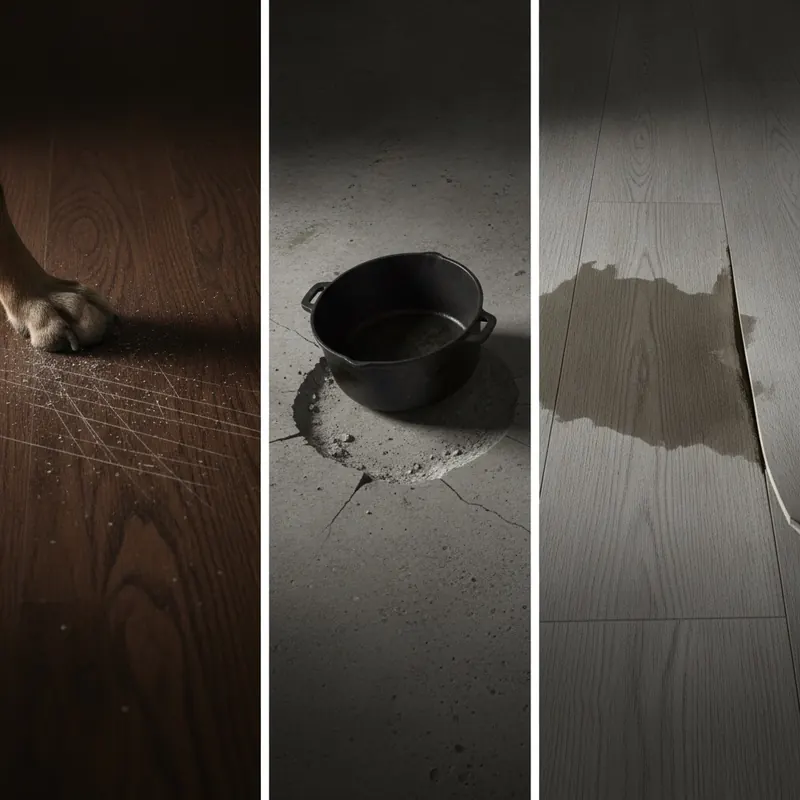
There’s nothing quite like the feeling of new floors—the clean lines, the flawless finish, the way they transform a room. And there’s nothing more frustrating than watching that pristine surface fall victim to the realities of daily life. The dragging chair that leaves a faint trail. The pet’s claws that create a web of micro-scratches only visible in the afternoon sun. The constant foot traffic that slowly transforms a beautiful sheen into a dull, tired-looking surface.
You start searching for a solution, and you might come across a term that sounds like the ultimate answer: “Adamantine flooring.” It evokes images of something unbreakable, a floor that can withstand anything. But what is it really?
The truth is, Adamantine flooring isn’t a specific brand you can buy. It’s a concept—the ideal of a floor so tough, so resilient, and so perfectly suited to your life that it maintains its beauty for decades. This guide is your masterclass in achieving that ideal. We will go beyond simple lists to decode the technical jargon, help you select the perfect material for your real-world challenges (from playful pets to active kids), and give you a complete lifecycle plan to protect, maintain, and even repair your investment for a lifetime of value.

- What is ‘Adamantine Flooring’? Decoding the Science of Durability
- The Showdown: What Is the Most Durable Type of Flooring?
- The Lifestyle Litmus Test: Choosing the Right Floor for Your Family
- The 20-Year Floor Beauty Plan: A Proactive Protection System
- Visual Diagnostic Guide: How to Fix Common Household Floor Damage
- Conclusion
- References & Authoritative Sources
What is ‘Adamantine Flooring’? Decoding the Science of Durability
While you can’t find “Adamantine” in a flooring store, you can find materials that live up to its promise. The secret is learning to speak the language of durability. Instead of relying on marketing claims, understanding the key industry metrics empowers you to see past the sales pitch and evaluate a floor’s true potential. These standards, often set by organizations like the American Society for Testing and Materials (ASTM), provide an objective framework for performance[1].

Think of these ratings as the nutritional information for your floors. They tell you exactly what you’re getting in terms of hardness, scratch resistance, and suitability for your specific needs. Let’s break down the most important ones.
Hardness vs. Toughness: The Janka Scale and Scratch Resistance
When it comes to hardwood, bamboo, and other wood-based products, the gold standard for measuring durability is the Janka Hardness Scale[2]. This test measures the force required to embed a small steel ball halfway into a piece of wood. A higher number means the wood is harder and more resistant to denting.
However, it’s crucial to understand the difference between hardness (resisting dents) and toughness (resisting scratches and chips). A very hard wood might resist a dropped can, but its surface finish is what primarily defends against scratches. That said, a harder wood provides a stronger foundation for that finish.
For context, here are some popular wood species on the Janka scale:
- Red Oak: ~1290 (A common benchmark)
- White Oak: ~1360
- Hickory: ~1820
- Brazilian Walnut (Ipe): ~3680 (Extremely hard)
- Strand-Woven Bamboo: 3000-5000+ (Exceptionally dense and durable)
Choosing a wood with a higher Janka rating, like Brazilian Walnut, gives you a significant advantage against dents from heavy furniture or dropped objects.
The PEI Rating: Your Guide to Tile Durability
For ceramic and porcelain tile, the most important durability metric is the PEI Rating, established by the Porcelain Enamel Institute[3]. This scale rates the abrasion resistance of the tile’s glaze—its ability to withstand wear from foot traffic and grit. The scale runs from 1 to 5, and choosing the right rating for the right location is critical.
- PEI 1: No foot traffic. Suitable for wall tile only.
- PEI 2: Light traffic. Best for bathroom floors or areas where soft-soled shoes are worn.
- PEI 3: Light to moderate traffic. Good for most residential floors.
- PEI 4: Moderate to heavy traffic. Excellent for all residential areas, including high-traffic zones like kitchens and entryways, and even light commercial use.
- PEI 5: Heavy to extra-heavy traffic. The toughest available, suitable for heavy commercial applications.
For a busy family home, looking for a tile with a PEI rating of 4 or 5 ensures the surface will stand up to years of use without showing wear patterns.
The Unsung Hero: Understanding the Flooring Wear Layer
For Luxury Vinyl Plank (LVP) and laminate flooring, the secret to scratch resistance lies in a transparent top coating called the wear layer. This is the floor’s invisible shield, protecting the printed design layer from scuffs, scratches, and stains.
The thickness of this layer is measured in mils (one-thousandth of an inch), and it is the single most important factor in the durability of these products. A thicker wear layer means more protection and a longer lifespan.
- 6-10 mil: Considered entry-level, suitable for low-traffic areas like bedrooms.
- 12 mil: A good baseline for average residential use.
- 20 mil or more: The “adamantine” standard for LVP. This thickness is designed for heavy residential traffic, including homes with active kids and pets, and even commercial applications.
When comparing products, always check the technical data sheets from manufacturers like Shaw or Coretec. A beautiful design with a thin wear layer will look worn out quickly in a busy home, while a floor with a 20 mil wear layer can look new for years.
The Showdown: What Is the Most Durable Type of Flooring?
So, what is the single most durable flooring material? The honest answer is: it depends on what you need it to endure. Each top contender has unique strengths. We’ve created a “Durability Matrix” below to score them across key categories, helping you find the champion for your specific needs.
Before we declare the winners, remember this crucial piece of advice: The most durable material in the world will fail if installed improperly. As one certified flooring installer with over 20 years of experience told us, “I’ve seen thousand-dollar tile crack because the subfloor wasn’t prepped, and I’ve seen budget LVP last a decade because it was laid perfectly. Your floor is only as good as the foundation beneath it and the hands that install it.”
Category Winner: Porcelain & Ceramic Tile
For sheer, all-around toughness, it’s hard to beat high-quality tile.
- Strengths: With a PEI rating of 4 or 5, porcelain tile is virtually scratch-proof, completely waterproof, and fire-resistant. It’s incredibly easy to clean and won’t be damaged by pet accidents or spills. It can easily last for 50 years or more.
- Weaknesses: Tile is hard and cold underfoot, and a dropped glass will certainly shatter. While the surface is incredibly durable, a severe impact on an improperly supported tile can cause it to crack. Grout lines also require periodic sealing and cleaning.
Category Winner: Luxury Vinyl Plank (LVP)
Modern LVP has become a dominant force in durable flooring for good reason.
- Strengths: High-quality LVP with a 20+ mil wear layer offers exceptional scratch and scuff resistance. Its core is typically waterproof, making it a fantastic choice for kitchens, bathrooms, and basements. It’s also more resilient and comfortable underfoot than tile, offering a degree of “give” that is easier on joints. Many brands offer lifetime residential warranties, a testament to their durability.
Is LVP truly scratch resistant? While not “scratch-proof” like porcelain tile, it is highly scratch-resistant. A key dragged across a cheap 6 mil LVP will leave a mark, but the same key will often glide harmlessly over a premium 20 mil product.
Category Winner: Hardwood & Engineered Wood
For timeless beauty and longevity, nothing compares to real wood.
- Strengths: The greatest advantage of solid hardwood is its ability to be refinished multiple times, essentially giving you a brand-new floor every 10-15 years. It can last for over 100 years. According to the National Wood Flooring Association (NWFA), proper care can make a hardwood floor last the life of the home[4]. Choosing a species high on the Janka scale, such as Brazilian Walnut (3680) or strand-woven bamboo (over 5000), provides excellent resistance to dents[2].
- Weaknesses: Wood is susceptible to water damage and can be scratched more easily than tile or LVP. Engineered hardwood offers more dimensional stability against moisture but can typically only be refinished once or twice, if at all.
The Industrial Champions: Polished Concrete & Epoxy Coatings
Once reserved for garages and commercial spaces, these industrial-grade options are gaining popularity in modern homes.
- Strengths: Polished concrete is nearly indestructible, with a compressive strength that can exceed 3,000 psi[5]. It is seamless, easy to clean, and offers a unique, minimalist aesthetic. Epoxy coatings applied over concrete create a non-porous, stain-resistant, and incredibly resilient surface.
- Weaknesses: Like tile, these surfaces are extremely hard and unforgiving. Installation is a highly specialized process that requires a pristine concrete slab, and the industrial look may not suit all home styles.
The Lifestyle Litmus Test: Choosing the Right Floor for Your Family
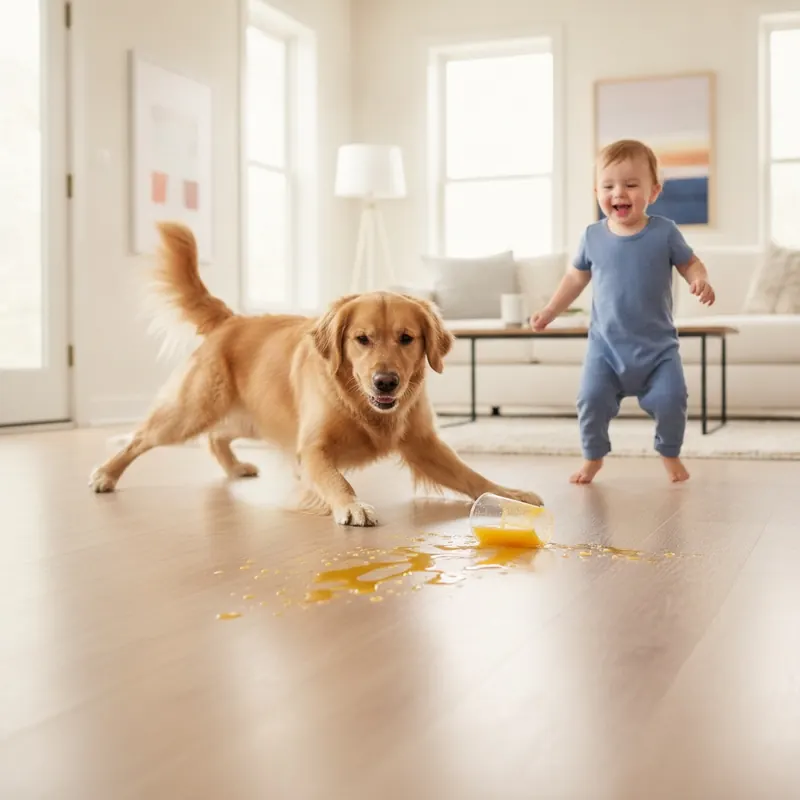
Technical specifications are only half the story. The best floor is one that solves the unique challenges of your home. As one interior designer specializing in family-friendly spaces puts it, “A floor in a real family home is a stage for life—it has to handle muddy paws, spilled juice, and tricycle races. The ‘best’ floor is the one that lets you live without worry.”
The High-Traffic Gauntlet: Flooring for Entryways, Hallways, and Kitchens
These areas are the front lines of household floor damage, battling daily assaults from shoes, grit, and spills.
- Top Recommendations: Porcelain tile (PEI 4+) and LVP (20+ mil wear layer) are the clear winners here. Their high resistance to abrasion and moisture makes them ideal.
- The Cleanability Factor: Both options score high on cleanability. Tile’s non-porous surface wipes clean easily, while LVP’s seamless installation leaves few places for dirt to hide. This is a key consideration noted in product testing by trusted sources like the Good Housekeeping Institute.
The Pet Owner’s Guide: Defeating Claws, Accidents, and Shedding
Pets introduce a unique set of challenges: sharp claws, potential accidents, and the need for safe footing.

- Top Recommendations: LVP is often crowned the king of pet-proof flooring. Its thick wear layer resists scratches, its waterproof core contains accidents, and its textured surface provides better traction than smooth laminate or tile. Tile is another excellent choice for its waterproof and scratch-proof nature.
- Beyond Scratches: Pet Health & Safety: “Traction is a huge, often overlooked factor,” advises a local veterinarian. “Slippery floors can be dangerous for dogs, especially as they age, contributing to joint problems and injuries.” When choosing, consider a floor with an embossed or textured finish. Also, look for products with FloorScore certification, which ensures low VOCs (Volatile Organic Compounds) for healthier indoor air quality for your entire family, pets included[6]. The American Kennel Club (AKC) also provides guidance on creating a safe home environment for dogs, where flooring plays a key role[7].
The 20-Year Floor Beauty Plan: A Proactive Protection System

Choosing a durable floor is the first step. Protecting that investment is how you achieve long-lasting beauty. This simple 3-tiered system can prevent the vast majority of household floor damage before it starts.
Tier 1: Proactive Defense (The First Line of Attack)
This is about stopping damage at the source.
- Doormats: Place high-quality mats both outside and inside every exterior door. The Environmental Protection Agency (EPA) notes that this simple step can trap up to 85% of the dirt, grit, and moisture that would otherwise be tracked inside, acting as sandpaper on your floors[8].
- Furniture Pads: Apply felt or rubber pads to the bottom of every piece of furniture, especially chairs and tables that move frequently. For heavy items like sofas, use wider, non-slip pads that distribute the weight. For chairs that slide constantly, consider clear, slip-on leg protectors.
- Area Rugs: Use rugs in high-activity zones like living rooms and play areas to absorb wear and tear.
Tier 2: Smart Maintenance (The Cleaning Routine)
Using the right tools and techniques is critical to avoiding dullness and damage.
- The #1 Mistake: A common cause of dull-looking floors is residue from using too much or the wrong type of cleaner. A survey of cleaning professionals revealed this is a top mistake homeowners make.
- The Right Way: Always use a pH-neutral cleaner designed for your specific floor type. For wood floors, follow the guidelines from the NWFA[4]. For other surfaces, brands like Bona offer excellent, residue-free products. Use a microfiber mop, which traps dirt effectively without being overly abrasive, and never saturate your floor with water, especially wood or laminate.
Tier 3: Restorative Care (Sacrificial Layers & Sealants)
For the ultimate in micro-damage protection, consider using a high-quality floor polish or sealant.
- The Science of Protection: Think of polish as a “sacrificial layer.” It’s a renewable, clear coating that sits on top of your floor’s permanent finish. When a chair leg scuffs the surface, it scratches the polish, not your floor. This layer absorbs the daily micro-damage, keeping the actual finish pristine.
- Expert Application: These products, governed by performance standards from bodies like ASTM International[1], must be applied correctly on a perfectly clean floor to avoid a hazy buildup. When done right, they can significantly extend the life and beauty of your floor’s original sheen.
Visual Diagnostic Guide: How to Fix Common Household Floor Damage
“The key is to correctly identify the problem and the material,” says an IICRC-certified restoration specialist[11]. “What works for a scratch on polyurethane-finished hardwood could ruin the wear layer on LVP. When in doubt, start with the least aggressive solution.”
Problem: Dullness, Hazing, and Micro-Scratches
This is the most common aesthetic issue, often caused by either cleaning residue or a fine web of micro-scratches that refract light, making the surface look cloudy.
- Diagnosis: Perform a “DIY Residue Test.” Dampen a clean, white cloth with water and rub it on a small, inconspicuous area. If the cloth comes up dirty or the spot looks cleaner, you likely have residue buildup.
- The Fix: First, deep clean the floor with a recommended residue-removing cleaner. If the dullness persists, it’s caused by micro-scratches. The solution is to apply a high-quality floor polish or restorer. These products fill in the tiny scratches, restoring a uniform, clear finish. Look for products that receive high marks from independent testers like Consumer Reports[12].
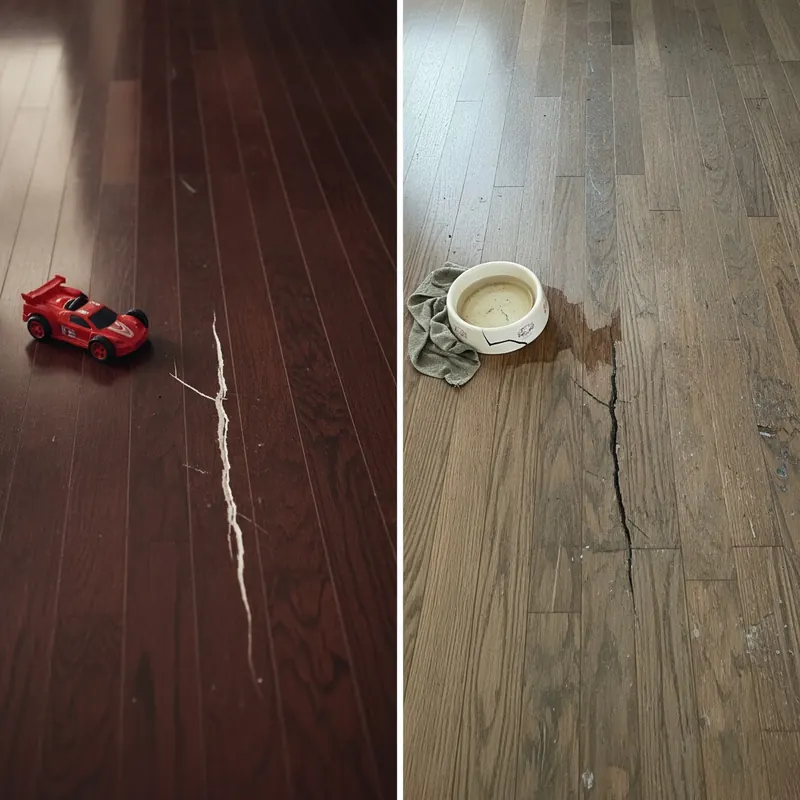
Problem: Deeper Scratches, Gouges, and Chips
This damage is more noticeable but often still a DIY fix.
- The Fix for Wood/Laminate: For individual scratches, you can often use a stain-filled marker or a wax repair stick that matches your floor’s color. For deeper gouges in laminate or engineered wood, repair kits with a color-matching putty are available.
- The Fix for Tile: A small chip in a tile can be filled with a color-matched epoxy repair kit.
- Important Note: Before attempting any repair, check your flooring’s warranty. Some DIY repairs could void coverage.
Problem: Water Damage, Stains, and Buckling
Water is the enemy of many flooring types.
- First Response: For spills, blot them up immediately with a dry cloth. Don’t wipe, as this can spread the liquid.
- Assessing the Damage: If you notice cupping (edges of planks are raised) or buckling (planks lifting off the subfloor), this indicates a more serious water issue, possibly from a slow leak. This is almost always a job for a professional.
- Professional Help: For significant water damage, it’s critical to call a water damage restoration professional. They have the tools to properly dry the subfloor and prevent mold growth, following established guidelines from organizations like the Federal Emergency Management Agency (FEMA)[9]. According to the Insurance Information Institute (III), this type of damage may be covered by homeowner’s insurance, so be sure to document everything and contact your provider[10].
Conclusion
Achieving a truly durable, “Adamantine” quality floor isn’t about finding a mythical, unbreakable material. It’s about empowerment. It’s about understanding the language of durability—the Janka ratings, PEI scores, and wear layers—that allows you to choose with confidence. It’s about honestly assessing your lifestyle and matching the right material to the real-world challenges of your family. And most importantly, it’s about committing to a simple, proactive protection plan that preserves that “new floor” beauty for decades.
You are now equipped with the knowledge to look past the marketing and make a smart, long-term investment in your home. You have the tools to protect that investment and the confidence to handle the inevitable wear and tear of a life well-lived.
Protect your investment today. Download our free, printable Long-Term Maintenance Schedule to keep your floors looking flawless for years to come.
This article provides general advice. Always consult with a professional flooring installer for your specific project. Product recommendations are based on research and are not paid endorsements. Follow manufacturer guidelines for all cleaning and repair products.
References & Authoritative Sources
- ASTM International. (n.d.). ASTM Standards for Resilient Floor Coverings. Retrieved from astm.org.
- Janka Hardness Scale. (n.d.). As referenced in guides by the National Wood Flooring Association and other industry sources.
- Porcelain Enamel Institute. (n.d.). PEI Rating System for Ceramic Tile. Retrieved from industry resources detailing the standard.
- National Wood Flooring Association (NWFA). (n.d.). Official Hardwood Flooring Maintenance Guidelines. Retrieved from nwfa.org.
- The Concrete Network. (n.d.). Polished Concrete Floors. Retrieved from concretenetwork.com.
- FloorScore. (n.d.). SCS Global Services. Retrieved from scsglobalservices.com/services/floorscore.
- American Kennel Club (AKC). (n.d.). Expert Advice on Dogs and Home Safety. Retrieved from akc.org.
- Environmental Protection Agency (EPA). (n.d.). Indoor Air Quality (IAQ). Retrieved from epa.gov/indoor-air-quality-iaq.
- Federal Emergency Management Agency (FEMA). (n.d.). Repairing Your Flooded Home. Retrieved from fema.gov.
- Insurance Information Institute (III). (n.d.). Understanding Your Homeowners Insurance Coverage. Retrieved from iii.org.
- Institute of Inspection Cleaning and Restoration Certification (IICRC). (n.d.). IICRC Standards for Professional Restoration. Retrieved from iicrc.org.
- Consumer Reports. (n.d.). Independent Testing and Reviews of Household Products. Retrieved from consumerreports.org.