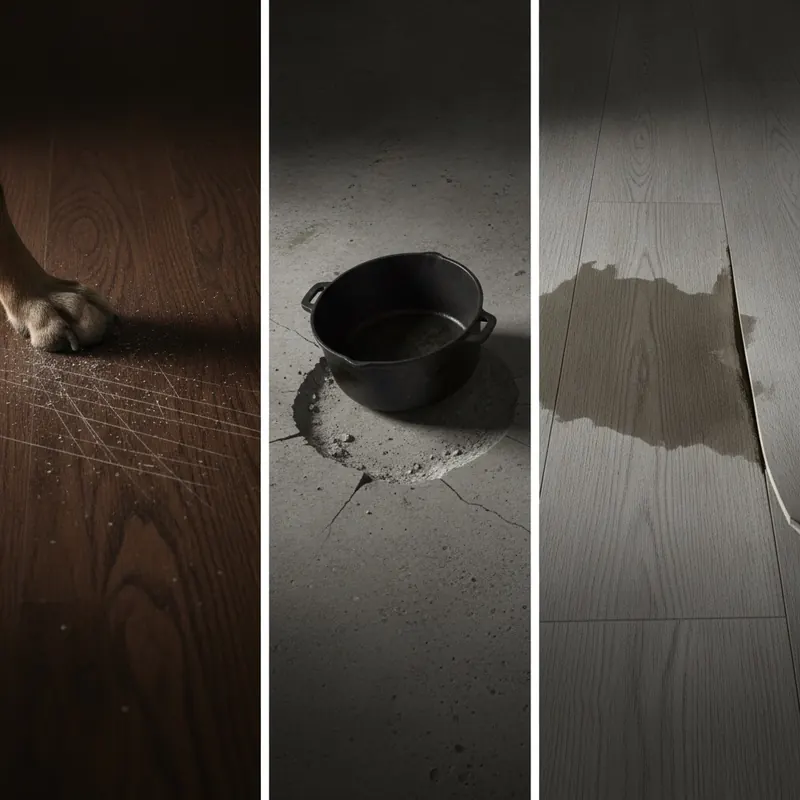
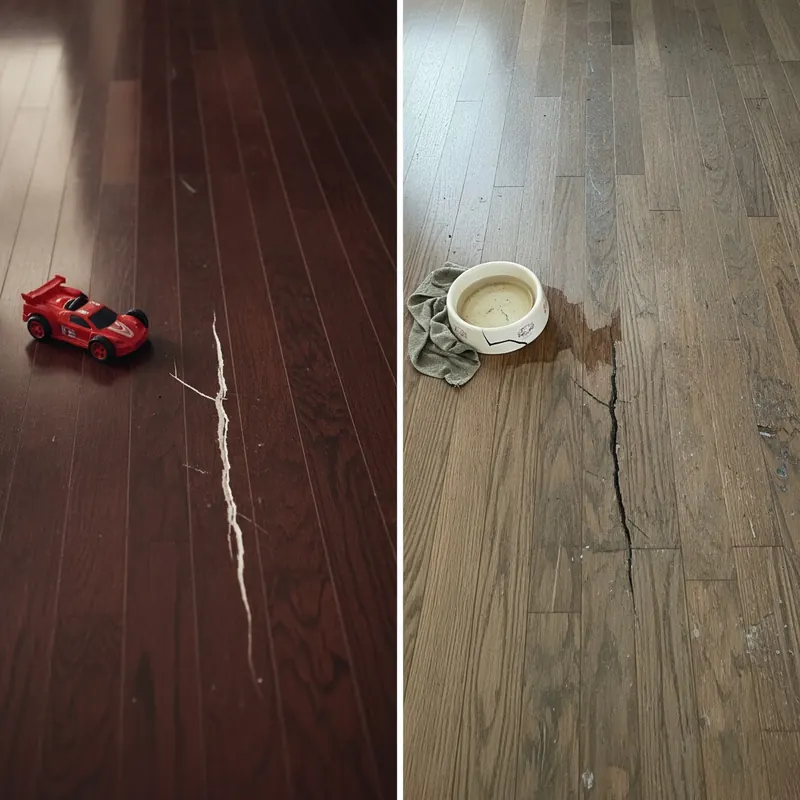
There’s a unique kind of disappointment that comes with seeing the first deep scratch on a brand-new floor. It’s a mark that seems to draw the eye, a reminder that the daily shuffle of life—from kids and pets to moving furniture—can take a toll on your biggest investment. In a world of confusing marketing terms and conflicting advice, choosing a floor that can truly withstand daily abrasion feels like an impossible task.
This is not just another list of durable flooring options. This is your definitive, data-driven lifecycle guide. We will cut through the marketing hype, decode the technical specifications, and provide a clear framework for selecting, proactively protecting, and flawlessly repairing your flooring for maximum longevity. Whether you’re a homeowner safeguarding your investment, a landlord defining “wear and tear,” or a business owner needing a surface that endures, this guide will empower you to keep your floors looking flawless.
We’ll cover how to choose truly durable flooring by understanding the science behind it, how to implement a daily protection plan, how to tackle repairs yourself, and what solutions work best for the most demanding high-traffic environments.
- Decoding Durability: What Really Makes Flooring Scratch-Resistant?
- The Ultimate Comparison: Choosing the Best Scratch-Resistant Flooring
- Proactive Preservation: How to Keep Your New Floor Flawless
- The Art of Repair: A DIY Guide to Fixing Scuffs and Scratches
- High-Traffic & Commercial Solutions: Flooring That Endures
- FAQ: Understanding “Normal Wear and Tear” for Landlords & Tenants
- Conclusion: Your Investment, Protected
- References & Authoritative Sources
Decoding Durability: What Really Makes Flooring Scratch-Resistant?
To choose the right floor, you have to look past the showroom shine and understand the technology that makes a surface tough. This section breaks down the core components of durability, clarifying confusing marketing terms and explaining the industry standards that actually matter.
The ‘Adamantine Flooring’ Myth: A Brand-Name Finish, Not a Material
One of the first terms you might encounter when searching for ultra-durable flooring is “Adamantine flooring.” This can be misleading. “Adamantine” is not a type of flooring material itself, but rather a brand name for a proprietary protective finish, such as the Adamantine™ Protection offered by TAS Flooring1.
Think of it like “Gorilla Glass” for your phone screen; it’s a specialized top layer designed to enhance the durability of the product it’s applied to. In this case, the finish is often used on high-performance flooring like LSPC (Limestone-Plastic Composite) Hybrid cores. According to the manufacturer’s specifications, products with this finish typically feature a robust 20 mil wear layer and are classified under the ASTM F3261 standard for resilient flooring, a key indicator of its performance benchmarks2. Understanding this distinction is the first step toward becoming an informed buyer—you’re not buying an “adamantine floor,” you’re buying a floor with an adamantine finish.
The Science of the Wear Layer: Your Floor’s First Line of Defense
The single most important factor for scratch and abrasion resistance in vinyl and laminate flooring is the wear layer. This is a transparent topcoat, measured in mils (one-thousandth of an inch), that protects the photographic design layer from scuffs, scratches, and fading.
Imagine a plank of luxury vinyl. It’s constructed in layers: a backing layer for stability, a core for structure (like SPC or WPC), a printed design layer that gives it the wood or stone look, and finally, the all-important wear layer. The thicker and more robust this layer is, the longer your floor will resist signs of daily wear.

Here are the key benchmarks for wear layer thickness:
- Under 12 mil: Suitable only for very low-traffic areas like closets or guest bedrooms. Avoid this for main living spaces.
- 12-20 mil: A good range for average residential use, including living rooms and kitchens.
- 20-30 mil: The ideal thickness for high-traffic homes, especially those with pets and children, and is considered commercial-grade.
The industry standard for measuring a surface’s ability to withstand this kind of friction is the ASTM D-4060 test method2. While you won’t see this test score on a consumer label, it’s the science that underpins the quality of the wear layer you’re choosing.
Understanding Durability Ratings: AC vs. ASTM Standards
Beyond the wear layer, other standardized ratings provide a clear measure of a floor’s expected performance. Knowing what they mean can help you select a product perfectly suited to your needs.
AC (Abrasion Class) Rating for Laminate
The Association of European Producers of Laminate Flooring (ELPF) established the AC rating system to classify laminate flooring based on its resistance to abrasion, impact, stains, and burns3. It’s a simple guide to where a product should be used.
| AC Rating | Traffic Level | Recommended Use |
|---|---|---|
| AC1 | Moderate | Bedrooms, closets (rarely sold today) |
| AC2 | General | Living rooms, dining rooms |
| AC3 | Heavy | Any room in the home, light commercial offices |
| AC4 | Commercial General | Busy offices, cafes, boutiques |
| AC5 | Commercial Heavy | Department stores, public buildings, showrooms |
ASTM Standards for Resilient Flooring
For materials like LVP and SPC, look for compliance with standards from ASTM International, a globally recognized leader in technical standards2. Key standards include ASTM F3261, which specifies the requirements for rigid core resilient flooring, and ASTM D-4060, which, as mentioned, is the test method for abrasion resistance. A manufacturer’s willingness to test to these standards is a strong signal of quality and transparency.
The Ultimate Comparison: Choosing the Best Scratch-Resistant Flooring
Now that you understand the science, let’s compare the leading contenders for scratch-resistant flooring. Each has its own profile of strengths and weaknesses, and the best choice depends on your specific needs for durability, comfort, cost, and aesthetics.
Luxury Vinyl Plank/Tile (LVP/LVT) & SPC Core
Modern luxury vinyl is a powerhouse of durability. Its multi-layer construction makes it highly resistant to scratches, scuffs, and water damage. Within this category, Stone Plastic Composite (SPC) core vinyl is often considered the top performer. Its rigid, dense core made from limestone and stabilizers makes it incredibly dent-resistant and stable.
As one flooring professional noted, “We almost always recommend a quality SPC for homes with large dogs and active kids. The combination of a rigid core and a thick, 20-mil-plus wear layer provides peace of mind that other floors just can’t match.”
With an expected lifespan of 15-25 years for standard LVP and 20-30+ years for high-quality SPC, it’s a fantastic long-term investment.
Laminate Flooring
Laminate flooring has come a long way from its early days. Today’s high-quality laminate features an exceptionally tough, factory-applied finish that offers superior scratch and abrasion resistance, often outperforming vinyl at similar price points. The key is to check the AC rating. For a busy home, look for an AC3 or AC4 rating. For commercial use, an AC4 or AC5 rating is essential to ensure the floor can handle heavy foot traffic. The main trade-off with laminate is its lower resistance to moisture compared to vinyl, making it a less ideal choice for bathrooms or basements.
Porcelain & Ceramic Tile
When it comes to sheer durability, it’s hard to beat porcelain tile. Fired at extremely high temperatures, it is incredibly dense, hard, and resistant to almost any kind of scratch or damage. To choose the right tile, look for its PEI (Porcelain Enamel Institute) rating, which indicates wear resistance. A PEI rating of 4 is suitable for all residential and medium commercial traffic, while PEI 5 is rated for the heaviest commercial traffic. The downsides are that tile is hard and cold underfoot, and the grout lines require regular maintenance.
A professional tile setter might advise, “Porcelain is a lifetime floor. You install it once, and with proper care, it will outlast the house itself.”
Data-Driven Scorecard: Ranking the Top Flooring Materials
To simplify your decision, here is a scorecard comparing the top materials across key performance indicators.

| Feature | SPC Vinyl (20+ mil) | Laminate (AC4) | Porcelain Tile (PEI 4+) |
|---|---|---|---|
| Scratch Resistance | ★★★★☆ | ★★★★★ | ★★★★★ |
| Water Resistance | ★★★★★ | ★★☆☆☆ | ★★★★★ |
| Cost (Installed) | ★★★☆☆ | ★★★☆☆ | ★★★★☆ |
| Comfort Underfoot | ★★★★☆ | ★★★☆☆ | ★☆☆☆☆ |
| DIY Friendliness | ★★★★★ | ★★★★☆ | ★★☆☆☆ |
| Expected Lifespan | ★★★★☆ (20-30+ yrs) | ★★★☆☆ (15-25 yrs) | ★★★★★ (50+ yrs) |
Proactive Preservation: How to Keep Your New Floor Flawless
Choosing a durable floor is only half the battle. The other half is implementing a smart maintenance and protection strategy to prevent damage before it happens. By creating a “floor-friendly home,” you can preserve the original texture and finish for years to come.
The ‘Floor-Friendly Home’ Checklist: Your Daily Defense
The vast majority of scratches come from tiny, abrasive particles of dirt and grit being ground into the floor’s surface. Your daily defense should focus on stopping this grit at the door and minimizing friction from furniture.

- Double Up on Mats: Adopt the professional strategy of using two mats at every entryway. As recommended by experts at Portercraft.com, place one coarse mat outside to scrape off large debris and a softer, absorbent mat inside to trap fine grit and moisture4.
- Use the Right Furniture Pads: Not all pads are created equal. Use thick, high-quality felt pads for furniture that moves often, like dining chairs. For heavy, stationary items like sofas, use non-staining rubber or hard plastic protectors to distribute the weight and prevent indentations. Regularly clean the felt pads, as embedded grit can turn them into sandpaper.
- Upgrade Your Wheels: The standard plastic casters on office chairs are notorious for damaging floor finishes. Replace them with soft, “wood floor-safe” rubber or polyurethane caster wheels.
- Keep Pet Nails Trimmed: Regularly trimming your pet’s nails is one of the most effective ways to prevent a constant barrage of fine scratches.
The Right Way to Clean: Preserving Texture and Finish
Using the wrong cleaning products or methods can permanently dull your floor’s finish and damage its protective wear layer.
- Mind the pH: Always use a pH-neutral cleaner (with a pH level between 6 and 8). Harsh, acidic, or alkaline cleaners can break down the floor’s finish over time, making it more susceptible to damage.
- Avoid Steam Mops on Vinyl and Laminate: While great for tile, the high heat and moisture from steam mops can damage the adhesive, cause planks to warp or delaminate, and dull the finish of LVP and laminate floors. This advice is strongly echoed by flooring professionals like those at Right Step Flooring5.
- Use the Right Tools: For daily cleaning, a microfiber dust mop is your best friend. When vacuuming, use a hard floor head attachment with soft bristles. Turn off the beater bar or rotating brush, as the stiff bristles can cause micro-scratches and wear down the texture over time.
Temporary Surface Protection for Remodels and Moves
During a remodel, move, or even just a painting project, your floors are at their most vulnerable. Using proper temporary protection is crucial.
- Choose the Right Product: For carpets, use a self-adhesive film like Carpet Shield. For hard surfaces, a heavy-duty paperboard product like Builder Board is ideal. According to manufacturers like Surface Shields, Inc., one roll of Builder Board can replace 10 sheets of standard fiberboard, offering superior liquid and impact resistance6.
- Do’s and Don’ts:
- DO sweep and clean the floor thoroughly before applying any protective covering.
- DO use painter’s tape or specially designed “clean release” seam tape to join sheets of Builder Board.
- DON’T use self-adhesive carpet film on hard surfaces like wood or LVP. The adhesive can bond with the finish and be extremely difficult to remove, causing permanent damage.
- DON’T leave any protective covering on for longer than recommended, as it can trap moisture.
The Art of Repair: A DIY Guide to Fixing Scuffs and Scratches
Even with the best preventative care, a scratch can still happen. The good news is that many common types of surface damage can be fixed with simple DIY methods.
Assessing the Damage: Is it a Scuff, Scratch, or Gouge?

Before you can fix the problem, you need to correctly identify it.
- Scuff: A mark on the surface of the floor’s finish. It hasn’t broken through the wear layer. You often can’t feel it when you run your fingernail over it.
- Fine Scratch: A shallow cut that has penetrated the wear layer but not the design layer below. It’s typically defined as being less than 1/16-inch deep. You can feel it with your fingernail.
- Gouge: A deep cut that has gone through the wear layer and the design layer, exposing the core of the plank. This is the most serious type of damage.
Your Floor Scuff Repair Matrix
Use this matrix to find the right repair for your floor type and damage level. These techniques are informed by common DIY practices from authoritative home improvement resources like The Spruce7.
| Damage Type | Hardwood | Laminate | Luxury Vinyl (LVP/SPC) |
|---|---|---|---|
| Light Scuff | Rub with a clean tennis ball or a pencil eraser. | Use a microfiber cloth with a bit of water and mild soap. | Use a microfiber cloth with a bit of water and mild soap. |
| Fine Scratch | Rub the scratch with a walnut. For deeper scratches, use a stain-matching marker. | Use a laminate floor repair kit with a color-matched wax pencil or putty. | Use a vinyl floor repair kit with a color-matched compound. |
| Deep Scratch/Gouge | Use a color-matched wood filler, sand smooth, and apply matching stain/finish. | This is difficult to repair invisibly. The best solution is often plank replacement. | This is difficult to repair invisibly. The best solution is often plank replacement. |
When to Call a Professional: Knowing Your Limits
While DIY repairs are great for minor issues, some jobs are best left to the professionals. You should call a flooring restoration specialist if you’re dealing with:
- Widespread scratching across a large area.
- Deep gouges, especially on hardwood that may require sanding and refinishing.
- Water damage that has caused planks to warp or cup.
- Damage to a high-end or specialty floor where a botched repair would be very costly.
As a flooring pro might say, “A bad DIY repair on a deep scratch can look worse than the scratch itself. We have the tools and experience to blend the repair seamlessly with the original finish, which is something very difficult to achieve without practice.”
High-Traffic & Commercial Solutions: Flooring That Endures
For commercial spaces like retail stores, offices, and restaurants, the demands on flooring are exponentially higher. Durability isn’t a luxury; it’s a necessity for safety, maintenance, and long-term cost-effectiveness.
Top Flooring for Commercial Spaces: LVT, Epoxy, and Carpet Tile
- Luxury Vinyl Tile (LVT): Commercial-grade LVT (with a wear layer of 20 mil or more) is a top choice for retail, healthcare, and corporate environments. As noted by commercial flooring contractors like Spectra Contract Flooring, its durability, water resistance, and design versatility make it incredibly practical8. A key benefit is its modularity; if a tile gets damaged, you can replace a single piece instead of the entire floor.
- Epoxy & Polyaspartic Coatings: For the most demanding environments like commercial kitchens, garages, and industrial facilities, seamless resinous flooring is unmatched. As explained by technical authorities like GarageExperts, these coatings create a non-porous, chemical-resistant, and incredibly abrasion-resistant surface bonded directly to the concrete slab9.
- Carpet Tile: In office settings, carpet tiles offer a durable and practical solution. Like LVT, individual tiles can be easily replaced if stained or damaged, making them a cost-effective long-term choice for high-traffic areas.
A Guide to Anti-Scratch Floor Coatings (Polyurethane, Epoxy, Polyaspartic)
For existing floors, particularly concrete and wood, applying a protective coating can dramatically increase their durability.
- Polyurethane: The standard for finishing hardwood floors. It creates a durable plastic-like shield over the wood. It is also available as a clear topcoat for concrete and some existing coatings.
- Epoxy: A two-part thermosetting resin that creates an extremely hard, durable, and often thick coating. It is primarily used on concrete floors.
- Polyaspartic: A newer technology that is a type of polyurea. According to suppliers like Xtreme Polishing Systems, it cures much faster than epoxy, is more flexible, and is UV stable, meaning it won’t yellow in sunlight10. It can be used as a full flooring system or as a clear, highly durable topcoat over other systems.
When applying these coatings, safety is paramount. Always ensure proper ventilation and wear the recommended Personal Protective Equipment (PPE), including respirators, gloves, and eye protection. Proper maintenance, as advised by industrial coating experts like Carboline, is key to their longevity and involves using the right cleaning agents and promptly repairing any chips or cracks11.
FAQ: Understanding “Normal Wear and Tear” for Landlords & Tenants
One of the most common sources of conflict between landlords and tenants is the flooring. What constitutes acceptable, “normal wear and tear” versus chargeable damage?
This distinction is crucial for security deposit disputes. While local laws vary, the general principle is that a tenant is not responsible for the expected, gradual decline of a property from normal use over time. Platforms for landlords like Avail.com provide extensive guidance on this topic, emphasizing that the floor’s original quality and age are key factors12.
Photo Guide: Scuffs vs. Gouges, Fading vs. Stains
To provide clarity, here’s a guide to what is typically considered normal wear versus damage.
- Normal Wear: Minor scuff marks under furniture, light thinning of carpet in a main walkway, or slight fading of hardwood in a sunny area over several years.
- Damage: A deep gouge from dragging a heavy appliance, a large, dark pet stain on a carpet, a cracked tile, or significant water damage from an overflowing tub.
A best practice for landlords, recommended by property managers, is to use a detailed move-in/move-out checklist with photos to document the exact condition of the flooring at the beginning and end of a tenancy. This creates a clear record and minimizes disputes.
Conclusion: Your Investment, Protected
Your floor is the foundation of your home or business, and protecting it is about more than just aesthetics—it’s about safeguarding a significant investment. By moving beyond marketing buzzwords and understanding the science of durability, you can make an informed choice that will serve you for decades.
We’ve shown that the path to a flawless floor follows a clear lifecycle:
- Choose Smart: Decode the specs like wear layer thickness and AC ratings to select a material truly built to last.
- Protect Proactively: Implement a daily defense system of mats, furniture pads, and proper cleaning to prevent the vast majority of damage.
- Repair Effectively: Know how to tackle minor scuffs and scratches yourself, and when it’s time to call in a professional.
Ultimately, this knowledge empowers you. It transforms you from a passive consumer into an active caretaker of your space, ensuring your floors remain as beautiful as the day they were installed.
This article provides general guidance. For specific legal advice regarding landlord-tenant disputes (‘wear and tear’), consult a qualified attorney. For major flooring installations or repairs, consult a licensed contractor.
References & Authoritative Sources
- TAS Flooring. (n.d.). Ambiance Collection. TAS Flooring.
- ASTM International. (n.d.). ASTM Standards. ASTM International.
- Association of European Producers of Laminate Flooring (ELPF). (n.d.). AC Ratings. ELPF.
- Portercraft.com. (n.d.). 3 Ways to Prevent Scratches on Wood Floors. Portercraft.
- Right Step Flooring. (n.d.). Laminate Flooring Maintenance. Right Step Flooring.
- Surface Shields, Inc. (n.d.). Product Specifications. Surface Shields, Inc.
- The Spruce. (n.d.). Home Improvement Guides. The Spruce.
- Spectra Contract Flooring. (n.d.). Durable Commercial Flooring Options for High Traffic Areas. Spectra Contract Flooring.
- GarageExperts. (n.d.). Commercial and Industrial Blog. GarageExperts.
- Xtreme Polishing Systems. (n.d.). Protective Coatings. Xtreme Polishing Systems.
- Carboline. (n.d.). 6 Tips to Ensure Proper Epoxy Floor Coating Maintenance. Carboline.
- Avail.com. (n.d.). Wear and Tear: What Is Fair?. Avail.