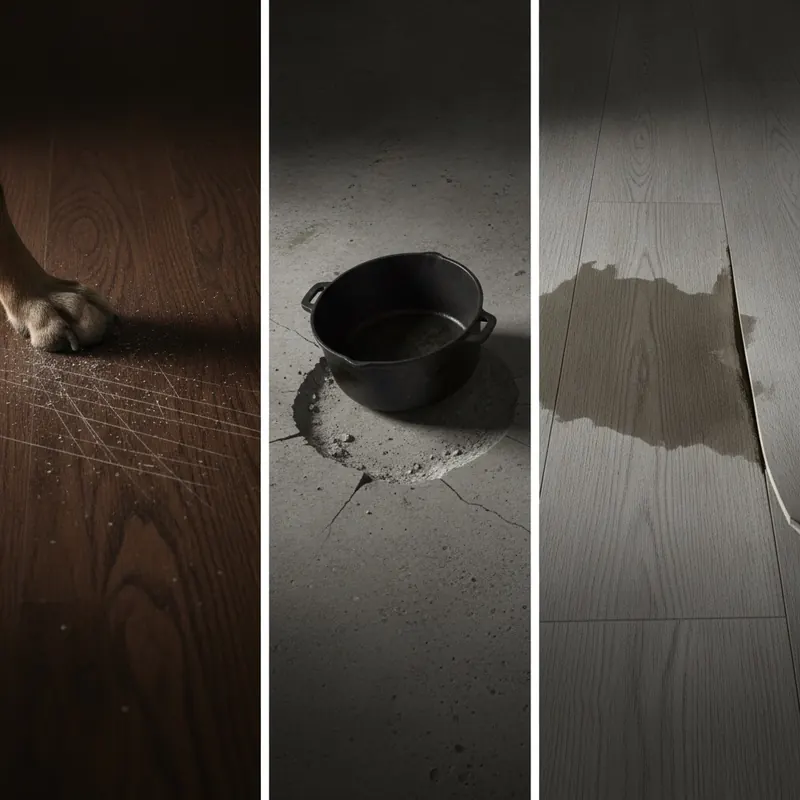
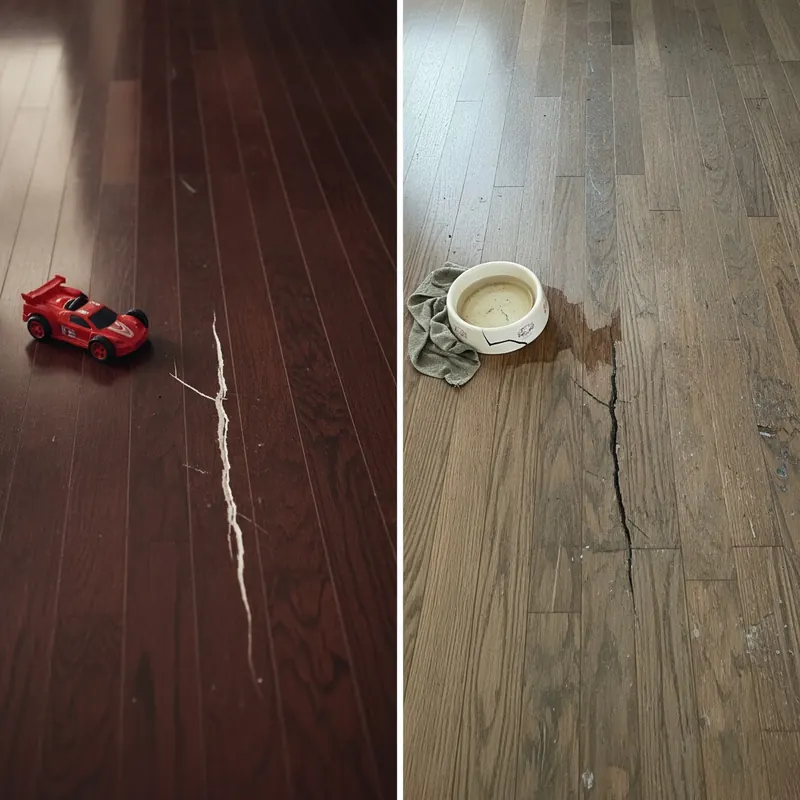
The cycle is frustratingly familiar. A tenant moves out, and you walk into your rental property to find the floors scuffed, stained, or water-damaged beyond repair. You’re faced with yet another costly and time-consuming replacement, eating into your profits and delaying the unit’s return to the market. This recurring expense is one of the biggest pain points for property investors, turning what should be a passive investment into an active headache.
But what if you could break this cycle? What if you could choose a flooring that wasn’t just a temporary surface, but a strategic, long-term asset? This is not just another list of flooring materials. This is a landlord’s playbook for transforming your flooring choice into a powerful tool that boosts your Return on Investment (ROI). We will go beyond the surface to provide a data-driven framework for selecting durable, low-maintenance, and cost-effective flooring that outlasts tenants.
Inside this guide, you’ll find an in-depth analysis of the top flooring contenders, a powerful decision-making tool we call “The Landlord’s Flooring Scorecard,” and a crucial guide to navigating the murky waters of tenant damage versus normal wear and tear. It’s time to stop thinking about flooring as an expense and start treating it as the critical investment it is.
- Why Your Flooring Choice is a Critical Investment, Not Just an Expense
- The Top 3 Flooring Contenders for High-Traffic Rentals
- Decoding Durability: A Landlord’s Guide to Technical Specs
- The Landlord’s Flooring Scorecard: A Data-Driven Decision Tool
- Protecting Your Investment: A Guide to Tenant Damage vs. Wear and Tear
- Frequently Asked Questions (FAQ) for Landlords
- Conclusion: Make Your Next Flooring Choice Your Last for a Decade
- Sources & References
Why Your Flooring Choice is a Critical Investment, Not Just an Expense
For a savvy property investor, every decision must be viewed through the lens of ROI. Flooring is no exception. The surface underfoot has a direct and significant impact on your bottom line, influencing everything from tenant acquisition to long-term capital expenditures. Choosing the right investment property flooring goes far beyond aesthetics; it’s a financial strategy.
A modern, durable floor is one of the first things a prospective tenant notices. It sets the tone for the entire property, signaling quality and care. This enhanced tenant appeal can dramatically reduce vacancy periods. In fact, research indicates that properties with modern, durable flooring often see 15-20% faster leasing times. A shorter vacancy period means more rental income and a healthier cash flow.
Furthermore, the right flooring choice helps you escape the costly trap of frequent flooring replacement. Instead of budgeting for new carpet every 3-5 years, you can install a surface designed to last a decade or more. This requires shifting your mindset from upfront cost to the Total Cost of Ownership (TCO). TCO accounts for the initial purchase and installation price, plus ongoing maintenance, repair costs, and the expected lifespan of the material. A slightly more expensive floor upfront can save you thousands over the long run by eliminating replacement cycles and minimizing repairs caused by tenant flooring damage.
The Top 3 Flooring Contenders for High-Traffic Rentals
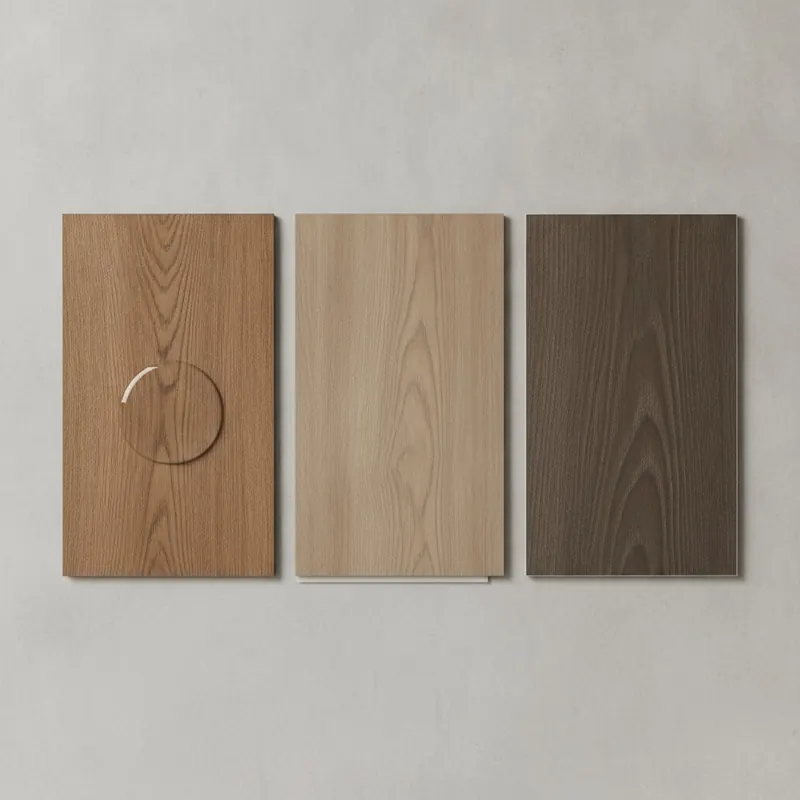
When it comes to rental property flooring, the market is flooded with options. However, years of real-world application in high-traffic environments have shown that a few clear winners emerge. Flooring retailers and contractors who work directly with landlords, such as the experts at Royal Floors Online and Builders Interiors, consistently see property managers gravitate towards materials that master the balance of durability, water resistance, and cost-effectiveness. These are the top three contenders that should be on every landlord’s shortlist.
1. Luxury Vinyl Plank (LVP): The Landlord’s All-Star
Luxury Vinyl Plank (LVP) has rightfully earned its reputation as the go-to choice for rental properties. It offers the high-end look of hardwood without the associated cost and maintenance headaches. But its true value for landlords lies in its near-indestructible nature. Modern LVP is often 100% waterproof, making it ideal for kitchens, bathrooms, and basements where spills and moisture are inevitable. This is a key reason LVP is considered better than laminate for rentals; a leaky dishwasher or tenant mishap won’t result in buckled, ruined planks.
The secret to LVP’s superior durability lies in its core construction. While older LVP used WPC (Wood Plastic Composite) cores, the industry standard for high-traffic areas is now SPC (Stone Plastic Composite). An SPC core is made from a mixture of limestone and stabilizers, creating a board that is significantly denser, more rigid, and more resistant to dents from heavy furniture or dropped objects. For a rental environment, always opt for SPC.
Its scratch-resistant wear layer holds up against pets, furniture, and heavy foot traffic, making it a truly low-maintenance flooring solution. Perhaps one of its greatest advantages is its repairability. If a plank does get severely damaged, it can be individually replaced without tearing up the entire floor.
How to Replace a Single Damaged LVP Plank:
- Protect the Area: Use painter’s tape to mask off the surrounding, undamaged planks.
- Cut the Plank: Using a utility knife and a straight edge, score the damaged plank multiple times, about an inch from its edges, creating a rectangle within the plank. Then, score diagonally from each corner of the rectangle to the plank’s corners.
- Heat and Pry: Gently heat the center of the plank with a heat gun to soften the adhesive (if any) and the vinyl. Use a chisel or pry bar to carefully lift out the center section first, then the remaining edge pieces.
- Prepare the New Plank: On the replacement plank, you’ll need to trim off the tongue portion of the locking mechanism on the long side and the short side that will be inserted first.
- Install and Secure: Apply a thin bead of seam adhesive or a quality construction adhesive to the groove of the adjacent planks. Carefully slide the new plank into place, ensuring a tight fit.
- Weight it Down: Place a heavy object (like a box of tiles or books) on the new plank for several hours to ensure the adhesive bonds securely.
2. High-Durability Laminate: The Cost-Effective Contender
For landlords on a tighter budget, high-durability laminate flooring presents a compelling, cost-effective alternative. It offers a similar wood look to LVP at a lower price point per square foot. The primary difference in cost comes from the materials; laminate’s fiberboard core is typically less expensive to produce than LVP’s vinyl and stone composite core.
However, not all laminate is created equal. Its main vulnerability is water. Unlike LVP, most laminate has a wood-based core that can swell and warp if moisture penetrates the seams. This makes it a riskier choice for kitchens and bathrooms but a perfectly viable option for living rooms and bedrooms.
The key to success with laminate in a rental is choosing a product with a high durability rating. This is measured by the Abrasion Class (AC) rating. For any area with moderate to heavy foot traffic, experts like those featured on Bob Vila’s platform recommend choosing laminate with an AC4 or AC5 durability rating. These ratings signify the product is tough enough for commercial applications, meaning it can easily withstand the rigors of a rental unit.
Understanding Laminate AC Ratings:
- AC1: Light residential use (e.g., bedrooms).
- AC2: General residential use (e.g., living rooms).
- AC3: Heavy residential / Light commercial use.
- AC4: General commercial use (Recommended minimum for rentals).
- AC5: Heavy commercial use (Maximum durability).
3. Porcelain & Ceramic Tile: The Longevity Champion
When absolute, long-lasting durability is the top priority, nothing beats porcelain or ceramic tile. It is waterproof, scratch-proof, and fire-resistant. Properly installed tile can easily last for decades, making it a true “install it once” solution for entryways, kitchens, and bathrooms. The rise of wood-look tile also allows landlords to get this incredible durability with the warm aesthetic of hardwood.
The primary drawback of tile has always been the grout, which can become stained and dirty over time, creating a maintenance headache. However, modern grout solutions have largely solved this problem. Using an epoxy grout instead of traditional cement-based grout creates a non-porous, stain-proof, and chemical-resistant joint that is far easier to clean and maintain between tenants.
When selecting tile, it’s important to consider its PEI (Porcelain Enamel Institute) rating, which measures the abrasion resistance of the glaze. For the floors of a busy rental property, you should look for a tile with a PEI rating of Class 3 or higher. This ensures the surface won’t wear down or show patterns of use in high-traffic pathways.
Decoding Durability: A Landlord’s Guide to Technical Specs
To make a truly informed decision, you need to understand the language of durability. Manufacturers use technical specifications to rate their products, and knowing what they mean can help you cut through the marketing noise and choose a floor that will perform. Here’s a simple breakdown of the three most important ratings for rental property flooring.
Flooring experts and major retailers like Flooring America consistently emphasize these metrics as the most reliable indicators of how a floor will stand up to the demands of tenants and daily life.
What is a ‘Mil’ Wear Layer and Why It’s Crucial for LVP
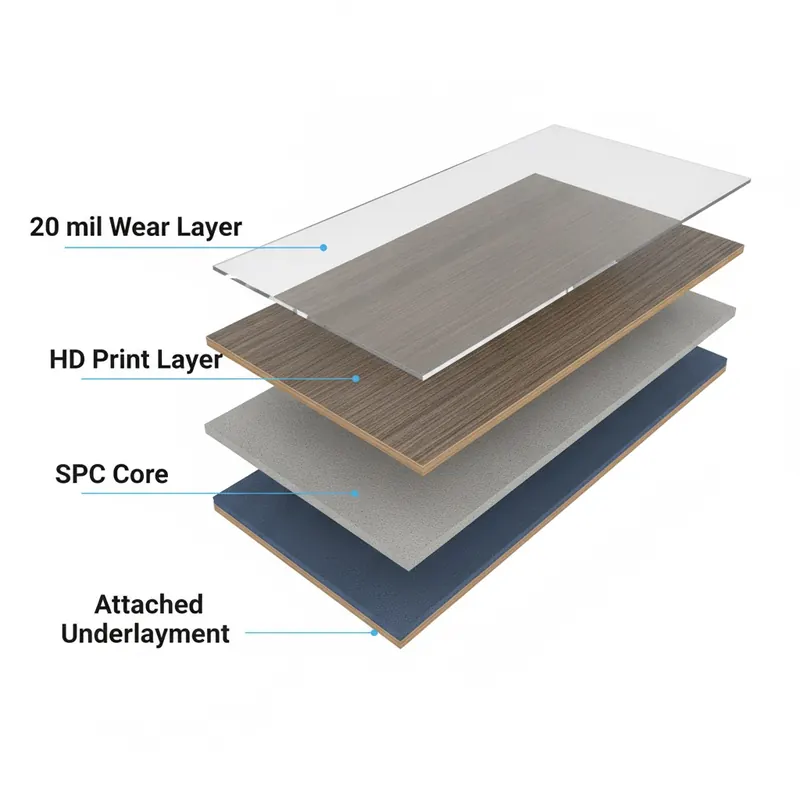
The single most important factor for LVP durability is its wear layer. This is a clear, protective top coating that shields the printed design layer from scratches, scuffs, and stains. Its thickness is measured in mils (one-thousandth of an inch). A thicker wear layer means a longer lifespan and better protection.
For a high-traffic rental property, you should choose an LVP with a wear layer of at least 20 mil. While cheaper products might offer 6 or 12 mil, they will show wear and tear much faster, forcing a premature replacement. The best wear layers are also enhanced with protective coatings containing materials like aluminum oxide or ceramic beads, which dramatically increase their resistance to fine scratches and scuffs.
The Importance of Subfloor Quality and Installation
You can buy the most durable flooring in the world, but if it’s installed improperly or over a poor subfloor, it’s destined for premature failure. This is a critical content gap often overlooked by landlords. Contractors from firms like Builders Interiors or E_M Custom Flooring & Installations will tell you that a vast majority of flooring failures stem from subfloor issues.
Before any installation, ensure the subfloor is:
- Clean: Free of all debris, dust, and old adhesive.
- Flat: Most manufacturers require the floor to be flat within 3/16 of an inch over a 10-foot span. High or low spots can cause planks to flex and break at the seams.
- Dry: Moisture coming from a concrete slab can destroy laminate and delaminate vinyl. A moisture barrier is essential.
Following the manufacturer’s installation guidelines to the letter is not just a suggestion; it’s a requirement to keep the product warranty valid. Cutting corners on subfloor preparation is a costly mistake that will undermine your entire investment.
The Landlord’s Flooring Scorecard: A Data-Driven Decision Tool
To simplify your decision, we’ve created the Adamantine Flooring Rental Scorecard. This tool rates our top three contenders across the factors that matter most to a property investor, moving beyond simple pros and cons to provide a clear, data-driven comparison.
The Adamantine Flooring Rental Scorecard
| Feature | Luxury Vinyl Plank (SPC) | High-AC Laminate (AC4+) | Porcelain/Ceramic Tile |
|---|---|---|---|
| Total Cost of Ownership (10-Yr) | Excellent | Good | Excellent |
| Upfront Cost (Material + Install) | Moderate ($3-$7/sq ft) | Low-Moderate ($2-$6/sq ft) | High ($5-$15+/sq ft) |
| Water Resistance | Excellent (100% Waterproof) | Poor-Fair (Water-resistant top) | Excellent (Waterproof) |
| Scratch & Dent Resistance | Excellent (20+ mil wear layer) | Good-Excellent | Excellent |
| Ease of Repair | Excellent (Plank replacement) | Fair (Plank replacement possible) | Poor (Difficult, requires demo) |
| Maintenance & Cleaning | Excellent | Good (Requires specific cleaners) | Good (Epoxy grout recommended) |
| Tenant Appeal & Aesthetics | Excellent (Realistic wood/stone) | Good (Realistic wood looks) | Good-Excellent (High-end feel) |
| Overall Landlord Score | 9.5 / 10 | 7.5 / 10 | 8.5 / 10 |
Factor 1: Total Cost of Ownership (TCO)
TCO reveals the true long-term cost of your flooring. A cheap floor that needs replacing every five years is far more expensive than a durable one that lasts for fifteen. Let’s look at a sample 10-year budget for a 1,000 sq. ft. rental unit.
- Builder-Grade Carpet: Lifespan of 5-15 years, but realistically 5 years in a rental.
- Year 1: $2,500 (Install)
- Year 6: $2,500 (Replacement)
- 10-Year TCO: $5,000
- High-AC Laminate: Lifespan of 10-25 years.
- Year 1: $4,000 (Install)
- 10-Year TCO: $4,000
- SPC Luxury Vinyl Plank: Lifespan of 20-30+ years.
- Year 1: $5,000 (Install)
- 10-Year TCO: $5,000
- Porcelain Tile: Lifespan of 20-100+ years.
- Year 1: $10,000 (Install)
- 10-Year TCO: $10,000
While LVP has a higher upfront cost than laminate, its superior water resistance and durability often make it the better long-term value by preventing costly water damage repairs. Tile has the highest upfront cost but the lowest TCO over a 20+ year horizon.
Factor 2: Durability & Resistance (Pets, Water, Traffic)
This is where your investment pays off. A floor in a rental property must withstand pets, dropped items, moving furniture, and constant foot traffic.
- LVP (SPC): The clear winner for all-around durability. It’s waterproof, highly scratch-resistant (with a 20+ mil wear layer), and its dense core resists dents. It’s the best option for landlords who allow pets.
- Laminate (AC4+): Excellent scratch resistance, often superior to LVP thanks to its hard aluminum oxide topcoat. However, it is highly vulnerable to standing water and pet accidents that seep into the seams.
- Tile: The king of durability. It’s impervious to water and scratches. Its only vulnerability is cracking from a very heavy impact, but this is rare.
Home experts like those at The Spruce often recommend LVP or tile as the top choices for homes with pets due to their resistance to both scratches and moisture.
Factor 3: Maintenance & Ease of Repair
Turnover time is money. The easier a floor is to clean and repair, the faster you can get a new tenant in.
- LVP: Easiest to maintain. Simple sweeping and mopping is all it needs. The ability to replace a single plank is a massive financial advantage, as a single accident doesn’t require a full floor replacement.
- Laminate: Easy to clean, but requires specific pH-neutral cleaners to avoid damaging the finish. Plank replacement is possible but can be more difficult than with LVP.
- Tile: Very easy to clean, but grout can be a problem. Using epoxy grout is highly recommended. Repairing a single cracked tile is a difficult, dusty job that often requires a professional.
Property managers value easily repairable flooring because it dramatically reduces the time and cost associated with tenant turnover.
Protecting Your Investment: A Guide to Tenant Damage vs. Wear and Tear
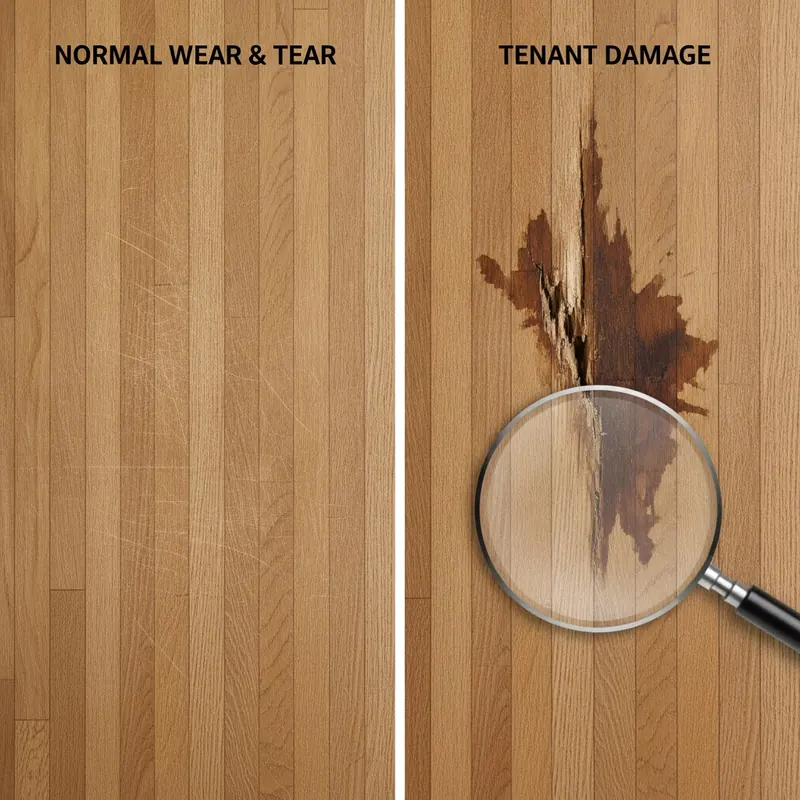
One of the most common points of conflict between landlords and tenants is the security deposit deduction for flooring. Understanding the legal difference between “normal wear and tear” and “damage” is crucial for protecting your asset and avoiding disputes. Authoritative property management resources like Avail and insurance providers like Hippo emphasize clear documentation as the key to navigating this issue.
Defining and Documenting ‘Normal Wear and Tear’
Normal wear and tear is the expected decline in the condition of a property due to normal, everyday use. It is the landlord’s responsibility to cover. For flooring, this includes:
- Minor scuffs or scratches on a hard surface.
- Slight thinning or fading of carpet in high-traffic hallways.
- Dullness in the floor’s finish over time.
The absolute best practice, recommended by property management experts like Azibo, is to meticulously document the flooring’s condition before a tenant moves in. Take date-stamped photos and videos of every square foot of the floor. This creates an undeniable baseline that can be referenced at move-out.
Identifying and Proving Tenant-Caused Damage
Damage is harm caused by negligence, abuse, or accidents. The cost to repair this can be deducted from the tenant’s security deposit. Examples include:
- Deep gouges or chips in LVP or laminate.
- Large stains from pets, wine, or paint on carpet.
- Cracked or broken tiles.
- Unauthorized alterations, like painting the floor.
When you discover damage, your move-in documentation becomes your proof. Insurance providers like Obie Insurance note that clear before-and-after photos are the strongest evidence when making a claim or justifying a security deposit deduction.
To further protect yourself, consider including a specific clause in your lease agreement regarding flooring care.
Sample Lease Clause:
“Tenant agrees to care for the flooring and prevent damage. This includes using furniture pads on all furniture legs, cleaning up spills promptly, and refraining from dragging heavy objects across the floor. Tenant is responsible for the full cost of repairing any damage beyond normal wear and tear, including but not limited to deep scratches, stains, burns, or water damage caused by negligence.”
Frequently Asked Questions (FAQ) for Landlords
Should I install different types of flooring in different rooms?
While it can be tempting, it’s often more strategic and cost-effective to use one type of hard-surface flooring (like LVP) throughout the main living areas, kitchen, and hallways. This allows you to buy in bulk at a better price and keep extra stock on hand for simple, perfectly matched repairs. Tile remains the best choice for bathrooms due to heavy water exposure.
Does carpet still have a place in rental properties?
Carpet can be a cost-effective choice for bedrooms, where tenants often prefer a softer, warmer feel. However, landlords should view it as a short-term solution. With a typical rental lifespan of only 5 years, its TCO is often higher than hard surfaces. It also traps allergens and is much harder to clean between tenants.
What are the warranty implications for flooring in a rental?
This is a critical and often-missed point. Many flooring products carry different warranties for residential and commercial use. Since a rental property is an income-generating business, it often falls under the “commercial” or “light commercial” category. A product with a “Lifetime Residential Warranty” may only have a 5- or 10-year warranty when installed in a rental. Always check the manufacturer’s specific warranty details for commercial or rental applications to ensure you are covered.
Conclusion: Make Your Next Flooring Choice Your Last for a Decade
Choosing the right flooring for your rental property is one of the highest-impact decisions you can make as a landlord. By shifting your focus from upfront price to Total Cost of Ownership, you transform a recurring expense into a long-term, ROI-boosting asset.
The evidence is clear: for the majority of rental situations, SPC Luxury Vinyl Plank offers an unbeatable combination of waterproof durability, scratch resistance, aesthetic appeal, and repairability. High-AC laminate serves as a strong budget-friendly alternative for dry areas, while porcelain tile remains the undisputed champion for ultimate longevity.
By understanding the technical specs that define durability and meticulously documenting your property’s condition, you can protect your investment from tenant damage and minimize turnover costs. Use the Landlord’s Flooring Scorecard framework to evaluate your options, and you’ll make a smart, profitable decision that will pay dividends for years to come.
Download our free ‘Move-In/Move-Out Flooring Inspection Checklist’ to start protecting your investment today and ensure you’re always prepared for tenant turnover.
This article provides general information and recommendations for investment property management. It is not a substitute for professional financial, legal, or construction advice. Landlord-tenant laws vary by jurisdiction; consult a local expert for specific guidance.
Sources & References
- Flacks Flooring. (N.D.). Market data on leasing times. Flacks Flooring.
- Royal Floors Online & Builders Interiors. (N.D.). Expert recommendations for rental properties.
- Bob Vila. (N.D.). Guidance on laminate flooring durability. BobVila.com.
- Flooring America. (N.D.). Recommendations on flooring specifications. Flooring America.
- Diverse Flooring. (N.D.). Typical Lifespans for Various Flooring Materials. Diverse Flooring.
- Elevate Flooring. (N.D.). Data on SPC flooring lifespan. Elevate Flooring.
- E_M Custom Flooring & Installations. (N.D.). Expertise on flooring installation and wear. E&M Custom Flooring & Installations.
- The Spruce. (N.D.). Consumer advice on flooring for pets. The Spruce.
- Avail & Hippo Insurance. (N.D.). Guidance on tenant damage vs. wear and tear. Avail / Hippo.
- Azibo. (N.D.). Best practices for landlord documentation. Azibo.
- Obie Insurance. (N.D.). Information on landlord insurance coverage for flooring. Obie Insurance.