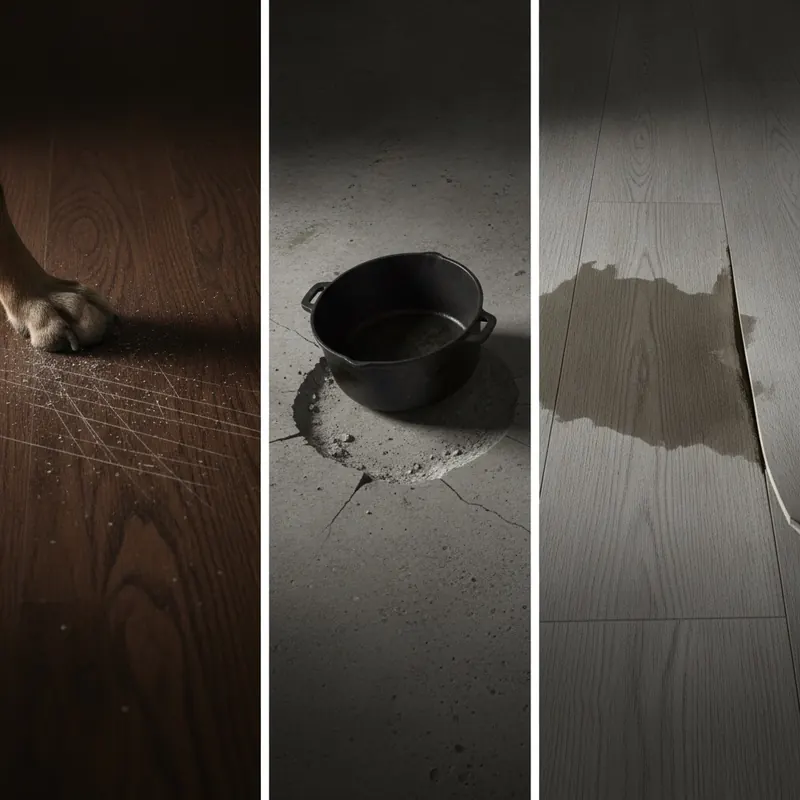
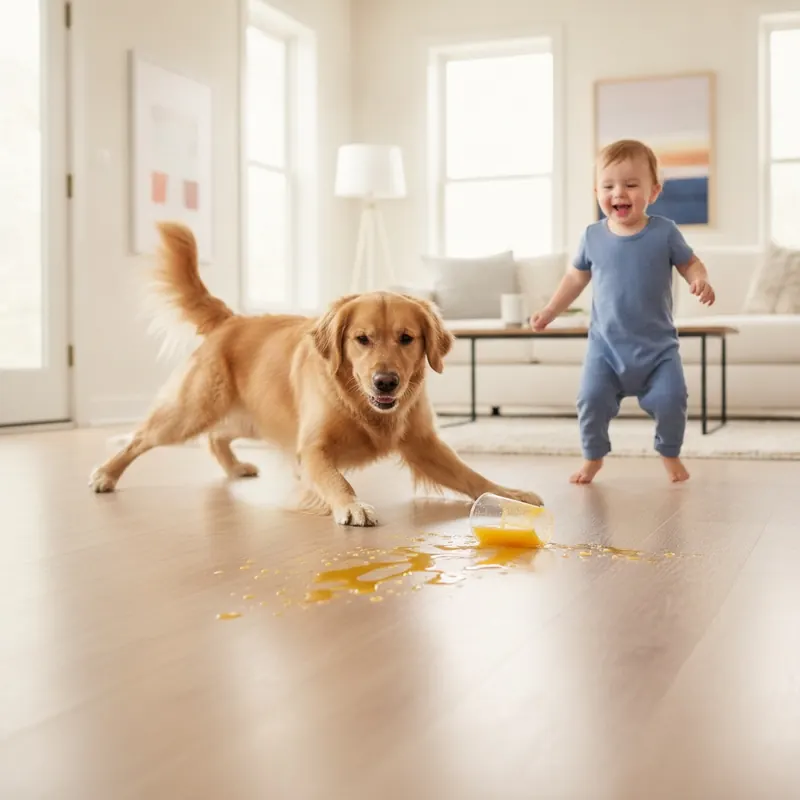
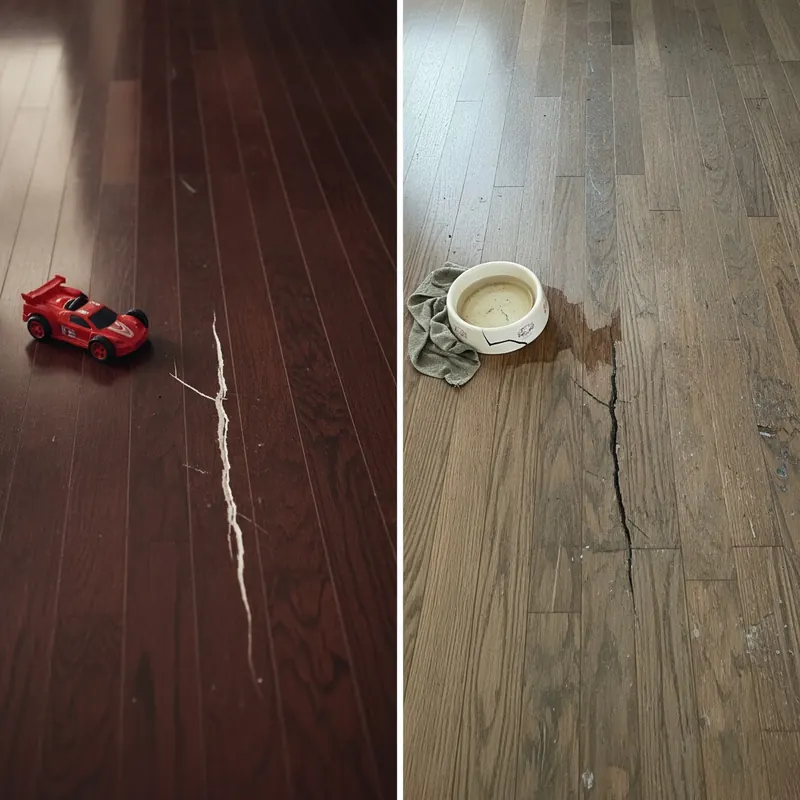
That sinking feeling—a tipped glass of red wine on your light-colored floor, a mysterious yellow patch appearing under a rug, or the slow, creeping realization that the sun has bleached the vibrant color from your beautiful hardwood. Floor discoloration is a frustrating and often costly problem. You’re left wondering: What caused this? Can it be fixed? And how can I ever prevent it from happening again?
You’re tired of generic advice and the fear of making a costly mistake. You need a definitive resource. Welcome to The Indestructible Floor Playbook. This is your comprehensive, evidence-based guide to taking control of your home’s most fundamental surface. We will embark on a three-part journey together:
- Diagnose: We’ll become flooring detectives, using a visual guide to identify the root cause of any existing discoloration.
- Choose: We’ll arm you with a data-driven scorecard to help you select a truly durable, stain proof, and fade resistant new floor with confidence.
- Protect: We’ll reveal an action plan of proactive strategies to safeguard any floor—new or old—from the daily onslaught of spills, sunlight, and life.
It’s time to move from frustration to empowerment. Let’s build a foundation that looks pristine for years to come.
- First, Diagnose the Damage: A Visual Guide to Common Floor Discoloration
- The Solution: Choosing Your Discoloration Resistant Flooring (With Scorecard)
- The Action Plan: How to Protect Any Floor from Discoloration
- Emergency Room: Your A-to-Z Household Chemical Stain Removal Matrix
- The Big Decision: A Flowchart for Repairing vs. Replacing Faded Floors
- Frequently Asked Questions About Flooring Durability
- Conclusion: Take Control of Your Floors
- References & Authoritative Sources
First, Diagnose the Damage: A Visual Guide to Common Floor Discoloration
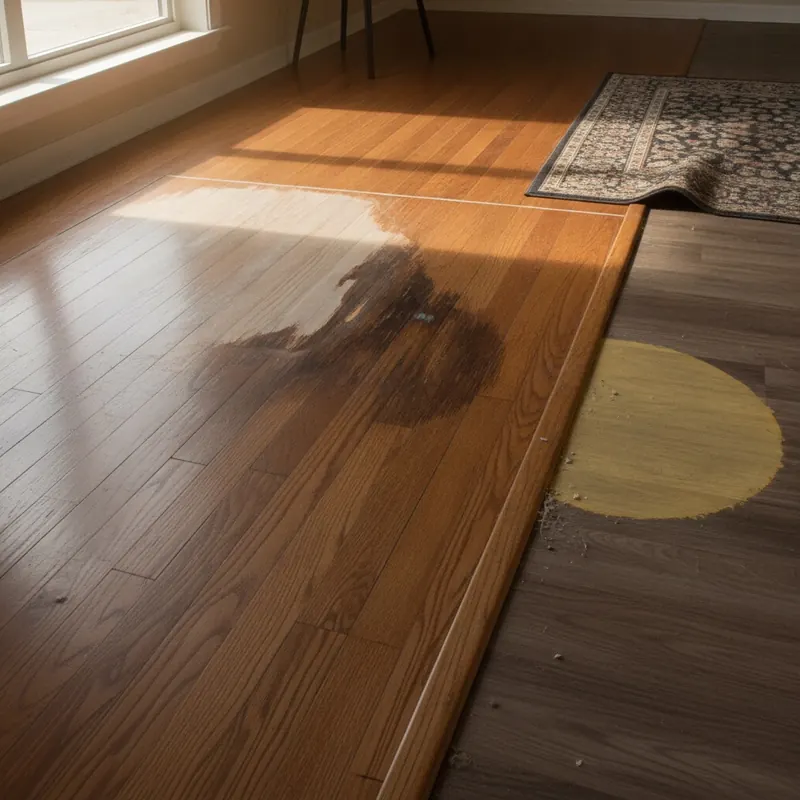
Before you can find a solution, you must understand the problem. Different types of discoloration have very different causes, from chemical reactions to hidden moisture. Use this visual guide to identify what’s happening to your floor.
Problem: Yellowing or Ambering
Have you noticed a sickly yellow or amber tint creeping across your floors, especially vinyl or linoleum? This is a common issue with several distinct causes.
- Chemical Reaction: The most frequent culprit behind yellowing on vinyl floors is a chemical reaction between the flooring material and the latex or rubber backing of a cheap rug or mat. The antioxidants used in the rubber can migrate into the vinyl, causing a permanent yellow stain.
- Sunlight Exposure: Older oil-based polyurethane finishes on hardwood floors are notorious for ambering, or turning yellow, over time with exposure to UV light. This is a natural aging process for those specific finishes.
- Alkaline Hydrolysis: True linoleum flooring (not vinyl) can sometimes yellow in dark areas, like under furniture. This process, known as “drying-room yellowing,” is often reversible. Exposing the area to light can frequently restore the original color.
Problem: Dark Spots or Patches
Dark spots, especially on hardwood, are almost always a red flag for one thing: moisture. The key is to find the source. According to experts like those certified by the Institute of Inspection, Cleaning and Restoration Certification (IICRC), moisture can cause significant and often deep-seated damage.[1]
- Moisture from Below: A slow leak in a pipe, a cracked foundation, or high humidity in a crawlspace can push moisture up through the subfloor, causing dark, moldy-looking stains on the wood above.
- Pet Stains: The ammonia in pet urine can react with the tannins in wood, creating a deep, black stain that is very difficult to remove.
- Metal Reactions: Water reacting with metal, such as from the legs of a plant stand or a piece of furniture, can cause a black “tannin-pull” stain. The U.S. Forest Products Laboratory notes that this is a chemical reaction between iron, water, and the natural tannins in the wood.[2]
Quick Diagnostic Test for Moisture: Tape a 2’x2′ square of plastic sheeting to the affected floor area, sealing all four sides with painter’s tape. Leave it for 24-48 hours. If you see condensation on the underside of the plastic when you remove it, you have an active moisture problem that must be addressed before any floor repairs can be made. For persistent issues, it’s wise to consult a professional; you can find certified experts through organizations like the IICRC.
Problem: Fading and Color Loss
Is the area of your floor near a window significantly lighter than the area under a rug? You’re seeing photodegradation in action.
This is the classic case of sun-faded flooring. Ultraviolet (UV) radiation from the sun breaks down the chemical bonds in a material’s surface, causing its color to fade. The U.S. Department of Energy confirms that UV rays are a primary cause of material degradation, affecting everything from fabrics to flooring.[3] This process affects nearly all flooring types to some degree, but it is most noticeable in:
- Natural Hardwood: The sun can bleach the natural pigments in wood.
- Stained Wood: UV light can break down the dyes used in wood stains, causing them to lighten.
- Luxury Vinyl & Laminate: While highly resistant, even the printed layers of these floors can fade over years of intense, direct sun exposure.
The Solution: Choosing Your Discoloration Resistant Flooring (With Scorecard)
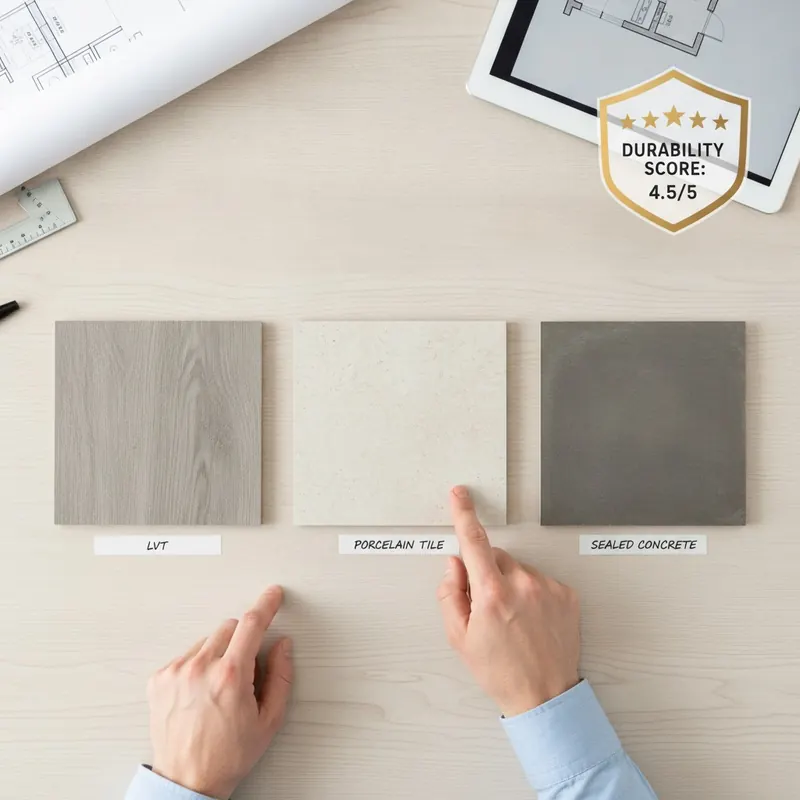
If you’re planning a renovation or are simply tired of fighting with your current floors, choosing the right material from the start is the ultimate solution. We’ve created the Fade & Stain Resistance Scorecard to help you compare the top contenders based on the factors that matter most.
These ratings are based on the inherent properties of the materials and their performance in standardized tests. Industry bodies like ASTM International set the benchmarks, such as ASTM F925 for resistance to chemicals and ASTM G154/G155 for accelerated UV exposure testing, which manufacturers use to validate their product claims.[4]
| Flooring Material | UV Resistance | Stain Proofing | Chemical Resistance | Overall Durability |
|---|---|---|---|---|
| Porcelain Tile | ★★★★★ | ★★★★★ | ★★★★★ | ★★★★★ |
| Luxury Vinyl (LVT) | ★★★★☆ | ★★★★☆ | ★★★★☆ | ★★★★☆ |
| Epoxy Coating | ★★★★★ | ★★★★★ | ★★★★★ | ★★★★★ |
| Laminate | ★★★☆☆ | ★★★☆☆ | ★★☆☆☆ | ★★★☆☆ |
| Sealed Concrete | ★★★★☆ | ★★★☆☆ | ★★★★☆ | ★★★★★ |
| Hardwood | ★★☆☆☆ | ★★☆☆☆ | ★☆☆☆☆ | ★★★☆☆ |
Top Contender: Porcelain & Ceramic Tile
Why it wins: When it comes to being stain proof, a high-quality porcelain tile is nearly invincible. The magic happens during manufacturing in a process called vitrification, where the tile is fired at extreme temperatures, making it incredibly dense and non-porous. A durable glaze on top creates an impermeable barrier.
What to know: Tile itself won’t stain from bleach, wine, or pet messes. However, the grout lines can. To create a truly stain proof surface, you must use a high-performance, stain-resistant grout (like an epoxy or urethane grout) or diligently apply a quality penetrating grout sealer. The Tile Council of North America (TCNA) provides the performance standards that help ensure you’re getting a quality product.[5]
The Versatile Champion: Luxury Vinyl Tile (LVT)
Why it wins: Modern LVT is a marvel of engineering and a fantastic choice for discoloration resistant flooring. Its secret weapon is a transparent, factory-applied wear layer, typically made of UV-cured urethane. This layer acts as a tough, clear shield that resists scratches, stains, and fading. It’s what makes LVT highly resistant to most common household chemical spills and easy to clean.
What to know: Not all LVT is created equal. The thickness of the wear layer (measured in mils) is the most critical factor for durability. For busy homes, look for a wear layer of at least 12 mil, and preferably 20 mil or more. The Resilient Floor Covering Institute (RFCI) offers reliable information on the performance of these floors.[6] Reputable manufacturers will provide technical data sheets specifying their product’s resistance to various chemicals.
High-Performance Hero: Resinous & Epoxy Coatings
Why it wins: For the most demanding environments like garages, workshops, or basements, nothing beats a professionally installed resinous floor. These systems—which include epoxy, polyaspartic, and urethane coatings—create a seamless, non-porous, and incredibly hard surface that is impervious to oil, gasoline, bleach, and many other harsh chemicals.
What to know: The chemical resistance can vary between systems. As a general rule:
- Epoxy: Excellent all-around chemical and abrasion resistance.
- Polyaspartic: Cures faster and is more UV-stable (less likely to yellow from sunlight) than standard epoxy.
- Urethane Cement: The king of durability, often used in commercial kitchens for its superior resistance to thermal shock and harsh chemicals.
According to an industrial flooring contractor we consulted, “The biggest failure isn’t the product, it’s the prep. A proper installation over a correctly prepared concrete slab is what makes these floors truly chemical proof.”
The Association for Materials Protection and Performance (AMPP) sets the global standards for these high-performance protective coatings.[7]
The Action Plan: How to Protect Any Floor from Discoloration
Whether you’re installing a new floor or preserving an existing one, proactive protection is your best defense. These strategies will help you win the war against discoloration.
Winning the War Against Sunlight: UV Protection
Sunlight is relentless, but you can fight back. The primary goal is to block the damaging UV rays before they ever reach your floor.
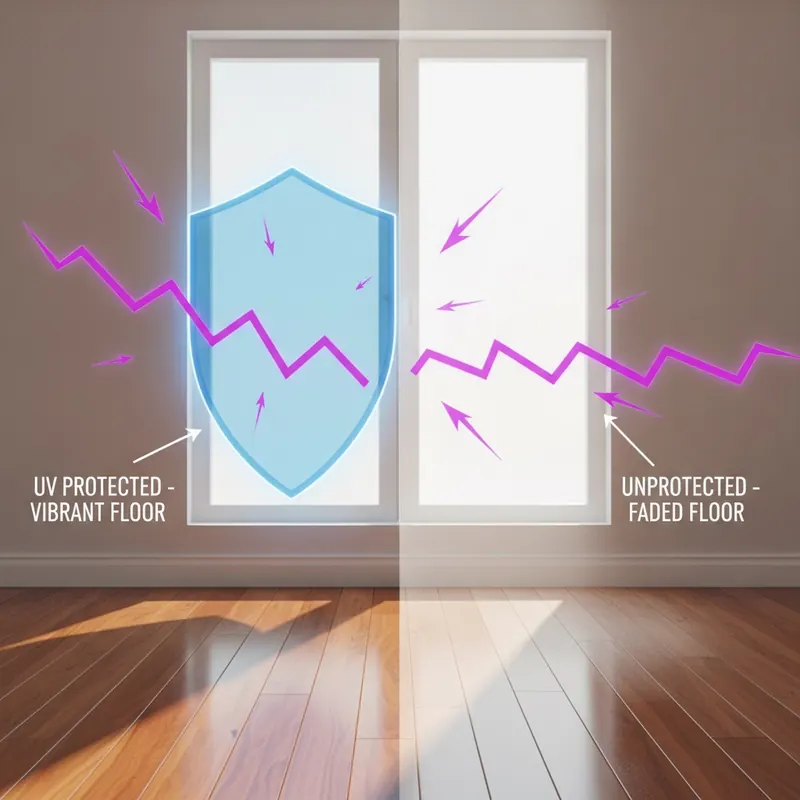
- UV-Blocking Window Films: This is the single most effective solution. Modern, high-quality window films are virtually invisible but can block up to 99% of UV radiation. The International Window Film Association (IWFA) is an excellent resource for understanding the efficacy of these products.[9]
- Low-E Glass: If you’re replacing windows, choosing Low-E (low-emissivity) glass is a smart investment. These windows have a microscopic metallic coating that reflects UV and infrared light without reducing visible light, protecting your floors and improving energy efficiency. For more information, the U.S. Department of Energy’s page on window technologies is a great resource.
- Architectural & Design Solutions: Simple things can make a big difference. Properly sized window overhangs can block the high summer sun. Using sheer curtains or blinds during the brightest parts of the day can diffuse light and drastically reduce fading over time.
The Right Foundation: Rugs, Pads, and Furniture
What’s underneath your rugs and furniture is just as important as what’s on top.
- Choose Safe Rug Pads: Avoid cheap rug pads with rubber or latex backings, as they are a primary cause of yellowing on vinyl floors. Opt for safer alternatives like 100% felt pads or pads made from natural, non-staining rubber.
- Lift and Let Breathe: Occasionally move area rugs to allow the flooring underneath to get some light and air. This helps prevent a drastic color difference from developing over time, especially with photosensitive woods like cherry and oak.
- Use Furniture Protectors: Place felt pads under the legs of all furniture to prevent scratches. For metal furniture, use non-staining plastic or felt coasters to prevent rust marks from forming if moisture is ever present. The National Wood Flooring Association (NWFA) consistently recommends these simple steps as essential for long-term wood floor care.[8]
Emergency Room: Your A-to-Z Household Chemical Stain Removal Matrix
When a spill happens, act fast. This matrix provides quick guidance for common disasters. Safety First: Always ensure good ventilation, wear gloves when handling chemicals, and test any solution on a hidden spot first.
| Spill/Stain | Hardwood (Sealed) | LVT / Vinyl | Carpet | Porcelain Tile |
|---|---|---|---|---|
| Red Wine | Wipe immediately. Clean with a damp cloth and a pH-neutral wood cleaner. For a set stain, a mix of water and white vinegar may work. | Wipes up easily. Use a vinyl floor cleaner or a paste of baking soda and water for any lingering residue. | Blot, don’t rub. Use a CRI-approved carpet spot remover. A solution of club soda can also help lift the stain. | Wipes up easily. Clean with any tile cleaner or a water/vinegar solution. Stained grout may need a targeted grout cleaner. |
| Bleach | Permanent damage. Bleach will strip the color from the wood and finish. The only fix is to sand and refinish the affected area. | Generally resistant. Wipe up immediately. Prolonged contact can cause discoloration on some lower-quality vinyls. | Permanent damage. Bleach removes dye from carpet fibers. This cannot be cleaned; it requires a professional patch or re-dyeing. | No effect on the tile itself. Can discolor colored grout. Wipe up promptly. |
| Acetone (Nail Polish Remover) | Permanent damage. Acetone dissolves polyurethane finishes on contact, leaving a dull, damaged spot. Requires professional repair. | Permanent damage. Acetone can melt the vinyl and its wear layer. Wipe up instantly, but damage is likely. | Can dissolve some synthetic carpet fibers (like olefin). Blot carefully. Test in a hidden area first. | Generally safe, but wipe up quickly. Can damage some grout sealers with prolonged contact. |
| Oil / Grease | Wipe up excess. Sprinkle with baking soda or cornstarch to absorb the oil, let sit, then vacuum. Clean with a pH-neutral wood cleaner. | Wipe up with a dry cloth. Clean the area with a vinyl floor cleaner or a drop of dish soap in water. | Blot with a paper towel. Use a CRI-approved carpet cleaner designed for grease stains. | Wipe up and clean with a degreasing cleaner or a simple solution of hot water and dish soap. |
| Rust | Light rust can sometimes be removed with fine steel wool and mineral spirits. Deep stains may require sanding. | Make a paste of cream of tartar and lemon juice. Apply, let sit for an hour, then scrub gently and rinse. | A solution of lemon juice and salt may work on light stains. Professional help is recommended for set-in rust. | Use a commercial rust remover designed for tile and grout. Always follow product directions carefully. |
What NOT to Do: Never use abrasive cleaners (like Comet) or steel wool on LVT or laminate. Never use vinegar or ammonia-based cleaners on unsealed hardwood or natural stone. For guidance on safe cleaning practices, consult resources from the American Cleaning Institute[10] or the Carpet and Rug Institute[11] for carpet-specific advice.
The Big Decision: A Flowchart for Repairing vs. Replacing Faded Floors
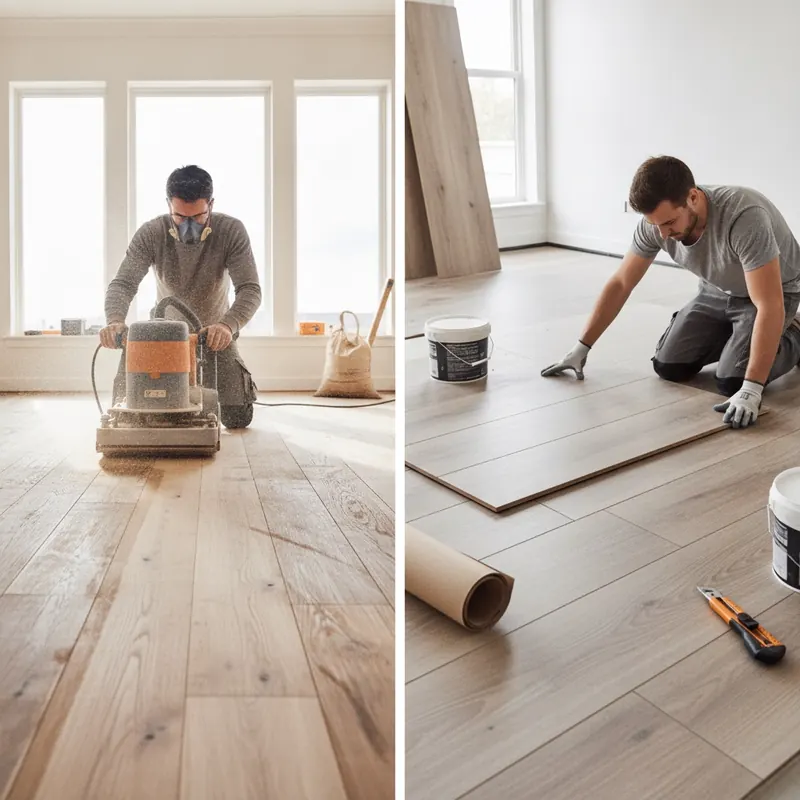
When faced with widespread fading, you have a choice: attempt a restoration or invest in a new, fade-resistant floor. This decision often comes down to the flooring material, the extent of the damage, and your budget.
A floor restoration professional we spoke with advises, “For solid hardwood, refinishing is a fantastic, sustainable option that can make a 50-year-old floor look brand new. For most synthetic floors like laminate or LVT, once they’ve faded, replacement is really the only path forward.”
Restoration Options for Wood Floors
If you have solid or high-quality engineered hardwood floors, you’re in luck. The most common solution for fading and surface-level discoloration is sanding and refinishing.
This process involves mechanically sanding off the old, damaged finish and a very thin layer of the wood itself, removing the faded and discolored portion. The floor is then re-stained (if desired) and coated with several layers of a modern, durable polyurethane finish. According to NWFA standards, this process can typically be done multiple times on solid hardwood and at least once or twice on most engineered hardwood floors.[8] The average cost to refinish hardwood floors can vary, but it is almost always more cost-effective than a full replacement.
Solutions for Faded LVT, Laminate, and Other Floors
For most other flooring types, restoration options are extremely limited.
- LVT & Laminate: The color and pattern on these floors are part of a printed layer protected by a wear layer. You cannot sand them. Once this layer has faded from UV exposure, the damage is irreversible, and replacement is the only viable solution.
- Tile: The color of ceramic and porcelain tile is permanent and does not fade. However, if the grout is badly stained and discolored, it can be professionally cleaned, re-colored, or removed and replaced to give the floor a fresh look.
- Concrete: Faded stains on a concrete floor can sometimes be revived by grinding the surface lightly and applying a new UV-stable sealer or dye.
Frequently Asked Questions About Flooring Durability
What is the absolute lowest maintenance flooring?
For sheer ease of cleaning and resistance to almost everything, the top two contenders are high-quality porcelain tile with epoxy grout and a professionally installed epoxy coating. Both create a seamless or near-seamless, non-porous surface where spills, dirt, and allergens have nowhere to hide. They require no special cleaners and can withstand heavy traffic and cleaning for decades.
Does engineered hardwood discolor less than solid hardwood?
No, this is a common misconception. Engineered hardwood has a top layer of real solid wood. This “wear layer” is subject to the exact same discoloration and fading from UV light and moisture as a solid hardwood plank. The key difference is in the factory-applied finish, which is often an extremely durable, UV-resistant aluminum oxide finish, but it will not prevent fading entirely. The NWFA confirms that both floor types require the same preventative care against sun exposure.[8]
Can a steam cleaner discolor my floors?
It depends entirely on the floor.
- Safe: Steam cleaners are generally safe and effective for sealed surfaces like porcelain tile, LVT, and sheet vinyl.
- Risky: Using a steam cleaner on unsealed grout can force moisture into it, leading to discoloration and mildew.
- Unsafe: Never use a steam cleaner on hardwood, laminate, or unsealed natural stone. The high heat and moisture can be forced into the seams, causing warping, finish damage, and permanent discoloration. The Good Housekeeping Institute advises always checking your flooring manufacturer’s guidelines before using a steam mop.[13]
Some flooring options are also certified Asthma & Allergy Friendly®, a standard from the Asthma and Allergy Foundation of America (AAFA), which indicates they are easy to clean and have low VOCs, making them an excellent choice for sensitive households.[12]
Conclusion: Take Control of Your Floors
Your floors are the foundation of your home’s style and function. Dealing with stains, fading, and discoloration can be incredibly disheartening, but it doesn’t have to be a losing battle. With the Indestructible Floor Playbook, you are now equipped with the knowledge to be a flooring expert in your own home.
You know how to diagnose the root cause of discoloration, how to choose a new floor with confidence using data-driven insights, and how to protect your investment for the long haul. By understanding the science behind the materials and implementing proactive strategies, you can solve your current flooring problems and make a confident, lasting choice for the future—ensuring a beautiful, durable foundation for a lifetime of memories.
Feeling confident? Explore our gallery of durable flooring options for your next project. Or, if you’re still dealing with a tough stain, download our free Stain Removal Matrix cheat sheet.
This article provides general advice. Always test cleaning solutions on an inconspicuous area of your flooring first. Follow all safety precautions and manufacturer guidelines when handling chemical products. This post may contain affiliate links.
References & Authoritative Sources
- Institute of Inspection, Cleaning and Restoration Certification (IICRC). (N.D.). IICRC Global Resource for the Cleaning and Restoration Industry. Retrieved from https://iicrc.org/
- Forest Products Laboratory (U.S. Forest Service). (N.D.). Research & Publications. U.S. Forest Service.
- U.S. Department of Energy. (N.D.). Window Types and Technologies. Energy Saver. Retrieved from https://www.energy.gov/energysaver/window-types-and-technologies
- ASTM International. (N.D.). ASTM Standards. Retrieved from https://www.astm.org/
- Tile Council of North America (TCNA). (N.D.). TCNA Standards and Publications. TCNA.
- Resilient Floor Covering Institute (RFCI). (N.D.). Resources for Consumers. RFCI.
- Association for Materials Protection and Performance (AMPP). (N.D.). Standards & Resources. Retrieved from https://www.ampp.org/
- National Wood Flooring Association (NWFA). (N.D.). Homeowner’s Guide to Real Wood Floors. Retrieved from https://www.woodfloors.org/
- International Window Film Association (IWFA). (N.D.). Consumer Information. IWFA.
- American Cleaning Institute (ACI). (N.D.). Cleaning Resources. Retrieved from https://www.cleaninginstitute.org/
- Carpet and Rug Institute (CRI). (N.D.). Spot Solver. Retrieved from https://carpet-rug.org/
- Asthma and Allergy Foundation of America (AAFA). (N.D.). Certified Asthma & Allergy Friendly Products. Retrieved from https://www.aafa.org/certified/
- Good Housekeeping Institute. (N.D.). Cleaning Advice & Product Reviews. Good Housekeeping.