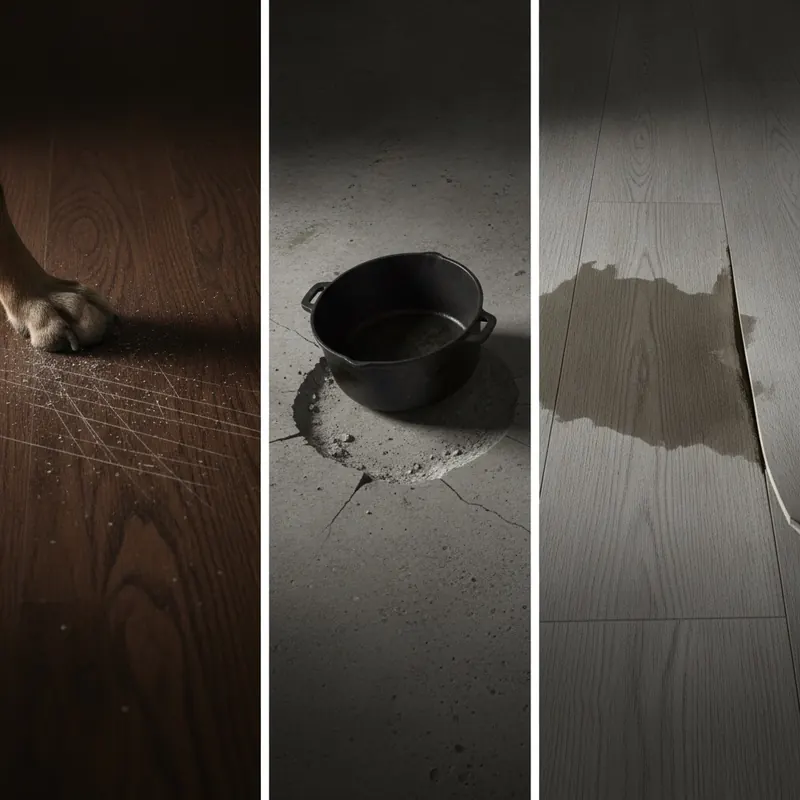
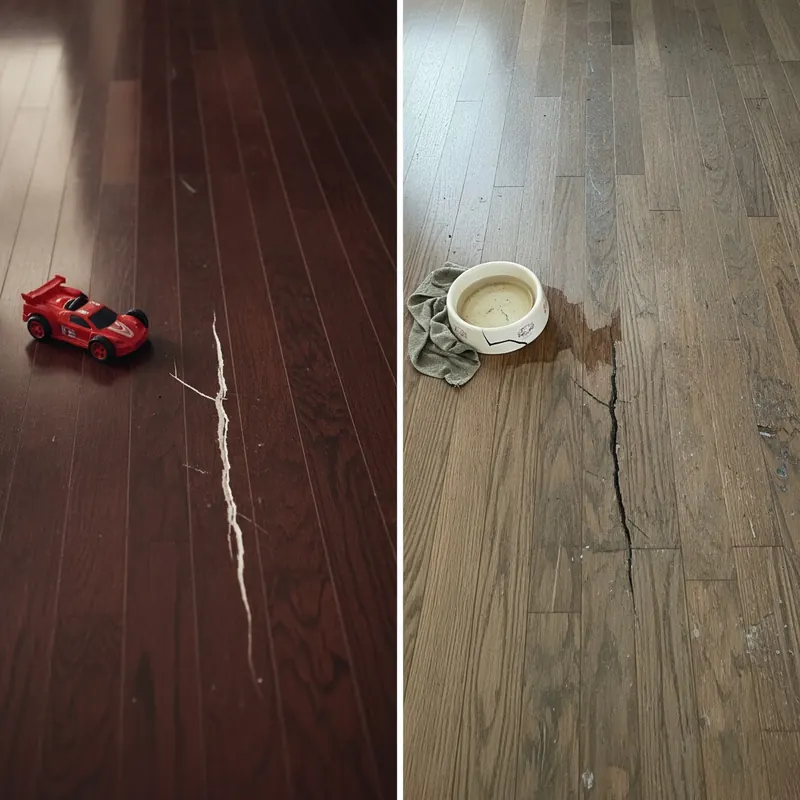
The sound is unmistakable: the click-clack-scrape of dog nails on your new floor, the screech of a dining chair being pushed back, the thud of a dropped toy. Each sound sends a shiver down your spine. You invested in floors that were supposed to bring beauty and peace to your home, but instead, they’ve brought anxiety and a never-ending cleaning schedule. You’re tired of floors that scratch at the slightest provocation, stain from a simple spill, and look worn out years before their time.
Choosing a new floor feels like navigating a minefield of confusing jargon, conflicting claims, and overwhelming options. What exactly is a “20 mil wear layer”? Is “waterproof” really waterproof? And how do you choose a floor that will stand up to the chaos of real life with kids, pets, and busy schedules?
This is where the playbook changes. Welcome to The Indestructible Floor Playbook, your data-driven guide to choosing a floor that outlasts trends, pets, and kids. We’re cutting through the marketing noise to give you the facts. Inside, you’ll find a proprietary ‘Lifestyle & Durability Scorecard’ that scientifically matches your specific needs to the perfect, worry-free flooring solution. We’ll deconstruct the science of durability, put today’s top materials in a head-to-head showdown, and empower you to make a confident investment in your home’s future.
- Why Your Current Floor Is Failing You (And How to Choose One That Won’t)
- The Science of an Indestructible Floor: Deconstructing Durability
- The Definitive Material Showdown: Today’s Top Low-Maintenance Floors
- Contender #1: Luxury Vinyl Plank (LVP) – The Versatile Champion
- Contender #2: Porcelain & Ceramic Tile – The Hardness King
- Contender #3: Hardwood (Engineered & Solid) – Timeless Beauty, Modern Strength
- Contender #4: High-Performance Laminate – The Scratch-Resistant Comeback
- Emerging Technology Spotlight: What is Adamantine Flooring?
- The Lifestyle & Durability Scorecard: Finding Your Perfect Floor
- Worn Out Floors? Your ‘Revive or Replace’ Decision Guide
- Your Floor, Your Foundation
- References & Authoritative Sources
Why Your Current Floor Is Failing You (And How to Choose One That Won’t)
If you’re frustrated with your floors, you’re not alone. The constant battle against scratches, scuffs, and stains is a primary reason homeowners decide to undertake a major renovation. It’s a cycle of disappointment that costs both time and money.
“The number one complaint I hear is, ‘I just put this floor in two years ago, and it already looks ten years old,'” says John Carter, a certified flooring installer with over 15 years of experience. “Homeowners are sold on an image of beauty, but they aren’t equipped to understand the technical specs that actually deliver long-term durability. That’s the gap we need to close.”
The Common Culprits: Diagnosing Scratches, Dents, and Fading
Understanding why floors fail is the first step toward choosing one that won’t. Damage typically falls into a few key categories:
- Micro-Scratches: These fine, web-like scratches are often caused by abrasive grit and dirt tracked in on shoes, which act like sandpaper underfoot. They dull the floor’s finish and make it look perpetually dirty.
- Deep Scratches & Gouges: These are the heartbreakers, caused by dragging heavy furniture, pet claws, or dropped objects. They penetrate the protective top layer and damage the floor’s core or design layer.
- Dents: Caused by heavy impact, dents are a compression of the flooring material. Softer materials, like pine or low-density vinyl, are much more susceptible.
- Fading: Direct, prolonged exposure to UV rays from sunlight can break down the color and finish of many flooring types, leaving them looking washed out and uneven.
The good news? Much of this damage is preventable. Industry data suggests that over 90% of floor scratches can be avoided with simple, proactive measures like high-quality entryway mats and proper felt pads on all furniture legs.
The Hidden Costs of a High-Maintenance Floor
Beyond visible damage, the wrong floor can be a constant drain on your most valuable resources: your time and money. A high-maintenance floor demands a strict and often expensive regimen of care that goes far beyond simple sweeping.
For example, certain natural stone floors like marble require professional cleaning and resealing every 2-5 years to prevent permanent staining and etching, a service that can cost hundreds of dollars per visit. Oiled hardwood floors need frequent re-oiling to maintain their protective barrier. This isn’t just about cost; it’s about the mental load and hours spent on upkeep.
Annual Maintenance Commitment: A Quick Comparison
| Floor Type | Estimated Annual Time Commitment | Estimated Annual Special Costs |
|---|---|---|
| High-Maintenance (e.g., Oiled Hardwood) | 30-50 hours (re-oiling, specialized cleaning) | $100 – $200+ (special oils, applicators) |
| Low-Maintenance (e.g., Luxury Vinyl Plank) | 10-15 hours (sweeping, occasional mopping) | $20 – $40 (pH-neutral cleaner) |
Choosing a low-maintenance floor isn’t about being lazy; it’s about being smart. It’s about reclaiming your weekends and investing in a surface that serves your lifestyle, not the other way around.
The Science of an Indestructible Floor: Deconstructing Durability
To choose a truly durable floor, you have to think like an engineer. Manufacturers use specific, measurable standards to define how a floor will perform under stress. Understanding these key metrics will transform you from a confused consumer into an empowered expert.

Scratch Resistance Explained: Wear Layers, AC Ratings, and Finishes
A floor’s ability to resist scratches is its first line of defense. This isn’t about the core material as much as it is about the invisible technology on its surface.
- The Wear Layer (LVP & Vinyl): This is a clear, protective top coating on luxury vinyl flooring. Its thickness is measured in mils (one-thousandth of an inch). For a busy home, look for a thicker wear layer. High-quality Luxury Vinyl Plank (LVP) features a wear layer of 20 mil (0.5mm) or thicker, offering substantial protection against scratches and scuffs. Many premium wear layers are enhanced with additives like aluminum oxide or ceramic beads, creating an incredibly tough, abrasion-resistant surface.
- AC Rating (Laminate): The Abrasion Class (AC) rating is a standardized system used for laminate flooring, governed by the North American Laminate Flooring Association (NALFA)[1]. It rates a floor’s resistance to abrasion, impact, stains, and burns.
- AC1-AC2: Light residential use (e.g., bedrooms).
- AC3: General residential use (any room in a home).
- AC4: Heavy residential / Light commercial use (ideal for busy homes, offices).
- AC5: Heavy commercial use (department stores, public buildings). For maximum durability at home, an AC4 or AC5 rating is your best bet.
- The Finish: The type of finish also plays a role. A matte or low-gloss finish is far better at hiding the micro-scratches and scuffs that are inevitable in any home. High-gloss floors, while beautiful initially, act like a mirror for every minor imperfection. “The finish technology is where the magic happens,” notes a leading flooring product engineer. “A great finish with UV inhibitors not only resists scratches but also prevents fading, preserving the floor’s beauty for years.”
Waterproof vs. Water-Resistant: What’s the Real Difference?
These terms are often used interchangeably, but they mean very different things for your home.
- Waterproof: A waterproof floor means the material itself is impervious to water. It can be fully submerged for an extended period without swelling, buckling, or degrading. Materials like porcelain tile, sheet vinyl, and modern LVP with a stone-polymer or wood-polymer core (SPC/WPC) are genuinely waterproof.
- Water-Resistant: A water-resistant floor can withstand topical spills for a certain period, but water will eventually penetrate seams or the core material, causing damage. Most laminate and engineered hardwood floors fall into this category. They are suitable for most areas but pose a risk in bathrooms, laundry rooms, or basements.
According to guidelines from Certified Flooring Installers (CFI), even with waterproof flooring, a properly prepared and sealed subfloor is critical to prevent moisture issues that can affect the entire structure of your home[2].
Impact & Dent Resistance: The Janka Hardness Scale and PEI Ratings
Durability isn’t just about surface scratches; it’s also about resisting dents from dropped pots or heavy furniture.
- Janka Hardness Scale (Wood): This test measures the force required to embed a 0.444-inch steel ball halfway into a piece of wood. The higher the Janka rating, the harder and more dent-resistant the wood. For example, Red Oak has a rating of around 1290, while super-hard strand-woven bamboo can achieve a Janka hardness rating of over 5000.
- PEI Rating (Tile): The Porcelain Enamel Institute (PEI) rating, promoted by the Tile Council of North America (TCNA)[3], measures the abrasion resistance and durability of a tile’s glaze.
- PEI 1-2: Wall tile only.
- PEI 3: Light to moderate residential traffic.
- PEI 4: Moderate to heavy residential traffic (suitable for any room in the house).
- PEI 5: Heavy residential and commercial traffic.
For a floor that will last, look for porcelain tile with a PEI rating of 4 or 5.
The Definitive Material Showdown: Today’s Top Low-Maintenance Floors
Now that you speak the language of durability, let’s put the top contenders in the ring. Each has its own unique combination of strengths and weaknesses.

Contender #1: Luxury Vinyl Plank (LVP) – The Versatile Champion
Modern LVP is a technological marvel, offering stunningly realistic wood and stone looks with incredible performance. It has become a go-to choice for homeowners who want beauty without the worry.
- At-a-Glance:
- Avg. Cost: $3 – $9 per sq. ft.
- Lifespan: 15-30 years
- Key Strengths: 100% waterproof, quiet and comfortable underfoot, extremely easy to clean, huge style variety.
- Key Weaknesses: Can be dented by heavy, sharp objects; quality varies significantly between brands.
LVP’s multi-layer construction is its secret weapon. A durable wear layer protects the high-definition design layer, while a rigid core (SPC or WPC) provides stability and waterproof properties. For maintenance, the Resilient Floor Covering Institute (RFCI) recommends simple sweeping and occasional mopping with a pH-neutral cleaner, making it one of the easiest floors to care for[4].
Contender #2: Porcelain & Ceramic Tile – The Hardness King
When it comes to sheer, brute-force durability, nothing beats tile. It’s a generational flooring choice that can easily last for 50 years or more.
- At-a-Glance:
- Avg. Cost: $4 – $15 per sq. ft. (installed)
- Lifespan: 50+ years
- Key Strengths: Extremely scratch-proof, waterproof, fire-resistant, easy to sanitize.
- Key Weaknesses: Hard and cold underfoot, grout lines can be difficult to clean, can chip or crack from very sharp impacts.
High-quality porcelain tile is so hard it will dull a steel knife blade scraped across its surface. But what about the dreaded grout? “Grout technology has come a long way,” advises a professional tile installer. “Using an epoxy or urethane-based grout instead of traditional cement grout creates a non-porous, stain-proof line that never needs sealing. It’s a game-changer for maintenance.”
Contender #3: Hardwood (Engineered & Solid) – Timeless Beauty, Modern Strength
The classic appeal of hardwood is undeniable. It brings warmth and value to a home like no other material. While it requires more care than tile or LVP, its longevity comes from its unique ability to be renewed.
- At-a-Glance:
- Avg. Cost: $8 – $25 per sq. ft. (installed)
- Lifespan: 30-100+ years
- Key Strengths: Can be refinished multiple times, adds significant resale value, timeless aesthetic.
- Key Weaknesses: Prone to scratching and denting, susceptible to water damage, requires more careful maintenance.
The concept of “graceful aging” is key here. While a scratch on LVP is permanent damage, a scratch on hardwood becomes part of its character until it’s time to refinish. According to the National Wood Flooring Association (NWFA), solid hardwood can be sanded and refinished 5-7 times, offering a potential lifespan of over 100 years[5]. As one interior designer puts it, “Wood floors tell the story of a home. They are a living surface, and their timelessness is a huge part of their appeal.”
Contender #4: High-Performance Laminate – The Scratch-Resistant Comeback
Forget the laminate of the 1990s. Today’s high-performance laminate flooring is a serious contender for durability, especially when it comes to scratch resistance.
- At-a-Glance:
- Avg. Cost: $2 – $6 per sq. ft.
- Lifespan: 15-25 years
- Key Strengths: Extremely scratch and fade resistant, cost-effective, easy DIY installation.
- Key Weaknesses: Not waterproof (though some are highly water-resistant), can be noisy, cannot be refinished.
Laminate’s strength comes from its incredibly tough, clear top layer, often infused with aluminum oxide. As we learned, its AC rating is the key indicator of its toughness[1]. A modern laminate with an AC4 or AC5 rating can withstand more surface abrasion than many other flooring types, making it an excellent choice for homes with active pets and kids.
Emerging Technology Spotlight: What is Adamantine Flooring?
In the ever-evolving world of flooring, new materials are constantly emerging. “Adamantine Flooring” is a term gaining traction, promising a new level of performance. So, what is it?
Based on available technical specifications and patent documents, Adamantine Flooring appears to be a next-generation composite material. It combines a high-density mineral or ceramic core with advanced polymer resins, topped with a specialized, electronically-cured wear layer. This construction aims to merge the best qualities of its competitors: the scratch resistance of tile, the waterproof nature of LVP, and a unique aesthetic.
Adamantine Flooring vs. The Champions
| Feature | Adamantine Flooring | Luxury Vinyl Plank (LVP) | Porcelain Tile |
|---|---|---|---|
| Core Material | High-density ceramic-polymer composite | Stone-polymer or wood-polymer composite | Fired clay and feldspar |
| Scratch Resistance | Extremely High (similar to tile) | Good to Very High (wear layer dependent) | Extremely High |
| Waterproof | Yes (100% waterproof core) | Yes (100% waterproof core) | Yes (100% waterproof) |
| Installation | Click-lock floating system | Click-lock floating system | Mortar and grout |
| Avg. Cost (Est.) | Premium ($9 – $16 per sq. ft.) | Mid-Range ($3 – $9 per sq. ft.) | Mid to High ($4 – $15 per sq. ft.) |
While still new to the market, Adamantine Flooring represents a push toward a “no-compromise” solution, aiming to solve the pain points of scratches, water damage, and difficult installation in a single product.
The Lifestyle & Durability Scorecard: Finding Your Perfect Floor
Information is useless without action. This scorecard synthesizes the data into a simple, at-a-glance tool to help you make the best decision for your specific lifestyle.
The Scorecard: A Side-by-Side Durability Comparison
We’ve rated each material on a scale of 1-10 across the most critical performance categories.
| Material | Scratch Resistance¹ | Water Resistance² | Ease of Cleaning³ | Lifespan & Repairability⁴ |
|---|---|---|---|---|
| Luxury Vinyl Plank (LVP) | 7 | 10 | 9 | 6 |
| Porcelain Tile | 10 | 10 | 8 (grout dependent) | 9 |
| Hardwood | 4 | 3 | 6 | 10 |
| Laminate | 9 | 5 | 8 | 5 |
| Adamantine Flooring | 9 | 10 | 9 | 7 |
¹ Rating based on material hardness (Janka/PEI) and wear layer technology (AC Ratings). Sources: TCNA, NALFA, NWFA.
² Rating based on material composition and installation method.
³ Rating based on surface porosity, stain resistance, and required maintenance.
⁴ Rating based on expected lifespan and ability to be refinished or repaired.
Your Personalized Recommendation: Best Floors For…
Use the scorecard to find the winner for your life’s unique challenges.
…Homes with Large Dogs and Kids

Top Choices: High-Performance Laminate (AC4+) & Luxury Vinyl Plank (20mil+)
Your primary needs are elite scratch resistance and easy cleanup. The tough topcoat of an AC4 or AC5 laminate is a fortress against claws and dropped toys. High-quality LVP is a close second, offering superior water resistance for spills and accidents, plus it’s quieter and softer underfoot.
…Busy Professionals Who Hate Cleaning
Top Choices: Porcelain Tile (with epoxy grout) & Sheet Vinyl
You need a surface that looks clean even when you don’t have time for it. Large-format porcelain tiles with stain-proof epoxy grout minimize maintenance to a simple sweep and mop. Sheet vinyl goes a step further by eliminating seams entirely, leaving dirt and germs with nowhere to hide. Both are compatible with robotic vacuums for truly effortless upkeep.
…Maximizing Home Resale Value
Top Choice: Solid or Engineered Hardwood
While other floors are functional, hardwood is aspirational. It consistently tops the list of features that home buyers look for. According to data from the National Association of Realtors (NAR), new wood flooring is one of the interior projects with the highest appeal to buyers and can offer a significant return on investment[6]. Its timeless beauty and the perception of quality make it a smart long-term financial choice.
Worn Out Floors? Your ‘Revive or Replace’ Decision Guide
What if you’re dealing with a floor that’s already worn out? The decision to repair, refinish, or completely replace is a major one. This guide can help you make the right call.
“The first thing I look for is the integrity of the core material,” says a certified flooring inspector. “Surface scratches can often be fixed, but widespread water damage, deep gouges into the core of a laminate or LVP plank, or structural subfloor issues almost always mean it’s time to replace.”
Assessing the Damage: A Visual Checklist
Use this checklist to diagnose your floor’s condition.
- DIY Fix:
- Issue: Light surface scuffs or scratches in the finish of hardwood or LVP.
- Look For: Scratches you can feel with a fingernail but that haven’t changed the color of the material.
- Solution: Use a manufacturer-approved polish or a color-matched repair kit.
- Pro Refinish:
- Issue: Widespread finish wear, moderate scratches, and some discoloration on solid or engineered hardwood.
- Look For: Areas where the finish is completely gone, leaving the raw wood exposed. The floor looks dull and absorbs water quickly.
- Solution: Hire a professional to sand down the floor to bare wood and apply a new stain and finish.
- Must Replace:
- Issue: Deep gouges, structural damage, or extensive water damage.
- Look For: Peaking or separating seams in laminate/LVP; cupping or buckling boards in hardwood; deep chips or cracks in tile; soft or spongy spots indicating subfloor rot.
- Solution: The floor has reached the end of its life. According to the World Floor Covering Association (WFCA), attempting to repair structural damage is often a temporary fix for a permanent problem[7].

The Economics of Refinishing vs. Replacing
For hardwood floors, the decision often comes down to cost.
- Cost to Refinish: Typically costs $3 to $8 per square foot.
- Cost to Replace: Can cost $8 to $25 per square foot for new hardwood, including removal of the old floor.
Generally, if your hardwood floors are structurally sound, refinishing is a far more cost-effective option that can make them look brand new. For a 500-square-foot area, refinishing might cost $2,500, while replacement could be $7,500 or more. This investment not only restores beauty but also preserves the value of a premium material.
Your Floor, Your Foundation
Choosing a floor is about more than just color and style; it’s about building the foundation for your life. It’s a decision that should bring you peace of mind, not a decade of worry. By understanding the science of durability and matching the right material to your unique lifestyle, you can break the cycle of disappointment.
You are now armed with the playbook. You know how to decode the technical specs, you’ve seen the top contenders go head-to-head, and you have the scorecard to make a data-driven choice. You are ready to select a floor that is not only beautiful on day one but remains a durable, low-maintenance, and lasting source of pride and comfort in your home for years to come.
Ready to find your perfect match? Download our free ‘Flooring Durability Scorecard’ and take the first step towards a beautiful, worry-free home.
This article contains recommendations based on industry standards and research. For specific installation or purchasing decisions, consult with a qualified flooring professional. This post may contain affiliate links.
References & Authoritative Sources
- North American Laminate Flooring Association (NALFA). (n.d.). AC Rating. Retrieved from NALFA’s official website.
- Certified Flooring Installers (CFI). (n.d.). Installation Standards and Guidelines. Retrieved from CFI’s official website.
- Tile Council of North America (TCNA). (n.d.). PEI Rating System for Ceramic Tile. Retrieved from TCNA’s official website.
- Resilient Floor Covering Institute (RFCI). (n.d.). Maintenance Guidelines for Resilient Flooring. Retrieved from RFCI’s official website.
- National Wood Flooring Association (NWFA). (n.d.). Maintenance and Refinishing Guidelines. Retrieved from NWFA’s official website.
- National Association of Realtors (NAR). (n.d.). Remodeling Impact Report. Retrieved from NAR’s official website.
- World Floor Covering Association (WFCA). (n.d.). Consumer Flooring Guide. Retrieved from WFCA’s official website.