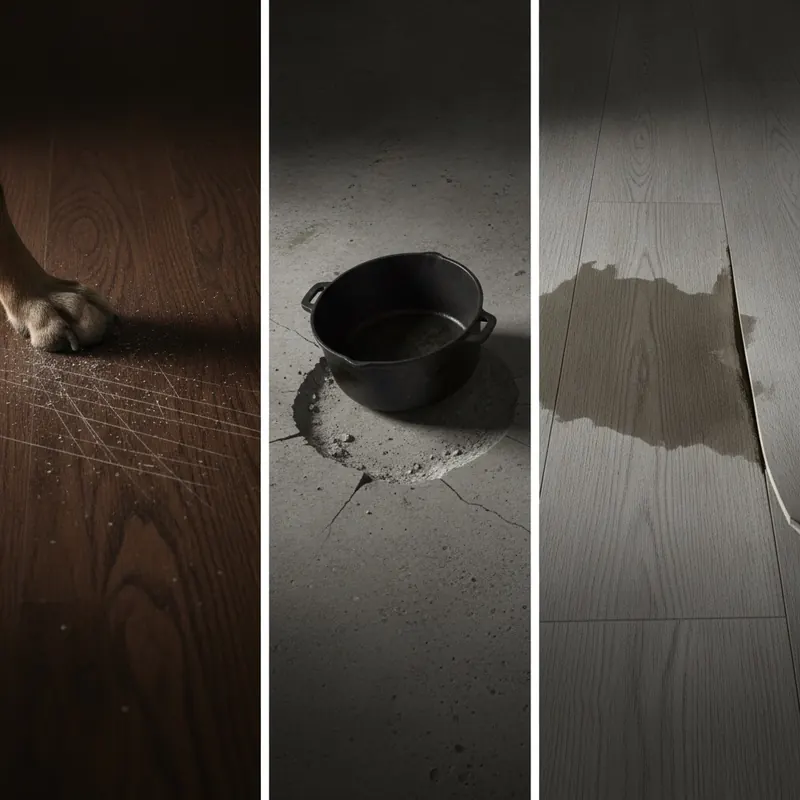
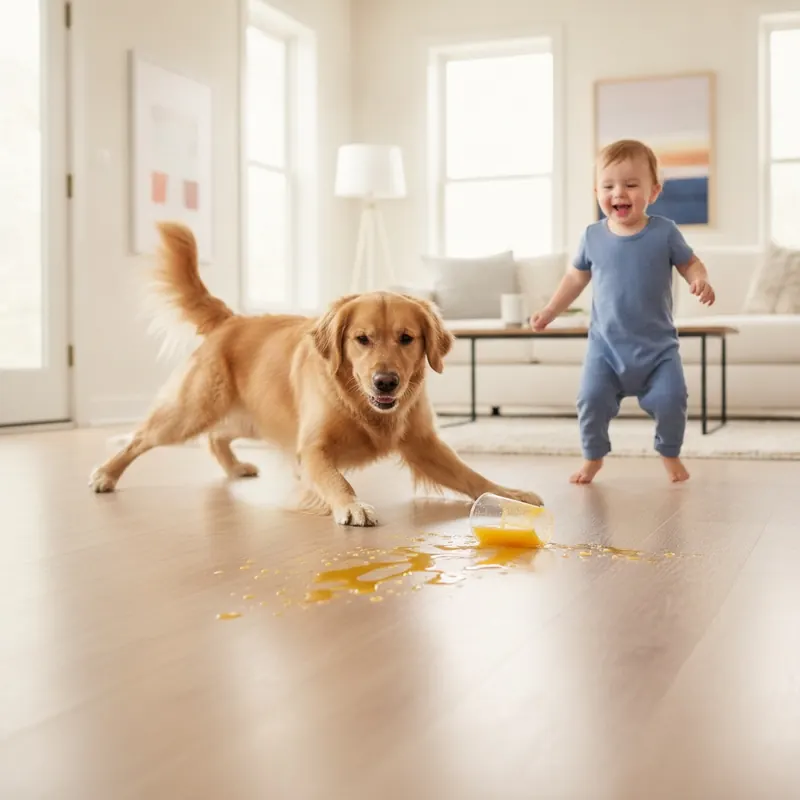
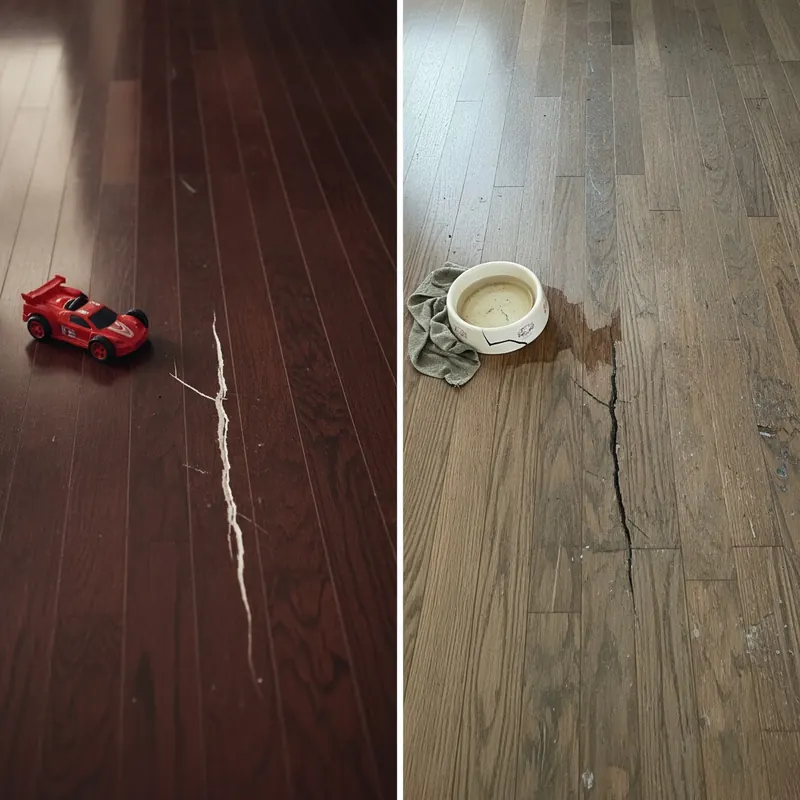
Are you standing on the edge of a major home renovation, paralyzed by one crucial decision: the flooring? You envision a beautiful new floor, but that vision is quickly clouded by the realities of your life—the click-clack of your dog’s nails, the screech of a dragged dining chair, the inevitable spill from a toddler’s cup. The fear is real: investing thousands of dollars in a floor that looks worn, scratched, and stained within a few short years.
You’re not alone. Navigating the world of flooring can feel like decoding a foreign language filled with marketing jargon and conflicting claims. But what if you could cut through the noise?
This is not another generic list of “durable floors.” This is your definitive ‘Life-Proof’ flooring guide. We’ve created a data-driven ‘Durability Scorecard’ to rank top flooring options against the real-world challenges of a busy home. We will empower you with the knowledge to decode industry standards, compare cutting-edge materials like Adamantine flooring, and ultimately choose a floor with absolute confidence. It’s time to find a floor that’s not just built to last, but built for your life.
- What is ‘Life-Proof’ Flooring? Decoding the Science of Durability
- Spotlight on Adamantine Flooring: The Next Generation of Durability?
- The Durability Scorecard: Ranking the Best Flooring for High-Traffic Homes
- The Ultimate Test: Finding the Best Flooring for Kids and Pets
- Beyond the Floor Itself: Installation and Maintenance for a Lifetime of Use
- Your Confident Choice for a Life-Proof Home
- References & Authoritative Sources
What is ‘Life-Proof’ Flooring? Decoding the Science of Durability
Before you can choose the most durable floor, you need to understand what durability actually means. Manufacturers use a set of industry-standard ratings to measure how a floor will stand up to scratches, dents, and daily wear and tear. Understanding these codes is your secret weapon to seeing past marketing hype and assessing a product’s true resilience.
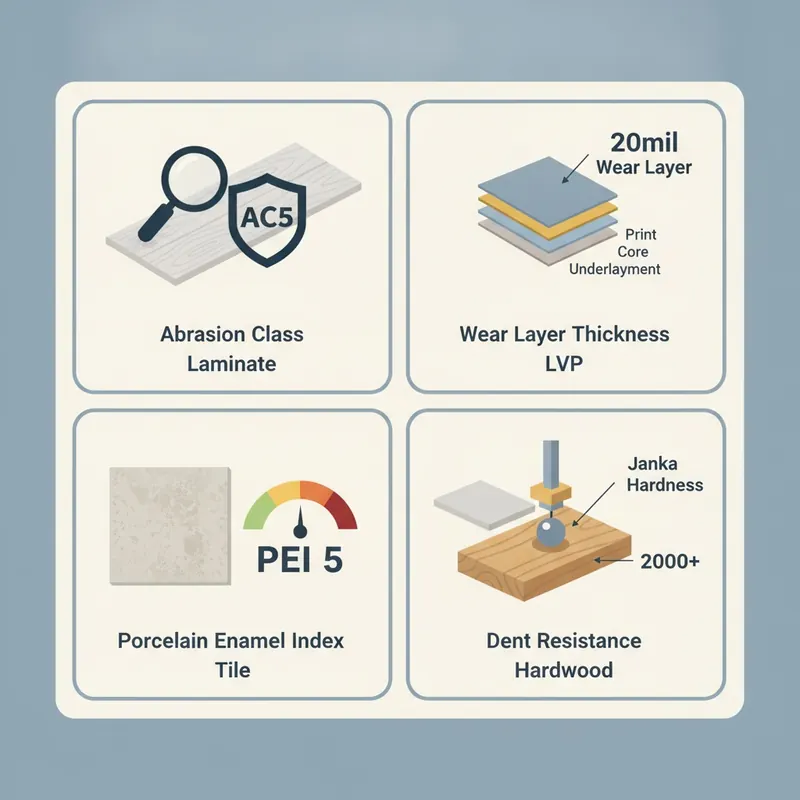
Here’s a breakdown of the key metrics that matter most for a busy residential home.
The AC Rating: Gauging Scratch and Wear Resistance in Laminate
When it comes to laminate flooring, the Abrasion Class (AC) rating is the single most important indicator of its durability. This rating, established by the Resilient Floor Covering Institute (RFCI) and other standards bodies, measures a floor’s resistance to abrasion, impact, stains, and even burns.1 The scale runs from AC1 to AC5:
- AC1: Light residential use (e.g., bedrooms).
- AC2: Moderate residential use (e.g., living rooms).
- AC3: Heavy residential/light commercial use.
- AC4: General commercial use (e.g., small offices, cafes).
- AC5: Heavy commercial use (e.g., department stores, public buildings).
For any high-traffic area in your home—kitchens, hallways, entryways, or living rooms with kids and pets—you should look for a rating of AC4 or AC5. These products are engineered to withstand the kind of heavy use typically seen in commercial spaces, ensuring they can handle the toughest challenges your family can throw at them.
The PEI Rating: Understanding Tile’s Toughness for Busy Zones
For ceramic and porcelain tile, the key durability metric is the PEI rating, named for the Porcelain Enamel Institute. This rating specifically measures the abrasion resistance of the tile’s glaze—its ability to resist visible wear from foot traffic. According to the Tile Council of North America (TCNA), the authority on tile standards, the scale ranges from 1 to 5.2
- PEI 1: No foot traffic (wall tile only).
- PEI 2: Light traffic (e.g., bathroom floors).
- PEI 3: Light to moderate traffic (most residential areas).
- PEI 4: Moderate to heavy traffic (all residential areas, plus light commercial).
- PEI 5: Heavy to extra-heavy traffic (all residential and commercial areas).
For the busiest zones in your home like mudrooms and kitchens, a tile with a PEI rating of 4 or 5 is the gold standard. As a key data point confirms, “Porcelain tile has a PEI rating from 1 to 5, with PEI 5 being the most durable for heavy traffic.” This ensures the surface will not wear down and look dull over time.
Wear Layer Thickness: The Secret to Luxury Vinyl Plank (LVP) Longevity
With Luxury Vinyl Plank (LVP), the magic is in the wear layer. This is the transparent top coating that protects the printed design layer from scratches, scuffs, and stains. Think of it like the clear coat on a car’s paint job; the thicker and tougher it is, the more abuse the surface can take.
The thickness of this layer is measured in mils (not to be confused with millimeters). One mil is equal to one-thousandth of an inch. For a floor in an active home, the wear layer is everything.
- 6-12 mil: Suitable for light traffic areas.
- 20 mil or higher: The recommended standard for homes with kids, pets, and high foot traffic.
Research consistently shows that “a wear layer of 20 mil or more on LVP is often recommended for homes with large pets.” This thickness provides a robust shield against claws, toys, and constant footfalls, preserving the beauty of your floor for years to come.
Janka Hardness & Protective Finishes: The Defense for Wood and Bamboo
For solid hardwood and bamboo flooring, durability is a two-part story. First is the wood’s natural hardness, measured by the Janka Hardness Scale.3 This test measures the force required to embed a steel ball into the wood, indicating its resistance to denting and crushing. A higher number means a harder, more dent-resistant wood. For example, Brazilian Walnut (3684 lbf) is far more durable than a soft Pine (around 690 lbf).
However, scratch resistance comes not from the wood itself, but from its protective finish. Modern, high-quality hardwood and bamboo floors are often coated with multiple layers of an aluminum oxide finish. Aluminum oxide is an extremely hard, clear material that provides exceptional resistance to scuffs and scratches. This finish is what makes a wood-based floor viable in a busy home. For example, “strand-woven bamboo can have a Janka hardness rating of over 4,000 lbf, making it one of the most scratch-resistant wood-based flooring options,” largely due to its dense construction combined with a tough factory finish.
Spotlight on Adamantine Flooring: The Next Generation of Durability?
A new category of ultra-durable flooring has emerged, often marketed under names like “Adamantine.” This flooring promises a level of toughness that goes beyond even high-grade laminate and LVP. But what exactly is it, and does it live up to the hype?
What is Adamantine Flooring Made Of?
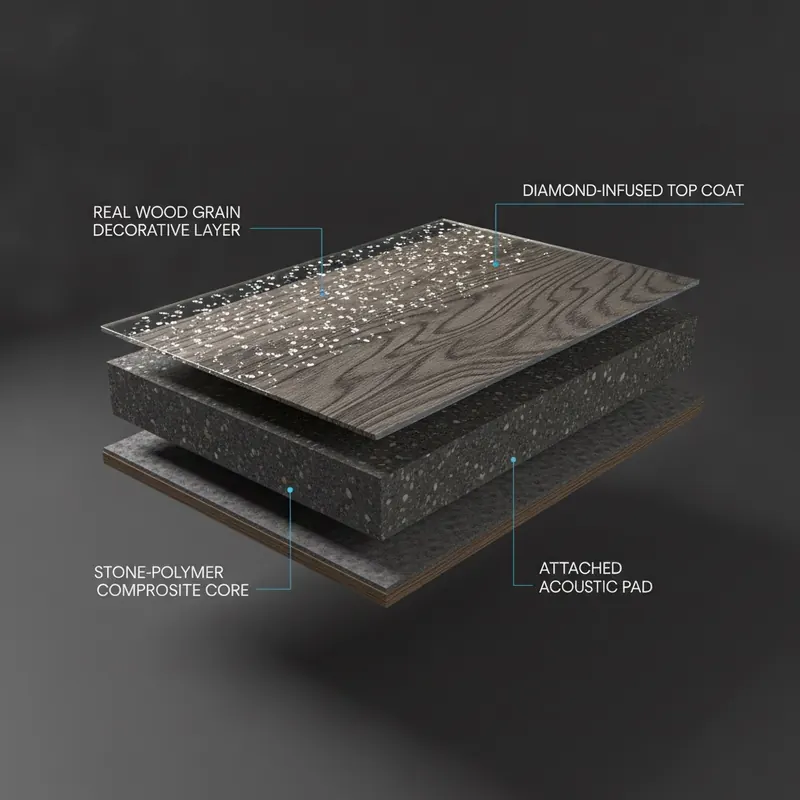
Adamantine flooring is typically a type of next-generation laminate or hybrid rigid core flooring. Its construction usually involves several key layers:
- Protective Top Coat: An enhanced wear layer, often infused with diamond dust or other super-hard particles, providing extreme scratch and stain resistance.
- Decorative Layer: A high-resolution image that mimics wood, stone, or other materials.
- High-Density Core: A core made of high-density fiberboard (HDF) or a stone-polymer composite (SPC) that provides superior impact resistance and stability.
- Attached Underlayment: Many products come with a pre-attached pad for sound insulation and comfort.
The key selling point is its commercial-grade durability. It is “often marketed as having an AC rating of AC5 or higher, making it suitable for heavy commercial traffic” yet designed with residential aesthetics.4
Pros and Cons: Where Does Adamantine Flooring Excel (and Where Does it Not)?
To build trust and provide a clear picture, it’s important to look at both the strengths and potential weaknesses of this material. Many manufacturers claim it is “up to 10 times more scratch-resistant than standard laminate flooring.”
| Pros | Cons |
|---|---|
| Extreme Scratch Resistance: The AC5+ rating means it’s one of the most scratch-resistant options available, ideal for pets. | Higher Cost: This premium technology comes with a higher price point than standard LVP or laminate. |
| Waterproof/Water-Resistant: Most are marketed as 100% waterproof, making them suitable for any room, including basements and bathrooms. | Repairability: Like laminate, a deep gouge or chip in a plank can be difficult to repair; the entire plank often needs to be replaced. |
| Superior Dent Resistance: The high-density core handles dropped objects and heavy furniture better than many other floating floors. | Style Limitations: As a newer product, the range of available colors and styles may be more limited than established categories like LVP. |
| Easy Installation: Typically features a click-lock system for fast, DIY-friendly installation. | Hardness: The extremely hard surface may be less comfortable underfoot than softer options like LVP or cork. |
Cost vs. Value: What to Expect Per Square Foot
Adamantine flooring generally falls into the premium price category, often ranging from $4 to $7 per square foot for the material alone. Professional installation can add another $2 to $4 per square foot.
While the upfront cost is higher, its value proposition lies in its extreme longevity. “Warranties often extend to 25+ years for residential use,” and some even offer lifetime residential warranties. When you consider the cost and hassle of replacing a less durable floor in 7-10 years, Adamantine can represent a better long-term investment for a “forever home” or a high-wear environment.
The Durability Scorecard: Ranking the Best Flooring for High-Traffic Homes
To simplify your decision, we’ve developed the Durability Scorecard. We evaluated the top flooring contenders based on four critical real-world challenges: Scratch Resistance, Water Resistance, Dent Resistance, and Ease of Maintenance.
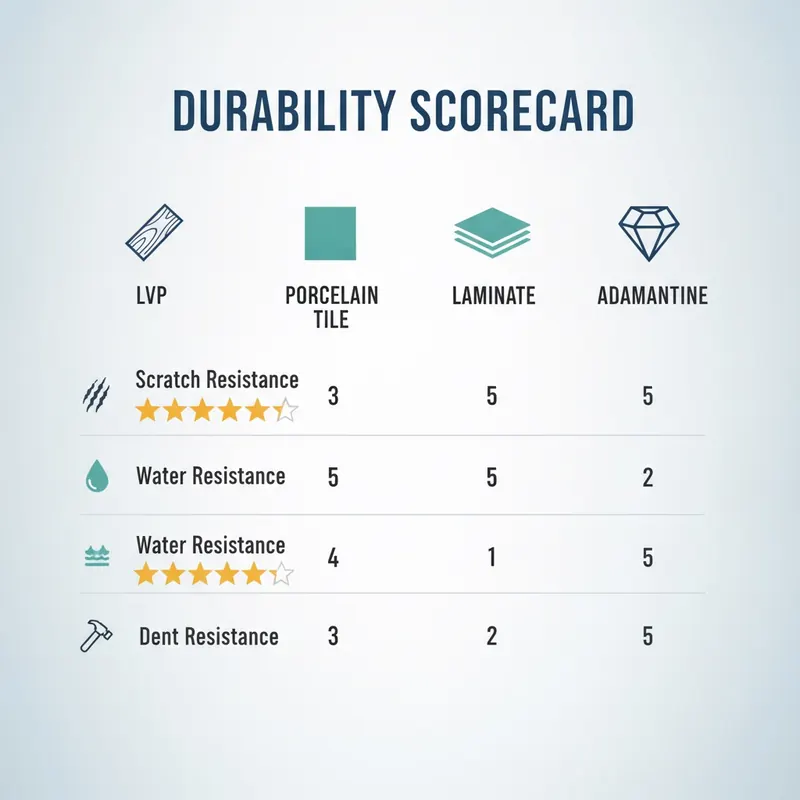
| Flooring Type | Scratch Resistance | Water Resistance | Dent Resistance | Ease of Maintenance | Best For |
|---|---|---|---|---|---|
| Luxury Vinyl Plank (LVP) | 4/5 | 5/5 | 4/5 | 5/5 | All-around performance, wet areas, and comfort. |
| Porcelain Tile | 5/5 | 5/5 | 5/5 | 4/5 | Unmatched durability, mudrooms, and kitchens. |
| High-Performance Laminate | 5/5 | 3/5 | 4/5 | 5/5 | Budget-friendly scratch resistance in dry areas. |
| Adamantine Flooring | 5/5 | 5/5 | 5/5 | 5/5 | The ultimate “worry-free” solution for the toughest homes. |
Winner for Waterproofing & Versatility: Luxury Vinyl Plank (LVP)
High-quality LVP with a 20+ mil wear layer is the jack-of-all-trades in the durability world. Its multi-layer construction provides excellent resistance to scratches and dents, but its core strength is being 100% waterproof. This makes it the undisputed champion for basements, bathrooms, laundry rooms, and kitchens where spills and moisture are a constant threat. The slight give in its surface also makes it more comfortable and quieter to walk on than tile, a significant benefit in a busy family home.
The Undisputed Scratch-Proof Champion: Porcelain Tile
When it comes to pure, unadulterated scratch resistance, nothing beats porcelain tile. Its hardness is often rated around a 7 on the Mohs scale of mineral hardness, meaning very few materials in a typical home can scratch it.5 Furthermore, because “porcelain tile is fired at higher temperatures… with a water absorption rate of 0.5% or less,” it is impervious to water damage.2 The trade-offs are comfort and installation. It’s hard and cold underfoot, dropped items will likely break, and the grout lines require periodic sealing and cleaning. But for an entryway or mudroom that sees constant gritty foot traffic, its toughness is legendary.
Best for Budget-Friendly Durability: High-Performance Laminate
Modern laminate is not the easily-damaged product of the past. A high-performance laminate with an AC4 or AC5 rating offers scratch resistance that is on par with, or even superior to, many LVP products, often at a lower price point. Recent innovations in core technology and edge coatings have made many laminate products highly water-resistant, capable of withstanding topical spills for up to 24 hours. While it’s not truly waterproof and shouldn’t be used in a full bathroom, it’s an excellent and economical choice for living rooms, hallways, and bedrooms in an active household.
The Ultimate Test: Finding the Best Flooring for Kids and Pets
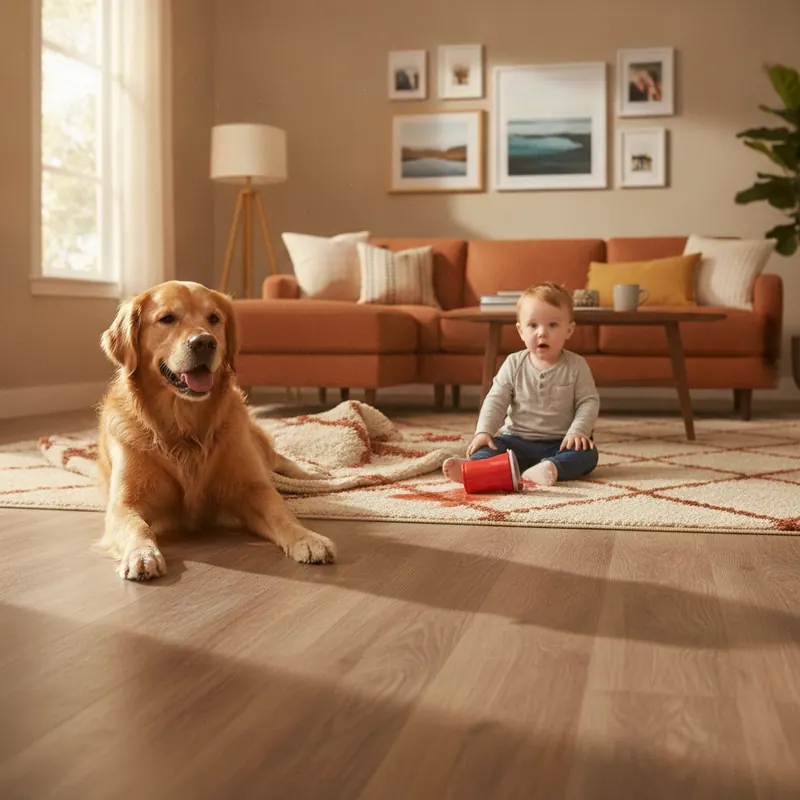
For homeowners with children and pets, the floor is more than a surface—it’s a playground, a dining area, and sometimes, a bathroom. This environment requires a flooring solution that excels in three key areas: scratch resistance, spill-proof performance, and family safety.
Priority #1: Resisting Scratches from Claws and Toys
Dog claws are a floor’s worst enemy. A large dog’s nails can exert over 200 PSI of pressure, enough to leave lasting marks on softer surfaces.6 To combat this, you need a floor with an exceptionally hard top layer.
- Top Contenders: Porcelain Tile, Adamantine Flooring, and high-quality Laminate or LVP with an Aluminum Oxide finish are the clear winners. Their surfaces are specifically engineered to resist the kind of focused scratching that pet nails and dragged toys inflict. The American Kennel Club (AKC) also advises that a textured or matte finish can help hide minor scratches and provide better traction for your pets.7
Priority #2: Winning the War on Spills and Accidents
From knocked-over water bowls to pet accidents that go unnoticed, moisture is a constant threat. A non-porous, waterproof floor is non-negotiable.
- Top Contenders: Luxury Vinyl Plank and Porcelain Tile are the best choices here. They are 100% waterproof, meaning liquids can’t penetrate the surface or the core. This prevents swelling, warping, and, most importantly, the absorption of odors. It’s critical to clean pet urine promptly, as it contains uric acid which can damage even resistant finishes over time.8 For lingering odors, only enzymatic cleaners can break down the uric acid crystals, a scientific fact that makes them essential for any pet-owning household.
Priority #3: Ensuring a Safe and Healthy Environment (Low-VOCs & Slip Resistance)
A family-proof floor is also a healthy floor. Volatile Organic Compounds (VOCs) are chemicals that can be released into the air from building materials, impacting indoor air quality.
- Look for Certifications: To ensure a healthy environment, look for floors with third-party certifications like FloorScore or GREENGUARD Gold. These programs, recognized by authorities like the U.S. Environmental Protection Agency (EPA), test for over 10,000 chemicals and VOCs to ensure products are safe for sensitive individuals like children.9
- Don’t Forget Slip Resistance: For toddlers learning to walk or pets that love to run, slip resistance is a key safety feature. For tile, look for a DCOF (Dynamic Coefficient of Friction) rating. According to standards referenced by the Americans with Disabilities Act (ADA), “a DCOF of >0.42 is the industry standard for tile in level interior spaces expected to be walked upon when wet”.10
Beyond the Floor Itself: Installation and Maintenance for a Lifetime of Use
Choosing the right material is only half the battle. The most durable flooring in the world can fail prematurely if it’s not installed correctly and maintained properly. This is a critical factor that many homeowners overlook.
The Critical Role of Subfloor Preparation
For floating floors like LVP, laminate, and Adamantine, the subfloor is the foundation of everything. It must be perfectly flat, clean, and structurally sound. According to installation standards from professional bodies like the Certified Floor Covering Installers (CFI), an uneven subfloor is the #1 cause of flooring failure.11 It can cause planks to flex, click-lock joints to break, and the floor to feel bouncy or noisy. Investing in professional subfloor preparation is not cutting a corner; it’s ensuring the longevity of your entire flooring system.
Understanding Your Warranty: What’s Really Covered?
A “Lifetime Warranty” sounds great, but the fine print is what matters. Most flooring warranties cover manufacturing defects, such as the wear layer peeling off or the printed layer fading. They almost never cover issues arising from:
- Improper Installation: Failure to follow the manufacturer’s specific guidelines can void the entire warranty.
- Incorrect Maintenance: Using the wrong cleaning products (like a steam mop on laminate) or failing to protect the floor from furniture can also void coverage.
- Moisture Damage: Even on waterproof floors, warranties often exclude damage to the surrounding structure from major leaks.
Read the warranty document before you buy. Look for clear language and be wary of exclusions that seem unreasonable. A good warranty is a sign that the manufacturer stands confidently behind its product’s durability.
Your Confident Choice for a Life-Proof Home
Choosing a new floor is a major investment, but it doesn’t have to be a source of anxiety. By moving beyond marketing claims and understanding the true measures of durability—AC ratings, PEI scores, wear layer thickness, and protective finishes—you are now in control.
You know that the best choice is a direct reflection of your lifestyle. For the ultimate waterproof and comfortable solution in a busy basement, high-quality LVP is a champion. For a mudroom that needs to survive a daily onslaught of grit and grime, porcelain tile is nearly invincible. And for next-level, worry-free performance throughout the entire home, advanced options like Adamantine flooring are setting a new standard for toughness.
Using the Durability Scorecard and a clear understanding of your family’s needs, you are fully equipped to select a beautiful, long-lasting floor that can truly handle your life. You can now invest with confidence, knowing your floor will look great not just the day it’s installed, but for many years to come.
Ready to choose the perfect floor for your busy home? Download our free ‘Durable Flooring Checklist’ to take with you on your shopping trip and ensure you ask all the right questions!
This article may contain affiliate links. All recommendations are based on extensive research and expert opinion. For specific installation or structural decisions, please consult a qualified flooring professional.
References & Authoritative Sources
- Resilient Floor Covering Institute (RFCI). (N.D.). Laminate Flooring Standards.
- Tile Council of North America (TCNA). (N.D.). PEI Rating System for Tile.
- Janka Hardness Scale. (N.D.). Wood Hardness Chart.
- Flooring Manufacturer’s Official Technical Data Sheets. (N.D.). Product specifications, installation guidelines, and warranty details for “Adamantine” or similar ultra-durable flooring lines.
- Mohs Scale of Hardness. (N.D.).
- The Humane Society of the United States. (N.D.). Pet Care Resources.
- American Kennel Club (AKC). (N.D.). Advice for Dog Owners on Home Environments.
- Journal of Feline Medicine and Surgery. (N.D.).
- U.S. Environmental Protection Agency (EPA). (N.D.). Indoor Air Quality (IAQ).
- Americans with Disabilities Act (ADA). (N.D.). Standards for Accessible Design.
- Certified Floor Covering Installers (CFI). (N.D.). Installation Standards and Training.