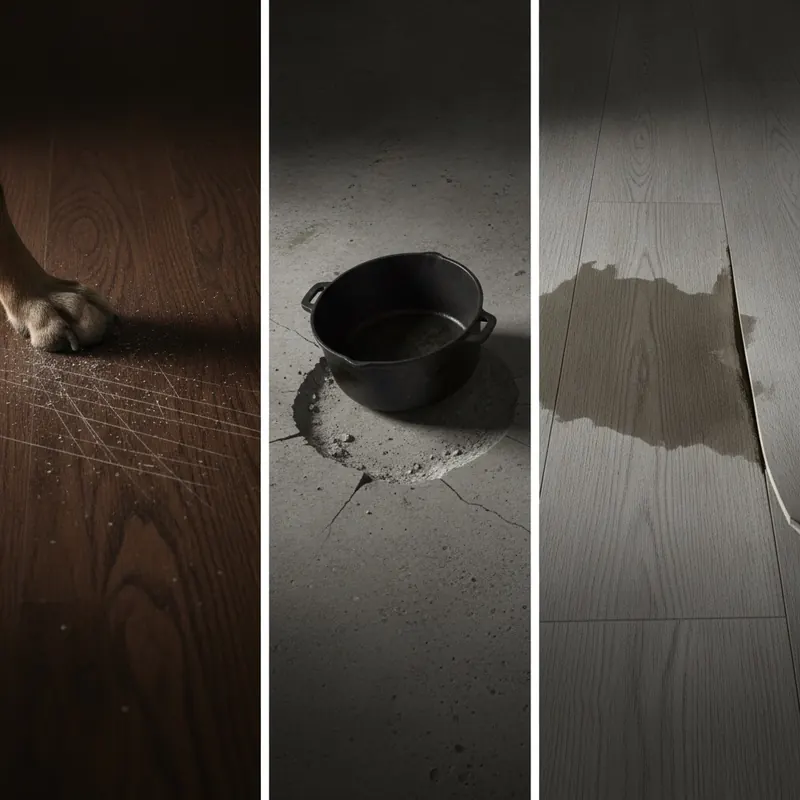
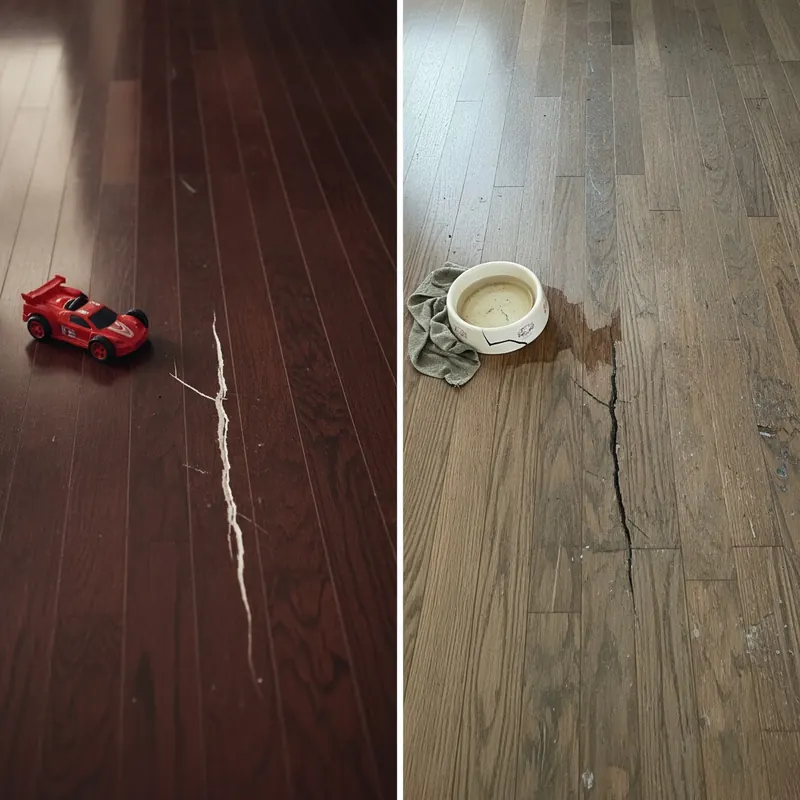
There’s a unique frustration that comes with seeing your carefully curated interior design—the perfect wall color, the thoughtfully chosen furniture—undermined by the very foundation it rests on. Scratches from a playful dog, scuffs from moving a chair, or the slow, disheartening wear in a busy hallway can make an entire room feel tired and worn out. The core problem is clear: choosing a floor that is both beautiful today and resilient enough for tomorrow feels like a high-stakes gamble.
This is not just another list of flooring pros and cons. This is your definitive investment guide. We bridge the gap between material science and timeless aesthetics, providing a data-backed framework to help you make a confident, future-proof choice. We will decode the technical jargon, rank the top materials in a head-to-head durability showdown, take a special look at emerging brands like Adamantine Flooring, and give you practical strategies to protect your investment for years to come. By the end, you’ll be empowered to select a floor that withstands real life, elevates your home’s design, and delivers lasting value.
- Why Your Floor is the Most Important Investment in Your Home’s Design
- Decoding Durability: The Science Behind a Long-Lasting Floor
- The Ultimate Flooring Durability Showdown: A Ranked Comparison
- Brand Spotlight: An Independent Review of Adamantine Flooring
- Future-Proof Your Style: Choosing a Floor That Protects Your Interior Design
- The High-Traffic and Scratch-Resistance Survival Guide
- Your Foundation for a Beautiful, Lasting Home
- References & Authoritative Sources
Why Your Floor is the Most Important Investment in Your Home’s Design
Your floor is more than just a surface to walk on; it’s the foundational canvas for your entire home. It sets the tone, influences the light, and dictates the flow from one room to the next. When that foundation begins to show signs of wear—fading, scratching, or denting—it doesn’t just look bad; it actively detracts from every other design element you’ve invested in. A worn-out floor can make a brand-new sofa look old and a freshly painted room feel dingy.
This impact extends beyond aesthetics and directly into your home’s financial value.
Pro Panel: The Real Estate Perspective
“In my experience, flooring is one of the top three factors that shapes a potential buyer’s first impression, right alongside the kitchen and curb appeal. Worn, dated, or damaged floors can immediately signal neglect and devalue a property in a buyer’s mind. Conversely, new or well-maintained, high-quality flooring is a feature we always highlight because it suggests the home is cared for and move-in ready.”
Insight from a certified real estate agent.
The data backs this up. According to the National Association of Realtors (NAR), replacing worn-out flooring can yield a return on investment (ROI) of 70-80% when you sell your home[1]. Choosing durable, long-lasting flooring isn’t just about avoiding the frustration of scratches; it’s a strategic decision that protects the beauty of your home and safeguards its value as a long-lasting design solution.
Decoding Durability: The Science Behind a Long-Lasting Floor
To choose a truly durable floor, you need to look past marketing claims and understand the objective metrics the industry uses to measure strength and resilience. This language of durability—Janka, PEI, AC ratings—is your key to making an informed decision. Let’s break down the science.
For Wood & Bamboo: The Janka Hardness Scale
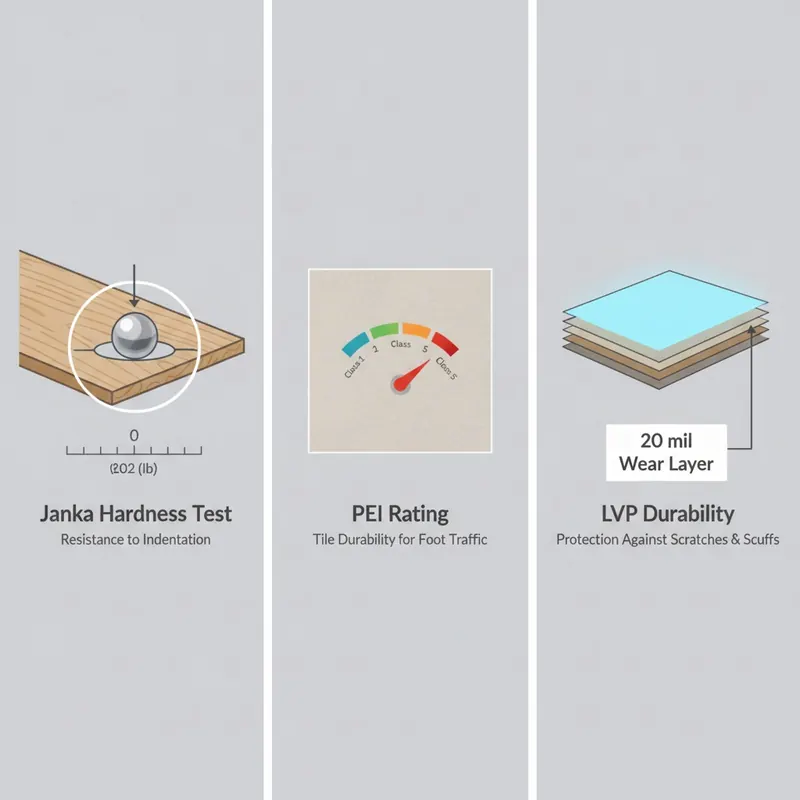
The Janka Hardness Test is the industry standard for determining a wood species’ resistance to denting and wear. The test measures the force required to embed a 0.444-inch steel ball halfway into a sample of wood. The higher the Janka rating, the harder and more durable the wood. According to the National Wood Flooring Association (NWFA), this is a crucial metric for anticipating performance in high-traffic areas[2].
- Red Oak (The Benchmark): ~1290
- Brazilian Cherry (Jatoba): ~2350
- Strand-Woven Bamboo: >3000
As you can see, a material like strand-woven bamboo is more than twice as hard as Red Oak, making it significantly more resistant to dents from dropped objects or high heels.
For Tile: The PEI Rating for Abrasion Resistance
When it comes to ceramic and porcelain tile, the most important durability metric is the PEI rating. Developed by the Porcelain Enamel Institute and championed by the Tile Council of North America (TCNA), this scale rates a tile’s glaze for its resistance to abrasion and wear on a scale of 1 to 5[3].
- Class 1: No foot traffic. Suitable for walls only.
- Class 2: Light traffic. Ideal for bathroom floors.
- Class 3: Light to moderate traffic. Suitable for most residential applications.
- Class 4: Moderate to heavy traffic. Excellent for all residential areas, including high-traffic zones, and some light commercial use.
- Class 5: Heavy to extra-heavy traffic. Designed for heavy commercial spaces like airports and malls, offering the ultimate in durability. A Grade 5 porcelain tile can withstand heavy use for over 20 years without showing significant wear.
For LVP & Laminate: Wear Layer Thickness & AC Ratings
For resilient flooring like Luxury Vinyl Plank (LVP) and laminate, the secret to longevity lies in the top-most protective layer.
Wear Layer (LVP): This is a clear, urethane-based coating that protects the printed design layer from scratches, scuffs, and stains. Its thickness is measured in mils (one-thousandth of an inch). For high-traffic residential areas, the Resilient Floor Covering Institute (RFCI) and other industry experts recommend a wear layer of at least 20 mil[4]. Premium products can feature wear layers up to 40 mil, often enhanced with ceramic bead or aluminum oxide coatings for unrivaled scratch resistance.
AC Rating (Laminate): Laminate flooring is rated using an Abrasion Class (AC) system, from AC1 to AC5. This rating reflects its resistance to abrasion, impact, stains, and burns.
- AC1-AC2: Suitable for low-traffic residential areas (e.g., bedrooms).
- AC3-AC4: Recommended for high-traffic residential areas and light commercial spaces.
- AC5: Built for heavy commercial use.
The Ultimate Flooring Durability Showdown: A Ranked Comparison
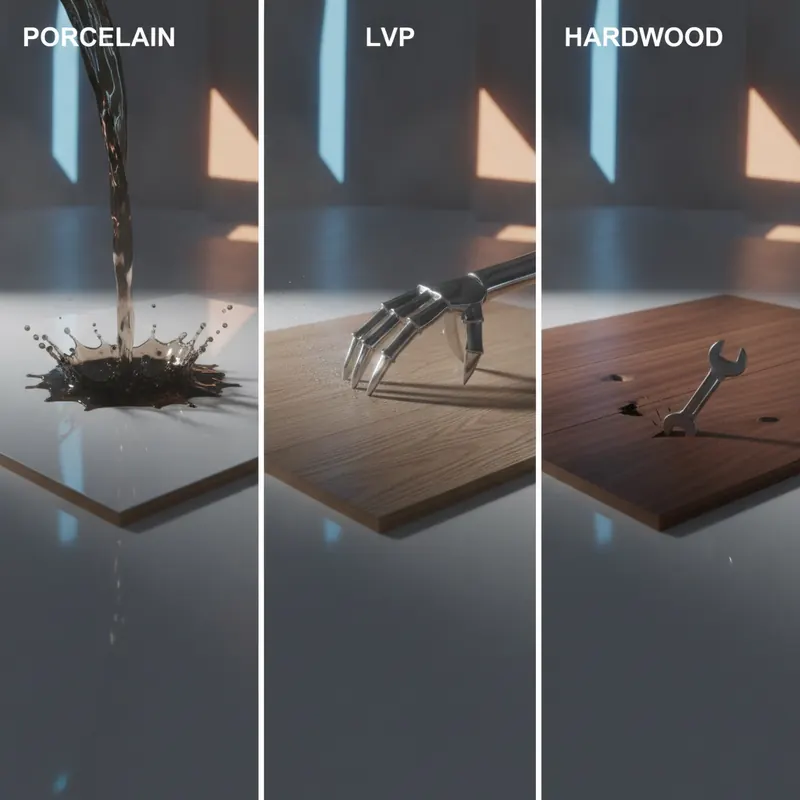
Now that you speak the language of durability, let’s see how the most popular flooring materials stack up. We’ve ranked them from the most indestructible to the reliably strong, giving you a clear hierarchy for your decision-making.
| Material | Scratch Resistance | Water Resistance | Impact Resistance | Avg. Lifespan |
|---|---|---|---|---|
| Porcelain Tile | 9/10 | 10/10 | 9/10 | 50+ years |
| Polished Concrete | 8/10 | 9/10 | 10/10 | 100+ years |
| LVP (High-Quality) | 8/10 | 10/10 | 7/10 | 20-25 years |
| Laminate (High-Quality) | 9/10 | 6/10 | 8/10 | 15-20 years |
| Hardwood (Solid) | 6/10 | 3/10 | 6/10 | 100+ years |
S-Tier: Porcelain Tile & Polished Concrete
These materials represent the pinnacle of unrivaled durability, often used in commercial settings for their ability to withstand extreme wear.
Porcelain Tile: Fired at immense temperatures, porcelain is incredibly dense, making it exceptionally resistant to scratches, stains, and impact. It has a Mohs hardness rating of 7-9 (a steel knife is about 5.5)[5] and, per TCNA standards, a water absorption rate of 0.5% or less, making it virtually waterproof[3].
Polished Concrete: With a compressive strength of 3,000 to 5,000 PSI, polished concrete is massively resistant to impact and heavy loads[6]. When properly sealed, it resists stains and moisture. Its primary downside is its hardness underfoot and the complexity of installation.
Pro Panel: The Installer’s Tip
“For porcelain tile, the durability is in the installation. An unlevel subfloor or improper mortar coverage will create hollow spots, making even the strongest tile vulnerable to cracking under impact. Never skip on subfloor preparation.”
Insight from a certified flooring installer.
A-Tier: Luxury Vinyl Plank (LVP) & High-Quality Laminate
These technological marvels offer incredible performance and realistic visuals, making them the go-to choice for busy households.
Luxury Vinyl Plank (LVP): The champion of worry-free flooring. LVP is typically 100% waterproof, making it perfect for kitchens, bathrooms, and basements. Its durability comes from a thick wear layer (look for 20 mil or more) fortified with coatings like aluminum oxide, a mineral second only to diamond in hardness.
High-Quality Laminate: Laminate often has a slight edge in scratch and dent resistance due to its incredibly hard, resin-filled top layer (look for an AC4 or higher rating). While not fully waterproof like LVP, many modern laminates feature enhanced water resistance for protection against everyday spills.
B-Tier: Hardwood (Engineered & Solid)
Hardwood offers timeless beauty and the unique ability to be refinished, giving it a potential lifespan of over a century. Its durability is a combination of two factors: species hardness and finish quality.
As cited by the NWFA, choosing a harder species on the Janka scale (like Hickory or Maple) provides better dent resistance[2]. However, the finish is what truly protects against scratches and wear. High-quality polyurethane or hardwax oil finishes from reputable manufacturers like Bona are critical for a long-lasting surface[7]. Engineered hardwood’s durability is linked to its top veneer thickness; a thicker layer (3mm or more) allows for one or more refinishings, extending its life.
Special Mention: Eco-Friendly Durable Options
Choosing a sustainable floor doesn’t mean compromising on strength.
Strand-Woven Bamboo: This is not your parents’ soft bamboo. The modern strand-woven process creates a flooring material with a Janka rating often exceeding 3,000—harder than almost any traditional hardwood.
Cork: While softer underfoot, high-density cork flooring is surprisingly durable. Its natural cellular structure makes it resistant to dents (it “bounces back”) and its waxy substance, suberin, provides natural resistance to moisture and rot.
For any of these options, look for FloorScore® certification, which ensures the product meets strict indoor air quality standards, connecting durability with a healthy home environment[8].
Brand Spotlight: An Independent Review of Adamantine Flooring
With a name that implies ultimate hardness, “Adamantine Flooring” has emerged as a keyword of interest for homeowners seeking top-tier durability. As independent reviews are scarce, we’ve conducted an analysis based on publicly available information to see how it fits into the market.
Our methodology for this review involves analyzing the manufacturer’s official technical specifications and warranty documents, referencing the USPTO database to verify brand identity[10], and comparing its features against established market leaders like LifeProof and Pergo.
What is Adamantine Flooring Made Of? A Look at the Specs
Based on its technical data sheet, Adamantine Flooring appears to be a line of Stone Polymer Composite (SPC) vinyl flooring[9]. This construction is known for its rigidity and stability. Key specifications to look for would include:
- Wear Layer: Is it the recommended 20 mil or higher for high-traffic use? Does it feature an enhanced ceramic bead or aluminum oxide coating?
- Core: The SPC core provides superior dent resistance compared to more flexible LVP types.
- Underlayment: Does it come with a pre-attached high-density acoustic pad for sound dampening and comfort?
- Locking System: A robust, patented locking system is crucial for a secure, long-lasting installation.
| Feature | Adamantine Flooring | LifeProof (SPC) | Pergo DuraCraft |
|---|---|---|---|
| Wear Layer | 22 mil | 20 mil | |
| Core Type | SPC | SPC | SPC |
| Warranty | Lifetime Residential | Lifetime Residential | |
| Waterproof | Yes | Yes | Yes |
How Does Adamantine’s Durability Stack Up?
By positioning itself as an SPC product, Adamantine Flooring enters the A-Tier of our durability rankings alongside other high-quality LVP products. Its performance will be directly tied to its wear layer thickness and the quality of its protective coating. If it meets or exceeds the 20 mil benchmark and includes advanced coatings, it should offer excellent resistance to scratches and wear for a busy home. As with any newer brand, long-term performance data is limited, but industry publications like Floor Covering Weekly may provide context on new technologies it employs[11].
Future-Proof Your Style: Choosing a Floor That Protects Your Interior Design
True durability isn’t just about resisting physical damage; it’s about resisting the fleeting whims of trends. A floor is a long-term commitment. Choosing a timeless style protects your interior design vision and ensures your investment doesn’t look dated in five years.
Pro Panel: The Interior Designer’s Take
“Think of your floor as the perfect pair of jeans in your wardrobe. It needs to be the versatile, foundational piece that works with everything. We advise clients to choose flooring with a natural, neutral character. You can easily swap out trendy pillows, rugs, or paint colors, but the floor should be a timeless anchor for the entire space.”
Insight from an ASID-affiliated interior designer[12].
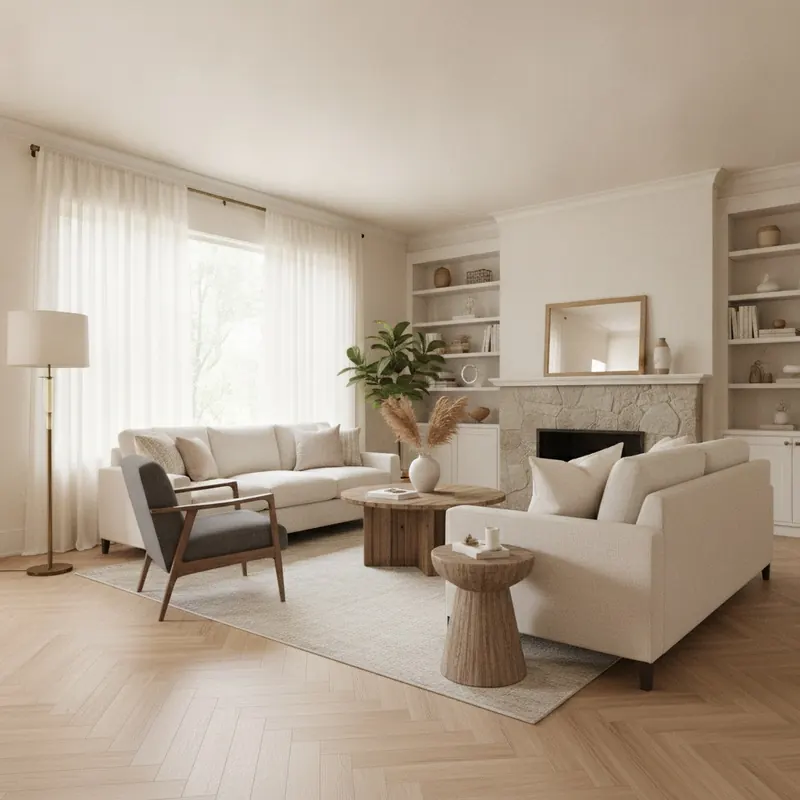
This principle is evident in the pages of high-end design publications like Architectural Digest, where classic materials like natural wood and stone are used consistently across a wide range of aesthetics[13].
The Power of Neutrals: Why Timeless Colors Add Value
Neutral, nature-inspired colors—light oaks, warm walnuts, soft stone grays, and natural beiges—create a flexible canvas. Light-colored flooring, in particular, can make a room feel up to 25% larger and brighter by reflecting more light. This broad appeal is also a smart financial move; data shows that neutral floors appeal to over 80% of potential homebuyers. While bold colors have their place, classic palettes, like those identified by the Pantone Color Institute as “core classics,” provide enduring style[14].
Classic Patterns and Textures That Endure
Adding visual interest doesn’t have to mean chasing trends.
- Classic Patterns: Herringbone and chevron patterns have been staples of elegant design since their use in 16th-century European architecture. They add a sense of movement and sophistication that transcends eras.
- Subtle Textures: Finishes like wire-brushed or hand-scraped not only add depth and character to wood or LVP floors but also serve a practical purpose. The subtle texture is brilliant at hiding the minor scratches and scuffs of everyday life, perfectly blending durability with design.
The High-Traffic and Scratch-Resistance Survival Guide
Even the most durable floor needs a good defense strategy. Here’s how to win the war against wear and tear in the busiest parts of your home.
Prevention is Key: Your First Line of Defense
An ounce of prevention is worth a pound of cure—or a costly repair.
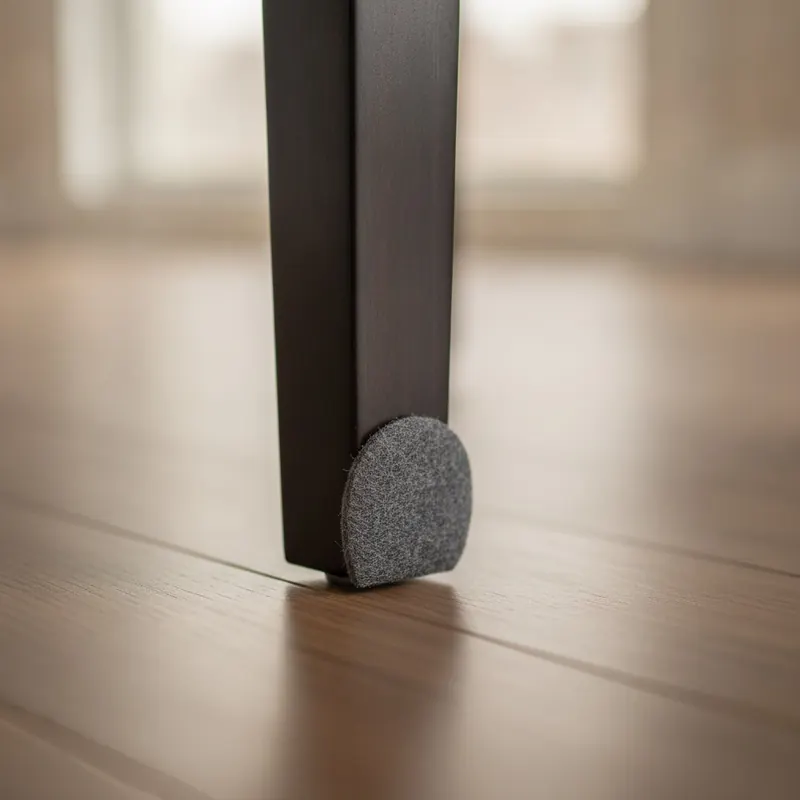
- Furniture Pads: This is the single most important step. Using high-quality felt pads on the bottom of all furniture legs can reduce the risk of scratching by up to 90%.
- Entry Mats: Grit and sand are your floor’s worst enemies. Place high-quality mats both outside and inside every exterior door to trap abrasive particles before they can be tracked through the house.
- Pet Care: Keeping your pet’s nails trimmed is crucial. The American Kennel Club (AKC) offers guidance on nail care that can save your floors from countless scratches[15].
- Proper Cleaning: Use a vacuum without a beater bar (or with the bar turned off) on hard surfaces. According to professional cleaning associations like the IICRC, a spinning beater bar can scratch and dull the finish over time[16].
First Aid for Floors: Fixing Minor Scratches and Scuffs
When a scratch does happen, a quick response can often make it disappear. Always check your manufacturer’s care guide (from brands like Shaw or Mohawk) for approved methods[17].
- For Solid & Engineered Hardwood: For a light surface scratch, a simple stain-filled marker or a product like Old English can often hide the mark. Deeper scratches may require a wax repair kit.
- For LVP & Laminate: Minor scuffs can often be buffed out with a microfiber cloth and a drop of jojoba oil or a tennis ball. For small scratches, vinyl floor repair kits are available that allow you to fill the scratch with a color-matched compound.
- For All Floors: Before attempting any repair, thoroughly clean the area to ensure no dirt or debris is sealed into the fix.
Your Foundation for a Beautiful, Lasting Home
Choosing the right floor is one of the most significant decisions you’ll make for your home. It’s a calculated investment in your property’s long-term durability, its timeless style, and its overall value. By moving beyond surface-level looks and understanding the science of strength—from PEI ratings and Janka hardness to wear layers and AC classes—you transform from a hopeful buyer into an informed investor. You now have the framework to select a material that can withstand the rigors of daily life and the knowledge to choose a style that will serve as a timeless canvas for your life’s memories. You are empowered to make a confident decision you won’t regret, laying a foundation that is as strong as it is beautiful.
Feeling confident about your choice? Explore our detailed reviews of top-rated flooring brands to find the perfect match for your new, durable, and stylish home.
This article may contain affiliate links. All recommendations are based on independent research and analysis. For specific installation or structural decisions, please consult a qualified professional.
References & Authoritative Sources
- National Association of Realtors. (Annually). Remodeling Impact Report. Retrieved from NAR.realtor.
- National Wood Flooring Association (NWFA). (N.D.). Janka Hardness. Retrieved from NWFA.org.
- Tile Council of North America (TCNA). (N.D.). Understanding PEI Ratings for Tile. Retrieved from TCNAtile.com.
- Resilient Floor Covering Institute (RFCI). (N.D.). Standards for Resilient Flooring. Retrieved from RFCI.com.
- National Park Service. (N.D.). Mohs Hardness Scale. Retrieved from NPS.gov.
- American Concrete Institute (ACI). (N.D.). Building Code Requirements for Structural Concrete. Retrieved from Concrete.org.
- Bona. (N.D.). Bona Certified Craftsman Program. Retrieved from Bona.com.
- SCS Global Services. (N.D.). FloorScore® Certification. Retrieved from SCSglobalservices.com.
- Adamantine Flooring. (N.D.). Official Manufacturer Website & Technical Specifications. Retrieved from AdamantineFlooring.com.
- United States Patent and Trademark Office (USPTO). (N.D.). Trademark Electronic Search System (TESS). Retrieved from USPTO.gov.
- Floor Covering Weekly. (N.D.). Flooring Industry Trade Publication. Retrieved from Floorcoveringweekly.com.
- American Society of Interior Designers (ASID). (N.D.). Professional Organization for Interior Designers. Retrieved from ASID.org.
- Architectural Digest. (N.D.). Design Publication. Retrieved from ArchitecturalDigest.com.
- Pantone Color Institute. (N.D.). Color Trend Forecasting. Retrieved from Pantone.com.
- American Kennel Club (AKC). (N.D.). How To Trim Your Dog’s Nails Safely. Retrieved from AKC.org.
- Institute of Inspection, Cleaning and Restoration Certification (IICRC). (N.D.). Standards for Floor Care. Retrieved from IICRC.org.
- Shaw Floors. (N.D.). Flooring Care and Maintenance Guides. Retrieved from Shawfloors.com.