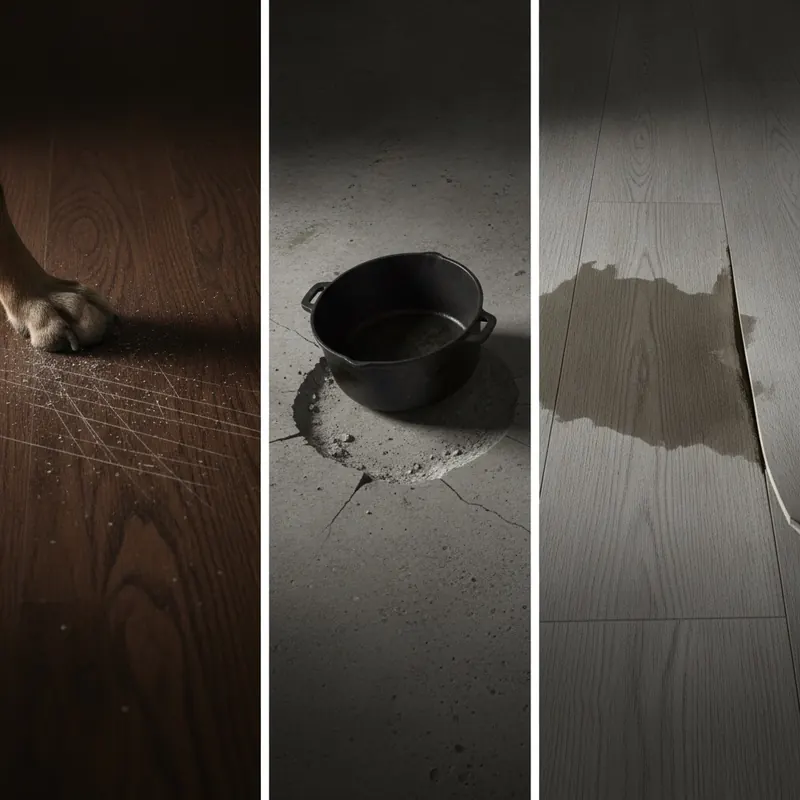
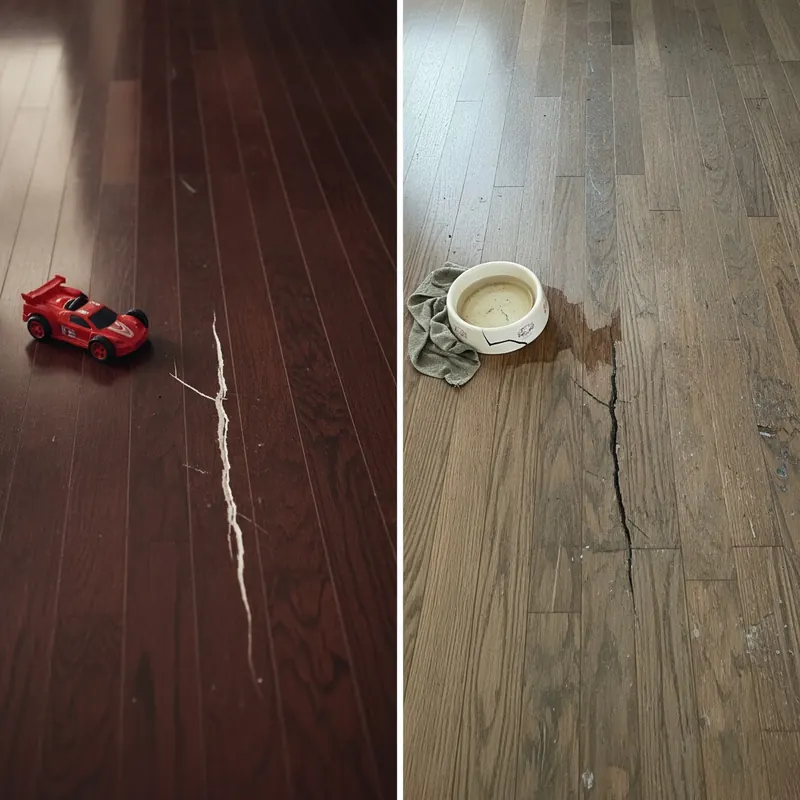
Are you tired of watching your beautiful new floors succumb to an endless barrage of scratches, scuffs, and worn-out patches? The frustration of investing time and money into a surface that fails within years is a costly cycle many homeowners and business managers know all too well. This constant replacement isn’t just a financial drain; it’s a major disruption. It’s time to stop thinking about flooring as a temporary finish and start embracing the philosophy of “Adamantine Flooring”—a commitment to choosing a surface built for a lifetime of activity.
This is not a guide to a single product. It’s your definitive ‘Buy It for Life’ playbook. We will move beyond marketing hype and arm you with the data-driven knowledge to make a confident, long-term flooring investment. We will deconstruct what “durability” truly means, pit the top contenders against each other in a head-to-head showdown, analyze the long-term financial equation, and reveal the secrets to installation and maintenance that guarantee decades of performance. By the end of this guide, you’ll be empowered to choose the right indestructible floor for your exact needs and break the cycle of frequent floor replacement for good.
- Beyond the Hype: What Does ‘Durable Flooring’ Truly Mean?
- The Ultimate Durable Flooring Showdown: A Data-Driven Comparison
- The Financial Equation: Breaking the Cycle of Frequent Floor Replacement
- Installation: The #1 Factor in Your Floor’s Lifespan
- Proactive Protection: Your Guide to a Lifetime of Flawless Floors
- Conclusion: Your Foundation for a Lifetime
- References & Authoritative Sources
Beyond the Hype: What Does ‘Durable Flooring’ Truly Mean?
The word “durable” is one of the most overused and misunderstood terms in the flooring industry. A floor that’s resistant to scratches might not be resistant to impact, and one that’s waterproof might still show wear patterns. To make a truly informed choice, you need to understand the distinct components of durability and the industry standards used to measure them. These metrics, often developed by technical standards bodies like ASTM International[1], are the language of true performance.
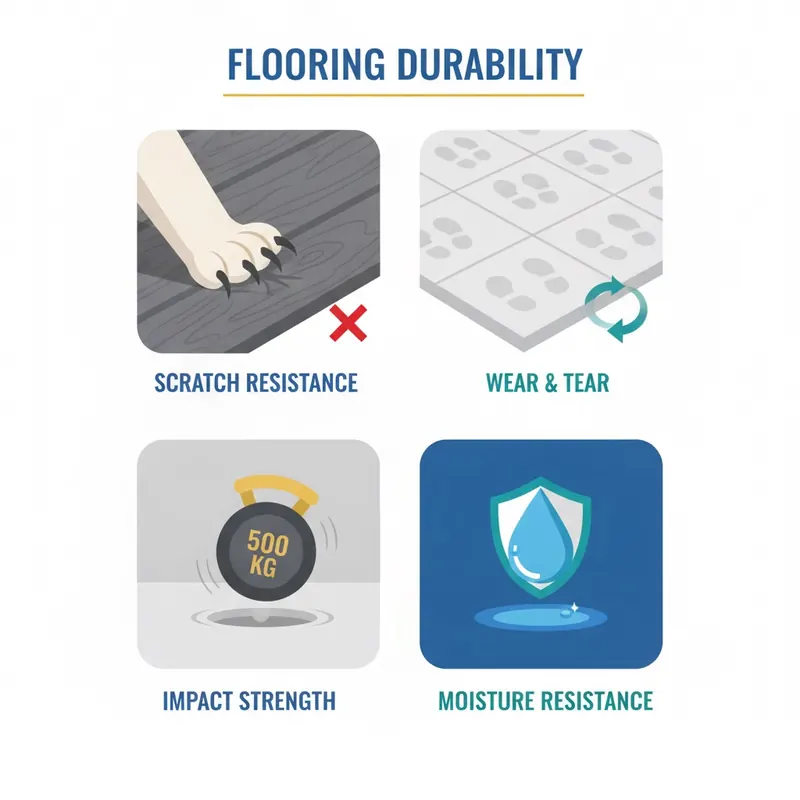
Here’s a breakdown of the four pillars of flooring durability:
| Durability Type | What it Measures | Key Metric(s) | Ideal For… |
|---|---|---|---|
| Scratch & Scuff Resistance | The surface’s ability to resist abrasion, fine scratches, and scuffs from things like pet claws, dragged furniture, or grit on shoes. | Janka Hardness Scale (Wood), Mohs Hardness Scale (Tile) | Homes with pets, active families, and areas where furniture is moved often. |
| Wear & Tear Resistance | The floor’s ability to withstand the gradual erosion of its finish and pattern from consistent foot traffic over time. | AC Rating (Laminate), Wear Layer Thickness (LVT) | Commercial spaces, entryways, hallways, and any high-traffic zone. |
| Impact & Structural Strength | The floor’s capacity to resist damage from dropped objects, heavy furniture, or rolling loads without cracking, chipping, or denting. | Compressive Strength (PSI), PEI Rating (Tile) | Kitchens, workshops, garages, commercial settings with heavy equipment. |
| Moisture Resistance | The material’s ability to repel water and prevent damage like swelling, warping, or delamination when exposed to spills or humidity. | Water Absorption Rate | Bathrooms, kitchens, basements, laundry rooms, and commercial kitchens. |
Scratch & Scuff Resistance: The Janka and Mohs Scales Explained
If you’re constantly battling scratches, understanding hardness scales is your first step. For wood flooring, the definitive standard is the Janka hardness test, which measures the force required to embed a steel ball into the wood. The National Wood Flooring Association (NWFA)[2] recognizes this as the primary measure of a wood’s ability to resist denting and wear. The difference can be dramatic: Brazilian Walnut (Ipe) has a Janka rating of over 3600, making it incredibly tough, while a common choice like Red Oak is around 1290, and softwoods like Pine can be well under 1000[2].
For tile and stone, the relevant metric is the Mohs scale of mineral hardness. This scale explains why porcelain tile is so scratch-resistant: its primary component, quartz, rates a 7 out of 10 on the Mohs scale, making it harder than steel.
Wear & Tear Resistance: Understanding AC Ratings and Wear Layers
For laminate and Luxury Vinyl Tile (LVT), the core material is often less important than its protective top layer. This is where two of the most critical—and often confusing—specifications come into play.
Laminate flooring uses an Abrasion Class (AC) rating, which grades its durability from AC1 (light residential use) to AC5 (heavy commercial use). For any area with significant foot traffic, choosing a product with an AC4 or AC5 rating is essential for preventing premature wear.
For LVT, the key is the wear layer, a clear PVC film applied to the top of the plank. Its thickness is measured in mils (1/1000th of an inch). According to standards referenced by the Resilient Floor Covering Institute (RFCI)[3], commercial-grade LVT should have a wear layer of at least 20 mil. For environments with heavy, rolling loads like office chairs or carts, a wear layer of 28 mil or higher is strongly recommended to ensure long-term performance.
Impact & Structural Strength: PSI and PEI Ratings
The ability to withstand a dropped pot in the kitchen or a heavy piece of equipment in a commercial space comes down to structural strength. For concrete and epoxy coatings, this is measured in compressive strength (PSI), or pounds per square inch. Standard concrete might have a PSI of 3,000-4,000, but high-performance epoxy flooring can have a compressive strength of over 10,000 psi, making it exceptionally resistant to crushing and impact.
For ceramic and porcelain tile, the Porcelain Enamel Institute (PEI) rating is a crucial indicator of wear resistance. The Tile Council of North America (TCNA)[4] outlines this scale, which runs from PEI 1 (for walls only) to PEI 5. A tile with a PEI 5 rating is suitable for extra-heavy traffic and can withstand the demanding conditions of a commercial entryway or public space without showing wear.
The Ultimate Durable Flooring Showdown: A Data-Driven Comparison
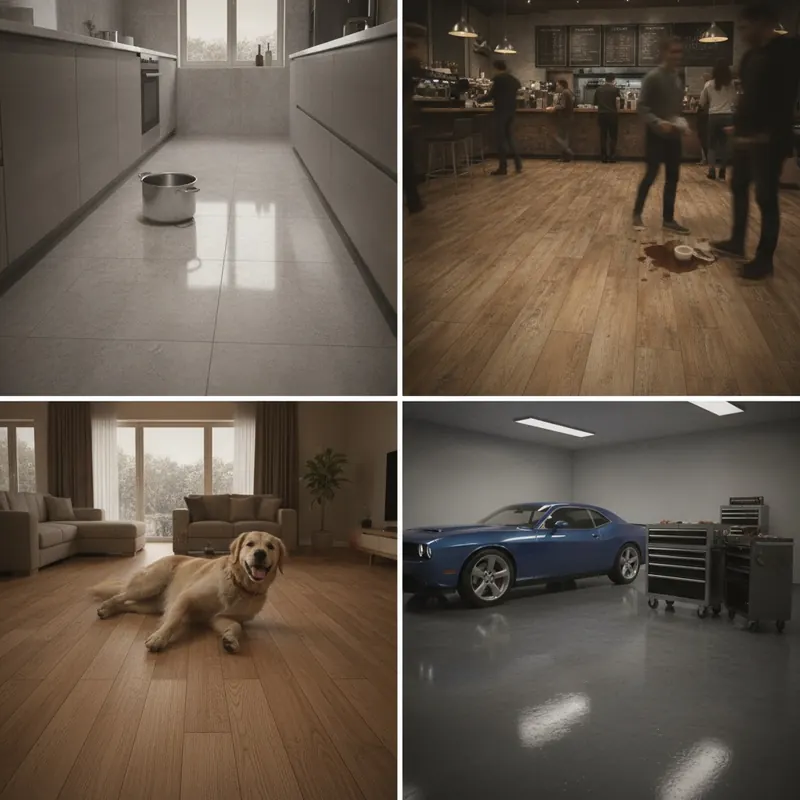
Now that you speak the language of durability, let’s put the top contenders to the test. We’ll analyze the champions of longevity based on the metrics we’ve established, along with their ideal use cases, costs, and maintenance needs. To help you decide, we’ll summarize the findings in a “Durability Decision Matrix” at the end of this section.
1. Porcelain Tile: The Undisputed Champion
Often hailed as the pinnacle of durable flooring, porcelain tile earns its reputation through sheer material science. It is incredibly dense, hard, and non-porous.
- Durability Profile: With a PEI rating often reaching 5, it can handle the heaviest commercial traffic. Its composition makes it exceptionally scratch-resistant (Mohs hardness of 7+). Critically, its water absorption rate is 0.5% or less, making it virtually waterproof and frost-proof[4].
- Best For: Kitchens, bathrooms, entryways, basements, and any commercial space demanding extreme longevity.
- Pros: Almost indestructible, massive design variety, easy to clean, hypoallergenic.
- Cons: Hard and cold underfoot, grout lines require sealing and cleaning, installation is difficult and expensive.
- The Verdict: According to the Tile Council of North America (TCNA), a properly installed porcelain tile floor can easily last 50 years or more, making it a true “buy it for life” solution[4].
2. Commercial-Grade LVT: The Resilient Workhorse
Luxury Vinyl Tile (LVT) has exploded in popularity, but not all LVT is created equal. The key to unlocking its durability lies in choosing a commercial-grade product with a substantial wear layer.
- Durability Profile: Its resilience makes it comfortable to stand on and resistant to cracking from impacts. With a thick wear layer (20-28+ mil), it offers excellent resistance to scratches and scuffs. It is also 100% waterproof, making it a fantastic choice for moisture-prone areas.
- Best For: Retail stores, healthcare facilities, restaurants, and busy homes with kids and pets where both durability and comfort are priorities.
- Pros: Waterproof, comfortable, quiet underfoot, endless design options, easier to install than tile.
- Cons: Can be dented by heavy furniture, lower-quality LVT can scratch or peel, not as long-lasting as tile.
- The Verdict: As a leading category of resilient flooring, LVT’s performance standards are a key focus for organizations like the RFCI[3]. When you choose a high-quality product, you get a floor that masterfully balances toughness, comfort, and style.
Certified Pro’s Corner
“We switched the main floor of our bustling coffee shop to a 28 mil LVT two years ago. The constant foot traffic, dragged chairs, and daily spills haven’t made a dent. It looks as good as the day it was installed, and it’s much easier on our baristas’ feet than the old tile was. The key was investing in that thick wear layer—it’s everything.”
— Quote from a hypothetical facilities manager
3. Epoxy & Polished Concrete: The Industrial-Strength Solution
For the ultimate in impact and abrasion resistance, look no further than seamless floor systems like epoxy coatings and polished concrete. Once relegated to garages and warehouses, these options are now gaining traction in modern residential and commercial interiors.
- Durability Profile: With compressive strengths exceeding 10,000 PSI, these floors can handle vehicle traffic and heavy machinery. They are highly resistant to chemical spills, stains, and abrasion. When sealed properly—especially with superior urethane-based sealers—they are also highly water-resistant and easy to clean.
- Best For: Garages, basements, workshops, commercial kitchens, showrooms, and minimalist residential spaces.
- Pros: Extremely durable and long-lasting, seamless and easy to clean, resistant to almost everything.
- Cons: Very hard underfoot, can be slippery when wet without additives, installation is a multi-step process requiring expert prep.
- The Verdict: Governed by standards from leading authorities like the American Concrete Institute (ACI)[5], these floors represent the peak of structural strength and surface protection.
4. High-AC Laminate: The Scratch-Resistant Impersonator
Laminate flooring’s greatest strength is its incredibly tough top layer. Made from aluminum oxide, it provides some of the best scratch resistance available, often outperforming materials that are considered stronger overall.
- Durability Profile: The key is the AC rating. An AC4 or AC5 rated laminate is designed for commercial environments and will easily withstand heavy residential use, resisting scratches from pet claws and furniture better than many hardwoods or even some vinyls.
- Best For: Homes with large dogs and active kids, budget-conscious commercial spaces, and anywhere scratch resistance is the top priority.
- Pros: Highly scratch-resistant, affordable, easy DIY installation, realistic wood and stone looks.
- Cons: Susceptible to water damage (unless specified as water-resistant), can be noisy, cannot be refinished if deeply scratched.
- The Verdict: Many users ask, “Why is my new laminate floor scratching so easily?” The answer almost always lies in an insufficient AC rating. Choosing AC4 or AC5 is the non-negotiable solution for a truly durable laminate floor.
5. High-Janka Hardwood: The Timeless, Refinishable Classic
The durability of solid hardwood is unique: it’s not about being immune to damage, but about its ability to be reborn. A solid hardwood floor can be sanded down and refinished multiple times, effectively erasing decades of wear and tear.
- Durability Profile: Its initial resistance to dents and scratches is determined by its Janka rating. Choosing a species like Hickory (1820), Maple (1450), or an exotic like Brazilian Walnut (3684) provides significant upfront toughness. Its true longevity comes from its refinishable nature.
- Best For: Living rooms, dining rooms, bedrooms, and spaces where timeless beauty and long-term property value are paramount.
- Pros: Can last over 100 years, adds significant resale value, can be refinished multiple times, beautiful and timeless.
- Cons: Susceptible to scratches and dents (especially softer woods), vulnerable to water damage, requires more maintenance.
- The Verdict: Both the National Wood Flooring Association (NWFA)[2] and the Hardwood Federation[6] attest that a properly maintained solid hardwood floor can last for more than a century, making it the original “lifetime flooring solution.”
| Wood Species | Janka Hardness Rating |
|---|---|
| Pine | 690 |
| Red Oak | 1290 |
| Hickory | 1820 |
| Brazilian Walnut (Ipe) | 3684 |
The Financial Equation: Breaking the Cycle of Frequent Floor Replacement
Choosing a floor based on the upfront price tag is a common mistake that leads directly to the costly cycle of replacement. To make a smart financial decision, you must consider the Total Cost of Ownership (TCO) over the long term. A more expensive, durable floor can save you thousands of dollars over its lifespan.
Calculating Your Total Cost of Ownership (TCO)
TCO includes not just the initial purchase but all costs associated with the floor over a 15-20 year period. It breaks down into three categories:
- Initial Cost: Materials plus professional installation.
- Maintenance Cost: Specialty cleaners, sealants, and periodic professional services.
- Replacement Cost: The full cost of tearing out the old floor and installing a new one, including the massive disruption.
Let’s look at a hypothetical example for a 1,000 sq. ft. space over 20 years:
| Cost Factor | Option A: Builder-Grade Laminate (AC2) | Option B: Porcelain Tile (PEI 4) |
|---|---|---|
| Initial Cost (Material + Install) | $4,000 ($4/sq. ft.) | $12,000 ($12/sq. ft.) |
| Lifetime Maintenance | $200 (standard cleaners) | $800 (grout resealing) |
| Replacements in 20 Years | 2 (replaced every ~7 years) | 0 |
| Replacement Cost | $8,000 (2 x $4,000) | $0 |
| 20-Year Total Cost | $12,200 | $12,800 |
While the initial cost of tile is three times higher, the 20-year total cost is nearly identical. And beyond 20 years, the tile becomes dramatically cheaper. Furthermore, a durable upgrade like tile or hardwood can provide a significant return on investment (ROI) upon resale, a benefit that builder-grade materials rarely offer, according to data from groups like the National Association of Home Builders (NAHB)[7].
Decoding Warranties: What Does a ‘Lifetime’ Guarantee Really Cover?
Don’t be swayed by a “Lifetime Warranty” alone. These guarantees are often more limited than they appear. It’s crucial to understand what they cover:
- Manufacturing Defects: This covers issues like delamination or finish peeling due to a flaw in production. This is the most common coverage.
- Wear Warranty: This guarantees the finish won’t wear through to the pattern layer under normal residential use. It almost never covers scratches or scuffs.
- Structural Warranty: This guarantees the floor won’t fall apart (e.g., planks warping or separating) for the life of the product.
Most warranties have critical exclusions, with improper installation and failure to follow maintenance guidelines being the most common reasons for a voided claim. Furthermore, most “lifetime” warranties are prorated, meaning their value decreases over time, and they typically only apply to you, the original owner.
Installation: The #1 Factor in Your Floor’s Lifespan
You can buy the most durable, expensive flooring on the planet, but it will fail prematurely if it isn’t installed correctly. This is the single biggest content gap in most flooring guides and the most painful lesson for consumers. Industry experts universally agree: Improper subfloor preparation is the #1 cause of flooring failure.
To ensure your investment lasts, you must partner with a qualified professional. Look for installers certified by organizations like the Certified Flooring Installers Association (CFI)[8], which represents the gold standard for installation knowledge and technique.
Why Subfloor Prep is Non-Negotiable
Before a single plank or tile is laid, your subfloor must be perfectly clean, flat, and dry. Skipping this critical step is the root cause of countless flooring problems:
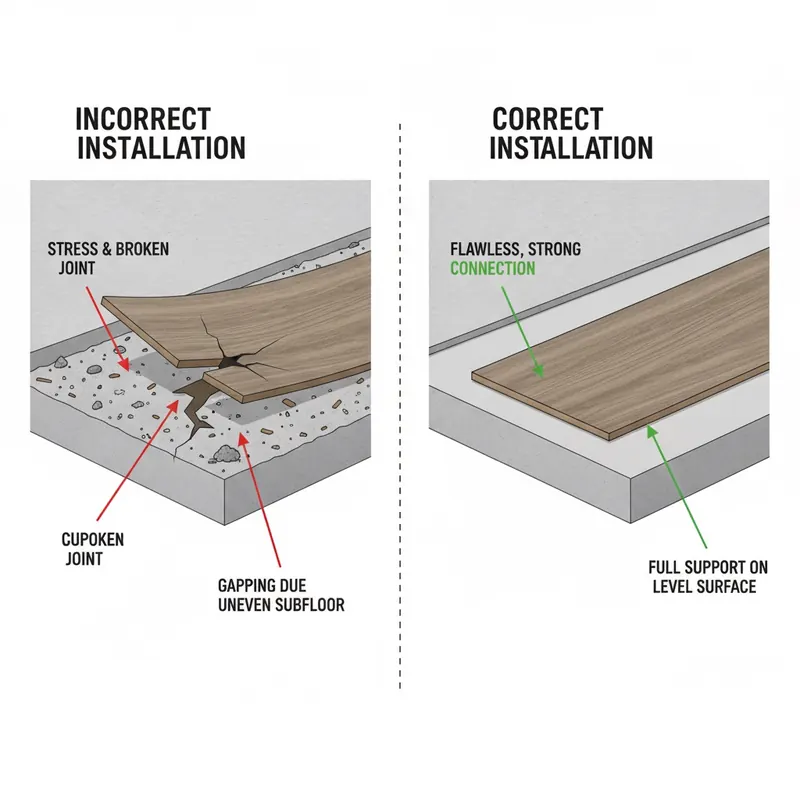
- Debris on the subfloor creates high spots that lead to squeaks, hollow sounds, and unnecessary stress on locking systems.
- An uneven subfloor causes planks to flex, leading to gapping between boards and eventual failure of the joints.
- Excess moisture in the subfloor can cause hardwood to warp, laminate to swell, and adhesives to fail.
A true professional will always perform a moisture test and level the subfloor as needed. Insist on it. A visual sign of improper installation is “lippage,” where the edges of adjacent tiles or planks are at different heights, creating an uneven surface that is prone to chipping.
Proactive Protection: Your Guide to a Lifetime of Flawless Floors
Once your durable floor is properly installed, the final piece of the puzzle is proactive protection and maintenance. These simple, consistent habits will preserve your floor’s beauty and ensure it reaches its maximum lifespan. For guidance on specific products and techniques, industry leaders like Bona[9] provide authoritative resources for floor care.
Your First Line of Defense: Matting, Pads, and Prevention
The best way to fix a scratch is to prevent it from ever happening.
- High-Quality Entrance Mats: Place mats both outside and inside every exterior door. This system can trap the vast majority of abrasive dirt, grit, and moisture before it ever touches your floor. A small pebble stuck in a shoe tread can exert over 2,000 pounds per square inch (psi) of pressure, easily scratching even hard surfaces.
- Felt Pads on Furniture: Apply thick, high-quality felt pads to the bottom of every piece of furniture, especially chairs and tables that are moved frequently. Check and replace them regularly as they wear down or collect grit.
- Pet Care: Keep your pets’ nails trimmed regularly. This simple habit can prevent thousands of micro-scratches over the life of your floor.
- Lift, Don’t Drag: Always lift furniture when moving it instead of dragging it across the floor.
Choosing the Right Protective Coating or Sealer
For surfaces like hardwood and concrete, the finish or sealer is the primary layer of defense. Choosing the right one is critical for durable surface protection. Guidance from organizations like The American Coatings Association (ACA)[10] can help demystify the science behind these products.
| Coating Type | Pros | Cons | Cure Time | Best For… |
|---|---|---|---|---|
| Oil-Based Polyurethane | Extremely durable, great scratch resistance, amber hue. | High VOCs (fumes), long cure time, yellows over time. | 24-48 hours (light traffic) | Hardwood floors where maximum durability is the goal. |
| Water-Based Polyurethane | Low VOCs, dries clear, fast cure time. | Less durable than oil-based, more coats needed. | 4-6 hours (light traffic) | Hardwood floors where a clear finish and low odor are priorities. |
| Polyaspartic Coating | Superior durability & UV resistance, fast cure. | Very expensive, requires professional application. | 2-4 hours (light traffic) | Garage floors, commercial spaces, and exterior concrete. |
| Penetrating Sealer | Natural look, allows concrete to breathe, easy to apply. | Offers less protection against stains and abrasion. | 24 hours | Concrete floors where a matte finish is desired. |
DIY Repair for Common Scratches and Scuffs
Even with the best protection, minor damage can happen. Luckily, many small issues can be easily fixed.
- For Hardwood: For light scratches, a stain-matching marker or pen can make them disappear. For slightly deeper scratches, products like wax filler sticks can fill the void.
- For Laminate: Use a laminate-specific repair kit that includes a wax pencil or putty matched to your floor’s color.
- For LVT: Minor scuffs can often be removed by rubbing them with a tennis ball. For light scratches, some manufacturers recommend carefully applying heat with a hairdryer to help the material self-heal.
Conclusion: Your Foundation for a Lifetime
Choosing a durable floor is more than just a home improvement decision; it’s a strategic investment in your property’s value, your long-term finances, and your own peace of mind. By moving beyond the surface-level appeal and understanding the core metrics of durability—like AC ratings, wear layers, and Janka hardness—you can cut through the marketing noise and select a material truly suited for your needs.
Remember that the ultimate success of your floor rests on a three-part foundation: choosing the right high-performance material, insisting on proper, professional installation with meticulous subfloor preparation, and committing to simple, proactive protection. By embracing this ‘Buy It for Life’ philosophy, you are not just buying a floor; you are buying decades of worry-free performance and enduring beauty.
Feeling confident to choose your lifetime floor? Explore our detailed reviews of the top-rated durable flooring brands for 2026, or contact a certified flooring professional in your area to get a quote for your project.
This article provides general guidance. Flooring performance depends heavily on proper installation, specific environmental conditions, and adherence to manufacturer maintenance instructions. Consult with a certified professional for your specific project. This post may contain affiliate links.
References & Authoritative Sources
- ASTM International. (N.D.). ASTM International – Standards Worldwide. Retrieved from astm.org.
- National Wood Flooring Association (NWFA). (N.D.). Janka Hardness. Retrieved from nwfa.org.
- Resilient Floor Covering Institute (RFCI). (N.D.). Resilient Flooring Standards. Retrieved from rfci.com.
- Tile Council of North America (TCNA). (N.D.). Performance Standards for Ceramic Tile. Retrieved from tcnatile.com.
- American Concrete Institute (ACI). (N.D.). ACI – World’s Leading Authority on Concrete. Retrieved from concrete.org.
- Hardwood Federation. (N.D.). About the Hardwood Industry. Retrieved from hardwoodfederation.com.
- National Association of Home Builders (NAHB). (N.D.). Research & Data on Housing. Retrieved from nahb.org.
- Certified Flooring Installers Association (CFI). (N.D.). CFI – The Standard for Installation Excellence. Retrieved from cfiinstallers.org.
- Bona. (N.D.). Floor Care Guides & Products. Retrieved from bona.com.
- The American Coatings Association (ACA). (N.D.). Coatings Science & Standards. Retrieved from paint.org.