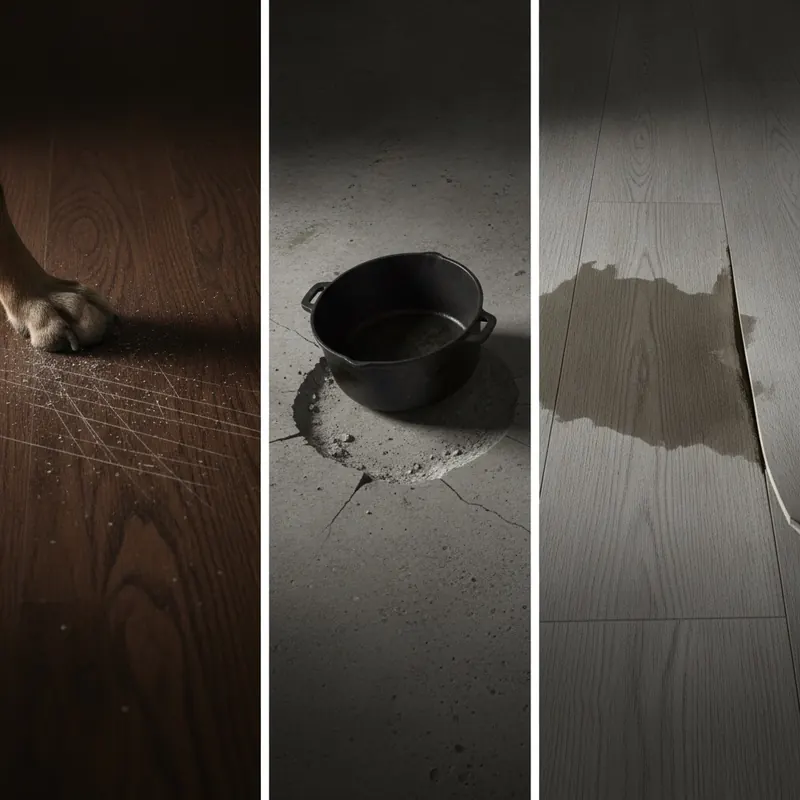
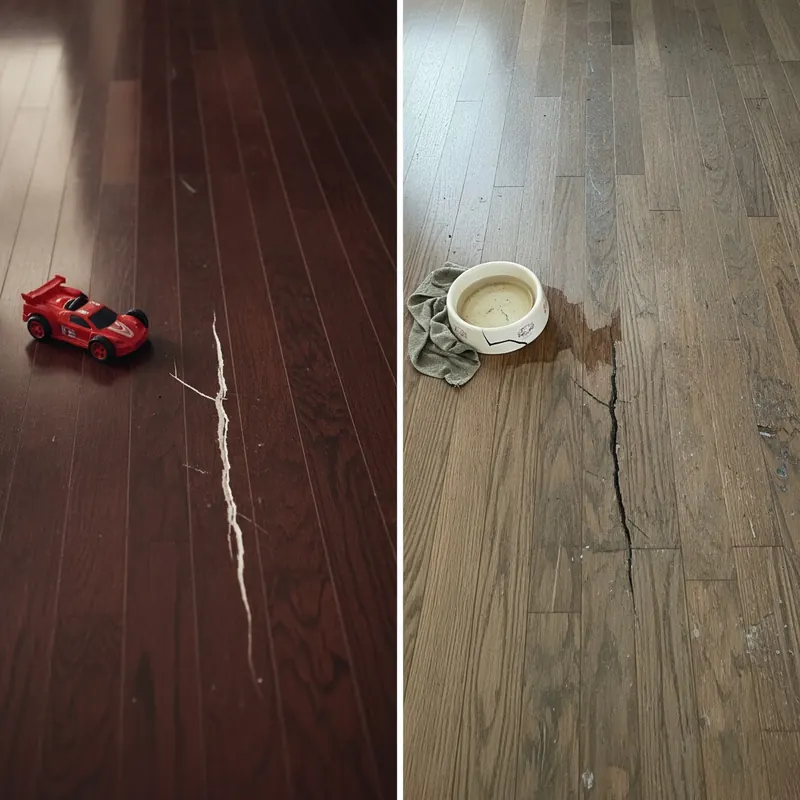
You chose your flooring with care, hoping for a surface that could withstand the daily chaos of life—the skittering paws of a beloved pet, the joyful sprints of children, the inevitable dropped toy, and the constant foot traffic that defines a lived-in home. Yet, you find yourself wincing at every new scratch and staring at a finish that seems to grow duller by the day. The frustration is real. What if there was a flooring solution engineered from the ground up to defy this cycle of wear and tear?
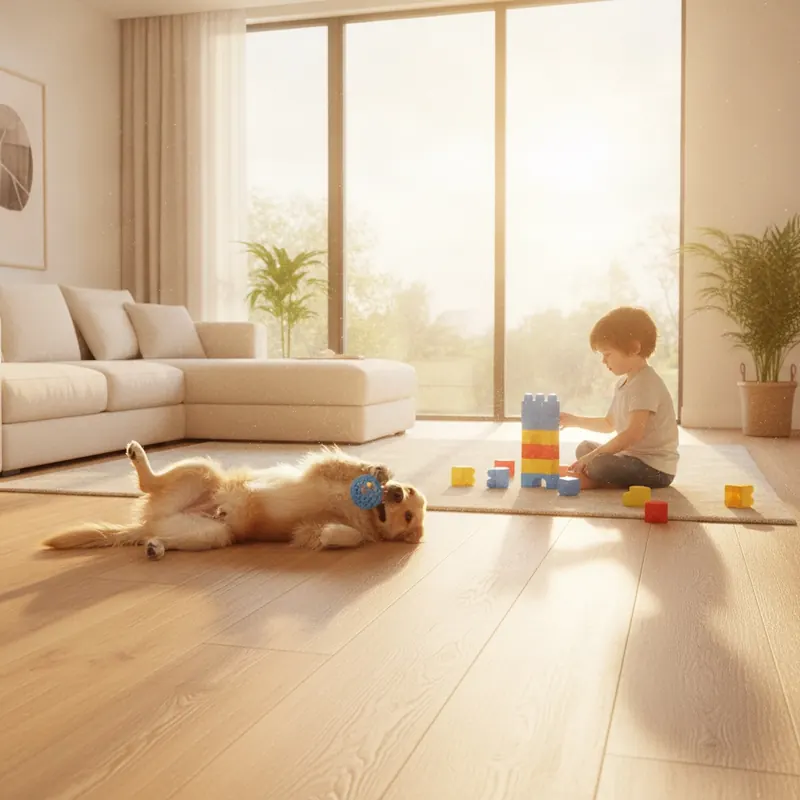
Enter Adamantine flooring, a next-generation material designed for the rigors of an active lifestyle. This isn’t just another durable floor; it’s a high-performance surface built to maintain its flawless, showroom finish for years. But an investment this significant deserves more than just a sales pitch. It requires a complete owner’s manual.
This is that manual. Forget piecing together information from forums, retailer sites, and confusing technical sheets. This single, comprehensive guide will walk you through everything you need to know. We will decode the science behind its incredible durability, provide a professional-grade plan for its maintenance, offer step-by-step instructions for common repairs, and show you exactly how it stacks up against the competition. This is your definitive resource for choosing, maintaining, and protecting your investment, ensuring a lifetime of value and beauty.
- What is Adamantine Flooring? The Science of Ultimate Durability
- The Proactive Preservation Plan: How to Keep Adamantine Floors Looking New
- Troubleshooting: Your Guide to Repairing Scratches and Restoring Shine
- Flooring for Active Lifestyles: A Durability Scorecard
- Your Investment in a Lifetime of Flawless Floors
- References
What is Adamantine Flooring? The Science of Ultimate Durability
To truly appreciate Adamantine flooring, we need to look beyond the surface and understand the technology that makes it one of the most wear-resistant floors on the market. It’s not just durable by chance; it’s durable by design, engineered to solve the common pain points of high traffic floor damage, scratches, and dulling finishes.
This material often boasts formidable technical specifications, such as a commercial-grade wear layer exceeding 20 mil and the ability to withstand static loads of up to 500 PSI without indentation. These claims are frequently validated through standardized tests established by organizations like ASTM International, whose methods, such as ASTM F1914 for indentation resistance, provide objective proof of performance [1].
Deconstructing the Layers: What is Adamantine Flooring Made From?
Adamantine flooring’s resilience comes from its multi-layered construction, where each component serves a critical purpose. While specific compositions can vary by manufacturer, the structure generally includes:
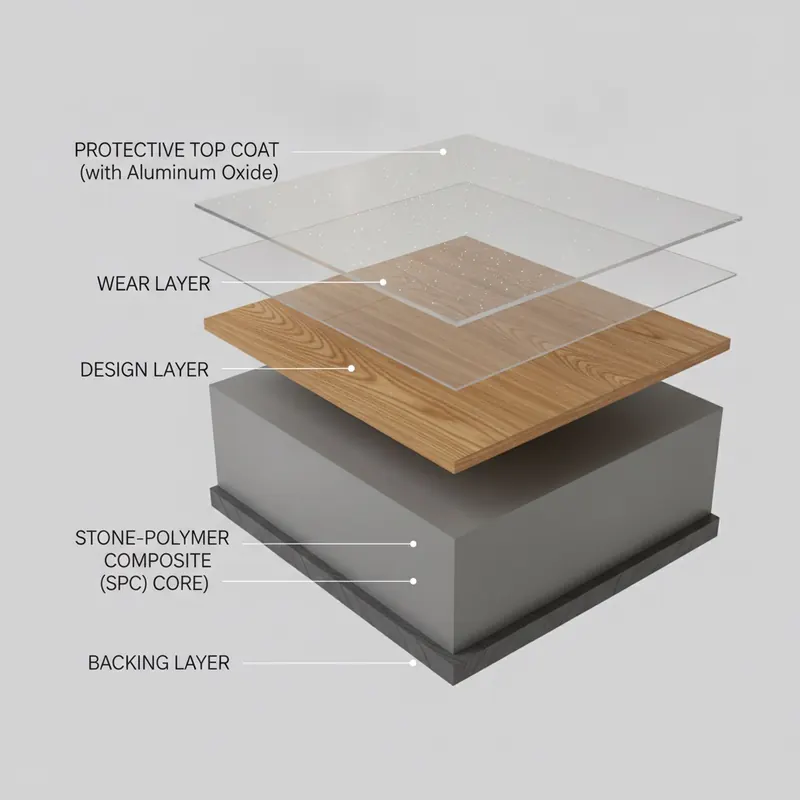
- Protective Top Coat: This is the first line of defense. Often enhanced with materials like aluminum oxide, this transparent layer provides exceptional resistance to scuffs, stains, and fading from UV light. A flooring product engineer might describe this as the “sacrificial layer” that absorbs daily abuse, protecting the layers beneath.
- The Wear Layer: This is arguably the most crucial component for long-term durability. It’s a thick, clear vinyl layer that protects the visual design from being worn away by foot traffic. Its thickness, measured in mils (thousandths of an inch), is a primary indicator of durability. A 20 mil or greater wear layer is considered commercial grade, suitable for the most demanding residential environments.
- The Design Layer: This high-resolution printed layer provides the floor’s aesthetic. It can realistically mimic wood, stone, or abstract patterns, offering design versatility without the vulnerabilities of natural materials.
- The Core: The core provides the structural integrity, rigidity, and impact resistance of the plank or tile. It is often a stone-polymer composite (SPC) or wood-polymer composite (WPC), which makes the flooring incredibly dense and dimensionally stable. This core is also what makes Adamantine flooring reported to be 100% waterproof.
- The Backing Layer: This bottom layer provides additional stability, sound dampening, and sometimes comes with a pre-attached underlayment for added comfort and easier installation.
Adamantine vs. The Alternatives: A Head-to-Head Comparison
How does Adamantine flooring truly stack up against other popular durable flooring options? Answering this question is key to making a confident decision. Here’s a direct comparison against high-end alternatives:
| Feature | Adamantine Flooring | High-End LVT (>20 mil) | Epoxy Coating | Polished Concrete |
|---|---|---|---|---|
| Scratch Resistance | Exceptional | Very Good | Good (can scratch) | Good (can scratch/chip) |
| Impact Resistance | Excellent | Good (can dent) | Very Good | Excellent (can chip) |
| Water Resistance | 100% Waterproof | 100% Waterproof | 100% Waterproof | Water-Resistant (if sealed) |
| Installation | Moderate (Click-lock) | Moderate (Click-lock) | Complex (Professional) | Complex (Professional) |
| DIY Friendliness | High | High | Low | Very Low |
| Comfort Underfoot | Good (with underlayment) | Good (with underlayment) | Poor (very hard) | Poor (very hard) |
| Avg. Cost (Material) | $$$$ | $$$ | $$ | $$ |
| Repairability | Good (plank replacement) | Good (plank replacement) | Difficult (re-coating) | Difficult (patching) |
This comparison highlights a key advantage: Adamantine flooring often combines the best attributes of its competitors—the waterproof nature and repairability of LVT, the impact resistance of concrete, and superior scratch resistance—into a single, user-friendly product.
Cost, Installation, and Applications: Is It Right for Your Home?
While Adamantine flooring is a premium product with a higher upfront cost per square foot, its long-term value is compelling. The minimal maintenance and extreme longevity reduce the total cost of ownership over time.
Installation is typically a floating click-lock system, similar to laminate or LVT, making it a viable project for a skilled DIYer. However, for a flawless finish and to ensure warranty compliance, professional installation is highly recommended. Certified installers specializing in advanced materials emphasize that subfloor preparation is non-negotiable for any high-performance floor. Industry bodies like The Flooring Institute advocate for strict adherence to subfloor flatness and cleanliness standards to prevent installation failure and ensure longevity [2].
Originally popular in high-traffic commercial spaces, Adamantine flooring is perfectly suited for residential homes. Its combination of beauty, durability, and water resistance makes it an ideal choice for any room, especially kitchens, entryways, basements, and homes with active children and pets.
The Proactive Preservation Plan: How to Keep Adamantine Floors Looking New
Owning a high-performance floor is one thing; keeping it looking pristine is another. The key to preserving Adamantine flooring’s flawless finish lies in a consistent and correct maintenance routine. This proactive plan, grounded in best practices from cleaning experts like the Institute of Inspection, Cleaning and Restoration Certification (IICRC), will protect your investment for decades [3].
Your Daily & Weekly Cleaning Rituals
Simplicity is the cornerstone of effective floor care. Complicated routines are hard to maintain, but these simple steps will make a world of difference.
- Daily (or as needed): Dry mop or sweep away dust, dirt, and pet hair. A microfiber dust mop is exceptionally effective at trapping fine particles that can act like sandpaper underfoot. Alternatively, you can vacuum using a hard floor setting. Crucially, ensure the beater bar/brush roll is turned off, as the stiff bristles can scratch the finish over time.
- Weekly (or for spills): Damp mop the floor. Mix a small amount of a manufacturer-approved, pH-neutral cleaner with water. Lightly mist the floor or dampen your microfiber mop pad—the mop should be damp, not soaking wet. Mop the floor and allow it to air dry. For specific, recommended cleaning products, always refer to your flooring manufacturer’s official care guide first.
The ‘Do Not Do’ List: Critical Mistakes to Avoid
What you don’t do to your Adamantine floor is just as important as what you do. Avoiding these common mistakes is critical to preventing a dull, damaged finish.
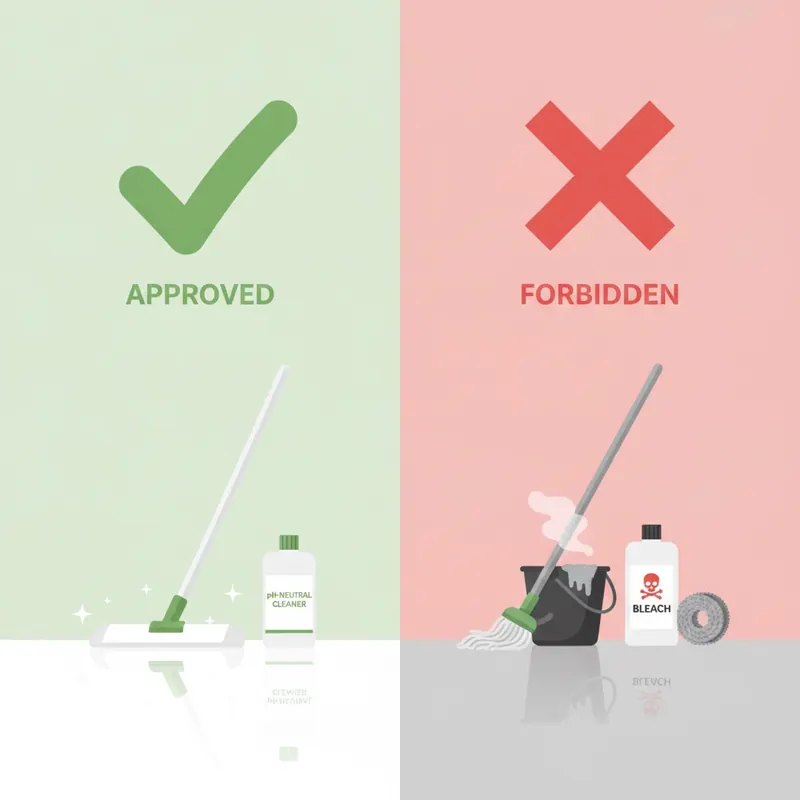
- ❌ Never Use a Steam Mop: The combination of high heat and moisture can damage the wear layer and potentially weaken the adhesives in the floor’s construction, voiding your warranty.
- ❌ Avoid Harsh Chemicals: Cleaners containing ammonia, bleach, wax, oils, or abrasive detergents are forbidden. According to finish manufacturers, acidic or highly alkaline solutions can chemically etch and dull the protective top coat, leaving a cloudy or hazy appearance [5]. Stick to pH-neutral formulas.
- ❌ Do Not Use Abrasive Tools: Steel wool, scouring pads, or stiff-bristled brushes will create micro-scratches that permanently dull the finish.
- ❌ Never Wax or Polish: Adamantine flooring has a high-tech factory finish that does not require waxing or polishing. Applying these products will not make it shinier; it will only create a sticky residue that attracts dirt and is difficult to remove.
Long-Term Protection: Secrets to a Lifelong Finish
Beyond cleaning, a few proactive strategies will dramatically extend the life of your floor’s finish.
- Embrace Doormats: Place high-quality doormats at every exterior entrance. Research from sources like the Carpet and Rug Institute has shown that this simple step can trap up to 80% of dirt, grit, and moisture before it ever touches your floor [4].
- Use Furniture Pads: This is non-negotiable. Apply heavy-duty felt pads to the legs of all furniture, especially chairs and tables that are moved frequently. Check and replace them regularly as they wear down. This single action prevents thousands of micro-scratches over the life of the floor.
- Defend Against Sunlight: Direct, prolonged exposure to harsh sunlight can cause fading over time. Utilize curtains, blinds, or apply a UV-blocking film to your windows. Modern low-E window films are virtually invisible but can block up to 99% of the harmful UV rays that cause discoloration.
Troubleshooting: Your Guide to Repairing Scratches and Restoring Shine
Even with the best preventative care, accidents can happen. A dropped tool or a dragged piece of furniture can leave a mark. The good news is that many common issues can be addressed without calling a professional.
Fixing Scratches: From Minor Scuffs to Deeper Gouges
The key to a successful scratch repair is to correctly identify its severity.
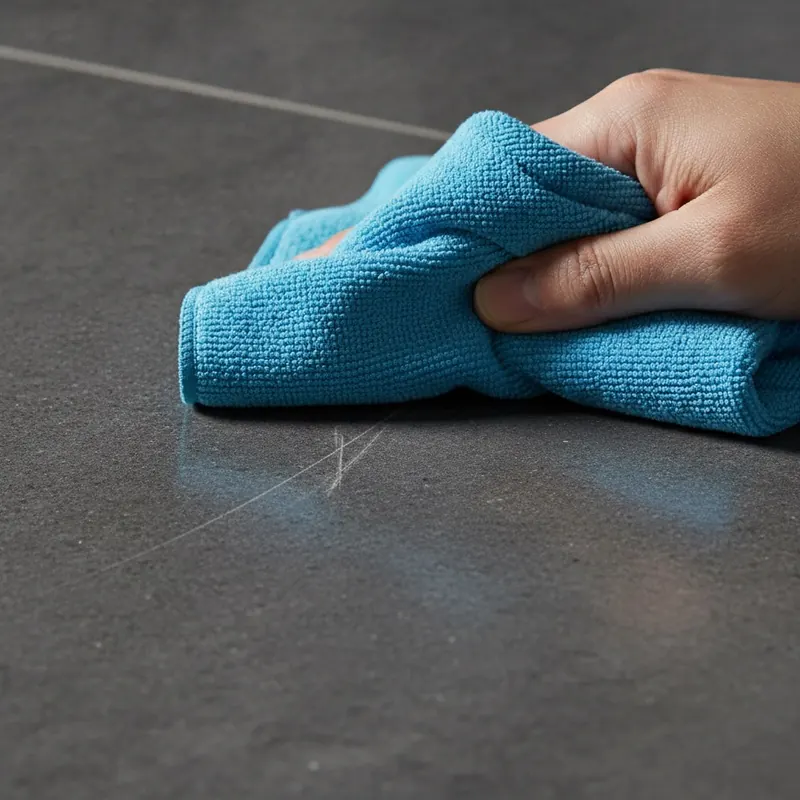
- For Surface Scuffs: Often, these are not scratches in the floor itself, but rather material transfer from another object (like the sole of a shoe). Try buffing the area firmly with a clean microfiber cloth. If that doesn’t work, a tennis ball can often provide enough friction to remove the scuff without harming the finish.
- For Minor Scratches: For fine scratches that have lightly etched the wear layer, consult your flooring manufacturer. They often sell a specific touch-up or repair kit designed to fill and seal these minor imperfections. Following the best practices of repair product experts like Mohawk Finishing Products, it’s essential to use a kit that is chemically compatible with your floor’s finish [6].
- For Deep Gouges: If a scratch is deep enough to have damaged the printed design layer, a simple touch-up won’t suffice. The best and most permanent solution for click-lock flooring is to replace the damaged plank. This is a major advantage of this flooring type. It’s always wise to keep a few extra planks from your installation for this very purpose.
When to Call a Pro: For widespread scratching or damage beyond a single plank, it’s best to consult a certified flooring professional. Attempting a major DIY repair can often make the problem worse.
Restoring a Dull Finish: Is It Dirt or Damage?
If your floor has lost its luster, especially in high-traffic areas, don’t immediately reach for a polish. The most common cause of a dull floor finish is not wear, but residue.
Cleaning product manufacturers confirm that using the wrong cleaner, too much cleaner, or even mopping with dirty water can leave behind a thin, invisible film [5]. This film builds up over time, scattering light and making the floor appear cloudy and dull.
The Dullness Cause Checklist:
- Have I ever used a cleaner that contains wax, oil, or acrylic polish?
- Do I mix my cleaning solution according to the directions, or do I “eyeball” it?
- Do I change my mop water or rinse my mop pad frequently when cleaning?
- Does the dullness seem to disappear when the floor is wet, only to reappear when dry?
If you answered “yes” to any of these, the culprit is likely residue. To fix it, you need to perform a deep clean, not add a polish. Mix a solution of one part white vinegar to ten parts warm water. Use a clean microfiber mop to scrub a small, inconspicuous test area. Immediately rinse the area with a separate mop dampened with clean water, and dry it with a towel. If the shine returns, you’ve found your solution. Methodically clean and rinse your entire floor this way, working in small sections.
Flooring for Active Lifestyles: A Durability Scorecard
While Adamantine flooring is a top-tier choice, understanding how it compares to other durable options helps solidify your decision. This scorecard rates top contenders based on the factors that matter most in a busy, active home. Ratings are on a 1-10 scale (10 being best), based on industry standards.
| Flooring Material | Scratch Resistance | Water Resistance | Impact Resistance | Ease of Maintenance | Overall Durability Score |
|---|---|---|---|---|---|
| Adamantine Flooring | 9.5 | 10 | 9 | 9 | 9.4 |
| Porcelain Tile | 9 | 10 | 8 | 8 | 8.8 |
| High-AC Laminate (AC4+) | 9 | 7 | 7 | 8.5 | 7.9 |
| Luxury Vinyl Tile (LVT) | 8 | 10 | 7 | 9 | 8.5 |
Case Study: The American Kennel Club (AKC) often recommends hard-surface floors like luxury vinyl or tile for homes with dogs, as they are scratch-resistant, easy to clean, and don’t trap allergens [7].
Decoding Durability: Understanding AC, PEI, and Wear Layer Ratings
These technical terms are your best tool for cutting through marketing hype.
- AC Rating (Abrasion Class): Used for laminate flooring, this rating (AC1 to AC5) measures resistance to abrasion, impact, and stains. For an active home, look for AC3 (heavy residential) or AC4 (light commercial) for the best performance [2].
- PEI Rating: The Tile Council of North America (TCNA) uses this scale (1 to 5) to rate the wear resistance of ceramic and porcelain tile [8]. A PEI rating of 4 or 5 is suitable for all residential and heavy commercial traffic.
- Wear Layer: As mentioned, this applies to vinyl-based floors like LVT and Adamantine. A 12 mil layer is good for moderate traffic, but for pets and kids, a 20 mil or thicker wear layer is the gold standard for scratch resistance.
Managing Expectations: ‘Scratch-Resistant’ vs. ‘Scratch-Proof’
It is critical to understand that no flooring material is truly scratch-proof. “Scratch-resistant” means the floor is engineered to withstand normal daily wear and tear far better than traditional materials. Think of it like a water-resistant watch versus a waterproof one; one can handle splashes, the other can be submerged.
A heavy object with a sharp edge dragged across any surface can cause a scratch. However, many modern durable floors, including Adamantine, are designed with textured or matte finishes and varied color patterns. These design choices are not just for aesthetics; they are brilliant at camouflaging the minor scratches and scuffs that may occur over a lifetime of active use, keeping your floor looking flawless from a normal standing view.
Your Investment in a Lifetime of Flawless Floors
Adamantine flooring represents a top-tier investment in a home that can truly be lived in without constant worry. It is a testament to how modern material science can solve the age-old problem of floor damage in an active household.
We’ve deconstructed its layers, outlined a professional-grade preservation plan, and provided actionable solutions for the inevitable mishaps of life. You now have the knowledge to not only choose your flooring wisely but to maintain its flawless finish with the confidence of an expert. By pairing this superior product with the right care, you are not just buying a floor; you are investing in a beautiful, durable foundation for your life’s busiest and best moments.
Ready to invest in a floor that can keep up with your life? Explore our gallery of Adamantine flooring styles or contact a certified installer today to get a quote for your home.
Disclaimer: This article provides general advice. Always consult your specific Adamantine flooring manufacturer’s warranty and care instructions before using any new products or attempting repairs. Test cleaning solutions and repair methods on an inconspicuous area first.
References
- ASTM International. (n.d.). ASTM F1914 – 21 Standard Test Method for Short-Term Indentation and Residual Indentation of Resilient Floor Covering. Retrieved from astm.org.
- World Floor Covering Association (WFCA). (n.d.). Industry Standards and Information. Retrieved from wfca.org.
- Institute of Inspection, Cleaning and Restoration Certification (IICRC). (n.d.). IICRC Standards for the Cleaning Industry. Retrieved from iicrc.org.
- Carpet and Rug Institute (CRI). (n.d.). Soil Removal Research. Retrieved from carpet-rug.org.
- Bona US. (n.d.). Floor Care Products and Guides. Information synthesized from product usage guidelines and professional recommendations. Retrieved from bona.com.
- Mohawk Finishing Products. (n.d.). Wood & Laminate Touch Up & Repair. Information synthesized from product application guides. Retrieved from mohawk-finishing.com.
- American Kennel Club (AKC). (n.d.). Choosing the Best Flooring for Dogs. Information synthesized from AKC pet owner resources. Retrieved from akc.org.
- Tile Council of North America (TCNA). (n.d.). TCNA Standards and Publications. Retrieved from tcnatile.com.