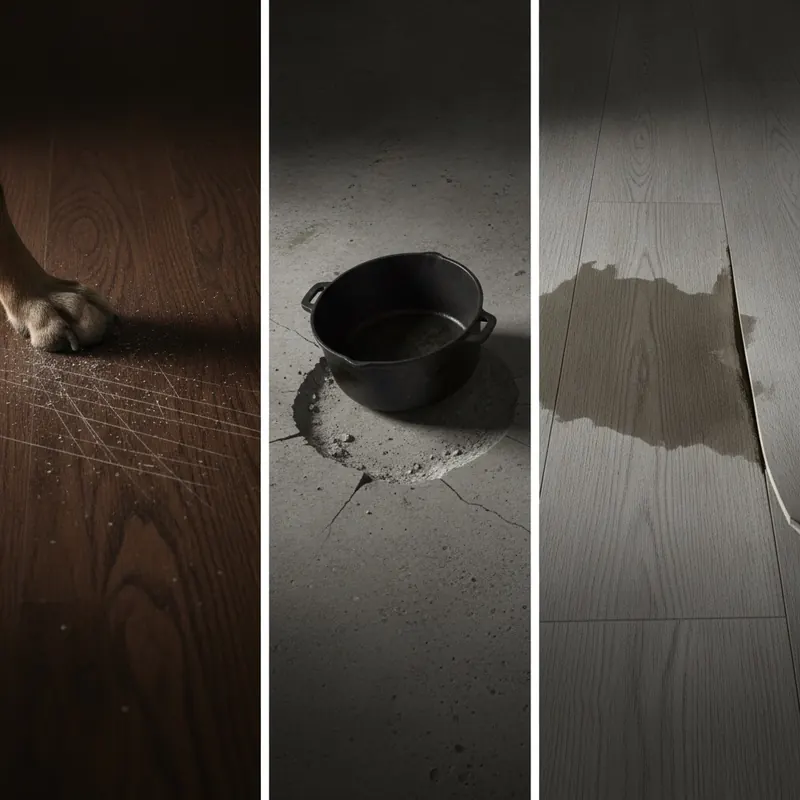
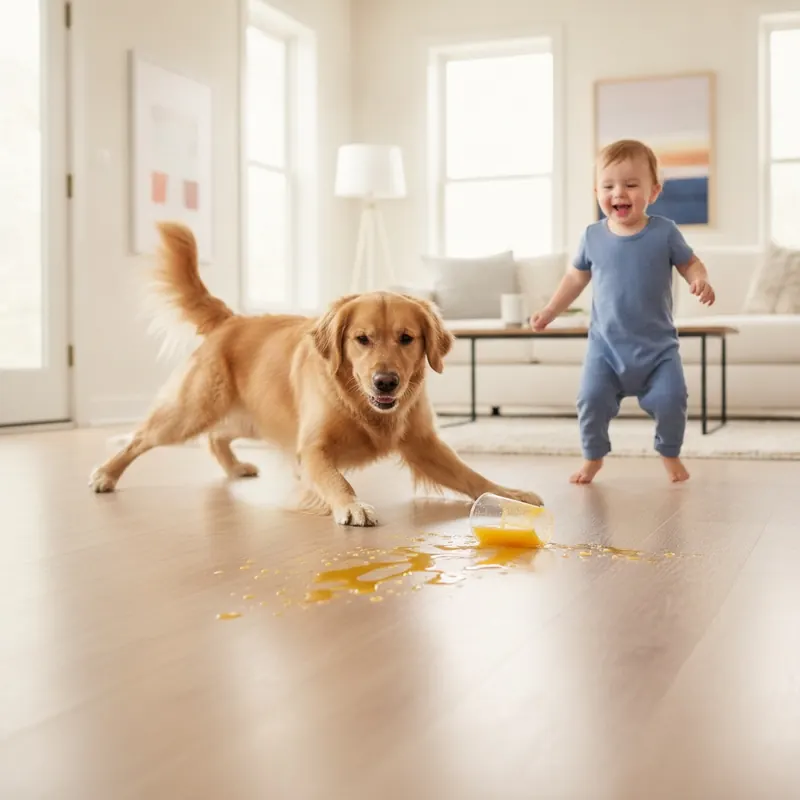
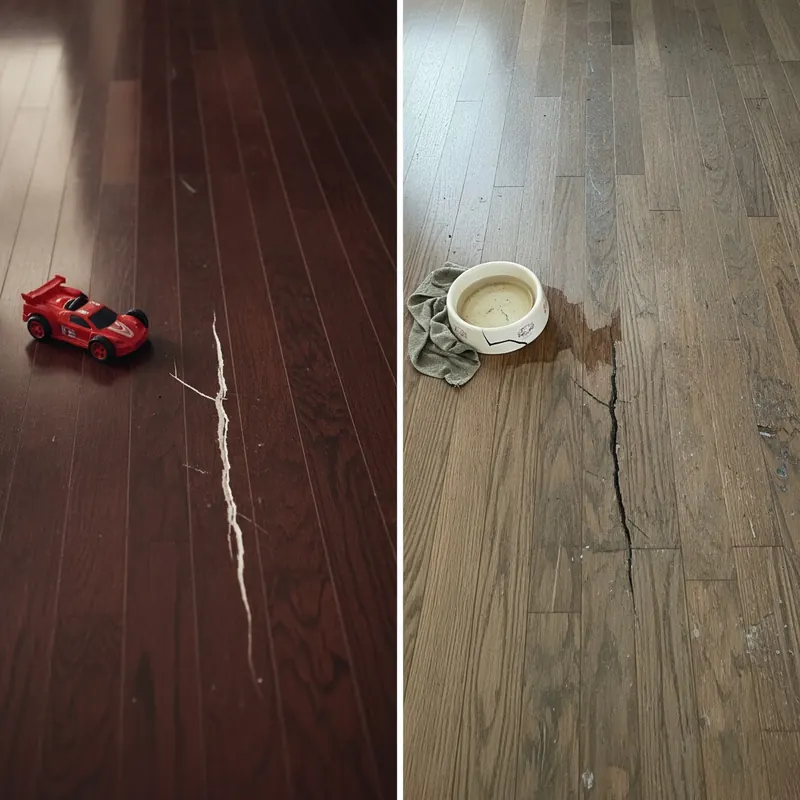
There’s a unique kind of disappointment that sets in when you see the first deep scratch on your brand-new floor. What was once a pristine, flawless surface—the foundation of your home’s aesthetic—is now marred by the realities of daily life: a dragged chair, a dropped toy, or the frantic scrabble of a pet’s claws. This frustration is universal. Choosing a new floor is a significant financial decision, a long-term investment in your home’s value and your own daily enjoyment. You don’t just want something that looks good on day one; you want a floor that can withstand the tests of time and traffic, maintaining its factory-fresh look for years to come.
This is where advanced materials and protective technologies enter the picture. Among them, Adamantine Flooring has emerged as a leading solution engineered specifically to combat scratches, scuffs, and stains. But with so much marketing hype in the flooring industry, how do you separate genuine innovation from empty promises?
This comprehensive, evidence-based guide is your answer. We will cut through the noise to give you a definitive look at Adamantine technology, how it compares to other durable flooring options, and what you truly need to know to select, protect, and preserve a floor that you will love for decades.
- What is Adamantine Flooring? The Science Behind an ‘Indestructible’ Finish
- Decoding Durability: What a Floor’s Specs Really Mean for Your Home
- The Ultimate Showdown: Adamantine Flooring vs. Other Durable Materials
- The Financial Equation: Adamantine Flooring Cost vs. Lifetime Value
- The Floor Preservation Playbook: Keeping Your Floor Looking New for Decades
- Conclusion: Is Adamantine Flooring the Right Investment for Your Home?
- References
What is Adamantine Flooring? The Science Behind an ‘Indestructible’ Finish
Before diving into comparisons, it’s crucial to understand what “Adamantine Flooring” actually is. It’s not a type of flooring material like wood or vinyl; rather, Adamantine is a high-performance protective finish applied as the topmost layer on certain flooring products, primarily luxury vinyl plank (LVP) and high-end laminate.
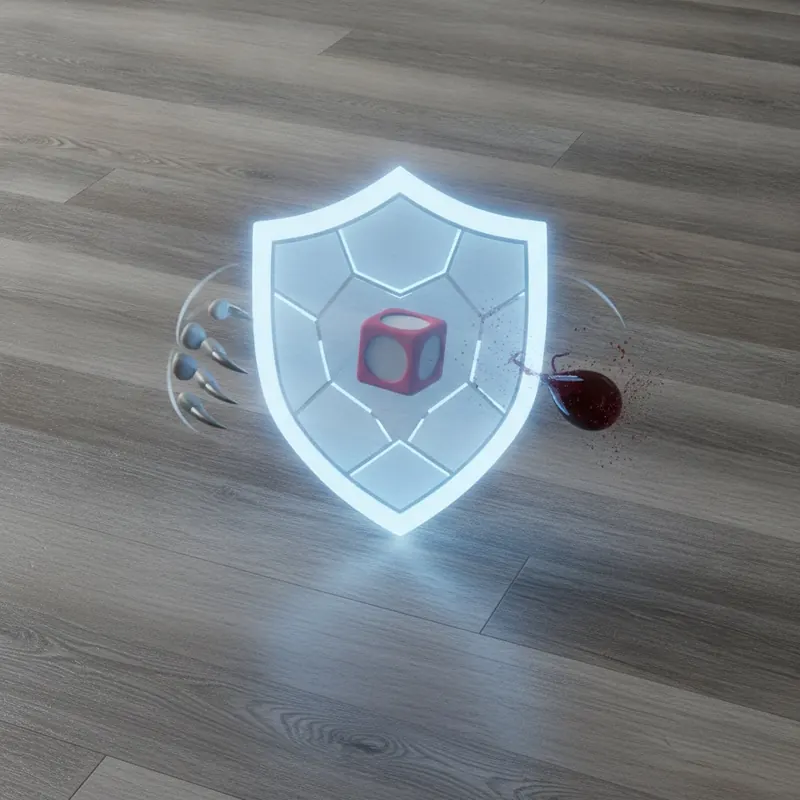
Think of it as an invisible shield engineered for extreme durability. The core purpose of this technology is to solve the most common homeowner pain points: scratches, stains, and premature wear in high-traffic areas. While the specific chemical composition of finishes like this is often a proprietary trade secret, its function is to create a hyper-resistant, non-porous surface that stands up to the rigors of a busy household.
One of the key manufacturers and an original source for this technology is TAS Flooring, which features the “Adamantine Finish™” on premium collections like their Ambiance line.[1] According to product specification sheets, this finish is explicitly designed to provide superior resistance against everyday damage, ensuring the floor’s underlying visual layer remains pristine. This technology is the answer for homeowners searching for truly durable flooring that doesn’t compromise on style.
Decoding Durability: What a Floor’s Specs Really Mean for Your Home
When you’re shopping for flooring, it’s easy to get lost in a sea of technical jargon. But understanding a few key industry ratings is the single best way to empower yourself to make a smart investment. These specifications aren’t just marketing terms; they are standardized measures of a floor’s resilience. Trusted home improvement authorities like Bob Vila often emphasize that these ratings are a homeowner’s best tool for predicting long-term performance.[2]
Here’s a breakdown of the most important durability specs to look for:
The Wear Layer: Your Floor’s First Line of Defense (Mil Thickness Explained)
For LVP and laminate flooring, the wear layer is everything. It’s a clear top coating that protects the photographic image layer (the part that looks like wood or stone) from scratches, scuffs, and stains. Its thickness is measured in mils (one-thousandth of an inch).
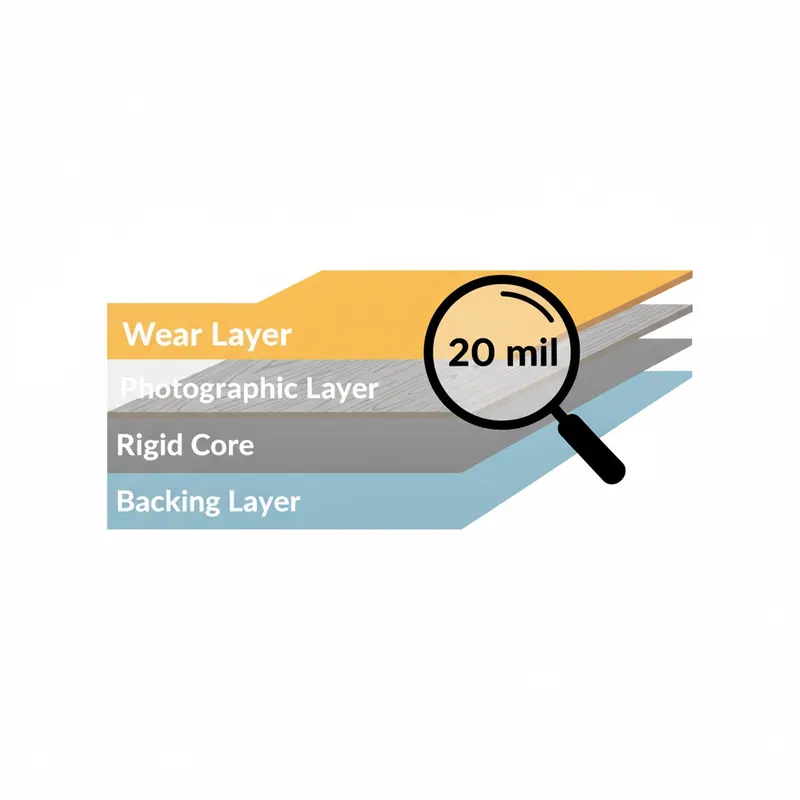
The thicker the wear layer, the more durable the floor. While a 6 or 8 mil wear layer might suffice for a low-traffic guest room, it won’t hold up in a busy entryway or kitchen. For maximum durability in a home with kids, pets, or high foot traffic, a wear layer of at least 20 mils is recommended.[5] A 12 mil layer is a decent minimum for moderate traffic areas, but for long-lasting, worry-free performance, 20 mils or more is the ideal target.
AC Ratings (Laminate): From Bedrooms to Businesses
Laminate flooring uses the Abrasion Class (AC) rating system to classify its durability. This scale, which ranges from AC1 to AC5, measures the floor’s resistance to abrasion, impact, stains, and burns. Understanding this rating is key to matching the right product to the right room.
- AC1: Suitable for very light, infrequent traffic, like a bedroom.
- AC2: Designed for general residential use with light traffic, such as a formal dining room.
- AC3: The standard for all-purpose residential use, durable enough for living rooms, hallways, and kitchens.
- AC4: Built for heavy residential traffic and can even handle light commercial use (e.g., a small office).
- AC5: The most durable rating, designed for heavy commercial traffic like department stores and public buildings.
For most homes, an AC3 or AC4 rating offers an excellent balance of durability and cost, ensuring the floor can handle the demands of a busy family.
PEI Ratings (Tile): A Guide to Hardness and Durability
If you’re considering porcelain or ceramic tile, the PEI rating is your go-to durability metric. Developed by the Porcelain Enamel Institute, this scale measures the hardness and durability of the tile’s glaze—its resistance to abrasion and foot traffic.
According to experts at publications like The Spruce, choosing the right PEI rating is essential for ensuring your tile doesn’t show wear patterns over time.[4]
- PEI Class 1: No foot traffic. Suitable for wall applications only.
- PEI Class 2: Light traffic. Best for bathroom walls or floors that are only used with soft footwear.
- PEI Class 3: Light to moderate traffic. Suitable for all residential areas, including countertops and floors.
- PEI Class 4: Moderate to heavy traffic. Excellent for all residential applications and can be used in some light commercial settings.
- PEI Class 5: Heavy to extra-heavy traffic. The most durable option, suitable for all residential and heavy commercial use.
For any floor in your home, you should look for a porcelain tile with a PEI rating of at least Class 3, with Class 4 and 5 offering the ultimate peace of mind.
The Ultimate Showdown: Adamantine Flooring vs. Other Durable Materials
Now that you can decode the specs, let’s see how flooring with an Adamantine finish stacks up against other top contenders for the “most durable” crown. It’s important to remember that true longevity isn’t just about the material itself; as flooring experts at retailers like Flooring America constantly remind customers, the quality of the subfloor preparation and installation is absolutely critical to the long-term performance of any floor.[3]
Here is a tiered breakdown of the most durable flooring options, considering their strengths and trade-offs.
Tier 1: Adamantine-Enhanced LVP & Laminate
Products featuring an advanced protective finish like Adamantine earn a top-tier spot because they combine the aesthetic appeal and comfort of LVP or laminate with near-tile-like scratch and stain resistance. These floors directly answer the question of how they compare to standard planks: the enhanced topcoat provides a measurable increase in durability. Many of these premium products come with a robust 20 mil wear layer, making them suitable not just for busy homes but even for light commercial applications.[5] This makes them an ideal choice for those who want the look of wood without the high maintenance.

Tier 1: Porcelain & Ceramic Tile
Often hailed as the king of durability, porcelain tile is the ultimate choice for anyone with large dogs, active kids, and a high-traffic home. Its incredible hardness comes from being fired at extreme temperatures (between 2,200 and 2,600°F), which creates a dense, non-porous material that is exceptionally resistant to scratches, water, and stains. A well-maintained porcelain tile floor can easily last 60 years or more, making it a true lifetime investment. The primary trade-offs are its hardness underfoot and its tendency to feel cold, which can be offset with area rugs or radiant floor heating.
Tier 2: SPC & High-Quality Luxury Vinyl Plank (LVP)
Modern luxury vinyl is a durability powerhouse, especially products with a Stone Plastic Composite (SPC) core. SPC flooring is more rigid and dent-resistant than traditional LVP, giving it an edge in demanding environments. While both are excellent low-maintenance flooring options, SPC is often considered more durable. Lifespan estimates reflect this, with SPC flooring lasting 20-30+ years, compared to 15-25 years for standard LVP. Flooring retailers like GoFlooring often recommend SPC as one of the best scratch-resistant flooring options available today.[6]
Tier 3: Solid & Engineered Hardwood
Nothing matches the timeless beauty and value-adding appeal of real hardwood. Its longevity is legendary, with solid hardwood floors capable of lasting 75-100+ years.[7] This incredible lifespan is thanks to its ability to be sanded down and refinished multiple times, effectively creating a brand-new surface every 10-20 years, a standard recognized by the National Wood Flooring Association.[7] Engineered hardwood has a shorter lifespan of 20-30 years as it has a thinner real wood veneer that can only be refinished once or twice, if at all. The trade-off for both is a higher susceptibility to scratches and dents compared to the other tiers, making it a choice that requires more mindful care.
The Financial Equation: Adamantine Flooring Cost vs. Lifetime Value
When considering a premium product, the question of cost is always front and center. While it’s difficult to isolate the exact price premium for the Adamantine feature itself—as it’s typically bundled into higher-end product lines—we can analyze the total cost of ownership.
A durable floor with an advanced finish may have a higher initial price per square foot than a basic builder-grade option. However, its true value is revealed over time. By resisting scratches, avoiding the need for premature replacement, and requiring minimal specialized maintenance, a high-durability floor can save you thousands of dollars over its lifespan.
To get a complete budget picture, you must factor in materials, underlayment, and professional installation. General installation costs can add significantly to the total, with authoritative sources like TaskRabbit showing a wide range based on material and location.[8]
Estimated Cost Comparison (200 sq. ft. Room – Materials Only)
- Standard LVP (12 mil): $600 – $1,200
- Adamantine-Enhanced LVP (20 mil+): $1,000 – $1,600
- Engineered Hardwood: $1,000 – $2,000
- Porcelain Tile: $800 – $2,400
While the upfront cost for an Adamantine-enhanced product may be 20-40% higher than a standard version, its superior longevity and resistance to damage mean you are investing in peace of mind and avoiding the much higher cost of early replacement.
The Floor Preservation Playbook: Keeping Your Floor Looking New for Decades
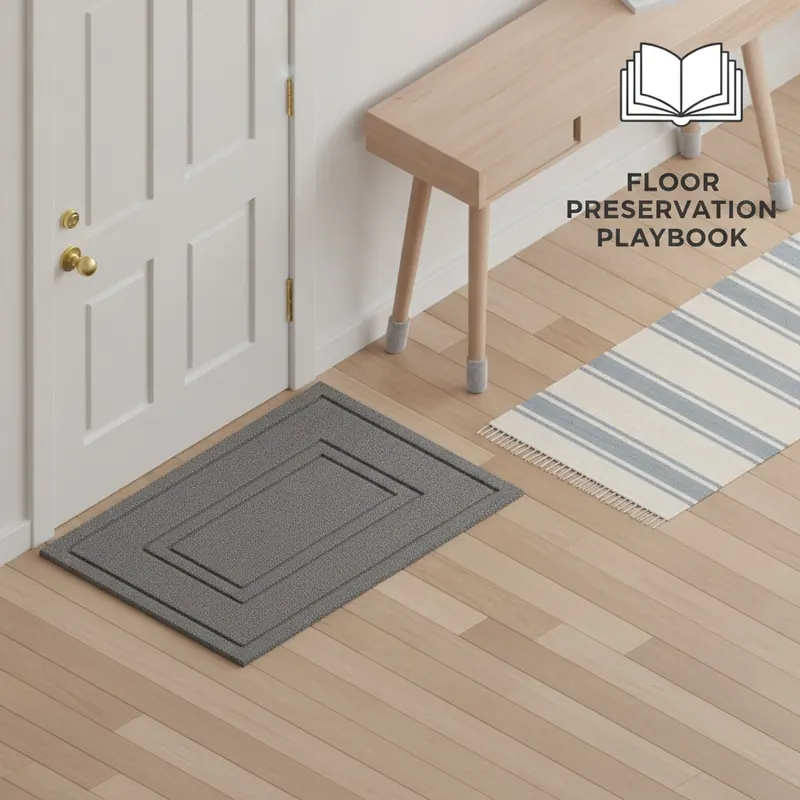
Choosing a durable material is only half the battle. The other half is proactive care. A consistent preservation strategy is the secret to keeping any floor looking new for years, solving the frustrating problems of scratched and scuffed floors and faded flooring color before they become major issues.
Proactive Protection: Your First Line of Defense
The easiest way to fix damage is to prevent it from ever happening.
- Furniture Pads: Place felt or rubber pads on the bottom of all furniture legs, especially chairs and tables that are moved frequently.
- Doormats: The importance of high-quality doormats cannot be overstated. Professional cleaners from services like Sunshine Interior Services emphasize that trapping dirt, grit, and moisture at the door is the number one way to protect your floors.[11] For maximum effect, experts recommend a three-part walk-off mat system for high-traffic entryways: an exterior grate, a drop-through mat in the vestibule, and at least 15 feet of interior matting to capture remaining soil.[12]
- Area Rugs: Use area rugs or runners in high-traffic zones like hallways, entryways, and in front of the kitchen sink.
DIY Repair Guide: Fixing Scratches, Scuffs, and Minor Damage
Even with the most durable floors, minor blemishes can happen. The key is knowing how to address them. For light surface scratches on LVP, laminate, or polyurethane-finished hardwood, a simple repair kit or wax pencil can often make them disappear.
Scratch Repair Diagnostic:
- Run your fingernail gently over the scratch. Can you feel it?
- If NO: It’s likely a surface-level scuff in the finish. Often, this can be buffed out with a soft cloth and an approved cleaning solution. For LVP, a tennis ball can sometimes erase scuff marks.
- If YES: It’s a true scratch that has penetrated the finish. For wood, a stain-matching touch-up marker or wax filler stick is the best solution. For LVP and laminate, a floor repair kit with color-matched putty can fill the scratch and make it virtually invisible. Always test repair products in an inconspicuous area first. For deep gouges, it’s best to consult a professional, as flooring experts like SVB Wood Floors note that improper repairs can sometimes worsen the damage.[9]
Battling the Sun: How to Prevent and Address Faded Flooring
Sunlight is one of the biggest culprits of faded flooring color. The ultraviolet (UV) rays can break down the chemical bonds in floor finishes and wood stains, causing discoloration. This damage can be significant, with some studies showing UV exposure can cause permanent fading that penetrates up to 3mm deep into the wood grain.[10]
Different wood species react to light differently. As flooring specialists at Naperville Hardwood explain, photosensitive woods like American Cherry and Brazilian Cherry will darken dramatically, while others like Oak will lighten or turn amber.[10]
How to Prevent Fading:
- UV-Blocking Window Film: This is one of the most effective solutions. Professionally applied films can block up to 99% of harmful UV rays without significantly darkening your rooms.
- Curtains and Blinds: Simply closing window treatments during the hours of most intense sunlight can make a huge difference.
- Rotate Rugs and Furniture: Periodically moving rugs and furniture will help the floor age evenly and prevent sharp lines of discoloration.
Conclusion: Is Adamantine Flooring the Right Investment for Your Home?
Choosing the right floor is about balancing aesthetics, budget, and lifestyle. For a discerning homeowner with kids, pets, or a high-traffic environment, investing in a premium, durable flooring with a protective finish like Adamantine is a decision that pays dividends in peace of mind and long-term value. It represents a strategic choice to prioritize resilience and low maintenance, ensuring your home’s foundation remains beautiful for decades, not just years.
Ultimately, flooring longevity is an equation: it’s one part advanced material science like Adamantine, one part understanding key durability specs like wear layers and AC ratings, and one part consistent, proper maintenance. By using this guide, you are now empowered to move past the marketing claims and make a confident, informed investment that you won’t regret.
Buyer’s Checklist for Your Showroom Visit:
- What is the wear layer thickness (in mils)? (Aim for 20+)
- What is the AC rating (for laminate)? (Aim for AC3+)
- What is the PEI rating (for tile)? (Aim for Class 3+)
- What does the manufacturer’s warranty cover, and for how long?
- What are the specific cleaning and maintenance recommendations for this product?
Ready to find the perfect indestructible floor for your home? Browse our collection of high-durability flooring options or contact one of our flooring experts today for a personalized consultation.
This article provides general guidance and cost estimates. Always consult manufacturer specifications for your specific flooring product. Test any cleaning or repair methods in an inconspicuous area first.
References
- TAS Flooring. (N.D.). Ambiance Collection. Retrieved from https://www.tasflooring.com/product/ambiance-collection
- Bob Vila. (N.D.). Ultra-Durable Flooring Options. BobVila.com.
- Flooring America. (N.D.). Most Durable Flooring Options. FlooringAmerica.com.
- The Spruce. (N.D.). Types of Flooring. TheSpruce.com.
- Consumer Reports. (N.D.). Best Flooring for High-Traffic Areas. ConsumerReports.org.
- GoFlooring. (N.D.). Best Scratch-Resistant Flooring. GoFlooring.com.
- National Wood Flooring Association (NWFA). (N.D.). Consumer Guides. NWFA.
- TaskRabbit. (N.D.). Cost Guides: Flooring Installation. Retrieved from https://www.taskrabbit.com/cost-guides/flooring-installation
- SVB Wood Floors. (N.D.). How to Remove Scratches from Wood Floors. Retrieved from https://www.svbwoodfloors.com/blog/how-to-remove-scratches-from-wood-floors
- Naperville Hardwood. (N.D.). Sunlight and Fading Hardwood Floors. Retrieved from https://napervillehardwood.com/blog/sunlight-and-fading-hardwood-floors
- Sunshine Interior Services. (N.D.). How to Maintain Flooring to Keep It Looking New Longer. Retrieved from https://www.sunshineinteriorservices.com/how-to-maintain-flooring-to-keep-it-looking-new-longer
- New York State Office of General Services. (2021). Floor Care Training Manual. Retrieved from https://ogs.ny.gov/system/files/documents/2021/03/floor-care-training-manual-final-part-1-and-2.pdf