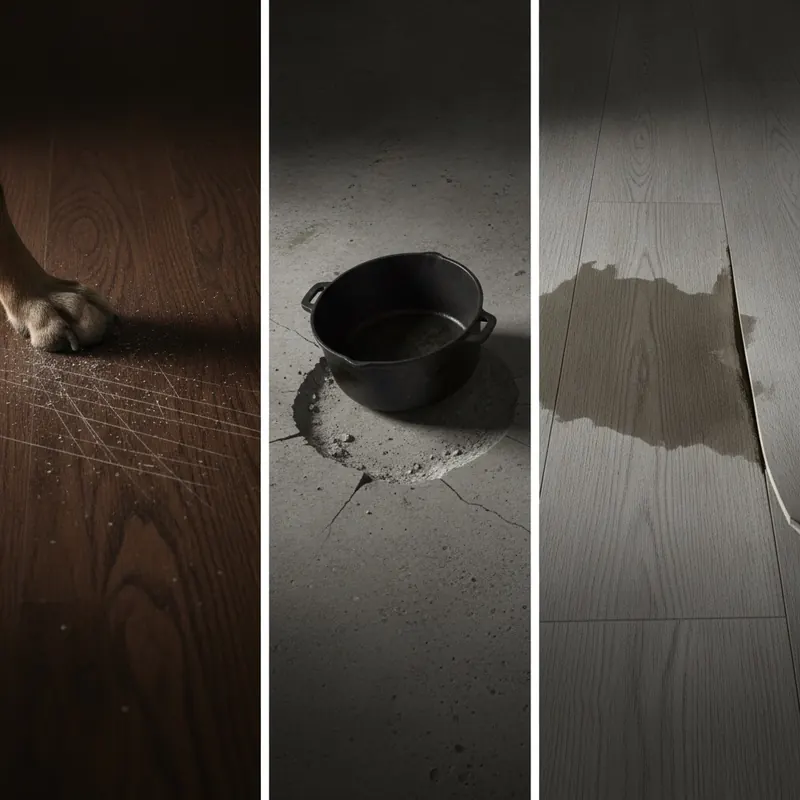
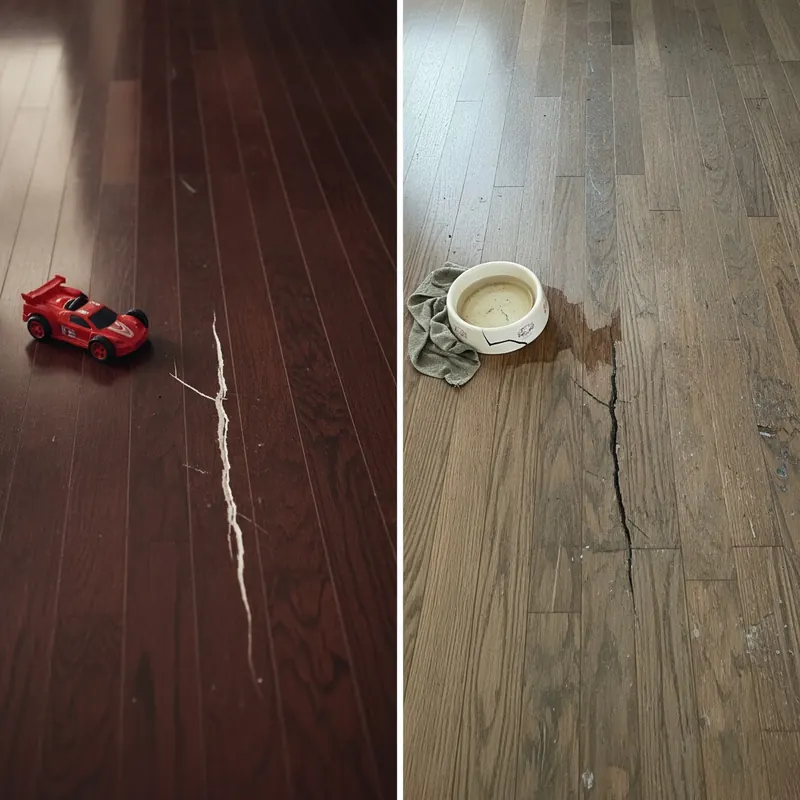
The moment has arrived. You’re standing in a showroom, surrounded by a sea of flooring samples, or scrolling endlessly through options online. The anxiety is palpable. You’re not just choosing a color or a style; you’re making a multi-thousand-dollar investment in your home’s future. For a busy family with kids, pets, and the beautiful chaos they bring, this decision feels monumental. Will this gorgeous hardwood be covered in scratches in six months? Will that trendy tile crack the first time a toy is dropped?
This is where the philosophy of ‘Adamantine Flooring’ comes in. It’s not a brand. It’s a standard—a new way of thinking about your home’s foundation. It’s about choosing a floor that is truly life-proof, one that resists the daily onslaught of spills, paws, and play, and doesn’t become a source of constant worry.
This guide moves beyond simple pros and cons. We will provide a data-driven framework to help you make a confident, long-term decision. We’ll decode the true meaning of durability by differentiating between Everyday Resilience (resistance to scratches and spills) and Generational Longevity (the material’s total lifespan). By the end, you’ll be empowered to choose the perfect floor for your family, your budget, and your lifestyle—not just for today, but for the decade ahead.
- What is ‘Adamantine Flooring’? A Philosophy for Indestructible Homes
- Decoding Durability: Everyday Resilience vs. Generational Longevity
- The Ultimate Material Showdown for Busy Family Homes
- The Pet & Kid Scratch Test: A Visual Guide to Wear and Tear
- The Maintenance Equation: A Showdown of High vs. Low Upkeep Floors
- Beyond the Floor Itself: Critical Factors Most Guides Miss
- FAQ: Your Top Questions About Durable & Family-Friendly Flooring
- Conclusion: Make a Confident Choice for a Life-Proof Home
- References & Authoritative Sources
What is ‘Adamantine Flooring’? A Philosophy for Indestructible Homes
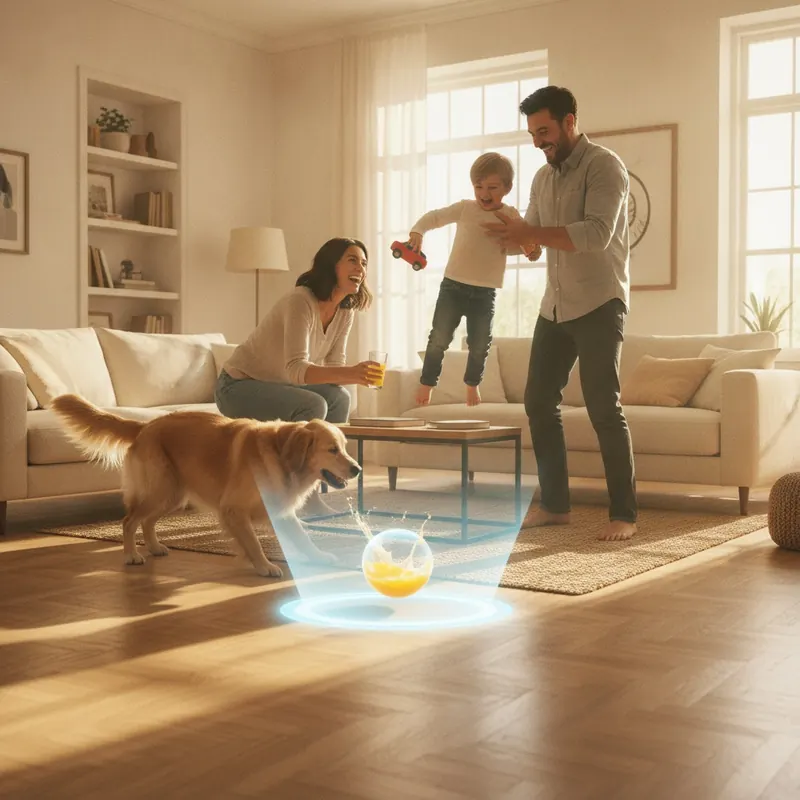
‘Adamantine Flooring’ is a mindset for selecting flooring that possesses an unyielding, diamond-like strength against the realities of a busy household. It’s about prioritizing materials that offer the ultimate combination of durability, low maintenance, and resilience. It means choosing a floor that lets you live your life without constantly worrying about the next scuff, spill, or stain.
This philosophy is built on evaluating every option against the core factors that matter most to a family:
- Durability: How well does it stand up to scratches, impacts, and high traffic?
- Maintenance: How much time and effort will you spend cleaning and maintaining it?
- Comfort: Is it comfortable to walk, stand, and play on?
- Style: Does it achieve the aesthetic you want for your home?
- Budget: Does it provide the best long-term value for your investment?
By adopting this standard, you shift your focus from “what looks nice now” to “what will perform beautifully for years to come,” ensuring your home’s foundation is as strong as your family.
Decoding Durability: Everyday Resilience vs. Generational Longevity
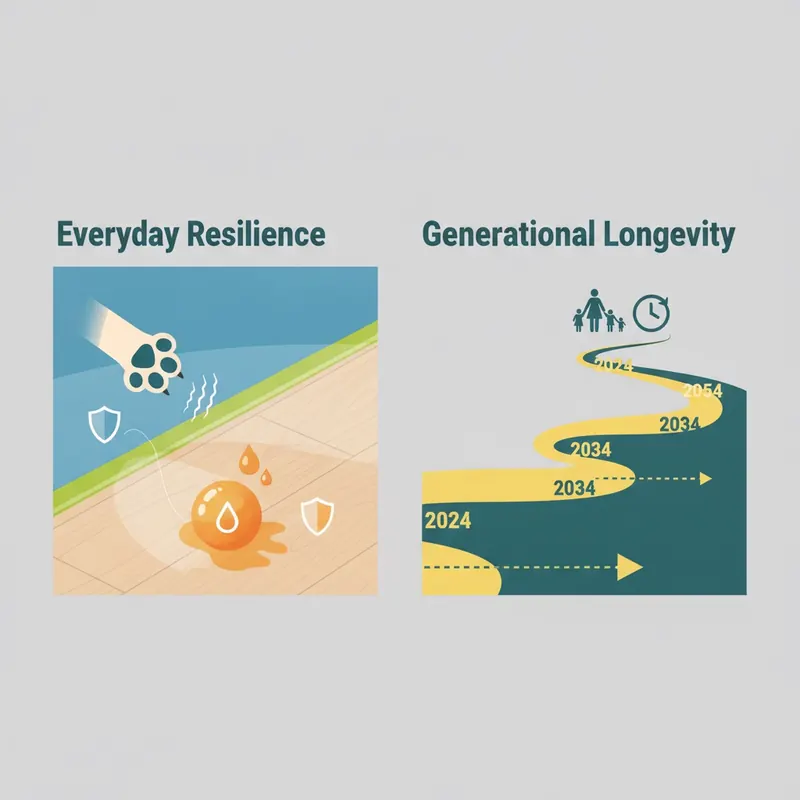
The word “durable” is the most overused and misunderstood term in the flooring industry. To make a truly informed choice, you must understand its two distinct forms. This distinction is central to the Adamantine Flooring philosophy.
Everyday Resilience is about surviving the daily grind. It’s a floor’s ability to resist scratches from dog nails, dents from dropped toys, stains from spilled juice, and the constant wear of foot traffic. This is the type of durability that impacts your stress levels on a day-to-day basis. Materials that excel here are often engineered with protective top layers and robust core structures.
Generational Longevity refers to the material’s total potential lifespan. How many decades can this floor last under ideal conditions? This is about the fundamental integrity of the material itself. While a floor might have incredible longevity, it may not have great everyday resilience (e.g., a soft natural stone that can last a century but scratches easily).
According to data-driven testing from organizations like Consumer Reports, these two concepts are not always the same.[1] An experienced flooring professional will tell you that some floors look fantastic for five years before showing significant wear, while others are designed to last for 30 years or more with proper care.[2] For example, porcelain tile can last for an incredible 60 years or more, making it a champion of generational longevity. In contrast, a high-quality Luxury Vinyl Plank (LVP) typically lasts 10 to 20 years, but its performance in everyday resilience against scratches and water is often superior to many longer-lasting materials.
Understanding this trade-off is the key to choosing the right floor for your specific needs.
The Ultimate Material Showdown for Busy Family Homes
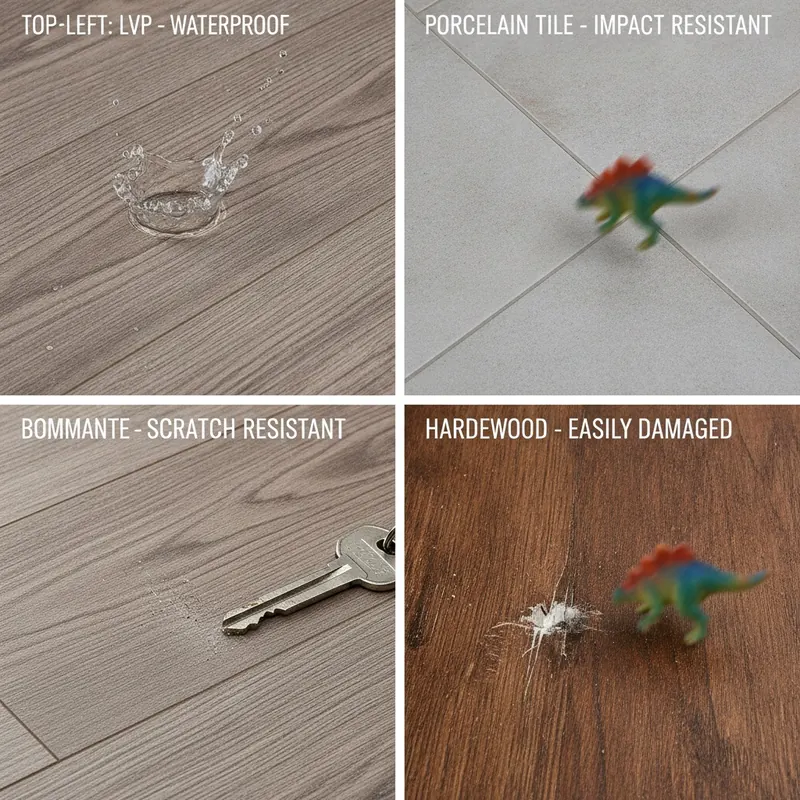
Now, let’s put the top flooring contenders to the test using our Adamantine framework. To make this easy to visualize, we’ve created the Family Flooring Decision Matrix. Each material is scored on a 1-5 scale (1=Poor, 5=Excellent) across the criteria that matter most to a busy family.
Family Flooring Decision Matrix
| Flooring Material | Scratch Resistance | Water Resistance | Comfort & Warmth | Maintenance | Budget |
|---|---|---|---|---|---|
| Luxury Vinyl Plank (LVP) | 5 | 5 | 4 | 5 | 4 |
| Porcelain/Ceramic Tile | 4 | 5 | 2 | 4 | 3 |
| Laminate Flooring | 5 | 3 | 3 | 4 | 5 |
| Solid Hardwood | 2 | 2 | 4 | 2 | 2 |
Top Contender: Luxury Vinyl Plank (LVP) – The All-Round Champion
For most families, LVP is the undisputed champion of Adamantine Flooring. It masterfully balances everyday resilience, style, and value. Its secret lies in its multi-layered construction: a stable backing, a rigid waterproof core, a high-definition print layer, and a transparent, all-important wear layer.
The wear layer is the key to its resilience. This top coating is what stands between your floor and the daily chaos of life. For homes with kids and pets, flooring experts at sources like Heritage Floors recommend a wear layer of at least 12-mil for moderate traffic areas, and ideally 20-mil for the highest traffic zones like entryways and kitchens.[3]
Why is LVP the top recommendation from flooring retailers like Royal Flooring for families?[4] It’s simple: LVP is virtually waterproof, highly scratch-resistant, easy to clean, and convincingly mimics the look of real wood or stone without the associated maintenance headaches.
The Longevity King: Porcelain & Ceramic Tile
When it comes to pure, unadulterated generational longevity, nothing beats tile. Fired at temperatures between 2,200 and 2,600 degrees Fahrenheit, porcelain tile is incredibly dense, hard, and impervious to water, making it the perfect choice for bathrooms, kitchens, and mudrooms. A properly installed tile floor can easily last 60 years or more.
However, its strengths in longevity come with trade-offs in family comfort. Tile is hard and cold underfoot, which can be unforgiving for toddlers and uncomfortable to stand on for long periods. Furthermore, while the tiles themselves are low-maintenance, the grout lines are not. Grout is porous and can absorb stains, requiring regular sealing and deep cleaning to keep it looking fresh—a significant pain point often overlooked in maintenance discussions.
Laminate Flooring: The Budget-Friendly Contender
Laminate flooring often looks very similar to LVP and is a strong contender for scratch resistance, sometimes even outperforming vinyl. Its primary advantage is often its lower price point, making it a budget-friendly choice. So, how does it differ from LVP?
The critical difference lies in its core. As experts at The Spruce explain, laminate is typically made with a high-density fiberboard (HDF) core, which is essentially a wood byproduct.[5] While LVP has a solid vinyl or stone-plastic composite core, laminate’s HDF core is susceptible to water damage. If water seeps through the seams, the core can swell and warp permanently. While many modern laminates are marketed as “water-resistant,” they are not truly waterproof like LVP, making them a riskier choice for kitchens, bathrooms, and basements.
Classic Hardwood: Beauty, Value, and Vulnerability
There is no denying the timeless beauty and value-add of solid hardwood floors. They are warm, classic, and can last a lifetime because they can be sanded and refinished multiple times. However, for a busy family, hardwood’s vulnerability to scratches and water damage is a major concern. With homeowners spending an average of almost $4,500 on installation, according to home improvement industry data, protecting that investment is paramount.
The key to living with hardwood is choosing the right species. The Janka hardness scale measures a wood’s resistance to denting and wear.[6] Softer woods like Pine or Cherry will show damage much more easily than harder species like Hickory, White Oak, or Brazilian Cherry.
Even with a hard species, prevention is crucial. Wood care specialists like Portercraft emphasize the non-negotiable use of felt pads on all furniture, area rugs in high-traffic zones, and diligent nail trimming for pets.[7]
The Pet & Kid Scratch Test: A Visual Guide to Wear and Tear
Is any floor truly “scratch-proof”? The short answer is no. But “scratch-resistant” is a meaningful quality, and it varies dramatically between materials.
Imagine dragging a metal key firmly across four sample planks:
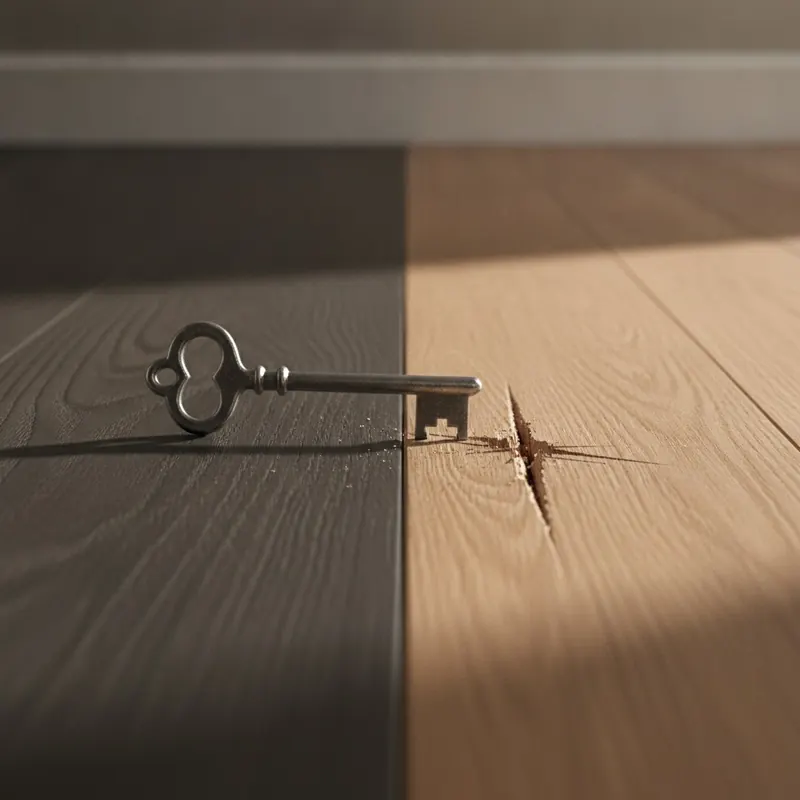
- Solid Hardwood (Oak): A visible, permanent scratch is almost certain.
- Laminate: The tough top coating will likely resist the key, showing little to no damage.
- LVP (12-mil wear layer): It will likely resist a light pass but may show a faint line under heavy pressure.
- LVP (20-mil wear layer): This commercial-grade layer will almost certainly fend off the scratch without a trace.
This demonstrates why a thick wear layer on LVP and the tough aluminum oxide finish on laminate are so critical for everyday resilience.
It’s also important to understand the difference between acceptable wear and tear and actual damage, a crucial distinction for both homeowners and renters. Authoritative property management resources like Avail (part of Realtor.com) provide clear guidelines:[8]
- Normal Wear & Tear: Minor scuffs from shoes, faint surface-level scratches in the finish, and gentle fading in sunny areas. This is the expected, gradual decline of a surface from normal use.
- Damage: Deep gouges that penetrate the finish and wood/vinyl, significant water stains and warping, or large chips and cracks in tile. This is the result of negligence or accident and goes beyond normal use.
Adding another layer of expertise, veterinary professionals consistently advise that keeping your dog’s nails properly trimmed is one of the most effective ways to prevent deep scratches on any floor surface.
How to Fix Scratched Hardwood Floors: A Triage Guide
If you already have scratched hardwood, don’t despair. The right fix depends on the severity of the damage.
- Level 1: Minor Scuffs (DIY Fixes): For light surface scratches that haven’t broken through the polyurethane finish, a simple cleaning and polishing can often hide them. Products like wood floor restorers can also fill in microscopic scratches to restore sheen.
- Level 2: Deeper Scratches (Repair Kits): For scratches that have removed the color but not deeply gouged the wood, you can use a wood stain marker or a wax repair kit. As demonstrated in how-to videos from wood care experts like Portercraft, the key is to match the color carefully and build it up in thin layers.[7]
- Level 3: Major Gouges (Professional Refinishing): For deep gouges, widespread scratching, or water damage, the only solution is to call a professional. A floor refinisher will sand the entire surface down to bare wood, removing all damage, and then re-stain and re-seal it. This process can make your floors look brand new but can be costly and disruptive.
The Maintenance Equation: A Showdown of High vs. Low Upkeep Floors
The time you spend cleaning is time you’re not spending with your family. Choosing a low-maintenance floor is one of the best gifts you can give your future self.
High vs. Low Maintenance Showdown
| Factor | High-Maintenance (e.g., Marble) | Low-Maintenance (e.g., LVP) |
|---|---|---|
| Daily Cleaning | Requires special pH-neutral cleaner. Dust mopping is essential to prevent scratching. | Simple sweep or vacuum. Damp mop with a basic cleaner. |
| Deep Cleaning | Professional cleaning and polishing may be needed. | Damp mopping is usually sufficient. |
| Sealing Required | Yes, must be sealed every 6-12 months to prevent staining. | No sealing ever required. |
| Stain Risk | Extremely high. Acidic spills (wine, juice) can permanently etch the surface. | Extremely low. Spills sit on the surface and wipe away easily. |
Professional cleaning services agree that LVP and laminate are among the easiest floors to maintain. A key tip they offer is to choose a floor with a multi-tonal color variation or a subtle pattern. These designs are brilliant at hiding dust, pet hair, and minor debris, meaning your floor looks cleaner for longer between sweepings.
Beyond the Floor Itself: Critical Factors Most Guides Miss
Choosing the right material is only half the battle. To ensure true longevity and satisfaction, you must consider these often-overlooked factors.
- Subfloor and Installation: Even the most expensive flooring will fail if the subfloor isn’t perfectly flat and stable. Flooring installers from reputable companies like Floor Coverings International stress that improper subfloor preparation is the number one cause of flooring failure, leading to bouncing, squeaking, and separating planks.[9] Professional installation is a critical investment in your floor’s longevity.
- Sound Properties: Have you ever noticed the loud “clicking” sound of a dog’s nails on a laminate floor? This is a common complaint. LVP, especially models with an attached cork or foam underlayment, tends to be much quieter and absorbs more sound, creating a more peaceful home environment.
- Understanding Your Warranty: A “lifetime residential warranty” sounds amazing, but you need to read the fine print. Often, these warranties cover only manufacturing defects and not wear and tear. They are almost always voided by improper installation or the use of unapproved cleaning products. A strong warranty is a good sign, but it’s not a substitute for choosing a high-quality, resilient material in the first place.
FAQ: Your Top Questions About Durable & Family-Friendly Flooring
Is carpet a good choice for playrooms?
Carpet is soft and warm, making it the most comfortable surface for play and cushioning falls. However, it traps allergens like dust, dander, and pollen, and is notoriously difficult to clean after spills, making it a less-than-ideal choice for children with allergies or for homes aiming for low maintenance.
What’s the best flooring for a crawling baby?
For a crawling baby, the priorities are safety, cleanability, and indoor air quality. A smooth surface like LVP is ideal because it’s easy to sanitize and doesn’t have grout lines that can trap germs. Look for flooring with a FloorScore® certification, which ensures it has low VOC (Volatile Organic Compound) emissions for healthier air.
Is more expensive flooring always more durable?
Not necessarily. Value comes from matching the right material to your specific needs. An expensive, soft hardwood floor will be far less durable in a house with large dogs than a mid-priced, high-quality LVP. The most durable floor is the one that best resists the specific challenges your family will throw at it.
How important is professional installation for longevity?
It is critically important. As mentioned earlier, subfloor issues and improper installation techniques are the leading causes of flooring problems. Professional installation ensures your warranty remains valid and that your floor performs as it was designed to for its full lifespan.
Conclusion: Make a Confident Choice for a Life-Proof Home
Choosing a new floor for your busy family doesn’t have to be a source of anxiety. The key is to move beyond marketing claims and adopt the Adamantine Flooring philosophy. By understanding the crucial difference between Everyday Resilience and Generational Longevity, you can analyze your options with clarity and purpose.
You are now armed with a framework to evaluate materials based on how you actually live. You know that for the daily battle against scratches and spills, LVP and laminate are top contenders. For ultimate, decades-long durability, tile is king. And for the timeless beauty of wood, choosing a harder species on the Janka scale is non-negotiable.
With this knowledge, you can confidently select a floor that not only looks beautiful but also fits your family’s unique needs, freeing you to enjoy your home without worry. You can make a smart, long-term investment that will serve as the strong, resilient, and beautiful foundation for your family’s life for years to come.
Feeling confident about your choice? Download our free ‘Family Flooring Decision Checklist’ to take with you on your shopping trip.
Disclaimer: This article provides general guidance. When discussing topics like ‘wear and tear’ in a rental context, it is not a substitute for legal advice. Always consult with a qualified professional for specific legal or installation concerns.
References & Authoritative Sources
- Consumer Reports. (N.D.). Flooring Buying Guide. Retrieved from consumerreports.org.
- Creative Carpet Inc. (N.D.). Flooring Blog and Expertise. Based on “35 Years of Real-World Testing” insights. Retrieved from creativecarpetinc.com.
- Heritage Floors. (N.D.). Flooring Advice Blog. Retrieved from heritagefloorspa.com.
- Royal Flooring. (N.D.). Flooring Blog. Retrieved from shoproyalflooring.com.
- The Spruce. (N.D.). Home and Lifestyle Publications on Flooring. Retrieved from thespruce.com.
- National Wood Flooring Association (NWFA). (N.D.). Official Janka Hardness Ratings.
- Portercraft. (N.D.). Wood Care and Repair Guides. Retrieved from portercraft.com.
- Avail (part of Realtor.com). (N.D.). Landlord and Tenant Resources on Wear and Tear. Retrieved from avail.com.
- Floor Coverings International. (N.D.). Flooring Expertise Blog. Retrieved from floorcoveringsinternational.com.