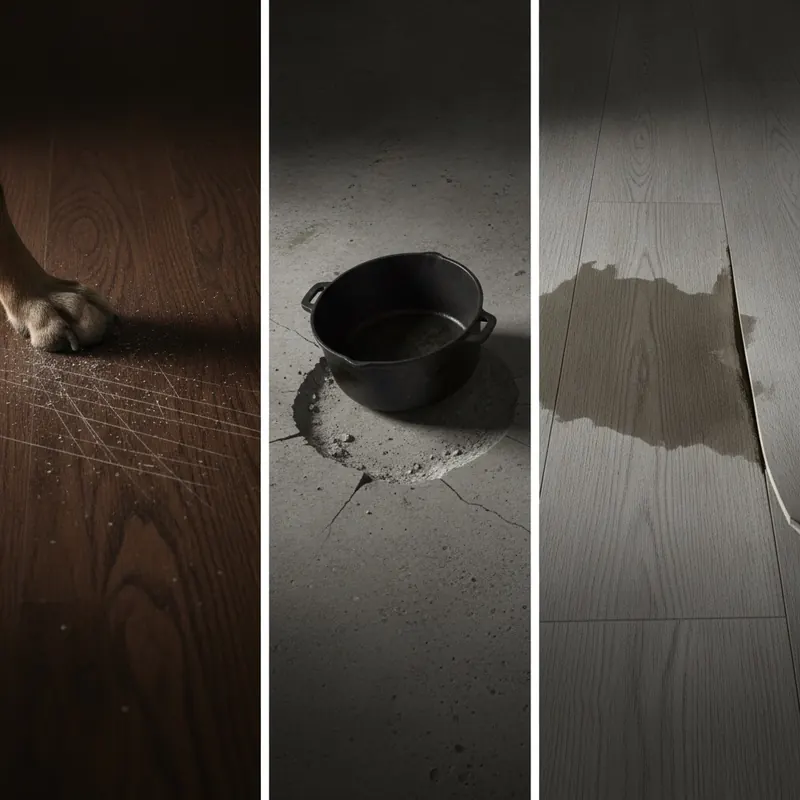
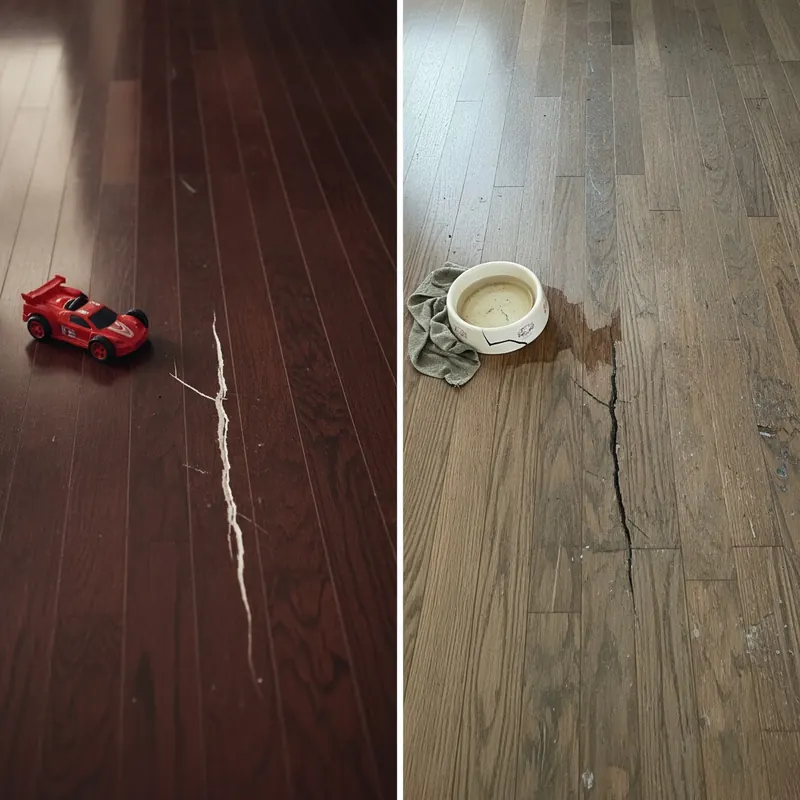
Have you ever searched for “Adamantine Flooring,” hoping to find a material forged in myth, something utterly indestructible for your home or business? You’re not alone. The search for a truly life-proof floor—one that resists the daily onslaught of dropped keys, scraping chairs, pet claws, and heavy foot traffic—is a modern quest. While you won’t find a flooring product literally named “Adamantine,” the concept it represents is very real: the desire for ultimate durability.
This is your definitive, science-backed guide to finding that standard of strength in the real world. We’re moving beyond vague marketing terms and generic lists to give you the expert framework for choosing a floor that stands up to life’s demands. We will decode the science of durability, put the top materials in a head-to-head showdown, solve the frustrating problem of chipped edges, and give you application-specific advice to ensure you make a lasting investment.
- What is ‘Adamantine Flooring’? Decoding the Search for Indestructible Floors
- The Science of Durability: How Flooring is Truly Rated for Toughness
- The Contenders: Comparing the Most Durable Flooring Materials
- The Ultimate Durability Challenge: Finding Flooring That Doesn’t Chip
- Application Guide: Matching the Right Heavy-Duty Floor to Your Space
- Protecting Your Investment: A Guide to Flawless Installation & Maintenance
- Frequently Asked Questions About Durable Flooring
- The Adamantine Standard: Your Path to a Forever Floor
- Authoritative Sources & References
What is ‘Adamantine Flooring’? Decoding the Search for Indestructible Floors
Let’s address the core question directly: “Adamantine Flooring” is not an actual product you can buy. The term “adamant” originates from ancient mythology, referring to a legendary, unbreakable substance—the material of choice for the weapons and armor of gods. When you search for it, you’re tapping into this powerful idea, looking for the strongest, most durable flooring imaginable.
Instead of dismissing the term, we embrace it. We’ve established the “Adamantine Standard”—a set of rigorous, real-world criteria that a floor must meet to be considered truly heavy-duty, chip-resistant, and life-proof. Throughout this guide, we will use this standard to measure and compare actual flooring materials. By understanding the science behind what makes a floor tough, you can find a product that lives up to the legendary name.

The Science of Durability: How Flooring is Truly Rated for Toughness
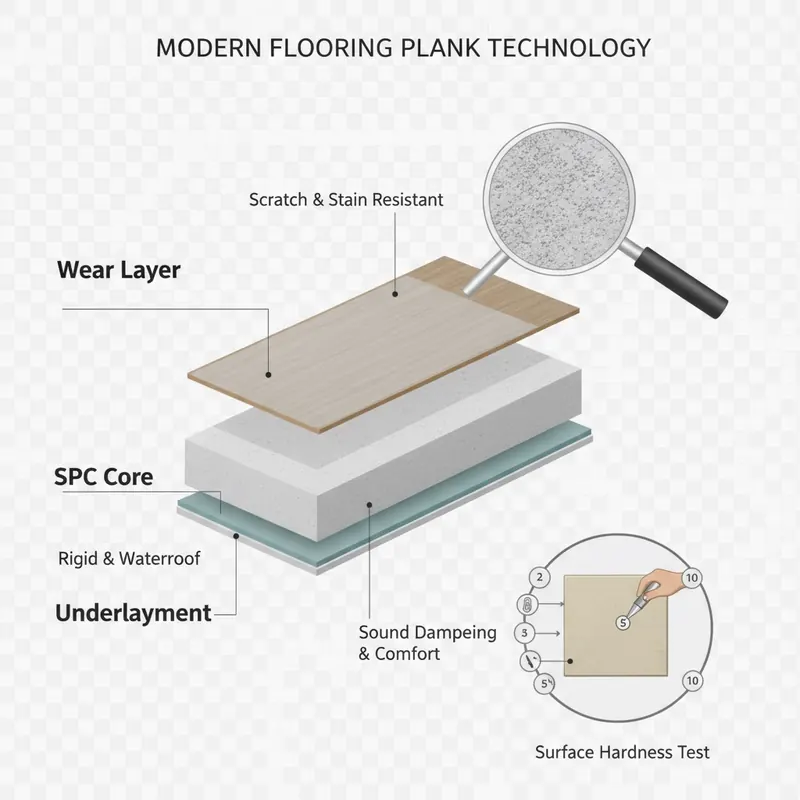
To find a floor that meets the Adamantine Standard, you must look past marketing hype and learn to speak the language of durability. Flooring experts and material scientists use standardized tests and rating systems to objectively measure a material’s toughness. Understanding these metrics is the single most important step in making an informed decision.
Scratch & Abrasion Resistance: AC Ratings and the Mohs Scale
A floor’s ability to resist surface wear, from dragging furniture to grit on the bottom of shoes, is its first line of defense.
- AC (Abrasion Class) Rating: Primarily used for laminate and some luxury vinyl flooring, the AC rating measures resistance to abrasion, impact, stains, and burns. The scale, established by organizations like the Resilient Floor Covering Institute (RFCI)[1], is simple: the higher the number, the more durable the floor. Laminate flooring AC ratings range from AC1 (light residential use) to AC5 (heavy commercial use). For any high-traffic area, you should look for a rating of at least AC4.
- Mohs Scale of Hardness: For tile, durability is often measured by the Mohs scale, which rates the ability of one mineral to scratch another on a scale of 1 (Talc) to 10 (Diamond). Porcelain tile, one of the hardest flooring materials available, typically scores between 7 and 9 on the Mohs scale, making it extremely scratch-resistant.
Impact & Dent Resistance: SPC Cores and Janka Hardness
Impact resistance measures how well a floor withstands dropped objects and the crushing weight of heavy furniture.
- SPC vs. WPC Cores: In the world of Luxury Vinyl Plank (LVP), the core composition is critical. SPC (Stone Plastic Composite) cores are rigid and dense, making them significantly more resistant to dents and impacts from heavy objects compared to their more flexible WPC (Wood Plastic Composite) counterparts.
- Janka Hardness Test: For solid hardwood, the Janka test is the industry standard. It measures the force required to embed a 0.444-inch steel ball halfway into a sample of wood. While hardwood is not a top contender for “adamantine” status due to its susceptibility to scratches and water, the Janka rating is a crucial metric for its durability.
Water & Chemical Resistance: Wear Layers and Absorption Rates
A truly “life-proof” floor must handle spills without staining, swelling, or degrading.
- The Wear Layer: This is the top, transparent coating on vinyl and laminate flooring that provides protection. Its thickness is measured in mils (1/1000th of an inch). For high-traffic residential or light commercial use, a wear layer of 20 mil or higher is recommended.
- Water Absorption Rate: This is especially important for tile. According to the Tile Council of North America (TCNA), porcelain tile is defined by its extremely low water absorption rate of 0.5% or less[2]. This makes it virtually waterproof and an excellent choice for bathrooms, kitchens, and basements.
- Chemical Resistance: For industrial settings, resistance to harsh chemicals is paramount. Seamless flooring like urethane concrete can withstand extreme temperatures and chemical spills, a key point highlighted by authorities like The Concrete Network[3].
The Contenders: Comparing the Most Durable Flooring Materials
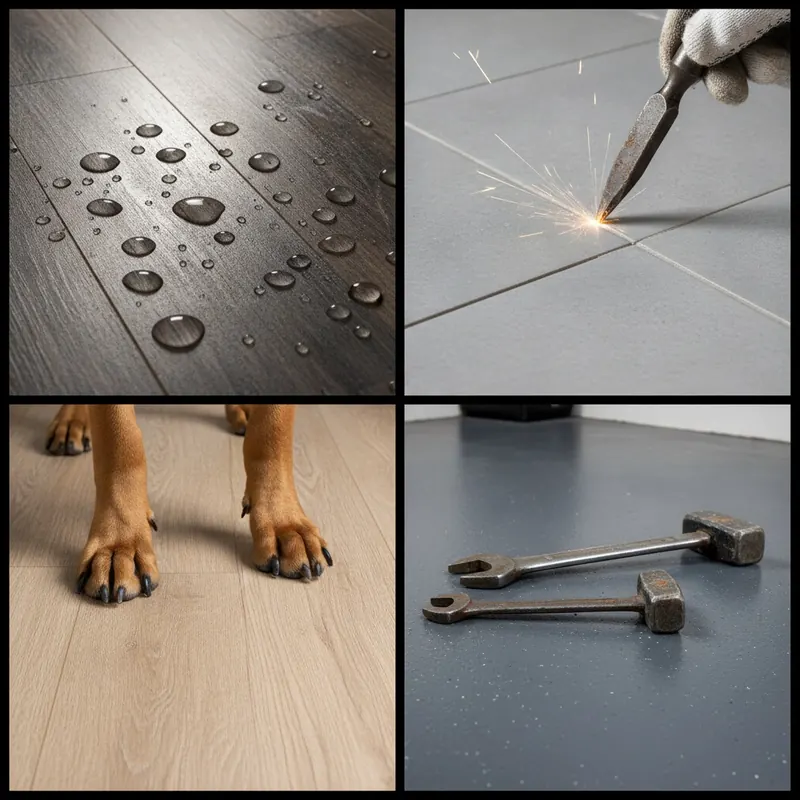
Now that we understand the science, let’s see how the top materials stack up against the Adamantine Standard. We’ve evaluated the leading options based on scratch resistance, impact strength, water resistance, and the all-important resistance to chipping.
1. Luxury Vinyl Tile/Plank (LVT/LVP): The ‘Life-Proof’ All-Rounder
For most residential and many commercial applications, modern LVP with an SPC core is the undisputed champion of well-rounded durability. Its layered construction is engineered to handle the chaos of daily life.
- Why it excels: Its flexible PVC composition makes it naturally resistant to chipping and cracking. The high-density SPC core provides excellent dent resistance, while a thick (20 mil+) wear layer coated with aluminum oxide fends off scratches. It is 100% waterproof, making it suitable for any room. As noted by the Resilient Floor Covering Institute (RFCI), this engineered resilience is what sets it apart[1].
- Best for: Busy homes with kids and pets, kitchens, basements, and light-to-medium commercial spaces like offices and boutiques.
2. Porcelain Tile: The Undisputed King of Hardness
When it comes to sheer surface hardness and scratch resistance, nothing beats porcelain tile. Its incredibly dense body and high Mohs rating make it a fortress for your floor.
- Why it excels: It is virtually scratch-proof to everyday traffic, waterproof, and stain-proof. For maximum durability, choose through-body porcelain, where the color and composition are consistent throughout the tile. The TCNA notes that with through-body tile, if a chip were to occur, it would be much less visible because the color underneath is the same as the surface[2]. For high-traffic areas, look for a PEI rating of 4 or 5, which is suitable for heavy commercial traffic.
- Best for: Entryways, kitchens, bathrooms, commercial lobbies, and any area where extreme scratch resistance is the top priority.
3. High-Performance Laminate (AC4+): The Scratch-Resistant Challenger
Laminate flooring has evolved dramatically. Once seen as a budget option with a weakness to water, modern high-performance laminate is a serious contender, especially for scratch resistance.
- Why it excels: Its top layer is exceptionally hard, often earning it a higher AC rating (AC4 or AC5) for abrasion than comparable LVP products. Many modern laminate lines now feature enhanced water-resistant cores and edge coatings, making them suitable for kitchens and other damp areas. According to the World Floor Covering Association (WFCA), these technological advancements have significantly closed the durability gap with other flooring types[11].
- Best for: Homes with pets that have sharp claws, high-traffic living areas, and anyone prioritizing scratch resistance on a budget.
4. Epoxy & Urethane Coatings: The Industrial-Grade Solution
For the most demanding environments like garages, workshops, and commercial facilities, a seamless, poured-in-place floor offers a unique form of durability.
- Why it excels: A monolithic epoxy or urethane floor has no seams, grout lines, or edges—the most common failure points. This completely eliminates the possibility of edge chipping. These coatings create an incredibly hard, non-porous surface that is highly resistant to chemicals, heavy impacts, and abrasion from vehicles and machinery. The American Concrete Institute (ACI) provides standards for these high-performance systems, which can support rolling loads of over 50,000 lbs[3].
- Best for: Garages, commercial kitchens, warehouses, auto shops, breweries, and basements.
The Ultimate Durability Challenge: Finding Flooring That Doesn’t Chip
One of the most common and frustrating flooring failures is the dreaded chipped edge. A small chip on a tile or plank can ruin the look of an entire floor. Preventing this problem requires understanding its root causes and making smart choices in both materials and installation.
Why Edges Chip: The 3 Main Culprits
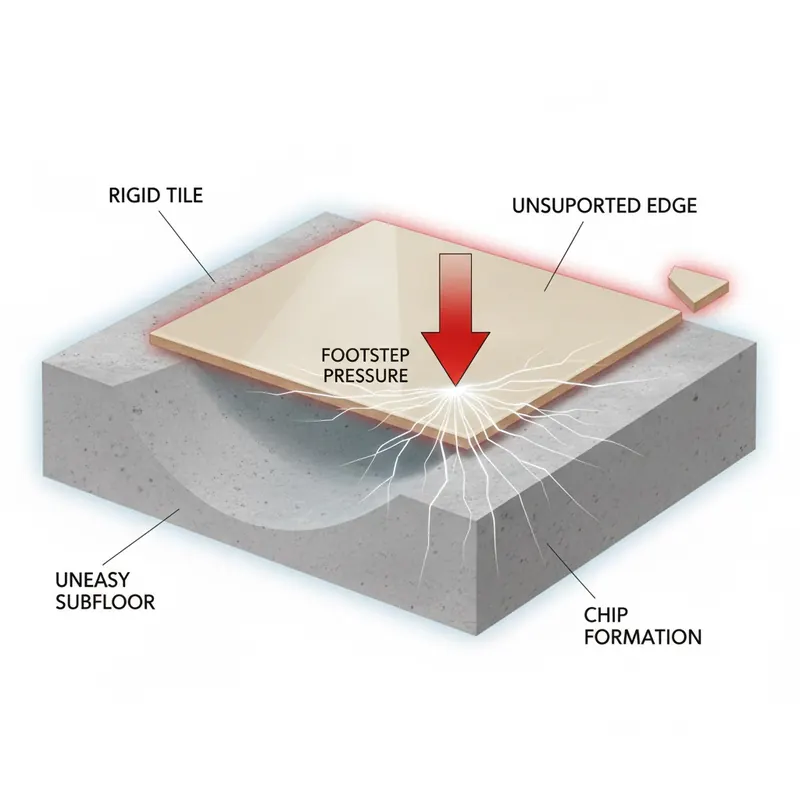
Chipping is rarely a random event. It’s almost always a symptom of an underlying issue.
- Uneven Subfloors: This is the #1 cause. If your subfloor has high or low spots, rigid flooring like tile or laminate will flex when walked on. This stress concentrates at the edges and corners, leading to micro-cracks and, eventually, chips.
- Installation Errors: For tile, insufficient mortar coverage under the corners leaves them unsupported and vulnerable. For floating floors, not leaving a proper expansion gap around the perimeter can cause planks to buckle and press against each other, stressing the edges.
- Brittle Materials: Some materials are simply more prone to chipping. Rectified tiles, which have sharp, precisely cut edges, can be more fragile than tiles with a beveled or cushioned edge if not installed perfectly level.
Material Matters: Top Choices for Chip Resistance
If preventing chips is your primary concern, your material choice is critical.
- Winner: LVT/LVP & Sheet Vinyl: Due to their flexible PVC composition, these materials absorb impacts rather than shattering. It is extremely difficult to chip a vinyl plank edge. Sheet vinyl, being a single seamless piece, has no edges to chip within the main floor area.
- Runner-Up: Through-Body Porcelain: While any tile can chip from a severe impact, through-body porcelain’s uniform color makes chips far less noticeable, effectively masking the damage.
- Honorable Mention: Epoxy/Urethane: By creating a monolithic surface, these coatings eliminate the concept of an “edge” altogether, making them the ultimate chip-proof solution.
Decoding Edge Technology: Are ‘Reinforced Edges’ Worth It?
In response to consumer demand, many manufacturers now market “reinforced edge” technology, especially for laminate and LVP. But what do these terms mean?
- Painted Bevels: A micro-bevel is a slight angle on the edge of a plank. Painting this bevel adds a layer of protection and can help hide minor gaps between planks.
- Wax Seals/Hydrophobic Coatings: Some brands apply a wax or water-repelling coating to the locking mechanism and edges of their planks. This primarily enhances water resistance but can also add a small degree of durability to the interlocking system.
- Locking System Design: The strength and precision of the click-lock system itself play a huge role. A robust, tightly locking system ensures that planks support each other, reducing flex and minimizing stress on the edges.
While these features are beneficial, they are secondary to the core material’s properties and, most importantly, a flawless installation.
Application Guide: Matching the Right Heavy-Duty Floor to Your Space
The best durable flooring is not a one-size-fits-all solution. The right choice depends entirely on the specific demands of your space.
For Busy Homes with Kids & Pets: The ‘Life-Proof’ Verdict
For the unpredictable chaos of a family home, you need an all-around performer that is forgiving, quiet, and easy to maintain.
- Top Recommendation: SPC Core LVP. Its combination of being 100% waterproof, highly scratch-resistant (with a 20 mil+ wear layer), dent-resistant, and naturally chip-proof makes it the clear winner. It’s also warmer and softer underfoot than tile, which is safer for toddlers and more comfortable for pets.
For Home Gyms, Workshops & Garages: Resisting Heavy Impacts
These spaces require flooring that can handle dropped weights, heavy equipment, and potential chemical spills.
- Good: Sealed Concrete. The most basic option, it’s hard but can stain and chip.
- Better: Epoxy Coating. Provides a durable, seamless, and chemical-resistant surface that is easy to clean.
- Best: Interlocking Rubber Tiles. Offer the ultimate in impact absorption, protecting both your subfloor and your equipment. Standards from the Material Handling Institute (MHI) on floors that withstand heavy loads underscore the importance of impact absorption in these environments[7].
Protecting Your Investment: A Guide to Flawless Installation & Maintenance
Choosing a durable material is only half the battle. A flawless installation and proactive protection are what guarantee your floor will perform to its full potential for decades.
Before You Begin: The Critical Role of Subfloor Preparation
Nearly all major flooring failures, from chipping tiles to separating planks, can be traced back to an inadequate subfloor. According to the National Tile Contractors Association (NTCA), subfloor flatness is non-negotiable[4]. Before a single plank or tile is laid, your subfloor must be:
- Flat: For tile, the standard is typically no more than 1/4″ of variation over 10 feet.
- Clean: Free of all dust, debris, and contaminants.
- Dry: Within the moisture limits specified by the flooring manufacturer.
Skipping this step to save time or money is the most expensive mistake you can make.
Proactive Protection: The Ultimate Guide to Furniture Pads
Scratches and dents from furniture are a constant threat. Using the correct protective pads is the easiest way to prevent this damage.
- For Hardwood & Laminate: Use soft, clean felt pads. Avoid plastic pads, which can trap grit and cause scratches.
- For LVP & Vinyl: Use non-staining, hard plastic or polyurethane felt pads. Avoid rubber pads, as the chemicals in the rubber can react with the vinyl and cause permanent discoloration.
- For Tile: Felt or plastic pads work well to reduce noise and prevent scratching from embedded grit.
Always lift furniture when moving it; never drag it. For office chairs, invest in soft polyurethane casters designed for hard surface flooring.
Frequently Asked Questions About Durable Flooring
How do you fix a chipped tile or plank edge?
For laminate or LVP, you can use a color-matched repair putty or wax kit to fill the chip. For tile, a two-part epoxy filler is the strongest solution. After it hardens, you can carefully sand it and use a color-matched paint or sealant to blend it in. For detailed, step-by-step guides, trusted resources like This Old House offer excellent tutorials[10].
Is any flooring truly 100% scratch-proof?
No. It’s crucial to distinguish between “scratch-resistant” and “scratch-proof.” Even the hardest porcelain tile (a 7-9 on the Mohs scale) can be scratched by minerals harder than it, such as silica found in sand and grit (which is a 7 on the Mohs scale). The goal is to choose a floor that resists scratches from the most common sources in your environment.
What does a ‘lifetime warranty’ on flooring actually cover?
This is a common point of confusion. A “lifetime” warranty almost always covers manufacturing defects and specific performance failures, like the finish wearing through to the core or the printed layer delaminating. It almost never covers scratches, dents, chips, or damage from improper installation, maintenance, or everyday use. Always read the full warranty document for any product you are considering to understand its specific coverages and exclusions.
The Adamantine Standard: Your Path to a Forever Floor
Achieving an “Adamantine” floor isn’t about finding a mythical, magical material. It’s about a systematic, knowledge-based approach. The path to a truly durable, life-proof floor is a three-step process:
- Understand the Science: Learn to decode the industry ratings (AC, PEI, wear layer thickness) that measure true durability.
- Match the Material to the Mission: Choose a high-performance material whose specific strengths align with the demands of your space.
- Guarantee with Great Installation: Insist on flawless subfloor preparation and proper installation techniques to unlock the material’s full potential.
By following this expert framework, you can move beyond the marketing hype and confidently invest in a floor that will stand up to everything life throws at it for years to come.
This article provides informational guidance. For specific projects, always consult with a certified flooring professional.
Authoritative Sources & References
- Resilient Floor Covering Institute (RFCI). (N.D.). Resources. Retrieved from the official RFCI website.
- Tile Council of North America (TCNA). (N.D.). Publications & Standards. Retrieved from the official TCNA website.
- American Concrete Institute (ACI) & The Concrete Network. (N.D.). Information on Concrete Coatings & Standards. Retrieved from the official ACI and The Concrete Network websites.
- National Tile Contractors Association (NTCA). (N.D.). NTCA Reference Manual. Retrieved from the official NTCA website.
- Certified Flooring Installers Association (CFI). (N.D.). Installation Standards. Retrieved from the official CFI website.
- Building Owners and Managers Association (BOMA) International. (N.D.). Standards. Retrieved from the official BOMA website.
- Material Handling Institute (MHI). (N.D.). Resources & Standards. Retrieved from the official MHI website.
- American Moving & Storage Association (AMSA). (N.D.). Consumer Resources. Retrieved from the official AMSA website.
- Institute of Inspection, Cleaning and Restoration Certification (IICRC). (N.D.). IICRC Standards. Retrieved from the official IICRC website.
- This Old House. (N.D.). Home Improvement Resources. Retrieved from the official This Old House website.
- World Floor Covering Association (WFCA). (N.D.). Consumer Flooring Guide. Retrieved from the official WFCA website.
- ASTM International. (N.D.). Standards and Publications. Retrieved from the official ASTM International website.