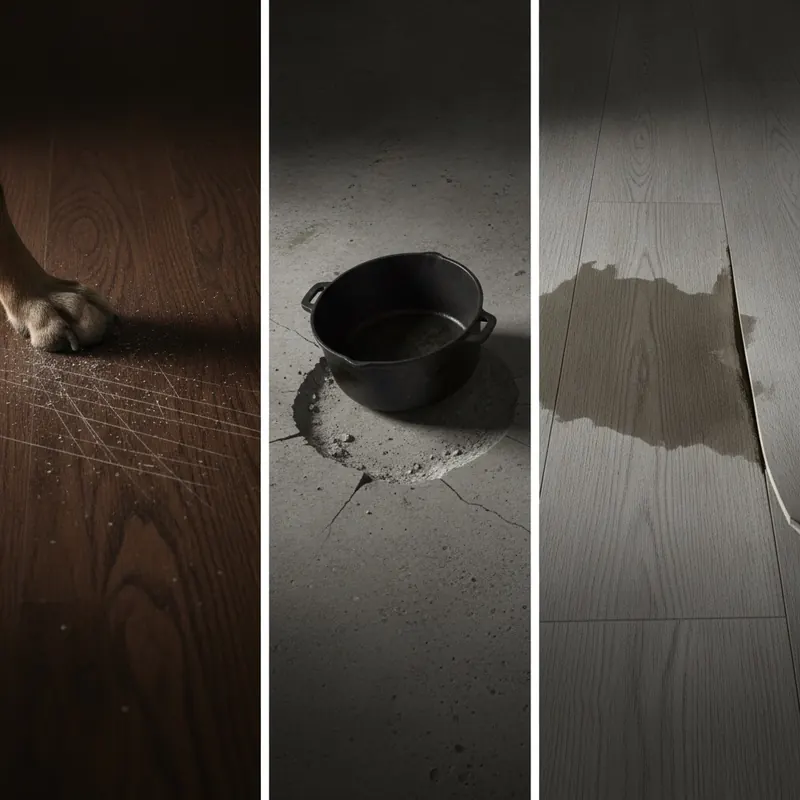
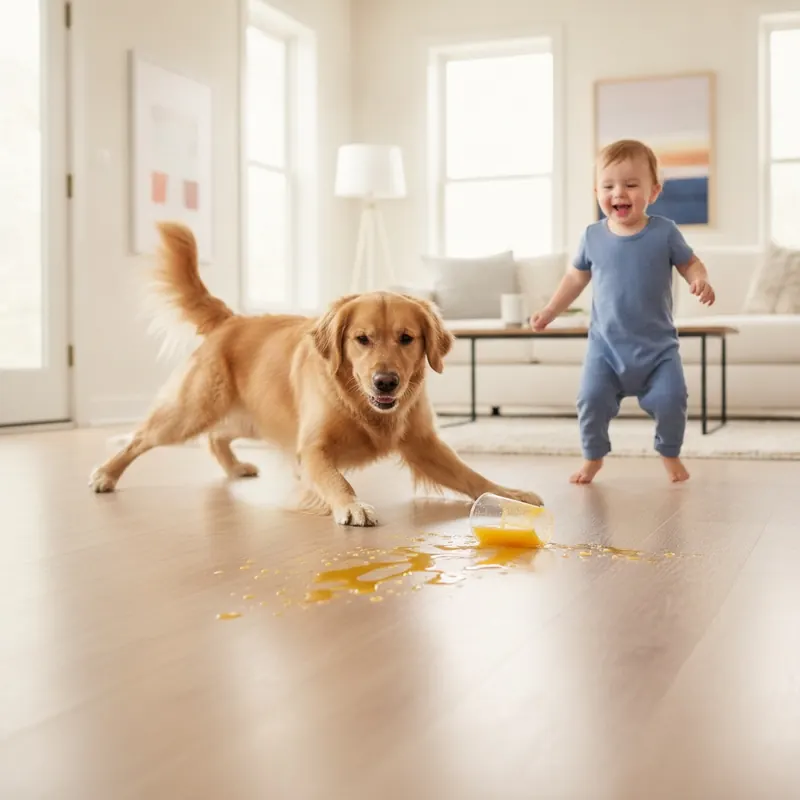
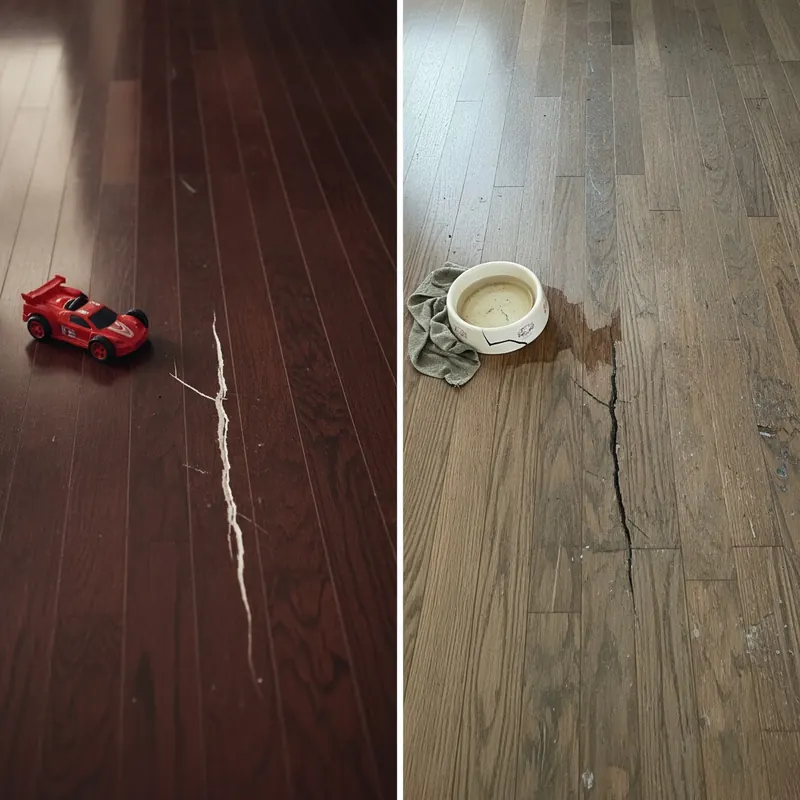
The sound is unmistakable. The sharp scrape of a dining chair, the click-clack of a dog’s claws, the sickening thud of a dropped toy—each one a tiny assault on your home’s foundation. You look down to see another scratch, a fresh dent, or a wear pattern forming in your main hallway. It’s a frustrating, all-too-common story. Choosing a new floor is a high-stakes decision, a significant investment you hope will last for decades. Yet, you’re faced with a dizzying world of technical jargon: AC ratings, wear layers, Janka scales, and PEI values. How do you choose a floor that can genuinely withstand the rigors of daily life?
This is not just another list of flooring options. This is your Definitive Durability Playbook. We’re here to cut through the marketing noise, decode the science behind a truly resilient floor, and give you a clear, confident path to selecting a surface that’s built for the long haul. We will diagnose why your current floors are failing, teach you to read technical specs like a pro, pit the top contenders against each other in a real-world showdown, and equip you with an expert-level toolkit for protection and repair. By the end, you’ll be empowered to choose a floor that reinforces your home against whatever life throws at it.
- Why Your Floors Are Failing: Common Culprits of Wear and Tear
- Decoding Durability: The Technical Specs You Must Understand
- The Ultimate Flooring Showdown: Top Choices for Life-Proof Homes
- Your Floor Protection Toolkit: Prevention, Cleaning, and Repair
- Flooring as a Long-Term Investment: Lifespan and Total Cost of Ownership
- Conclusion: Your Path to a Resilient Home
- References & Authoritative Sources
Why Your Floors Are Failing: Common Culprits of Wear and Tear
Before choosing a new floor, it’s crucial to understand the forces working against it. The frustration you feel over scratches and stains is valid, and it stems from a mismatch between a floor’s material properties and the demands of your household. Most damage falls into a few key categories.
It’s important to distinguish between surface-level damage and deep material damage. A light scratch might only affect the transparent top finish, which can often be repaired or buffed out. A deep gouge, however, cuts into the actual wood or vinyl layer, representing much more significant and often permanent damage. Similarly, a pet stain that is cleaned immediately might not cause issues, but one that soaks in can penetrate through the flooring planks, into the seams, and down to the subfloor, causing structural damage and persistent odors that are incredibly difficult to remove.
According to flooring experts, including insights from the National Wood Flooring Association (NWFA), many instances of premature wear are due to common maintenance mistakes, such as using the wrong cleaning products or failing to protect the floor from furniture and foot traffic.[1]
The High-Traffic Gauntlet: Entryways, Hallways, and Kitchens
Think of your busiest hallways and entryways as a gauntlet. Every time someone walks through the door, they bring in tiny particles of dirt, sand, and grit on their shoes. This debris acts like sandpaper, grinding against the floor’s surface with every step. Over thousands of repetitions, this abrasive action slowly erodes the protective top coat, leading to dull, worn-down paths known as “wear patterns.”
These high-traffic areas are often the first to show signs of aging. The finish loses its luster, and the color may even begin to fade. This problem is often compounded by UV exposure. Sunlight streaming through a nearby window or glass door can accelerate the breakdown of the floor’s finish and bleach its color, making the wear in these busy zones even more noticeable. A once-beautiful floor can quickly look old and tired simply from the combined assault of feet and sunlight.
The Kids and Pets Challenge: Scratches, Dents, and Stains
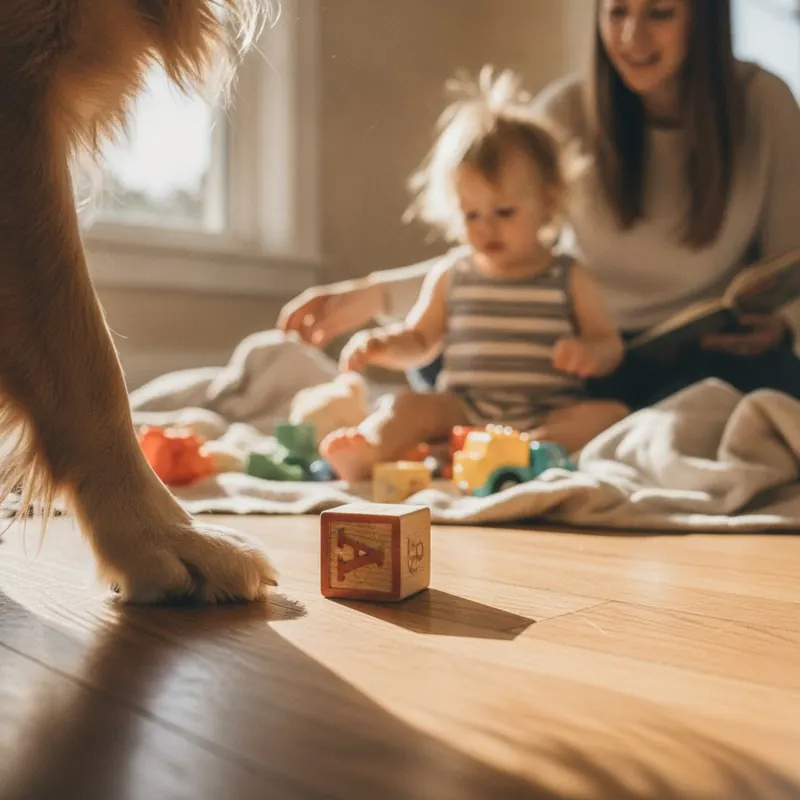
A home filled with the joy of children and pets is also a home where floors face their toughest tests. Pet claws are a primary cause of scratches, ranging from fine surface marks to deeper gouges. Active play, dropped toys, and dragged furniture contribute to a constant barrage of potential dents and scuffs.
Beyond physical damage, pet accidents pose a significant chemical threat. Pet urine contains uric acid, which is corrosive and can permanently stain or discolor many types of flooring if not addressed immediately. As noted by cleaning standards bodies like the Institute of Inspection, Cleaning and Restoration Certification (IICRC), the key to tackling these stains is using enzymatic cleaners.[2] These specialized products contain enzymes that break down the specific proteins in organic waste, eliminating both the stain and the odor-causing bacteria. Standard cleaners often fail to do this, leaving behind invisible uric acid crystals that can cause odors to return, especially in humid conditions.
A critical and often overlooked strategy for floor protection is regular pet nail trimming. Keeping your dog’s or cat’s claws properly trimmed is one of the most effective ways to prevent the constant, fine scratches that dull a floor’s finish over time.
Decoding Durability: The Technical Specs You Must Understand
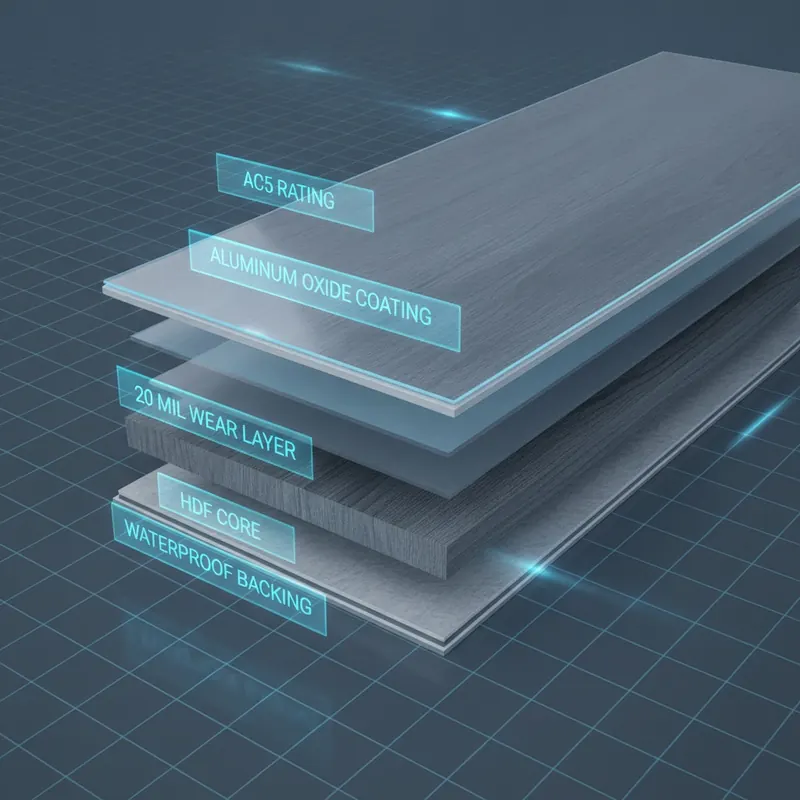
To move past marketing claims and choose a genuinely durable floor, you need to speak the language of the industry. These technical specifications aren’t just jargon; they are standardized, data-driven ratings that tell you exactly how a floor is designed to perform. Understanding them is the single most important step in making a wise investment.
For Laminate & LVP: Understanding AC Ratings and Wear Layers
When evaluating laminate flooring and some types of Luxury Vinyl Plank (LVP), the two most important durability metrics are the AC Rating and the wear layer thickness.
The Abrasion Class (AC) Rating is a standardized system, primarily defined by the European Producers of Laminate Flooring (EPLF), that classifies a floor’s resistance to abrasion, impact, stains, and burns.[3] The rating is determined through a series of rigorous tests, including one where a machine abrades the surface until the decorative layer is worn through. The more cycles it can withstand, the higher the rating.
Here’s a practical breakdown of what each level means:
- AC1 (Moderate Residential): Suitable for low-traffic areas like bedrooms or closets.
- AC2 (General Residential): Designed for medium-traffic spaces like living rooms or dining rooms.
- AC3 (Heavy Residential / Moderate Commercial): An excellent all-around choice for any high-traffic area in a home, including kitchens, hallways, and entryways.
- AC4 (General Commercial): Built to withstand the traffic of small offices, cafes, or boutiques. A very durable choice for demanding residential use.
- AC5 (Heavy Commercial): The toughest rating, designed for department stores, public buildings, and other high-volume commercial spaces.
For Luxury Vinyl Plank (LVP), the wear layer is the critical component. This is the transparent top coating that protects the printed design layer from scratches, scuffs, and stains. Its thickness is measured in mils (one-thousandth of an inch). For a busy home, especially one with pets and kids, a thicker wear layer is non-negotiable.
- 6-12 mil: Suitable for light-traffic residential areas.
- 20 mil or higher: The recommended standard for high-traffic homes. This thickness provides substantial protection against scratches and wear, ensuring the floor’s design remains pristine for years.
This wear layer is often enhanced with additives like aluminum oxide, which are microscopic, incredibly hard particles that dramatically increase scratch resistance.
For Tile: The PEI Rating for Hardness and Wear Resistance
For ceramic and porcelain tile, the key durability metric is the PEI Rating. Developed by the Porcelain Enamel Institute and referenced by industry authorities like the Tile Council of North America (TCNA), this rating classifies a tile’s surface resistance to wear from foot traffic.[4]
- PEI 0: Not suitable for floors (wall tile only).
- PEI 1: Light traffic (e.g., residential bathrooms with soft-soled footwear).
- PEI 2: Moderate traffic (e.g., most residential areas, but not kitchens or entryways).
- PEI 3: Medium-heavy traffic (suitable for all residential applications).
- PEI 4: Heavy traffic (suitable for all residential and light-to-medium commercial applications).
- PEI 5: Extra-heavy traffic (suitable for all residential and heavy commercial applications).
When choosing tile, porcelain is generally more durable than ceramic. It is fired at a higher temperature and made from more refined clay, making it denser and less porous. This gives it superior resistance to both wear and water absorption. For the ultimate durability, look for “through-body” porcelain, where the color and pattern run all the way through the tile, making any potential chips or scratches much less visible.
Don’t forget the grout. A wear-resistant tile can be let down by weak, porous grout. Modern epoxy or urethane-based grouts offer excellent stain and crack resistance, providing a much more durable and low-maintenance solution than traditional cement-based grouts.
For Hardwood: The Janka Hardness Scale Explained
The Janka Hardness Scale is a standard measurement of a wood species’ resistance to denting and wear. The test measures the force required to embed a 0.444-inch steel ball halfway into a sample of wood. The higher the Janka rating, the harder and more resistant the wood is to denting.
However, it’s crucial to understand a key distinction: Janka measures dent resistance, not scratch resistance. A very hard wood like Brazilian Cherry (Janka rating ~2350) will resist dents from a dropped object better than Red Oak (Janka ~1290), but both can be scratched. Scratch resistance is almost entirely a function of the protective finish applied to the wood. Modern, factory-applied finishes containing aluminum oxide are significantly tougher and more scratch-resistant than finishes applied on-site. The National Wood Flooring Association (NWFA) provides extensive resources on the properties of different wood species and finishes.[1]
The Ultimate Flooring Showdown: Top Choices for Life-Proof Homes
Now that you can decode the specs, let’s see how the top contenders for durable home flooring stack up in real-world scenarios. We’ve created two frameworks to help you compare them at a glance: the Durability Scorecard and the Family-Friendliness Matrix.
Durability Scorecard
(Rating 1-10, with 10 being the highest)
| Flooring Material | Scratch Resistance | Water Resistance | Dent Resistance |
|---|---|---|---|
| LVP/LVT (20+ mil) | 8 | 10 | 7 |
| Laminate (AC4+) | 9 | 5 | 8 |
| Porcelain Tile | 10 | 10 | 9 |
| Hardwood (Oak) | 5 | 2 | 6 |
Family-Friendliness Matrix
(Rating 1-10, with 10 being the most friendly)
| Flooring Material | Stain Proofing | Slip Resistance | Low VOCs |
|---|---|---|---|
| LVP/LVT (20+ mil) | 9 | 7 | 8 (with cert) |
| Laminate (AC4+) | 8 | 6 | 8 (with cert) |
| Porcelain Tile | 10 | 8 (textured) | 10 |
| Hardwood (Oak) | 4 | 5 | 7 (with cert) |
Note: For Low VOCs, look for products with certifications like FloorScore®.
Luxury Vinyl Plank/Tile (LVP/LVT): The All-Around Champion?
LVP/LVT has exploded in popularity for good reason. It’s often the best all-around performer for a busy household. Its greatest strength is being 100% waterproof, making it an excellent choice for kitchens, bathrooms, and basements. For durability, the key is investing in a high-quality product with a wear layer of at least 20 mils. This provides robust protection against the scratches and scuffs from pets and kids. While not as dent-proof as tile or laminate, its resilience makes it comfortable underfoot. Additionally, many LVP products come with an attached underlayment that helps absorb sound, reducing the noise from running feet and paws—a significant benefit for active families.
Laminate Flooring: The Scratch-Resistant Workhorse
When it comes to pure scratch resistance, high-quality laminate is king. Its incredibly tough top layer, infused with aluminum oxide, makes it one of the most difficult surfaces to scratch. This makes it a fantastic option for homes with large dogs or very active children. Choosing a product with an AC3 or AC4 rating ensures it can handle the heaviest residential traffic. Laminate’s primary weakness has always been moisture, as water can cause the fiberboard core to swell and warp. However, many newer products now feature enhanced water resistance with tighter locking systems and core treatments, making them more viable for kitchens and entryways, provided spills are wiped up promptly.
Porcelain & Ceramic Tile: The Pinnacle of Wear Resistance
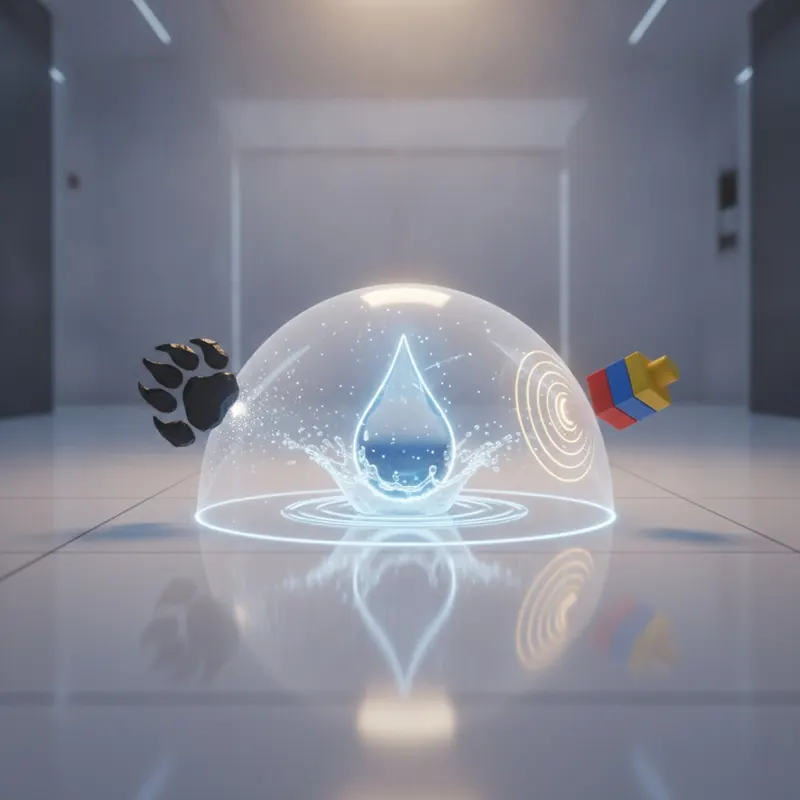
For sheer, brute-force durability, nothing beats porcelain tile. It is virtually scratch-proof, waterproof, and stain-proof. A high-quality porcelain tile with a PEI rating of 4 or 5 can withstand decades of the heaviest foot traffic without showing any signs of wear, making it the ultimate choice for entryways, mudrooms, and kitchens. As guidance from the TCNA suggests, proper selection and installation are key to its longevity.[4] The main trade-offs are comfort and aesthetics. Tile is hard and cold underfoot, and dropped items are more likely to break. Its unforgiving nature might not be ideal for a toddler’s playroom, but its indestructibility is unmatched.
Engineered & Solid Hardwood: Timeless Beauty with Modern Toughness
Many homeowners love the timeless beauty and warmth of real hardwood. While it is the most susceptible to scratches and dents on this list, choosing the right species and finish can make a world of difference. Opting for a harder wood like Hickory or Maple (high Janka rating) will help with dent resistance. More importantly, select a product with a high-quality, multi-layer, factory-applied aluminum oxide finish. This modern technology makes today’s hardwood significantly more scratch-resistant than floors finished 20 years ago.
Furthermore, the finish sheen can impact how visible scratches are. A matte or low-sheen finish is excellent at hiding minor scratches and scuffs, as it doesn’t reflect light as much as a high-gloss finish. This makes it a much more practical choice for a busy home.
Your Floor Protection Toolkit: Prevention, Cleaning, and Repair
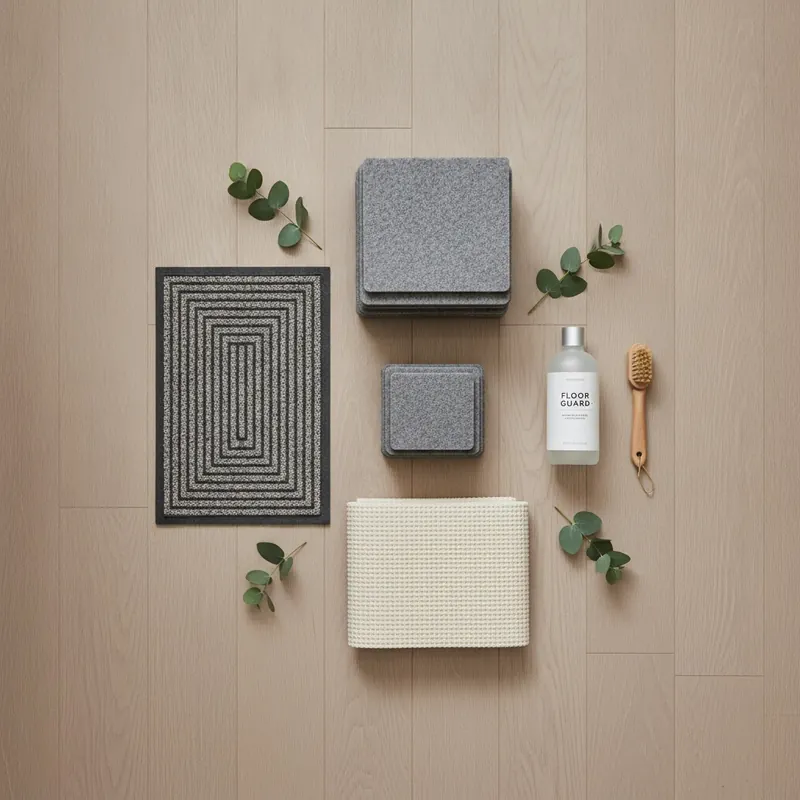
Choosing a durable floor is only half the battle. Protecting your investment with smart maintenance and knowing how to handle common issues is what ensures it lasts a lifetime.
Step 1: Proactive Prevention
The best way to fix damage is to prevent it from happening in the first place.
- Furniture Pads: Place high-quality, thick felt pads on the bottom of every piece of furniture, especially chairs and tables that are moved frequently. Check and replace them regularly as they wear down.
- Walk-Off Mats: Place high-quality mats both outside and inside every exterior door. This two-mat system will trap the vast majority of abrasive dirt and grit before it ever reaches your floor.
- Area Rugs & Runners: Use runners in high-traffic hallways and area rugs in living spaces. They not only protect the floor but also add comfort and style. Ensure you use a high-quality rug pad with the correct backing for your floor type to prevent discoloration or chemical reactions with the floor’s finish.
Step 2: The Ultimate Pet Stain Emergency Guide
When an accident happens, speed is your greatest ally.
- Blot Immediately: Use clean paper towels to absorb as much of the liquid as possible. Do not rub, as this can spread the stain.
- Apply Enzymatic Cleaner: Liberally spray a high-quality enzymatic cleaner (such as Nature’s Miracle or Rocco & Roxie) directly on the affected area. These cleaners are essential for breaking down the uric acid crystals.
- Let It Dwell: Allow the cleaner to sit for the time recommended by the manufacturer, typically 10-15 minutes or longer. This gives the enzymes time to work.
- Blot Again: Blot the area dry with a clean cloth.
For older stains or odors that seem to have penetrated the floor, the problem may be in the subfloor. This is a common issue with carpet and can even happen with hard surfaces if liquid seeps through the seams. In these cases, it may be necessary to use an odor-sealing primer on the subfloor before installing new flooring.
Step 3: Fixing Minor Scratches and Scuffs
For light surface scratches, you often have simple DIY options.
- For LVP & Laminate: Minor scuffs can sometimes be buffed out with a tennis ball or a microfiber cloth. For light scratches, use a manufacturer-recommended repair kit, which often includes a color-matched putty or marker.
- For Hardwood: For a scratch that is only in the top finish layer, a finish repair pen (like those from Minwax or Bona) can often make it disappear. Deeper scratches may require a color-matched wood putty stick.
Flooring as a Long-Term Investment: Lifespan and Total Cost of Ownership
A truly durable floor is one that provides long-term value. This means looking beyond the initial price per square foot and considering the total cost of ownership over decades.
The Ability to Refinish vs. The Need to Replace
This is one of the most significant long-term value considerations.
- Replace-Only Floors: LVP, laminate, and most engineered hardwood cannot be refinished. When their wear layer is compromised or they are significantly damaged, the only option is a full replacement. A high-quality LVP floor might last 15-25 years before it needs to be replaced.
- Refinishable Floors: Solid hardwood flooring can be sanded down and refinished multiple times, essentially giving you a brand-new floor every 10-20 years. A solid hardwood floor can easily last 100 years or more.
Let’s compare costs for a 500 sq. ft. area. Replacing it with new, high-quality LVP might cost $3,500 – $6,000. Professionally refinishing an existing hardwood floor in the same space might cost $1,500 – $3,000. Over a 30-year period, the ability to refinish hardwood can make it a more economical long-term investment.
Timeless Style: Choosing a Floor That Won’t Look Dated
Aesthetic longevity is a crucial, often overlooked, aspect of durability. A floor that looks dated in ten years has failed, even if it isn’t physically worn out. Interior designers often advise that choosing classic styles over fleeting trends is key to long-term satisfaction. Medium-stain oak hardwood, large-format neutral porcelain tile, and natural stone looks are examples of timeless choices that adapt to changing decor styles. By avoiding trendy, bold patterns or niche colors, you ensure your flooring investment remains a classic, valuable feature of your home for decades to come.
Conclusion: Your Path to a Resilient Home
You are now armed with the Durability Playbook. The path to a floor that can withstand the rigors of your life is no longer a mystery. It’s a strategy built on three core principles:
- Understand the Specs: Look past the surface and marketing hype. By understanding AC Ratings, wear layers, and PEI values, you can objectively compare products based on proven performance standards.
- Match Material to Lifestyle: Acknowledge the unique challenges of your home. Whether it’s the high-traffic gauntlet of an entryway or the unpredictable nature of kids and pets, choose the material whose strengths directly counter your biggest pain points.
- Protect Your Investment: A durable floor is a partnership. Proactive prevention and proper maintenance are just as important as the initial selection.
With this knowledge, you can step into a flooring showroom with confidence, ask the right questions, and make an informed decision that will serve your family well for years to come. You can finally build a home with a foundation that is as strong and resilient as the life you live on it.
Ready to choose a floor that can handle anything your family throws at it? Explore our recommended durable flooring options and start building a home that’s as resilient as you are.
This article may contain affiliate links. All home improvement projects carry risks; consult with a certified flooring professional before making installation decisions.
References & Authoritative Sources
- National Wood Flooring Association (NWFA). (N.D.). Technical Guidelines and Homeowner Resources. Retrieved from the official NWFA website.
- Institute of Inspection, Cleaning and Restoration Certification (IICRC). (N.D.). Standards for Professional Cleaning and Restoration. Retrieved from the official IICRC website.
- European Producers of Laminate Flooring (EPLF). (N.D.). Technical Bulletins and AC Rating Standards. Retrieved from the official EPLF website.
- Tile Council of North America (TCNA). (N.D.). TCNA Handbook for Ceramic, Glass, and Stone Tile Installation. Retrieved from the official TCNA website.