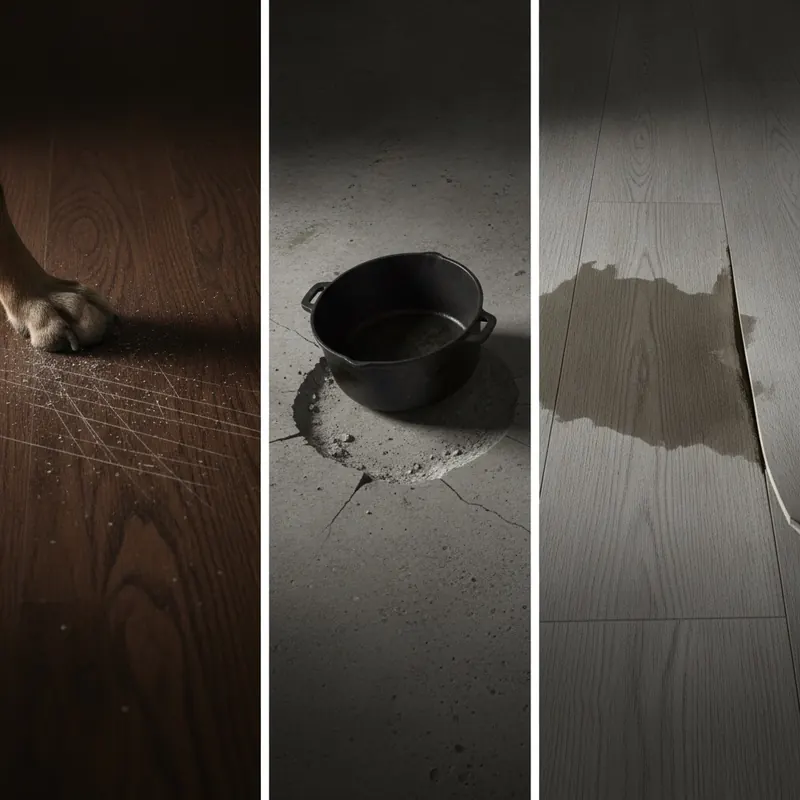
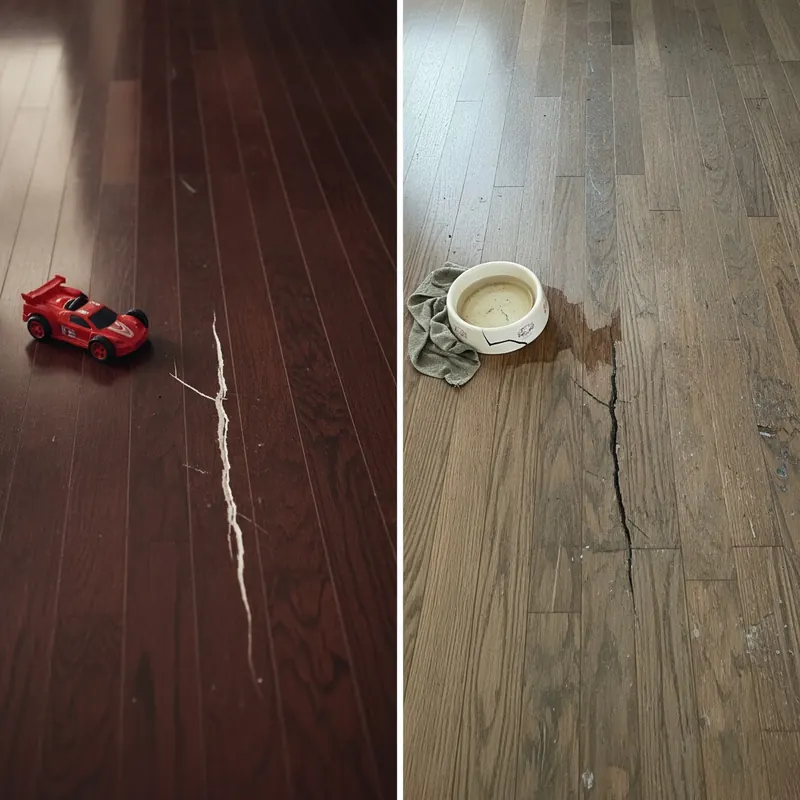
The moment of dread is familiar to any homeowner: you’ve just invested thousands in a beautiful new floor, only to watch as the first scratch appears from a child’s toy, a pet’s claws, or a dragged piece of furniture. The daily chaos of a busy home can feel like a relentless assault on your floors, turning a source of pride into a source of constant worry. In the search for a truly life-proof surface, a new contender has emerged: Adamantine flooring. But is it just another marketing buzzword, or is it the next-generation solution for high-traffic residential areas?
This is not just a product review. This is your Durability Playbook. We will go beyond the sales pitch to empower you with the data and expert knowledge needed to make a confident decision. We will decode the complex industry ratings that separate marketing claims from real-world performance. We’ll put Adamantine head-to-head with its toughest competitors in a data-driven showdown. By the end of this guide, you won’t just know about Adamantine flooring; you’ll understand the science of durability and be able to choose the perfect long-lasting floor for your specific home and lifestyle.
- What is Adamantine Flooring? The Definitive Breakdown
- The Science of Durability: How to Choose a Truly High-Traffic Floor
- Materials Showdown: Adamantine Flooring vs. The Competition
- Lifestyle-Centric Guide: Is Adamantine Flooring Right for Your Home?
- Protecting Your Investment: A Guide to Adamantine Flooring Care
- Conclusion: The Final Verdict
- References and Authoritative Sources
What is Adamantine Flooring? The Definitive Breakdown
To make an informed decision, we must first understand what Adamantine flooring is. This section will serve as the foundational resource, answering the most critical questions about its composition, features, performance, and cost, addressing the lack of clear, independent information available.
Composition and Technology: What Is It Made Of?
Adamantine flooring is a type of rigid core composite flooring, engineered with a primary focus on extreme durability. While specific formulations are proprietary to the manufacturer, a typical plank is constructed in multiple layers. A detailed look at a product’s technical specification documents, often available from the manufacturer, is the best way to understand its unique makeup.
Generally, the structure includes:

- Protective Wear Layer: This is the transparent top coat and the floor’s first line of defense. It is often enhanced with ceramic beads or other compounds to provide superior resistance to scratches, scuffs, and stains.
- Design Layer: A high-resolution printed film that gives the flooring its appearance, whether it’s a realistic wood grain, stone pattern, or other design.
- Core Layer: This is the heart of the plank’s durability and stability. In heavy-duty flooring like Adamantine, this is typically a high-density, polymer-based composite core that resists impacts and prevents the plank from warping or bending.
- Backing Layer: This bottom layer provides additional stability, sound dampening, and protection from moisture from the subfloor.
The technology behind Adamantine often lies in the density and composition of its core and the advanced formulation of its wear layer. Always refer to manufacturer patents or technical white papers for specific claims about proprietary technology.
Is Adamantine Flooring Waterproof?
This is one of the most crucial questions for any modern flooring. Based on manufacturer specifications, Adamantine flooring is typically marketed as 100% waterproof, not merely water-resistant. This means that standing water from spills or moisture will not penetrate the plank itself, preventing it from swelling, buckling, or delaminating. This makes it a suitable option for installation in moisture-prone areas like kitchens, bathrooms, laundry rooms, and basements.
However, it’s critical to understand that “waterproof flooring” does not mean a “waterproof subfloor.” As any certified flooring installer will attest, proper installation is paramount. The locking system between planks must be correctly engaged, and the perimeter must be properly sealed to prevent water from seeping through the seams and getting trapped underneath, which could lead to mold or subfloor damage. Always follow the manufacturer’s installation guidelines precisely to ensure true waterproof performance.
Pros and Cons: An Unbiased Look
Every flooring material involves trade-offs. Here is a balanced look at the potential advantages and disadvantages of Adamantine flooring based on its technical specifications and common feedback for similar high-durability products.
| Pros | Cons |
|---|---|
| Exceptional Durability: Engineered to resist scratches, dents, and stains in high-traffic areas. | Higher Initial Cost: Advanced technology and robust materials often come at a premium price point. |
| 100% Waterproof: Suitable for installation in any room of the house, including wet areas. | Limited Availability: As a newer or specialized product, it may not be available at all retailers. |
| Low Maintenance: Easy to clean with simple sweeping and mopping with a pH-neutral cleaner. | Repairability: Like LVP or laminate, a deep gouge cannot be refinished; it requires plank replacement. |
| Realistic Visuals: High-definition printing offers a wide range of convincing wood and stone looks. | Hardness Underfoot: May feel harder and less forgiving underfoot compared to materials like carpet or cork. |
Cost of Adamantine Flooring vs. Other Materials
Adamantine flooring typically positions itself in the mid-to-high end of the resilient flooring market. While prices vary by region and specific product line, here is a general cost comparison, including materials and professional installation:
- Adamantine Flooring: $7 – $12 per square foot
- Luxury Vinyl Plank (LVP): $5 – $10 per square foot
- Porcelain Tile: $8 – $15+ per square foot
- High-End Laminate: $6 – $9 per square foot
- Engineered Hardwood: $8 – $14 per square foot
While the upfront cost may be higher than some alternatives, it’s important to consider the long-term value. Investing in a more durable floor can prevent the need for costly repairs or premature replacement, potentially offering a better return on investment over the life of your home.
The Science of Durability: How to Choose a Truly High-Traffic Floor
Marketing terms like “heavy-duty” and “long-lasting” are subjective. To make a truly informed choice, you need to understand the objective, standardized metrics the flooring industry uses to measure durability. According to experts at the World Floor Covering Association (WFCA), understanding these ratings is the single most important step a homeowner can take to ensure their floor meets their performance expectations[1].
AC Rating Explained (For Laminate & Adamantine)

The Abrasion Class (AC) rating is a standardized measure of a floor’s resistance to abrasion, impact, stains, and burns. It is most commonly used for laminate flooring but is also applied to other durable composite floors like Adamantine. The scale, governed by standards referenced by organizations like the Resilient Floor Covering Institute (RFCI), ranges from AC1 to AC5[2].
- AC1: Light residential use (e.g., bedrooms, closets).
- AC2: Moderate residential use (e.g., living rooms, dining rooms).
- AC3: Heavy residential use / Light commercial use (e.g., busy hallways, kitchens, home offices).
- AC4: Moderate commercial use (e.g., small offices, cafes).
- AC5: Heavy commercial use (e.g., department stores, public buildings).
For a busy family home, a floor with a rating of AC3 or higher is strongly recommended. Adamantine flooring is typically engineered to meet or exceed an AC4 rating, placing it in the upper echelon of residential durability.
PEI Rating Explained (For Tile)
The Porcelain Enamel Institute (PEI) rating measures the wear resistance of the glaze on ceramic and porcelain tiles. The Tile Council of North America (TCNA) provides this standard to help consumers select the right tile for the right application[3].
- PEI 0: No foot traffic (wall tile only).
- PEI 1: Very light traffic (e.g., residential bathrooms with soft-soled shoes).
- PEI 2: Light traffic (e.g., general residential areas, but not kitchens or entryways).
- PEI 3: Light to moderate traffic (suitable for all residential applications).
- PEI 4: Moderate to heavy traffic (suitable for all residential and light-to-medium commercial applications).
- PEI 5: Heavy to extra-heavy traffic (suitable for all residential and all commercial applications).
Common Myth: The PEI rating only refers to the visible abrasion of the surface design; it has no relation to the tile’s breaking strength or slip resistance.
Janka Hardness Scale Explained (For Wood)
The Janka hardness test measures the force required to embed a 0.444-inch steel ball halfway into a piece of wood. It is the industry standard for ranking the dent and wear resistance of wood species. The National Wood Flooring Association (NWFA) recognizes this scale as a key indicator of wood durability[4].
Here are a few examples:
- Red Oak: 1290 (The industry benchmark)
- Hard Maple: 1450
- Hickory: 1820
- Brazilian Cherry: 2350
While a higher Janka rating indicates better resistance to denting, it’s crucial to remember that the floor’s finish is the primary defense against surface-level scratches.
Materials Showdown: Adamantine Flooring vs. The Competition
Now that we understand the metrics, let’s see how Adamantine stacks up against other popular choices for high-traffic homes. We’ve created a “Durability Scorecard” to provide a clear, at-a-glance comparison.
Durability Scorecard (Ratings 1-5, with 5 being the highest)
| Feature | Adamantine Flooring | Luxury Vinyl Plank (LVP) | Porcelain Tile | High-End Laminate |
|---|---|---|---|---|
| Scratch Resistance | 5 (AC4+ Rating) | 3-4 (Wear Layer Dependent) | 5 (PEI 4+) | 4 (AC4 Rating) |
| Dent Resistance | 5 (Rigid Core) | 3 (Softer Core) | 4 (Can Chip) | 4 (HDF Core) |
| Water Resistance | 5 (Waterproof) | 5 (Waterproof) | 5 (Waterproof) | 3-4 (Water-Resistant) |
| Maintenance | 5 (Easy) | 5 (Easy) | 3 (Grout) | 5 (Easy) |
Adamantine vs. Luxury Vinyl Plank (LVP)
LVP has become incredibly popular for its balance of performance and aesthetics. The key difference often lies in the core. While high-quality LVP has a rigid core, Adamantine is typically engineered with an even denser, more robust core, giving it superior resistance to denting from dropped objects or heavy furniture. Furthermore, its wear layer is often formulated for higher abrasion resistance, potentially giving it an edge over standard LVP in preventing fine scratches from grit and pet claws. The realism of visuals is comparable, but Adamantine often carries a higher price tag for its enhanced durability.
Adamantine vs. Porcelain Tile
Porcelain tile has long been the undisputed king of durability. With a PEI rating of 4 or 5, it is nearly impossible to scratch through normal residential use. However, its hardness is also a drawback. It is unforgiving underfoot, cold to the touch, and dropped items like glassware will almost certainly shatter. While the tile itself is durable, it can be prone to chipping or cracking from a severe impact, and grout lines require regular cleaning and occasional sealing. Adamantine offers comparable scratch and water resistance but with significantly more comfort, warmth, and impact absorption.
Adamantine vs. High-End Laminate
Modern laminate is a far cry from the products of the past. Top-tier laminates now boast AC4 ratings, excellent scratch resistance, and enhanced water resistance. The competition here is close. Adamantine’s primary advantage is its 100% waterproof polymer core, which provides superior protection against major spills or moisture issues compared to the water-resistant fiberboard core of most laminates. While high-end laminate offers incredible scratch resistance, Adamantine’s core provides better protection against heavy impacts and dents.
Lifestyle-Centric Guide: Is Adamantine Flooring Right for Your Home?
Technical data is useful, but the real question is how a floor performs in the chaos of daily life. Let’s apply this knowledge to the most demanding residential environments.
For Homes with Kids and Large Pets
This is the ultimate stress test for any floor. The combination of pet nails, dragged toys, spills, and constant foot traffic can quickly destroy a lesser surface. Adamantine’s high AC rating and robust wear layer are specifically designed to combat the fine scratches that dog nails can inflict. Its dense core provides excellent resistance to denting from dropped toys or objects. Furthermore, its waterproof nature means spills from juice, water bowls, or accidents are not a catastrophe. For families with active kids and large pets, Adamantine is one of the strongest contenders for maintaining a new-floor look for years.
The Ultimate Solution for Entryways and Mudrooms

Entryways are a floor’s worst enemy. They are assaulted by abrasive grit, water, snow, and de-icing salt. Adamantine’s waterproof construction is essential here, preventing moisture from damaging the subfloor, a point frequently emphasized by water damage standards from the Institute of Inspection, Cleaning and Restoration Certification (IICRC)[5]. Its high scratch resistance stands up to the sandpaper-like effect of dirt and sand being tracked in. To maximize its effectiveness, pair it with a high-quality walk-off mat system—a scraper mat outside and an absorbent mat inside—to capture the majority of debris and moisture before it ever reaches the floor.
High-Traffic Family Rooms: Balancing Durability and Comfort
In a family room, durability must be balanced with comfort. While no hard surface will be as soft as carpet, Adamantine offers a more comfortable experience than tile. It is warmer underfoot and has better acoustic properties, reducing the harsh, echoing sound common with hard surfaces. According to the Resilient Floor Covering Institute (RFCI), resilient floors like Adamantine can significantly reduce ambient noise[2]. For an even cozier and quieter space, pairing Adamantine with a large area rug is an excellent strategy. This defines the living space, adds softness, and provides an extra layer of protection. When selecting a rug, look for one with a certification from the Carpet and Rug Institute (CRI) for quality and low VOC emissions[6].
Protecting Your Investment: A Guide to Adamantine Flooring Care
The incredible durability of Adamantine flooring doesn’t make it invincible. Proper care and maintenance are essential to maximize its lifespan and keep it looking its best. Following the manufacturer’s official guidelines is the most important step to avoid voiding the warranty.
Daily Habits and Preventative Measures
The best way to keep your floor pristine is through prevention. These simple habits make the biggest difference:
- Use Walk-Off Mats: Place high-quality mats at all exterior doors to trap dirt, grit, and moisture.
- Apply Furniture Pads: Use felt or other soft pads on the bottom of all furniture legs. As recommended by the National Wood Flooring Association (NWFA) for wood floors, this principle is critical for all hard surfaces to prevent scratches and gouges when furniture is moved[4]. Check and clean these pads regularly, as grit can become embedded in them.
- Trim Pet Nails: Keeping your pet’s nails trimmed is one of the most effective ways to prevent fine scratches.
- Clean Spills Promptly: Even though the floor is waterproof, it’s best to wipe up spills immediately to prevent slips and keep the surface clean.
Step-by-Step Cleaning Guide
Cleaning Adamantine flooring is simple and straightforward.
- Remove Loose Debris: Regularly sweep with a soft-bristle broom or vacuum with a hard floor setting (ensure the beater bar is turned off).
- Mop as Needed: Mix a pH-neutral floor cleaner with water according to the product directions. Use a microfiber mop, wringing it out until it is just damp, not soaking wet.
- Rinse if Necessary: If your cleaner requires it, go over the floor once more with a separate mop dampened with clean water.
What Not to Use: Never use steam mops, wax, oil soaps, abrasive cleaners, or steel wool on Adamantine flooring. These can damage the protective wear layer, create a dulling film, and may void your warranty.
Conclusion: The Final Verdict
Adamantine flooring presents a powerful case as a top-tier solution for homeowners battling the challenges of high-traffic living. With its waterproof construction, exceptional dent resistance, and a wear layer engineered to withstand the daily onslaught of pets, kids, and constant activity, it is a formidable contender in the durable flooring market.
However, the “best” flooring is not a one-size-fits-all answer. The ideal choice depends on a data-driven approach tailored to your budget, aesthetic preferences, and specific lifestyle challenges. By understanding the science behind durability—decoding AC ratings, PEI scores, and Janka hardness—you are no longer just a consumer; you are an informed expert on your own home. You now have the knowledge to look past marketing hype and choose a floor that represents a true long-term investment in your home’s beauty and functionality.
Ready to make your choice? Download our free ‘Flooring Durability Checklist’ to take with you when you shop and compare materials like a pro.
This article may contain affiliate links. The information provided is for educational purposes; always consult with a certified flooring professional for installation and specific project advice.
References and Authoritative Sources
- World Floor Covering Association (WFCA). (N.D.). Consumer Flooring Education Resources. WFCA.
- Resilient Floor Covering Institute (RFCI). (N.D.). Industry Standards for Resilient Flooring. RFCI.
- Tile Council of North America (TCNA). (N.D.). Standards and Publications for Ceramic Tile. TCNA.
- National Wood Flooring Association (NWFA). (N.D.). Official Flooring Industry Standards. NWFA.
- Institute of Inspection, Cleaning and Restoration Certification (IICRC). (N.D.). Standards for Water Damage Restoration. IICRC.
- Carpet and Rug Institute (CRI). (N.D.). Resources for Consumers. CRI.