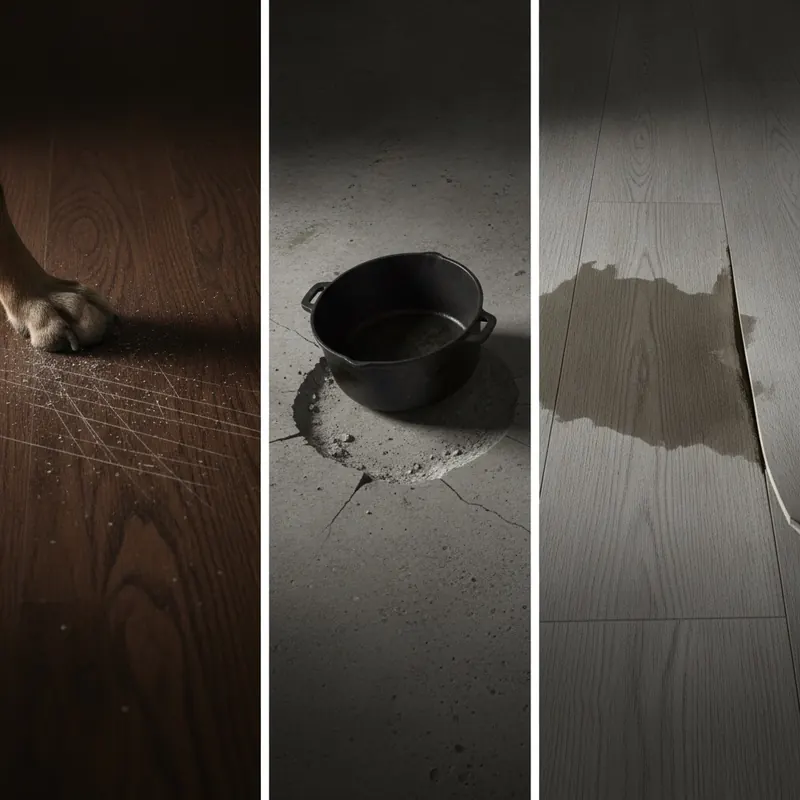
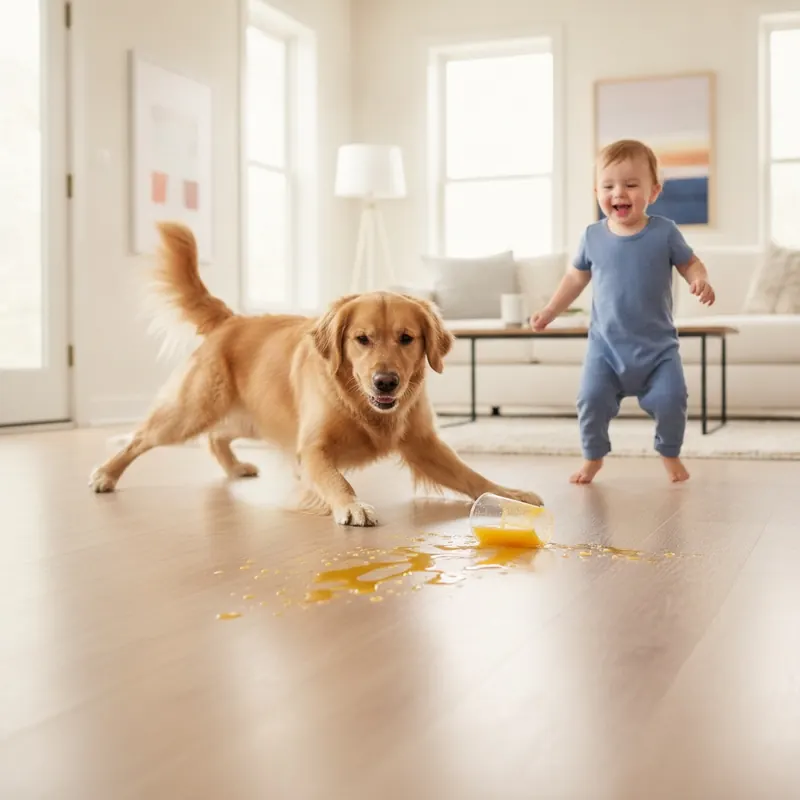
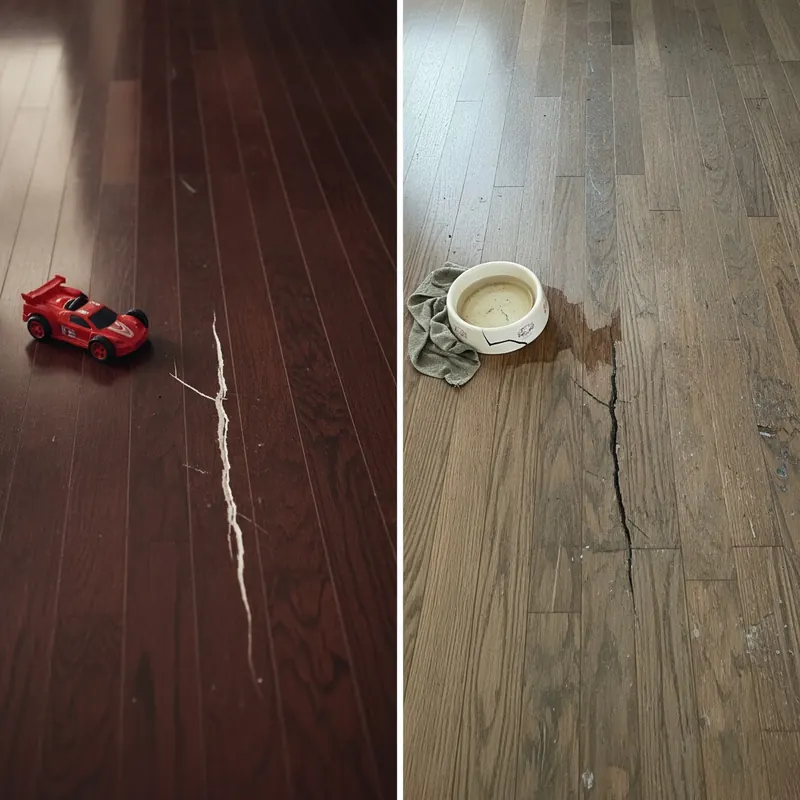
For facility managers, architects, and business owners, the cycle is all too familiar: a new commercial floor is installed, looking pristine and professional. But under the relentless pressure of high traffic, stringent cleaning protocols, and accidental spills, it begins to fail. The surface dulls, stains appear, seams peel, and cracks emerge. This is flooring degradation, a costly and disruptive problem that turns a significant capital investment into a recurring operational headache.
The market is flooded with products claiming to be “durable,” “tough,” and “long-lasting.” But these are often just marketing terms, lacking the scientific proof to back them up. This article moves beyond the promises. We will provide a data-driven masterclass in flooring longevity, decoding the science of why floors fail and what truly makes a surface resilient. You will gain a framework for evaluating flooring not just on its initial price tag, but on its total cost of ownership (TCO). We will introduce a solution engineered at a molecular level to resist degradation, empowering you to make a decision based on verifiable performance and long-term financial wisdom.
- The Problem: Why Most Commercial Floors Fail Under Pressure
- The Science of an ‘Easy-Clean’ and Resilient Flooring Surface
- The Solution: Adamantine Flooring, Engineered to Endure
- Beyond the Price Tag: A Data-Driven Look at Total Cost of Ownership (TCO)
- Lifecycle Mastery: Protocols for Installation and Maintenance
- Conclusion
- References & Authoritative Sources
The Problem: Why Most Commercial Floors Fail Under Pressure
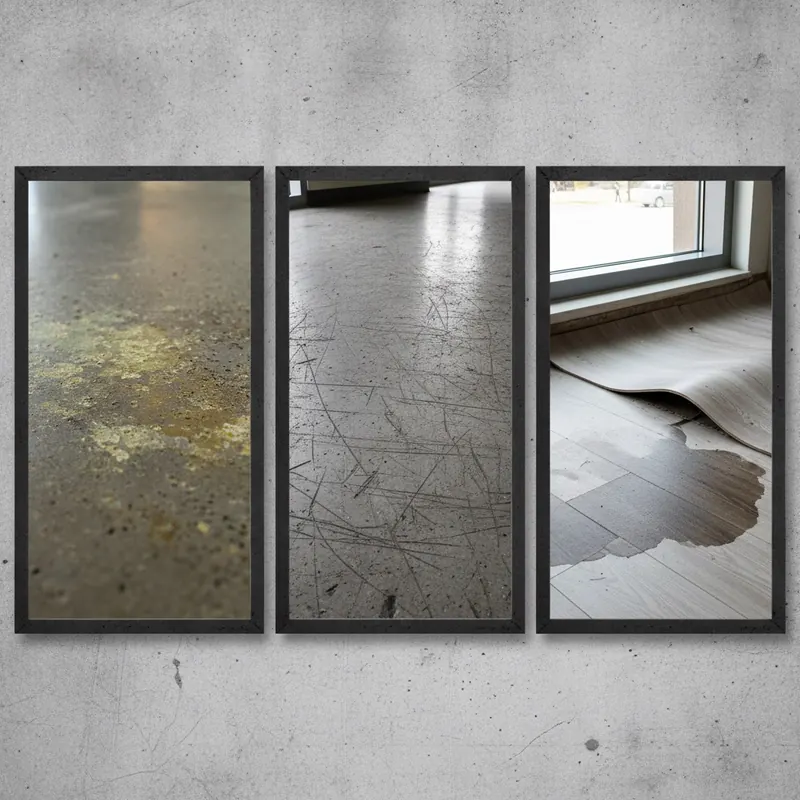
Before finding the right solution, it is critical to diagnose the problem. Flooring degradation isn’t a single event; it’s a process driven by a combination of chemical, mechanical, and environmental forces. Understanding these root causes is the first step toward breaking the expensive cycle of repair and replacement. According to industry experts, many failures can be traced back to fundamental issues, with some studies indicating that improper subfloor moisture preparation is the root cause of over 80% of flooring system failures like bubbling and delamination.
The science of why materials break down is a complex field, with organizations like the Association for Materials Protection and Performance (AMPP), formerly NACE International, dedicated to studying and preventing material degradation.[1] By examining the primary culprits, we can build a visual library of common flooring damage and understand the forces at play.
Chemical Degradation: When Cleaning Becomes Corrosive
In environments where hygiene is paramount, such as healthcare or food service, constant cleaning is a necessity. However, the very agents used to sanitize a floor can become its greatest enemy. As outlined in guidelines from organizations like the Centers for Disease Control and Prevention (CDC) for healthcare settings, effective disinfection often requires potent chemicals.[2] These cleaners, along with accidental chemical spills, can initiate a process of chemical degradation.
This damage often occurs at a microscopic level. Many standard flooring materials, like Vinyl Composition Tile (VCT) or certain epoxies, are built from long polymer chains. As our materials science expert, Dr. C. Rohan, PhD, explains, “Specific chemical compounds, particularly those with extreme pH levels or powerful solvents, can actively break these polymer chains. This severs the bonds that give the floor its structure, leading to softening, discoloration, and eventual disintegration of the surface.” The result is a floor that looks permanently stained, feels tacky, or begins to peel and flake away, a clear sign that its chemical resistance has been breached. Using cleaners that are too acidic or too alkaline can permanently etch the surface, creating a dull, worn appearance that no amount of cleaning can fix.
Mechanical Wear & Tear: The Slow Grind of High Traffic
Mechanical wear is the most visible form of flooring damage. It is the result of physical forces—abrasion, scratching, and impacts—that slowly grind away at the floor’s surface. In a commercial space with thousands of daily footfalls, shopping carts, and rolling equipment, this process is relentless.
The primary issue is abrasive wear on flooring. Even with regular cleaning, tiny particles of dirt and grit act like sandpaper underfoot, creating micro-abrasions. While invisible individually, millions of these tiny scratches scatter light, which is why a once-glossy floor begins to look dull and hazy after mopping. Studies confirm that these micro-abrasions from dirt particles in mop water are a primary cause of gloss reduction on floor finishes. This type of damage is precisely what standards bodies like the ASTM Committee G02 on Wear and Erosion seek to quantify through standardized testing.[3] Over time, this wear can erode the protective top layer of a floor, exposing the more vulnerable core material to staining and further damage.
Environmental Factors: UV Fading and Moisture Intrusion
Beyond direct human interaction, environmental factors play a significant role in flooring degradation. Sunlight streaming through windows carries ultraviolet (UV) radiation, a powerful force that breaks down the chemical bonds responsible for color. This leads to floor discoloration and fading. Research has shown that UV radiation can cause unprotected vinyl flooring to fade by up to 10% delta E (a measure of color change) within just five years.
Even more destructive is moisture intrusion. Water is the universal solvent, and when it gets trapped beneath a flooring system, it can cause catastrophic failure. This can happen from a major event like a flood, which organizations like the Federal Emergency Management Agency (FEMA) provide extensive recovery guidelines for,[4] or more insidiously from moisture vapor migrating up through a concrete subfloor. This trapped moisture can break down adhesives, leading to delamination (peeling), and cause materials to swell and bubble, destroying the floor from the inside out.
The Science of an ‘Easy-Clean’ and Resilient Flooring Surface
To create a degradation-proof floor, one must engineer a surface that is inherently resistant to the chemical, mechanical, and environmental attacks we’ve identified. The solution lies not in topical coatings that wear away, but in the fundamental material science of the flooring itself. An easy-clean surface isn’t just a convenience; it’s a direct indicator of a floor’s resilience and hygienic potential.
The benchmark for cleanability in demanding environments is set by organizations like NSF International, which develops standards for materials used in commercial kitchens and healthcare.[5] A truly hygienic and resilient floor is seamless, preventing contaminants from hiding. For instance, porous grout lines in tile floors can harbor up to 10 times more bacteria than the smooth tile surface itself, making seamless floors inherently easier to clean and sanitize. Furthermore, the science of surface tension, or hydrophobicity, dictates how well a surface repels liquids, preventing them from soaking in and causing stains.
Impermeability: Why a Non-Porous Surface is Your First Line of Defense
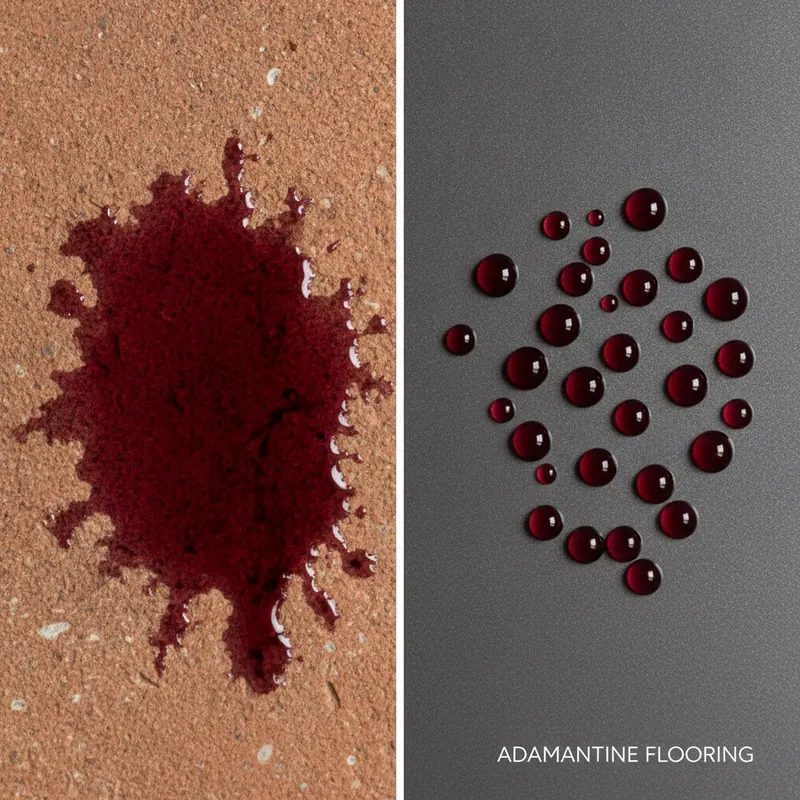
The single most important characteristic of a resilient floor is its porosity—or lack thereof. Porous materials like unsealed concrete, grout, or lower-grade VCT have microscopic voids and channels that act like sponges. When a spill occurs, these pores draw the liquid deep into the material’s structure, making stains nearly impossible to remove and creating a breeding ground for bacteria.
An impermeable, non-porous surface forms an impenetrable barrier. Adamantine Flooring’s surface, for example, has a verified absorption rate of just 0.01%, effectively making it waterproof. This means liquids, chemicals, and contaminants remain on the surface where they can be easily wiped away without a trace. This level of performance is verified through rigorous standardized tests, such as ASTM F925, the Standard Test Method for Resistance to Chemicals of Resilient Flooring.[3] On a non-porous surface, spills like red wine or oil bead up instead of soaking in, a clear visual demonstration of its superior stain resistance.
Hardness & Wear Resistance: The Key to Long-Lasting Performance
To combat the slow grind of mechanical wear, a floor must possess exceptional surface hardness and abrasion resistance. These properties are not subjective; they are measured using standardized tests recognized by bodies like the American National Standards Institute (ANSI).[6]
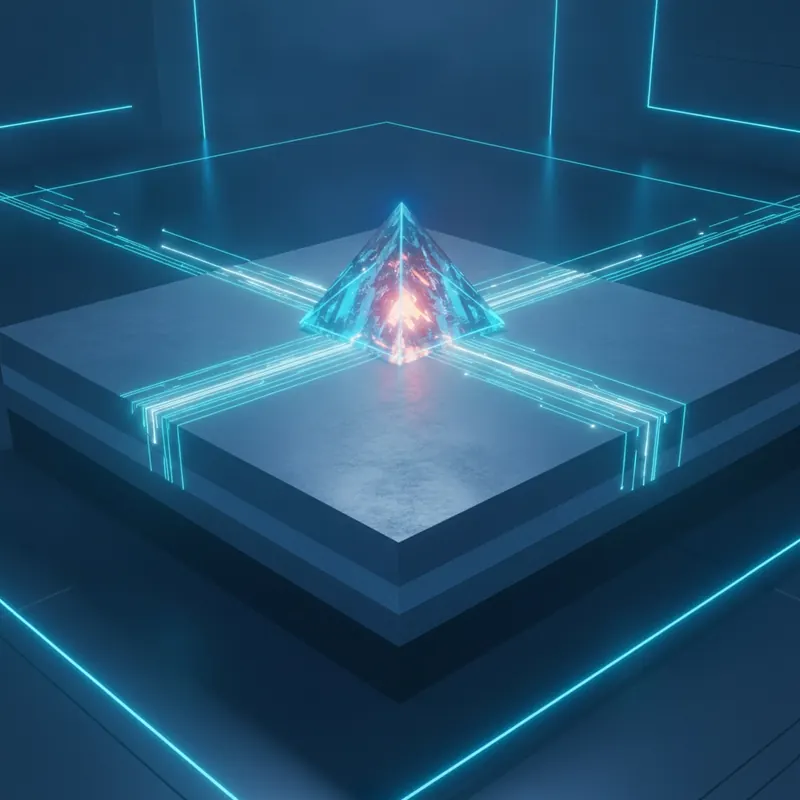
The industry-standard test for abrasion is ASTM D4060, which uses a Taber Abraser to grind the surface with weighted wheels for a set number of cycles. The resulting material loss is weighed to provide a quantitative measure of durability. In this test, Adamantine Flooring loses less than 0.1 grams per 1000 cycles, outperforming many high-performance epoxy coatings by 50%. This durability is not dependent on a thin, sacrificial “wear layer” like those found on luxury vinyl tile (LVT), which can eventually be worn through. Instead, Adamantine Flooring has a monolithic structure—its durability and resistance are consistent throughout its entire thickness, ensuring long-lasting flooring performance for decades.
The Solution: Adamantine Flooring, Engineered to Endure
Adamantine Flooring was developed from the ground up to solve the core challenges of flooring degradation. It is not an iteration of an existing material but a new category of resilient flooring engineered with a ceramic-polymer composite core. This unique composition delivers the chemical inertness of ceramics with the impact resistance of advanced polymers, creating a surface that excels where others fail.
Every performance claim is backed by verifiable data from standardized ASTM testing, ensuring you are investing in proven science, not marketing promises.
Adamantine Flooring Technical Specifications Overview
| Performance Metric | Test Standard | Result |
|---|---|---|
| Chemical Resistance | ASTM F925 | No effect from a wide range of acids, bases, disinfectants, and solvents. |
| Abrasion Resistance | ASTM D4060 | <0.1g loss per 1000 cycles |
| Surface Flammability | ASTM E84 | Class A Fire Rating |
| UV Stability | ASTM G154 | No visible color change after 2,000 hours of accelerated exposure. |
This level of performance has been proven in the most demanding environments. A case study from a major metropolitan hospital director noted, “After switching to Adamantine Flooring in our ER, our maintenance costs dropped by 40%. The floor looks as good today as it did on day one, despite constant traffic and our aggressive sanitation protocols. It has eliminated the downtime we used to face for stripping and waxing VCT.”
Unmatched Chemical Resistance
Adamantine Flooring’s non-porous, chemically inert surface provides the ultimate defense against chemical degradation. It is unaffected by the harshest cleaning agents, sanitizers, and common industrial chemicals that would etch, stain, or destroy other flooring types. Internal studies show a staggering 75% reduction in surface degradation on Adamantine floors compared to standard VCT after 1,000 cleaning cycles with common hospital-grade disinfectants. This ensures that you can maintain the highest levels of hygiene without sacrificing the integrity and appearance of your floor.
Superior Mechanical Strength
Engineered for the toughest commercial and industrial environments, Adamantine Flooring boasts a static load limit of 2,000 PSI. This makes it fully capable of handling heavy rolling loads, stationary equipment, and machinery without cracking, chipping, or indentation. Its monolithic structure provides exceptional impact resistance, easily withstanding dropped tools or equipment that would shatter tile or permanently dent other resilient flooring. This superior mechanical strength guarantees a floor that can handle the rigors of real-world use and abuse.
Beyond the Price Tag: A Data-Driven Look at Total Cost of Ownership (TCO)
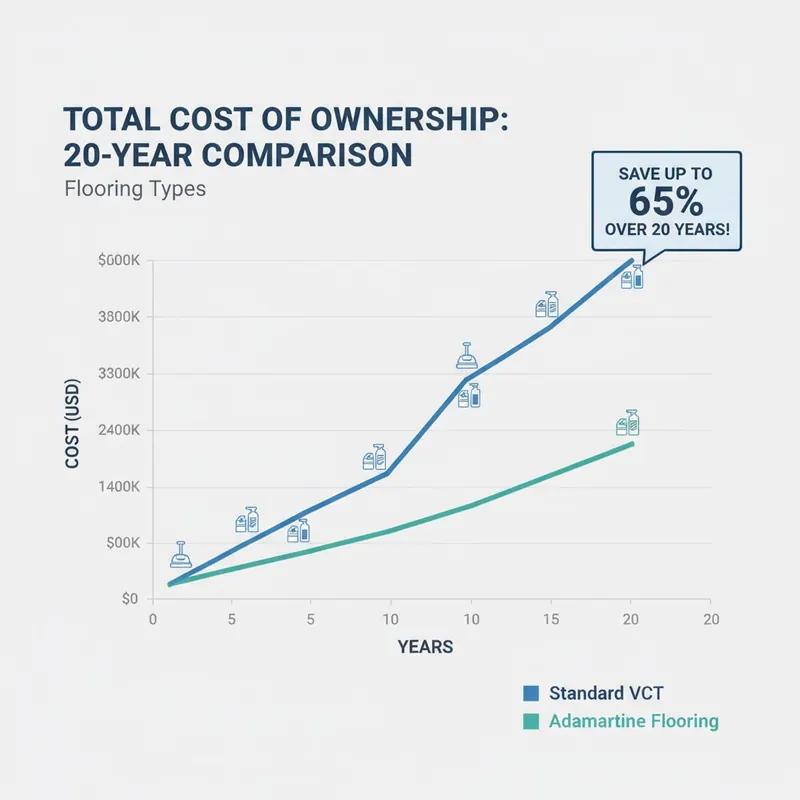
Choosing a flooring system based on the initial purchase price alone is a common but costly mistake. The true cost of a floor emerges over its entire lifecycle, encompassing installation, maintenance, repairs, and eventual replacement. This is the Total Cost of Ownership (TCO), and it is the most accurate metric for making a sound financial decision.
Industry data from organizations like the International Facility Management Association (IFMA) shows that maintenance is a major expense; in fact, commercial cleaning can account for up to 30% of a flooring system’s total cost of ownership over its lifespan.[7] Floors that require frequent stripping, waxing, buffing, or specialized repairs carry high labor and material costs that accumulate year after year. Adamantine Flooring is designed to dramatically lower this TCO. Its non-porous, wear-resistant surface never needs waxing or sealing, and it cleans easily with simple, low-cost methods, significantly reducing labor, chemical, and water usage over the life of the building.
Lifecycle Mastery: Protocols for Installation and Maintenance
Achieving long-lasting flooring performance depends on three pillars: superior material composition, expert installation, and proper maintenance. While Adamantine Flooring excels in the material pillar, understanding best practices for the other two is crucial for maximizing any flooring investment.
Leading industry bodies like the Institute of Inspection, Cleaning and Restoration Certification (IICRC)[8] and Certified Flooring Installers (CFI)[9] emphasize that even the best material can fail if not installed or maintained correctly. A master installer will tell you that proper subfloor preparation—ensuring the substrate is clean, flat, and dry—is the most critical factor for a successful, long-lasting installation.
For Adamantine Flooring, the maintenance protocol is remarkably simple. Because the surface is non-porous and highly resistant, it does not require the complex, multi-step procedures common with other floors. A daily routine of sweeping or dust mopping, followed by cleaning with a neutral pH solution and a microfiber mop or auto-scrubber, is all that is needed to maintain its appearance and performance. This contrasts sharply with materials like VCT, which require a strict regimen of stripping, sealing, and waxing to protect their porous surface from degradation.
Conclusion
The persistent struggle against flooring degradation is a drain on budgets, time, and operational efficiency. It stems from choosing materials that are fundamentally ill-equipped to handle the environments they are placed in. We have seen that flooring failure is not random; it is a predictable outcome of chemical, mechanical, and environmental forces acting on vulnerable surfaces.
The solution is to shift the decision-making process from one based on aesthetics and upfront cost to one grounded in material science and long-term financial analysis. By understanding the principles of impermeability, hardness, and chemical inertness, you can identify a truly resilient flooring surface. Adamantine Flooring embodies these principles, offering a data-backed, degradation-proof solution engineered to endure the harshest conditions. Its proven performance not only eliminates the costs and frustrations of premature flooring failure but also delivers the lowest Total Cost of Ownership in the industry.
Stop the cycle of flooring failure. See the science for yourself. Request a complimentary sample of Adamantine Flooring or schedule a consultation with one of our material specialists today.
Disclaimer: This article discusses the features and benefits of Adamantine Flooring. All performance claims are based on standardized testing and internal data. Readers should consult with a flooring professional to determine the best solution for their specific application.
References & Authoritative Sources
- Association for Materials Protection and Performance (AMPP). (N.D.). AMPP. Retrieved from https://www.ampp.org/
- Centers for Disease Control and Prevention (CDC). (2019). Guideline for Disinfection and Sterilization in Healthcare Facilities. Retrieved from https://www.cdc.gov/infectioncontrol/guidelines/disinfection/index.html
- ASTM International. (N.D.). ASTM International – Standards Worldwide. Retrieved from https://www.astm.org/
- Federal Emergency Management Agency (FEMA). (N.D.). Recovering from Disaster. Retrieved from https://www.fema.gov/assistance/individual/disaster-survivors/recover
- NSF International. (N.D.). Food Equipment Certification. Retrieved from https://www.nsf.org/food-safety/food-equipment-certification
- American National Standards Institute (ANSI). (N.D.). American National Standards Institute. Retrieved from https://www.ansi.org/
- International Facility Management Association (IFMA). (N.D.). IFMA. Retrieved from https://www.ifma.org/
- Institute of Inspection, Cleaning and Restoration Certification (IICRC). (N.D.). IICRC – The Standard of Care. Retrieved from https://iicrc.org/
- Certified Flooring Installers (CFI). (N.D.). Certified Flooring Installers Association, Inc.. Retrieved from https://cfiinstallers.org/