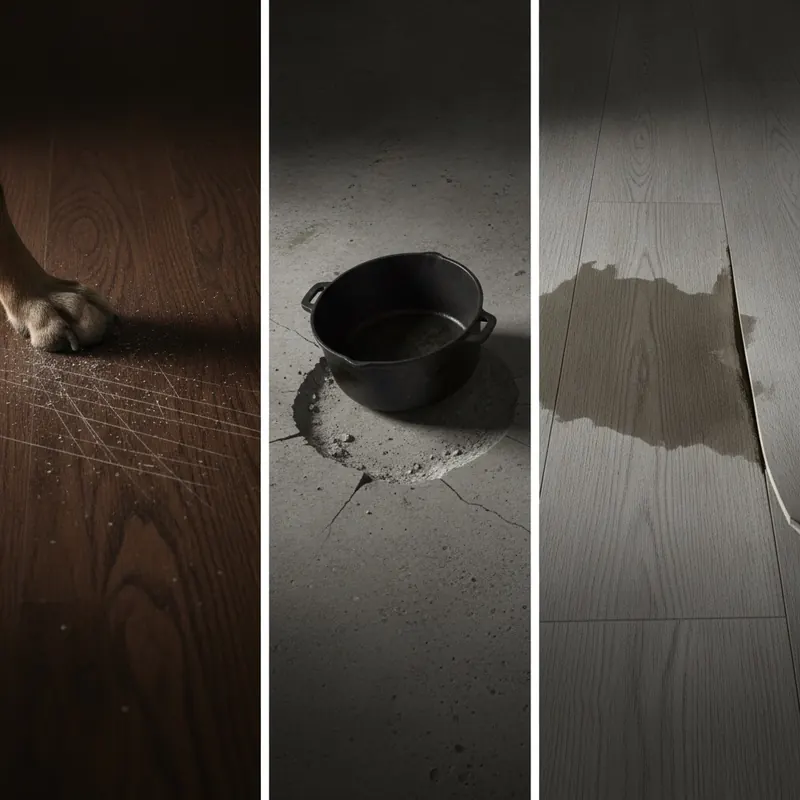
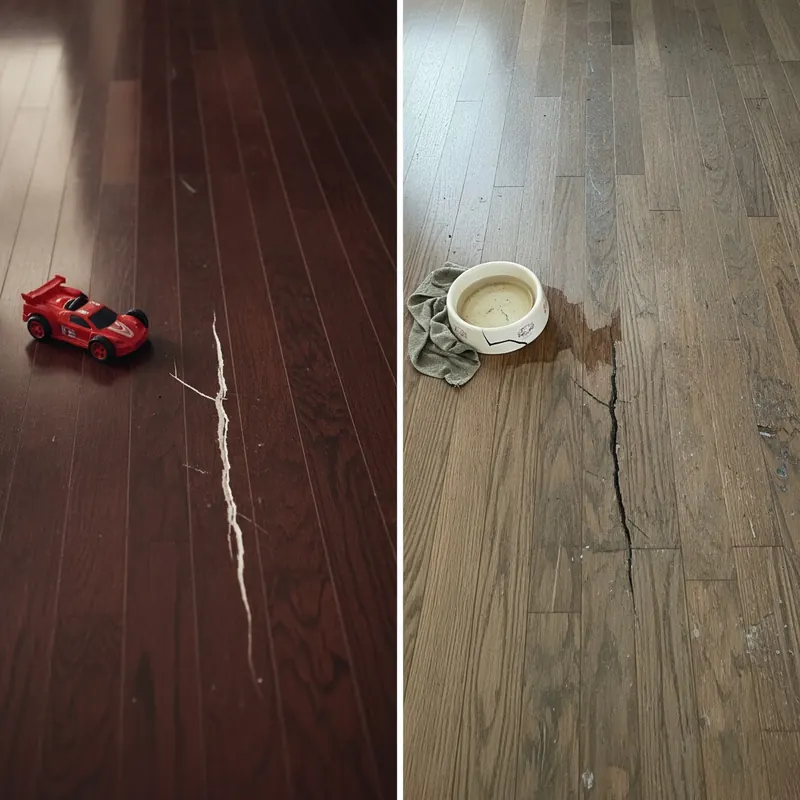
The wrong commercial floor isn’t just a design mistake; it’s a costly business failure waiting to happen. Premature wear, constant maintenance, and safety hazards can drain budgets and disrupt operations, turning a significant investment into a recurring liability. For over a century, business owners have searched for a flooring solution that could withstand anything thrown at it—a truly “adamantine” surface. This term, rooted in history, represents the pinnacle of hardness and indestructibility. It was once the name of a real, legendary flooring material renowned for its incredible resilience.
While the original Adamantine tiles are now relics of the past, the modern quest for their properties is more relevant than ever. This guide is your definitive playbook for finding today’s equivalent. We move beyond simple lists of materials to provide a data-driven, strategic approach to commercial flooring. Inside, you’ll find our proprietary Flooring Performance Matrix, a tool that decodes technical specs into real-world performance, and a comprehensive Lifecycle Cost Framework that reveals the true long-term value of your investment.
We will unearth the history of the original Adamantine flooring, translate its legendary durability into modern scientific metrics, pit today’s top contenders against each other in a head-to-head showdown, and provide an application-specific playbook for matching the perfect floor to your business. By the end, you’ll be equipped to make a strategic decision that delivers maximum durability, ROI, and aesthetic endurance for years to come.
- What Was Adamantine Flooring? Unearthing a Legend in Durability
- The Modern Quest for Adamantine Endurance: Decoding High-Traffic Flooring Metrics
- The Ultimate Commercial Flooring Showdown: A Data-Driven Performance Matrix
- Application-Specific Playbook: Matching the Floor to the Business
- Beyond Installation: A Framework for Flooring Lifecycle Management
- The Adamantine Standard for the Modern Business
- References & Authoritative Sources
What Was Adamantine Flooring? Unearthing a Legend in Durability
Before the advent of modern epoxies and high-performance vinyl, there was Adamantine tile. This section delves into the history of this remarkable material, establishing the benchmark for the durability we seek today. Original Adamantine flooring was not a generic term but a specific product: a type of vitreous, unglazed stoneware tile produced in the late 19th and early 20th centuries.
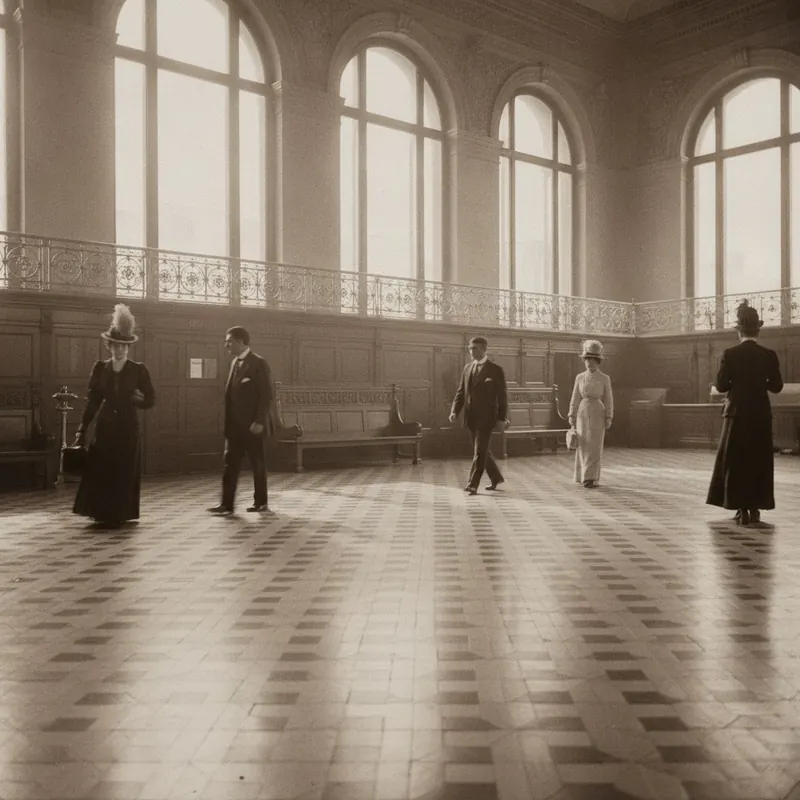
Companies like the American Encaustic Tiling Company of Zanesville, Ohio, were pioneers in manufacturing these tiles.[1] Made from finely ground clays and fired at extremely high temperatures, the process created a dense, non-porous tile body that was incredibly resistant to abrasion, moisture, and staining. Its name was a brilliant marketing move, evoking the mythical, unbreakable substance “adamant” to signify its superior strength. It was the high-traffic flooring of its era, commonly installed in public buildings, banks, train stations, and grand hotels where durability was paramount. According to architectural preservation guides, such as those from the National Park Service’s Technical Preservation Services, these historical tiles are celebrated for their longevity and contribution to historic interiors.[2]
Is Adamantine Flooring Still Available Today?
This is a common question for those captivated by its legacy. The direct answer is no; new Adamantine tiles are no longer in production. Today, this historical flooring exists exclusively as an architectural salvage item. Sourcing original, matching tiles for a restoration project is a significant challenge, often requiring extensive searches through specialized dealers.
Furthermore, working with these historical materials requires specialized knowledge. As noted in resources like the Journal of Architectural Conservation, restoring historical tile installations involves complexities in matching mortar, addressing subfloor issues, and gently cleaning surfaces without damaging the century-old material.[3] For new construction or large-scale renovations, the practical path is not to hunt for the original but to identify its modern successors—materials engineered to meet and exceed the performance that made Adamantine a legend.
The Modern Quest for Adamantine Endurance: Decoding High-Traffic Flooring Metrics
To find a modern “adamantine” floor, we must move from legend to science. The commercial flooring industry uses a specific set of metrics to quantify durability, and understanding them is the key to seeing past marketing hype. This allows you to compare products objectively and select a floor that truly meets the demands of your space. We’ve organized these metrics into a simple framework we call the Flooring Endurance Rating, which evaluates materials based on their resistance to crushing, abrasion, wear, and slips.
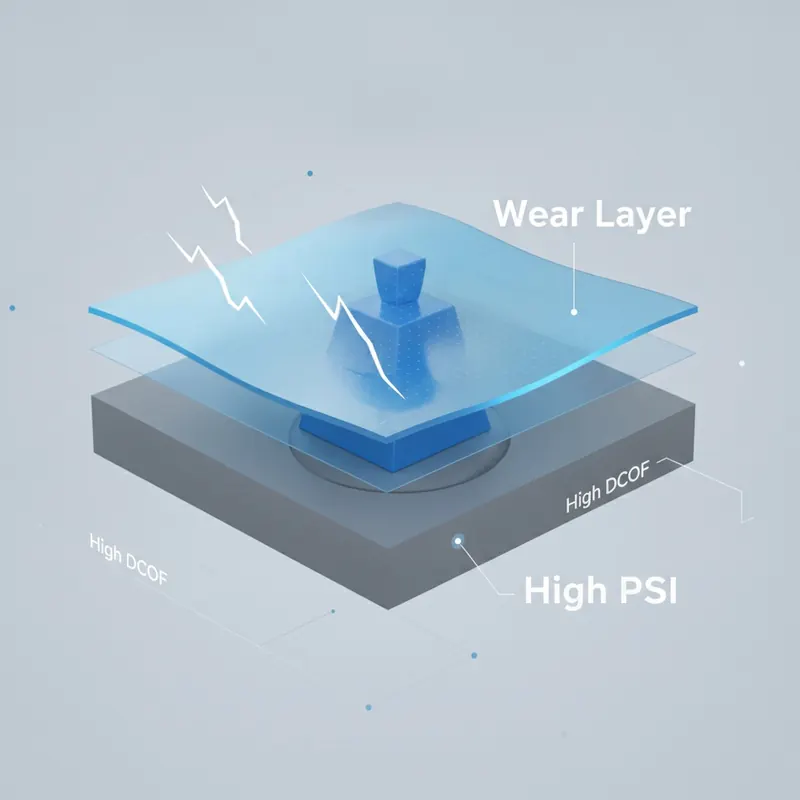
Compressive Strength (PSI): Resistance to Crushing
Compressive strength, measured in Pounds per Square Inch (PSI), indicates a floor’s ability to withstand heavy static loads without cracking or breaking. This is a critical metric for warehouses with heavy racking, manufacturing facilities with machinery, or auto showrooms. For context, standard concrete typically has a compressive strength of 3,000-5,000 PSI. In contrast, high-performance flooring systems can be far stronger; epoxy flooring can have a compressive strength of over 10,000 PSI. According to the American Concrete Institute (ACI), proper testing and standards are essential to verify these strength claims.[4]
Abrasion Resistance (AC & PEI Ratings): The Science of Scratch Resistance
Abrasion is the wear and tear caused by friction, primarily from foot traffic and the fine grit and dirt tracked into a building. Two key rating systems help quantify this resistance:
- AC (Abrasion Class) Rating: Used for laminate flooring, this rating ranges from AC1 (light residential use) to AC5 (heavy commercial use). For any business with consistent foot traffic, laminate flooring with an AC4 or AC5 rating is essential for preventing premature wear.
- PEI (Porcelain Enamel Institute) Rating: This scale, referenced by the Tile Council of North America (TCNA), rates the wear resistance of ceramic and porcelain tile from Class 1 to Class 5.[5] A PEI rating of 5 is designed for the heaviest commercial traffic, making it suitable for shopping malls, airports, and public entryways.
Beyond these ratings, the inherent hardness of a material plays a role. Porcelain tile, for instance, has a Mohs hardness rating of 7-9, making it exceptionally resistant to scratches from most common objects.
The Wear Layer: Your Floor’s First Line of Defense
For resilient flooring like Luxury Vinyl Tile (LVT), the wear layer is the single most important component for durability. This is a clear, protective top coating—typically made of urethane and often enhanced with hard additives like aluminum oxide—that shields the printed design layer from scuffs, scratches, and stains.
The thickness of the wear layer is measured in mils (one-thousandth of an inch). While a 12 mil wear layer might suffice for light commercial use, a commercial LVT’s wear layer should be at least 20 mil (0.5mm) thick for moderate to heavy traffic. The Resilient Floor Covering Institute (RFCI) provides standards and reliable information on these specifications, confirming that a thicker, high-quality wear layer is directly linked to the floor’s longevity and its ability to be classified as low-maintenance commercial flooring.[6]
Slip Resistance (DCOF): The Critical Safety Factor
Durability is meaningless if a floor is unsafe. The key metric for slip resistance is the Dynamic Coefficient of Friction (DCOF), which measures the friction of a surface when an object is already in motion. This is a more accurate real-world indicator of slipperiness than older “static” measurements.
This metric is a legal and safety imperative. The ANSI A137.1 standard requires a DCOF of 0.42 or greater for level interior spaces likely to be walked upon when wet.[7] This is a non-negotiable factor for restaurant kitchens, building entryways, restrooms, and healthcare facilities. Guidelines from the Occupational Safety and Health Administration (OSHA) also emphasize the importance of maintaining slip-resistant surfaces to prevent workplace accidents, making DCOF a critical specification to verify.[8]
The Ultimate Commercial Flooring Showdown: A Data-Driven Performance Matrix
Now that we’ve defined the metrics, it’s time to see how the top modern contenders stack up. To simplify your decision, we’ve created a Durability Scorecard. This matrix rates our top four commercial flooring categories on the key performance indicators that matter most to business owners.
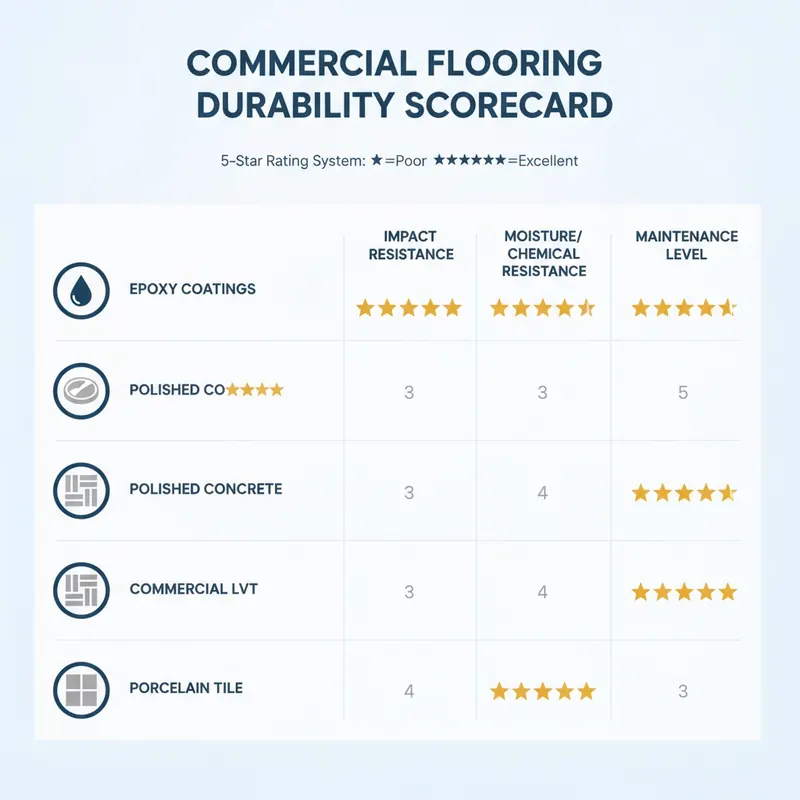
Contender #1: Epoxy & Urethane Coating Systems
These are fluid-applied floors that cure to form a hard, durable, and seamless surface over a concrete substrate. They are champions of industrial and heavy-duty environments.
- Performance: Unmatched in chemical and moisture resistance due to their non-porous, seamless nature. High-performance epoxy coatings can have an abrasion resistance rating 2-3 times stronger than concrete. For extreme environments, urethane cement flooring is the top choice, as it can withstand thermal shock from -100°F to 250°F, making it perfect for commercial kitchens with hot wash-downs.
- Best For: Warehouses, manufacturing plants, commercial kitchens, healthcare facilities, auto garages.
- Expert Insight: The Society for Protective Coatings (SSPC) sets performance standards for these systems, ensuring their durability claims can be verified through standardized testing.[9]
Contender #2: Polished & Sealed Concrete
Leveraging the building’s existing concrete slab, this option offers a modern, industrial aesthetic with excellent durability.
- Performance: Mechanically polished concrete is incredibly dense and abrasion-resistant. It is a genuinely low-maintenance option requiring only routine cleaning. Sealed concrete is a less expensive alternative but requires periodic re-sealing to maintain its stain resistance. When asked, “Will polished concrete crack if I drop something heavy on it?” the answer is that while very strong, it is not immune to chipping from a sharp, heavy impact, and its performance depends heavily on the quality of the underlying concrete slab.
- Best For: Retail spaces, showrooms, galleries, large open-plan offices, lobbies.
- Expert Insight: The Concrete Polishing Council (CPC) provides best practices that ensure a high-quality, long-lasting finish.[10] Its high light reflectivity is also a significant benefit, making retail spaces feel brighter and more open.
Contender #3: Commercial-Grade Luxury Vinyl Tile (LVT)
LVT is the chameleon of the flooring world, offering a vast array of design options that realistically mimic wood, stone, and abstract patterns.
- Performance: Its durability is dictated by its wear layer. With a 20 mil or thicker wear layer, commercial-grade LVT is highly resistant to scratches and scuffs. It offers good comfort underfoot and excellent sound absorption. Its modularity is a key advantage; if a plank or tile is damaged, it can be replaced individually. This versatility has led LVT to capture over 30% of the commercial flooring market share in North America.
- Best For: Retail, corporate offices, healthcare, hospitality, multi-family housing.
- Expert Insight: The Resilient Floor Covering Institute (RFCI) is an authoritative source for information on LVT’s performance standards and benefits.[6]
Contender #4: Porcelain & Quarry Tile
Tile is a classic choice known for its brute strength and longevity, making it one of the most durable options available.
- Performance: Porcelain tile is incredibly hard and dense, with a water absorption rate of less than 0.5%, making it virtually waterproof and highly stain-resistant. As certified by the Tile Council of North America (TCNA), porcelain tile with a PEI rating of 5 can withstand the heaviest commercial foot traffic without showing wear.[5] The primary potential weak point is the grout lines, which require proper sealing and cleaning to prevent staining.
- Best For: High-traffic entryways, restrooms, commercial kitchens (quarry tile), spas, and any area with heavy moisture.
- Expert Insight: The TCNA is the definitive authority on all standards related to tile installation and performance, ensuring you can select a product tested and proven for your application.
Application-Specific Playbook: Matching the Floor to the Business
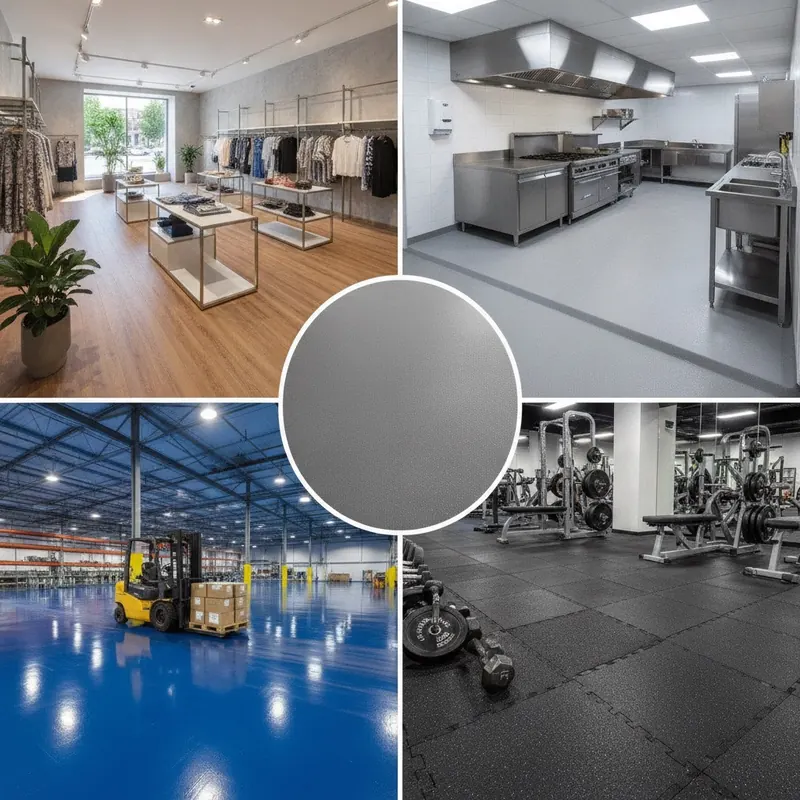
The most durable floor in the world can still fail if it’s used in the wrong environment. This section provides tailored recommendations to help you translate your specific business needs into the right flooring choice.
For Retail & Hospitality: Balancing Aesthetics and Endurance
In retail, the floor is a critical part of the brand identity and customer experience. The goal is to combine stunning design with the resilience to handle constant foot traffic.
- Top Choices: Commercial-grade LVT for its limitless design flexibility, and polished concrete for a modern, minimalist, or industrial aesthetic.
- Strategic Application: Flooring can be a powerful tool for wayfinding. A 2022 retail design survey found that 65% of designers reported using flooring to create defined zones within an open-plan store. You can use a different LVT pattern to guide customers along a main path or transition to polished concrete to highlight a feature area. According to design authorities like Interior Design Magazine and the Retail Design Institute, the texture and color of flooring significantly impact a space’s atmosphere.[11] The psychology of color, as studied by institutions like the Pantone Color Institute, shows that warm, wood-look LVT can create a welcoming feel, while sleek, grey concrete can evoke a sense of modern luxury.[12]
For Commercial Kitchens: The Non-Negotiables of Safety and Hygiene
There is no room for error in a commercial kitchen. The flooring must be non-porous, slip-resistant, durable, and easy to sanitize to meet strict health codes.
- Top Choices: Urethane cement and quarry tile.
- Strategic Application: Urethane cement is the gold standard. It’s applied as a seamless slurry that creates an impermeable surface with no grout lines where bacteria can grow, a key requirement based on guidelines from the FDA Food Code and standards from NSF International.[13] It also offers superior thermal shock resistance. Quarry tile is a traditional, durable option, but ensuring it meets the ANSI A137.1 DCOF standard for slip resistance is crucial.[7] A critical but often overlooked feature is the integral cove base, where the flooring material curves seamlessly up the wall for several inches. This eliminates the hard 90-degree corner between the floor and wall, making deep cleaning and sanitization far more effective.
For Warehouses & Industrial Spaces: Resisting Impact and Abrasion
These environments demand floors that can endure forklift traffic, chemical spills, and heavy impacts from dropped tools or materials.
- Top Choices: High-build epoxy coating systems and urethane concrete.
- Strategic Application: The key is specifying the correct thickness and system for the load. A warehouse with pallet jack traffic may only need a 30-mil epoxy coating, while a facility with heavy forklift traffic and impact risk requires a quarter-inch thick urethane cement troweled system. Performance should be verified against standards like ASTM D2794, a test method for measuring a coating’s resistance to impact.[14] A case study of a busy manufacturing plant might show designated traffic aisles coated in a highly abrasion-resistant epoxy, while machine areas have a thicker, impact-resistant urethane overlay.
For Gyms & Fitness Centers: Absorbing Impact and Ensuring Safety
Gym flooring must serve two purposes: protect the subfloor from dropped weights and protect the members from injury.
- Top Choices: Interlocking recycled rubber flooring and high-impact rubber rolls.
- Strategic Application: In free-weight areas, impact absorption is the primary concern. Recycled rubber flooring is the ideal solution, and it is available in thicknesses from 8mm to 12mm to absorb the impact of dropped weights. Thicker is always better for protecting the concrete subfloor beneath. In cardio areas, locker rooms, and reception areas, durability and hygiene are more important. Here, premium LVT with a thick wear layer offers a durable, easy-to-clean, and aesthetically pleasing solution.
Beyond Installation: A Framework for Flooring Lifecycle Management
Your flooring decision doesn’t end on installation day. A strategic approach to maintenance and repair is essential for maximizing the return on your investment. By focusing on the total cost of ownership, you can save thousands of dollars over the life of your floor. Authoritative bodies like the ISSA and the Institute of Inspection, Cleaning and Restoration Certification (IICRC) provide the standards for these long-term management practices.[15], [16]
Calculating Total Cost of Ownership: The Low-Maintenance Myth
The cheapest floor to install is often the most expensive to own. A true lifecycle cost analysis includes the initial material and installation costs plus the cumulative cost of maintenance labor and supplies over a 10-15 year period.
A classic example is comparing Vinyl Composition Tile (VCT) with LVT. VCT has a low initial cost but requires a costly, labor-intensive cycle of stripping and waxing. According to data from building management sources, this can cost an estimated $1.00 – $1.50 per square foot annually.[17] A 10,000 sq. ft. facility could spend over $100,000 on VCT maintenance over a decade. In contrast, no-wax commercial LVT costs more upfront but eliminates these expenses, resulting in a dramatically lower total cost of ownership.
A Visual Diagnostic Guide to Common Floor Damage
Understanding the cause of flooring damage is the first step to preventing it.
- Problem: Scuffs and Scratches in High-Traffic Lanes.
- Cause: Abrasive grit from shoes acts like sandpaper. According to the ISSA, up to 80% of all dirt and debris that enters a building is tracked in on the first 15-20 feet of flooring.[15]
- Solution: Implement a high-performance entrance matting system that is at least 15 feet long to capture dirt and moisture.
- Problem: Fading Near Windows.
- Cause: UV radiation from direct sunlight is breaking down the floor’s color pigments.
- Solution: Install UV-blocking window films and choose flooring with built-in UV inhibitors.
- Problem: Gouges and Dents.
- Cause: Damage to the floor’s core material from sharp or heavy impacts. This is different from a scratch, which only affects the wear layer or finish.
- Solution: Use furniture pads under all legs and choose flooring with a high PSI rating or impact-absorbing properties (like rubber) for relevant areas.
Repairability Index: From Easy Fixes to Full Replacements
Not all floors are created equal when it comes to repair. Our Repairability Index helps you understand what to expect when damage occurs.
- Easily Repairable: Modular flooring formats like LVT planks and carpet tiles are the clear winners. A single damaged piece can be heated, removed, and replaced with a new one, making the repair nearly invisible.
- Professionally Repairable: Materials like hardwood can be sanded and refinished to remove widespread surface damage, a process best left to professionals following guidelines from the National Wood Flooring Association (NWFA).[18] Deep gouges can also be filled by an expert. Polished concrete can often be re-honed and re-polished to remove surface-level damage.
- Difficult to Repair: Sheet goods like sheet vinyl or linoleum are the most challenging. Damage often requires a patch that is rarely seamless and can be visually obvious. For these materials, prevention is the best strategy.
When in doubt, especially with structural damage, always consult a professional certified by an organization like the Certified Floorcovering Installers Association (CFI) to avoid causing further issues.[18]
The Adamantine Standard for the Modern Business
The spirit of the original Adamantine flooring—its promise of unwavering endurance—is alive and well. It exists today not in a single product, but in a strategic approach to selecting the right high-performance material for a specific demand. The journey to finding the perfect commercial floor is no longer about chasing a historical name, but about understanding the science of durability.
By using the metrics, the data-driven Performance Matrix, and the Lifecycle Cost Framework laid out in this guide, you are now equipped to look past the surface and choose a flooring solution that delivers true, measurable value. You can confidently select a floor that will not only withstand the rigors of your business but will also enhance your brand, ensure safety, and provide the greatest possible return on your investment for years to come.
Ready to find the perfect high-performance flooring for your space? Contact our commercial flooring experts today for a free consultation and a personalized recommendation based on your unique business needs.
The information provided is for educational purposes. Always consult with a certified flooring professional and conduct site-specific assessments before making a final purchasing or installation decision.
References & Authoritative Sources
- The American Encaustic Tiling Company. (N.D.). Historical Catalogs and Product Information.
- National Park Service. (N.D.). Technical Preservation Services Guidelines. Retrieved from the National Park Service website.
- Journal of Architectural Conservation. (N.D.). Scholarly articles on the preservation and restoration of historical building materials.
- American Concrete Institute (ACI). (N.D.). Building Code Requirements for Structural Concrete and Commentary. Retrieved from the American Concrete Institute website.
- Tile Council of North America (TCNA). (N.D.). TCNA Handbook for Ceramic, Glass, and Stone Tile Installation. Retrieved from the TCNA website.
- Resilient Floor Covering Institute (RFCI). (N.D.). Industry Standards and Resources. Retrieved from the RFCI website.
- American National Standards Institute (ANSI). (N.D.). ANSI A137.1 American National Standard Specifications for Ceramic Tile.
- Occupational Safety and Health Administration (OSHA). (N.D.). Walking-Working Surfaces Standards. Retrieved from the OSHA website.
- The Society for Protective Coatings (SSPC). (N.D.). Market and Performance Standards. Retrieved from the SSPC website.
- Concrete Polishing Council (CPC). (N.D.). Best Practices and Standards for Polished Concrete. A specialty council of the American Society of Concrete Contractors (ASCC).
- Interior Design Magazine & Retail Design Institute. (N.D.). Industry publications and professional organizations setting trends in commercial and retail design.
- Pantone Color Institute. (N.D.). Global Authority on Color and Provider of Professional Color Standards.
- U.S. Food and Drug Administration (FDA) & NSF International. (N.D.). FDA Food Code and NSF International Public Health Standards.
- ASTM International. (N.D.). Standardized Testing Methods (e.g., ASTM D2794 for Impact Resistance). Retrieved from the ASTM International website.
- ISSA – The Worldwide Cleaning Industry Association. (N.D.). Cleaning Standards and Data on Building Maintenance. Retrieved from the ISSA website.
- Institute of Inspection, Cleaning and Restoration Certification (IICRC). (N.D.). Standards for Inspection, Cleaning, and Restoration. Retrieved from the IICRC website.
- Building Owners and Managers Association (BOMA) International. (N.D.). Research and Data on Building Operational Costs. Retrieved from the BOMA International website.
- National Wood Flooring Association (NWFA) & Certified Floorcovering Installers Association (CFI). (N.D.). Installation and Repair Guidelines and Certification Programs.